On this page
Yes — tattoos are legal in Japan, but each onsen sets its own entry policy. Check the facility's official rules before visiting:
- Small tattoo: use an approved cover sticker where the policy allows it.
- Large or multiple tattoos: choose a fully tattoo-friendly bath or reserve a private kashikiri bath.
- Strict no-tattoo facility: do not enter, even with a cover. Use one of the alternatives in this guide.
Japanese law does not ban tattooed people from bathing, but onsen operators can set their own house rules. In practice, facilities fall into three groups: fully tattoo-friendly, cover-required or discretionary, and strict no-tattoo. The safest choice depends on the size of your tattoo and whether a private bath is available.
This guide explains the tattoo rules first, then shows where you can actually bathe, what to do when cover stickers are not enough, and the etiquette every first-time visitor needs. Policies were rechecked against the linked official pages on September 19, 2026; where an operator does not publish a tattoo policy, the guide labels the information as reported or discretionary. If you're planning your first trip, see our first-time Japan guide, accommodation types breakdown, and the Kansai Airport to city guide for getting to the onsen towns below.
This article contains affiliate links. We may earn a commission when you book through them, at no extra cost to you. Recommendations are based on the tattoo policies and practical trade-offs described below.
30-second onsen route
Find the lowest-stress tattoo option
Choose your area and the kind of access you want. The result prioritizes a clear policy over the highest commission.
Book a guided tattoo-friendly Tokyo sento visit
This small-group experience visits a tattoo-friendly public bath near Tokyo Skytree. An English-speaking host explains the etiquette, making it the clearest bookable first-bath option in central Tokyo.
- Tattoos accepted without cover stickers
- English host explains the bathing steps
- Shared, nude, gender-separated bathing
Affiliate link — we may earn a commission at no extra cost to you. Recheck the property's current tattoo and bath policy before booking.
Tattoo-friendly onsen in Japan: the facility list
If you only read one thing: Kinosaki and Kusatsu publish policies that allow tattooed bathers without covers. Funaoka is widely reported as tattoo-friendly, but its official page does not publish a tattoo rule. Solaniwa accepts tattoos only when every tattoo is covered with its approved stickers; Arima's public baths remain discretionary. Spa World, Taikō-no-yu and Spa LaQua refuse tattoos. Everything below is explained in detail further down; the links jump straight to each write-up.
| Facility | Where | Tattoo policy | Cost | What you need to know |
|---|---|---|---|---|
| Kinosaki soto-yu | Toyooka, Hyogo | Open — town-wide statement | Yumepa ¥1,500 / ¥750 child | All seven are covered by the tattoo policy, but Satono-yu is closed indefinitely and Kono-yu is closed through October 30, 2026 |
| Funaoka Onsen | Kyoto (Nishijin) | Reported open — not stated on official page | ¥550 | Historic sento with a cypress rotenburo. Official listing says open daily; confirm tattoo policy directly if it is critical |
| Sai-no-kawara | Kusatsu, Gunma | Open — official FAQ | ¥800 | One of Japan's largest open-air baths. ~3.5h from Tokyo |
| Goza-no-yu | Kusatsu, Gunma | Open — official FAQ | ¥900 | Rebuilt traditional bathhouse in the village centre |
| Otaki-no-yu | Kusatsu, Gunma | Open — official FAQ | ¥1,200 | Cascading bath series, the most varied of the three |
| Hakone Yuryo | Hakone | Open since April 1, 2025 | Check live rate | Its official English site says tattoo-related bathing restrictions were lifted |
| Daikoku-yu | Tokyo (Sumida) | Open | ¥600 | The bath used by the bookable guided tattoo-friendly experience below |
| Kosugi-yu | Tokyo (Koenji) | Reported open | ¥600 | Modernised neighborhood sento; recheck before visiting |
| Konparu-yu | Tokyo (Ginza) | Reported open | ¥600 | Historic Ginza sento; recheck before visiting |
| Niseko hotel onsen | Hokkaido | Varies by property | Hotel guests | Do not treat Niseko as having a region-wide policy; ask the hotel in writing |
| Solaniwa Onsen | Osaka (Bentencho) | Cover required — official policy | Check live rate | Every tattoo must be completely covered with Solaniwa's approved stickers |
| Kin-no-yu / Gin-no-yu | Arima, Kobe | Discretionary — no public welcome statement | Check live rate | Traveler reports are not a guarantee; large tattoos are better handled with a confirmed private bath |
| Tenzan Tohji-kyo | Hakone | Confirm directly | Check live rate | Do not rely on old visitor reports for group or large-tattoo access |
| Spa World | Osaka (Shin-Sekai) | No — strict | — | Still appears on outdated tattoo-friendly lists, but its current policy refuses tattoos |
| Taikō-no-yu | Arima, Kobe | No — strict | Check live rate | Posted on its own FAQ. Same for the adjacent Arima Kirari |
| Spa LaQua | Tokyo Dome | No — signed declaration | — | The classic mistake for tattooed visitors staying in Shinjuku |
| Oedo Onsen Odaiba | Odaiba | Closed since 2021 | — | Site is still empty. Disregard any guide that recommends it |
Two things this table cannot do for you. If your tattoo is too large to cover, or you would simply rather not be assessed at a reception desk, book a private kashikiri bath. And if you are going the cover-sticker route, check the facility's exact size, quantity and approved-product rules before buying anything.
1. Can you use an onsen in Japan with tattoos in 2026?
There is still no nationwide rule and no recent government survey that can tell you what percentage of Japanese baths accept tattoos in 2026. What has improved is the amount of facility-level information: some towns and operators now publish clear rules, while others still decide at the front desk.
The historical benchmark remains a 2015 Japan Tourism Agency survey: among the facilities that responded, 56% refused tattooed guests, 31% allowed them without conditions and 13% allowed them under conditions such as covering the tattoo. There is no comparable nationwide government survey to justify presenting a current percentage, so this guide does not extrapolate those figures to 2026.
Three concrete developments matter:
Hoshino Resorts' current hotel regulations are more nuanced than a simple “tattoos welcome” label. Tattoos alone are not grounds for refusal, but the operator may restrict communal-bath access if a tattoo is perceived as intimidating. At facilities open to non-hotel guests, the rules say tattoos must be covered with up to eight 8 × 10 cm stickers supplied by the facility. Check the exact property's rules rather than treating every KAI bath as unconditional Tier A.
National guidance dates from 2016, not 2024. The Japan Tourism Agency and Ministry of Health, Labour and Welfare presented possible responses such as cover stickers, time-separated use and private baths. The guidance examples are non-binding and do not create a right of entry; each operator still sets and enforces its own policy.
Kinosaki and Kusatsu publish unusually clear rules. Visit Kinosaki states that the town's seven public baths welcome tattooed guests when open. Kusatsu's official FAQ says its three flagship facilities do not refuse tattooed bathers.
The practical lesson is that an old blog post is unreliable in either direction. Spa World remains strict even though older English guides recommend it. Hakone Yuryo, by contrast, says it lifted its tattoo-related bathing restrictions in April 2025. Recheck the operator's page shortly before travel.
2. How do Japan's onsen tattoo rules work?
For planning purposes, sort baths into three policy tiers: openly tattoo-friendly, conditionally accepted, and refused. This is a traveler-friendly framework, not a legal classification, and a facility can move between tiers when its rules change.
| Tier | Policy | What it means in practice | Examples |
|---|---|---|---|
| A | Fully open | The operator publishes a no-cover tattoo policy | Kinosaki's public baths, Kusatsu's 3 flagship baths, Hakone Yuryo (since April 2025) |
| B | Cover required, reported or discretionary | Tattoos fit an operator's cover rule, or acceptance is not guaranteed by a published policy | Solaniwa Osaka, Funaoka Onsen (reported), Arima Kin/Gin-no-yu, Hoshino properties under their specific conditions, Niseko hotels by property |
| C | Refused | No tattoos in communal baths, no exceptions. Private kashikiri rooms at other facilities are the workaround | Spa World Osaka, Spa LaQua Tokyo |
Two heuristics will save you most of the time:
Heuristic 1 — Facility type is a clue, not proof. A neighborhood sento charging the regulated local rate is often more tolerant than a large entertainment spa, but “sento” never guarantees entry. Tokyo's adult sento rate is ¥600 and Kyoto's is ¥550 as of this update.
Heuristic 2 — Chain names do not replace property-level rules. Hoshino has group regulations with conditions; hotel and super-sento chains can still vary by location. Check the exact property rather than inferring from the brand.
When in doubt, check the official website first. TattooFriendlyOnsen.com can help you build a shortlist, but directories and guest reports are secondary sources and should be rechecked against current operator rules.
3. Where can tattooed visitors actually bathe in Kansai?
Kansai combines the clearest town-wide policy at Kinosaki with reported tattoo-friendly Kyoto sento and a cover-required Osaka option at Solaniwa. The distinctions matter: Kinosaki publishes its position, Funaoka's tattoo policy is not stated on its official page, and Solaniwa requires every tattoo to fit under approved covers.
Kinosaki Onsen (Toyooka, Hyogo) — The Gold Standard
If you only do one tattoo-friendly onsen-town experience in Japan, Kinosaki is the clearest choice. The canal-lined town is organized around seven public bathhouses (soto-yu) that guests visit in yukata and geta. Visit Kinosaki states that tattooed guests are welcome in all seven when open. Satono-yu has been closed indefinitely since April 2024, and Kono-yu is temporarily closed from May 11 through October 30, 2026, so only five are normally operating at the time of this update before their weekly closing days are considered.
The five normally operating during Kono-yu's temporary closure are Jizo-yu, Yanagi-yu, Ichi-no-yu, Gosho-no-yu, and Mandara-yu. Kono-yu is expected to return after October 30, 2026; Satono-yu remains closed indefinitely. Check the official calendar because weekly closures reduce the number available on a given day.
The standard play: arrive in the afternoon, check in to a ryokan, change into the inn-provided yukata, and use the Yumepa day pass (¥1,500 adult / ¥750 child) to bath-hop until close. The pass is often included with a town ryokan stay, but confirm the exact plan. A ryokan's in-house bath can have a different policy from the town baths, so ask the property directly if you plan to use it.
Practical note: closing days vary by bath. Check the Visit Kinosaki calendar before arrival rather than assuming the full bath circuit is available.
Planning a cold-weather trip? Our winter experiences guide includes snowy onsen scenery, city walks and other reasons to visit Japan in winter.
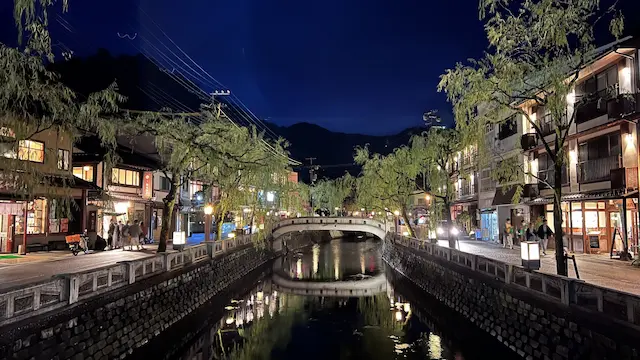 Town Baths Welcome Tattoos
Kinosaki Ryokan for a Tattoo-Friendly Bath-Hop
Why it may fit
Many central ryokan include Yumepa access to the town baths. The town-wide tattoo policy is clear, but check which baths are open and confirm the ryokan's own in-house bath policy separately.
Before booking
Check the live price, availability, eligibility, and terms before paying.
Funaoka Onsen (Kyoto, Sento) — Reported Tattoo-Friendly
A historic sento in Kyoto's Nishijin district, registered as a national tangible cultural property. Current tattoo-friendly directories and visitor reports describe uncovered tattoos as accepted, but the official Kyoto Sento listing does not publish a tattoo policy. Treat it as a strong reported option, not the same level of certainty as Kinosaki or Kusatsu.
Entry is the standard Kyoto sento rate of ¥550 as of 2026. The official listing says it is open every day from 3:00 p.m. to 1:00 a.m.; temporary closures can still occur.
Other Kyoto sento commonly listed as tattoo-friendly include Goko-yu, Ume-yu, Tama-no-yu, and Hakusan-yu. Recheck each facility's current rule before making a special trip.
Arima Onsen Public Baths (Kobe) — Discretionary (Tier B), Not Tier A
Japan's oldest hot-spring resort village, about an hour from Sannomiya. Two public bathhouses operated by the tourism association showcase kinsen (the brown iron-rich “gold spring”) and ginsen (the clear “silver spring”). Check the official site for current admission and combination-ticket prices.
The tattoo situation here is the honest hardest call in this guide. Neither facility posts a tattoo ban, and tattooed bathers (Japanese and foreign) regularly use both without incident. But neither facility has issued a public welcoming statement either — meaning a refusal at staff discretion is not impossible, particularly on busy weekend afternoons. Treat Arima as Tier B (discretionary), not Tier A. Go on a weekday morning if you can, behave conservatively, and have Solaniwa or Funaoka as your fallback for the day. If you have a sleeve or any large visible tattoo, default to the kashikiri (private) baths at Arima ryokan rather than the public baths.
Avoid 太閤の湯 Taikō-no-yu — its FAQ publishes a strict no-tattoo policy. The same applies to the adjacent Arima Kirari hotel bath.
Solaniwa Onsen (Osaka Bay Tower, Bentencho) — Cover-Required Theme Park
The cleanest conditional option in Osaka itself. Solaniwa's official FAQ allows entry when every tattoo is completely covered with stickers sold by the facility. The venue also has ten reservable private open-air baths. Prices and cover sizes can change, so check the official booking screen rather than relying on an old quoted rate.
Do not bring a generic cover and assume it will be accepted: Solaniwa specifies its own stickers. If the tattoos cannot be completely covered under the current rule, choose a private bath or a fully open facility instead.
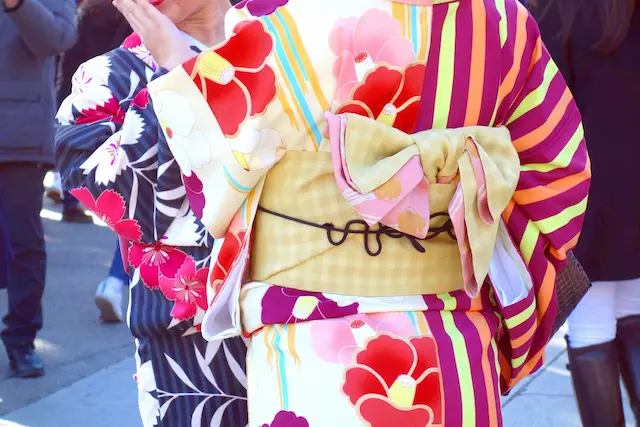 Tier B — Cover Required
Solaniwa Onsen Admission (Osaka)
Why it may fit
Solaniwa allows tattoos only when every tattoo is fully covered with its approved stickers. Check the current ticket, sticker and private-bath conditions before booking.
Before booking
Check the live price, availability, eligibility, and terms before paying.
Spa World Osaka — A Warning, Not a Recommendation
Listed here only to correct the record. Spa World in Shin-Sekai still appears on old “tattoo-friendly Osaka” lists, but its current policy is strict: covered or uncovered tattoos are not accepted. Use Solaniwa under its cover rule, a reported tattoo-friendly sento, or a confirmed private bath instead.
4. Where can tattooed visitors bathe outside Kansai?
Outside Kansai, Kusatsu and Hakone Yuryo have unusually clear policies. Tokyo requires more facility-level checking, but it now has a bookable guided visit to a tattoo-friendly public bath near Tokyo Skytree. Niseko policies remain property-specific rather than region-wide.
Hakone — Yuryo Reversed Course in 2025, Tenzan with Caveats
箱根湯寮 Hakone Yuryo was for years the canonical "tattoo-banned communal, kashikiri OK" example in English guides. Its official English site now says tattoo-related bathing restrictions were lifted on April 1, 2025. Confirm the latest house rules and prices before visiting; the facility also offers reservable private rooms.
天山湯治郷 Tenzan Tohji-kyo is a historic open-air onsen complex in Hakone's Okuyumoto valley. Tattoo-access reports describe conditions around group size and extensive tattoos, but the details are easy to misstate and can change. Confirm directly with Tenzan before making a special trip.
If you're flying through Tokyo and want to add Hakone, Hakone Yuryo's communal bath or a private kashikiri are the clearest routes. Our first-time Japan guide covers where Hakone fits into a broader itinerary.
Kusatsu — The Underrated Tattoo-Friendly Champion
Kusatsu's official FAQ says its three flagship facilities do not refuse people because they have tattoos. No cover is required under the published policy.
- 西の河原露天風呂 Sai-no-kawara Open-Air Bath (¥800) — a large rotenburo in a riverside park
- 御座之湯 Goza-no-yu (¥900) — a rebuilt traditional bathhouse in the village center
- 大滝乃湯 Otaki-no-yu (¥1,200) — a cascading bath series
Kusatsu is roughly 3.5 hours from Tokyo (Shinkansen + Kusatsu Onsen bus). If your trip is Tokyo-centric and you want a confident tattoo experience without going as far as Kinosaki, this is the right pick.
Tokyo — Shitamachi Sento, Not Tourist-Core Onsen
The most useful Tokyo insight is that neighborhood sento are generally better leads than large destination spas, but every facility still needs checking. The regulated adult sento rate increased to ¥600 on August 1, 2026, according to the Tokyo Metropolitan Government.
The strongest concrete option we found is a small-group visit to Daikoku-yu in Sumida, near Tokyo Skytree. The activity is hosted in English, explicitly accepts tattoos without covers and explains the bathing process before the group enters. It is a communal public bath, not a private onsen: guests bathe nude in gender-separated areas, and the Klook package currently requires a booking for two to four people.
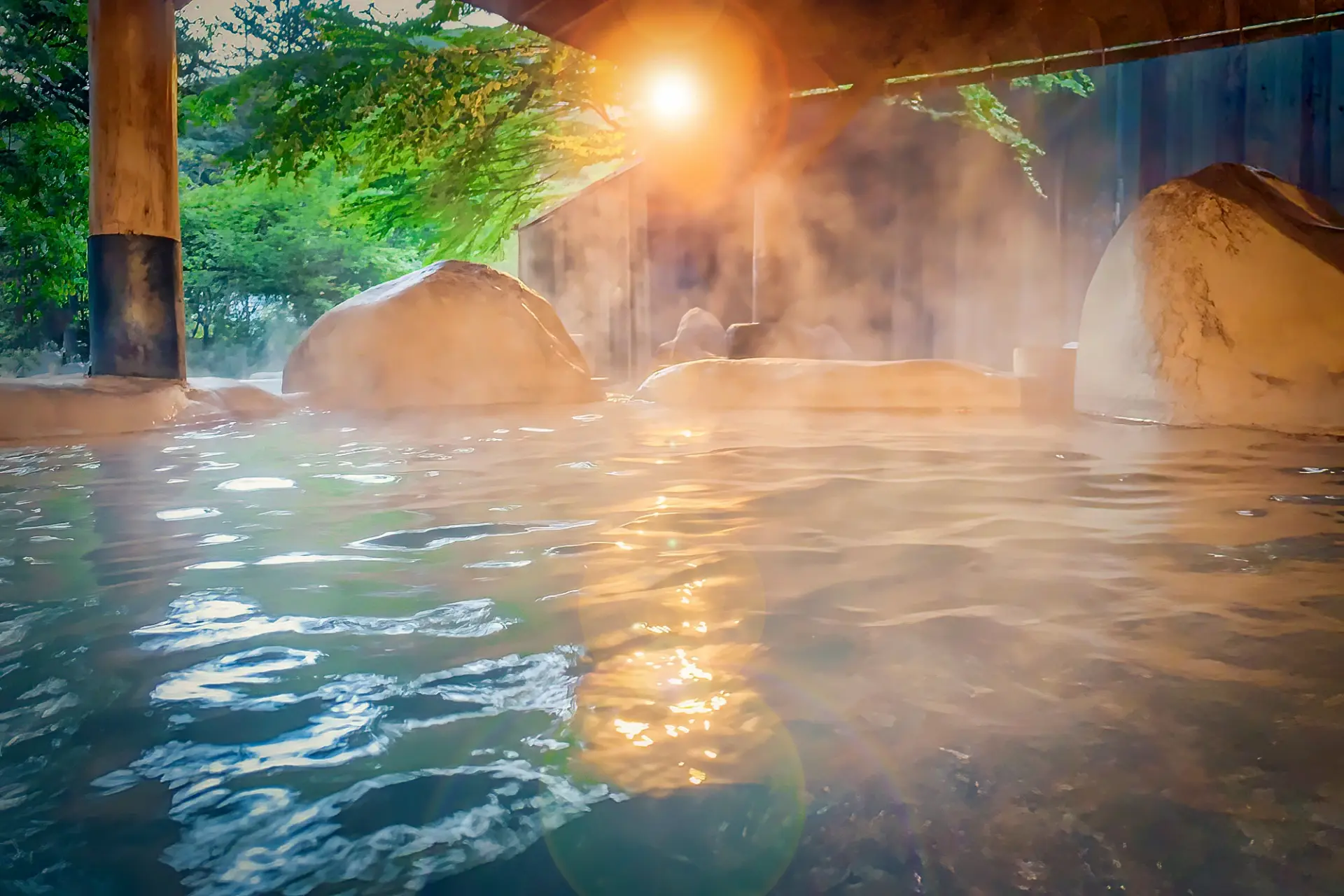 Tattoos Welcome — No Cover
Tattoo-Friendly Tokyo Sento Experience with a Local Guide
Why it may fit
A 90-minute hosted visit to tattoo-friendly Daikoku-yu near Tokyo Skytree. The guide explains the rules before a shared, nude, gender-separated public-bath experience. Minimum two guests; check live availability.
Before booking
Check the live price, availability, eligibility, and terms before paying.
Why this is Klook, not GetYourGuide: GetYourGuide's current Toyosu Manyo Club ticket is a useful alternative only for small tattoos. Its listing says tattoos must be completely covered by no more than two designated 11 × 20 cm sheets. We include that route under “Small + cover sticker” in the finder above, but it should not be described as an unrestricted tattoo-friendly experience.
Other Tokyo sento commonly listed as tattoo-friendly include:
- Daikoku-yu (Sumida, near Tokyo Skytree / Oshiage area) — traditional, hinoki rotenburo, classic sento aesthetics
- Kosugi-yu (Koenji, Suginami) — modernized sento with sauna, jazz, and craft coffee
- Konparu-yu (Ginza, est. 1863) — historic Ginza sento, miraculously still operating
- Mikoku-yu (Sumida) — traditional neighborhood sento
Avoid in Tokyo: Spa LaQua at Tokyo Dome (strict no-tattoo with signed declaration), Oedo Onsen Monogatari Odaiba (closed since 2021, site still empty — please disregard any guide that still recommends it).
Niseko / Hokkaido — Ski-Crowd Friendly
Niseko has many internationally oriented hotels, but it does not have a region-wide tattoo policy. Some hotel baths are reported as accepting tattoos or supplying covers; others do not. Ask the exact property in writing and describe the size and placement of the tattoo before making a non-refundable booking.
The lowest-uncertainty route is a room with its own bath or a reservable private bath. An on-site communal onsen is not automatically private or tattoo-friendly.
5. What are the seven rules of Japanese onsen etiquette?
The core etiquette is consistent across Japan: wash before entering, bathe nude unless the facility says otherwise, keep towels and hair out of the water, do not use a phone or camera in the bathing area, keep your voice low, and leave the bath if you feel unwell. Facility-specific notices always take priority.
- Wash thoroughly before entering at the araiba (洗い場) — sit on a stool, soap and rinse fully. Onsen water is shared; the wash area exists so the bath itself stays clean. At the bath edge you'll also do a brief kakeyu (掛け湯) — a ladle of water poured over your shoulders before you step in.
- No swimwear in a traditional communal bath unless the facility explicitly designates a swimsuit area.
- Keep your small towel out of the water. Bring one or rent it if the facility does not include towels. Leave the larger drying towel in the locker.
- Tie long hair up. Bring a hair tie rather than assuming one will be provided.
- No phones, no photos anywhere from the changing room onward. Most facilities ban even bringing your phone past reception.
- Keep your voice down. Onsen are quiet spaces. Loud conversation, especially in groups, is the second most common faux pas. Singing in the rotenburo is a meme but a faux pas.
- Start with a short soak. Hot water affects people differently. Get out if you feel dizzy or unwell, drink water between dips, and do not bathe after drinking alcohol.
Other common rules: do not dunk your head or splash, wipe excess water from your body before returning to the changing room, and rinse the stool and bucket after washing. Some facilities rotate the men's and women's baths, so confirm the kanji on the noren curtain (男 / 女) rather than relying only on color.
6. Where can you buy tattoo cover stickers in Japan?
Buy a cover only after checking the bath's rule. Some facilities require their own sticker, limit the number or dimensions of covers, or refuse tattoos even when covered. A generic waterproof sheet is not automatic permission to enter.
Where to buy in Japan:
- At the bath reception — the safest source when the facility requires an approved product, as Solaniwa does.
- Drugstores and variety stores — some branches stock waterproof skin or tattoo covers, but selection varies; do not rely on a particular branch without checking.
- Online retailers in Japan — useful when you need a specific tone or larger sheet and can receive a hotel delivery.
Test any third-party cover on clean, dry skin before travel and follow the product's safety instructions. For a sleeve, full-back piece or multiple tattoos, do not try to assemble a patchwork unless the facility explicitly allows it. Choose a published no-cover facility such as Kinosaki or Kusatsu, or reserve a private bath whose tattoo policy you have confirmed.
Measure the tattoo before choosing a cover-required bath. For example, GetYourGuide's Toyosu Manyo Club listing allows no more than two designated 11 × 20 cm sheets, while Solaniwa requires stickers sold by Solaniwa. If the tattoo falls outside the stated rule, switch facilities rather than hoping reception will make an exception.
7. Onsen vs sento: how are Japanese baths actually classified?
Sento, super-sento, ryokan onsen and rotenburo are useful traveler labels, but they are not four parallel legal categories. “Onsen” describes water that meets the Hot Spring Law criteria. Under the Public Bath Houses Act, public bath facilities are broadly handled as ordinary public baths or other public baths. A ryokan is lodging, and rotenburo simply means an open-air bath.
Sento (銭湯) — Neighborhood Public Bathhouses
A neighborhood public bath with a prefecture-regulated admission price. Many heat ordinary water, but some use natural hot-spring water, so “sento” and “onsen” are not mutually exclusive. The adult regulated rate is ¥600 in Tokyo and ¥550 in Kyoto as of September 2026.
Day-Use Onsen / Super Sento — Entertainment Spas
A larger commercial bathing complex that may include restaurants, saunas, relaxation areas and manga libraries. It may use natural hot-spring water or ordinary heated water. These facilities set their own pricing and house rules, including tattoo policies.
Ryokan Onsen — Overnight Stay Required
Traditional inns with their own hot-spring baths, sometimes including rotenburo, reservable kashikiri baths or an in-room bath. Confirm the exact room and tattoo policy before booking; access to a communal hotel bath is not the same as having a private bath.
For a coastal ryokan stay combined with shrine visits, our two-day Ise-Shima itinerary pairs Ise Jingu with Ago Bay and Kashikojima Hojoen. Our Kashikojima Hojoen stay and onsen guide shares our family experience, bay-view baths and room choices. Hojoen allows guests with tattoos to use its communal baths if their tattoos are covered with tattoo cover stickers, as the hotel confirmed directly to JAPANODE on October 14, 2026. Uncovered tattoos are not permitted. Send questions about covering your tattoo through the hotel's official inquiry form before booking.
Visiting an onsen town in winter? Check our winter clothing and snow-footwear guide for the journey and walks between baths. Ask your ryokan what it provides; a supplied yukata is not a replacement for outdoor winter clothing.
Outdoor / Rotenburo — The Iconic Experience
Open-air baths, sometimes standalone (like Kusatsu's Sai-no-kawara) but more often part of a larger ryokan or day-use facility. The mental image most foreign visitors have of "a Japanese onsen" is a rotenburo. Tattoo policy follows whichever of the above categories houses it.
A neighborhood sento is often a better lead than a destination spa, but price is never proof of tattoo access. Check the exact operator's rule.
A Note on the Law
There is no Japanese law that bans tattooed people from bathing. The Public Bath Houses Act information published by the Ministry of Health, Labour and Welfare does not create a tattoo ban. The 2016 national guidance gave operators examples of accommodations they could consider, but it did not force a private facility to admit every tattooed guest. House rules can change, which is why current operator information matters.
8. What is a kashikiri private onsen and how do you book one?
A kashikiri-buro (貸切風呂) is a bath reserved for one booking at a time, often for 45–60 minutes. It is usually the lowest-stress option for tattoos, mixed-gender groups, families with young children or anyone who wants privacy. It is not an automatic exception to every property's tattoo rule, so confirm before booking. See our accommodation types guide for ryokan basics.
貸切風呂 Kashikiri-buro (rentable private bath)
By-the-session private bath. Many ryokan and some day-use onsen offer one; the rate, time limit and number of guests vary.
Hakone Yuryo offers reservable private rooms, and Solaniwa Osaka lists ten private open-air baths. Check their current booking pages for prices and access conditions.
家族風呂 Kazoku-buro (family private bath)
Same idea but specifically branded as "family use" — accommodating young children, multi-generational families, or mixed-gender groups. Common at countryside ryokan and rural day-use facilities. Often slightly larger than a kashikiri room and cheaper.
Room-Attached Onsen (kyakushitsu rotenburo)
A ryokan room with its own indoor or outdoor bath offers the most privacy and usually no time slot. Verify that the bath is attached to the exact room type you are booking and that it uses hot-spring water if that distinction matters to you.
9. Health, Pregnancy, Children, and When Not to Bathe
Pregnancy
Pregnancy was removed from Japan's blanket list of onsen contraindications in 2014, but that does not make every bath suitable for every pregnancy. Heat tolerance, dehydration and slippery floors are practical concerns. Follow your clinician's advice and leave the bath immediately if you feel unwell.
Children
Age limits in the opposite-gender bath and rules for babies vary by prefecture and facility. Check in advance. A family kashikiri bath is often the simplest option when privacy or toilet-training rules are a concern.
Menstruation
Facility policies and personal comfort vary. Do not assume that using a tampon automatically makes communal bathing acceptable. Ask the facility if its rule is unclear; a shower or private bath may be more comfortable, but the property's hygiene rules still apply.
Tattoos on the Face / Neck
Do not assume ordinary medical tape will satisfy a cover policy. If a face or neck tattoo falls outside the facility's published limits, choose a no-cover facility or a private bath whose rules you have confirmed.
Heart Conditions, Blood Pressure, Alcohol, Meal Timing
Hot bathing can affect blood pressure and increase the risk of dizziness or fainting. If you have a cardiovascular condition or another health concern, follow your clinician's advice, start with a short soak and get out if you feel unwell. Do not bathe after drinking alcohol.
Slips, dehydration and heat-related faintness are practical risks around hot springs. Travel insurance is worth considering before any Japan trip, especially when rural stays are on the itinerary; our travel insurance guide explains the trade-offs.
10. How does a first onsen visit actually work, step by step?
Allow roughly 60–90 minutes for a first visit: pay at reception, remove shoes where instructed, undress in the gender-separated changing room, wash at the araiba, do a brief kakeyu pre-rinse, take short soaks with cool-off breaks, dry off and dress. The exact flow varies by facility.
- Enter and pay at reception. Use the ticket vending machine if there is one, or pay the attendant. Take any included items (towels, key, sometimes a yukata for super-sento).
- Remove shoes where instructed. Use the shoe locker or shelf provided and keep its key with you.
- Go to the correct changing room (男 / 女). Check the kanji because colors and bath assignments can rotate. Put clothes, phone and valuables in the locker; some coin lockers require a ¥100 coin that is returned after use.
- Take only your small modesty towel and the locker key wristband into the bath area. Larger towel stays in the locker. If you have a tattoo cover sticker, this is the moment to apply it.
- Wash thoroughly at the araiba (wash area) — sit on a stool, use the provided soap and shampoo (or your own), rinse completely. Glasses are fine; contact lenses are riskier in steam, consider removing. Rinse the stool when you're done.
- Do a brief kakeyu at the bath edge — a ladle of water poured over your shoulders before stepping in. This signals "I've washed" and gradually acclimates your body to the heat.
- Take a short soak, then cool down and drink water. Repeat only if you feel comfortable.
- Wipe off excess water before re-entering the changing room, then use the larger towel to dry fully. Amenities vary by facility.
- Re-dress, return any key or rental items, and put your shoes back on. If the facility has a rest area, coffee milk or fruit milk is a classic post-bath option.
There is no need to complete a set number of baths or soaks. Leave when you are comfortable, and follow any time limit attached to your ticket.
If the walkthrough convinced you to try one, use the Tokyo finder above for a guided first visit, or choose Kinosaki when you want an overnight bath-hop with a published town-wide tattoo policy.
Related Reading
- First-Time Japan Travel Guide — Trip-planning fundamentals before the booking starts
- Best Experiences in Japan — Compare an onsen stay with cultural, food, day-trip and seasonal experiences
- Japan Accommodation Types Guide — How ryokan compare to hotels, capsules, and minshuku
- Japan Travel Insurance — What medical and trip-disruption cover can include
- Kansai Airport to City Guide — Getting from KIX to Arima, Kinosaki, and Kyoto's sento district
Policies and prices were rechecked on September 19, 2026 against the official pages linked in the article, including Visit Kinosaki, Kusatsu's public-bath FAQ, Hakone Yuryo, Solaniwa Onsen, Hoshino Resorts and the Tokyo Metropolitan Government. Directory and traveler-report claims are labeled as reported rather than official. Reach out via Instagram @thejapanode if you find a policy that has changed.
Make it your trip
Still planning your Japan trip?
Pick the question on your mind. Compare your options, check the details and take one more thing off your list.
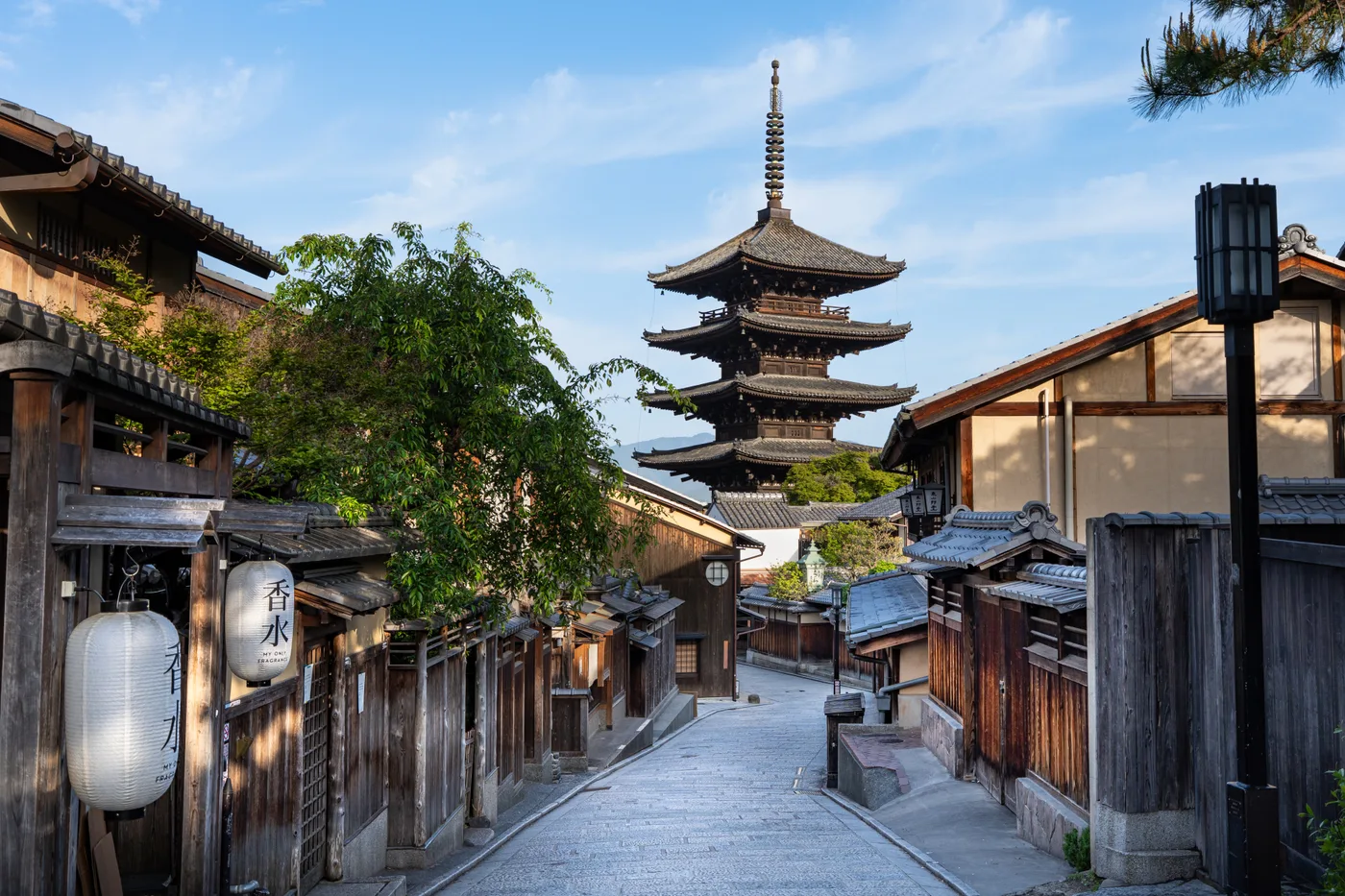
How much can you fit into one week?
Connect Tokyo, a Fuji or Hakone day trip, Kyoto and Osaka with a day-by-day route, travel costs and booking advice.
Explore the 7-day route
Which eSIM fits your Japan trip?
Maps, messages, hotspot use: compare five providers by data allowance, network and plan limits before you choose.
Find my Japan eSIM
What should your travel insurance cover?
Compare medical cover, cancellation and activity limits across five options, with the exclusions worth checking.
Compare cover & limitsFrequently Asked Questions
Yes, but each facility sets its own policy. Kinosaki Onsen's public baths and Kusatsu's three flagship baths publish tattoo-friendly rules, while some facilities accept only tattoos that fit under approved covers. Others, including Spa World Osaka and Spa LaQua Tokyo, refuse tattoos. Hoshino Resorts says tattoos alone are not grounds for refusal, but it may restrict communal-bath access when a tattoo could be perceived as intimidating and may require approved covers at facilities open to non-guests.
Yes. Swimsuits are not permitted in traditional communal baths, which are nude and gender-separated by default. Some swimsuit-zone hot-spring parks exist, but they are a different experience. Bring or rent a small washing towel and a larger drying towel; what is included varies by facility. Keep every towel out of the bath water.
No, it's nearly extinct. Most konyoku facilities have closed since the 1990s; only a small number remain nationwide. Almost all modern onsen are strictly gender-separated. If you want to bathe with a partner or family of any gender, book a kashikiri (貸切, private rental) bath — most ryokan and many day-use spas offer them for ¥3,000–¥8,000 per 45–60 minutes.
Onsen (温泉) describes water that meets Japan's Hot Spring Law criteria for temperature or specified substances. Sento (銭湯) describes a neighborhood public bathhouse; it may use heated tap water or natural hot-spring water. Sento are price-regulated and often more tattoo-tolerant in practice, but each facility still sets its own entry rules.
As of September 2026, the regulated adult sento rate is ¥600 in Tokyo and ¥550 in Kyoto. Day-use onsen and super sento commonly cost more, with prices varying by day and amenities. Kinosaki's Yumepa day pass is ¥1,500 for adults and ¥750 for children. Ryokan stays and private kashikiri baths vary widely, so check the operator's current rate before booking.
Policies and personal comfort vary. Do not assume that using a tampon automatically makes communal bathing acceptable; ask the facility if its rules are unclear. A shower or private bath may be the more comfortable option, but private-bath users must still follow the property's hygiene rules.
Some variety stores, drugstores and online retailers sell waterproof tattoo covers, but branch stock and sizes vary. First check whether the bath requires its own approved sticker. If a tattoo cannot be completely covered within the facility's stated limits, choose a fully tattoo-friendly bath or a private kashikiri bath instead.
No. Japan's Public Bath Houses Act does not ban tattoos. Entry restrictions are facility rules. In 2016, national guidance encouraged operators to consider measures such as cover stickers, time-separated use and private baths instead of treating every tattooed visitor the same.
Day-use onsen and sento usually rent or sell towel sets for ¥200–¥400. Ryokan provide them as standard. If you're bath-hopping in Kinosaki, towel rental can be added at any of the soto-yu — or buy a tenugui (thin cotton hand-towel) at the first bath as a souvenir.
Many onsen allow children, but age limits for using the opposite-gender bath and rules for babies vary by prefecture and facility. Check before arrival. A family kashikiri bath is usually the simplest option when privacy or toilet-training rules are a concern.
Written by
JAPANODE
Based in Japan, sharing real travel tips & local insights for visitors. Follow us on Instagram @thejapanode for daily Japan content.
You Might Also Like
 Transportation
KIX to Osaka, Kyoto & Kobe: 2026 Transport Comparison Guide
16 min read
PlanningBest Travel Insurance for Japan? 5 Options Compared (2026)
16 min read
 Planning
Japan Accommodation Types Explained: Hotels, Ryokan, Capsule Hotels & More
16 min read
 Planning
First Time in Japan: 15 Things You Need to Know Before You Go
19 min read