On this page
Japan rewards first-timers who keep it simple. The country's "Golden Route" — Tokyo, a day trip toward Mt Fuji or Hakone, then Kyoto and Osaka — packs the temples, neon, bullet trains, and bowls of ramen most people picture, all within a single, low-stress week. Everything is connected by fast, punctual trains, so seven days can feel full without ever feeling frantic.
This guide is the map for that week. Each day lays out where to go, how to get there, what to eat, where to sleep, and roughly what it costs in 2026 — then points to a dedicated JAPANODE guide whenever a topic deserves a deeper look. A few things have shifted for 2026 — several city accommodation taxes, the tax-free shopping system, and Japan Rail Pass pricing have all moved — so this itinerary is built around the current rules, with every price flagged so you can confirm it when you book.
The 7 days at a glance
Most first trips follow the same efficient shape: fly into Tokyo, work west, fly out of Osaka. Here's the week at a glance (costs are rough per-person, mid-range, and exclude international flights and accommodation tax — see the full breakdown below; all figures are as of 2026, confirm when booking).
| Day | Base | Highlights | Approx. cost/person |
|---|---|---|---|
| 1 | Tokyo | Arrive, airport → city, set up Suica + eSIM, easy first evening | ¥6,000–12,000 |
| 2 | Tokyo | Asakusa, Meiji Shrine, Shibuya, Shinjuku nightlife | ¥8,000–15,000 |
| 3 | Tokyo (day trip) | Mt Fuji (Kawaguchiko) or Hakone | ¥10,000–18,000 |
| 4 | Tokyo → Kyoto | Shinkansen west; afternoon in Higashiyama | ¥20,000–30,000 |
| 5 | Kyoto | Fushimi Inari, Arashiyama, Gion | ¥7,000–14,000 |
| 6 | Kyoto → Osaka | Dotonbori, Osaka Castle, shopping | ¥9,000–16,000 |
| 7 | Osaka → KIX | Last bites, transfer to Kansai Airport, fly home | ¥3,000–6,000 |
The accommodation total is separate (see What this trip costs in 2026) because it's the one figure that swings hugely with your choice of hotel. Day 4 is the priciest day because of the one-way bullet-train fare to Kyoto.
Book the right hotel nights in one pass
Enter your Japan arrival date once. We calculate the exact Tokyo, Kyoto, and Osaka hotel dates for this itinerary.
Leave blank to browse first and choose dates on Booking.com.
Tokyo
Kyoto
Osaka
This is a planning hub, not a rulebook. Swap the Fuji day for Hakone, trim Tokyo to two days, or add a night in Osaka — the structure holds. If you're still getting your bearings on Japan as a first international trip, start with our first-time in Japan guide for the big-picture basics, then come back here for the day-by-day.
If one bookable day will anchor the week, use the Japan experience desk to compare Fuji day trips, Tokyo food tours, sumo and Kyoto culture before fixing the rest of the route.
Before you go: the 30-minute prep checklist
Five things done before you fly turn a good trip into a smooth one. None take long.
1. Fill in Visit Japan Web. Japan's online immigration and customs portal generates QR codes for a faster airport arrival — do it a few days before departure, not at the gate. Our Visit Japan Web walkthrough covers each screen. A seven-day trip fits inside every visa-exempt landing period Japan grants, but if you are not certain your nationality is exempt at all, settle that first with the Japan visa calculator.
2. Sort your data. An eSIM is the simplest option for most visitors: install it before you leave home and land already connected — no SIM swapping or pocket Wi-Fi to return. Compare current plans in the best eSIM for Japan guide, or use the quick picker below.
In a hurry? Here's the short answer
Start with the route that matches your trip: broader stated network access and 5G, or a simple flexible data plan. Compare the live plan details before checkout.

Start here if stated Docomo + KDDI access and 5G matter for a route beyond the largest cities.

A straightforward alternative for Tokyo, Osaka and Kyoto when the live data allowance and validity fit your trip.
3. Get travel insurance. Medical care in Japan is excellent but not free for visitors, and a single ER visit can dwarf the cost of a policy. The Japan travel insurance guide explains what to look for. For this fixed seven-day itinerary, start with a single-trip Heymondo quote before paying for non-refundable bookings:
 Fixed-trip first quote
Heymondo Travel Insurance
Medical and cancellation cover for a fixed-date trip
Why it may fit
A straightforward first quote for a seven-day Japan holiday with set dates. JAPANODE readers receive 5% off where eligible. Heymondo excludes US residents; always check the issued policy, limits, and planned activities before buying.
Before booking
Check the live price, availability, eligibility, and terms before paying.
4. Pack for the season. Japan's weather swings hard between regions and months — Tokyo in August is brutal humidity; Kyoto in January is genuinely cold. The what-to-wear-in-Japan guide breaks it down by month so you don't over- or under-pack.
5. Know the customs rules. There are limits on what you can bring in and out, and the arrival declaration is now largely digital. The customs declaration guide explains the allowances and the QR process so you breeze through the green channel.
A rechargeable IC card (Suica, PASMO, ICOCA, or the same card loaded into Apple/Google Wallet) pays for almost every train, subway, and bus on this itinerary, plus convenience stores and vending machines. Load ¥3,000–5,000 to start and top up as you go — it's the single biggest friction-remover of the whole trip. For how the wider network fits together, see our Japan train system guide.
Day 1 — Arrive in Tokyo, ease in
Your first day is for landing, not sightseeing. Most international flights arrive at Narita or Haneda, both connected to central Tokyo by a mix of express trains, limousine buses, and (from Haneda) the monorail. Which is fastest and cheapest depends on where you're staying — our Narita airport transport guide and Haneda airport transport guide compare the options route by route.
If the city transfer lands in a weekday peak, check the Tokyo rush-hour guide before choosing a commuter train with luggage. A reserved airport train or direct bus can be worth more than a small time saving on arrival day.
Once you've dropped your bags, resist the urge to cram. A gentle first evening — a neighborhood izakaya, a convenience-store haul to see what the fuss is about, an early night to beat jet lag — sets you up for the days that follow.
Landed before your hotel's mid-afternoon check-in? You don't have to wait around with a suitcase — store it near the station (code JAPANODE for 6% off) and ease into the city bag-free.
- Getting around: airport express + Suica top-up
- Eat: convenience-store onigiri and a conbini "taste test"; ramen near your hotel
- Stay: Tokyo, 3 nights, same hotel — no need to move for the Day 3 day trip
- Approx. cost: ¥6,000–12,000 (airport transfer + dinner; accommodation separate)
For a breakdown of ryokan vs business hotel vs capsule and what each is actually like, see the accommodation types guide. If you are traveling with two children, use our Tokyo hotels with verified four-person rooms to check the exact bed layout before reserving the three-night base.
Day 2 — Tokyo's greatest hits
A full day in the capital, balanced between old and new. A workable loop: start early at Senso-ji in Asakusa before the crowds, cross town to the calm of Meiji Jingu and the people-watching of Harajuku, then end in Shibuya for the famous scramble crossing and Shinjuku for dinner and neon. It's a lot of ground, but Tokyo's trains make it easy, and you can drop whichever stop you're least excited about.
If rain makes that outdoor loop unappealing, swap it for one or two options from our Tokyo rainy-day activity guide, which compares indoor shows, workshops, museums and a no-booking fallback.
For Pokémon shopping, choose a Tokyo Pokémon Center by neighborhood. Shibuya fits the western part of this route; other branches may suit a different version of the day. Pokémon Café reservations are separate from store visits.
If immersive art is your priority, use our teamLab Borderless vs Planets comparison to choose one museum and replace part of this loop. It explains the separate locations, water and clothing requirements, ticket options and a realistic half-day plan; do not squeeze a museum visit into the full route above.
If your dates overlap Tokyo's January, May or September Grand Sumo tournament, replace this sightseeing loop with a tournament afternoon rather than trying to squeeze both into one day. Our guide to watching sumo in Japan lists the official 2026–2027 dates, ticket-sale steps and morning-practice fallback.
Tokyo is also where you'll first meet Japan's small local taxes — the city's accommodation tax is modest (see the cost section), but it's worth knowing it's on your hotel bill rather than a surprise.
- Getting around: subway + JR, all on your IC card
- Eat: standing sushi for lunch; an izakaya crawl in Shinjuku's Omoide Yokocho for dinner. If you prefer a guide, compare Tokyo food tours before choosing between a Tsukiji morning and a Shinjuku night. For a reserved dinner on the water after Asakusa, compare Tokyo dinner cruises and check the sailing before fixing the rest of this evening.
- Stay: Tokyo (night 2 of 3)
- Approx. cost: ¥8,000–15,000 (local transit + meals + a couple of entries)
Day 3 — Day trip: Mt Fuji or Hakone
This is the day Tokyo opens up to the mountains. You have two strong options, and the right choice depends on what you want out of it.
For a Pokémon-focused trip, you could instead use this day for PokéPark KANTO inside Yomiuriland. Read the international ticket-booking guide, confirm admission and check your group's access restrictions before replacing the mountain day.
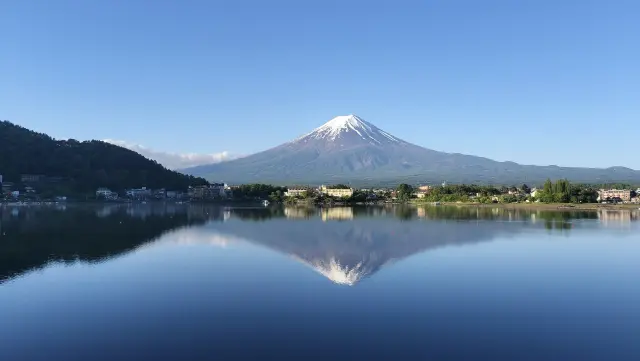
Pick Mt Fuji / Kawaguchiko if seeing and photographing the mountain is the goal — the Fuji Five Lakes area gives the most reliable, postcard views, plus the Chureito Pagoda shot and lakeside vantage points. Pick Hakone if you'd rather have hot springs, a pirate-ship cruise on Lake Ashi, and a ropeway over volcanic valleys, with Mt Fuji as a clear-day bonus rather than the main event.
Either way it's a full day, and the logistics — direct trains, highway buses, free passes, guided tours — reward a little planning. Our complete Mt Fuji day trip from Tokyo guide compares six routes side by side with 2026 fares and booking rules. If you already know you want a guided day, use the three-tour Mt Fuji comparison to choose between the classic coach, photo route and private car.
Mt Fuji hides behind cloud more often than visitors expect, especially from late morning, and winter mornings are clearest. Before you leave, glance at a Kawaguchiko live camera (linked in the Mt Fuji guide) — if the summit's socked in, Hakone's onsen-and-scenery day is the better use of your time.
 Easiest · Guided · ~10 hours
Mt Fuji Day Tour from Tokyo
Why it may fit
The lowest-effort option: a coach picks you up in Tokyo and loops Lake Kawaguchiko, Oshino Hakkai, and Chureito Pagoda with an English-speaking guide — ideal if you'd rather not manage transfers on a tight day. Choosing Hakone instead? Swap this for a Hakone Free Pass.
Before booking
Check the live price, availability, eligibility, and terms before paying.
- Getting around: direct limited express, highway bus, or a guided tour (compared in the Fuji guide)
- Eat: hoto noodles near Kawaguchiko, or Hakone's black eggs at Owakudani
- Stay: back in Tokyo (night 3 of 3)
- Approx. cost: ¥10,000–18,000 (transport + a meal + one or two paid attractions)
Day 4 — Bullet train to Kyoto
Book this leg with the official service using our step-by-step SmartEX guide. Check your luggage size and the fare's change conditions before paying, then choose QR, IC-card or paper-ticket boarding.
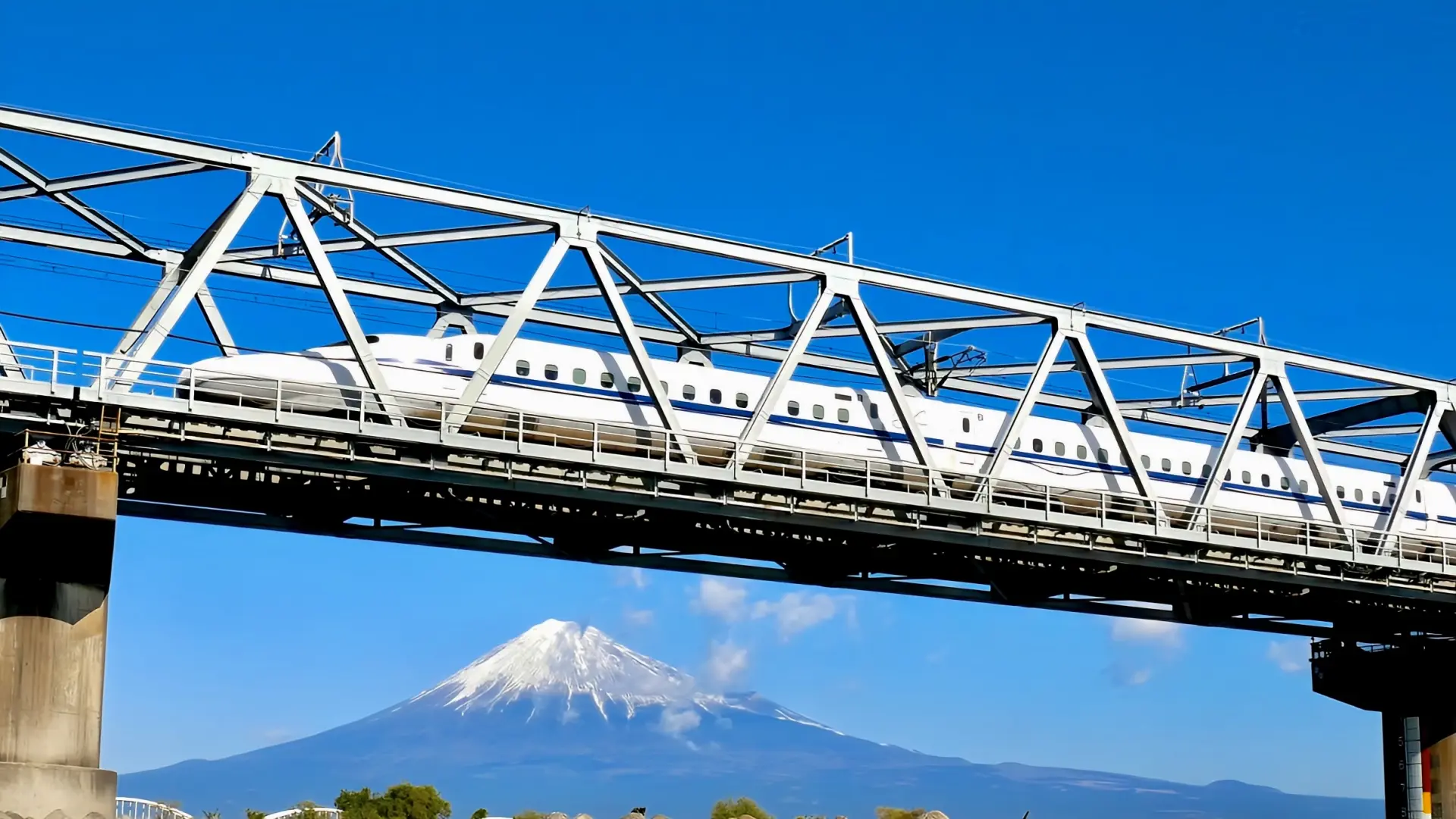
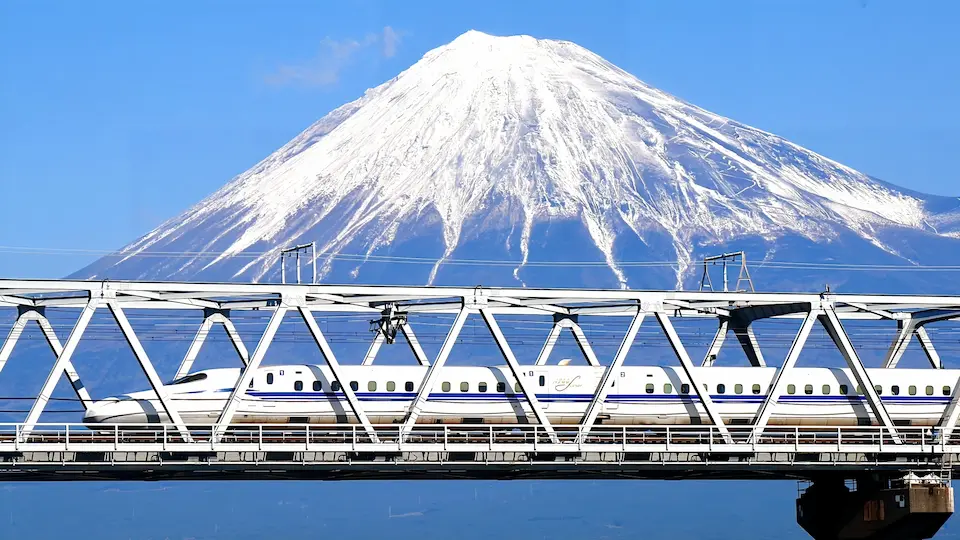
Today you head west. After checking out, ride the Tokaido Shinkansen from Tokyo Station to Kyoto — about 2 hours 40 minutes on a Hikari (or 2 hours 15 minutes on a Nozomi). This is your first taste of Japan's famous bullet trains gliding — clear weather permitting — past Mt Fuji; sit on the right-hand side (seat E in ordinary cars) heading west, as the mountain appears roughly 45 minutes out of Tokyo near Shin-Fuji.
This is also the day the JR Pass question actually matters, so here's the honest answer for this itinerary: for a Tokyo–Kyoto–Osaka loop with no far-western side trip, the nationwide pass usually does not pay off. At ¥50,000 for seven days (as of 2026), it only breaks even around the distance of a Tokyo–Hiroshima round trip. A one-way reserved Tokyo–Kyoto Shinkansen is about ¥14,170–14,370, and the rest of this trip is short hops — so individual tickets plus your IC card are typically cheaper and more flexible. The full math, including the Nozomi/Mizuho supplement and when a regional pass wins instead, is in is the JR Pass worth it in 2026?. Don't guess — drop your real route into the JR Pass calculator and let the numbers decide.
 Long-distance only
Japan Rail Pass (7 / 14 / 21 days)
Why it may fit
Worth it only if you're covering serious distance. For a Tokyo–Kyoto–Osaka week, run the calculator first — most first-timers save money on point-to-point tickets and skip the pass entirely.
Before booking
Check the live price, availability, eligibility, and terms before paying.
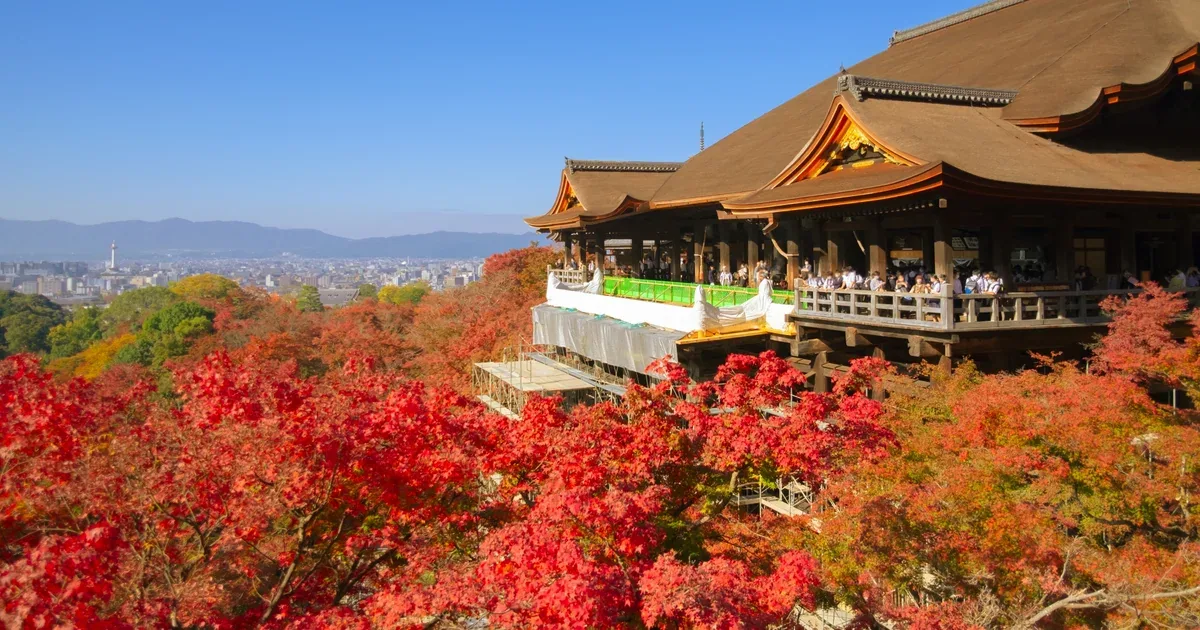
Arrive in Kyoto by mid-afternoon, check in, and spend the rest of the day easing into the Higashiyama district — the lanes around Kiyomizu-dera and Sannenzaka are at their best in the soft early-evening light.
- Getting around: Shinkansen Tokyo → Kyoto; Kyoto buses/subway + IC card
- Eat: a station ekiben bento on the train; obanzai or a kaiseki-lite dinner in Kyoto
- Stay: Kyoto, 2 nights — note Kyoto's accommodation tax rose in 2026 (see cost section)
- Approx. cost: ¥20,000–30,000 (the Shinkansen ticket dominates)
Day 5 — Kyoto's temples, shrines, and bamboo
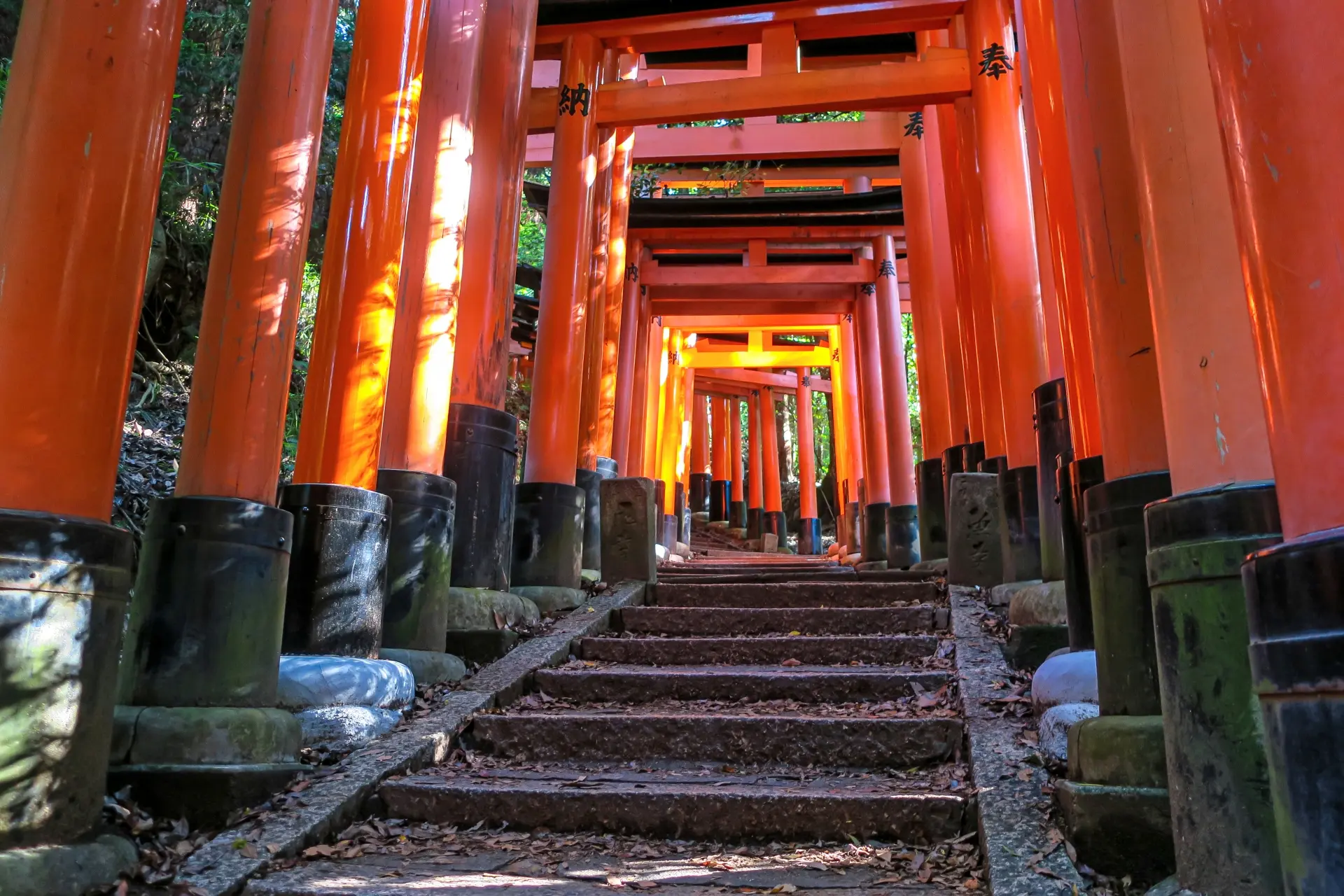
Kyoto is the cultural heart of the trip, and one day can still hit the icons. A classic route: beat the crowds to Fushimi Inari and its thousands of vermilion gates at sunrise, ride out to Arashiyama for the bamboo grove and riverside, then return to Gion for the late-afternoon chance of spotting a geiko or maiko hurrying between appointments.
Kyoto is also where the trip slows down enough to feel Japan's quieter aesthetics. If the temple gardens leave you wanting to understand why they feel the way they do, the Zen and wabi-sabi guide is a lovely companion read. And if your hotel or ryokan has an onsen or public bath — many do — a few minutes with the onsen etiquette and tattoo guide means you can soak with confidence instead of second-guessing the rules.
For an October or November trip, keep Osaka as the next base and compare autumn leaves day trips from Osaka by typical timing. Koyasan and Mt. Hiei often turn before central Kyoto, while Katsuoji, Minoh and Kyorinbo can suit later dates.
Kyoto's headline sights are mobbed by 9–10 am. Hitting Fushimi Inari or Arashiyama at or before sunrise isn't just for photographers — it changes the whole day, because you bank the busy spots early and spend the afternoon somewhere calmer.
- Getting around: JR + Keihan/Hankyu + city bus, all on IC
- Eat: Nishiki Market grazing for lunch; yudofu or a kaiseki dinner
- Stay: Kyoto (night 2 of 2)
- Approx. cost: ¥7,000–14,000 (transit + entries + meals)
Day 6 — Kyoto to Osaka: food and skyline
Osaka is barely 15 minutes from Kyoto by Shinkansen (or about 30–45 minutes on a regular express for a fraction of the price), so today is a short, easy hop. Drop your bag and dive into Japan's most unapologetic food city.
The essentials: Osaka Castle and its park in the morning, then the sensory overload of Dotonbori — the Glico running man, takoyaki and okonomiyaki stalls, and the canal lit up after dark. Osaka is also the trip's best shopping, from Shinsaibashi's covered arcades to electronics in Den Den Town.
For a guided meal or evening out, compare Osaka food tours before filling up on snacks. The guide separates a food-inclusive Shinsekai tour from a Dotonbori–Kuromon sightseeing walk and Uranamba bar hopping, where food costs extra. Choose one format for this evening and leave time to reach its actual meeting point.
Spending more of your week in this region? Our 4-day Kansai itinerary zooms in on Kyoto, Osaka and Nara — two full days for Kyoto's temples, a Nara deer day, and Osaka — with the local timings and train shortcuts this faster national loop has to skip.
If you would like a shrine-and-sweets stop during your Osaka stay, our Osaka Tenmangu guide has original photos, station directions and the warabi mochi shop we visited nearby. Allow extra time rather than squeezing it into an already full sightseeing day.
If you're planning to buy anything substantial, this is the moment to understand 2026's tax-free shopping change. From November 1, 2026, Japan ends in-store tax exemption: you pay the full price including 10% consumption tax at the register, then claim the refund at the airport before you fly home. Before that date, the old instant-discount system still applies. Either way the savings are real on bigger purchases — the tax-free shopping guide explains exactly how to qualify and what to keep.
- Getting around: Shinkansen or express Kyoto → Osaka; Osaka Metro + IC
- Eat: everything in Dotonbori — pace yourself
- Stay: Osaka, 1–2 nights
- Approx. cost: ¥9,000–16,000 (transit + meals + a little shopping)
Day 7 — Osaka to Kansai Airport, and home
Fly out of Kansai International Airport (KIX) rather than backtracking to Tokyo — it saves a full day and a Shinkansen fare. From central Osaka, the airport is about 40–50 minutes by the Nankai Rapi:t or JR Haruka express; the Kansai Airport transport guide lays out the routes, times, and fares so you can match a train to your flight time.
If your flight isn't until the afternoon or evening, check out and stash your bags near the station (code JAPANODE, 6% off) so you can spend the morning on one last food hall instead of guarding luggage in the lobby.
Build in a buffer, especially in late 2026. If your trip falls on or after November 1, 2026 and you shopped tax-free, you'll need extra time at KIX to process your consumption-tax refund before security. And remember the departure tax (¥1,000, bundled invisibly into your airline ticket) means there's nothing to pay at the airport itself — though a higher rate has been floated for the future, so check the current figure when you book.
One last thing before you leave: a quick look at the customs declaration guide covers what you can take home and the duty-free allowances, so there are no surprises at your destination either.
- Getting around: Nankai / JR express to KIX
- Eat: a final bowl of something at the station or in the terminal
- Approx. cost: ¥3,000–6,000 (airport transfer + meal)
What this trip costs in 2026
Below are realistic per-person ranges for a mid-range trip, excluding international flights. The biggest variable by far is accommodation; everything else is fairly predictable. All figures are 2026 estimates — confirm current prices when you book.
For budget, mid-range and comfortable models across different trip lengths, compare this route with the complete Japan trip budget guide.
Accommodation is also the one line you can move most. We priced the same hotel chains across four cities and four dates: the same brand cost 2.3x more in Shinjuku than in Kanazawa, and the same Kyoto room swung 3.6x depending on the week. If your total is coming in high, the Japan hotel prices guide shows where the slack actually is.
| Category | 7-day range (per person) | Notes |
|---|---|---|
| Accommodation (6 nights) | ¥60,000–120,000 | Business hotels at the low end; mid-range/boutique higher. Often priced per room — splits cheaply for two. |
| Transport (incl. airports + Shinkansen) | ¥25,000–35,000 | Airport transfers + Tokyo→Kyoto Shinkansen (~¥14,200) + short hops + local IC fares. |
| Food | ¥25,000–45,000 | ¥3,500–6,500/day; lower if you lean on conbini and standing eateries. |
| Attractions & activities | ¥10,000–25,000 | Fuji/Hakone day, temple entries, a tour or two. |
| Taxes (departure + accommodation) | ¥1,500–7,000 | See the breakdown below. |
| Indicative total | ≈ ¥120,000–230,000 | About US$800–1,500 at 2026 rates. |
The 2026 taxes, plainly
These are small individually, but worth understanding so nothing on your bill surprises you.
Departure (International Tourist) Tax. A flat fee charged when you leave Japan, automatically included in your air or ferry ticket. It is ¥1,000 per person as of 2026, the same for all nationalities and cabin classes. (An increase has been discussed in government tax proposals but is not yet enacted with a confirmed date — check the current rate before you travel.) Children under 2 and transit passengers (under 24 hours) are exempt.
Accommodation tax. A local, per-person, per-night tax based on your room rate only (not meals or consumption tax). It applies to everyone, residents included — it's not a foreigner surcharge. Rates as of 2026:
| City | Per person / night (by room rate) |
|---|---|
| Tokyo | Under ¥10,000: none · ¥10,000–15,000: ¥100 · ¥15,000+: ¥200 |
| Osaka | Under ¥5,000: none · ¥5,000–15,000: ¥200 · ¥15,000–20,000: ¥400 · ¥20,000+: ¥500 |
| Kyoto (revised 2026) | Under ¥6,000: ¥200 · ¥6,000–20,000: ¥400 · ¥20,000–50,000: ¥1,000 · ¥50,000–100,000: ¥4,000 · ¥100,000+: ¥10,000 |
For the full picture of these and other regional levies — plus the small "hidden" costs first-timers miss — see Japan's tourist taxes and hidden costs for 2026.
Kyoto's 2026 revision left budget and mid-range rates low, but stays above ¥100,000 per person now carry a ¥10,000 nightly accommodation tax. For most travelers this never applies — but if a high-end ryokan is on your list, factor it in (and confirm the exact tiers, which the city set when the revision took effect).
JR Pass: worth it for this itinerary?
Short version: for the route in this guide, probably not. The nationwide JR Pass is priced for long-distance travel, and a Tokyo–Kyoto–Osaka week simply doesn't cover enough ground to beat point-to-point tickets.
The reasoning, briefly. The 7-day Ordinary pass is ¥50,000 as of 2026. To break even you'd need to ride roughly the equivalent of Tokyo to Hiroshima and back within the week. This itinerary's big-ticket leg is one Tokyo→Kyoto Shinkansen (about ¥14,200); the Kyoto–Osaka and Osaka–airport hops are cheap. Add them up and you land well under ¥50,000. The pass also now lets holders ride the fastest Nozomi and Mizuho trains, but only with a supplement (around ¥4,960 Tokyo–Kyoto) — the covered Hikari is only about 25 minutes slower and usually the smarter choice.
The pass earns its keep on wider trips — adding Hiroshima and Miyajima, or looping up to the Tohoku region — where a regional pass can be even better value. For your seven days, the definitive move is to run your actual stops through the JR Pass calculator and buy individual tickets if it tells you to.
Note: the official pass price holds at ¥50,000 in 2026, with a rise to roughly ¥53,000 from October 1, 2026 for passes bought through agencies and overseas sellers — confirm the current figure before purchase.
Browse experiences to add to your week
Tours, food walks, day trips and cultural experiences across Tokyo, Kyoto and Osaka — live availability and instant booking.
Powered by GetYourGuide · we may earn a commission at no extra cost to you.
Make it your own
Seven days is a flexible frame, not a fixed track.
- Shorter (5 days): drop Osaka and tighten Tokyo to two days. You'll still get the capital, a Fuji or Hakone day, and Kyoto. A dedicated Tokyo-focused itinerary is in the works — coming soon.
- Longer (10 days): follow our slower 10-day Japan itinerary for a Tokyo round trip with Kawaguchiko, four Kyoto nights, Himeji Castle and Ise Jingu. If Hiroshima is the priority instead, use our Hiroshima and Miyajima guide to choose between a day trip and an island stay, then recalculate the JR Pass.
- Special occasion: if this trip is a honeymoon or a milestone, it's worth upgrading where it counts. Our Tokyo honeymoon hotels guide covers the rooms and views worth the splurge.
Where to go next: your pre-trip reading list
Bookmark these before you fly — together they cover everything this itinerary touches:
- Plan & arrive: First time in Japan · Visit Japan Web · Narita airport transport · Japan train system
- Connectivity & cover: Best eSIM for Japan · Travel insurance
- Money & rules: JR Pass worth it? + calculator · Tourist taxes & hidden costs · Tax-free shopping · Customs declaration
- On the ground: Mt Fuji day trip · Accommodation types · What to wear · Onsen etiquette · Zen & wabi-sabi · Kansai Airport transport
Make it your trip
Still planning your Japan trip?
Pick the question on your mind. Compare your options, check the details and take one more thing off your list.
Would a JR Pass save you money?
Add your train journeys and compare individual tickets with the nationwide pass. See which costs less for your route.
Calculate my rail costs
Which eSIM fits your Japan trip?
Maps, messages, hotspot use: compare five providers by data allowance, network and plan limits before you choose.
Find my Japan eSIM
What should your travel insurance cover?
Compare medical cover, cancellation and activity limits across five options, with the exclusions worth checking.
Compare cover & limitsFrequently Asked Questions
Yes — seven days is the sweet spot for a first visit to Japan's Golden Route. It's enough to see Tokyo, take a Mt Fuji or Hakone day trip, and explore Kyoto and Osaka without rushing, while flying out of Osaka so you don't backtrack. It is not enough to add far-flung regions like Hokkaido or Okinawa; save those for a longer or second trip.
The classic Golden Route: two to three days in Tokyo, a day trip to Mt Fuji or Hakone, the bullet train to Kyoto for two days of temples and shrines, then Osaka for food and shopping before flying home from Kansai International Airport (KIX). Flying into Tokyo and out of Osaka avoids doubling back and saves a full travel day.
Excluding international flights, budget roughly ¥120,000–230,000 per person (about US$800–1,500) for a mid-range trip in 2026, with accommodation the biggest variable. Add the ¥1,000 departure tax and local accommodation taxes of about ¥100–1,000 per night depending on the city and room rate. All figures are 2026 estimates; confirm current prices when booking.
For the standard Tokyo–Hakone–Kyoto–Osaka route, usually no. At ¥50,000 for 7 days, the nationwide JR Pass only breaks even if you travel roughly the distance of Tokyo to Hiroshima and back. A Tokyo–Kyoto–Osaka loop with no far-western side trip is almost always cheaper with individual Shinkansen tickets plus an IC card. Run your exact route through a JR Pass calculator before deciding.
A balanced split is three nights in Tokyo (including a Fuji or Hakone day trip), two nights in Kyoto, and one to two nights in Osaka. Kyoto and Osaka are only about 15 minutes apart by Shinkansen, so many travelers base in one city and day-trip to the other rather than changing hotels.
Choose Mt Fuji (Kawaguchiko) if your priority is seeing and photographing the mountain — it gives the more reliable view. Choose Hakone if you want hot springs, a lake cruise, and varied scenery, with Mt Fuji as a clear-day bonus. Both are full-day trips from Tokyo and both are covered in detail in our dedicated guides.

Written by
JAPANODE
Based in Japan, sharing real travel tips & local insights for visitors. Follow us on Instagram @thejapanode for daily Japan content.
You Might Also Like
 Day Trips
10 Best Autumn Leaves Day Trips from Osaka in 2026: Kyoto, Nara, Koyasan & More
8 min read
 Itinerary
4-Day Kansai Itinerary: Kyoto, Osaka & Nara (2026 Local's Guide)
18 min read
 Day Trips
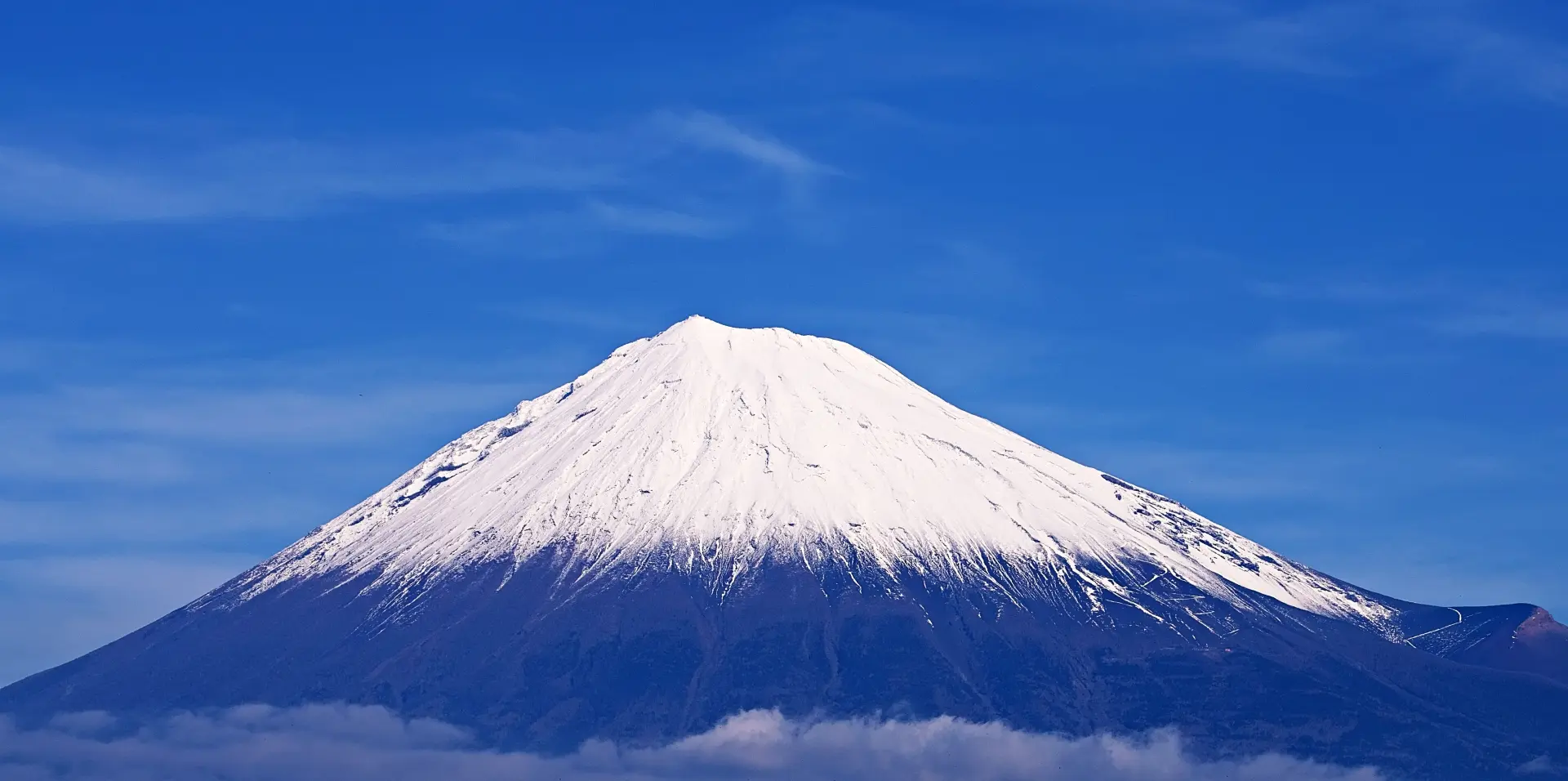
Mt Fuji Day Trip from Tokyo: Tour, Train & Bus Compared (2026)
17 min read
 Transportation
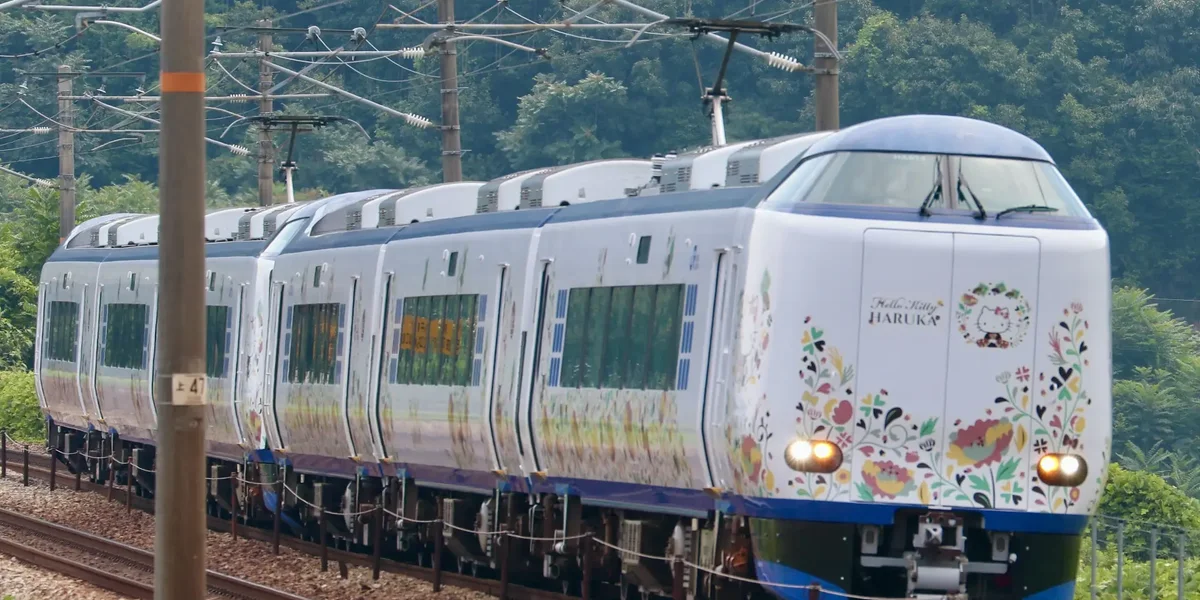
KIX to Osaka, Kyoto & Kobe: 2026 Transport Comparison Guide
16 min read
 Planning
Japan Accommodation Types Explained: Hotels, Ryokan, Capsule Hotels & More
16 min read
 Transportation
Is the JR Pass Worth It in 2026? Prices & Break-Even Routes
15 min read
 Planning
First Time in Japan: 15 Things You Need to Know Before You Go
19 min read