The short answer: pack summer clothes for September, removable light layers for October, and a sweater plus medium-weight jacket for November. Then adjust one step warmer for Hokkaido, mountain areas, early mornings, and evening foliage light-ups.
Japan's autumn is not one consistent season. Early September in Tokyo can still feel like midsummer, while late November in Sapporo can bring snow and near-freezing mornings. Your month, region, elevation, and time of day matter more than the word “autumn” on the calendar.
What to Wear at a Glance
| Travel dates | Tokyo, Kyoto and Osaka | What to keep in your day bag |
|---|---|---|
| Early September | Breathable T-shirt or shirt, shorts or light trousers, walking shoes | Light cardigan for strong AC, umbrella, water, sun protection |
| Late September | Summer base plus a thin long-sleeve layer | Hooded rain shell or compact umbrella |
| October | T-shirt or long-sleeve top, long pants, light jacket | Jacket you can remove, compact umbrella |
| Early November | Long-sleeve top, sweater or fleece, light-to-medium jacket | Scarf for early morning or after sunset |
| Late November | Sweater, medium-weight coat, long pants, closed-toe shoes | Scarf; thin gloves for night illuminations |
Check the forecast for your actual cities 3-5 days before departure, then dress for the coldest planned activity rather than the warmest afternoon. A 17°C city walk and a 17°C evening spent standing in a shaded temple garden do not feel the same.
Once the layers are sorted, choose the day trip that fits your base and date. The destination guide—not the clothing page—explains when independent rail travel is enough and when a reserved tour or pass removes real friction.
Starting from Tokyo
Match Nikko, Kawaguchiko, Hakone and six other routes to your dates, weather tolerance and transport effort.
Compare Tokyo day trips →Starting from Osaka
Compare Kyoto, Nara, Koyasan, Katsuoji and other Kansai options by timing and final transport leg.
Compare Osaka day trips →Temperatures below are rounded from the Japan Meteorological Agency's 1991-2020 climate normals. They are planning ranges, not a forecast. Recent hot autumns also mean an old monthly average should never replace a current weather check.
This article is part of our complete What to Wear in Japan guide. Use the summer guide for early-September heat and the winter guide if your trip continues into December.
Which climate region is my destination?
Type a city or prefecture to find which section of this guide to follow.
September: Dress for Summer, Pack for Rain
September catches travelers off guard because the calendar says autumn while much of Honshu still feels hot and humid. In Tokyo, Kyoto, and Osaka, especially during the first half of the month, plan as if summer is continuing.
What to Wear in September
- Breathable tops: Quick-dry synthetic fabric, linen, or lightweight cotton. Loose cuts are more comfortable than tight clothing in humidity.
- Shorts or light trousers: Both are acceptable for ordinary sightseeing. Choose long, airy trousers if you want more sun or mosquito protection.
- A light indoor layer: Trains, shopping centers, and restaurants can feel cold after you have been outside. A thin cardigan or overshirt is enough.
- Walking shoes with grip: Wet station floors, stone paths, and painted road markings can be slippery.
- Sun and heat protection: A hat, sunscreen, refillable water bottle, and small towel are still useful. Do not retire your summer heat routine just because it is September.
September and October can both be wet in Tokyo, and tropical systems can affect transport. Carry a compact umbrella for ordinary rain and a light hooded shell when stronger wind is forecast. An umbrella is not safe or useful in severe wind.
Do not plan to “push through” severe weather in waterproof clothing. Follow official advice, avoid unnecessary travel, and expect flights, trains, and outdoor attractions to change service. Your rain jacket is for routine wet weather and short transfers—not permission to sightsee during dangerous conditions.
Early vs. Late September
Early September: Pack the same core wardrobe you would use in August. Schedule outdoor stops in the morning, take air-conditioned breaks, and avoid relying on one heavy sightseeing day.
Late September: A thin long-sleeve shirt becomes useful after sunset, but do not replace all your warm-weather clothing with sweaters. Hokkaido and high-elevation destinations are the exception: they may already need a proper jacket.
October: Use Removable Layers
October is usually easier for city sightseeing, but the temperature can change substantially between morning, afternoon, and evening. The solution is not a single perfect garment—it is a simple three-part system:
- Base: T-shirt or light long-sleeve top
- Optional mid-layer: Thin sweater, flannel shirt, or hoodie
- Outer layer: Packable light jacket or wind-resistant shell
Put on the jacket for an early start, store it in your day bag during a warm afternoon, and wear it again after sunset. Long pants or jeans are the safest default. Shorts can still work on warm days in early October, but they are less versatile for a full day out.
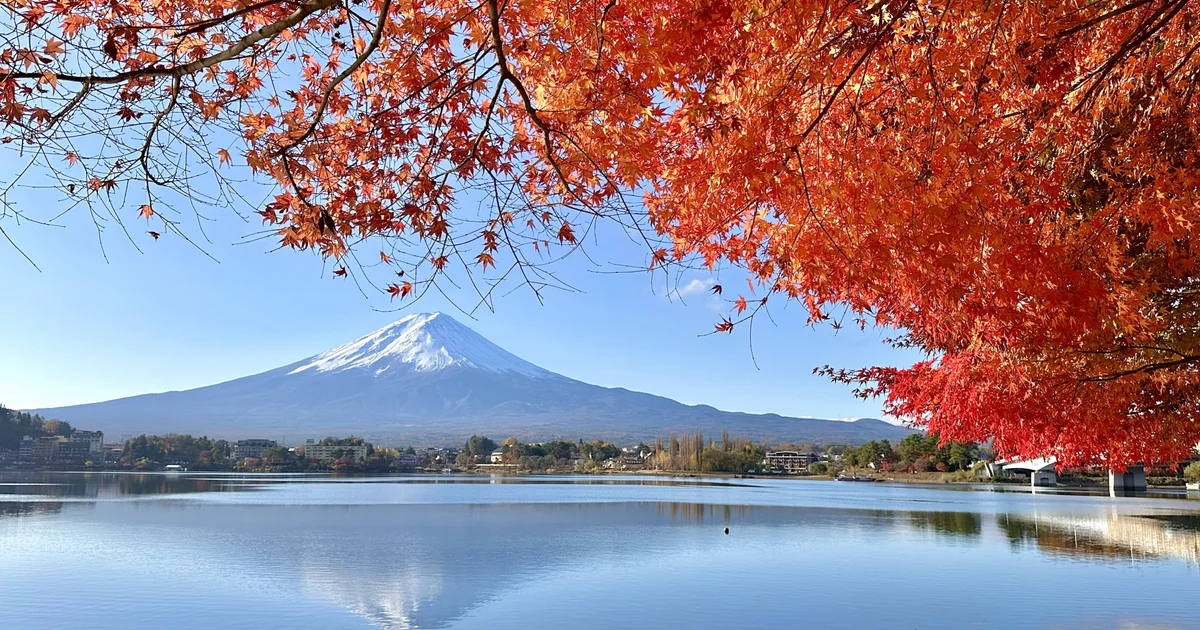
For central Tokyo, Kyoto, and Osaka, usually no heavy coat. Bring a light jacket that closes at the front. For Hokkaido, Tohoku, Nikko, Kamikochi, the Fuji Five Lakes, or other high-elevation stops, move up to a medium-weight jacket and add a warm mid-layer.
If the Fuji Five Lakes are part of your autumn itinerary, use our Mt Fuji day-trip comparison to choose between a guided tour, train and highway bus before deciding how early—and how warmly—you need to leave Tokyo.
October in Hokkaido and the Mountains
Sapporo's October normal is roughly 16°C by day and 7°C at night, while exposed viewpoints and mountain trails can feel colder. Pack warm layers, long pants, and a weather-resistant outer layer. If your itinerary combines Hokkaido with Tokyo or Kyoto, do not try to make one outfit serve both climates—use thin layers that compress easily.
For a rail-heavy multi-city itinerary, compare individual fares with the JR Pass Calculator instead of assuming a nationwide pass will save money.
November: Bring a Real Jacket
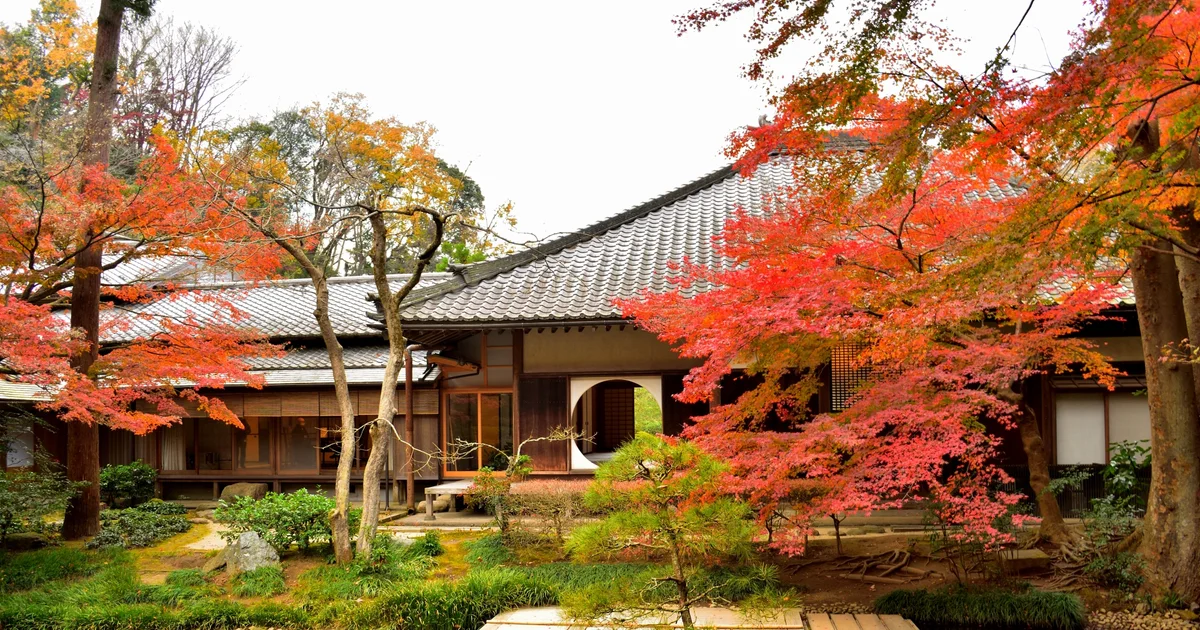
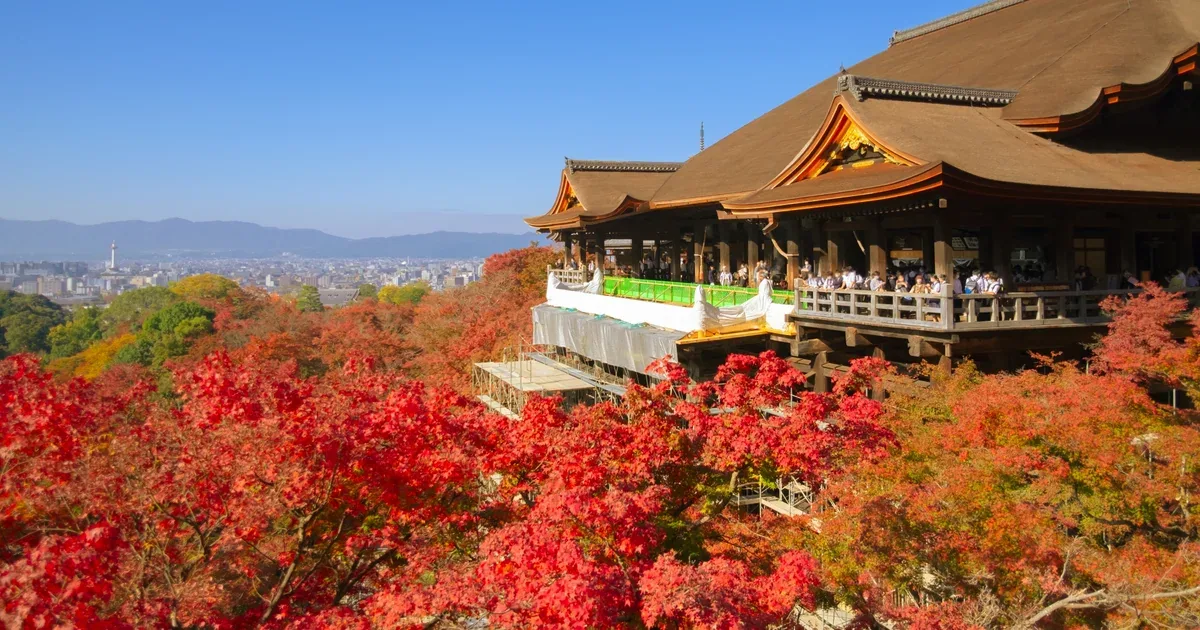
November is classic foliage weather in Tokyo, Kyoto, and Osaka: cool mornings, mild-to-brisk afternoons, and colder conditions after dark. A useful city outfit is a long-sleeve base, sweater or fleece, medium-weight jacket, long pants, and comfortable closed-toe shoes.
What to Wear in November
- Base layer: Long-sleeve shirt; add a thin thermal top if you get cold easily.
- Mid-layer: Sweater, fleece, or wool knit that fits comfortably under your jacket.
- Outer layer: Quilted jacket, lined shell, light down jacket, or medium-weight wool coat.
- Bottoms: Jeans, chinos, travel trousers, or a skirt with tights.
- Accessories: A light scarf is useful in the morning. Thin gloves and a beanie are optional for cities but helpful for evening light-ups.
- Footwear: Closed-toe walking shoes. Prioritize cushioning and grip over fashion-only shoes.
November in Hokkaido
Treat Hokkaido as early winter, particularly later in the month. Sapporo can be around 9°C / 2°C in early November and colder toward month-end. The Sapporo Regional Headquarters of JMA lists the normal first snowfall around October 28 and the normal first 1 cm snow cover around November 12; first flakes do not mean permanent snow cover. Check the current Sapporo snow record and forecast before deciding on footwear.
Pack an insulated jacket, thermal base layer, gloves, and shoes that can cope with cold rain or wet snow. A warm but water-absorbing fashion coat is less useful than a wind-resistant, weather-resistant layer.
Regional Differences: Match the Coldest Stop
| Region | September | October | November |
|---|---|---|---|
| Hokkaido (Sapporo) | Light jacket for cool periods; warmer layer for high elevations | Medium jacket and warm layers | Insulated coat, gloves, and weather-resistant shoes |
| Tokyo, Kyoto, Osaka | Summer clothing plus AC/rain layer | Light, removable jacket and long pants | Sweater plus medium-weight jacket |
| Tohoku and mountain areas | One layer warmer than major Honshu cities | Medium jacket; cold starts possible | Winter-ready layers at elevation; check snow conditions |
| Kanazawa and Japan Sea side | Warm with rain possible | Light jacket plus rain protection | Medium jacket and rain protection; colder in the mountains |
| Okinawa (Naha) | Full summer clothing and typhoon awareness | Warm-weather clothing; light layer for AC or ferries | T-shirt weather can continue by day; bring a light evening layer |
If you are visiting several regions, pack for the coldest destination and shed layers elsewhere. A November route from Sapporo to Tokyo to Okinawa can span insulated-coat weather and short-sleeve afternoons.
The Right Clothes for Autumn Foliage Viewing
Foliage days often involve more standing and more uneven walking than an ordinary city day. You may start before 9:00, walk through shaded temple gardens, climb steps, remove your shoes inside a hall, and stay for an evening illumination.
Wear:
- A front-opening layer: A zip fleece, cardigan, or jacket is easier to adjust than a pullover.
- Broken-in walking shoes: Temple and garden paths may be gravel, packed earth, stone, or stairs. Slip-on shoes are convenient where shoes must be removed, but only if they still support a full day of walking.
- Clean, comfortable socks: Useful in temple halls, ryokan, and restaurants with shoe-free seating.
- A small day bag: You need somewhere to put the layer you remove at noon.
- A scarf or neck warmer: Particularly useful while standing still after dark.
Avoid planning an entire foliage day in new boots, smooth-soled dress shoes, or a coat that is too bulky to carry. If rain is expected, choose shoes with grip and bring spare socks; “waterproof” matters less if the sole is slippery.
Typical Foliage Timing—and Why It Affects Clothing
Color generally moves from northern and high-elevation areas toward southern lowlands:
- Late September to mid-October: Hokkaido and high mountains
- Mid-October to early November: Many Tohoku, Nikko, and Japanese Alps locations
- Mid-November to early December: Many lower-elevation locations around Tokyo, Kyoto, Osaka, and Hiroshima
These are broad planning windows, not promises. Elevation, tree species, and that year's weather can shift the best dates. Mountain locations that color earlier also require warmer clothing than the nearby gateway city.
For the nationwide sequence—including 2026 forecast status, regional timing and what to do if colors shift—use our Japan autumn leaves guide.
From Tokyo, compare dates, travel time, and elevation for nine autumn foliage day trips. From Kansai, see ten foliage day trips from Osaka.
Bring an extra evening layer and travel without a large suitcase. Kyoto's official visitor guidance recommends using trains or subways for most of the route, walking where practical, and using buses mainly for the final leg. Check Kyoto's live congestion information and the current opening details for each temple rather than relying on last year's schedule.
Mountain Foliage Safety: Bears and Hornets
Bears are not a normal safety concern in central Tokyo parks or urban Kyoto temple gardens. They are relevant in many national parks, mountain trails, and rural foliage areas. The Ministry of the Environment advises visitors to check local information, avoid being alone where possible, make their presence known with voice, clapping, a bell, or radio, and manage food and rubbish carefully. Read the ministry's current national-park bear guidance before a mountain outing.
Practical preparation:
- Check local bear alerts, trail closures, visitor-center advice, and signs on the day.
- Avoid headphones that prevent you from noticing wildlife or other hikers.
- Keep food and rubbish sealed; never leave them at a rest area or trailhead.
- If you carry bear spray, learn how to use and transport it. Do not assume it can go in airline baggage.
- Do not approach or photograph a bear. Follow local instructions if you encounter one.
Hornets are also active in early autumn. On forest trails, wear light-colored clothing, avoid strong fragrances, and do not swat at an insect investigating you. Move away slowly. A severe allergic reaction is an emergency; call 119 for an ambulance in Japan.
Rain, Typhoons, and What Your Clothes Can—and Cannot—Do
Typhoons can affect Japan from summer into autumn, with September a key risk period and some systems continuing into October. The practical packing kit is small:
- Packable hooded rain shell
- Compact umbrella for ordinary rain only
- Quick-dry top and spare socks
- Waterproof pouch or resealable bag for phone and documents
- Shoes with reliable wet-surface grip
If severe weather is approaching, use the JMA weather and typhoon information and your transport operator's official status page. Forecast impacts vary by route: a sunny-looking city may still have suspended trains because the line crosses an exposed area.
Autumn Pollen: One Small Addition for Sensitive Travelers
Ragweed and mugwort pollen can affect some travelers from late summer into autumn. If you are sensitive, pack any medicine you already know you can use, plus a mask and eye protection. In Japan, ask a pharmacist to help you check active ingredients, dosage, interactions, and contraindications rather than assuming a familiar brand name has the same formulation.
Autumn Packing List
This list suits roughly a one-week trip with laundry. Adjust the warm layers to your month and coldest region.
Clothing
- 3-4 breathable T-shirts or long-sleeve base tops
- 1-2 sweaters, fleeces, or cardigans
- 1 packable light jacket for October or mild days
- 1 medium jacket or coat for November
- 1 hooded rain shell
- 2-3 pairs of long pants
- 1 pair of shorts or a skirt if traveling in September
- 5-7 pairs of underwear and socks
- 1 scarf; add gloves and a beanie for Hokkaido, mountains, or late-November nights
Footwear and Weather Gear
- Broken-in walking shoes with grip
- Spare socks for wet days
- Compact folding umbrella
- Waterproof phone/document pouch
- Small day bag for removed layers
Heat and Everyday Items
- Sunscreen and hat, especially in September
- Refillable water bottle
- Small towel or handkerchief
- Portable battery
- Reusable shopping bag
Many city hotels have coin-operated laundry, but availability, detergent, drying time, and payment method vary. Confirm with your accommodation instead of assuming. Packing several interchangeable base layers and doing one wash is usually more useful than carrying three different coats.
Hokkaido and Mountain Add-Ons
- Insulated outer layer
- Thermal base layer
- Warm gloves and hat
- Weather-resistant footwear with good grip
- Neck gaiter or warm scarf
What Not to Overpack
- A heavy winter parka for an October city-only trip: It will be difficult to carry during warm afternoons.
- Multiple dressy shoes: One supportive pair plus an optional compact evening pair is enough for most itineraries.
- Only cotton layers: Cotton is comfortable in dry weather but slow to dry after heavy rain. Include at least one quick-dry option.
- A new pair of “travel shoes”: Break them in before departure.
- A rigid outfit for every day: Repeating neutral base layers is easier than packing complete, non-interchangeable looks.
You can buy basics in Japan from convenience stores, drugstores, department stores, outdoor shops, and clothing chains. However, size ranges, sleeve length, shoe width, and stock vary. If fit is difficult for you at home, bring the essential jacket and walking shoes rather than relying on an emergency purchase.
Turn This Packing List into an Autumn Plan
Final Check Before Closing Your Suitcase
Open the forecast for every overnight stop, not just your arrival airport. Note the expected low temperature, rain probability, wind, and any mountain weather alerts. Then test one complete outfit indoors: base layer, mid-layer, jacket, day bag, and walking shoes. If you can remove and carry the outer layers comfortably, your autumn wardrobe is probably ready.
Last verified September 18, 2026. Climate guidance uses long-term JMA normals; live temperatures, typhoon paths, foliage timing, trail access, and wildlife alerts change. Check official forecasts and local advisories close to travel day.