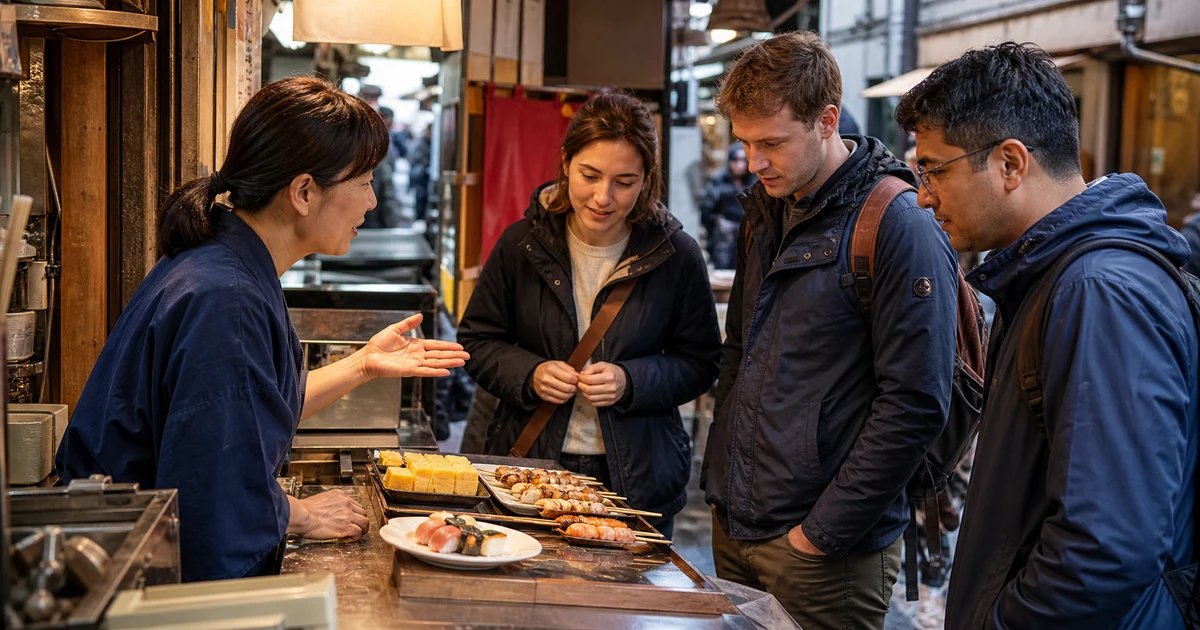
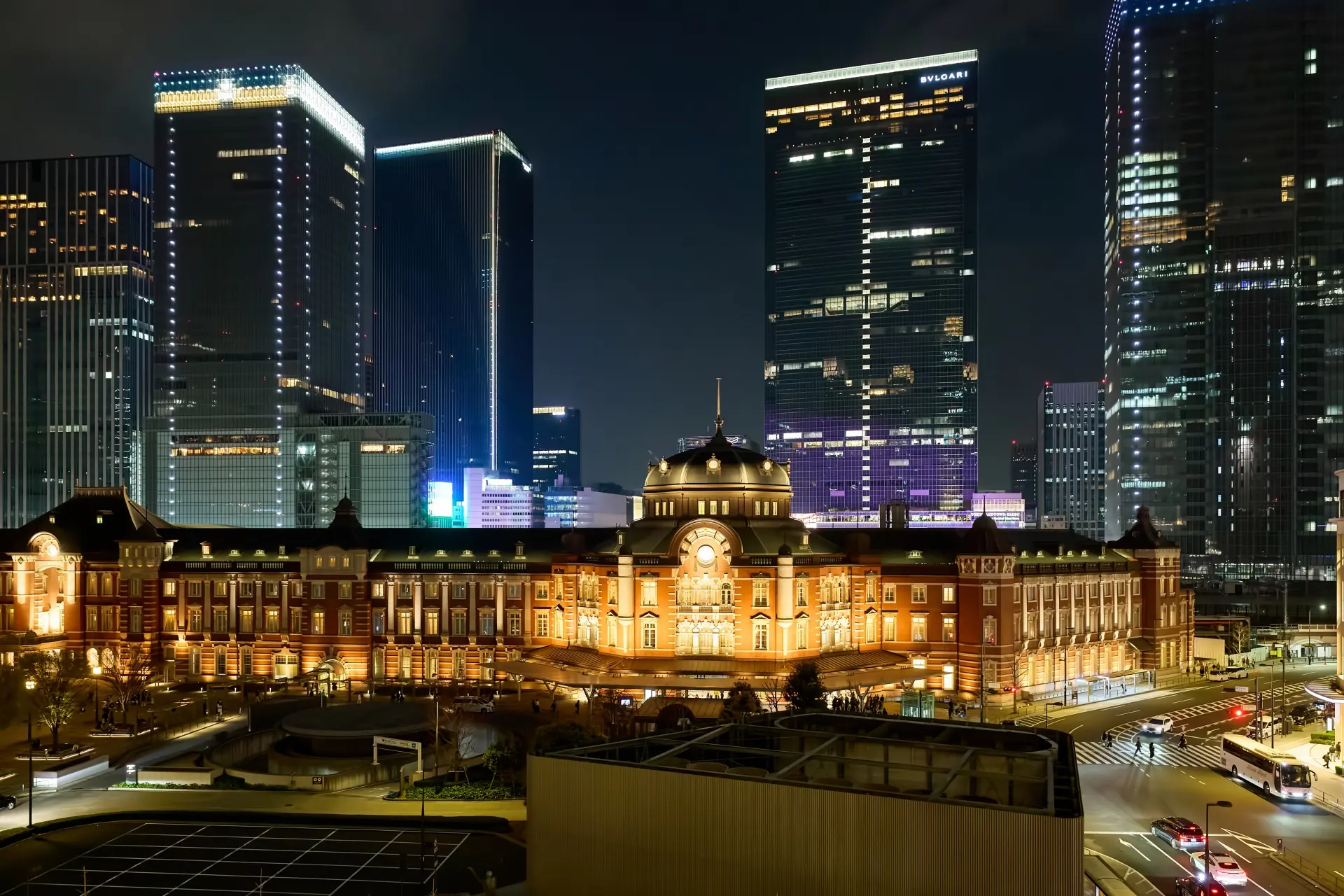
Choose a yakatabune if you want your Tokyo dinner to feel rooted in Japan. You eat a Japanese course aboard a low, lantern-lit boat, then step onto the deck to see the river and bay after dark. Of the options checked for this guide, the Amitatsu sailing from Asakusa best fits an evening that begins around Senso-ji; the Funasei sailing from Shinagawa fits travelers who prefer that departure area. For a quieter, more formal meal on a larger vessel, Symphony's sushi counter is the alternative.
Choose your date and departure pier first. GO TOKYO's official cruise guide recommends booking dinner cruises in advance. Funasei's own shared-boat calendar says sailings are not offered every day, usually run as one evening departure and depend on a minimum passenger count. That is a concrete reason to check availability before building a fixed Tokyo night around a cruise; it is not a claim that every boat is nearly sold out.
This is a researched comparison of operator pages and bookable listings, checked on September 22, 2026. We have not personally sailed on all three boats. Schedules, exchange rates, menus and cancellation terms can change, and your selected date and checkout confirmation take priority.
The GetYourGuide buttons below are affiliate links. JAPANODE may earn a commission at no extra cost to you. The Symphony link goes directly to its operator and is not an affiliate link. Commission does not determine the order of recommendations.
 Start with Asakusa
Asakusa Amitatsu Yakatabune Dinner Cruise
Why it may fit
Our first pick for an Asakusa evening: Japanese course dinner, drinks and a Tokyo Bay route. Select your date to verify the live total, departure pier and 10-day cancellation cutoff.
Before booking
Check the live price, availability, eligibility, and terms before paying.
Quick comparison: which dinner cruise fits your evening?
| Experience | Best fit | Departure | Meal and time | Price reference | Main booking caution |
|---|---|---|---|---|---|
| Amitatsu shared yakatabune | Asakusa sightseeing followed by a Japanese dinner | Azumabashi pier for the linked listing; confirm the voucher | Japanese course and free-flow drinks; about 2.5 hours | Operator's direct standard course: ¥13,800 per adult | Diet changes require advance notice; the listing has conflicting pickup wording |
| Funasei shared yakatabune | A Shinagawa departure and a traditional boat dinner | Funasei pier, Shinagawa | Japanese course and drinks; roughly 2.5–3 hours | Operator's direct plans start at ¥14,000 per adult | Linked listing says it cannot adapt dinner for dietary needs; cancellation deadline is longer |
| Symphony sushi kaiseki | A special-occasion sushi counter on a modern vessel | Hinode Pier | Sushi kaiseki; dinner cruise about 2.5 hours | Kagayaki: ¥20,000 weekday / ¥21,000 weekend or holiday | Book the exact restaurant plan; the sushi counter has age and day restrictions |
These are operator price references, not promised GetYourGuide checkout prices. The two yakatabune links may show a different total after currency conversion, selected date, participant count or platform terms. Symphony sells several restaurant plans at different prices; the table refers specifically to its Kagayaki sushi kaiseki. Two adults should compare the full total, not a per-person headline: the direct reference is ¥27,600 for Amitatsu, at least ¥28,000 for Funasei, or ¥40,000–42,000 for Symphony Kagayaki.
We chose these three because each solves a different dinner decision. A sightseeing water bus, a snack-and-show boat and a private charter can all be enjoyable, but they do not buy the same seated meal for two people. If you mainly want a low-cost river view, see the water-bus option below instead of paying for a dinner you do not want.
Why a yakatabune feels different from a regular cruise
A yakatabune is a Japanese pleasure boat built around eating, drinking and enjoying the water together. GO TOKYO's yakatabune guide describes traditional meals such as tempura and sushi and views of the Sumida River and Tokyo Bay. Lanterns, wooden interiors and a low boat profile give the evening a character distinct from an ordinary sightseeing ferry. Modern boats may have chairs, tables, air conditioning and observation decks; do not assume you will sit on tatami or that every boat has the same layout.
The food is part of the ticket, not a side purchase. Amitatsu's current shared-boat menu includes appetizers, sashimi, meat, steamed and fried dishes, a rice or noodle course and dessert; the operator says the precise menu can change with season and supply. Funasei advertises Japanese meals with sashimi and freshly prepared tempura. That combination of dinner and city views makes a yakatabune a plausible one-evening splurge for couples and first-time visitors who would otherwise reserve a restaurant and a separate night activity.
There is a social trade-off. Shared boats may seat you near other parties, run a fixed course and stop at particular viewpoints only when the route and weather permit. A romantic traveler who wants a private table, a chosen bottle of wine and a formal restaurant pace may prefer Symphony. A traveler with strict food requirements should put menu safety ahead of atmosphere.
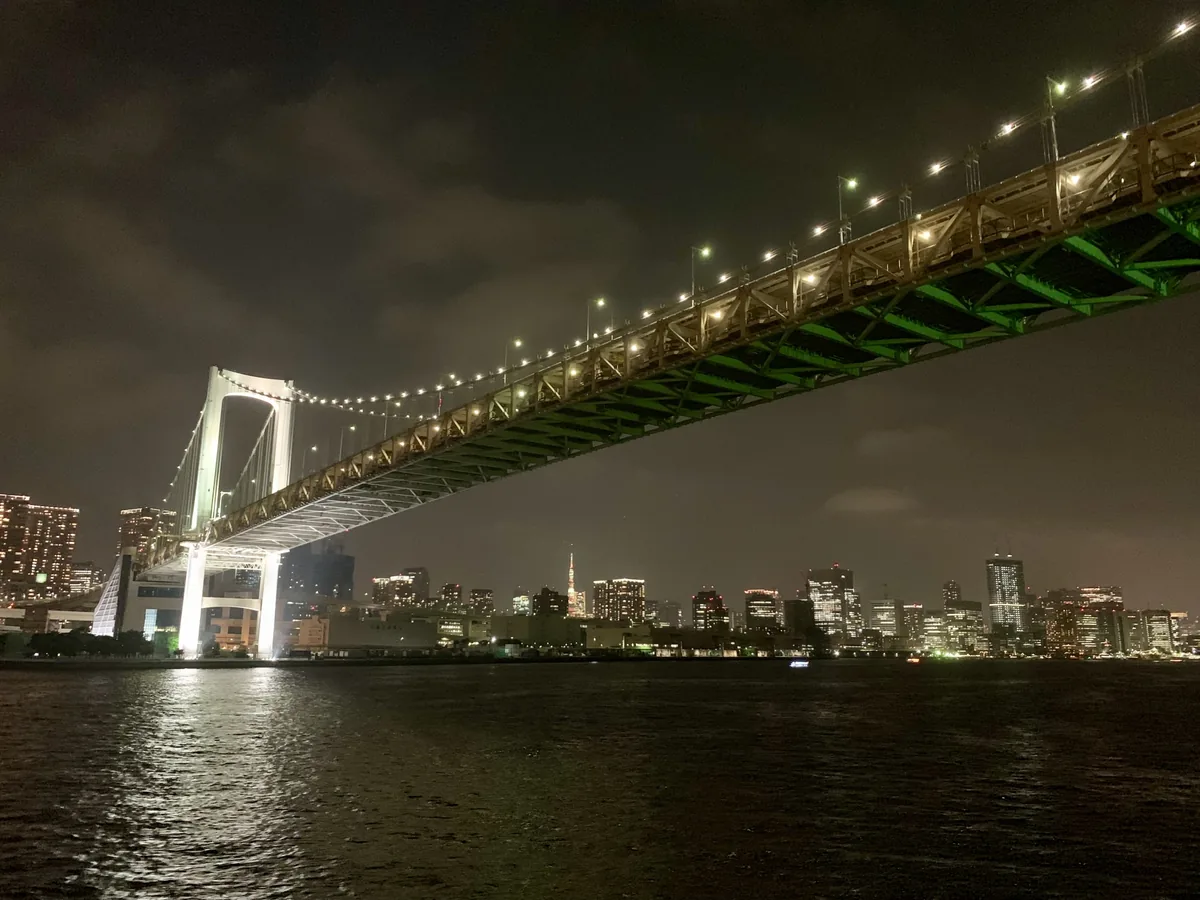
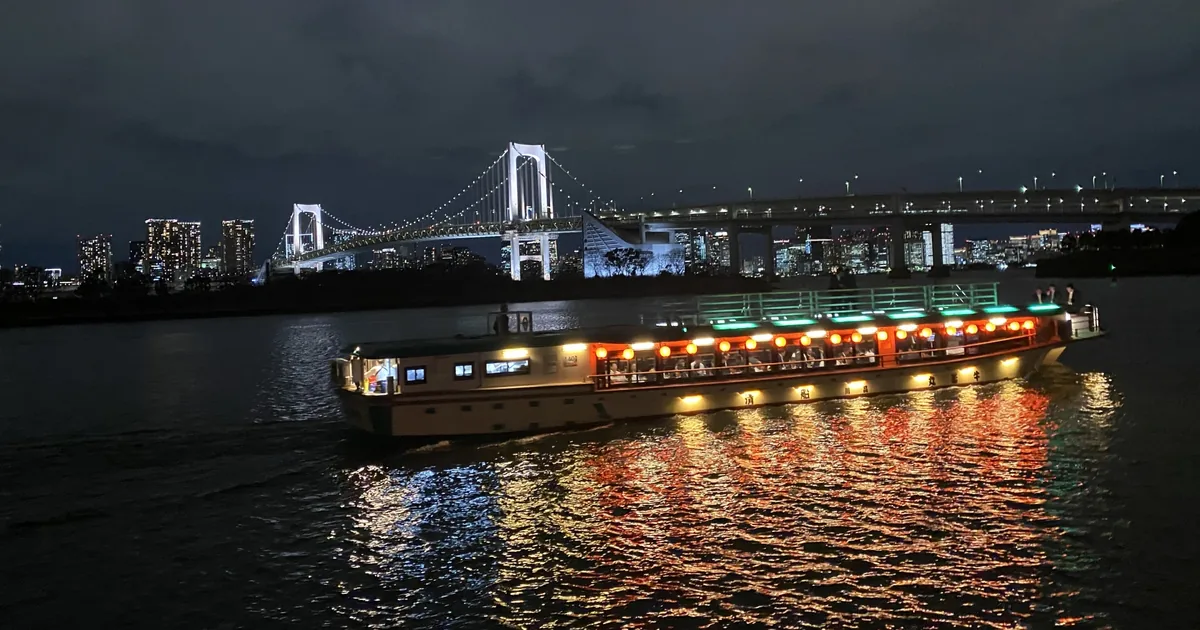
A Tokyo Bay night view. The exact view from any dinner cruise depends on its route and the weather.
1. Amitatsu from Asakusa — best for a classic first yakatabune
The Amitatsu GetYourGuide sailing starts at Azumabashi pier by Asakusa and lasts about 2.5 hours. The published route goes down the Sumida River toward Tokyo Bay, with nighttime views of Odaiba and Rainbow Bridge, then returns toward Tokyo Skytree. The listing includes a Japanese-style course dinner and free-flow alcoholic and non-alcoholic drinks. It showed 4.6/5 from 922 reviews on September 22, 2026, the largest directly checked review history in this comparison.
This is the most natural choice if you are already spending late afternoon around Senso-ji or the Sumida River. You can finish sightseeing, eat on the boat and avoid crossing to a separate waterfront neighborhood for dinner. The operator's schedule describes the Odaiba and Skytree route as a year-round course and notes that shared sailings need a minimum number of passengers. It also warns that its boarding place can vary by schedule. Follow the pier printed on your exact GetYourGuide confirmation, not a generic map of the operator's other cruises.
The listed direct standard-course price is ¥13,800 per adult, including drinks, on Amitatsu's official pricing page. Check the separate GetYourGuide total before choosing where to buy. At the September 22 check, the GetYourGuide product advertised free cancellation only until 10 days before the start, which is a more restrictive window than many short city tours.
Food requests need care. The listing asks you to submit dietary changes at least two days before the reservation date and says a ¥1,000 handling fee per guest applies to changes. Amitatsu's own page lists limited changes it may be able to make and says it cannot guarantee a meal free from severe allergens because food is prepared in shared facilities. If a particular ingredient could cause a serious reaction, get a written answer before paying.
There is also a wording conflict on the marketplace page: its included-items list mentions hotel pickup and drop-off, while the same listing instructs guests to meet at Azumabashi pier at least 20 minutes before departure. We would plan to reach the pier independently unless the operator confirms a transfer for your exact booking. The listing says staff use a translator for English; do not expect a continuous live English cultural commentary.
Best for: first-time visitors who want a Japanese dinner boat after an Asakusa day and are comfortable with a shared, social setting.
Think twice if: you need guaranteed allergy-safe food, expect hotel pickup, or need a flexible last-minute cancellation window.
Asakusa Amitatsu Yakatabune Dinner Cruise
Japanese dinner and Tokyo Bay views
Best for
A traditional dinner boat after an Asakusa day
Before booking
Meal changes need notice; confirm pier and pickup wording
Why it may fit
A shared Japanese dinner boat from the Asakusa side of the Sumida River. Check your date, final total, pier, dietary terms and 10-day cancellation deadline before payment.
2. Funasei from Shinagawa — best for this departure area
The Funasei GetYourGuide product names Funasei Boat Pier in Shinagawa as its meeting point. It describes a roughly 2.5- to 3-hour Japanese dinner cruise with appetizers, sashimi, fresh tempura, a seasonal rice dish, dessert and unlimited drinks. A top deck allows a change of view from the dining room, although the actual route can vary. The listing showed 4.7/5 from 287 reviews on September 22, 2026. Reconfirm the inclusions and terms for your selected date on the booking page.
Funasei is especially useful for travelers staying south of central Tokyo or heading back toward Shinagawa afterward. The operator's access information places its building about 13 minutes on foot from Shinagawa Station or 10 minutes from Kita-Shinagawa Station. Budget more than the walking estimate for finding the pier, checking in and boarding; the marketplace listing asks guests to arrive 30 minutes before departure.
The strongest evidence for booking this boat in advance is Funasei's live shared-boat calendar. The operator says it opens shared departures around one month ahead, does not sail every evening and may hold a sailing until the required minimum group is reached. A calendar day marked “planned” is therefore different from a confirmed departure. If this is the night you most want, check the actual departure status and keep the contact email from your reservation.
Funasei's direct shared-boat plans start at ¥14,000 per adult, with higher tiers available. The linked GetYourGuide product's price and meal configuration can differ, so compare the selected checkout screen rather than assuming it includes a particular direct-booking tier. The accessible marketplace listing states that dinner cannot be catered for dietary requirements and that free cancellation ends 11 days before the cruise. It also warns that tables may be shared and that departure time can be confirmed later by email. Rain alone normally does not cancel the sailing, but storms and other serious conditions can.
Best for: travelers for whom Shinagawa is convenient and whose meal needs fit the standard Japanese course.
Think twice if: you need a modified meal, want a guaranteed private table, or must be able to cancel close to your travel date.
Shinagawa Funasei Yakatabune Dinner Cruise
A full evening on a traditional boat
Best for
A traditional Japanese dinner with a Shinagawa departure
Before booking
The linked meal is not adapted for dietary requirements
Why it may fit
A shared yakatabune with Japanese course dinner and drinks from Shinagawa. Check whether your date is a confirmed sailing and verify the final meal and cancellation terms.
3. Symphony sushi kaiseki — best for a formal dinner at sea
Symphony is a modern restaurant cruise ship, so its mood is different from a yakatabune. GO TOKYO lists its dinner cruise from Hinode Pier, sailing around Tokyo Bay for roughly 2.5 hours. The draw is a reserved restaurant setting with a city-night view; its official dinner page lists French, Italian, lounge and sushi plans. Choose the exact plan rather than treating the lowest advertised cruise fare as the price of sushi dinner.
For the most Japanese meal on Symphony, the Kanon sushi counter's Kagayaki kaiseki lists seasonal starters, a warm dish, ten pieces of nigiri, handmade soba and dessert. Its published price at the September 22 check was ¥20,000 per person Tuesday–Friday and ¥21,000 on weekends and holidays. The operator says this plan needs a reservation by 16:00 the previous day, closes on Mondays and does not accept children under junior-high-school age. Those conditions make it a genuine plan-ahead purchase, even when the ship itself has other departures.
This is the choice for a couple or special occasion when the meal and a quieter restaurant setting matter more than the boat's historic character. It also gives a clear premium reference against the yakatabune options: two Kagayaki seats are ¥40,000–42,000 at the checked direct price. That extra spend buys a different dining format, not necessarily a longer cruise or better landmarks. Check the selected date, restaurant, seat and current menu with Symphony before payment.
Best for: a sushi-centered celebration with a reserved restaurant plan.
Think twice if: your priority is the yakatabune tradition, your party includes younger children, or the exact Tuesday–Sunday sushi schedule does not fit your trip.
See Symphony's current sushi dinner plans and reserve with the operator. This is a non-affiliate link.
When to reserve, and what to check before paying
Reserve after you fix the Tokyo date, but before you treat that evening as settled. A shared dinner sailing is not a walk-up restaurant table. Tokyo's official tourism guide advises advance booking; Funasei does not schedule a shared departure every night; Amitatsu's shared runs have minimum passenger requirements; and Symphony's sushi counter publishes a prior-day cutoff. No single “book exactly X weeks early” rule fits all three.
Use this order:
- Pick the evening and the pier. An Asakusa sightseeing day pairs naturally with the Amitatsu listing. Shinagawa works when you are already near that station. Hinode Pier is the departure for Symphony. Do not book the right dinner in the wrong part of a tightly scheduled city day.
- Select the exact date and number of people. Check whether the boat actually sails that evening, whether the departure is confirmed, and whether the product shows a real checkout total. When you travel as a couple, compare the two-person total, including any meal changes or taxes.
- Read what the meal includes. A full Japanese course, free-flow drinks, a sushi counter and a snacks-only night cruise are different purchases. Check the menu if you avoid seafood, alcohol or particular ingredients. Ask the operator directly about severe allergies.
- Read the cancellation deadline in Japan time. The two linked yakatabune products showed 10- and 11-day free-cancellation cutoffs at our check. That is an early commitment; do not assume a 24-hour rule because you have seen it on another GetYourGuide tour.
- Save the final voucher and arrival instructions. Departure piers, check-in times, the confirmed sailing time and weather notices are more important on the day than the generic product headline. Keep the operator email available offline.
If a particular dinner boat is a highlight of your Tokyo stay, check its departures before assigning restaurants and evening activities to every night. Once you know which date actually works, you can build the rest of that day around the correct pier. A calendar with no sailing is not a shortage tactic; it is simply a night that boat is not operating.
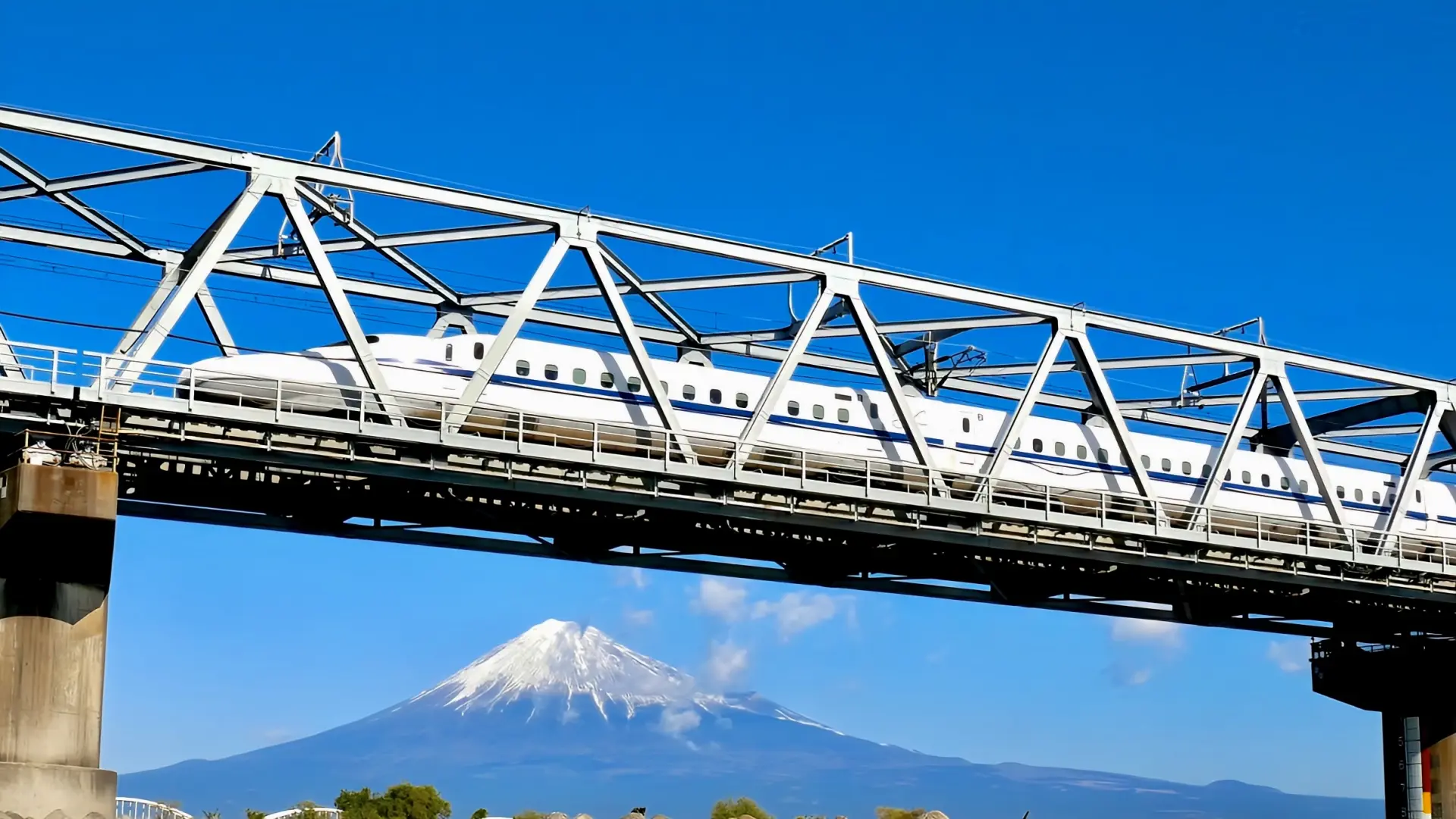
The easiest itinerary mistake is stacking a full-day excursion and a fixed dinner boat on the same day. Return traffic from a Mt Fuji day trip is uncertain, and a cruise will leave without late passengers. Put the boat on a Tokyo sightseeing day instead. If you are working from our seven-day Japan itinerary, Day 2 is a more natural fit than the Fuji/Hakone day.
When a dinner cruise is not worth the price
If what you want is the river view, Tokyo's public water buses are much cheaper. GO TOKYO's water-bus guide lists short Sumida River and Odaiba routes separately from dinner cruises. Ride one, then choose a restaurant on land. You will give up the combined meal-and-boat atmosphere but keep the waterborne view.
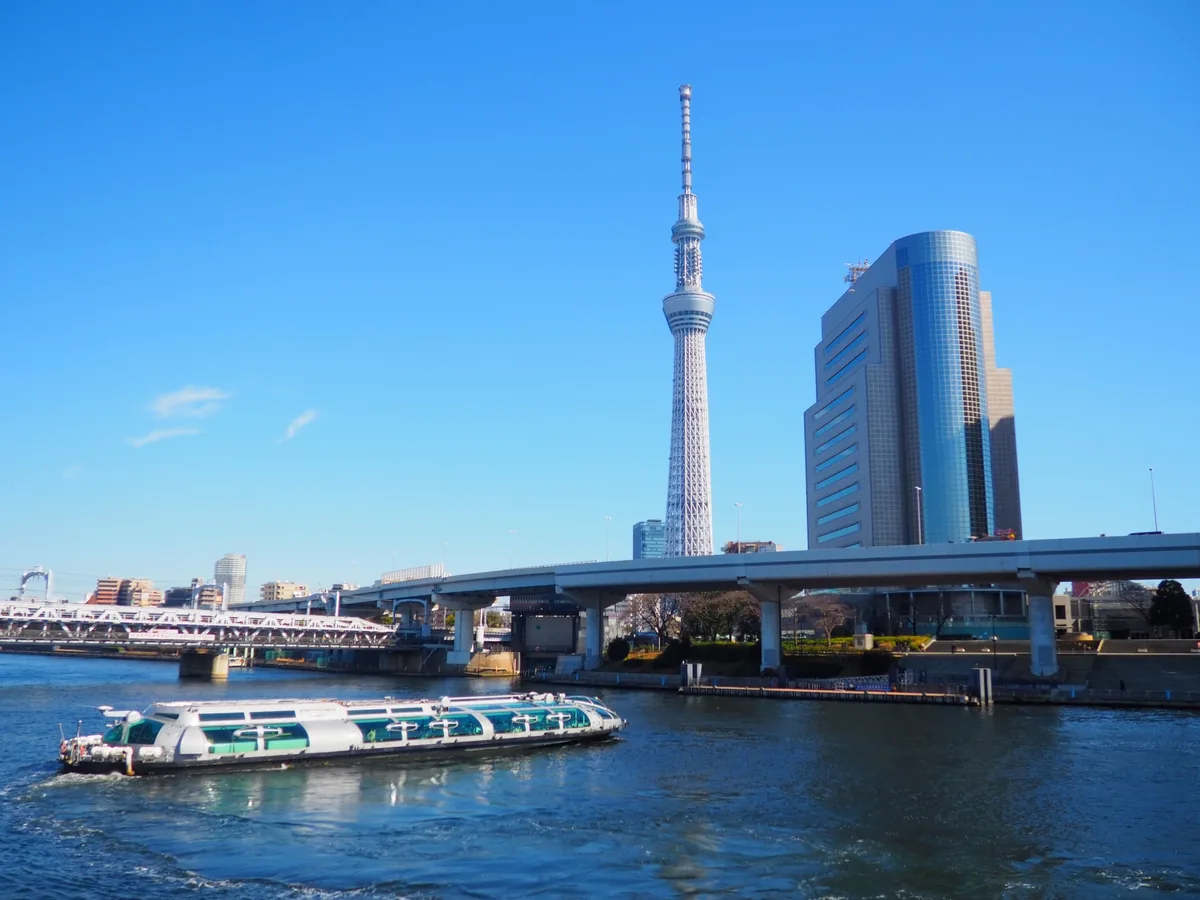
This daytime water bus is a sightseeing alternative, not one of the dinner boats compared above.
Skip the fixed-menu yakatabune if a serious allergy cannot be accommodated or if your party needs to leave the table freely during dinner. Avoid reserving on a day when you might land late at the airport or return late from an excursion. Weather can change the route or cancel the sailing even when your reservation is confirmed. The boat is a memorable evening only if its meal, schedule and practical rules suit you.
For travelers who would rather spend the evening eating across several neighborhoods, our Tokyo food-tour comparison covers walking options. A food tour offers conversation and multiple stops; the boat offers one seated meal with the city passing outside. A couple planning a larger celebration can also use our Tokyo honeymoon hotel guide to coordinate the dinner with a hotel area that keeps the return trip simple.
Our recommendation
For the most distinctively Japanese dinner on the water, start by checking the Asakusa Amitatsu and Shinagawa Funasei sailings for your actual date. Choose by pier, meal requirements and cancellation terms, then compare the complete checkout totals. If you want a formal sushi counter and a special-occasion restaurant setting, check Symphony's Kagayaki plan directly.
The best reason to reserve early is practical: a dinner boat has a particular departure, a prepared meal and a fixed boarding point. Confirm those three facts before making the rest of your Tokyo evening depend on it.