
On this page
The best Tokyo food tour depends on the evening or morning you actually want. For a first visit and a full dinner-style experience, the Shinjuku food tour is the strongest default: it has by far the largest review base in this comparison, visits four food venues and includes two drinks. For seafood and a daytime market, choose Tsukiji—but be careful, because the cheapest option on the product page does not include food. If you want to learn a repeatable skill rather than collect tastings, the Tsukiji walk and sushi class is the better use of your time.
This is a researched comparison, not a claim that we personally took every tour. We checked the three GetYourGuide listings on August 30, 2026 and rechecked the byFood Shibuya listing on September 3, 2026, including ratings, review counts, duration, inclusions, accessibility notes and cancellation terms. Marketplace details and prices change, so the final product page and checkout screen always take priority.
The booking links below are affiliate links. JAPANODE may earn a commission at no extra cost to you. Commission does not determine the rankings: the recommendations are based on the current listing evidence, practical fit and disclosed limitations.
Visiting Osaka too? Compare our Osaka food tours for a food-inclusive Shinsekai outing, a Dotonbori and Kuromon walk, or an evening of bar hopping, with separate food costs clearly explained.
Quick comparison
| Tour | Best for | Duration / group | Food and drinks | Evidence checked | Important limitation |
|---|---|---|---|---|---|
| Shinjuku food tour | Best overall evening | 3 hours / small group | 13 dishes across 4 venues + 2 drinks currently listed | 4.9/5, 3,335 reviews | Title says 15 dishes while included-items panel says 13 |
| Shibuya byFood tour | Families and central nightlife | 3–4 hours / 1–10 | 4 foods at different stops; soft drinks, tea and water listed | 4.8/5, 31 reviews | Alcohol costs extra; check live date availability |
| Tsukiji market tour | Flexible daytime market introduction | 1.5 hours | Base option excludes food; separate 7-tasting option | 4.9/5, 486 reviews | Headline from-price can represent the no-food option |
| Tsukiji walk + sushi class | Hands-on meal and small group | 3 hours / max 6 | Self-prepared sushi lunch included | 4.7/5, 126 reviews | Minimum age 9 and height 130 cm; not wheelchair accessible |
The rating denominator matters. A fraction of a point is less meaningful than the difference between 3,335 reviews and 126. We also treat listing contradictions as buying risks rather than quietly choosing the most favorable wording.
How we compared the tours
We used seven decision factors:
- Current rating and review volume, not score alone.
- Whether the selected option includes every tasting and drink.
- Duration and maximum group size where stated.
- Neighborhood, time of day and meeting logistics.
- Dietary, age and accessibility limitations.
- Cancellation deadline and current availability.
- Listing consistency: title, description and included-items panel should agree.
The last factor matters more than it sounds. A low from-price may belong to a guide-only option, while the attractive food package costs more. A title may retain an old number after the operator changes the itinerary. Always select your date and option before comparing totals.
1. Shinjuku food tour — best overall evening
The Shinjuku tour is the most defensible first choice for adults who want dinner, nightlife and the largest body of customer evidence. The route covers Omoide Yokocho, Kabukicho and several local venues over three hours. The live page listed food at four types of stop—street food, izakaya, a traditional restaurant and a gastrobar—plus two alcoholic or non-alcoholic drinks.
The strongest signal is not merely its 4.9 rating; it is the 3,335 reviews behind that score. That makes the rating more stable than the smaller samples in this list.
There is one important inconsistency. The product title says 15 dishes, while the description and included-items section say 13 dishes at four venues. We would not value the booking based on an exact dish count. Check the current included-items panel and treat the tour as a multi-stop dinner rather than a guarantee of 15 separate full portions.
Best for: first-time adult visitors, couples and solo travelers who want a social evening with several dishes.
Think twice if: you dislike busy nightlife districts, want a quiet seated meal, need strict control over allergens or are traveling with younger children.
Shinjuku Food Tour: 4 Venues and Multiple Dishes
A three-hour English-guided evening through Shinjuku nightlife areas with food at four types of venue and two drinks listed.
Best for
First-time adult visitors, couples and solo travelers who want a social multi-stop dinner.
Before booking
The title and included-items section disagree on the exact dish count; treat it as a multi-stop dinner rather than a fixed number of full dishes.
Live price & availability
Powered by GetYourGuide · we may earn a commission at no extra cost to you.
2. Shibuya byFood tour — best for families and groups
Choose Shibuya when you are staying on Tokyo's west side or want the energy of Center-gai, Dogenzaka and the Scramble Crossing built into the evening. The byFood listing showed a three- to four-hour tour in English or Japanese for one to ten guests, with sushi, karaage, wagyu, takoyaki and a wagashi dessert described across the route.
Its 4.8 rating from 31 reviews is encouraging but much less mature than the Shinjuku pick's evidence base. The listing says four foods at different stops are included, together with a soft drink at the wagyu restaurant, hot green tea and water. Alcohol and any extra purchases are not included.
The strongest reason to choose this product is group fit. The page currently advertises free participation for children and says bookings of six or more automatically become private. Confirm how the child offer applies to your selected date and group before paying; the checkout screen, not the article, determines the final total.
Best for: families, groups of six or more, and travelers staying around Shibuya who want food and neighborhood context in one evening.
Think twice if: you want included alcohol, a very large review base, a quiet seated meal or guaranteed step-free access.
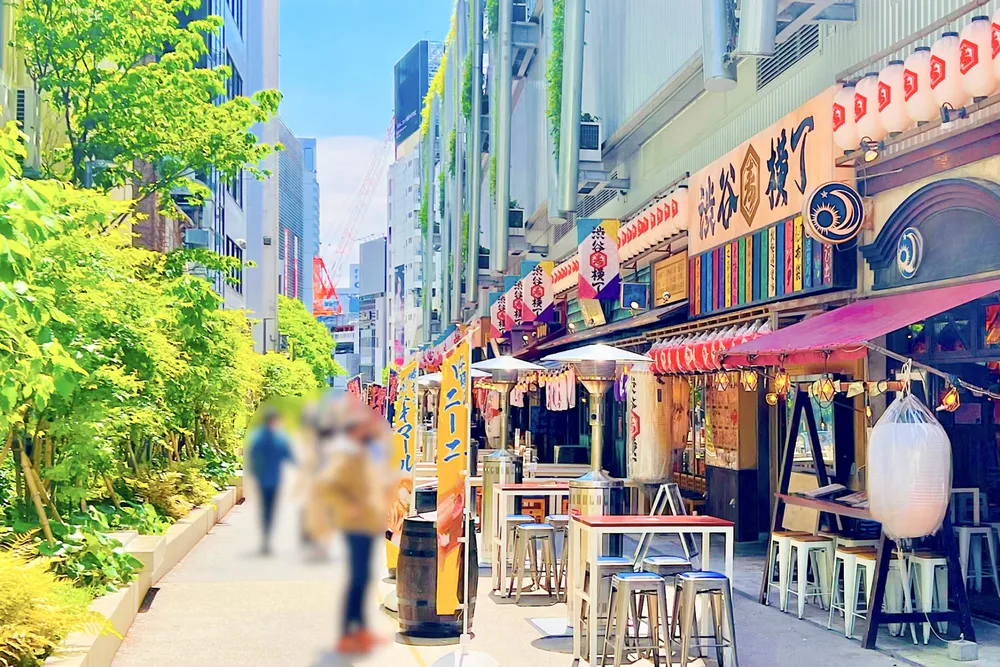 Best for families · 4.8/5
Shibuya Food Tour with an Expert Guide
Four foods plus dessert around Shibuya
Why it may fit
A three- to four-hour route with four Japanese foods at different stops plus dessert. The live byFood listing advertises free participation for children and private status for groups of six or more; verify the checkout total.
Before booking
Check the live price, availability, eligibility, and terms before paying.
3. Tsukiji market tour — best flexible daytime introduction
This is the strongest daytime option for travelers who want someone to explain Tsukiji's ingredients, specialist shops and food culture. The wholesale market moved to Toyosu in 2018, but the outer market remains an active concentration of seafood shops, restaurants and kitchen specialists. GO TOKYO and the official Tsukiji visitor guidance recommend morning to early afternoon; many shops close on Sundays, some Wednesdays and public holidays.
The GetYourGuide listing showed 4.9 from 486 reviews, a 1.5-hour English tour and two selectable formats. This distinction is crucial:
- the lowest-priced guided option excluded food and drinks;
- a separate option advertised seven gourmet tastings.
Do not book from the headline price and assume seven foods are included. Select the seven-tasting option, then verify its included-items panel and total. If you prefer to choose and pay for exactly what you eat, the guide-only option can still be rational—it simply should not be compared with a food-inclusive tour as if the products were identical.
The page carried a wheelchair-accessible tag, but Tsukiji has tight, crowded lanes and individual shops vary. Confirm the actual route if mobility access is essential. Bring some cash, because card acceptance is not universal.
Best for: seafood-focused travelers, families comfortable in crowds and visitors who prefer daytime to nightlife.
Think twice if: your date is Sunday, Wednesday or a holiday; you expect a fixed menu; or you have serious cross-contact concerns.
Tsukiji Market Guided Tour
A short guided introduction to Tsukiji's ingredients, specialist shops and food culture with guide-only and tasting options.
Best for
Seafood-focused travelers and visitors who prefer a daytime market experience to nightlife.
Before booking
The headline from-price may exclude all food and drinks; select the seven-tasting option deliberately if that is what you want.
Live price & availability
Powered by GetYourGuide · we may earn a commission at no extra cost to you.
4. Tsukiji market walk and sushi class — best hands-on experience
This product combines about 70 minutes in the Tsukiji outer market with a cooking class. Participants prepare temari sushi, rolled sushi, tamagoyaki and miso soup, then eat the result as lunch. The live page showed a maximum of six participants, which gives the class a clearer small-group structure than the market-only tour.
At 4.7 from 126 reviews, its rating is lower and its evidence base smaller than the other finalists. That does not make it poor; it makes it a different purchase. You are paying for instruction and a meal you prepare, not for the maximum number of market tastings.
The restrictions are material. The listing says participants must be at least nine years old and 130 cm tall, and it is not suitable for wheelchair users. Strollers, suitcases and large bags are prohibited. Some recent reviewers also wished the market portion were longer, which is the predictable tradeoff of combining two activities in three hours.
Best for: travelers who want a practical memory they can recreate at home and prefer a group capped at six.
Think twice if: you want a deep market tour, are traveling with a child under nine, need step-free access or mainly want restaurant hopping.
Tsukiji Market Walk and Sushi Class
A three-hour market-and-cooking experience where a group of up to six prepares sushi, tamagoyaki and miso soup for lunch.
Best for
Travelers who want a practical food memory they can recreate at home.
Before booking
The market portion is short, participants must meet age and height rules, and the listing excludes wheelchair users.
Live price & availability
Powered by GetYourGuide · we may earn a commission at no extra cost to you.
Which neighborhood fits your itinerary?
| Area | Time and mood | Choose it when | Main drawback |
|---|---|---|---|
| Shinjuku | Evening, izakaya and nightlife | You want a full social dinner on a first Tokyo night | Busy, adult-oriented atmosphere |
| Shibuya | Evening, youthful and energetic | You are traveling with children or a group of 6+ | Smaller review base; alcoholic drinks cost extra |
| Tsukiji market | Morning or early afternoon | Seafood and market culture matter most | Closures, crowds and variable inclusions |
| Tsukiji cooking class | Daytime, structured and hands-on | You want to learn and eat one prepared meal | Less time exploring the market |
Check the meeting point against your day, not just your hotel. Tokyo is easy to cross by train, but a three-hour tour ending in Shinjuku at night is a different itinerary anchor from a 9:00 market walk in Tsukiji. Our Tokyo train guide explains the network, while the first-time Japan guide covers payment and dining expectations.
Food tour or self-guided eating?
Book a tour when you want cultural explanation, several stops without research, support entering unfamiliar venues or a social activity for your first day. Go independently when you have a precise restaurant list, dislike a fixed pace, need complete control of allergens or would rather put the whole budget toward one premium meal.
For a single reserved Japanese dinner with nighttime views instead of several walking stops, compare the Tokyo yakatabune and dinner cruises. That guide checks the departure piers, meals and advance-booking rules before you commit an evening.
A simple self-guided Tsukiji morning remains a good alternative. Arrive after the early business rush, use the official shop directory, buy from a small number of vendors, eat only in permitted areas and avoid blocking working lanes. The Plat Tsukiji information center can help with maps and current market questions.
This alternative is not automatically cheaper if you over-order, nor automatically better if you do not know what you are seeing. The value of a guide is context and curation; the value of going alone is control.
Allergies, dietary restrictions and accessibility
Send the operator a written list of restrictions before booking. Ask whether they can guarantee substitutions, not merely record a note. Dashi may contain fish, sauces can contain soy and wheat, and sesame or shellfish can appear where they are not visually obvious. Compact market stalls may share grills, oil and preparation surfaces.
Vegetarian-looking does not mean vegetarian. Vegan and halal travelers should ask for exact dishes and preparation conditions. With a serious allergy, a fixed multi-stop tour may provide less control than choosing one restaurant able to explain its kitchen.
Japan's legal drinking age is 20. Evening tours list non-alcoholic alternatives, but confirm whether minors are accepted and whether the atmosphere fits your family. Accessibility should also be verified at venue level: the byFood Shibuya page did not establish a fully step-free route in the details we checked, and the sushi class explicitly excludes wheelchair users.
Eight checks before payment
- Select the exact date, language and package—not just the product page.
- Confirm whether every tasting and drink is included.
- Compare the final total, not the headline from-price.
- Read the newest critical reviews as well as the average rating.
- Check the meeting point, end point and last train back to your hotel.
- Obtain dietary confirmation in writing.
- Verify age, mobility and luggage restrictions.
- Read the cancellation cutoff in Japan local time.
The three GetYourGuide listings showed free cancellation up to 24 hours before the start when checked; the byFood Shibuya listing required at least 48 hours notice. These are not promises that every date or future version keeps the same rule. If the tour represents a meaningful prepaid cost, understand what your Japan travel insurance does and does not cover; ordinary cancellation insurance does not necessarily pay because you changed your mind.
If food is only one of several paid days under consideration, compare it with Fuji, sumo and Kyoto culture in the Japan experience desk before committing the itinerary.
Final recommendation
For first-time adults who want an evening meal, choose the Shinjuku tour, provided the current included-items panel still shows the food and drinks you expect. It has the strongest review evidence and the least uncertainty about the overall experience, despite the 15-versus-13-dish wording mismatch.
Choose Tsukiji's seven-tasting option for a seafood-focused morning, not the misleadingly cheap guide-only price. Choose the sushi class when learning and making lunch sounds better than visiting many stalls. Choose the byFood Shibuya tour when the neighborhood, child offer or automatic private format for six or more fits your group, but verify the live date and checkout total before paying.
There is no need to manufacture urgency. The right tour is the one whose neighborhood, inclusions and restrictions are clear enough that you know what you are buying.
Make it your trip
Still planning your Japan trip?
Pick the question on your mind. Compare your options, check the details and take one more thing off your list.

Which eSIM fits your Japan trip?
Maps, messages, hotspot use: compare five providers by data allowance, network and plan limits before you choose.
Find my Japan eSIM
What should your travel insurance cover?
Compare medical cover, cancellation and activity limits across five options, with the exclusions worth checking.
Compare cover & limitsWould a JR Pass save you money?
Add your train journeys and compare individual tickets with the nationwide pass. See which costs less for your route.
Calculate my rail costsFrequently Asked Questions
For first-time adults who want a complete evening, the Shinjuku food tour is the easiest default because it combines 4.9/5 with more than 3,300 reviews, four venues, included food and two drinks. Choose Tsukiji instead for a daytime market experience, or the sushi class if learning to prepare a meal matters more than maximizing the number of stops.
A food tour is most valuable when you want an English-speaking guide, cultural explanation and several preselected stops without researching each restaurant. It is less compelling if you already have a restaurant list, need complete control over serious allergies or would rather spend the same budget on one substantial meal.
Not necessarily. On the GetYourGuide Tsukiji listing checked on August 30, 2026, the lowest-priced guided option excluded food and drinks, while a separate seven-tasting option was available from the same product page. Select the exact option and reread the included-items panel before paying; the headline from-price is not a reliable food-inclusive comparison.
Some operators can note selected restrictions with advance notice, but that is not the same as guaranteeing a substitution or eliminating cross-contact. Japanese stocks and sauces commonly contain fish, soy or wheat, and compact market stalls may not be able to change recipes. Send the operator a written list before booking and wait for a specific answer.
Daytime Tsukiji tours are usually easier than Shinjuku or Shibuya nightlife routes, but check the exact product. The sushi class in this comparison has a minimum age of nine and minimum height of 130 cm. Alcohol is served only to guests aged 20 or older, and some evening venues may be cramped or reached by stairs.
Book once your Tokyo date and neighborhood plan are fixed, especially for weekends or small-group products. The three GetYourGuide listings in this comparison showed free cancellation up to 24 hours before the start when checked, while the byFood Shibuya listing required at least 48 hours notice. Terms can change, so confirm the deadline in Japan local time on the final checkout screen.

Written by
JAPANODE
Based in Japan, sharing real travel tips & local insights for visitors. Follow us on Instagram @thejapanode for daily Japan content.
You Might Also Like
 Itinerary
10-Day Japan Itinerary: Tokyo, Mt Fuji, Kyoto, Himeji & Ise
12 min read
 Itinerary
7-Day Japan Itinerary for First-Timers: Tokyo, Hakone, Kyoto & Osaka (2026)
20 min read
 Planning
First Time in Japan: 15 Things You Need to Know Before You Go
19 min read
 Transportation
The Complete Guide to Japan's Train System for First-Time Visitors
16 min read