On this page
Most first-time Japan itineraries make the same trade: they rush from Tokyo through Kyoto and Osaka, then tell you to fly home from a different airport. That is efficient on a map, but it is not how everyone likes to travel. I prefer knowing that my return flight leaves from the same city where I arrived. There is less airport research, less uncertainty, and a familiar city waiting at the end.
This slower 10-day route therefore starts and ends in Tokyo. In between, it gives Kyoto four nights, chooses Himeji Castle as its one castle, makes a dedicated trip to Lake Kawaguchiko for Mt Fuji, and spends a night in Ise so the visit to Ise Jingu is more than a hurried detour. Osaka is deliberately absent. You can add it, but the route loses the breathing room that makes it distinctive.
Food gives the trip its second storyline: everyday gyudon on arrival, sushi around Tsukiji, ramen before the Shinkansen, a Kyoto izakaya, Ise udon, and yakiniku on the final night. Some booking links below are affiliate links; JAPANODE may earn a commission at no extra cost to you. Every paid option has a self-guided alternative.
Before locking those days, open the Japan experience desk to compare Fuji tours, Tokyo food experiences, sumo and quieter Kyoto culture options by time, fit and booking risk.
The 10 days at a glance
| Day | Sleep in | Main plan | Signature food |
|---|---|---|---|
| 1 | Tokyo | Arrive, check in, explore one neighborhood | Yoshinoya or Sukiya gyudon |
| 2 | Tokyo | Tsukiji, Asakusa, optional Ueno | Sushi around Tsukiji |
| 3 | Tokyo | Lake Kawaguchiko day trip | Hoto noodles, optional |
| 4 | Kyoto | Tokyo Station, Shinkansen, easy Kyoto evening | Ramen |
| 5 | Kyoto | Kiyomizu-dera, Higashiyama and Gion | Izakaya |
| 6 | Kyoto | Arashiyama and one western/central Kyoto stop | Flexible local dinner |
| 7 | Kyoto | Himeji Castle day trip | Himeji oden, optional |
| 8 | Ise | Kyoto to Ise, Geku | Ise udon |
| 9 | Tokyo | Naiku, return via Nagoya, Shibuya | Yakiniku |
| 10 | — | Fly home from Tokyo | Airport meal if time allows |
Mt Fuji is never guaranteed. Keep the East Tokyo day flexible enough to swap with Kawaguchiko when the forecast changes. If you book a fixed Fuji train or tour, check the cancellation terms before assuming you can move it.
Before booking: make the route work
The nine-night split is simple: three nights in Tokyo, four in Kyoto, one in Ise, and one final night in Tokyo. Kawaguchiko and Himeji are day trips, so you change hotels only three times.
Ten days sits inside Japan's visa-exempt landing period for every listed nationality — the shortest of those is 15 days — but whether your passport qualifies in the first place is worth confirming with the Japan visa calculator before you book anything non-refundable.
For the first Tokyo stay, Ueno, Asakusa or the Tokyo Station side of the city fits the Day 2 route better than Shibuya. Save Shibuya for the last night. The contrast is part of the fun: begin among old neighborhoods and markets, then finish under the giant screens and crossing lights of western Tokyo.
On weekdays, avoid using the morning commuter peak for an unnecessary cross-city transfer. The Tokyo rush-hour guide explains which directions get crowded, how to check live conditions and why grouping nearby neighborhoods makes this itinerary easier.
The only awkward luggage day is Ise. A good solution is to send your large suitcase from the Kyoto hotel to your final Tokyo hotel and take a one-night bag to Ise. Confirm that both hotels accept luggage delivery and leave enough time for it to arrive. If you keep the suitcase, Kintetsu limited express trains have reserved seating, but you still need to plan station transfers and storage. Our luggage storage guide explains lockers, staffed storage and app-based options.
Reserve accommodation first, then the Fuji day, the Kintetsu limited expresses to and from Ise, and any food experience you genuinely want. City trains, gyudon, ramen and casual Ise udon do not need to become appointments.
You will use your phone throughout this route for train platforms, live Mt Fuji visibility, local buses around Kawaguchiko and walking directions in Kyoto and Ise. An eSIM is the simplest option for most compatible unlocked phones: install it before departure, then activate it according to the provider's instructions. Compare the details in our Japan eSIM guide, or use this quick shortlist.
Choose an eSIM for a 10-day Japan trip
Two straightforward options for maps and transport checks throughout this route. Data allowances, validity and live prices vary, so confirm the plan details before buying.

Start here if stated Docomo + KDDI access and 5G matter for a route beyond the largest cities.

A straightforward alternative for Tokyo, Osaka and Kyoto when the live data allowance and validity fit your trip.
Travel insurance also belongs on the pre-departure checklist, but not as another interruption in the day-by-day route. Our Japan travel insurance guide explains medical cover, exclusions and what to compare before choosing a policy.
Day 1 — Arrive in Tokyo and try everyday Japan
Do not turn arrival day into a sightseeing contest. Take the airport train or bus, check in, load an IC card, and walk around the neighborhood. The correct transfer depends on your airport and hotel, so use the dedicated Haneda transport guide or Narita transport guide rather than following a generic recommendation.
For the first meal, try one of Japan's best-known gyudon chains. I use them differently: for a simple beef bowl or a separate plate of beef (gyuzara), I choose Yoshinoya. When I want cheese gyudon or negi-tama gyudon topped with green onion and egg, I choose Sukiya. Sukiya also feels like the easier choice with children, although layouts and menus vary by branch.
This is not meant to be the best meal of the trip. It is a low-pressure introduction to ordering in Japan, and it tastes like ordinary daily life rather than a curated food tour. Some branches use a ticket machine, others a tablet or counter ordering, so look at what the people ahead of you do.
Day 2 — East Tokyo: Tsukiji sushi, Asakusa and Ueno
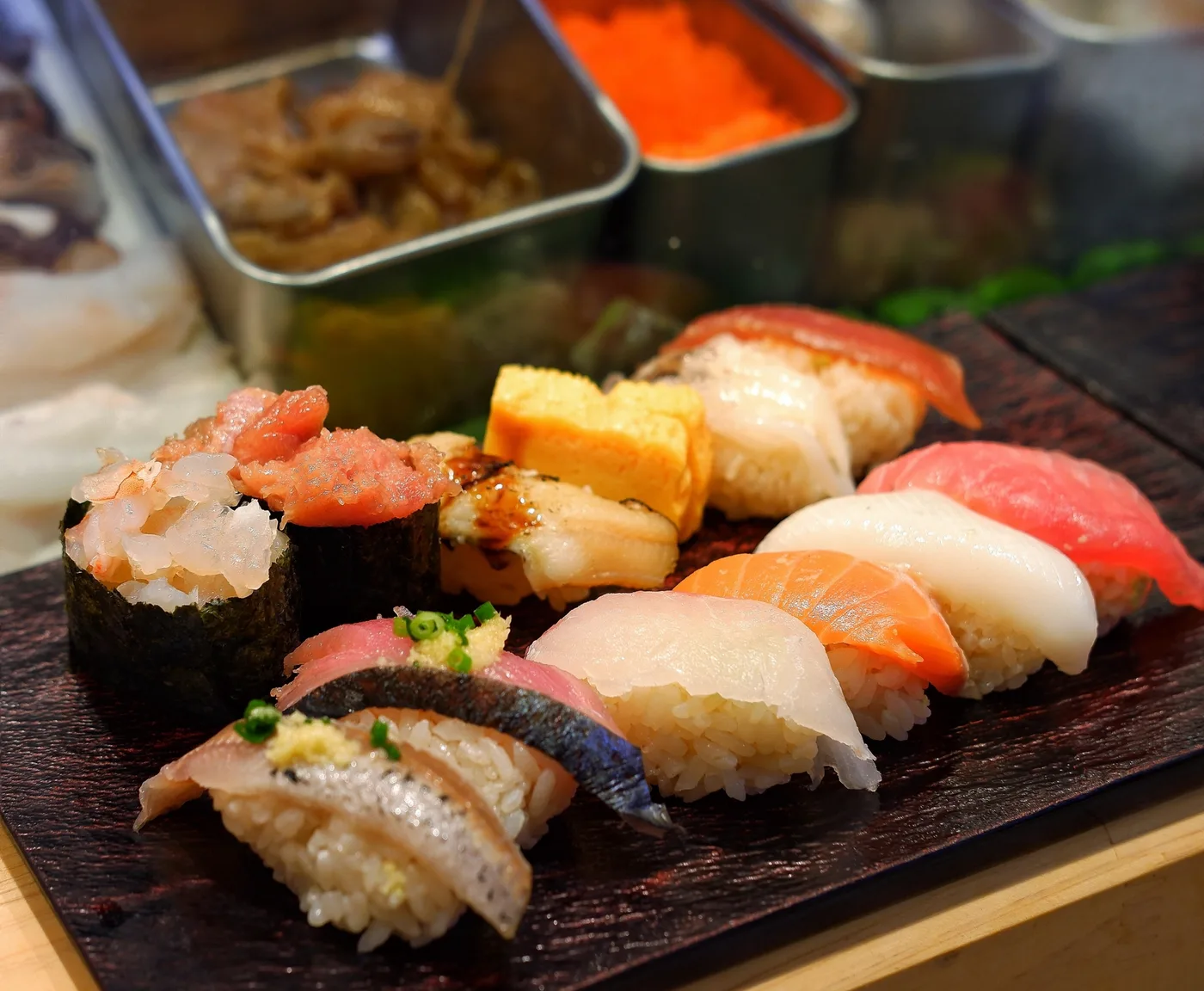
Start with Tsukiji Outer Market. The wholesale fish market moved to Toyosu in 2018, but Tsukiji's outer market remains a dense district of seafood restaurants, food shops and kitchen specialists. The market's official visitor guidance recommends roughly 9:00 to 14:00 as the useful window; many businesses close on Sundays and some Wednesdays, and each shop keeps its own schedule.
Make sushi the proper breakfast or early lunch, not one bite in an endless snack crawl. Use the market's official sushi shop list and Google Maps to check current hours. Carry some yen because card acceptance differs by shop, and be willing to walk past a famous queue if it would consume the morning.
After lunch, continue to Senso-ji in Asakusa. One temple, Nakamise and the nearby streets are enough for a relaxed afternoon. If energy remains, choose either Kappabashi for kitchenware or Ameyoko in Ueno. Do not force both.
If a guided tasting sounds better than choosing stalls yourself, compare the current Tokyo food tours first. The shortest Tsukiji listing has both a guide-only price and a separate food-inclusive option, while Shinjuku is a better fit for a full evening.
For travelers who would rather have an English-speaking guide choose the tastings and explain the market, this three-hour byFood option stays in Tsukiji and ends with sushi or a seafood bowl. Book it instead of the self-guided market meal, not on top of it. Food varies by season, so check the current menu and date availability before paying.
 Fits this Day 2 route
Tsukiji Food and Culture Walking Tour
Three hours with an English-speaking guide
Why it may fit
Explore Tsukiji Outer Market with listed tastings such as wagyu, tamagoyaki and seafood, followed by sushi or a seafood bowl. Exact foods depend on the date and season.
Before booking
Check the live price, availability, eligibility, and terms before paying.
Day 3 — See Mt Fuji from Lake Kawaguchiko
This is a Mt Fuji viewing day, not a climbing day. Take the direct Fuji Excursion from Shinjuku, a highway bus, or a guided coach tour. The Fuji Excursion has reserved seating and runs on both JR and Fujikyu tracks; check the current JR East timetable before building the day around a specific departure.
At Kawaguchiko, make Oishi Park the main objective. Add either Chureito Pagoda or Oshino Hakkai, but not both unless you enjoy a fast pace. The mountain is the event; racing between photo spots can make you miss it.
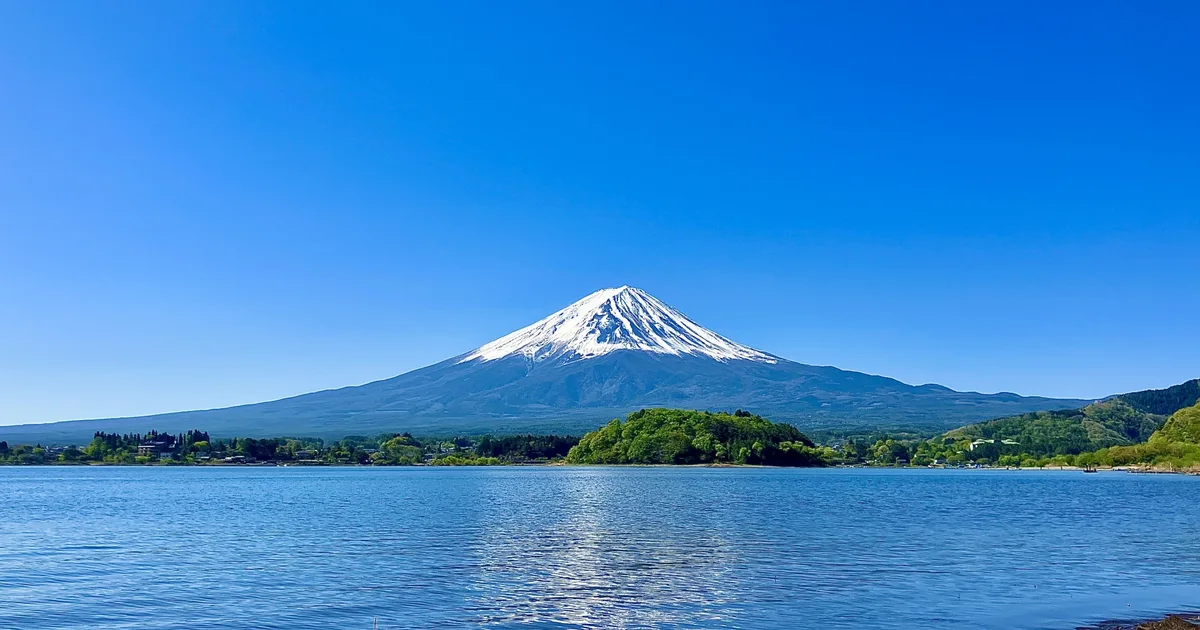
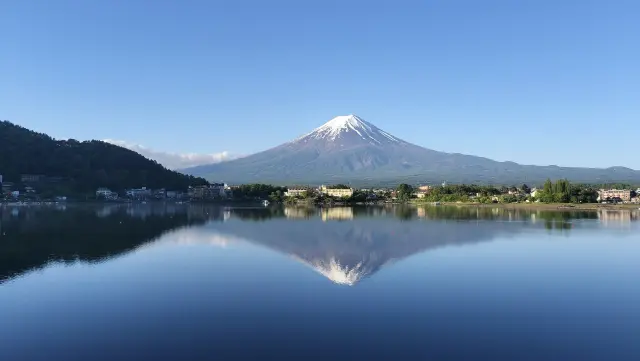
The view from Lake Kawaguchiko is overwhelming in the best way. I visited in winter, when the air was dry, the sky was brilliantly clear, and the snow-capped mountain looked exceptionally sharp. That experience is one reason I prefer Kawaguchiko when actually seeing Fuji matters. Winter often produces beautiful clarity, but clouds can hide the mountain in any season, so check a live camera before leaving.
Our complete Mt Fuji day-trip guide compares the direct train, buses, tours and self-drive options. If you would rather avoid transfers and local bus planning, a guided tour is the easier alternative; the Mt Fuji tour shortlist compares three current formats without burying you in near-identical products.
 Lowest logistics
Mt Fuji Day Tour from Tokyo
Why it may fit
A guided coach loop covering popular Fuji Five Lakes stops such as Lake Kawaguchiko, Oshino Hakkai and Chureito Pagoda. Exact stops vary by operator and weather.
Before booking
Check the live price, availability, eligibility, and terms before paying.
Day 4 — Tokyo Station ramen, then Kyoto
Check out without adding another major Tokyo district. Head to Tokyo Ramen Street on the Yaesu side of Tokyo Station for an early lunch. Its official directory shows the current lineup and ramen styles. Pick by soup preference and queue length; missing a reserved Shinkansen for a famous bowl is not a good trade.
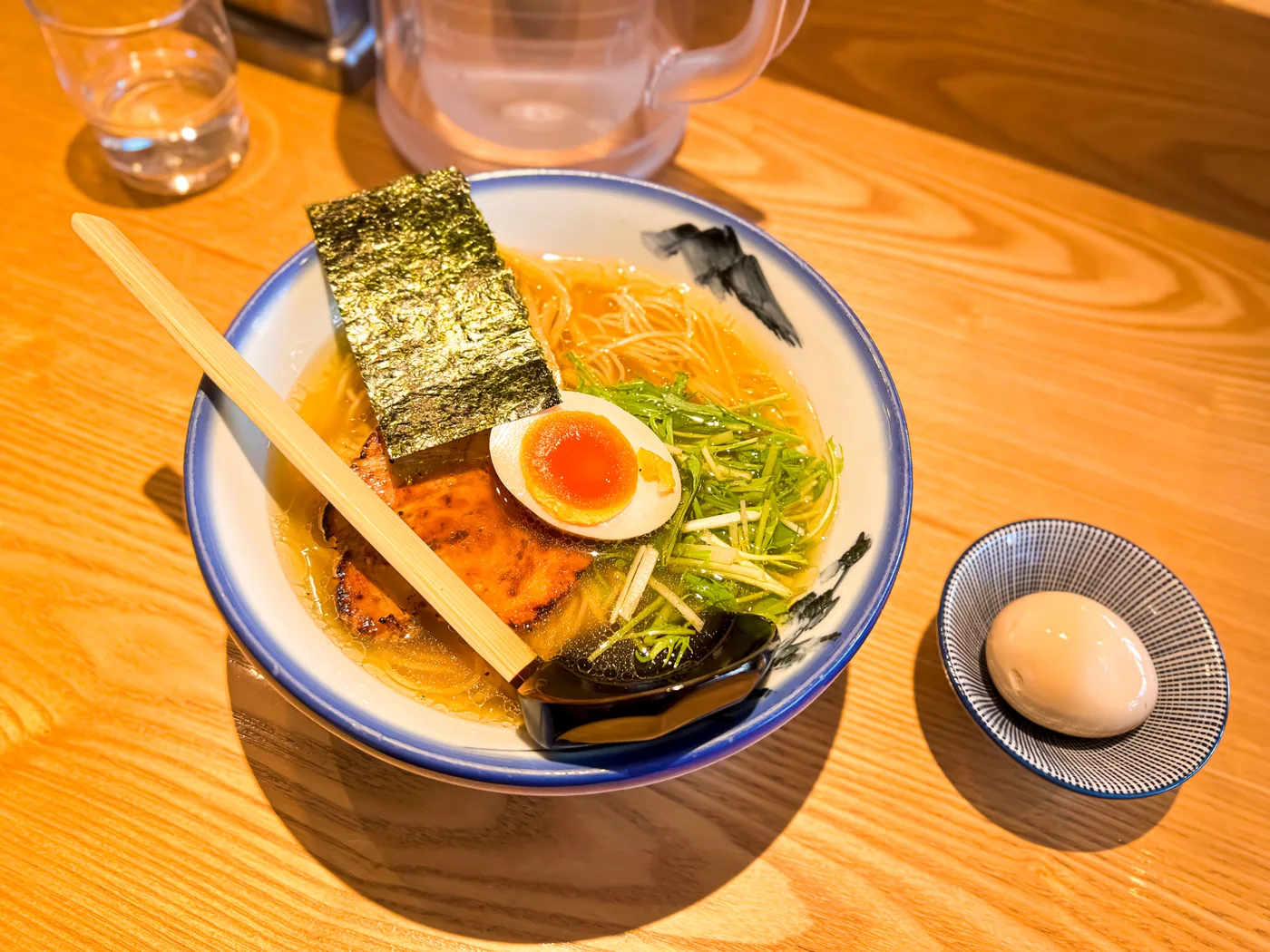
Ramen at Tokyo Station makes an easy final Tokyo lunch before the Shinkansen.
Take the Tokaido Shinkansen to Kyoto. The fastest services take a little over two hours, but fares and departure patterns vary, so check the official SmartEX service for your date. On clear days, Mt Fuji can appear from the train, but Day 3 means you do not have to spend the whole ride anxiously watching one window.
After checking in, keep the evening light: walk beside the Kamogawa, eat near the hotel and sleep. Kyoto deserves your energy in the morning.
Day 5 — Eastern Kyoto and an izakaya evening
Our three-day Kyoto plan provides a separate east, west and Fushimi structure if you prefer to devote more of the trip to the city.
Begin at Kiyomizu-dera, then walk downhill through Sannenzaka and Ninenzaka toward Yasaka Shrine and Gion. These places belong together geographically. Starting early gives you a quieter temple visit and prevents the day from becoming a battle with tour groups.
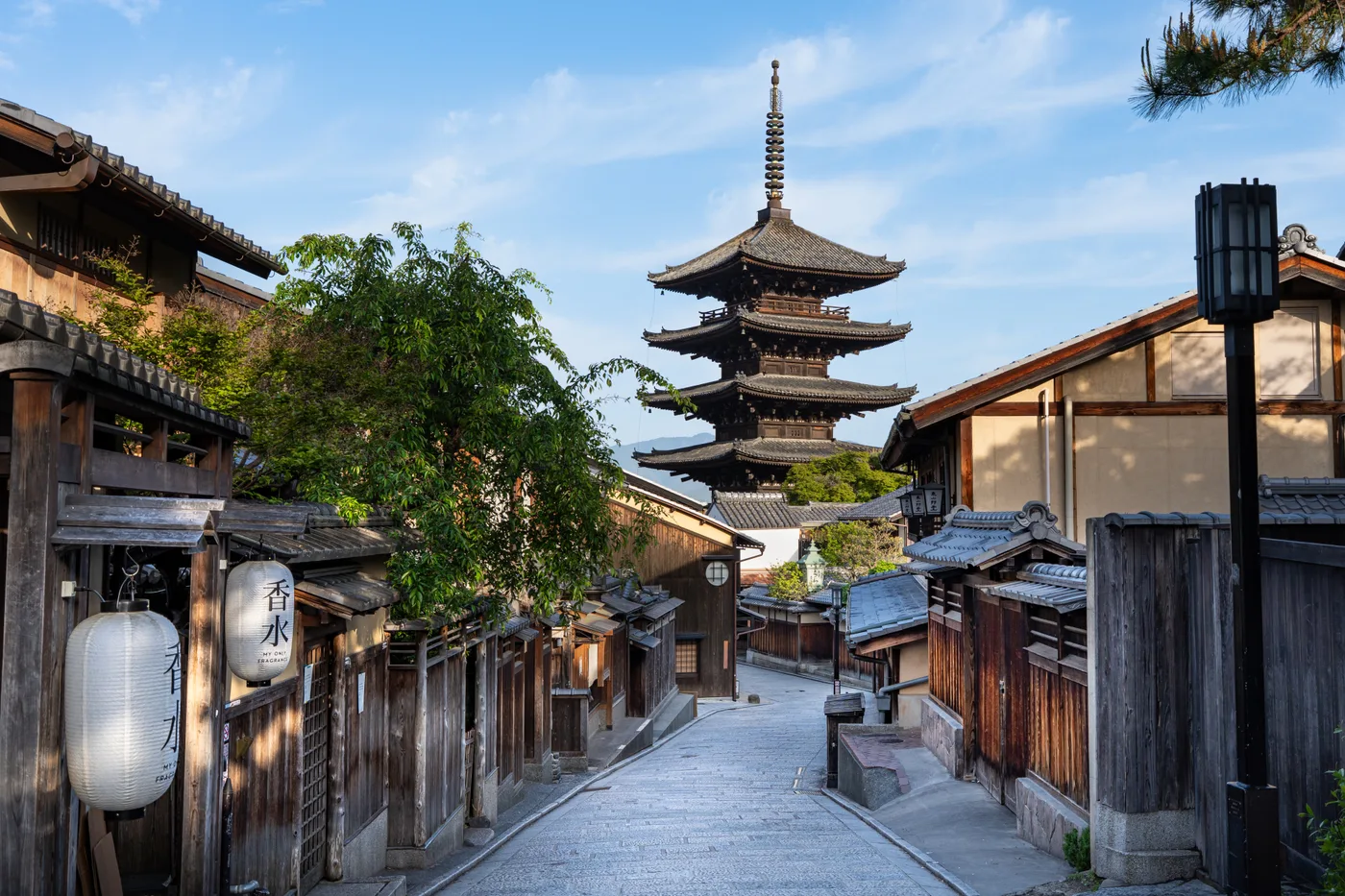
Keeping eastern Kyoto together avoids wasting the day crossing the city.
Leave the middle of the afternoon open. Sit down for tea, return to the hotel, or wander one smaller temple. A slow itinerary is not simply a normal itinerary with extra attractions inserted into the gaps.
For dinner, try an izakaya: drinks, shared plates, grilled dishes and whatever looks good on the handwritten specials. You can choose independently on Google Maps, but a food tour is useful if language anxiety would otherwise push you toward the easiest chain restaurant. byFood's Kyoto category is more durable than a single tour listing and lets you compare current inclusions.
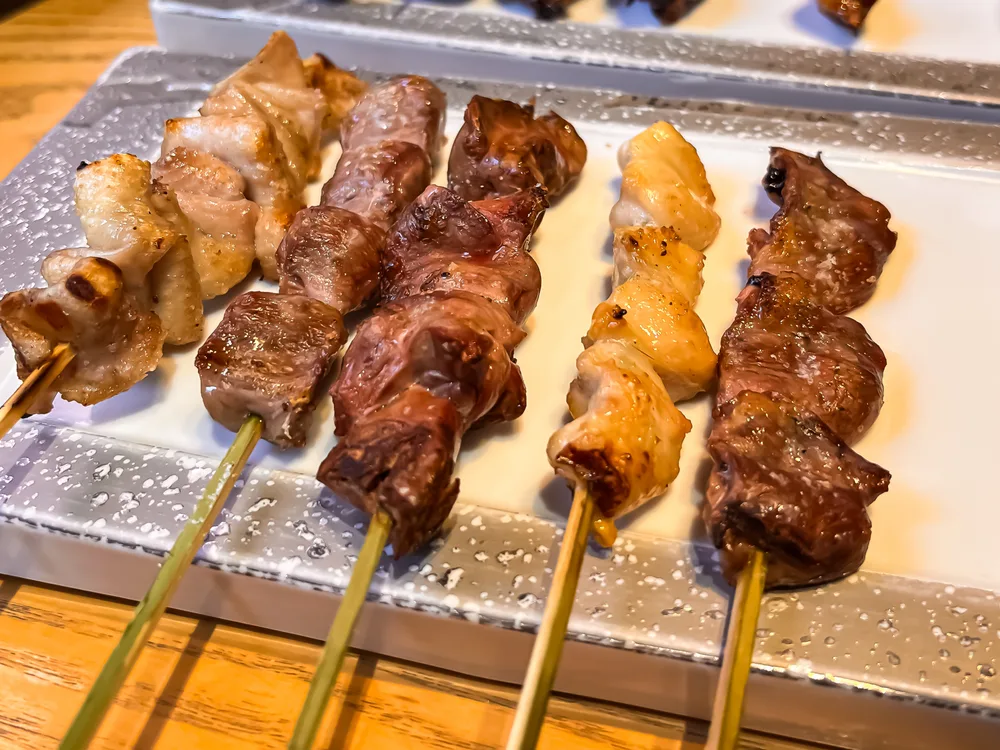 English-guided evening
Kyoto Izakaya & Night Food Tours
Compare an English-guided Kyoto evening
Why it may fit
Compare guided izakaya, Gion and central-Kyoto food walks. Check whether drinks, dishes and transport are included before choosing.
Before booking
Check the live price, availability, eligibility, and terms before paying.
Day 6 — Western Kyoto without the checklist
Go to Arashiyama early for the bamboo grove, river and surrounding lanes. After lunch, choose one more direction: Kinkaku-ji if the Golden Pavilion is essential, or central Kyoto if you would prefer Nishiki Market, a café and an easier afternoon.
Fushimi Inari is intentionally not squeezed into this day. It is on the opposite side of the city, and the usual Fushimi–Arashiyama–Kiyomizu combination looks better in a list than it feels on foot. If the bamboo grove does not interest you, replace Arashiyama with Fushimi Inari and keep the same one-area-at-a-time principle.
For more route details within the region, see our 4-day Kansai itinerary. That guide includes Osaka and Nara; this trip gives those days to Himeji and Ise instead.
Day 7 — Himeji Castle from Kyoto
Himeji is the one castle on this itinerary because it does not feel interchangeable. The white keep is enormous, visible from the station, and its presence grows as you walk straight up Otemae-dori. Open Himeji Castle in Google Maps before leaving the station and you will barely need directions.
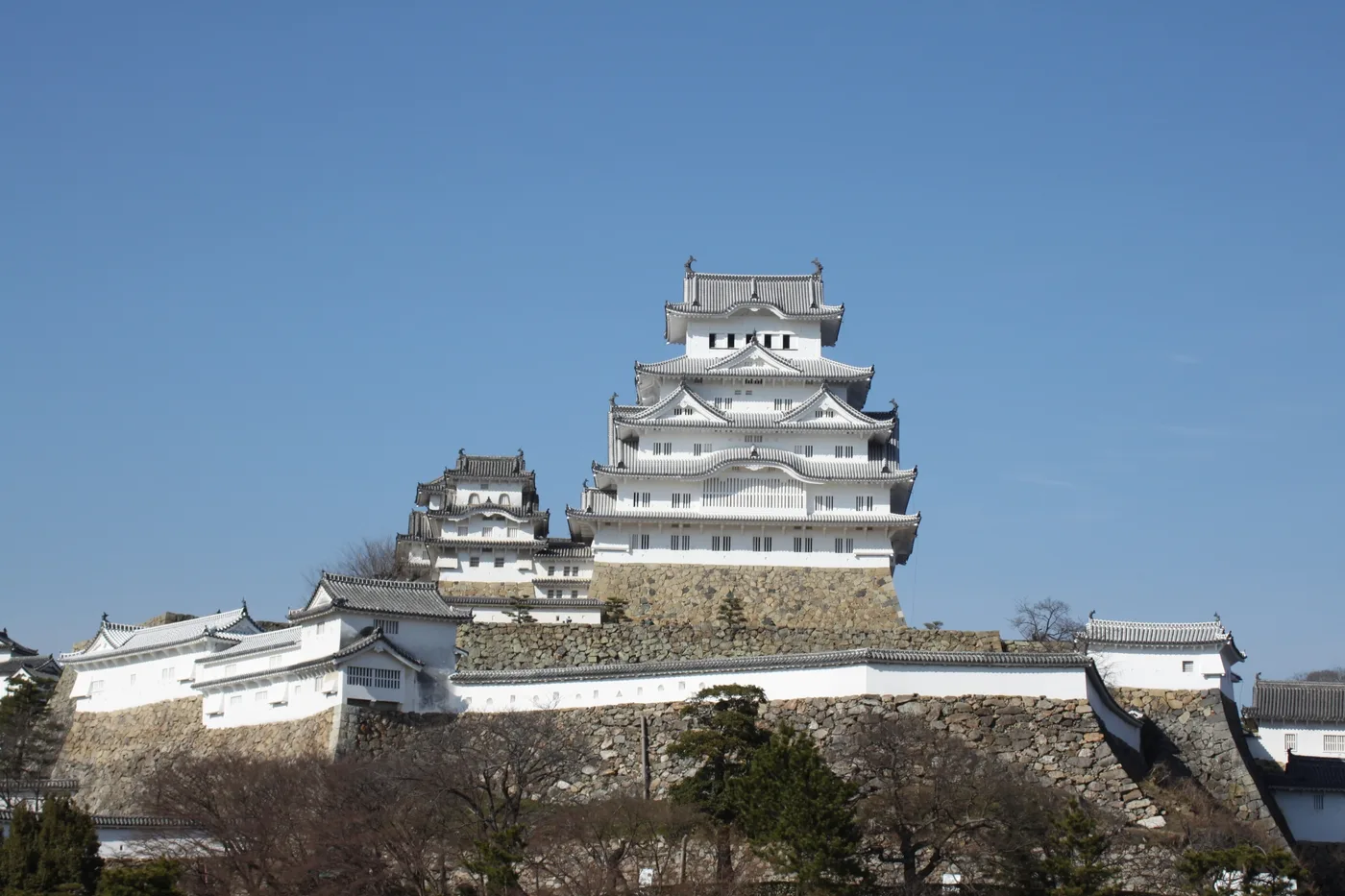
Himeji is the itinerary's one castle: a surviving keep rather than another modern reconstruction.
Do not stop at the exterior. I strongly recommend paying to enter because the scale and defensive structure make more sense from inside. As of July 2026, the official castle site lists opening hours of 9:00–17:00 with last entry at 16:00. Adult admission is ¥2,500 for visitors who are not Himeji residents, and the combined castle-and-Kokoen ticket is ¥2,600. Check again before your visit.
The interior has steep, narrow stairs and no elevator. I visited with a baby and found the climbing genuinely difficult, so families should not treat the keep like a stroller-friendly museum. The castle's official FAQ suggests roughly 1.5–2 hours, with longer waits during crowded periods. Wear shoes you can remove easily, keep your hands as free as possible, and decide before entering whether every family member is comfortable with the stairs.
Add Kokoen Garden if energy remains, then return to the same Kyoto hotel. Combining Himeji with Kobe is possible, but it would turn this into the rushed day we have spent the week avoiding.
Day 8 — Kyoto to Ise: Geku and Ise udon
Take a Kintetsu limited express from Kyoto toward Ise. Some departures are direct; others require a change at Yamato-Yagi, so use the actual timetable rather than assuming every train follows the same pattern. Kintetsu's official guidance confirms that limited express seats are reserved and require a limited-express ticket in addition to the basic fare. The Ise tourism access guide illustrates the Kyoto route and station transfer.
After leaving luggage at the hotel, visit Geku, the Outer Shrine. Visiting Geku before Naiku is the traditional sequence and fits this two-day plan naturally, but you do not need to perform the day like a race through a rulebook.
Have Ise udon near Iseshi Station or Geku. The thick noodles are intentionally very soft and served with a dark, concentrated sauce; do not expect the bounce of Sanuki udon. Because small-shop hours change, use a current Google Maps search for Ise udon near Geku rather than building the trip around an unverified list.
Day 9 — Naiku, Tokyo and a yakiniku finale
Visit Naiku early. The official Ise Jingu site currently lists seasonal opening hours: 5:00–17:00 from October through December, 5:00–18:00 from January through April and in September, and 5:00–19:00 from May through August.
I have visited both Geku and Naiku. Even when many people are present, the shrine grounds are broad enough that the visit can still feel calm and deeply sacred. The harder crowd is often outside at Oharaimachi and Okage Yokocho, where the narrow shopping streets become slow and congested. Visit the shrine first and treat the shops as optional time afterward. The atmosphere inside is the reason I would return to Ise again and again.
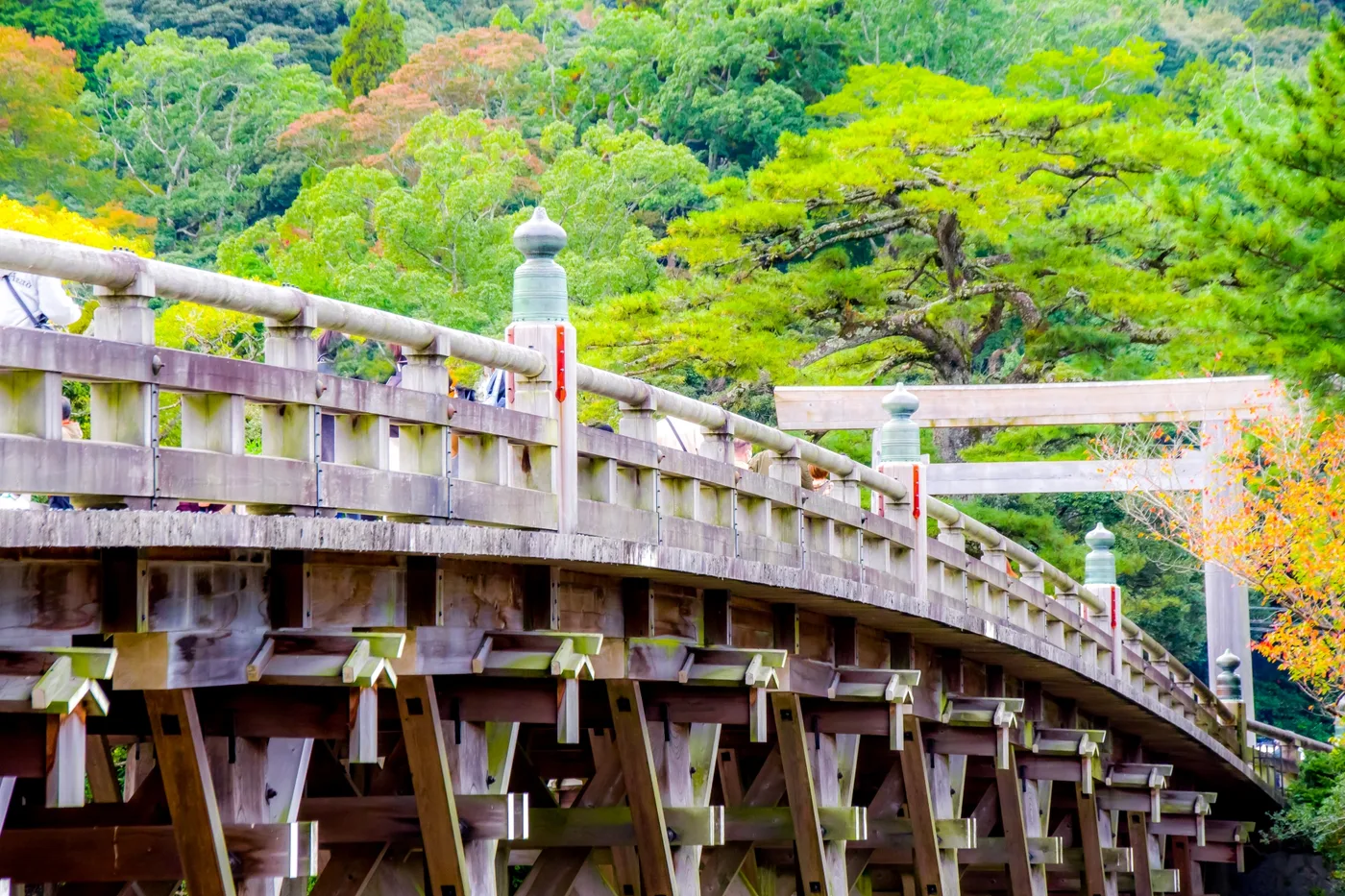
An early Naiku visit leaves time for the long but straightforward return to Tokyo.
Leave Ise around midday. Take a reserved Kintetsu limited express to Nagoya, transfer to the Tokaido Shinkansen, and continue to Tokyo. Do not add Toba or another shrine to this day. The aim is to reach the final hotel with enough time to enjoy the evening rather than watching the clock from Mie Prefecture.
If you can extend the trip by a night, continue to Kashikojima instead and follow our Ise-Shima guide to Ago Bay, Yokoyama Observatory and a ryokan stay. Move the return to Tokyo and the remaining plans back a day; the coast needs its own overnight stay.
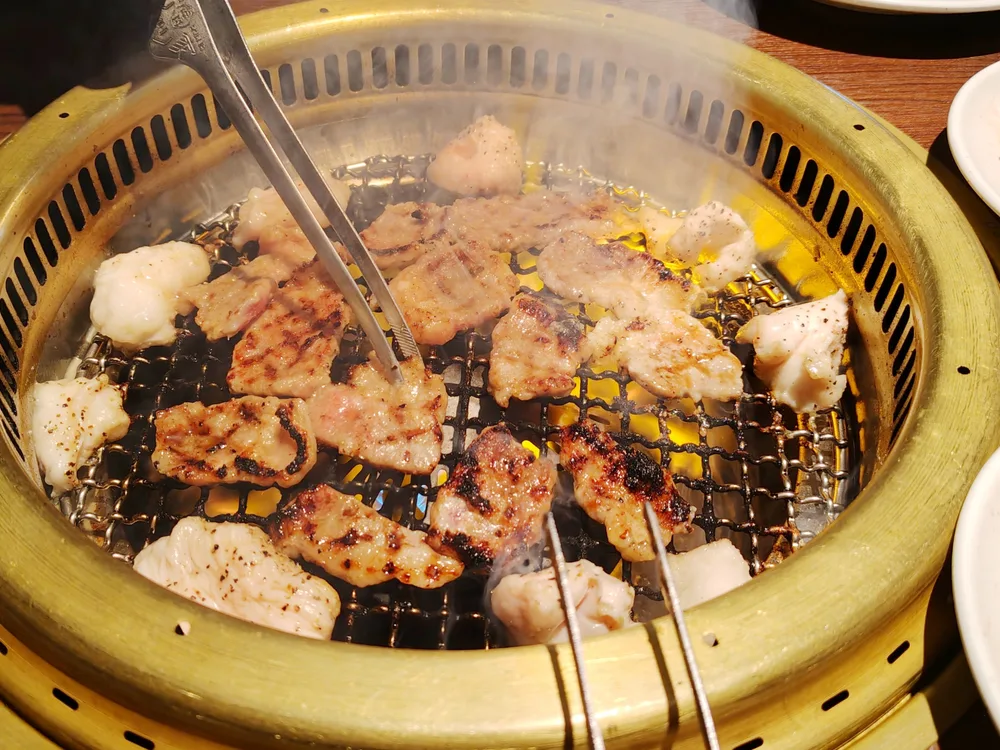
Finish in Shibuya: see the Scramble Crossing, take in the lights, then sit down for yakiniku. My preferred order is shio-tan (salted beef tongue) first, followed by kalbi, loin and harami. Try horumon too if you are comfortable with offal. When the grill mesh becomes blackened and food starts sticking, ask the staff for a fresh one: ami o kaete moraemasu ka? A clean grill makes the later cuts far more enjoyable.
 Final-night dinner
Tokyo Yakiniku Restaurants
Reserve the final Tokyo dinner
Why it may fit
Browse bookable yakiniku restaurants across Tokyo, including Shibuya and Shinjuku. Compare the location, cuts, set-menu price and cancellation policy.
Before booking
Check the live price, availability, eligibility, and terms before paying.
Prefer to decide on the day? Use a normal Google Maps search for yakiniku in Shibuya. A reservation is useful for the final night, but it is not required to have a good meal.
Day 10 — Depart Tokyo with a real buffer
There is no mandatory sightseeing today. Work backward from the flight, allowing for the airport journey, international check-in, security, and any tax-refund procedure. A late flight may leave time for breakfast and one nearby walk; an early flight does not.
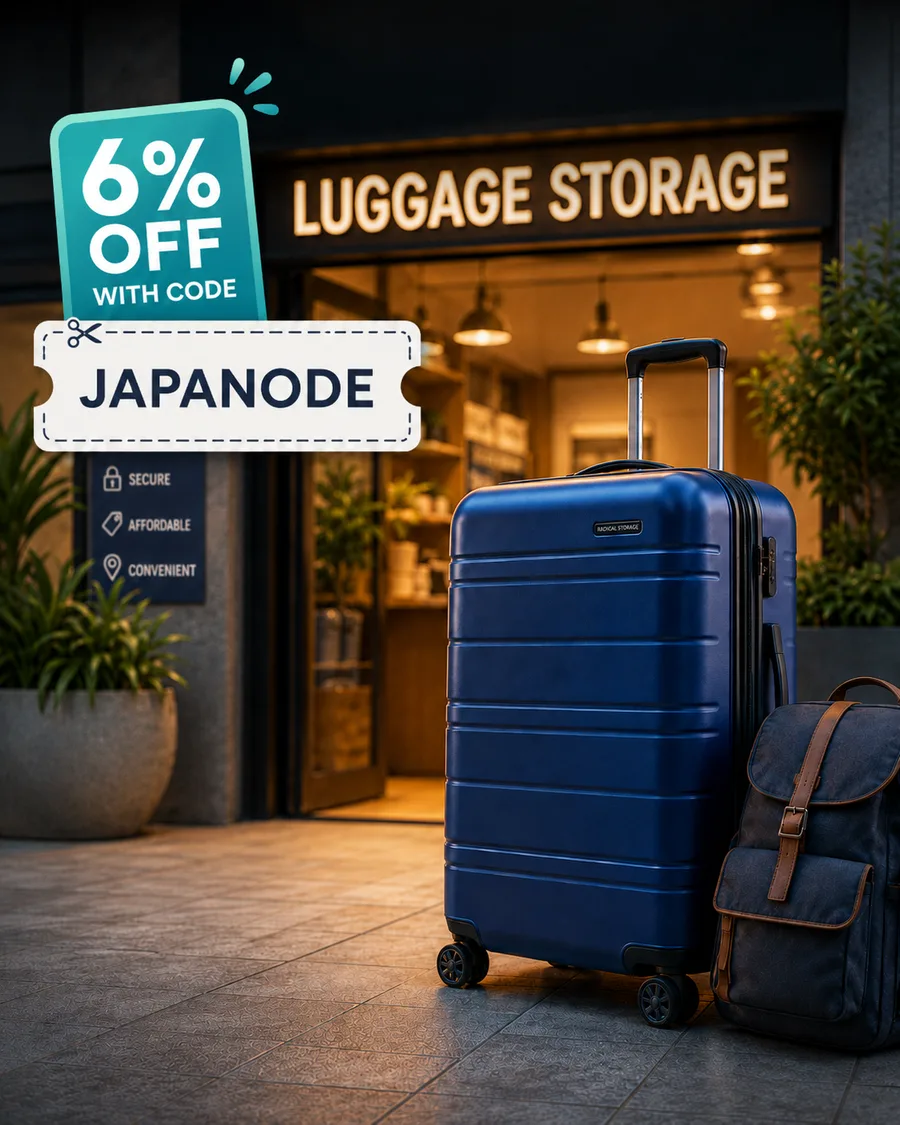
If you have checked out but still have several hours, hotel storage or an app-based location can keep you out of Tokyo with your suitcase.
 Late-flight option
Luggage Storage in Tokyo
Bookable storage near major stations
Why it may fit
Useful after hotel checkout when a late flight leaves you several hours in Tokyo. Check each location's hours and bag-size rules.
Before booking
Check the live price, availability, eligibility, and terms before paying.
JAPANODE6% off with code JAPANODE
JR Pass and transport: what to buy
For this route, the nationwide JR Pass is usually not worth it. Tokyo–Kyoto, Kyoto–Himeji and Nagoya–Tokyo use JR, but Kyoto–Ise–Nagoya uses Kintetsu, and the Otsuki–Kawaguchiko portion is on the private Fujikyu Railway. A pass cannot absorb enough of the trip to justify its price for most travelers.
Buy individual Shinkansen tickets, reserved Kintetsu limited-express tickets, and an IC card for local travel. Run your actual dates and chosen trains through the JR Pass calculator, then read our JR Pass value guide if the result is close. Do not buy a nationwide pass simply because the itinerary contains several cities.
| Journey | Recommended ticket approach |
|---|---|
| Tokyo airport → city | Airport-specific train or bus |
| Shinjuku ↔ Kawaguchiko | Fuji Excursion reservation, highway bus or tour |
| Tokyo → Kyoto | Individual Tokaido Shinkansen ticket |
| Kyoto ↔ Himeji | Individual JR tickets; compare special rapid and Shinkansen |
| Kyoto → Ise | Kintetsu basic fare + reserved limited-express ticket |
| Ise → Nagoya | Kintetsu basic fare + reserved limited-express ticket |
| Nagoya → Tokyo | Individual Tokaido Shinkansen ticket |
| City travel | Suica, PASMO, ICOCA or another compatible IC card |
What the trip costs
These are planning ranges per person, excluding international flights. Accommodation assumes a normal private room and can move far beyond the range during cherry blossom season, autumn weekends and holidays.
| Category | Rough 10-day range | What changes it |
|---|---|---|
| Intercity and local transport | ¥45,000–65,000 | Fuji method and Himeji train choice |
| Food | ¥30,000–60,000 | Casual meals versus booked tours and premium yakiniku |
| Admissions | ¥4,000–8,000 | Gardens, viewpoints and optional attractions |
| Accommodation | ¥72,000–180,000 | Season, room type and single/double occupancy |
| Typical total | ¥150,000–310,000 | Excludes flights and shopping |
The point is not to hit a perfect number. It is to see where upgrades matter: perhaps spend on the final yakiniku dinner and save on the first gyudon, or book the Fuji tour but take the slower train to Himeji. Our guide to Japan's tourist taxes and hidden costs covers departure tax, accommodation taxes and the smaller charges that do not appear in an airfare search.
Make this itinerary yours
For a longer trip, the 14-day Japan itinerary compares Hiroshima–Miyajima with Kanazawa–Shirakawa-go–Takayama, including all 13 overnight stays.
- If you want mountain towns between Tokyo and Kyoto: replace part of the city schedule with a Nagoya stay. Our Takayama and Shirakawa-go day-trip guide compares a long coach day with independent buses and an overnight in Takayama, including how to reach Nagoya from either direction.
- If Fuji is hidden: swap Days 2 and 3 when bookings permit, or keep Kawaguchiko as a lake-and-onsen day without promising the mountain.
- If stairs are difficult: enjoy Himeji's exterior and Kokoen instead of forcing the main keep. The interior is not step-free.
- If Osaka is essential: replace Day 6 or Himeji with an Osaka day trip. Do not add it on top of the existing schedule.
- If you want the Kyoto coast: replace a Kyoto sightseeing day or extend the trip for Amanohashidate and Ine from Kyoto or Osaka. The guide compares four tour styles with independent transport; allow a full day for the two coastal stops.
- If your Day 10 flight is early: spend the last night near the airport rather than Shibuya and move yakiniku to an earlier Tokyo evening.
- If food is the priority: trade one Kyoto sightseeing half-day for a market tour or cooking experience, while keeping Ise and Himeji intact.
This is still a Golden Route, but it does not feel copied from one: old Tokyo first, Fuji given its own day, Kyoto allowed to breathe, one exceptional castle, one sacred overnight stop, and a final meal back where the trip began.
Make it your trip
Still planning your Japan trip?
Pick the question on your mind. Compare your options, check the details and take one more thing off your list.
Would a JR Pass save you money?
Add your train journeys and compare individual tickets with the nationwide pass. See which costs less for your route.
Calculate my rail costs
Which eSIM fits your Japan trip?
Maps, messages, hotspot use: compare five providers by data allowance, network and plan limits before you choose.
Find my Japan eSIM
What should your travel insurance cover?
Compare medical cover, cancellation and activity limits across five options, with the exclusions worth checking.
Compare cover & limitsFrequently Asked Questions
Yes. Ten days is enough to combine Tokyo, a Mt Fuji day trip, Kyoto, Himeji Castle, and Ise Jingu without changing hotels every night. This itinerary deliberately skips Osaka and uses four nights in Kyoto so the pace stays manageable.
This route spends three nights in Tokyo, four nights in Kyoto, one night in Ise, and a final night in Tokyo. Day trips cover Lake Kawaguchiko for Mt Fuji views and Himeji Castle, while the final Tokyo night keeps the return flight simple.
Yes. A Tokyo round trip means one longer return journey from Ise via Nagoya on Day 9, but it avoids comparing two airports and lets you spend the final night near familiar Tokyo transport. Leave enough buffer before any international flight and do not travel back from Ise on departure day.
Usually not. The Kawaguchiko route includes a private railway section, Kyoto to Ise uses Kintetsu, and the remaining long JR journeys normally cost less than a nationwide pass when bought separately. Check current fares with the JR Pass calculator before booking.
Lake Kawaguchiko is the dedicated Mt Fuji day. Oishi Park gives an accessible lakeside view, while Chureito Pagoda and Oshino Hakkai are optional additions. Keep the Tokyo days flexible so you can swap Day 2 and Day 3 if the mountain forecast is poor.
The food trail includes gyudon at Yoshinoya or Sukiya, sushi around Tsukiji Outer Market, ramen at Tokyo Station, a Kyoto izakaya evening, Ise udon, and a reserved yakiniku dinner in Shibuya on the final night.

Written by
JAPANODE
Based in Japan, sharing real travel tips & local insights for visitors. Follow us on Instagram @thejapanode for daily Japan content.
You Might Also Like
 Itineraries
The Luxury Japan Itinerary: 10 Nights of Privacy, Access & Exceptional Stays
16 min read
 Transportation
Luggage Storage in Japan: Lockers, Apps & Delivery
11 min read
 Itinerary
7-Day Japan Itinerary for First-Timers: Tokyo, Hakone, Kyoto & Osaka (2026)
20 min read
 Day Trips
Mt Fuji Day Trip from Tokyo: Tour, Train & Bus Compared (2026)
17 min read
 Transportation
Is the JR Pass Worth It in 2026? Prices & Break-Even Routes
15 min read
 Planning
First Time in Japan: 15 Things You Need to Know Before You Go
19 min read
 Transportation
The Complete Guide to Japan's Train System for First-Time Visitors
16 min read