On this page
An Ise-Shima trip can begin with a walk beneath the trees of one of Japan's most important Shinto shrines and end with a hot bath beside a bay scattered with wooded islands. Between them are a bowl of soft Ise udon, a train ride toward the coast, and an evening worth keeping free.
That combination is the reason to come. Ise Jingu gives the journey its cultural depth; Shima gives you the sea and somewhere to slow down. With one night in Kashikojima, you can experience both without renting a car.
I have visited Ise Jingu's two principal shrines and stayed at Kashikojima Hojoen, the inn featured below. My shrine impressions come from those visits; the transport, prices and current hotel facilities in this guide were checked against official sources on October 11, 2026.
This guide covers arrivals from Nagoya, Osaka, Kyoto and Tokyo, followed by the same two-day route: Ise Jingu, Oharaimachi and Okage Yokocho, a night in Kashikojima, and the scenery of Ago Bay. Yokoyama Observatory is the main viewpoint, with a cruise as an easy alternative or addition. Toba fits a longer stay.
JAPANODE is reader-supported. Some links and offers on this page, and in the guides we link to, are affiliate links. We may earn a commission at no extra cost to you.
Is Ise-Shima right for your Japan trip?
Choose Ise-Shima if you want a shrine visit with time to understand the setting, followed by a Japanese inn where dinner and bathing are part of the trip. It is a particularly appealing extension to Osaka, Kyoto or Nagoya when you have already allowed time for those cities.
For two days and one night, aim to reach Ise in the morning. Spend the first day around the shrines, then continue to Kashikojima for dinner. Keep the second day for the bay before heading onward.
| Your available time | A sensible plan |
|---|---|
| One day | Ise Jingu and the town around Naiku; return to your city hotel |
| Two days, one night | Ise on Day 1, Kashikojima overnight, one main bay activity on Day 2 |
| Three days, two nights | More time at the inn, both bay activities, or a half-day in Toba |
The two-day route at a glance:
- Day 1: Iseshi → Geku → Naiku and Okage Yokocho → Kashikojima overnight.
- Day 2: Yokoyama Observatory via Ugata, or an Ago Bay cruise from Kashikojima → onward train.
If you are following our 10-day Japan itinerary, treat Shima as an extension that needs additional time. That route already includes an overnight in Ise before returning to Tokyo; adding the coast changes the schedule.
Where Ise, Shima and Kashikojima fit on the map
Ise-Shima is in Mie Prefecture, on the Pacific side of central Japan. For this trip, think of two areas connected by Kintetsu trains:
- Ise: the shrine city. Iseshi Station is convenient for Geku, the Outer Shrine. Naiku, the Inner Shrine, and its shopping streets are a bus ride away.
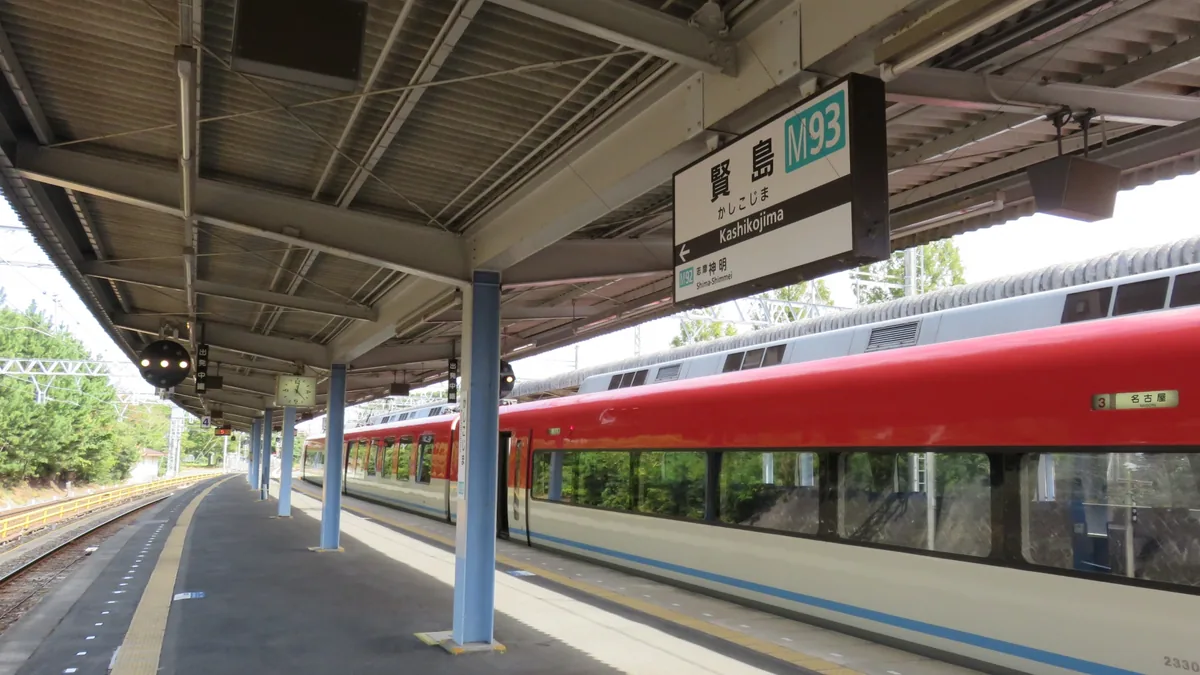
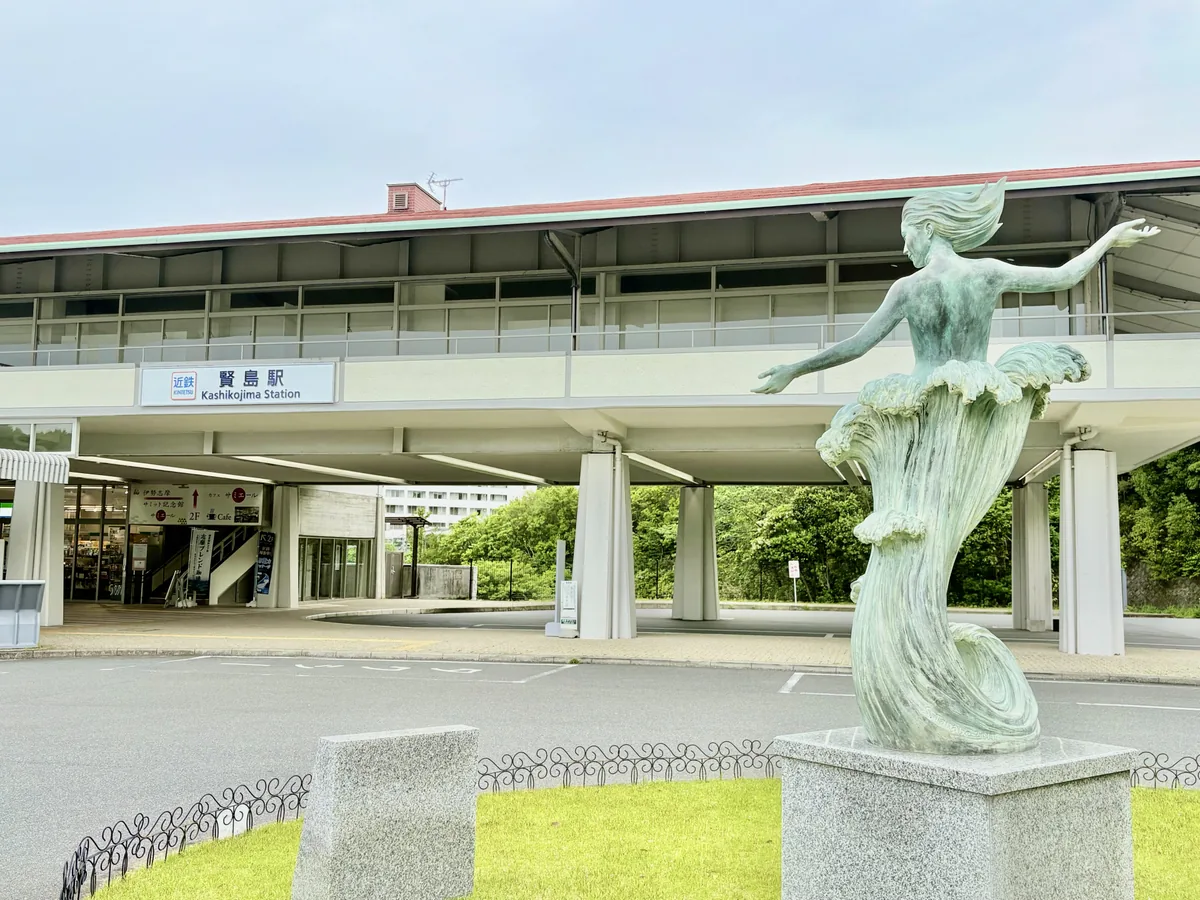
- Shima: the coastal part of the journey. Ugata is the useful station for a taxi to Yokoyama Observatory. Kashikojima is the railway terminus and your base for Hojoen and an Ago Bay cruise.
Toba lies along the railway between Ise and Shima. You pass through it on this route, but visiting its attractions needs its own time. The Kintetsu railway network and sightseeing guide help put these stops in context.
The useful distinction is between a station and the place you actually want to see. Arriving at Iseshi does not put you at Naiku, and arriving at Ugata does not put you at the observatory. Allow for those final connections.
Getting to Ise-Shima without a rental car
Kintetsu is the straightforward railway for this itinerary because it continues through to Kashikojima. Start by searching for a morning arrival at Iseshi, then reserve your onward and return journeys around your hotel plans.
| Starting point | Route to Iseshi | Approximate rail journey |
|---|---|---|
| Nagoya | Kintetsu limited express from Kintetsu-Nagoya | About 1 hour 20 minutes |
| Osaka | Kintetsu limited express from Osaka-Namba, Osaka-Uehommachi or Tsuruhashi; check your train's departure station | About 1 hour 40 minutes–2 hours |
| Kyoto | Kintetsu limited express from Kyoto; direct services or a change at Yamato-Yagi | Around 2 hours, depending on the connection |
| Tokyo | Tokaido Shinkansen to Nagoya, then transfer to Kintetsu | Around 3 hours with a suitable connection |
These are broad planning estimates from the Ise City Tourism Association's access overview and station-transfer guide. Check the complete journey for your travel date, including transfer time, and add the journey from your hotel to the departure station.
Aim to arrive at Iseshi around 9:30–10:00 a.m. to follow the full Day 1 plan below. This is a suggested arrival window, not a train timetable. From Nagoya, Osaka or Kyoto, choose a morning limited express that meets it. From Tokyo, allow for an early start and the change at Nagoya. If that makes the morning too rushed, travel to Nagoya the previous evening or use the shorter midday-arrival plan: Naiku and Okage Yokocho, then Kashikojima.
From Kyoto, a connection at Yamato-Yagi may fit an arrival before 10:00 a.m. better than a direct train, especially on weekdays. Compare both options for your date.
Book the right train ticket
Kintetsu limited express trains have reserved seats. You need the basic fare plus a limited express ticket; an online seat reservation alone does not necessarily cover the whole journey. Check the official ticket explanation.
The nationwide JR Pass does not cover Kintetsu. Among the KINTETSU RAIL PASS options, the 5day and 5day plus cover Ise-Shima; the 1day and 2day versions do not. The plus version also covers designated local bus services. Compare the pass price with your actual rides, even for a two-day trip: neither version includes the limited express supplement, and the plus upgrade is not automatically worthwhile for just a couple of bus rides. Our Japan train guide and JR Pass calculator help with the wider trip.
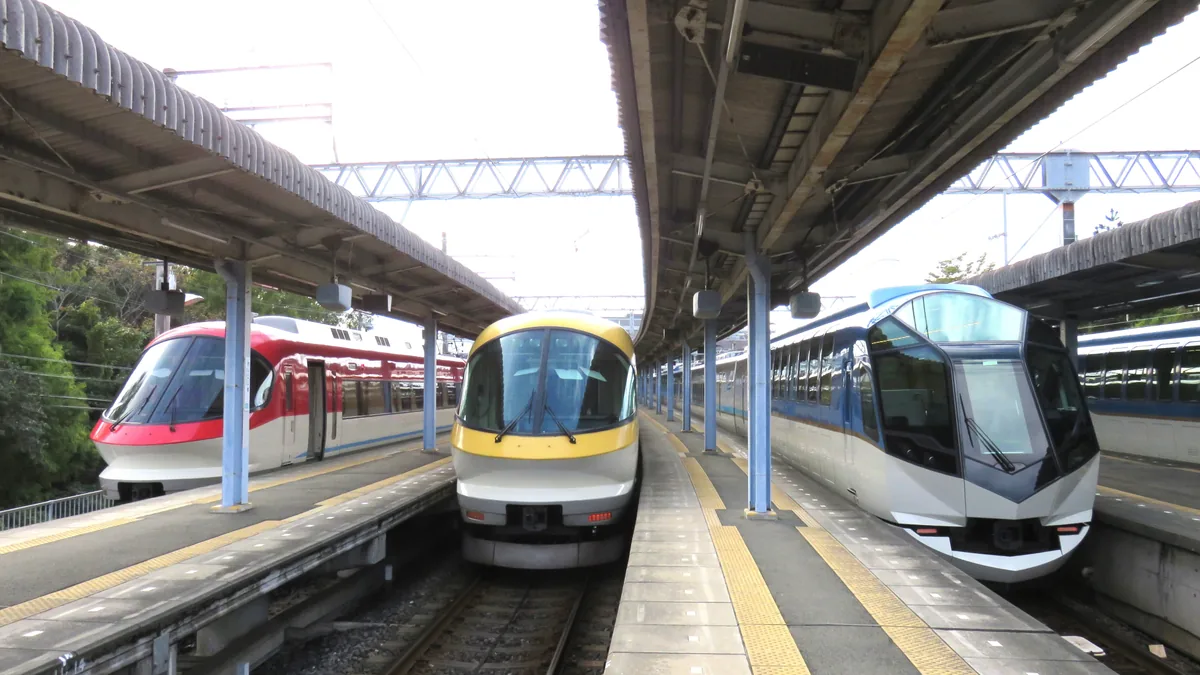
The Shimakaze sightseeing train can make the journey an event, but its published outward services reach Ise around late morning or midday. Choose an earlier ordinary limited express if visiting both shrines and reaching your inn early matter more. Alternatively, consider Shimakaze for the return. See its official timetable and operating days.
KINTETSU RAIL PASS: 5day / 5day plus
Compare passes for your Kintetsu journeys
Best for
Eligible overseas visitors making several Kintetsu journeys through Ise-Shima.
Before booking
Limited express tickets cost extra. The 1day and 2day passes do not cover Ise-Shima.
Why it may fit
Choose a 5-day option for Ise-Shima and compare its price with your planned journeys.
Ise Jingu: begin with the forest and the pilgrimage
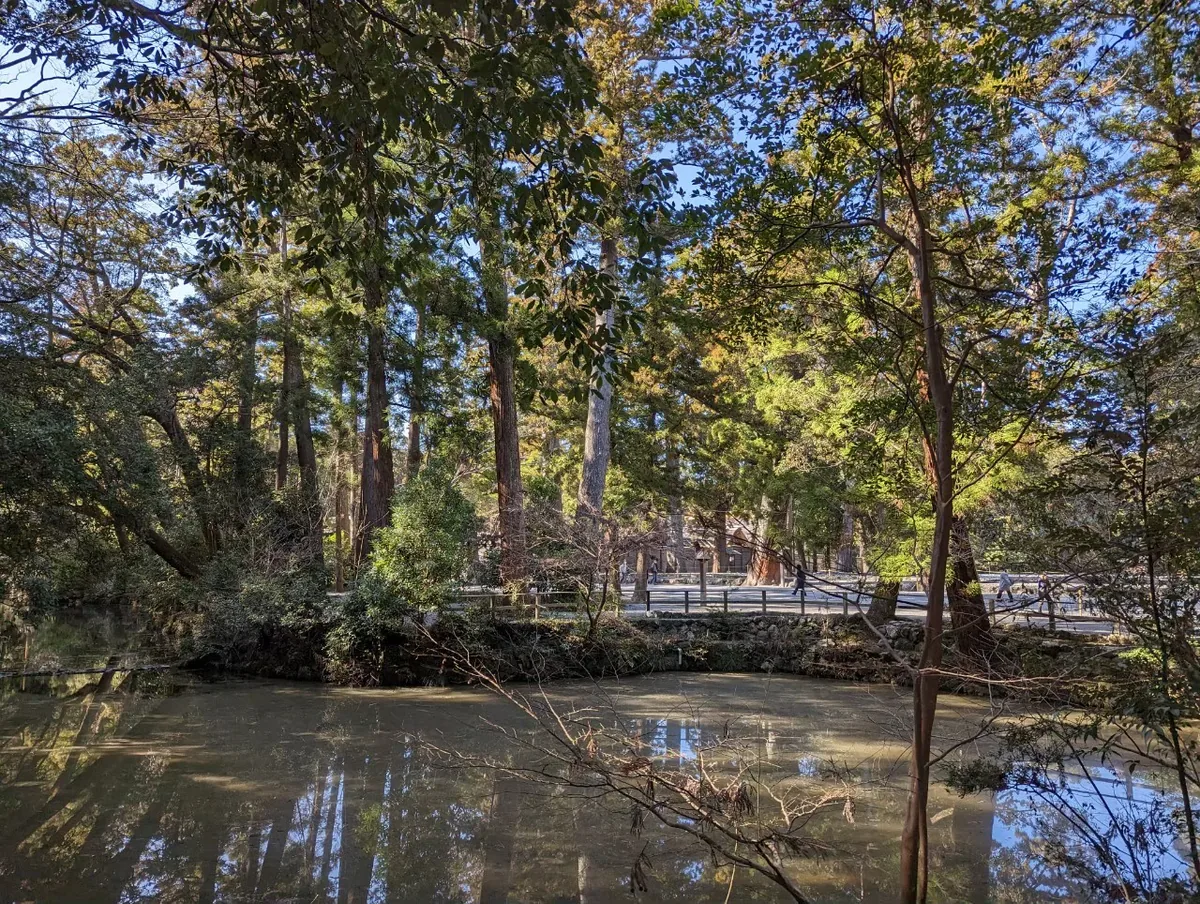
Ise Jingu is a place to give your attention to the approach: the trees, the gravel underfoot, the river and the movement of people coming to pray.
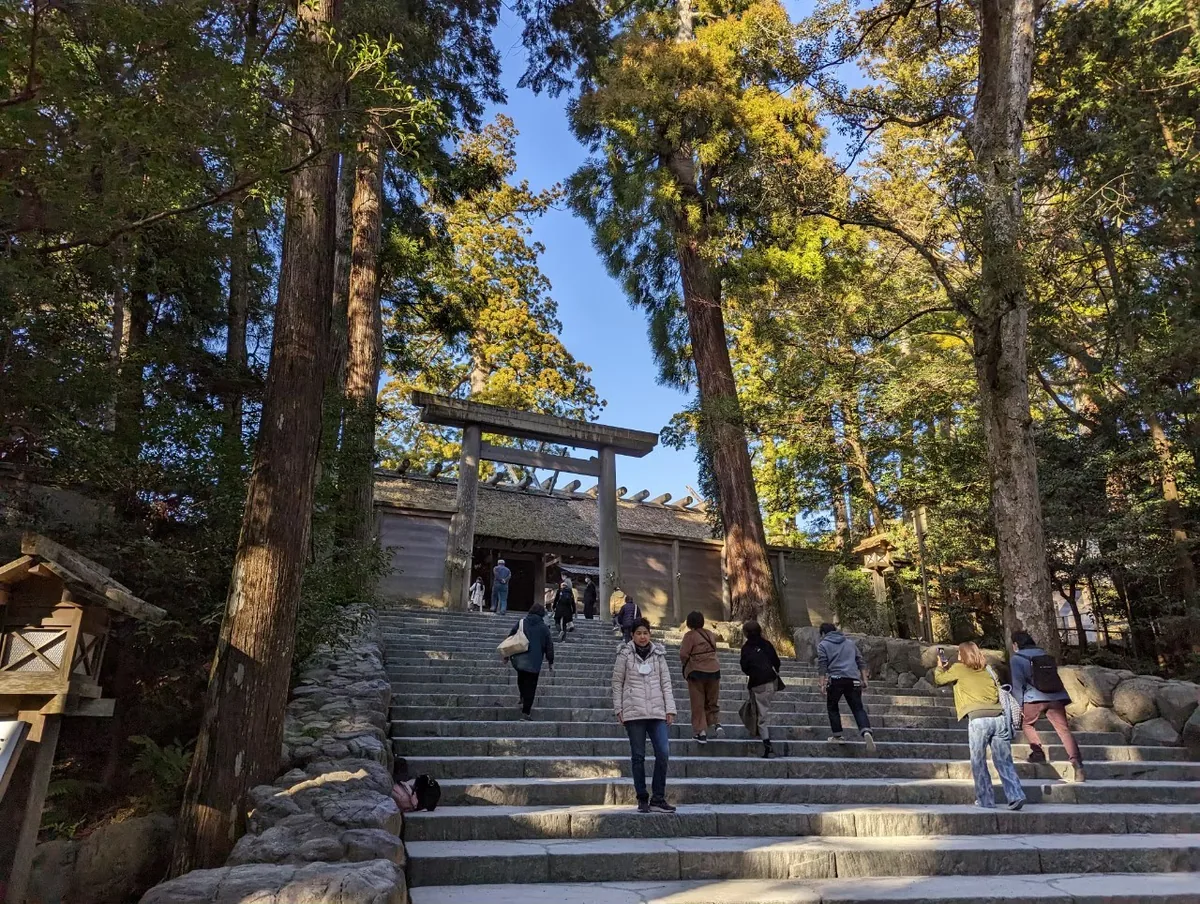
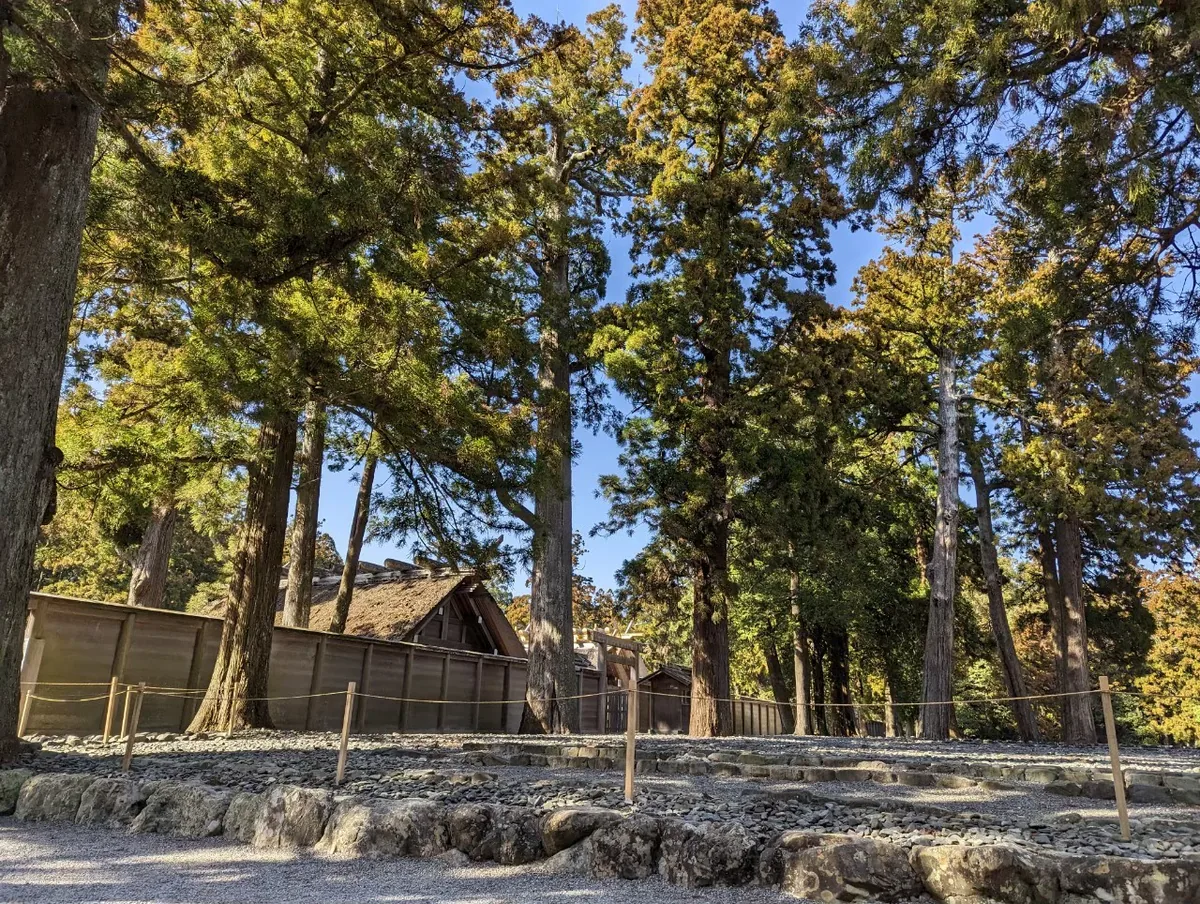
It is a living Shinto sanctuary comprising 125 shrines, centered on Naiku, dedicated to Amaterasu-Omikami, and Geku, dedicated to Toyo'uke-no-Omikami. The main sacred buildings sit within enclosed precincts; visitors worship from designated areas rather than entering their innermost courtyards. The shrine's own introduction explains the significance of each site.
That context helps you appreciate what is in front of you. A brief look at a shrine building is only part of the visit. Give the walk through the grounds time as well.
On my visits to Geku and Naiku, the spacious grounds could still feel calm and deeply sacred even when many people were there. The crowd felt more concentrated in the narrow shopping streets outside. I would return for the atmosphere within the shrine grounds, and I recommend leaving enough time to notice it.
Geku first, then Naiku
The official shrine guidance recommends visiting Geku before Naiku. For a morning arrival, that order is also convenient: Geku is about a five-minute walk from the JR/Geku side of Iseshi Station.
Allow roughly 45–60 minutes for Geku, then travel by bus to Naiku. These are suggested sightseeing allowances, not official minimum visit times. The local tourism association lists a typical 15–20-minute bus journey between the shrines; queues and traffic can extend the transfer.
Board a Mie Kotsu bus at Geku-mae (外宮前) for Naiku-mae (内宮前). Use the operator's English area map to identify the stops, and confirm the destination on the bus before boarding.
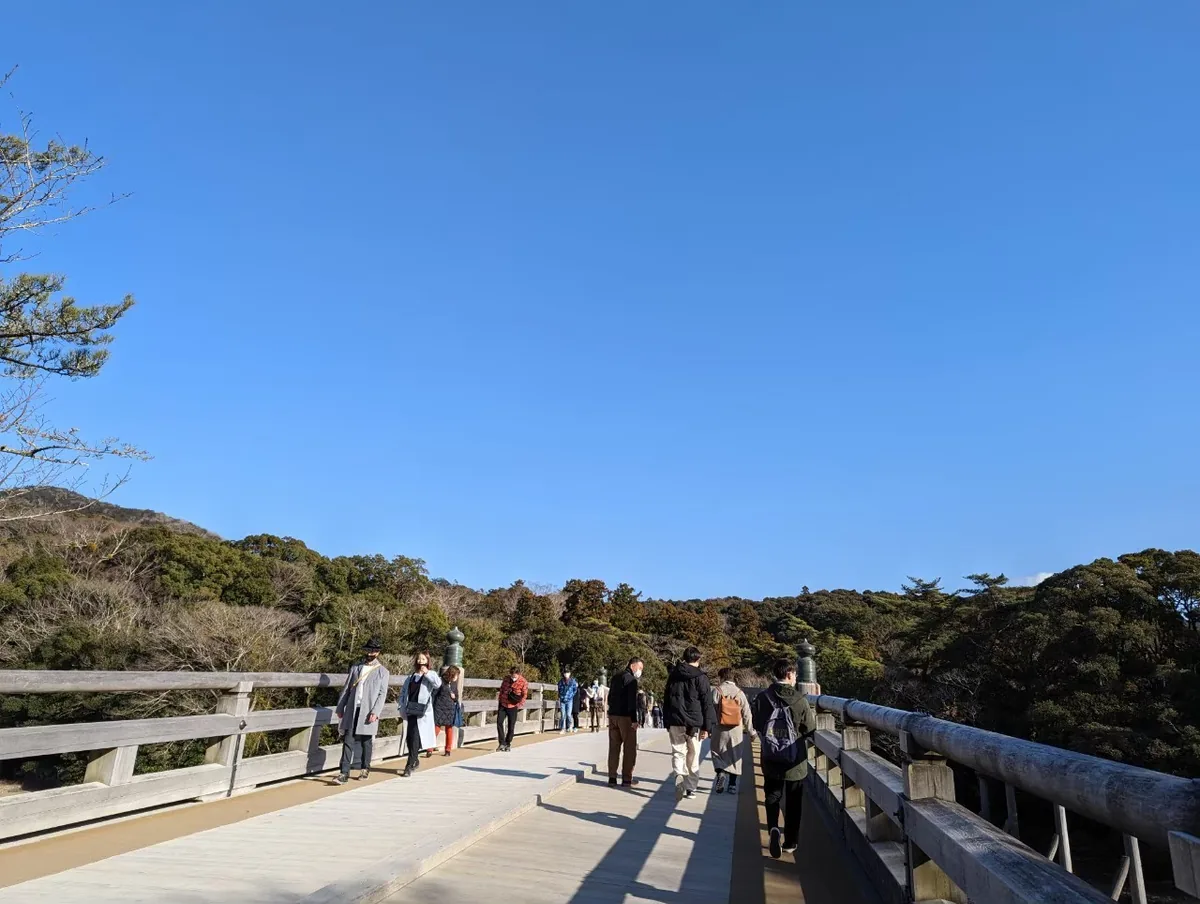
At Naiku, allow around 60–90 minutes, with more time if you enjoy a slow walk. Crossing Uji Bridge over the Isuzu River gives the visit a clear beginning. Continue at a comfortable pace and keep the main sanctuary as your focus.
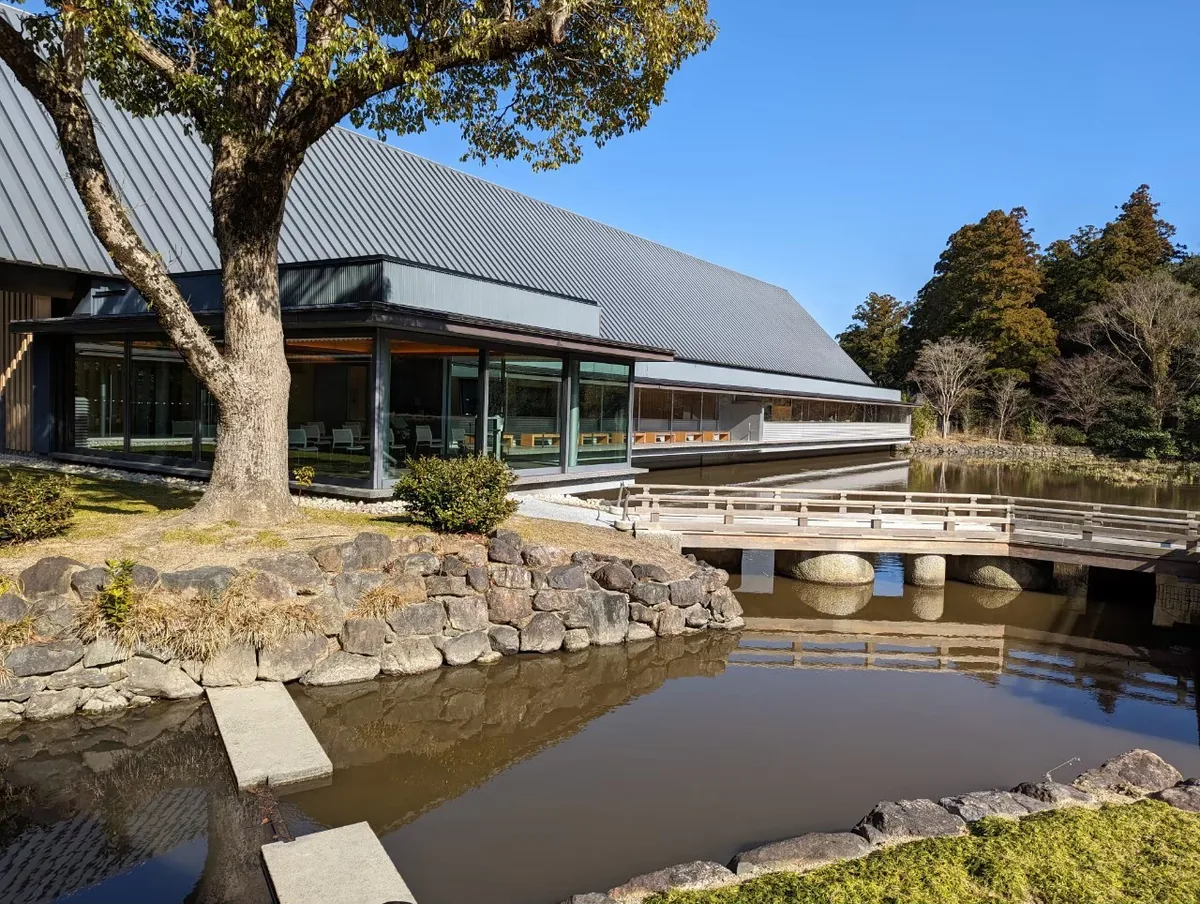
If you reach Ise around midday, shorten the plan. Naiku and the adjoining town can fill the available afternoon, and reaching your inn before dinner deserves room in the schedule.
A few customs worth knowing
Follow the on-site instructions at the purification basin. At the place of prayer, the shrine describes the sequence as two bows, two claps and one final bow. Observe quietly if you are unsure.
Photography is prohibited in the prayer areas. Save your pictures for permitted parts of the approach and landscape, and follow signs even where other visitors are taking photographs. The official etiquette page also lists seasonal visiting hours: the grounds open at 5:00 a.m., while ordinary closing time varies from 5:00 to 7:00 p.m. by month. Check for special arrangements around your date.
Wear shoes suitable for long gravel paths. For wheelchair or stroller access, ask shrine staff or the local tourist information center about a suitable route before deciding how much ground to cover.
Oharaimachi and Okage Yokocho: leave room for lunch
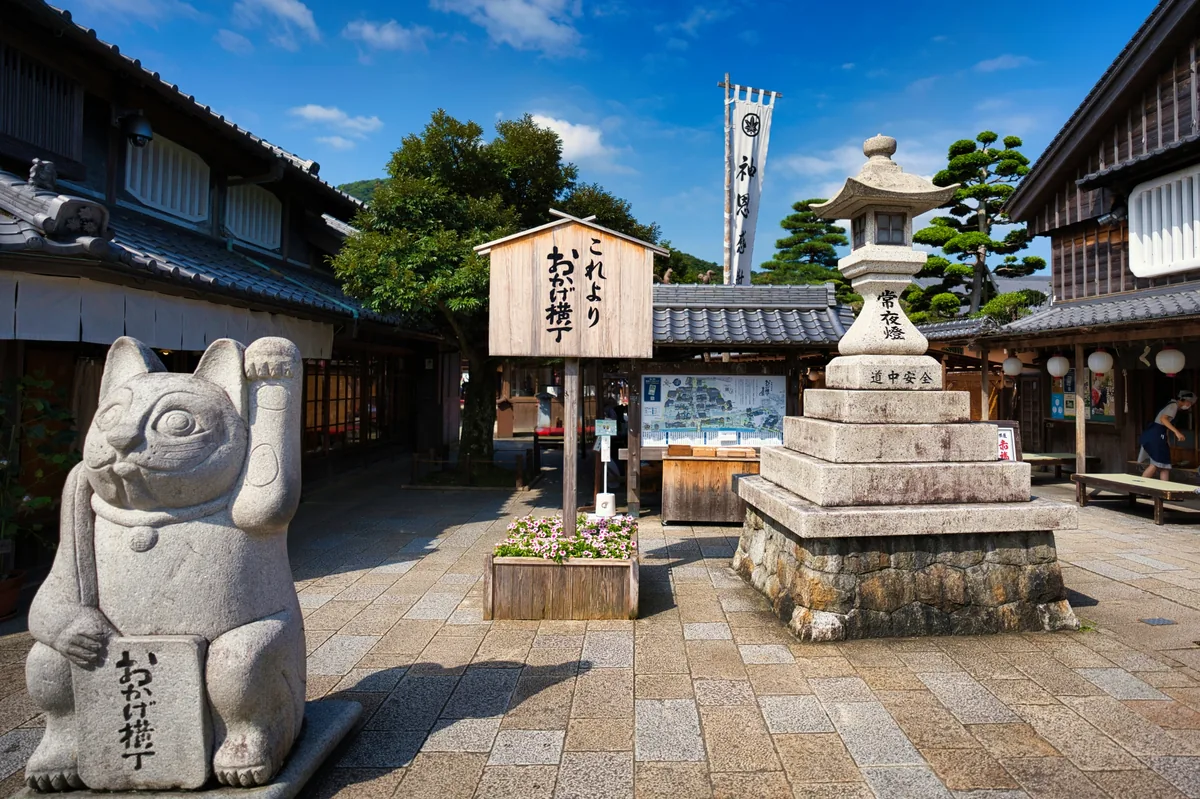
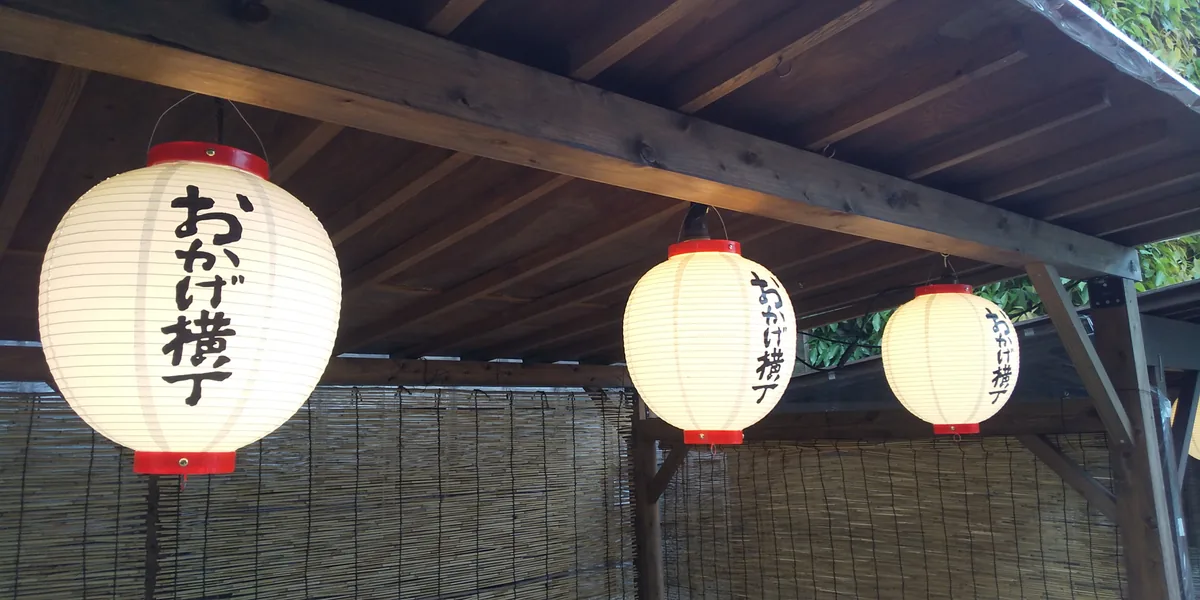
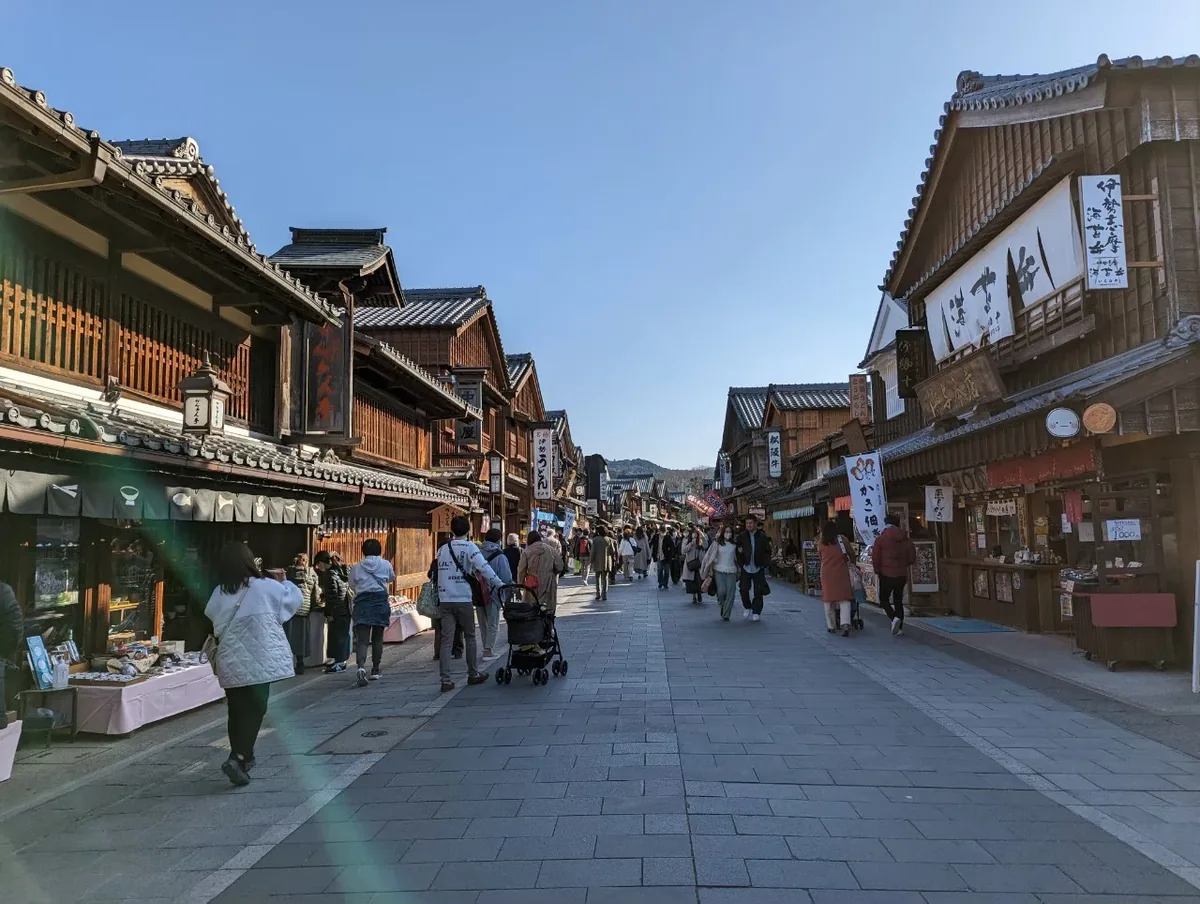
After Naiku, walk into Oharaimachi, the approach lined with shops and places to eat. Okage Yokocho is a district within that area, so the two belong in the same stop.
The change of pace is part of the pleasure: from the shrine's broad grounds to shopfronts, cooking smells and people deciding what to eat. Give yourself around 60–90 minutes for lunch and a wander, longer if you want to browse carefully.
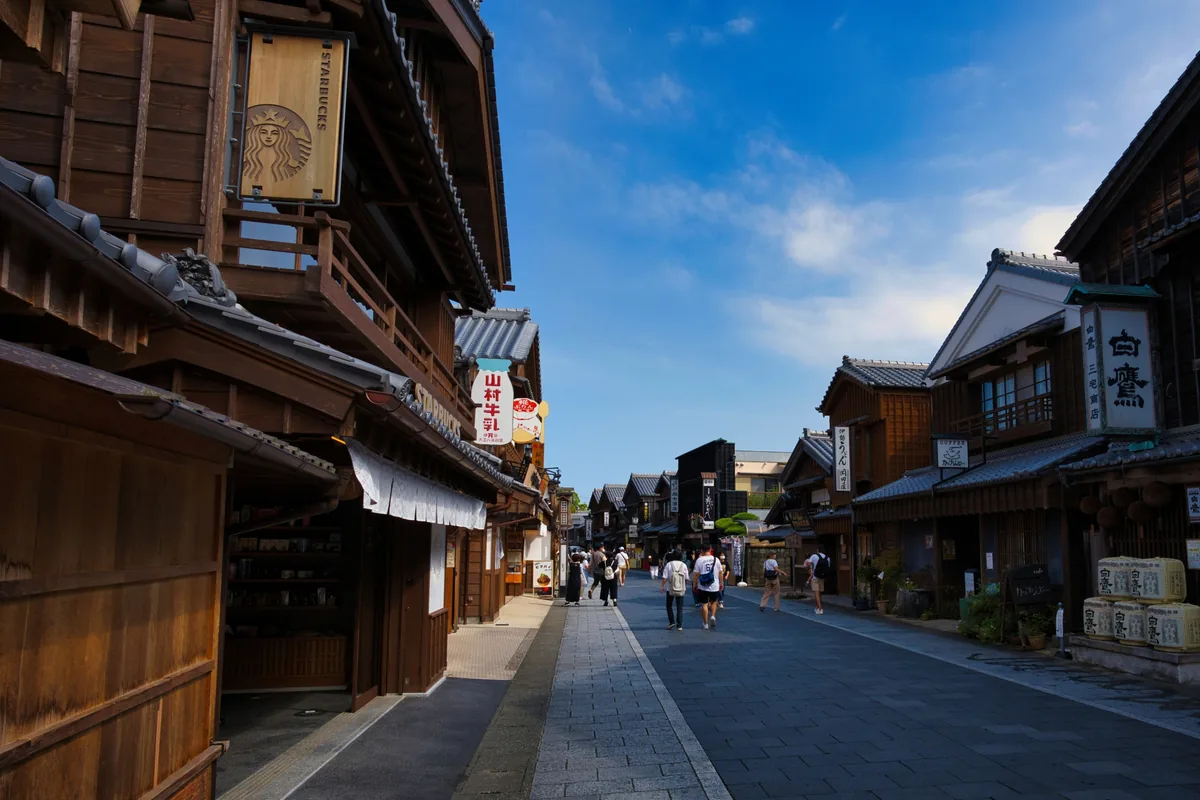
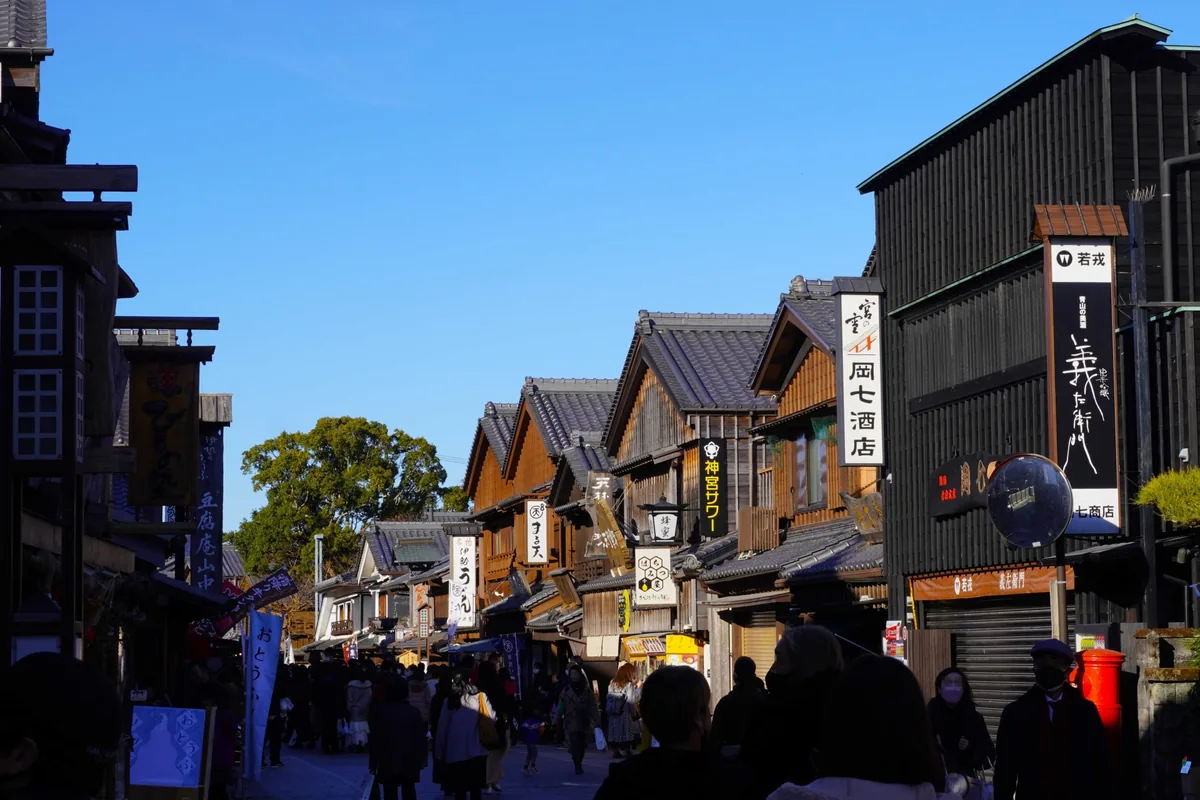
Start with Ise udon. Its thick noodles are deliberately soft, with a concentrated sauce that you mix through them. The local tourism association's food guide explains this distinctive style. For something sweet, look for Akafuku, the local rice cake covered with sweet red-bean paste; the maker's store guide shows its locations and eat-in offerings.
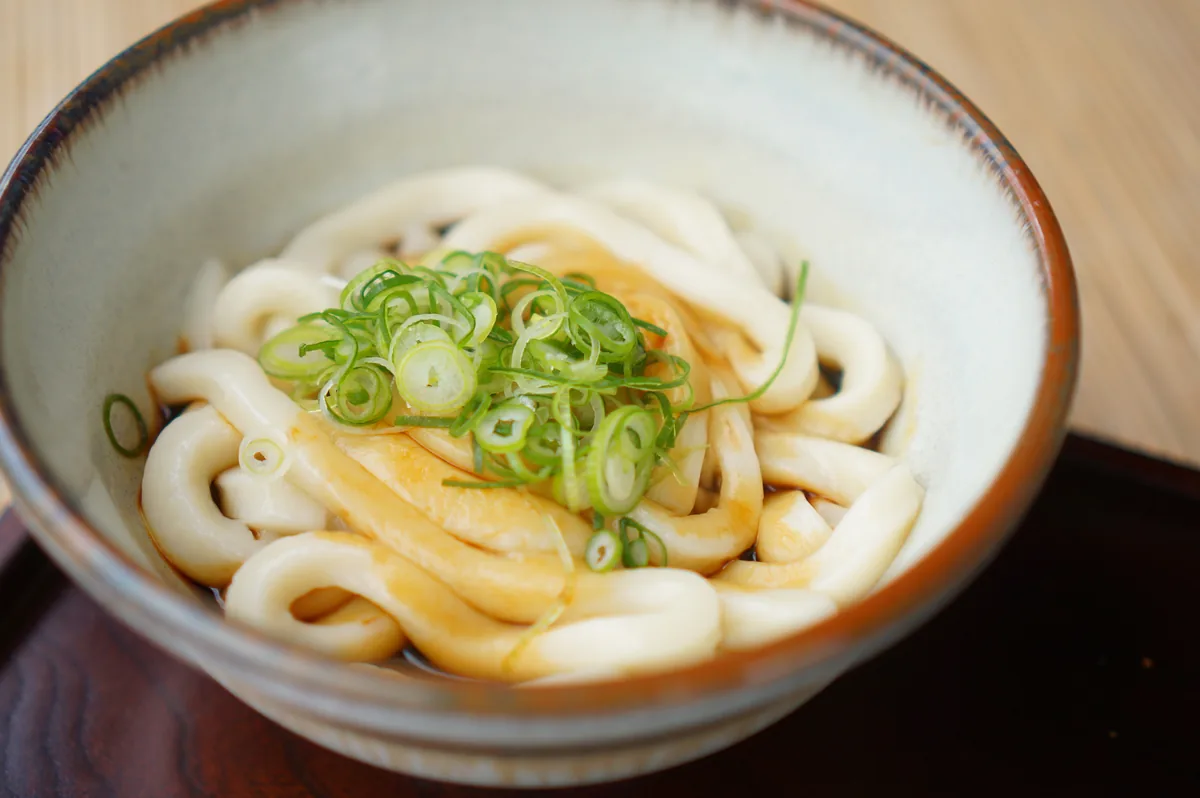
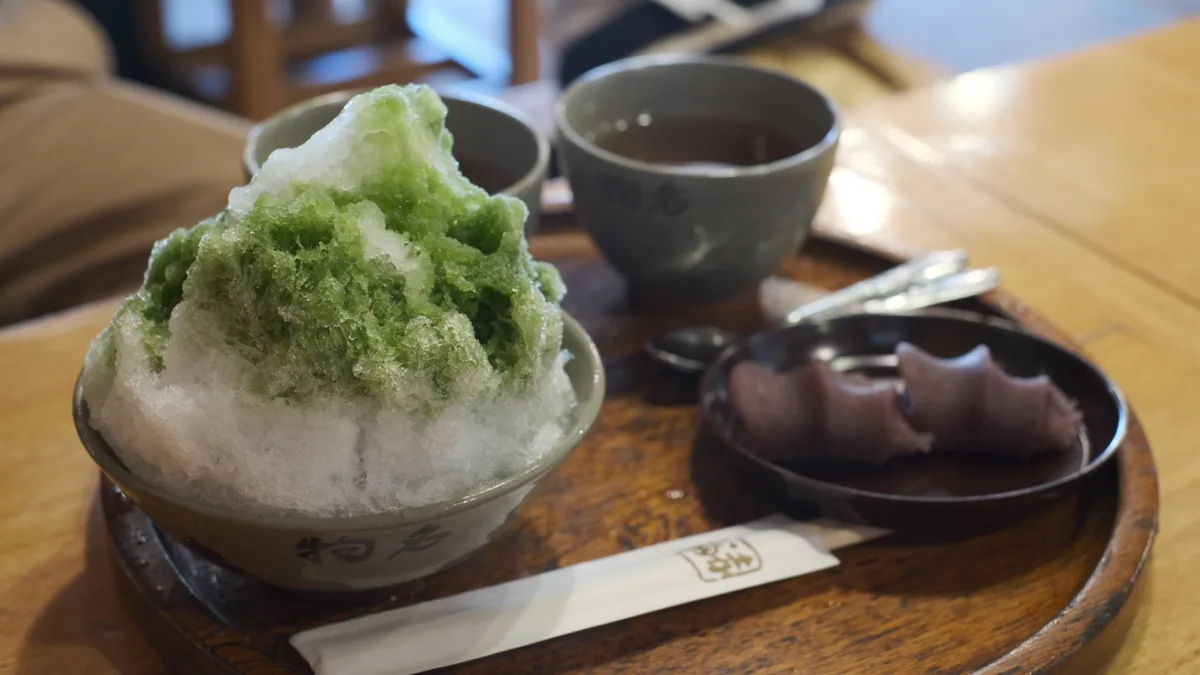
Choose a small number of things you actually want to try. A proper lunch and one sweet stop leave more room to enjoy the streets than a long list of food queues. If you are staying on a dinner-inclusive plan, keep the evening meal in mind.
The official Okage Yokocho guide explains that shop hours vary by business and season. Plan this as a daytime visit. Early access to the shrine does not mean the shops are open equally early.
For dietary requirements, ask about broth, sauces and toppings as well as the visible ingredients. Save a translated explanation of what you need, particularly if your restriction must be handled strictly.
Continue to Kashikojima for a night beside Ago Bay
After lunch and your shrine visit, take a bus back to a suitable Kintetsu station and continue toward Kashikojima. The cruise operator's local access information gives roughly 40–45 minutes by limited express between Kashikojima and the main Ise stations. Add the bus, waiting and luggage collection to your actual transfer.
There are two sensible ways to handle your bag:
- If you left luggage at Iseshi, take a bus from Naiku-mae (内宮前) to Iseshi Station / Iseshi-ekimae (伊勢市駅前), collect it before the storage facility closes and board from Iseshi.
- If you have only a day bag, take a bus from Naiku-mae to Isuzugawa Station / Isuzugawa-ekimae (五十鈴川駅前). Route 51 and suitable CAN Bus services make this connection; confirm the destination and your onward train's stopping pattern. The operator's Naiku-to-Isuzugawa timetable lists the services and boarding stop; select the correct day type and recheck local signs.
The Iseshi Station baggage service is useful, but do not assume a local delivery service covers a hotel in Shima. Confirm the destination and deadline before handing anything over. For a longer Japan itinerary, forwarding the main suitcase between your city hotels and taking an overnight bag can simplify this detour; see our luggage guide.
Aim to reach the inn with daylight left and enough time to settle in before dinner. That unhurried evening is one of the main reasons to stay on the coast.
Where I would stay: Kashikojima Hojoen
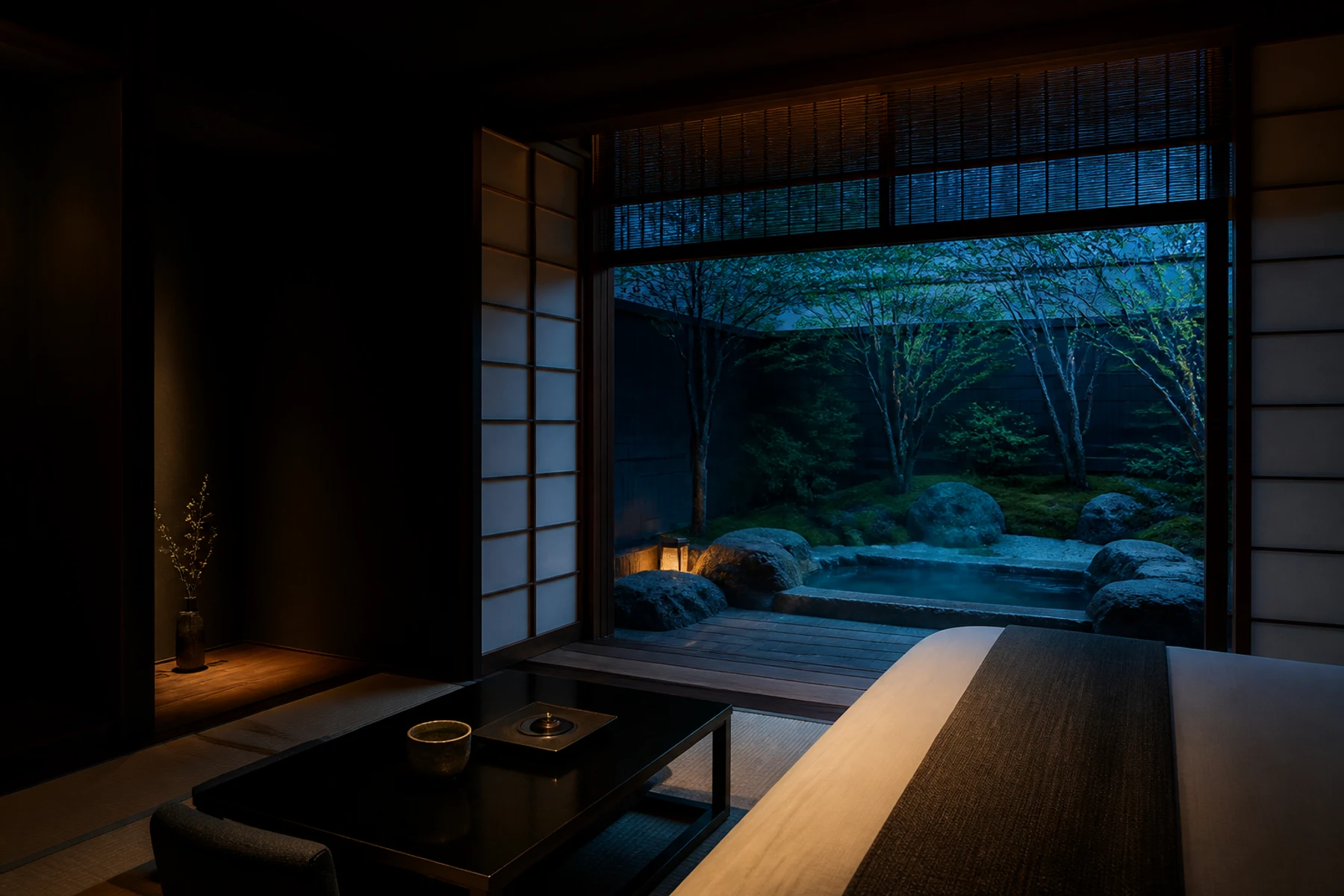
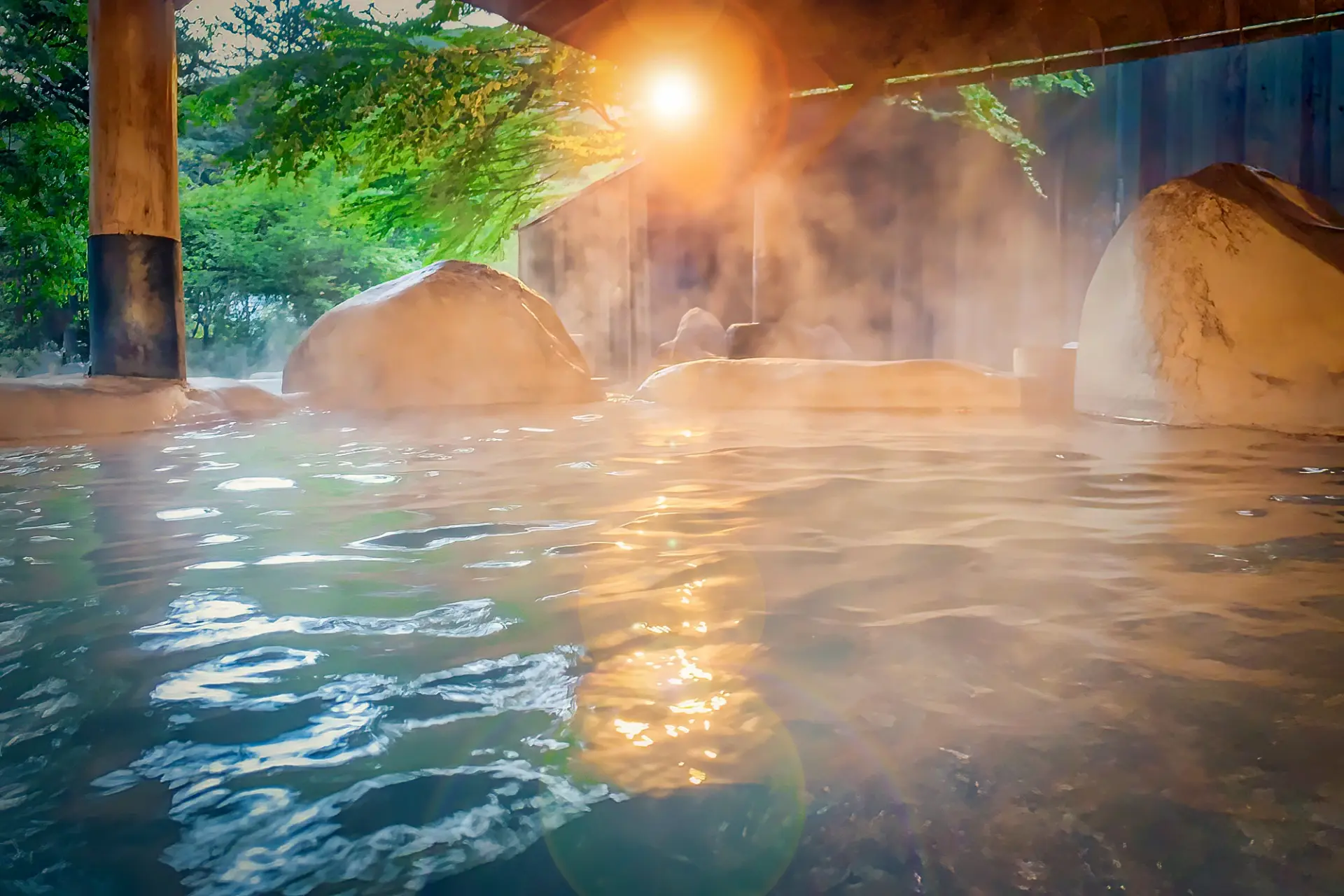
Kashikojima Hojoen (賢島宝生苑) is the inn I have stayed at and recommend for this route. Its Ago Bay setting, Japanese-style accommodation and garden open-air baths make it a fitting place to slow down after a day at Ise Jingu.
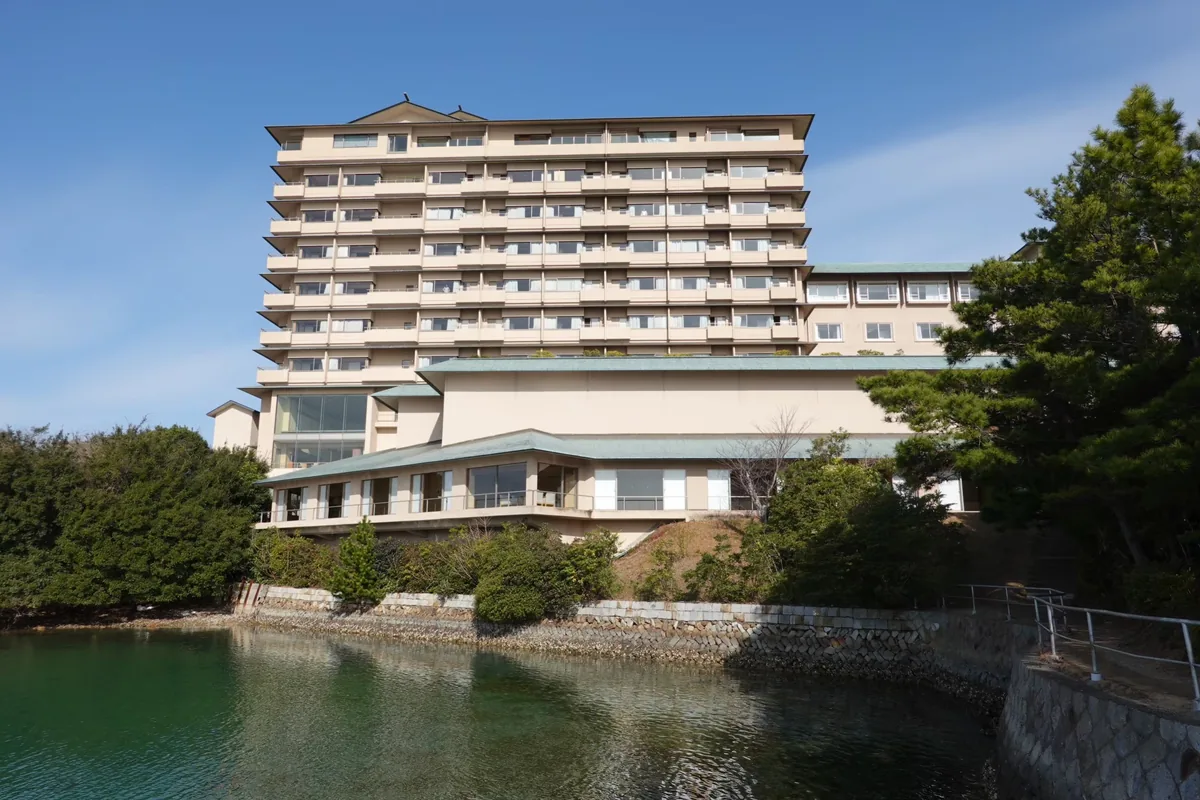
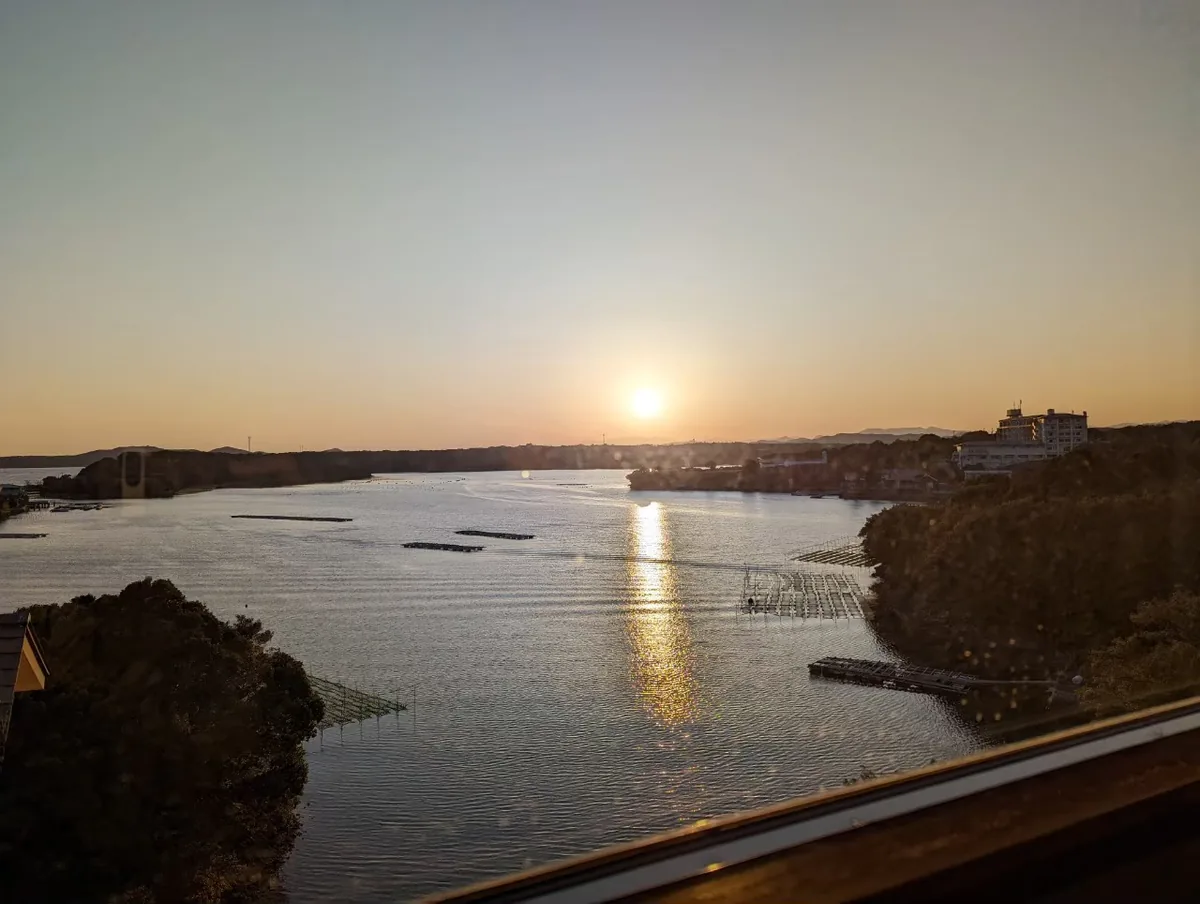
The hotel lists a free shuttle taking about three minutes from Kashikojima Station in its access guide. A dinner-inclusive plan keeps the evening simple; check meal inclusions and the required arrival time when booking. The hotel's bath rules prohibit bathing by guests with tattoos.
See the official hotel website for rooms and availability, and our onsen etiquette guide if communal bathing is new to you.
Yokoyama Observatory: see the shape of Ago Bay
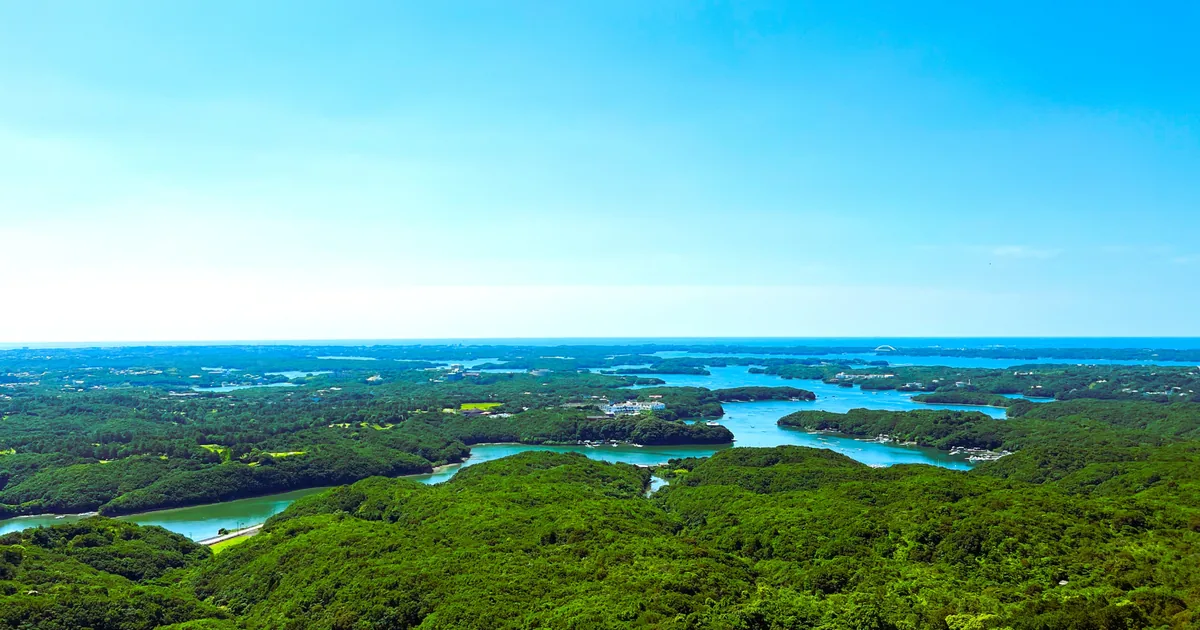
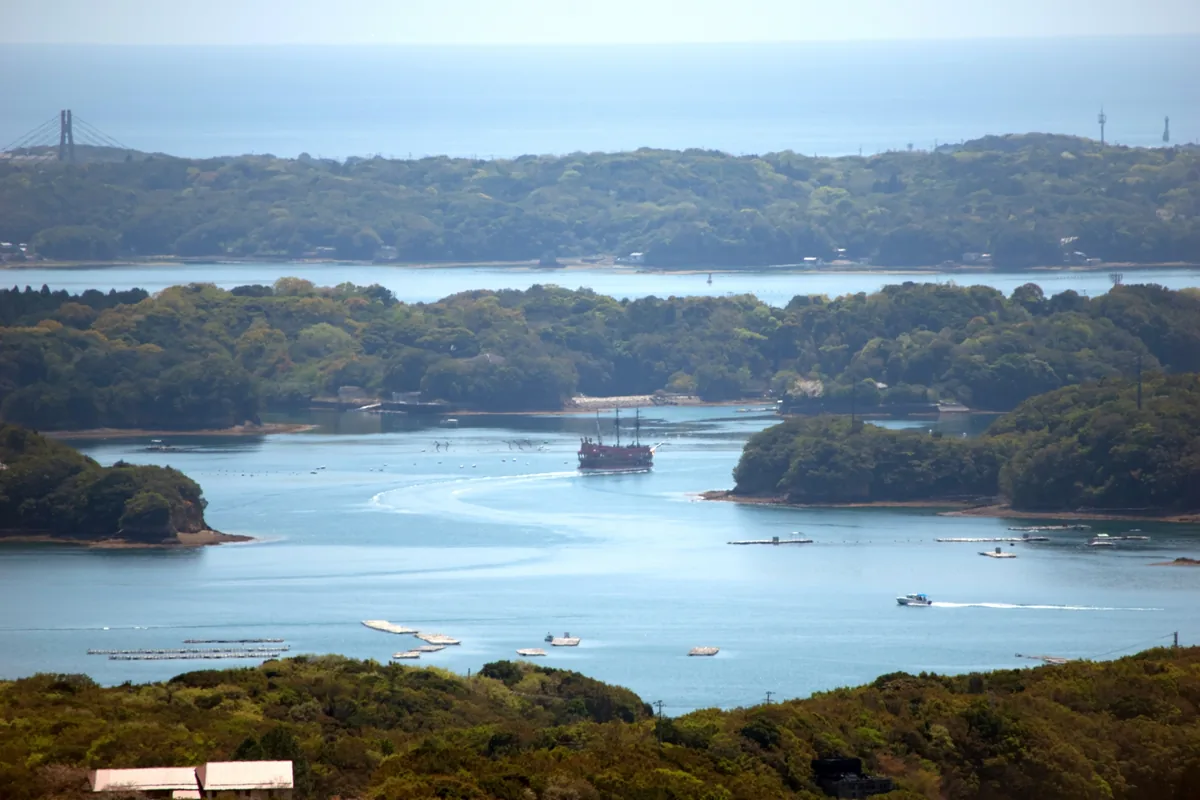
Yokoyama Observatory (横山展望台) gives you the wide view that makes Shima's landscape understandable: wooded islands, peninsulas and inlets overlapping across Ago Bay. It is the viewpoint to prioritize if you want one photograph that explains why you came to the coast.
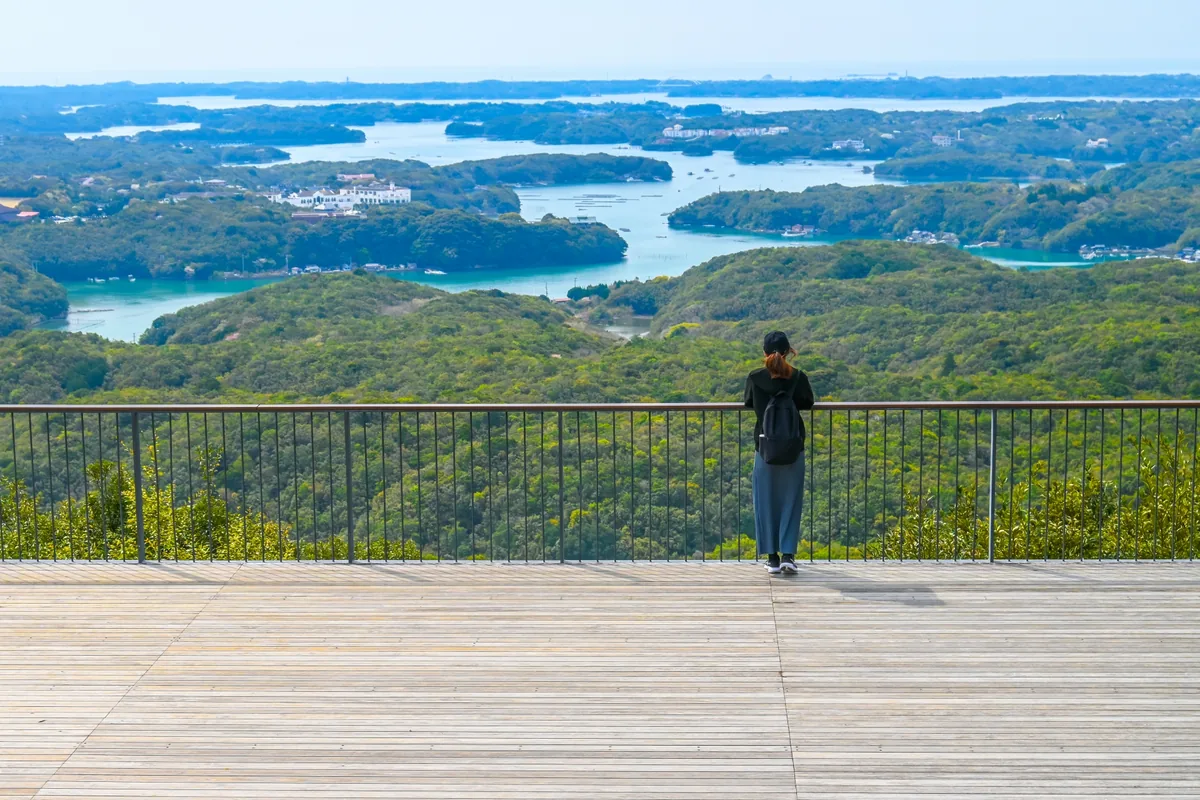
Set aside roughly 60–90 minutes for the outing from Ugata, with extra time for taxi availability or a longer walk. This is a planning allowance, not a guaranteed round-trip duration. Check the forecast before going; visibility is a major part of the experience.
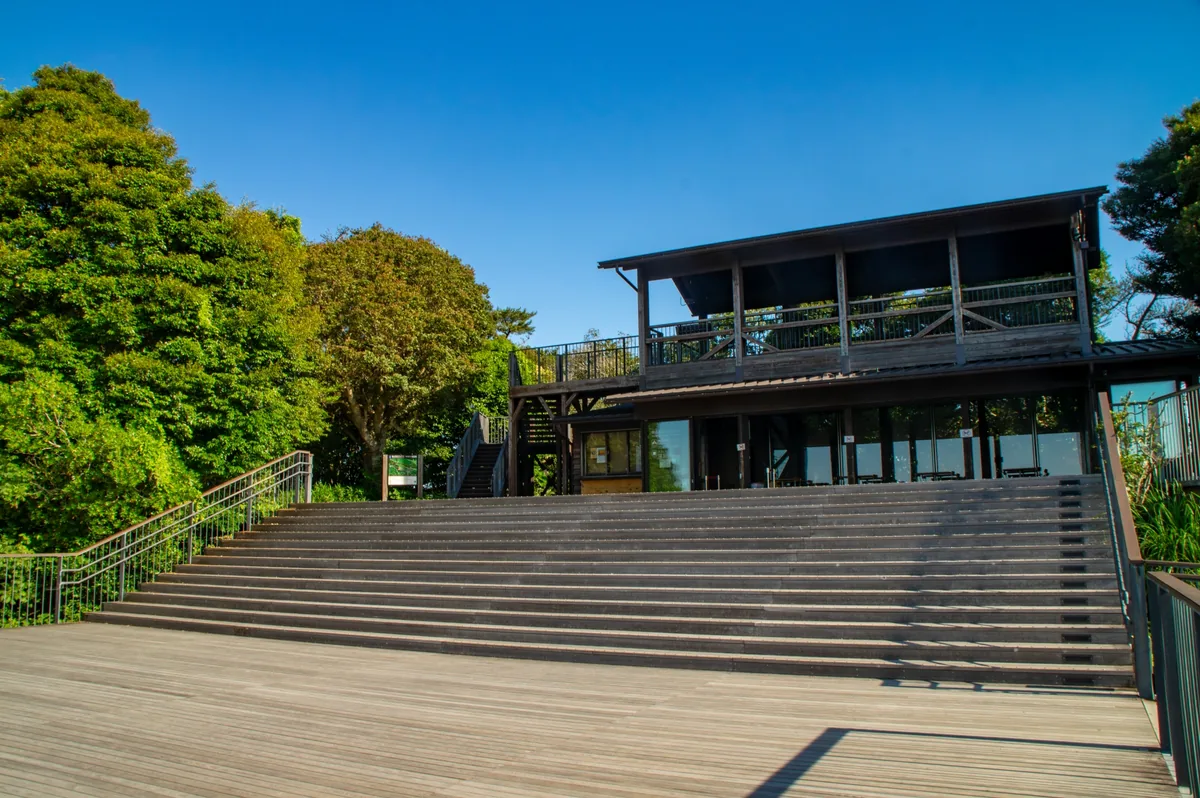
The Yokoyama Visitor Center's official information covers the viewpoint and local notices. Where your vehicle can stop matters: the upper parking area and lower parking areas involve different amounts of walking, and access restrictions can apply. Confirm the drop-off point if slopes or steps would be difficult.
Use Ugata Station and arrange the return taxi
For a visit without a car, use Ugata Station (鵜方駅) as the starting point and continue by taxi. Confirm how to request the return before you leave the station; taxis do not wait at the viewpoint. Outside the discounted scheme below, ask the operator for an estimated fare for both journeys, including any waiting charges.
The current Yokoyama VIEW Taxi scheme offers eligible journeys for ¥1,000 per vehicle each way:
- Outward: Ugata Station → Yokoyama Observatory or Visitor Center.
- Return: the observatory or Visitor Center → Ugata or Kashikojima Station.
- Collect the same-day vouchers at the Ugata Station tourist information desk, open 9:00 a.m.–5:00 p.m., showing evidence of your Kintetsu train journey before boarding.
- Use a waiting taxi from Mie Kintetsu Taxi or Waei Taxi at Ugata's taxi stand. Advance reservations for this outward scheme journey are not accepted; allow extra time if no car is available.
For the return, the official English leaflet provides a QR code for an online pickup request. Ask the desk to show you how it works, keep the leaflet, and wait at your selected pickup point after submitting the request. This is useful with a data-only eSIM; if arranging a different taxi by phone, check that you can make the call.
The published period is April 6, 2026–March 19, 2027, excluding weekends, public holidays, April 25–May 6, July 18–August 23 and December 19–January 3. Funding may run out early. The offer does not start at Kashikojima; outside its conditions, ask about the normal taxi fare. See the official scheme details and operating conditions. Return collection is your responsibility.
If the taxi connection feels like more coordination than you want, the cruise below gives you another way to experience the bay.
An Ago Bay cruise: the easiest coastal addition
The Kashikojima Espana Cruise leaves from a pier about two minutes on foot from Kashikojima Station and takes approximately 50 minutes. The operator listed ¥1,900 for adults when checked. Reach the pier at least 15 minutes before departure, with more time on busy days. Consult the official timetable and operating notices before choosing a departure; weather, maintenance and other conditions can affect the service.
If you use the Yokoyama VIEW Taxi, ask about its Ago Bay cruise discount coupon before buying a boat ticket. The scheme currently offers an adult discount of ¥200 at the ticket counter, valid on the issue date or the following day, and it cannot be combined with other discounts.
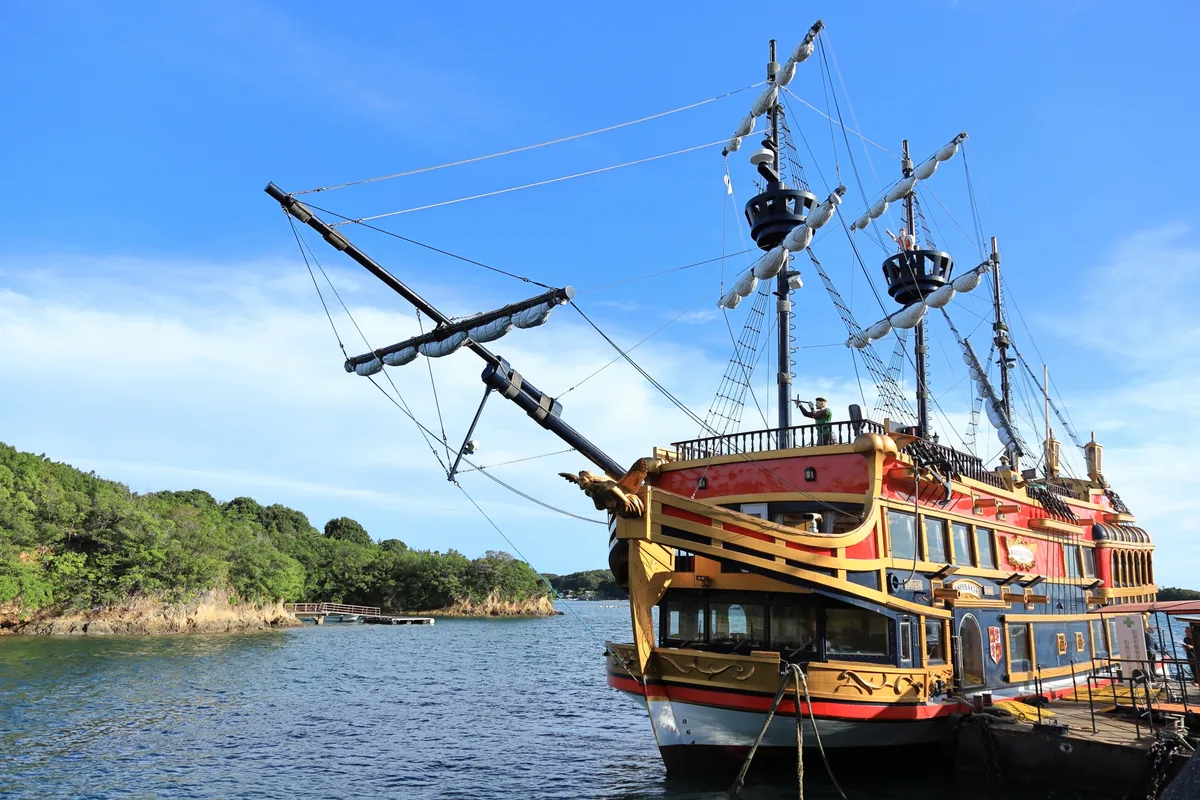
Yokoyama shows the bay from above. A cruise takes you among its waterways, closer to the wooded shoreline. Choose according to the experience you want and the transport you are comfortable arranging.
For an easy second morning, have breakfast, check out, leave luggage with an agreed storage provider and take a cruise before your onward train. If adding Yokoyama too, allow a proper lunch and a margin for the taxi. Retrieve luggage before leaving the station where you stored it.
Kashikojima Espana Cruise
See Ago Bay from the water
Best for
An easy bay outing on foot from Kashikojima Station.
Before booking
KKday lists this ticket as non-refundable. Check the day's sailings before buying; a specific departure is not reserved.
Why it may fit
Exchange the QR voucher at the pier. Boarding is first come, first served; arrive at least 15 minutes early.
You can also stay longer at the inn and choose only one bay activity. An hour looking out over the water belongs in this itinerary just as much as another ticketed stop.
A realistic two-day Ise-Shima itinerary
This outline works with any of the four starting cities above, assuming arrival at Iseshi around 9:30–10:00 a.m. and an afternoon or evening departure from Shima the following day. Choose the actual trains and hotel meal times first, then adjust the sightseeing around them.
Day 1: Ise Jingu, lunch and the coast
| Part of the day | Plan |
|---|---|
| Morning | Arrive at Iseshi, store larger luggage and visit Geku |
| Late morning | Bus to Naiku and walk through the shrine grounds |
| Lunchtime | Ise udon and a wander around Oharaimachi and Okage Yokocho |
| Mid-afternoon | Return for luggage if needed, then take Kintetsu toward Kashikojima |
| Late afternoon and evening | Hotel shuttle, check-in, bathing and dinner according to your plan |
If the shops or buses are busy, shorten browsing time. If your train reaches Ise late, focus on Naiku and the town. Keep the hotel's dinner arrival requirement as the fixed point of the afternoon.
Day 2: choose your view of the bay
After breakfast, choose one main outing:
- For the panorama: travel from Kashikojima to Ugata, store luggage if a suitable facility is available, and take the taxi to Yokoyama. Return to Ugata for your onward train.
- For simpler transfers: take the cruise from Kashikojima, collect your luggage and depart from Kashikojima.
- For both: cruise in the morning, then collect your bag and continue to Ugata for Yokoyama. Check luggage storage, taxi arrangements and the return train before committing to this version.
For the journey back, search Kintetsu departures from Ugata or Kashikojima to Nagoya, Osaka or Kyoto, checking whether a change is needed. For Tokyo, continue via Nagoya and the Tokaido Shinkansen. The arrival estimates above end at Ise, so check the longer journey from Shima separately before setting a dinner reservation or other plans back in the city.
Treat three days as the more comfortable option if you want both activities, a long hotel morning and Toba. With two nights, you can also adapt the order around the clearer day for Yokoyama.
Should you add Toba?
Add Toba when you have another half-day and a particular attraction you want to see. Its railway location makes the stop convenient, but the visit still takes time.
For regional culture, consider Mikimoto Pearl Island. It connects the coastal journey to pearl cultivation and the area's relationship with the sea. Its official access page places it about five minutes on foot from Toba Station.
For families or a day of poor outdoor weather, consider Toba Aquarium, about ten minutes on foot from the station according to its official visitor information. Check opening hours and any arrangements for the exhibits you most want to see.
Choose one for a shorter stop. A third day gives you room to make Toba a destination in its own right. Keep the first two days centered on the shrines, the inn and Ago Bay.
A few choices that make the trip better
Keep the hotel evening free. For a meal-inclusive stay, reserve the room before arranging the rest of the day. Ask about dinner timing, then work backward through the train and local bus.
Make the viewpoint weather-dependent. If visibility is poor, spend longer at the inn or consider Toba when it fits your route. A cruise is also weather-dependent, so check whether it is operating rather than treating it as an automatic bad-weather replacement.
Budget for the connections. Price the intercity trains, their seat supplements, local buses, Yokoyama taxi and chosen hotel plan separately. The discounted taxi is a conditional offer. For the inn, compare the same room, number of guests, meals, taxes and cancellation terms before deciding that one booking channel is cheaper.
Carry less. A small overnight bag makes shrine walks, buses and taxi transfers easier. Keep comfortable shoes, rain protection, a charged phone and the hotel's name and address handy. Our Japan eSIM guide helps with mobile data; save the essential journey details offline as well.
Ise-Shima works well when you leave space between its highlights. Give the shrine grounds a full walk, sit down for lunch, and reach the coast with time to enjoy it. By the following afternoon, you can have experienced something of the region's sacred landscape and its sea, with a night at a Japanese inn joining the two.
Make it your trip
Still planning your Japan trip?
Pick the question on your mind. Compare your options, check the details and take one more thing off your list.
Would a JR Pass save you money?
Add your train journeys and compare individual tickets with the nationwide pass. See which costs less for your route.
Calculate my rail costs
Which eSIM fits your Japan trip?
Maps, messages, hotspot use: compare five providers by data allowance, network and plan limits before you choose.
Find my Japan eSIM
What should your travel insurance cover?
Compare medical cover, cancellation and activity limits across five options, with the exclusions worth checking.
Compare cover & limitsFrequently Asked Questions
Yes, if you can give it an overnight stay and want to combine shrine culture with coastal scenery and a Japanese inn. It fits especially well as an extension from Osaka, Kyoto or Nagoya. On a tightly scheduled first trip, prioritize Ise Jingu as a day trip or save the wider region for a longer visit.
Yes. Kintetsu trains connect Ise, Toba, Ugata and Kashikojima. Local buses connect the Ise shrines, while Kashikojima's cruise pier is near the station. Yokoyama Observatory is the main stop in this itinerary where a taxi is useful. Arrange the return ride as well as the journey up.
Two days and one night work for the Ise shrines, Okage Yokocho, a stay in Kashikojima and a bay activity the following day. Arrive in Ise during the morning. Three days give you room for both the observatory and a cruise, a slower hotel stay, or an additional half-day in Toba.
Use Kintetsu Ugata Station as your starting point and continue by taxi. Ask for the observatory parking area and confirm the return arrangement. An eligible weekday visit may qualify for the seasonal Yokoyama VIEW Taxi scheme; check its operating dates and conditions before relying on the discounted fare.
Visit both if you have a morning and afternoon in Ise. The shrine's official guidance recommends Geku first, followed by Naiku. If your time is limited, Naiku and the adjoining Oharaimachi and Okage Yokocho area make a manageable shorter visit. Geku and Naiku are separate sites connected by bus.
The nationwide Japan Rail Pass does not cover Kintetsu trains. This itinerary uses Kintetsu for the journey onward to Shima. Compare individual tickets with an eligible Kintetsu pass for your whole route, and remember that Kintetsu limited express trains require a reserved-seat supplement in addition to the basic fare or a valid pass.

Written by
JAPANODE
Based in Japan, sharing real travel tips & local insights for visitors. Follow us on Instagram @thejapanode for daily Japan content.
You Might Also Like
 Itineraries
The Luxury Japan Itinerary: 10 Nights of Privacy, Access & Exceptional Stays
16 min read
 Itinerary
10-Day Japan Itinerary: Tokyo, Mt Fuji, Kyoto, Himeji & Ise
12 min read
 Culture
Japan Onsen Tattoo Rules: Etiquette & Where to Bathe (2026)
24 min read
 Transportation
The Complete Guide to Japan's Train System for First-Time Visitors
16 min read