On this page
If your hotel check-in is at 3pm but your train arrives at 9am, you do not need to spend six hours pulling a suitcase through Tokyo. In Japan, the right answer is usually one of four things: leave it with your hotel, use a station locker, reserve a staffed storage location, or send the bag ahead.
Here is the quick recommendation: ask your hotel first because it may be free; use a coin locker for a short same-day stop; book Bounce, Radical Storage or ecbo cloak when you need a reservable space; use takkyubin when the bag should travel to your next hotel instead of back to you. The sections below compare current prices, coverage, protection and the catches that matter in Tokyo, Kyoto and Osaka.
Some booking links below are affiliate links. If you book through one, JAPANODE may earn a commission at no extra cost to you. Radical Storage also gives readers 6% off with code JAPANODE. Affiliate relationships do not affect the order of recommendations: the nearest well-reviewed location with the right hours is usually the best one.
Ask your hotel first. If it cannot hold your bags, or returning there would mean a detour, choose the area where you will collect them at the end of the day: Tokyo, Kyoto or Osaka / Umeda / Namba. Check the host's pickup deadline before booking, especially before a late flight or an evening temple visit.

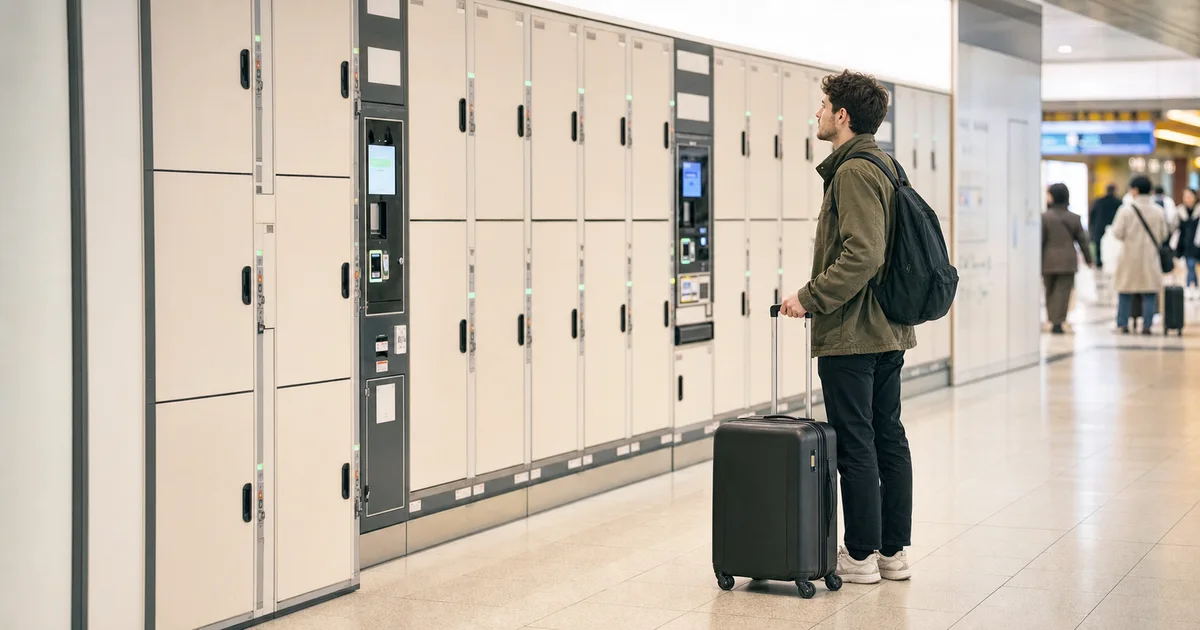
Bounce Luggage Storage in Japan
Reserve a place before you reach the station
Why it may fit
Search around the station or neighborhood where your day will end, compare host hours and recent reviews, then reserve online. Selected locations operate 24/7.
Before booking
Check the live price, availability, eligibility, and terms before paying.
Tokyo, Kyoto and Osaka: what changes by city
Tokyo
Tokyo has the most choice but also the largest stations. A storage location described as "near Shinjuku Station" may still be a 15-minute walk from the exit you use. Search around your actual sightseeing area or hotel neighborhood, not just the station name.
For an arrival morning, storing near your hotel usually prevents a second cross-city journey later. For a departure day, store near your final activity or airport-transfer station. Tokyo Station, Shinjuku, Shibuya, Ueno and Shinagawa all have lockers and bookable staffed alternatives.

Radical Storage in Tokyo
6% off with code JAPANODE
Why it may fit
Open the Tokyo map and compare staffed storage around Tokyo Station, Shinjuku, Shibuya, Ueno and other neighborhoods.
Before booking
Check the live price, availability, eligibility, and terms before paying.
JAPANODE6% off
Kyoto
Kyoto is where advance planning matters most. Large bags are awkward on crowded city buses, and Kyoto Station storage is heavily used in peak seasons. The city's official Hands Free Kyoto tool maps coin lockers, staffed counters, delivery services and reservable providers including ecbo cloak and Radical Storage.
If you arrive for a day trip, leave the suitcase around Kyoto Station before taking a bus or local train to the sights. Do not carry it to Kiyomizu-dera, Gion or Fushimi Inari unless your accommodation is there and ready to accept it.
Radical Storage in Kyoto
6% off with code JAPANODE
Why it may fit
Open the Kyoto map and compare staffed storage around Kyoto Station, Gion, Nishiki Market and major sightseeing areas.
Before booking
Check the live price, availability, eligibility, and terms before paying.
JAPANODE6% off
Osaka
Choose the storage hub that matches your onward train. Shin-Osaka is best for a later Shinkansen; Osaka/Umeda fits northern Osaka and JR connections; Namba is convenient for Dotonbori and Nankai trains toward Kansai Airport.
Osaka's tourism authority maintains a Hands-Free Travel Osaka guide with locker, staffed storage and delivery information. During weekends and holidays, reserve before arriving if your schedule depends on a large-bag space.
Radical Storage in Osaka
6% off with code JAPANODE
Why it may fit
Open the Osaka map and compare staffed storage around Umeda, Namba, Shin-Osaka and other useful transport hubs.
Before booking
Check the live price, availability, eligibility, and terms before paying.
JAPANODE6% off
The best luggage-storage option for each situation
Have your travel dates ready? Our Japan Luggage Planner helps you compare sending ahead, storing for a few hours and carrying your bags, with date checks for hotel and airport delivery.
| Your situation | Best first choice | Typical cost | Why |
|---|---|---|---|
| Before check-in or after checkout | Your hotel | Often free | No booking and the bag stays with your accommodation |
| Small bag for a few hours | Coin locker | ¥300–1,000 / calendar day | Usually the fastest and cheapest option when one is free |
| Large suitcase or peak-season travel | Reservable storage app | Commonly ¥500–850 / bag / day | Reserve before arriving instead of hunting for an empty locker |
| One- to three-night side trip | Staffed storage or delivery | Varies | Storage works if you return to the same city; delivery works if you do not |
| Moving to another hotel | Takkyubin delivery | Usually a few thousand yen | The suitcase travels while you take the train with a day bag |
| Oversized sports gear | Staffed storage or specialist delivery | Varies | Locker dimensions and individual host rules are the limiting factors |
Japan's official tourism site recommends both storage and delivery for hands-free travel, while warning that lockers at busy locations can fill quickly. Its luggage and storage overview is a useful official starting point.
The planning rule I use
As a former travel planner based in Japan, I work backward from where the traveler will be immediately before collecting the bag. If the hotel is on that route, free hotel storage wins. If the day ends at a different station, storage near the final stop is usually worth paying for. The most common planning mistake is not choosing the wrong brand; it is leaving a bag on the wrong side of a very large city and losing an hour to retrieve it.
First, ask your hotel
Many conventional hotels and ryokan will hold luggage for registered guests before check-in and after checkout. This is often the best answer because it costs nothing and avoids handing your bag to another business.
Do not assume every property offers it, however. Vacation rentals, unmanned hotels, small guesthouses and capsule hotels may have no staffed storage room. A hotel may also refuse bags several days before a stay, after your final checkout day, or if the next accommodation is a different branch. Message the property before travel when your day depends on the answer.
Hotel storage also makes less sense when it forces a long detour. If your hotel is in Shinjuku but your last day is around Tokyo Station, paying to store near Tokyo Station can save more time than returning across the city for a free bag.
Coin lockers: convenient, cheap and not reservable
Coin lockers are found at most major railway stations and many shopping centers, bus terminals and attractions. Despite the name, newer units often accept an IC card such as Suica or PASMO; older units may still require ¥100 coins.
Locker sizes and prices
Prices vary by operator and location, but this is a realistic planning range:
| Locker size | Common daily price | What usually fits |
|---|---|---|
| Small | ¥300–500 | Handbag, daypack or small backpack |
| Medium | ¥500–700 | Carry-on suitcase or large backpack |
| Large | ¥700–1,000+ | Medium checked suitcase |
| Extra-large | ¥1,000+ where available | Some large suitcases; dimensions vary |
Three details cause most locker problems:
- The fee is usually per calendar day, not per 24 hours. Crossing the operator's daily reset time can add another day's charge.
- Large lockers are the first to disappear. A station can appear to have hundreds of lockers while only a small share fits a checked suitcase.
- You must return to the same locker. That is obvious, but it makes lockers a poor choice when you are changing cities.
During cherry-blossom season, Golden Week, summer holidays and autumn foliage, large lockers at major hubs can be hard to find after the morning rush. If missing your train or reservation would matter, book staffed storage in advance or use your hotel instead.
Take a photo of the locker bank, station exit and retrieval receipt before walking away. Tokyo Station and Shinjuku Station are large enough that remembering only "near the ticket gates" may not be enough to find the same bank later.
Reservable luggage storage: Bounce vs Radical vs ecbo
Storage platforms turn spare space in hotels, shops, karaoke venues and other staffed businesses into bookable luggage storage. You choose a location and time online, pay, then show the booking confirmation at drop-off. The exact address may be revealed only after booking for security reasons.
The platform matters less than the individual location. Before paying, check walking distance from the correct station exit, opening hours, latest pickup time, recent reviews, stairs and whether your item type is accepted.
| Service | Best for | Current pricing signal | Protection advertised | Main drawback |
|---|---|---|---|---|
| Bounce | Dense English-first choice in major Japanese cities | From ¥275/day; many central listings are ¥500–850 | Up to ¥1,000,000 per booking | Final price and hours vary widely by host |
| Radical Storage | Reader discount and simple per-bag booking | Tokyo from ¥490; several central listings at ¥750 when checked October 4 | Booking guarantee; check current terms | Check the individual host location and hours |
| ecbo cloak | Japan-native locations and selected 7-Eleven stores | ¥500 small bag / ¥800 suitcase | Up to ¥100,000 per bag | English experience and inventory vary by host |
Prices and location counts change with dates and host availability; the Bounce and ecbo figures above were checked on July 22, 2026; Radical’s Tokyo pricing was rechecked on October 4, 2026. Review the final total before payment.
Bounce: best English-first coverage
Bounce currently advertises more than 32,000 storage locations across 4,000-plus cities worldwide. Its live Japan pages list hundreds of options in Tokyo and Osaka, plus more than 100 in Kyoto. Japan partners shown by Bounce include hotels, local shops, Big Echo karaoke venues, Yamato Transport and lockers.
The practical advantages are choice, recent location-level reviews, free cancellation under the stated conditions, 24/7 customer support and up to ¥1,000,000 protection per booking. Some locations are open around the clock; many are not, so check the individual host rather than the platform headline.
Bounce is especially useful in the awkward hours before hotel check-in or after checkout, when you want to keep sightseeing but returning to the hotel would mean a detour. The booking flow is simple:
- Search by destination and date, then compare the host's exact opening hours, walking route and recent reviews.
- Choose your bag count and times, then book and pay online or in the app. Some listings reveal the full address only after confirmation.
- Show the booking confirmation when dropping off the bags and again when collecting them.
Book for the time you genuinely need rather than choosing on price alone. A slightly more expensive host beside your final station can be better value than a cheaper one that adds two train rides to bag collection.
The booking card near the start of this guide opens Bounce's search. Use it only after checking whether your hotel can store the bag for free.
Radical Storage: best JAPANODE reader deal
Radical Storage calls its partner businesses "Angels." Its current Japan listings cover the main areas visitors need, including Tokyo Station, Shinjuku, Shibuya, Umeda, Namba, Shin-Osaka and central Kyoto. On October 4, 2026, the Tokyo page advertised prices from ¥490 per day, with several central listings at ¥750 per bag per day. These are starting prices, not a quote for your date, bag count or host.
Radical advertises cancellation options, 24/7 support and a booking guarantee. Check the current cancellation rules, guarantee cap, exclusions and claim conditions before paying. It also promotes flat per-bag pricing without size or weight surcharges, but you should still confirm that the selected host can physically accept unusually large skis, instruments or multiple suitcases.
Use code JAPANODE at checkout. The button below includes the code, so the discount should appear automatically in the price details. Confirm it before completing payment.
Use the city-specific booking cards near the start of this guide to open the relevant map directly instead of starting from Radical Storage's worldwide search page.
ecbo cloak: best Japan-native alternative
ecbo cloak is a Japanese storage platform with locations from Hokkaido to Okinawa. Its site currently lists ¥500 per day for a bag whose longest side is 45 cm or less and ¥800 per day for larger luggage such as suitcases, backpacks and strollers. It advertises insurance up to ¥100,000 per item.
The domestic network is ecbo's advantage. In a July 15, 2026 company release, ecbo said its service had reached more than 3,500 locations across Japan, including 1,261 participating 7-Eleven stores in 42 prefectures. The public booking site still describes more than 1,000 available locations, so use the map for your dates rather than assuming every announced partner is taking reservations at all times.
There is no affiliate relationship here. Check ecbo alongside Bounce and Radical when it offers the most convenient host or the only location on your route.
Luggage delivery: send the suitcase to your next stop
Storage requires a return trip. Takkyubin luggage delivery sends the bag to another hotel or an airport, which is often better for a city-to-city move.
Yamato Transport's black-cat counters, hotel desks and participating convenience stores can arrange delivery across Japan. Yamato's official Hands-Free Travel guide covers temporary storage, hotel delivery and service counters. Prices depend on origin, destination, bag size and airport surcharges, so use the counter quote or official calculator instead of relying on one nationwide price.
Use delivery when:
- you are changing from Tokyo to Kyoto and need only a day bag on the train;
- you are taking a one- or two-night side trip before returning to a different hotel;
- stairs, children or several large suitcases make transfers difficult;
- you want to send bags to the airport before departure.
Allow at least a day for standard hotel-to-hotel delivery, and longer for remote regions, islands or airport delivery. Same-day services exist on limited routes and with cutoff times; never assume same-day service without confirming it at the counter. Make sure the receiving hotel accepts forwarded luggage and has the reservation name exactly as written on the shipping form.
Walking the Nakasendo between post towns requires a separate luggage plan. Our Magome and Tsumago day-trip guide covers the local seasonal bag-transfer service, its drop-off deadline and the difference between a town visit and the full walk.
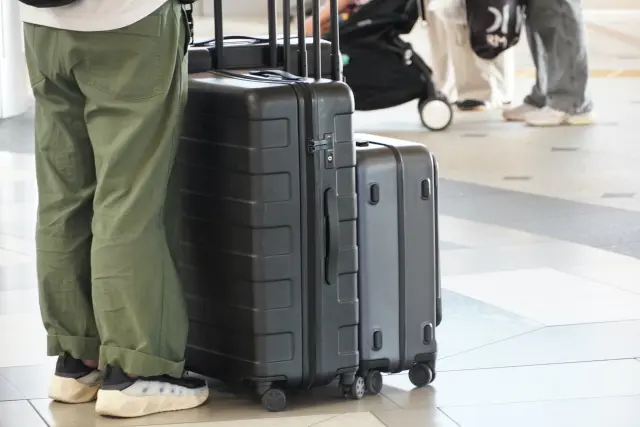 Door-to-door option
Airport and Hotel Luggage Delivery
Why it may fit
Send suitcases between an airport and hotel instead of carrying them through stations. Check the exact route, cutoff time and delivery date before booking.
Before booking
Check the live price, availability, eligibility, and terms before paying.
Special cases: side trips, oversized bags and late flights
A one- or two-night side trip
If you will return to the same city, multi-day staffed storage can be simpler than delivery. For example, leave a large suitcase in Tokyo and take a day pack to Hakone or Mt Fuji. Compare the multi-day total with hotel-to-hotel delivery before booking; daily storage becomes expensive on a longer trip.
Oversized baggage on the Shinkansen
On the Tokaido, Sanyo, Kyushu and Nishi Kyushu Shinkansen, a bag with total dimensions over 160 cm and up to 250 cm requires a seat with an oversized-baggage area. JR Central says the reservation has no additional charge when booked with your seat; bringing qualifying baggage without it can result in a ¥1,000 fee. Bags over 250 cm cannot be brought aboard. Read the official JR Central baggage rules and our Japan train guide before travel.
Sports equipment and strollers have specific exceptions, but available onboard space is still limited. Delivery is often the calmer choice for skis, golf bags or several large suitcases.
Checkout at 10am and a night flight
Choose storage around the neighborhood where you will spend the day, then collect the bag on the way to the airport. Check the host's closing time against your train or bus plan. If you do not want the pickup detour, arrange airport delivery in advance; our Haneda Airport transport guide explains how luggage affects each route.
Before you leave a bag: six checks
- Confirm the exact closing and pickup time. "24/7 support" does not mean every host is open 24 hours.
- Check the final price. Booking fees, daily cutoffs and multiple bags can change the headline total.
- Read recent reviews for that location. They reveal stairs, confusing entrances and slow check-in better than a network-wide rating.
- Keep valuables with you. Carry your passport, cash, medication, electronics and irreplaceable items unless the provider explicitly accepts them.
- Photograph the bag and confirmation. Save the host address and booking QR offline in case mobile service drops.
- Leave time to collect it. A five-minute map distance can become 20 minutes inside Tokyo or Osaka's largest stations.
The simplest decision rule is still the best: hotel when it is free and convenient; locker when your bag fits and a space is open; reservable storage when certainty matters; delivery when you should not be carrying the bag to the next city at all.
Make it your trip
Still planning your Japan trip?
Pick the question on your mind. Compare your options, check the details and take one more thing off your list.
Would a JR Pass save you money?
Add your train journeys and compare individual tickets with the nationwide pass. See which costs less for your route.
Calculate my rail costs
Which eSIM fits your Japan trip?
Maps, messages, hotspot use: compare five providers by data allowance, network and plan limits before you choose.
Find my Japan eSIM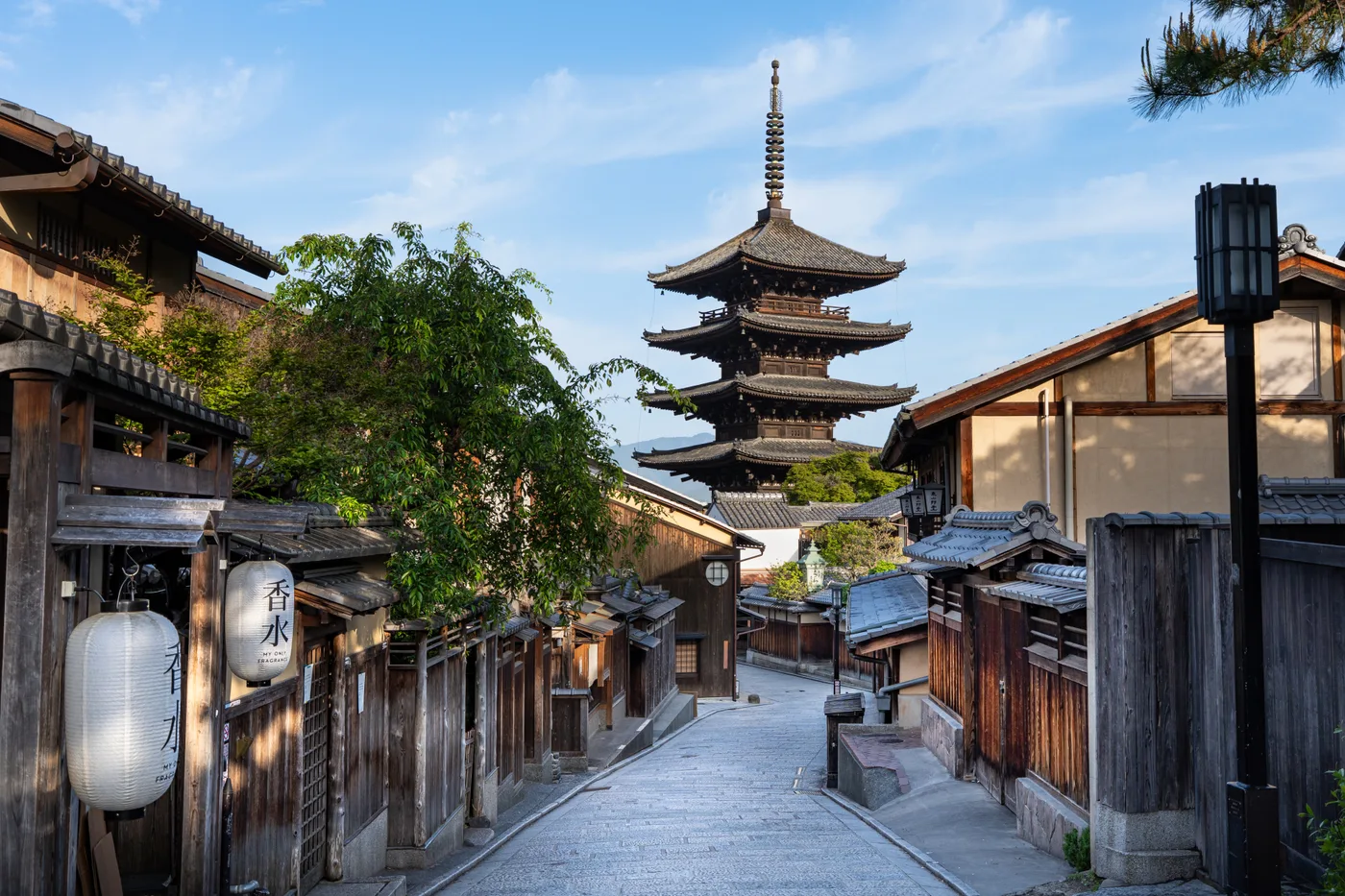
How much can you fit into one week?
Connect Tokyo, a Fuji or Hakone day trip, Kyoto and Osaka with a day-by-day route, travel costs and booking advice.
Explore the 7-day routeFrequently Asked Questions
First ask your hotel, which may hold bags for guests before check-in or after checkout. Otherwise, reserve a staffed storage location through Bounce, Radical Storage or ecbo cloak. Major stations also have staffed baggage counters, although their hours and capacity vary. Booking an app-based location is the safest fallback when you need a confirmed place for a large suitcase.
Coin lockers commonly cost about 300 to 1,000 yen per calendar day, depending on size and location. As of July 2026, ecbo cloak lists 500 yen for a small bag and 800 yen for a suitcase. Bounce and Radical Storage prices vary by city, host and date; central listings are commonly around 500 to 850 yen per bag per day. Always check the final booking total because service fees and multi-day rules can differ.
Often, yes. Many hotels will hold luggage for registered guests before check-in and after checkout, usually at no charge, but the policy is not universal. Vacation rentals, unmanned hotels and some capsule hotels may not offer it. Ask the property first; if it cannot help, reserve storage near the station or neighborhood where you plan to spend the day.
Bounce offers dense English-first coverage in Tokyo, Osaka and Kyoto. Radical Storage gives JAPANODE readers 6% off with code JAPANODE and advertises a booking guarantee; check the current guarantee terms before paying. ecbo cloak is Japan-based, advertises more than 3,500 locations nationwide, and lists simple 500-yen and 800-yen daily price tiers. The best choice is the well-reviewed location closest to your route with opening hours that match your pickup time.
Storage means you leave a bag somewhere and return to the same place to collect it. It suits a gap before check-in, a day trip or a late flight. Delivery sends the bag to another hotel or airport and is better when you will not need it until your next stop. Delivery commonly requires at least one day of lead time, although limited same-day services exist.
Usually, but read the rules printed on that locker bank. Most charge by calendar day rather than by a rolling 24-hour period, so crossing midnight can trigger another day's fee. Stations also impose a maximum storage period, commonly around three days, after which staff may remove the bag. For a multi-day side trip, staffed app storage or luggage delivery is usually easier to plan.
On the Tokaido, Sanyo, Kyushu and Nishi Kyushu Shinkansen, baggage with total dimensions over 160 cm and up to 250 cm requires a seat with an oversized-baggage area. The reservation has no extra charge when made with the seat; taking oversized baggage without it can incur a 1,000-yen fee. Bags over 250 cm cannot be brought aboard. Storage or hotel-to-hotel delivery may be easier for very large items.

Written by
JAPANODE
Based in Japan, sharing real travel tips & local insights for visitors. Follow us on Instagram @thejapanode for daily Japan content.
You Might Also Like
 Transportation
Haneda Airport to Tokyo in 2026: Monorail, Keikyu, Limousine Bus & Taxi
12 min read
 Day Trips
Mt Fuji Day Trip from Tokyo: Tour, Train & Bus Compared (2026)
17 min read
 Planning
First Time in Japan: 15 Things You Need to Know Before You Go
19 min read
 Transportation
The Complete Guide to Japan's Train System for First-Time Visitors
16 min read