On this page
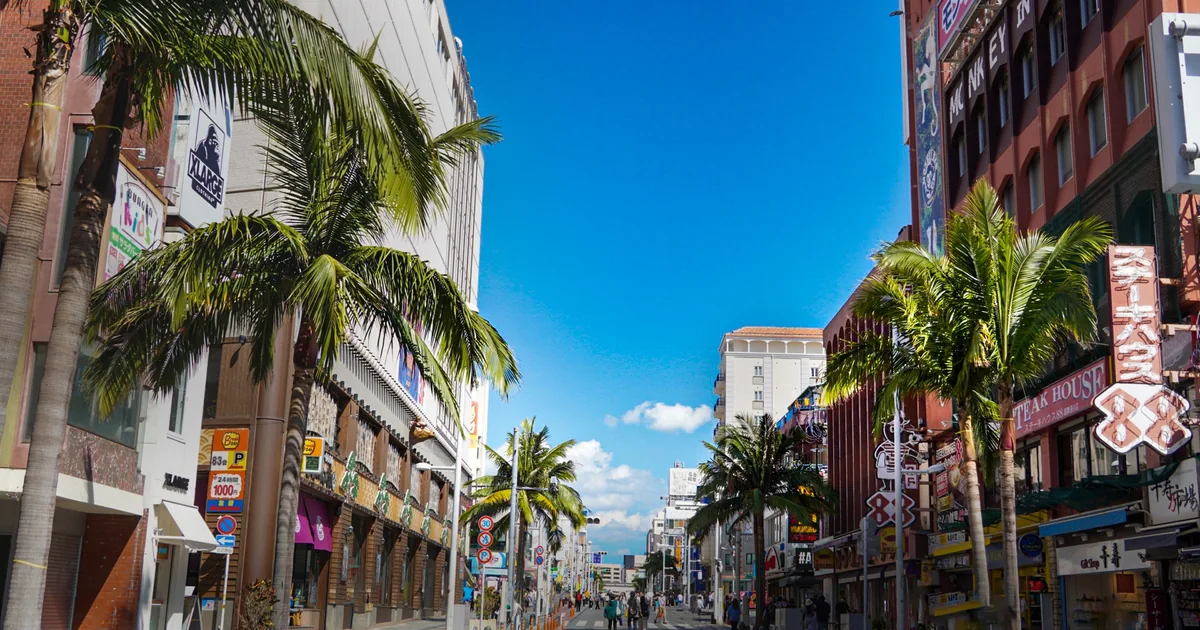
For one day in Naha, connect Kokusai Street, First Makishi Public Market and Tsuboya's pottery streets on foot. Start near Kencho-mae Station, leave the main street for lunch around the market, and spend the afternoon browsing ceramics or taking a cafe break. You do not need a rental car for this central route.
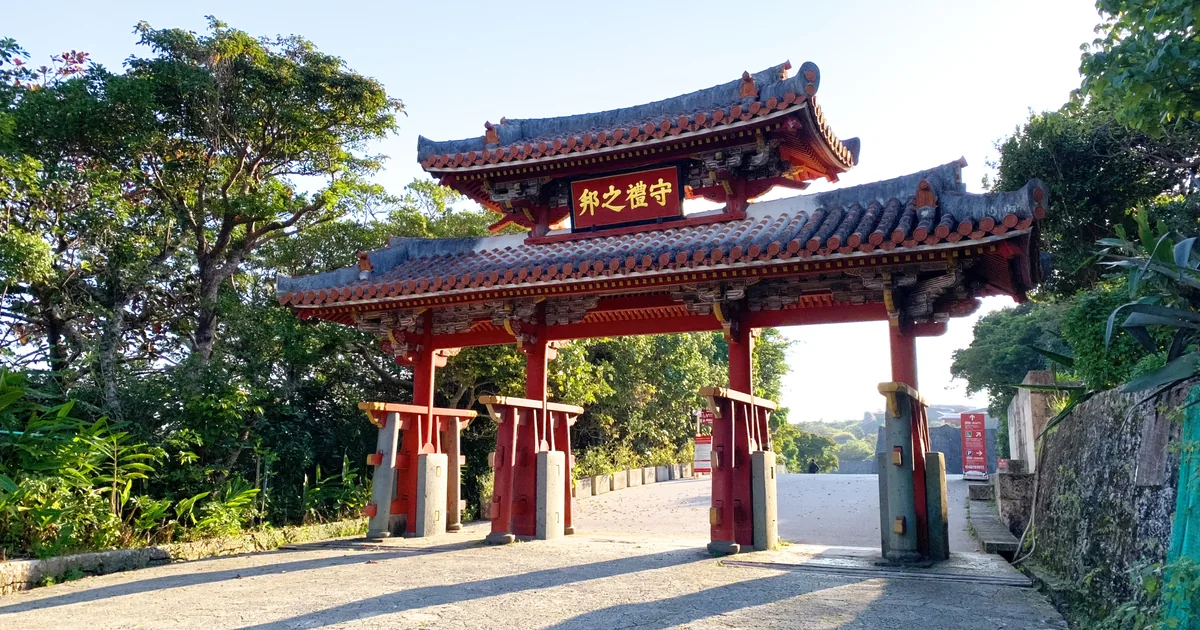
Keep Shuri Castle as a separate half-day choice. It can share a day with a shorter city walk, but adding it to a full morning of shops, a long market lunch and a pottery afternoon leaves little flexibility. Our Shuri Castle guide covers the November 2026 reopening and reservations.
This is an editorial walking plan, with suggested time allowances rather than a timed tour. Current operating details were checked on October 14, 2026. I visited Kokusai Street in May 2019 using the train and walking; the market and pottery suggestions below are based on current official information. The credited photographs are stock images.
The route at a glance
The route has three nearby areas, each worth experiencing at a different pace. Kokusai Street provides the main shopping corridor; the market adds food and side streets; Tsuboya gives the afternoon a focus beyond souvenir shopping.
| Part of the day | Suggested plan | Time to allow |
|---|---|---|
| Around 10:00 | Begin near Kencho-mae and walk east along Kokusai Street. | Around 60–90 minutes with stops. |
| Late morning | Turn into the market streets and browse First Makishi Public Market. | Around 30–60 minutes before eating. |
| Lunch | Choose a market meal or a nearby restaurant. | Around an hour, longer if arranging food preparation. |
| Early afternoon | Continue to Tsuboya for pottery shops, then a break. | Around 60–90 minutes, more for serious shopping. |
| Later afternoon | Return toward Makishi Station or your accommodation. | Leave flexibility for the walk and purchases. |
| Evening, if staying in Naha | Come back for dinner and the lit-up street. | A separate outing, not an obligation to stay out all day. |
These allowances include browsing; they are not official journey times. On the map, each part looks short. Shops, food choices and pauses are what fill the day, so resist adding another distant attraction just because you can walk between two points quickly.
For a late arrival, reduce the plan to one end of Kokusai Street, a meal and a look into the nearby arcades. For a departure day, decide the luggage-pickup and airport times before choosing how much of the route to do.
Where to start and how the areas connect
Kencho-mae Station is a useful starting point for the western end of Kokusai Street. Walk toward the street, then follow it east until you are ready to turn into the market district. Use the shopping association's official map to identify the entrances rather than trying to walk the whole main road before looking for lunch.
The official Okinawa tourism guide describes Kokusai Street as approximately 1.6 kilometers long. The market and Tsuboya sit off this corridor, so the full outing includes additional walking. Treat the street length as orientation, not the total distance for the day.
If your accommodation is already near Makishi or Miebashi, begin with the market side instead. There is no reward for traveling west merely to reproduce a suggested starting point. You can reverse the street walk or finish near the station that best suits the next journey.
For direct market access, Naha City gives walking estimates of about nine minutes from Makishi Station and ten minutes from Miebashi Station. The current market address is 2-10-1 Matsuo. Save that address if using older travel notes: the market was rebuilt and reopened in 2023, and older references may describe its temporary premises. See the city's current market information.
Morning: Kokusai Street and its side streets
Start with a walk rather than a list of shops to complete. Look at the main street, then choose one or two things you actually want to browse: a food souvenir, clothing, a small gift or somewhere to eat later. This keeps the morning from becoming the same souvenir shop repeated along the road.
The Kokusai Street association maintains a shopping directory and event notices. It is useful for checking a specific business or festival before your visit. Individual shops set their own hours, so a morning start does not mean every storefront is already open.
Once you reach the market side, turn into the smaller shopping streets and arcades. You can browse here without immediately committing to a sit-down meal. Keep enough appetite for lunch, and note the restaurant entrance if you plan to come back rather than relying on a general map pin for the whole market neighborhood.
Sunday walking events and market closures
The association describes a usual Sunday Transit Mall period from 12:00 to 18:00, with weather cancellations and changes for events. Check its dated notices for your Sunday instead of assuming the road will be pedestrian-priority on every visit.
This schedule is separate from the public market's opening calendar. In particular, the fourth Sunday can be a regular market closing day even when other parts of the shopping district are active. Choose Sunday for the street atmosphere if that appeals to you, but verify lunch independently.
Lunch: First Makishi Public Market
The market is a food-shopping building within the surrounding market district, not another name for Kokusai Street. You can browse the stalls, choose a meal upstairs, or use the market's system for having selected ingredients cooked.
The market's official visitor guide explains the mochiage arrangement: buy suitable ingredients downstairs and have them prepared at an upstairs restaurant. Payment for ingredients and cooking is separate, and cooking charges vary with the preparation.
Before buying, ask which ingredients can be prepared, which restaurant will cook them, the combined expected cost and how much food is suitable for your group. Do this while you can still change your choice. A photographed seafood display does not establish a set meal price.
If you would rather keep lunch simple, choose a menu-priced meal instead. The point of the stop is to enjoy lunch, not to turn ordering into a compulsory activity. Give yourself more time if you want staff to explain unfamiliar ingredients, and avoid putting a timed castle booking immediately after it.
Current hours and closing days
The building's published operating span is 08:00–22:00, but individual shops differ. The official market site lists last orders for the downstairs ingredients prepared upstairs at 19:45, subject to the eligible products, and upstairs restaurant last orders at 20:00. This daytime route avoids relying on those final ordering times. Check the market's current notices if a particular meal is central to your plans.
Naha City lists the fourth Sunday of each month, except December, as the regular closing day. Its additional closures include January 1–3 and the sixteenth and seventeenth days of the seventh lunar month for the Obon period. Other shop-specific holidays can apply. Lunar dates do not translate into the same Gregorian dates every year.
If the market is closed, keep the Kokusai Street walk and choose an open restaurant separately. A closed market does not mean that the entire neighborhood has closed, but it does change what kind of lunch experience you should expect.
Afternoon: Tsuboya pottery streets
Continue toward Tsuboya if ceramics, small shops and a slower walk appeal to you. Yachimun is Okinawan pottery; the appeal here is seeing different forms and makers rather than finding one required photo stop. The official Okinawa introduction to Tsuboya explains the craft's place in local life and the area's pottery tradition.
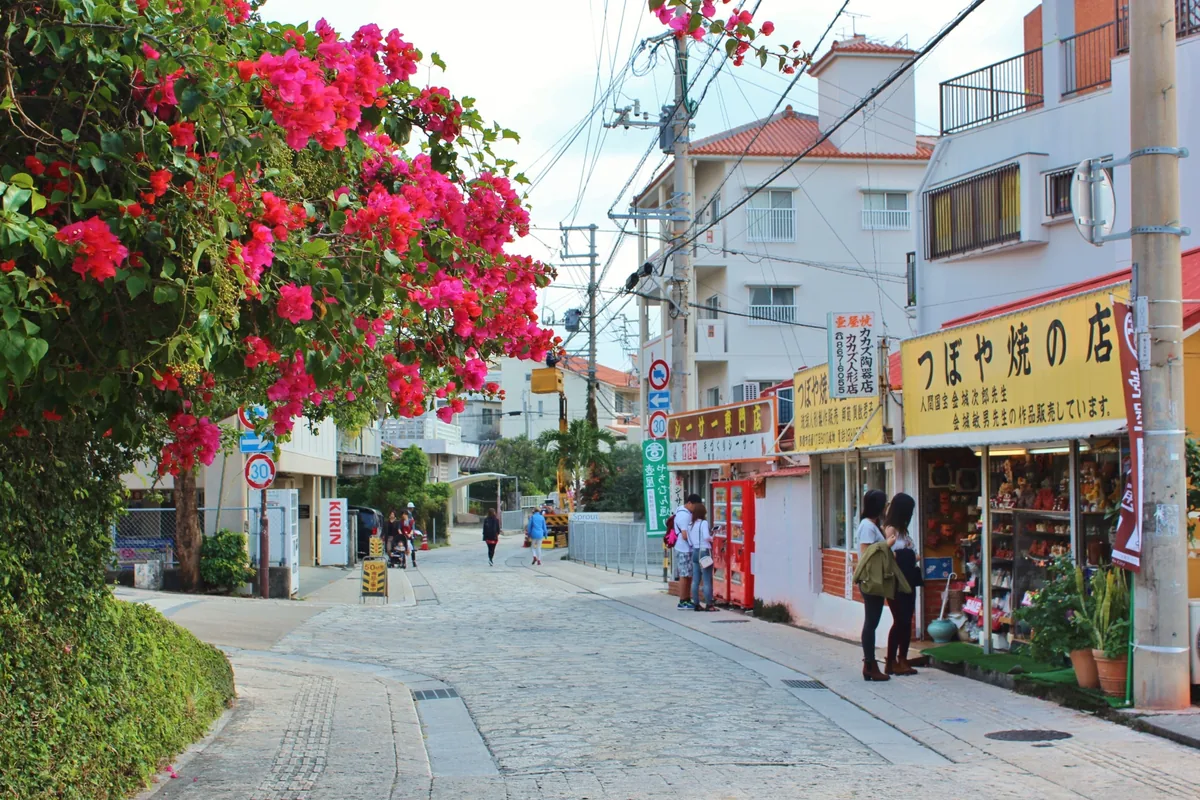
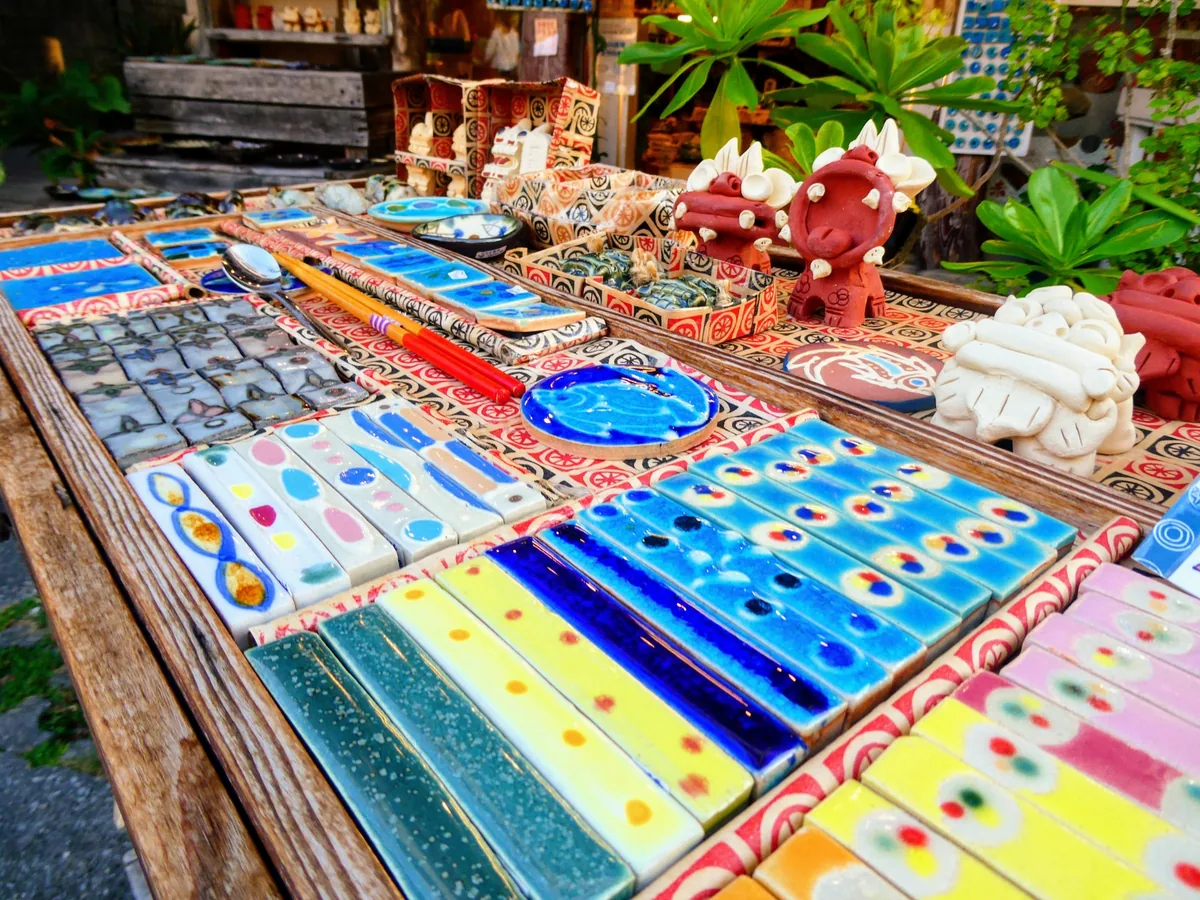
Choose a few shops from the local street association's directory instead of expecting every studio to welcome drop-in visitors. Opening days vary, and browsing, watching production and taking a class are different activities. If a workshop matters to you, book the actual activity and check its language, duration and collection or shipping arrangements.
For buying ceramics, ask about the maker, where the piece was produced and how it should be used. Then consider how to carry it for the rest of your trip. A cup you love and can pack securely is often a more satisfying purchase than several fragile items bought in a hurry.
The city's Tsuboya square page places the square around 800 meters, or a ten-minute walk, from Makishi or Asato Station. Use that as orientation for returning to the monorail; your final shop and the route you choose will change the actual walk.
Naha City lists renovation closure from September 1, 2026 through March 31, 2027, with reopening scheduled for April 1, 2027. The street and shops are the focus of this route. Do not use museum admission as a rainy-day fallback during that period. Check the city's museum notice before a later visit.
Adding Shuri Castle: shorten the central walk
If Shuri is your main priority, give it a half-day block and reduce the city portion to lunch and a shorter Kokusai Street walk. Choose the castle date and, when applicable, its interior reservation first.
The reconstructed Seiden is scheduled to open at noon on November 23, 2026. The whole park closes November 22; November 23 has special opening times. The official hours notice distinguishes the free area inside the walls, opening at 11:15, from the paid area opening at noon. A normal morning castle plan does not work on that date.
Our Shuri Castle ticket and access guide explains which ticket includes the interior and the walking time to allow after the monorail. For a combined day, I would choose either the castle plus the market or the castle plus pottery browsing, rather than try to preserve every stop in this full city route.
Keep Churaumi Aquarium and Bise for another day. Their northern location makes them a separate excursion from this central walking plan. The five-day Okinawa itinerary shows how to give each area its own time.
Airport transport, tickets and luggage
Use Yui Rail to connect the airport with central Naha, then choose the station nearest your accommodation or first stop. The operator's ticket information lists ordinary tickets, IC-card options and passes.
The standard station-issued adult one-day pass is ¥1,000 and two-day pass is ¥1,800, valid for 24 or 48 hours from issue respectively. These are the station-issued products; another digital ticket can have different conditions. Add up the actual rides you plan before buying a pass. A mostly walking day with only a journey into the center and a journey back may not justify unlimited travel.
Our Okinawa without a car guide covers how this city transport fits with longer excursions. A Yui Rail pass alone does not get you to the northern aquarium or around Kouri Island.
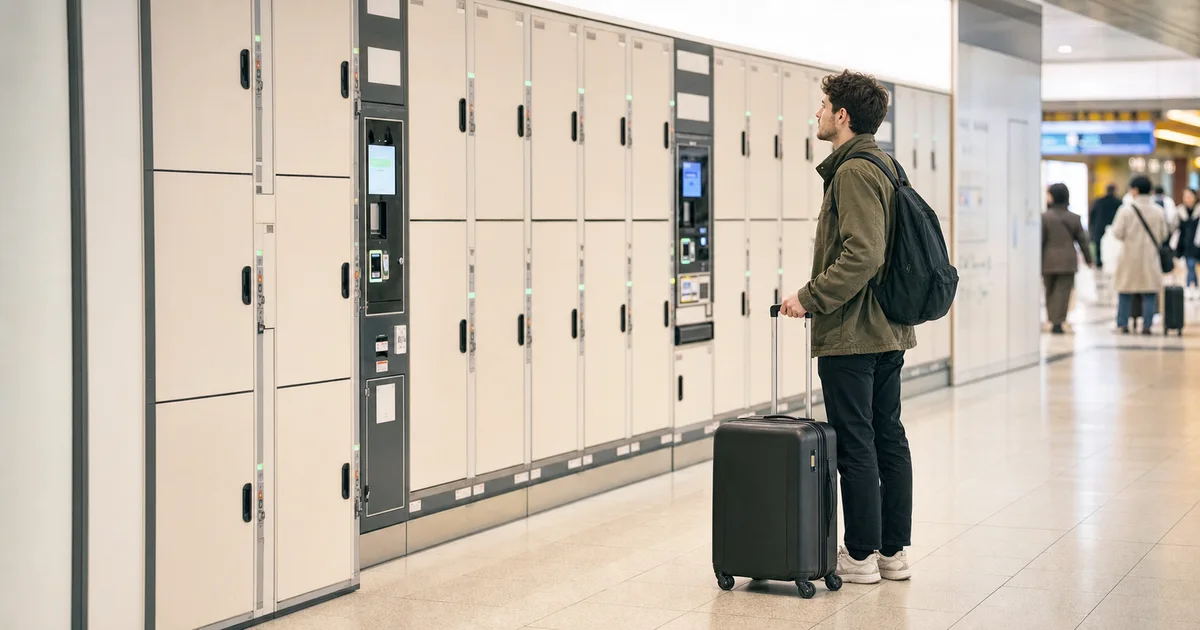
For a departure day, ask your hotel whether it can hold bags after checkout. Choose storage with a pickup location and closing time that fit the airport journey. The Japan luggage storage guide explains the checks to make before relying on a locker or staffed service. Do not plan to drag a suitcase through a full afternoon of crowded shops and ceramics displays.
Work backward from the time your airline wants you at the terminal, then allow for collecting bags, reaching the station and the airport connection. A train's riding time alone is not your departure-day travel allowance.
Shorter versions for arrival, heat or rain
A flexible route is useful because this day is mostly walking and browsing rather than a chain of fixed reservations.
| Your situation | Keep | Shorten or skip |
|---|---|---|
| Two or three hours after arrival | A section of Kokusai Street and one meal. | The full street walk and the pottery district. |
| A hot afternoon | Market lunch, a break, and a few selected shops. | Repeated trips back and forth along the main road. |
| Showers | Shorter walks between open shops and covered market streets. | A long outdoor pottery walk if it stops being enjoyable. |
| Market closing day | Kokusai Street and independently checked restaurants. | The mochiage lunch plan. |
| Castle reservation day | Shuri and one compact city block. | Trying to reproduce the entire walking itinerary. |
Covered arcades can help during showers, but the full route is not indoors. Severe weather can affect transport and businesses, so an indoor plan still needs current opening information. Our summer clothing guide helps with layers, sun exposure and the transition into air-conditioned shops.
Dinner, souvenirs and the evening
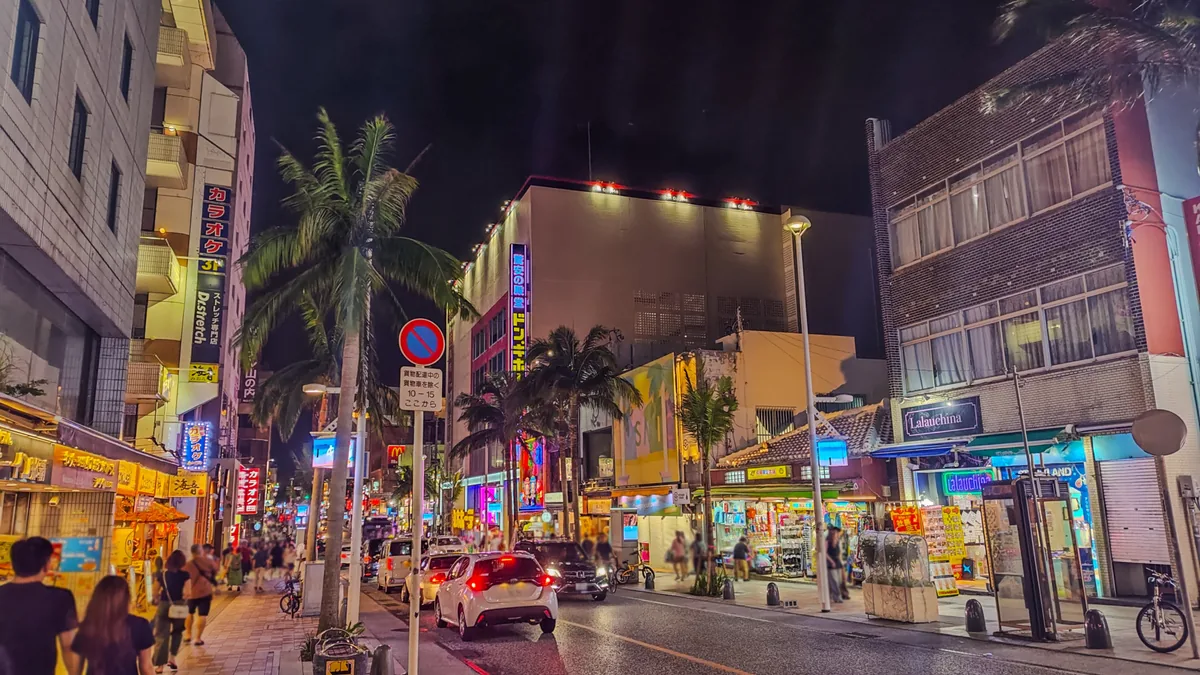
If staying in Naha, take a break at your accommodation before deciding whether to return for dinner. The street after dark offers a different setting from a daytime shopping walk, and you do not need to remain outside continuously to experience both.
Use the evening for the meal you most want rather than another round of snacks by default. Check a restaurant's menu, opening day and reservation requirements directly, especially if you need particular ingredients or seating.
Keep souvenirs in the budget separately from food and transport. For packaged foods, check the label and your destination's entry rules before purchasing something to take home. For pottery, ask for protective packing and consider luggage space before the final evening.
You can enjoy this route without paying for a guided tour: the main costs are the journeys you use, meals, drinks and whatever you choose to buy. A booked craft experience changes both the budget and the time available, so make it the focus of the afternoon if you choose one. For the rest of your island stay, continue with the Okinawa main-island itinerary.
Make it your trip
Still planning your Japan trip?
Pick the question on your mind. Compare your options, check the details and take one more thing off your list.
How should you spend five days in Okinawa?
Connect Naha, Churaumi and Kouri Island with realistic travel days, a choice of bases and an optional island trip.
Plan my five days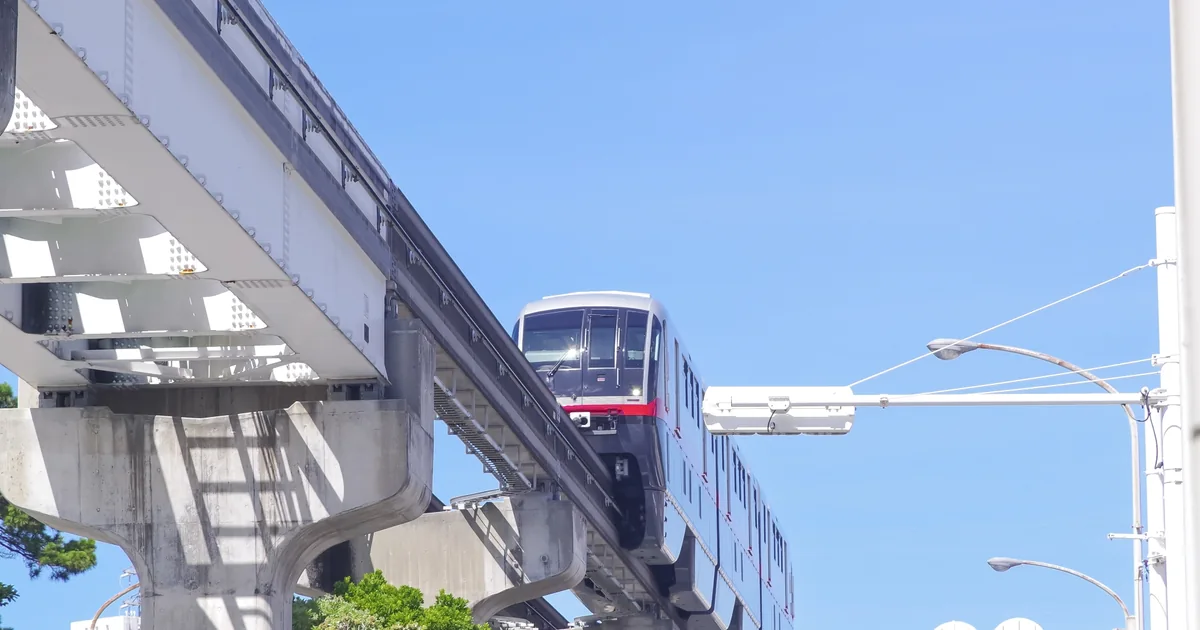
Where can you go without a car?
Compare the monorail, airport shuttle and day tours, then choose a base and route that fit your plans.
Compare my transport options
What should your travel insurance cover?
Compare medical cover, cancellation and activity limits across five options, with the exclusions worth checking.
Compare cover & limitsFrequently Asked Questions
One day is enough for a focused walk around Kokusai Street, Makishi's market area and Tsuboya, with time for food and shopping. Adding Shuri Castle means shortening that walk or using another half day.
Yes. Use Yui Rail to reach central Naha, then walk between the street, market and pottery district. Kencho-mae is useful for the western end of Kokusai Street, while Makishi and Miebashi are useful near the market side.
The regular closing day is the fourth Sunday of each month except December. Naha City also lists January 1–3 and the sixteenth and seventeenth days of the seventh lunar month as closures. Individual shops can have additional closing days.
As checked on October 14, 2026, Naha City lists a temporary closure from September 1, 2026 through March 31, 2027 for renovation, with reopening scheduled for April 1, 2027. The itinerary uses the pottery street and shops rather than museum admission.
Yes, if you give the castle its own half-day block and shorten the central walk. The reconstructed Seiden is scheduled to open at noon on November 23, 2026, with timed interior reservations. The park closes on November 22 and has special opening times on November 23.

Written by
JAPANODE
Based in Japan, sharing practical travel guidance and clearly dated personal experiences.
You Might Also Like
Itinerary5-Day Okinawa Itinerary: Naha, Churaumi and Kouri Island
10 min read
TransportationOkinawa Without a Car: Naha, Churaumi and Day Trips
9 min read
 Culture
Shuri Castle Guide: 2026 Reopening, Tickets and How to Visit
9 min read
 Transportation
Luggage Storage in Japan: Lockers, Apps & Delivery
11 min read