On this page
For an English sake tasting in Tokyo, start by choosing the kind of experience you want. WASAKE in Asakusa is a straightforward candidate for a guided introduction; Sake Studio in Kanda puts the emphasis on sake with small-bite food pairings. If you would rather buy a few samples without committing to a full session, the Japan Sake and Shochu Information Center in Nishishinbashi provides a lower-cost weekday alternative.
These choices serve different purposes. A guided session buys you time with a host and a structured way to compare drinks. A tasting counter gives you more control over how much time and money to spend. None of the three should be booked on the assumption that it includes a working brewery tour.
We checked the operators' information and the linked marketplace descriptions on October 18–19, 2026. This is a researched comparison, not a claim that we personally attended these experiences. Affiliate disclosure: JAPANODE may earn a commission from the booking links below, at no extra cost to you.
Quick comparison: lesson, pairing or a few samples?
| Experience | Choose it for | Time | Food and cost distinction |
|---|---|---|---|
| WASAKE, Asakusa | An English introduction with a specialist, or a more structured sommelier session | Official programs: 105 minutes | Light snacks; official standard ¥8,000, sommelier edition ¥11,000 per person |
| Sake Studio, Kanda | An English-led comparison of sake with small-bite pairings on selected weekends | About 1 hour 45 minutes to 2 hours, depending on booking description | Official public-session price ¥11,990 per person with small-bite pairings; private requests priced separately |
| JSS Information Center, Nishishinbashi | A flexible, low-cost introduction during a weekday | Our suggested allowance: 30–60 minutes | Free entry; paid samples advertised from ¥100 a cup |
The WASAKE and Sake Studio prices above are official direct-booking prices at the time of our check. Klook and GetYourGuide may show different totals. The JSS starting price applies to individual samples rather than a guided course.
If you want a broader meal-and-neighborhood outing, our Tokyo food-tour comparison may be a better starting point. Choose a sake-focused session when the drink and the opportunity to ask questions are the main reasons for booking.
WASAKE in Asakusa: a focused introduction in English
WASAKE's official program page lists two English-hosted formats. The standard session is advertised as 105 minutes with 10 sake labels, led by a specialist. The sommelier edition uses a more structured workshop format and is also 105 minutes. The listed direct prices are ¥8,000 and ¥11,000 respectively.
For a first experience, begin with the standard format unless the advanced session's teaching approach specifically appeals to you. You do not need to choose the more expensive option simply because you are unfamiliar with sake. The useful comparison is the host, lesson structure and opportunity to explore your own preferences.
The operator explicitly describes its snacks as light palate cleansers, not a meal or formal food-pairing experience. Plan lunch or dinner separately. This is a meaningful distinction from Sake Studio: it helps you decide whether to make sake the main activity or part of an outing built around food.
Fitting WASAKE into an Asakusa day
Arrange your sightseeing around the session's actual start time. A practical plan is to explore Asakusa, eat, and then attend the tasting with enough time to find the venue. Avoid scheduling a long cross-city journey immediately afterward if you want to stay and ask questions or browse nearby.
For the final approach, use the operator's current address and station guidance. WASAKE's official page points visitors toward Tawaramachi on the Ginza Line. Searching only for “Asakusa Station” can produce a different approach, since the neighborhood has several railways and entrances. Save the venue itself rather than a generic neighborhood pin.
The Klook listing offers WASAKE's tasting formats. Read the selected package name and inclusions: a standard tasting and a sommelier workshop are not interchangeable even when they appear under one product page.
WASAKE Sake Tasting in Asakusa
Best for
Visitors who want a dedicated sake lesson while spending time in Asakusa.
Before booking
Light snacks are not a meal; the standard and advanced programs have different content and prices.
Why it may fit
Choose an English-hosted introductory tasting or a sommelier-led workshop. Compare the selected program's teaching format and inclusions before booking.
Sake Studio in Kanda: compare sake with food
Sake Studio's official booking page describes a tasting with seven sake selections and four courses of small bites, hosted by English-speaking sommeliers. This is the more relevant choice of the two guided experiences if you want to discuss how a drink changes alongside food.
The official page describes roughly two hours, while the GetYourGuide listing gives 105 minutes. Allow about two hours for planning and use the duration on your confirmed reservation for the exact session. The portions are small bites, so plan a separate meal if you need a full dinner.
Check the date before arranging the rest of your day. The operator's current offerings describe public tastings on selected dates across two or three weekends a month, normally with up to six guests. The listed direct price is ¥11,990 per person. Private tastings on requested dates are a separate arrangement with group-based pricing; a weekday or a date absent from the public calendar needs an inquiry rather than an assumption of availability.
A pairing session is useful when you want to learn something you can use at a later meal. Try a drink, take a bite, then return to the same glass. Ask the host what changed and why that combination was chosen. You may leave with a better idea of what to order with dinner even if you cannot remember every classification name.
Use the tasting venue, not the company's registered address
The current official booking page gives Linden Haus, 1-9-9 Kanda Ogawamachi, Chiyoda as the tasting-room location. The linked marketplace's meeting information also places the experience there. Use that full address and your reservation instructions when planning the final walk.
“Kanda” here is the area name; it is not an instruction to leave at Kanda Station regardless of your route. Let a live journey planner choose the suitable station for the actual venue. A company's profile address may differ from its current tasting room, which is why the meeting instructions deserve a separate check.
Sake Studio: Sake and Small-Bite Pairing
An English-led sake experience in Kanda with seven sake selections and a four-course small-bite pairing format, according to the operator and listing.
Best for
Visitors interested in how sake works with food, with time for a hosted session.
Before booking
Public sessions run on selected weekends; other dates may require a separately priced private request.
Live price & availability
Powered by GetYourGuide · we may earn a commission at no extra cost to you.
Ask about any allergy or dietary restriction before booking. A description of a pairing menu does not establish whether the kitchen can make a suitable substitution. If you need precise control over ingredients or portions, a separate restaurant meal and a tasting-only format may be easier to arrange.
JSS Information Center: a low-cost weekday option
The Japan Sake and Shochu Information Center, operated by the Japan Sake and Shochu Makers Association, is at 1-6-15 Nishishinbashi, Minato, with free admission. Its official visitor information lists 10:00–18:00 on weekdays, with closure on weekends, Japanese public holidays and during the year-end/New Year period. Check for temporary closures or event notices before making a special journey.
The center offers displays and paid tastings, advertised from ¥100 a cup, with tasting sets also available. Entry is free; the drinks are not. It is a useful way to make a small, self-directed comparison without committing to a workshop's price or length.
Choose it if you are curious but uncertain whether sake merits a large part of your travel budget. Our suggested allowance is 30–60 minutes, depending on how much of the displays you explore. Staff assistance and ordinary admission should not be treated as a guaranteed private English lesson.
This option also has a different scheduling role: it can fit into a weekday central-Tokyo outing. It is not a late-night bar recommendation, and weekend-only visitors should choose another plan. Groups of 10 or more are asked to contact the center in advance.
Compare the final booking conditions
Compare the same date, party size and program when checking the operator's site against a marketplace. Note the cancellation deadline in Japan time and whether you are buying seats in a public session or requesting a private event. A lower headline price for a different format is not a useful comparison.
| Question | Why it changes the choice |
|---|---|
| Is the selected session in English? | An English website alone does not establish the guiding language |
| Does the selected date have a public session? | Sake Studio's public dates are limited; a private request is a different booking |
| How long is the appointment, including arrival instructions? | A tasting's advertised duration excludes your travel across Tokyo |
| Can the venue accommodate my dietary or access needs? | General descriptions do not resolve individual requirements |
| Where exactly do we meet? | Venue addresses and railway stations can be easy to confuse |
A small amount of sake vocabulary is enough
You do not need to study before attending. However, knowing what a few terms refer to can make your questions more useful. Nihonshu is the Japanese rice-based drink usually called sake in English. Junmai indicates a category made without added brewing alcohol; ginjo and daiginjo relate to production requirements including rice polishing. These labels are not a simple ranking of which drink you will enjoy most. The JSS guide to bottle labels explains the categories.
Rather than asking for the “best sake,” give the host an ordinary description: something aromatic, something less sweet, a richer drink or a sake that would suit your next meal. If you are unsure how to describe a glass, compare it with the previous one. Is it lighter, more savory, sharper or more fragrant to you?
A useful tasting note needs only three things: the bottle's name, the word that helps you remember it, and whether you liked it with food. With permission, photograph the label so you can recognize it later. An impressive-sounding classification is less useful than a name you can show to a shop assistant.
There is no need to finish every sample or match another participant's pace. Ask for water and take the session at a level that is comfortable for you. The number of labels advertised describes the experience's range; it should not become a personal drinking target.
Put one tasting into your Tokyo itinerary
Match the session to the part of Tokyo you already plan to visit. An Asakusa sightseeing day pairs naturally with WASAKE. For Sake Studio, secure a suitable public date or a private arrangement before fitting other activities around Kanda Ogawamachi. Put the JSS center in a weekday daytime itinerary.
A tasting can also work on a wet day, but you still need to travel to the venue and a scheduled session needs availability. Our Tokyo rainy-day guide offers other indoor options if the time or age restrictions do not suit your group. The five-day Tokyo itinerary can help you place a single reserved experience without crossing the city repeatedly.
When a brewery visit is a better choice
If what excites you is a brewing building, equipment or the setting where sake is produced, a city tasting may not answer that interest. Choose a dedicated brewery visit and check exactly what visitors can see. A museum, a view through glass and a tour of a working production area are different experiences.
For travel through Kansai, our Kobe and Nada brewery guide explains a self-guided route with different types of visitor facilities. The Itami half-day walk focuses on historic buildings and the town's sake heritage. These can complement a Tokyo tasting because they add a sense of place rather than repeat the same lesson.
Before paying for any alcohol-focused experience, confirm the participation rules for your group. The legal drinking age is 20 in Japan. Non-drinking companions and younger visitors may be treated differently by each operator, so ask about seating, admission and substitutions. Use public transport rather than driving after a tasting.
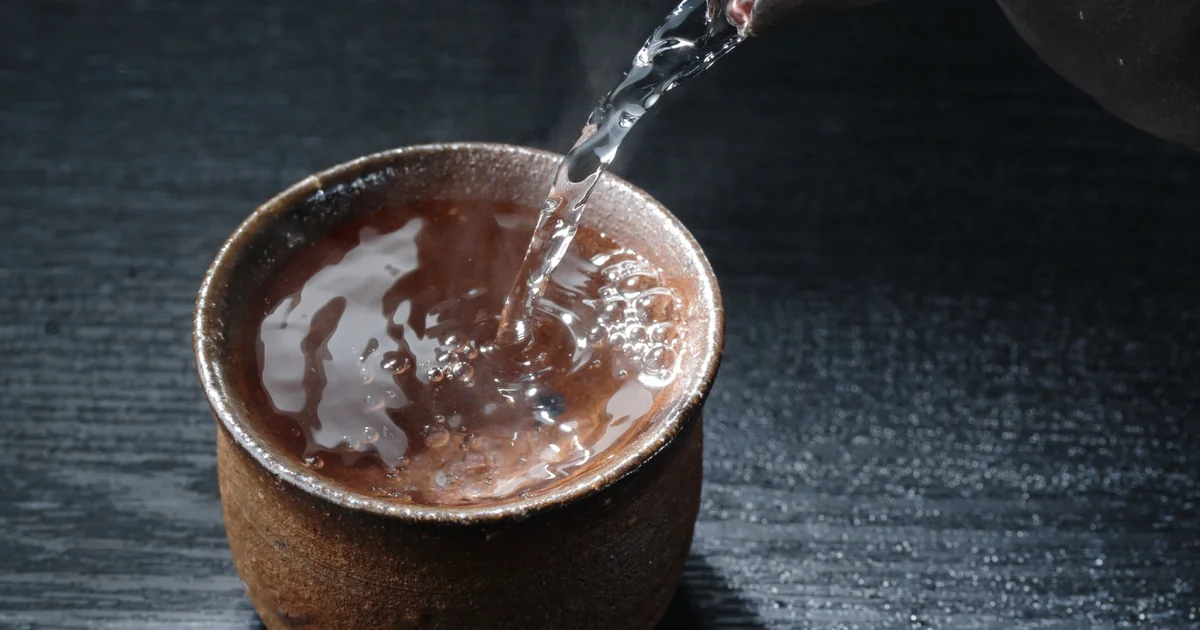
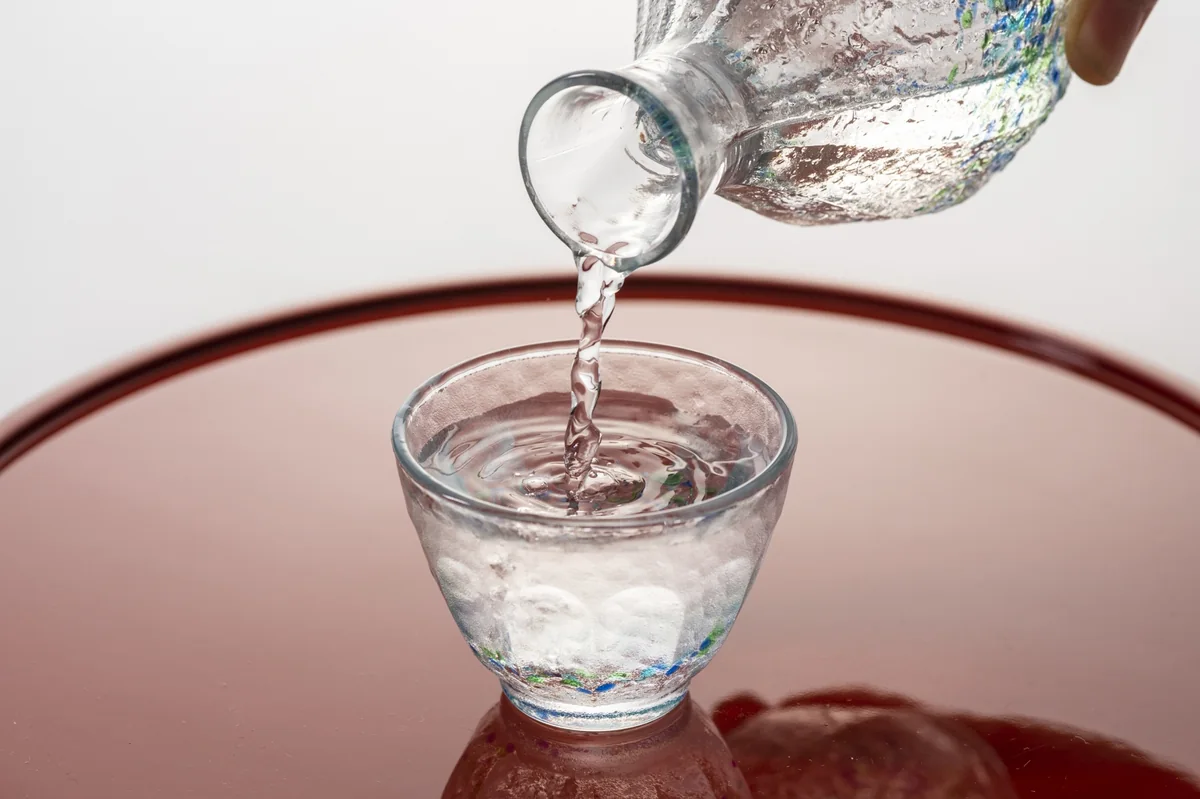
Photographs: Illustrative sake images by 35mm and チリーズ, supplied via PhotoAC. They do not depict WASAKE, Sake Studio or the JSS Information Center, or establish what is included in a booking.
Make it your trip
Still planning your Japan trip?
Pick the question on your mind. Compare your options, check the details and take one more thing off your list.

Which eSIM fits your Japan trip?
Maps, messages, hotspot use: compare five providers by data allowance, network and plan limits before you choose.
Find my Japan eSIM
What should your travel insurance cover?
Compare medical cover, cancellation and activity limits across five options, with the exclusions worth checking.
Compare cover & limitsWould a JR Pass save you money?
Add your train journeys and compare individual tickets with the nationwide pass. See which costs less for your route.
Calculate my rail costsFrequently Asked Questions
WASAKE in Asakusa advertises English-hosted tasting sessions, while Sake Studio in Kanda offers an English-led sake and small-bite pairing experience. Choose according to whether you want a tasting lesson or a food-pairing format, and confirm the language on the selected booking.
At the time of our check, WASAKE's official site listed its standard session at 8,000 yen and sommelier edition at 11,000 yen per person. The JSS Information Center listed paid samples from 100 yen a cup with free admission. Guided experience prices and marketplace totals must be checked for the selected date and package.
No. An introductory guided session is intended to help you compare styles and ask questions. Tell the host what you usually enjoy drinking and describe your preferences in ordinary language; memorizing Japanese classifications is unnecessary.
Not necessarily. WASAKE describes light palate-cleansing snacks rather than a meal. Sake Studio advertises small-bite pairings with its sake selection. Check the quantity and current menu before treating any tasting as a replacement for dinner.
Admission is free, but tastings cost extra. Opening hours are 10:00–18:00 on weekdays; it is closed on weekends, Japanese public holidays and during the year-end/New Year period. Check for temporary closures before visiting. Ordinary admission does not include a reserved guided workshop.
No. The city experiences in this guide focus on learning and tasting. They do not promise a visit to a working brewery. If seeing brewing facilities is your priority, look at a dedicated brewery visit and check the language and production-viewing arrangements.
Written by
JAPANODE
Based in Japan, researching practical travel choices and checking experience details against operator information.