Stories to experience — Kyoto, Uji & Tokyo
Before
the first
sip.
A field under shade. A leaf ground to powder.
A bowl made by hand. Follow the story of matcha.
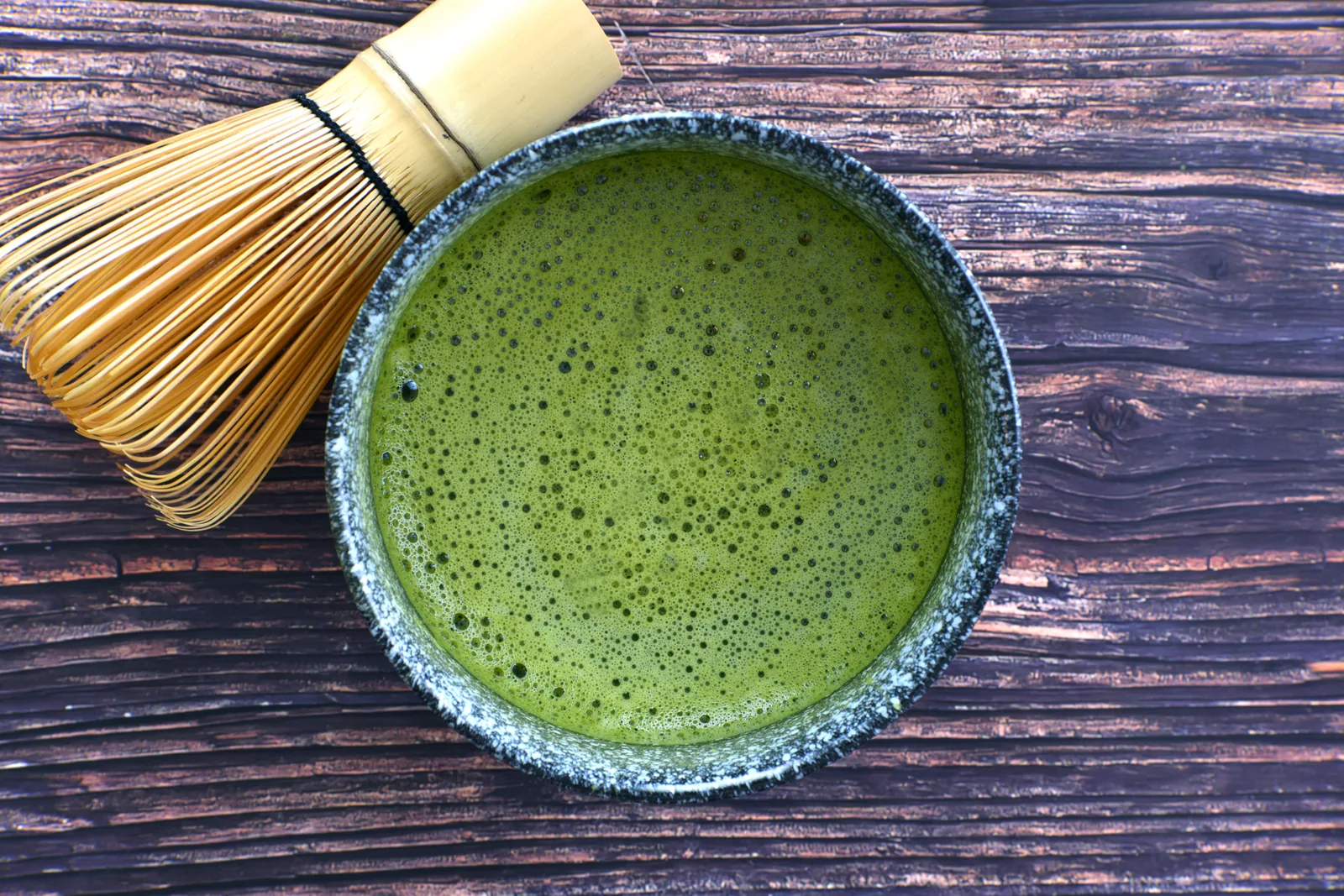
One bowl. Many hands.葉 → 石 → 茶
More than something to drink
A whole landscape.
In one small bowl.
Before the café counter, before the first photograph, there is a field, a maker and a way of doing things passed from hand to hand.
Uji, south of Kyoto, is one place to follow that story. Look closely at how the tea is made, and the green in your bowl becomes a little more interesting.
01 / The leaf
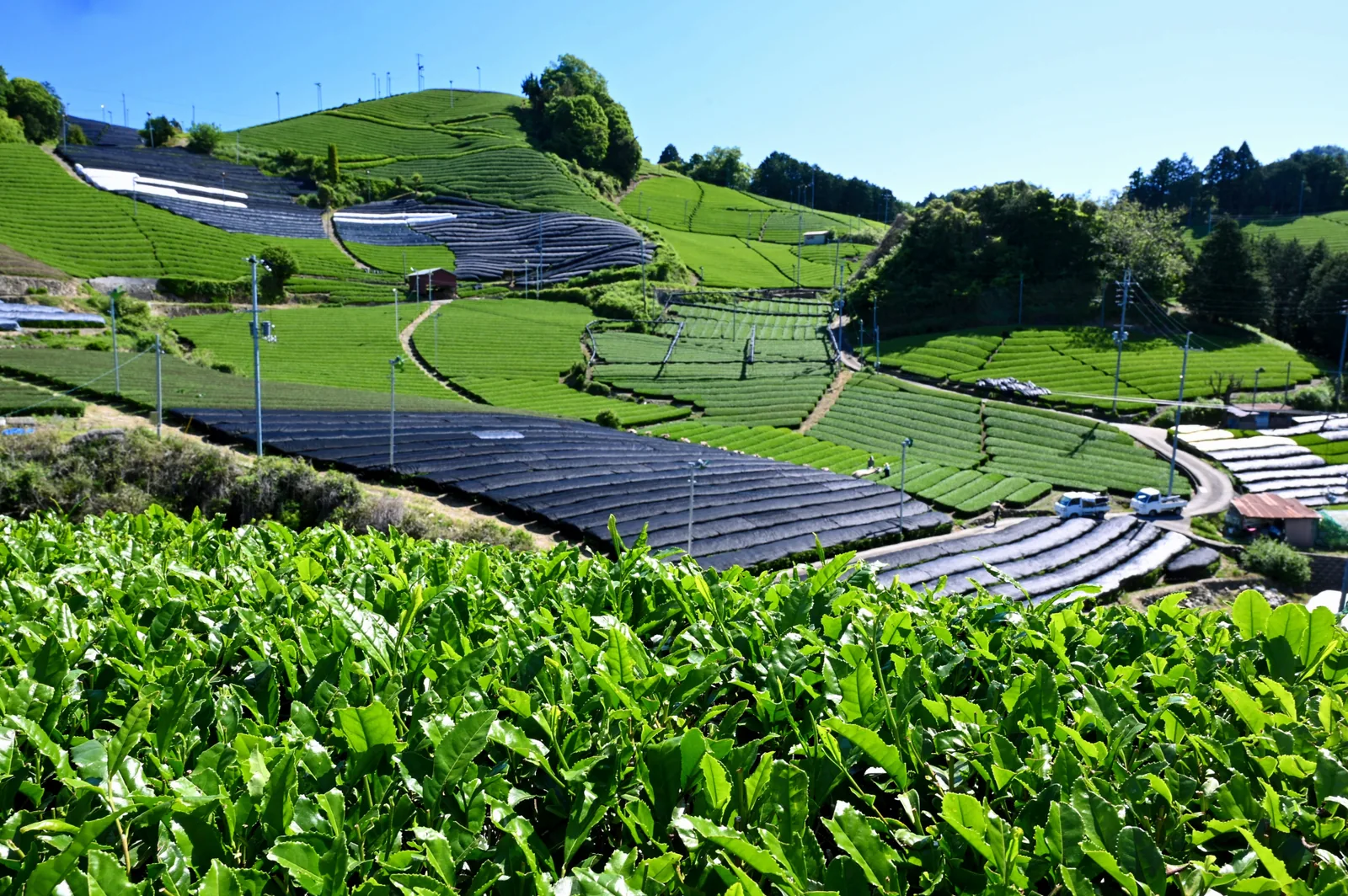
It starts with
a little less sun.
Matcha begins with shade-grown tea. Covering the plants before harvest helps preserve the savory character of the leaves and reduce astringency.
In Uji, shade cultivation developed in the 16th century alongside the growing culture of chanoyu. The field and the tea room were shaping each other.
The history, from Japan's agriculture ministryA few centuries
before your cup
Tea cultivation takes root in Uji, following its introduction through Kyoto's Toganoo.
Shade-grown tea and the flourishing tea ceremony help shape the matcha tradition.
02 / The stone
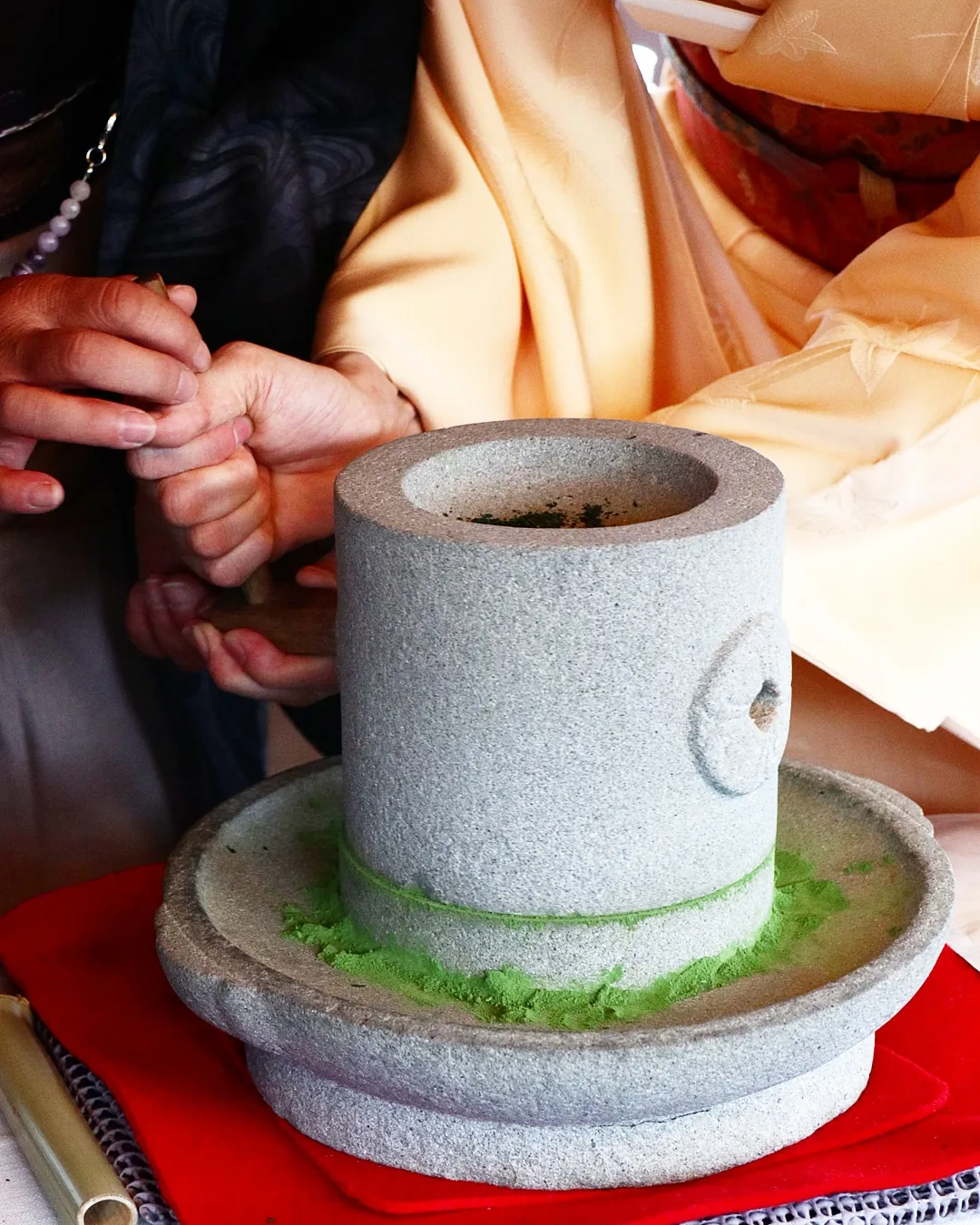
Turn the stone.
Meet the leaf.
The harvested leaves are steamed and dried without rolling. With stems and veins removed, this tea is called tencha. Grinding it into a fine powder produces matcha.
A stone mill makes that transformation visible. Dry leaf goes in; soft green powder gathers below. Imagine feeling the weight of the handle before tasting what it makes.
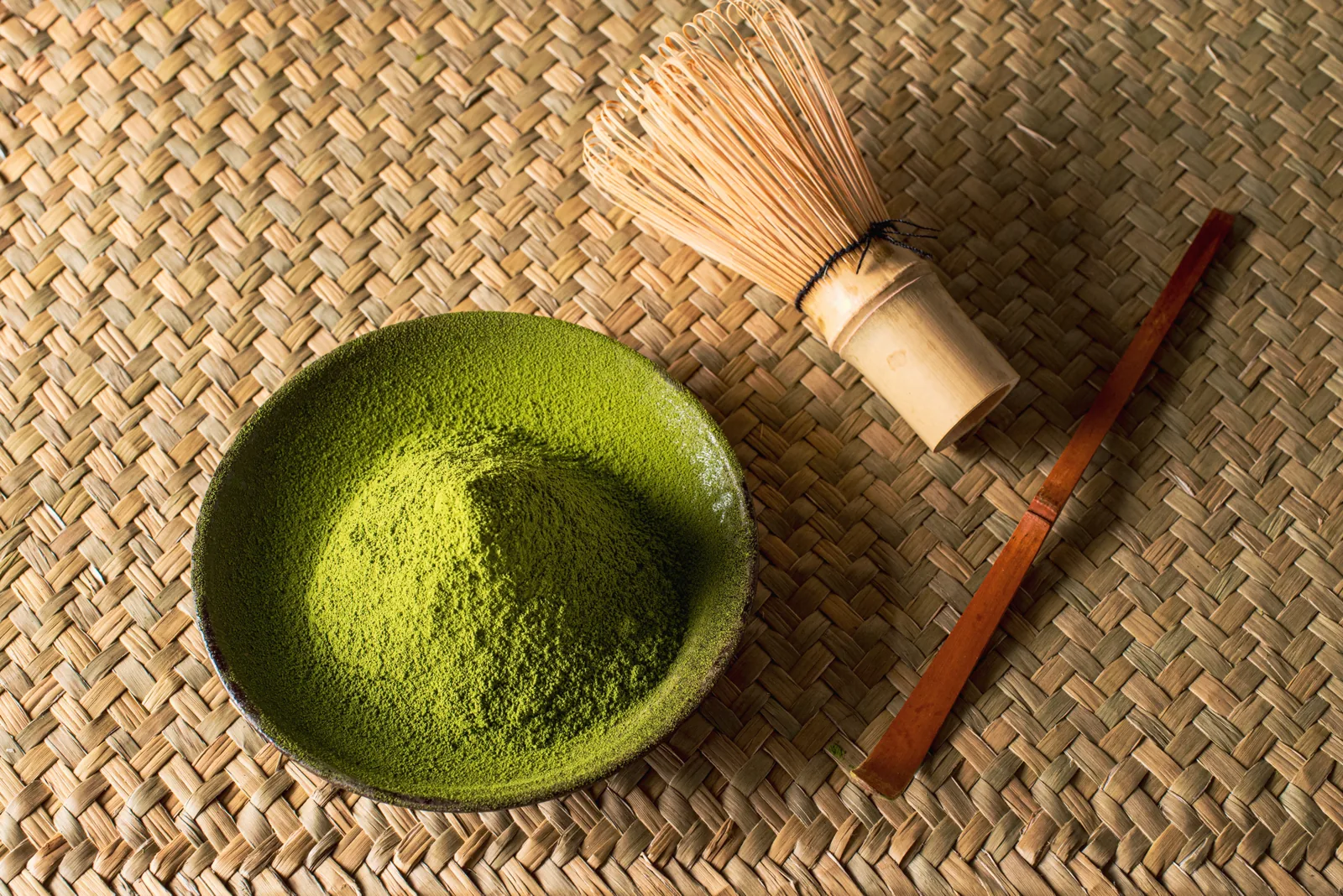
The leaf itself becomes part of the drink.
Want to turn the mill yourself?03 / The whisk
Now it's
in your hands.
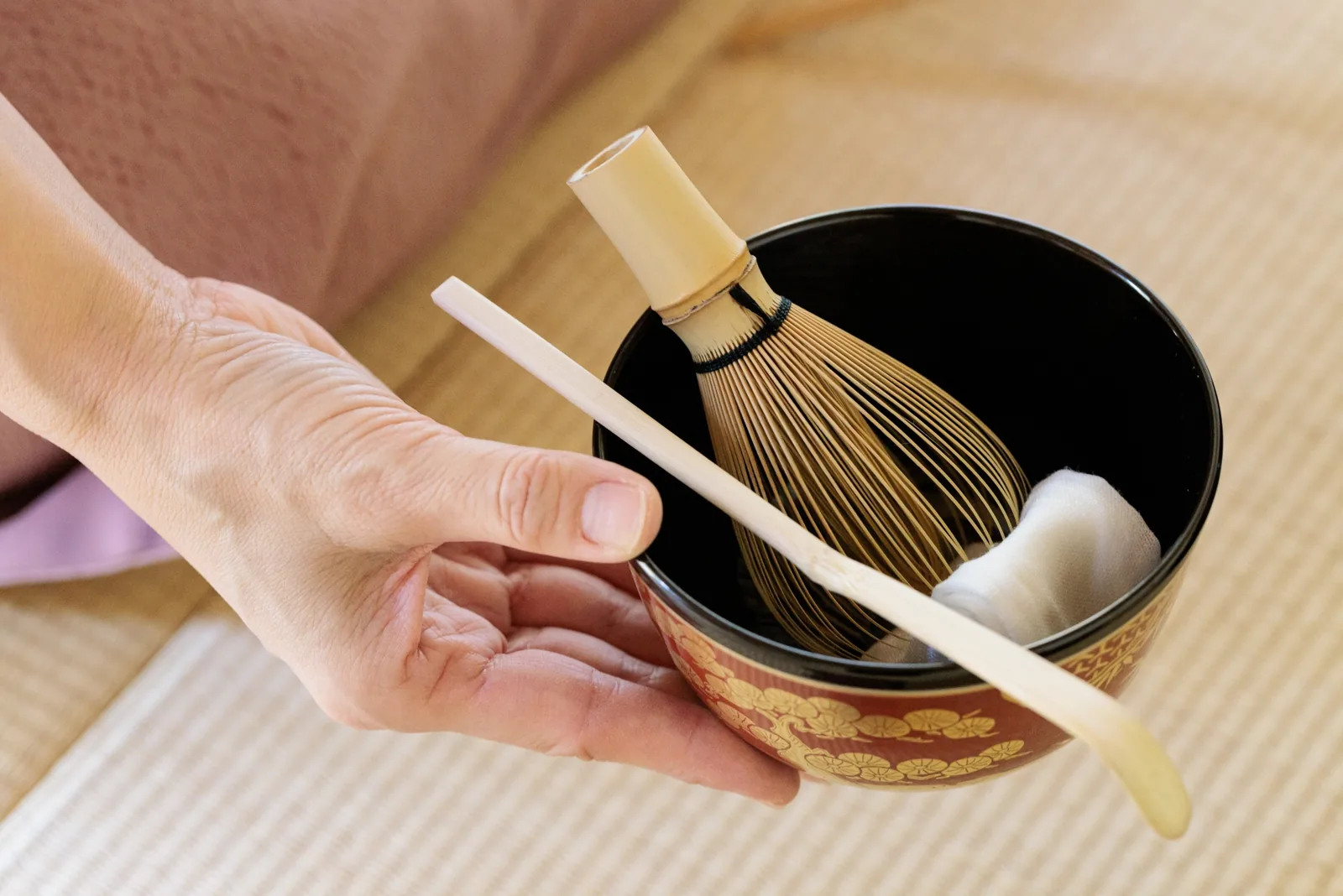
A bowl, a bamboo whisk, a little tea. Familiar objects, until someone shows you how to use them.
In a guided session, the gestures become part of the experience: watching your host, handling the bowl, preparing the tea, then pausing to taste. There is room to be a beginner.
Make a little space in your day
The next chapter
could be yours.
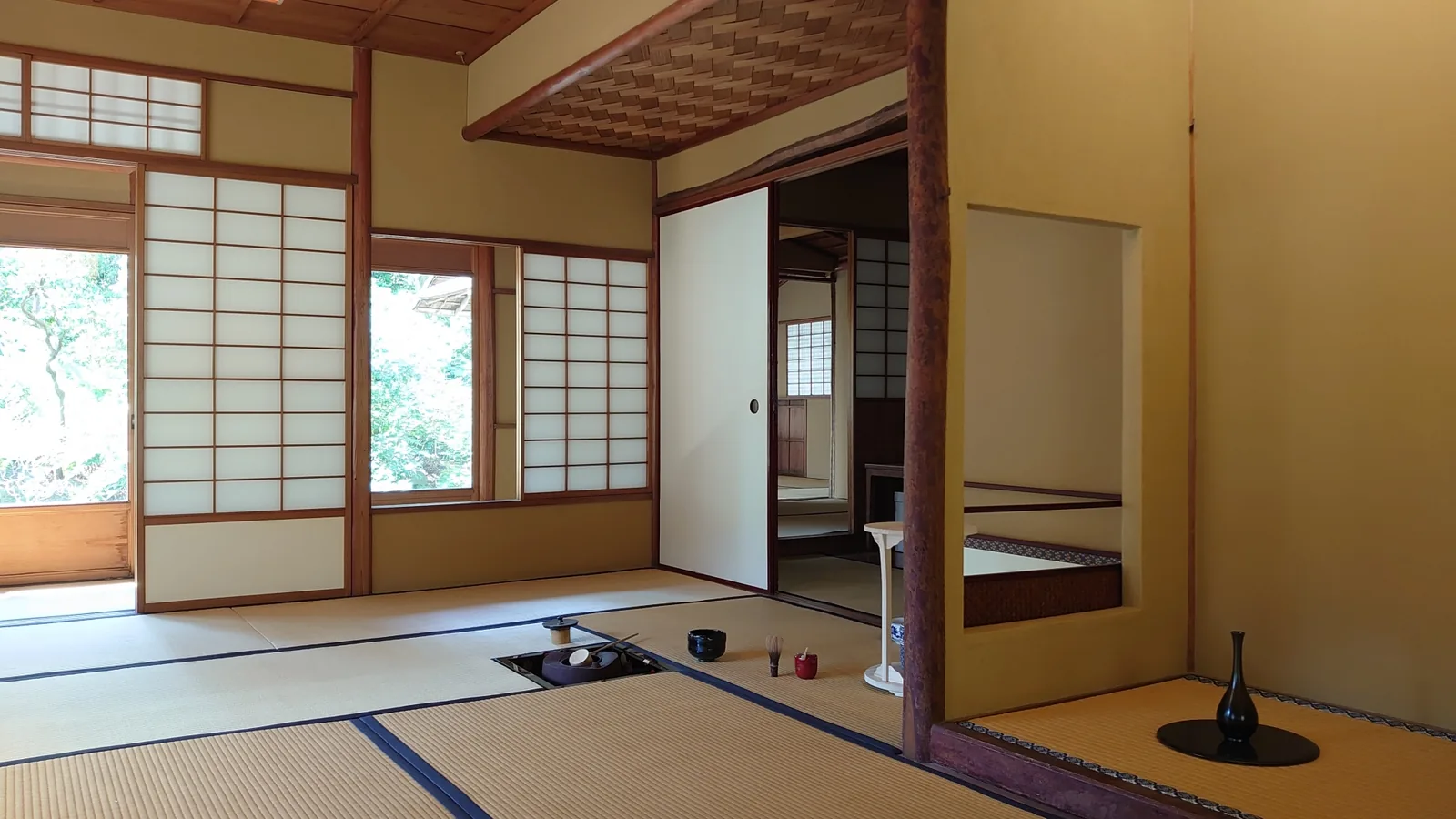
Illustrative tea room · not a photograph of the venues below
From the story to your itinerary
Your next sip.
Your kind of tea.
Choose the part of the story you want to try. A tea ceremony focuses on the host, the gestures and your bowl. A grinding workshop takes you closer to how the powder is made.
Only visiting Tokyo? Find a tea room in Shinjuku
The GetYourGuide booking links are affiliate links. JAPANODE may earn a commission at no extra cost to you.
For the tea-room experience
A ceremony in Kyoto
A 70-minute English-led session at Jotoku-ji Temple. Watch, learn, then prepare your own bowl.
Tea Ceremony Ju-An
Powered by GetYourGuide · we may earn a commission at no extra cost to you.
Before booking: three steps lead into the tea room; it is not wheelchair accessible. For ages 5+. Stone-milling is not part of the listed program.
Compare five Kyoto tea experiencesFor the leaf-to-bowl experience
Turn a tea mill in Uji
Start with the leaf. Finish with a cup.
Chazuna, Uji's tea and history center, offers a workshop where you grind tea, prepare matcha and taste it. Its museum gives the tea a little more context.
- Choose it for
- The making process and a tea-focused Uji visit.
- Before reserving
- Check the specific program, instruction language, available dates and museum inclusion.
Official website · non-affiliate link
Build a day around UjiStaying in Tokyo?
A quiet bowl.
In Shinjuku.
You do not have to add Kyoto to your route to make this story part of your trip. Leave a little room between the city's bigger sights for a kimono, a whisk and a bowl you prepare yourself.
MAIKOYA's Shinjuku experience pairs kimono dressing with an English-led tea ceremony, matcha preparation and a Japanese sweet. The listing allows about 90 minutes.
For ages 7+. Request a chair in advance if needed. This is a shared session; check group size and allow extra time for dressing.
Read the Tokyo booking notesShinjuku: Tea Ceremony with Matcha & Kimono
Powered by GetYourGuide · we may earn a commission at no extra cost to you.
A little preparation
Do I need to know the etiquette?
Choose a session with instruction in a language you understand. Ju-An's program includes explanation and guided preparation. Follow your host's cues, and ask before taking photographs.
Do I need a kimono or have to sit on the floor?
Ju-An welcomes everyday clothing and can provide seats or stools. Its entrance still has three steps. Seating and step-free access are separate questions; confirm your needs with the venue before booking.
Will a tea ceremony include grinding matcha?
Not necessarily. Ju-An's listed program includes whisking, but does not list stone-milling. Choose a grinding workshop such as Chazuna's if turning the mill is the part you want to try.
A memory you can use
Bring the
ritual home.
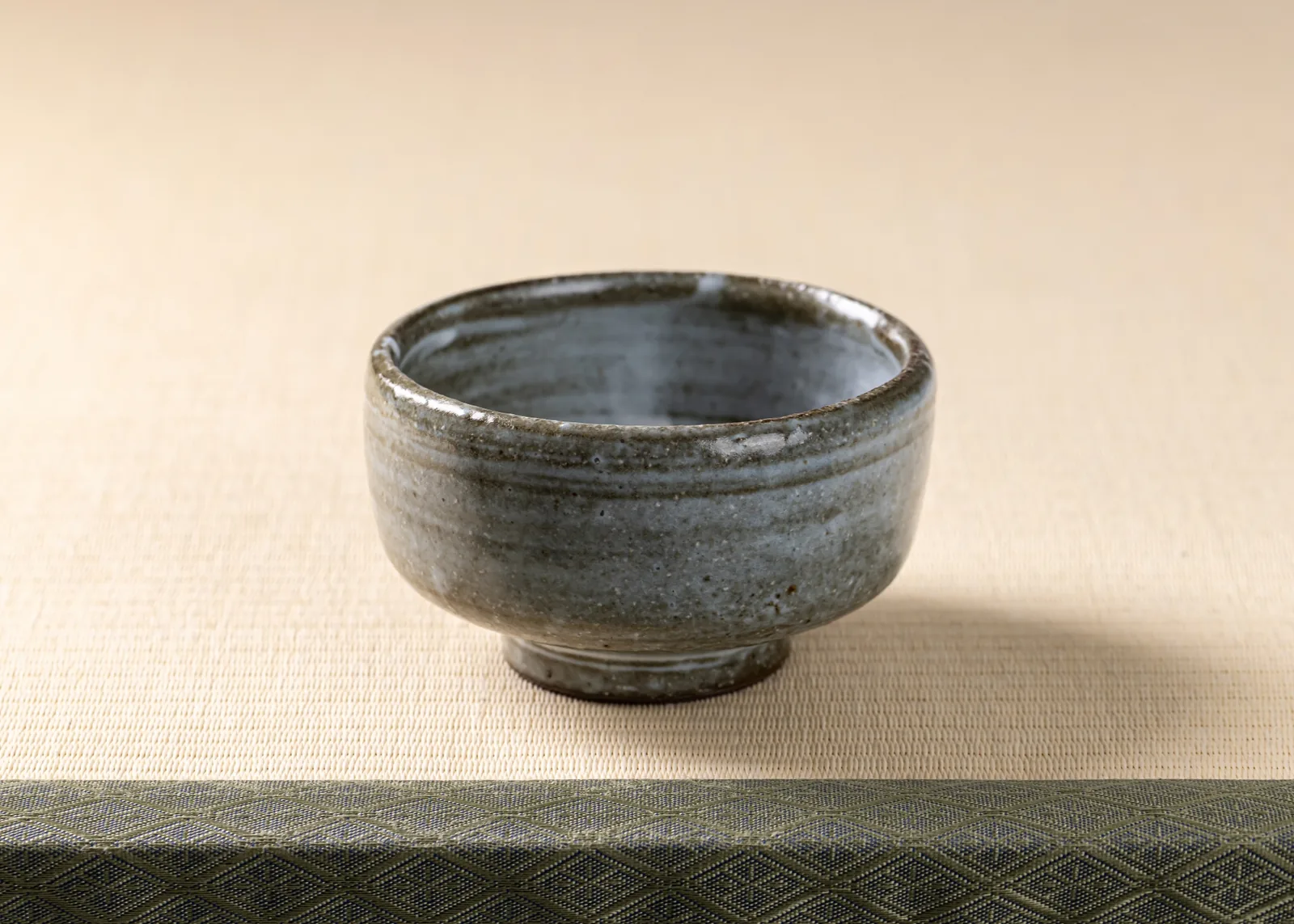
Before you leave the tea room, ask about the tea you just tasted. Notice how the bowl feels in your hands. If you choose a tea or a piece of pottery to take home, let that experience guide you.
A souvenir with a second life.
Tomorrow morning, in your kitchen.