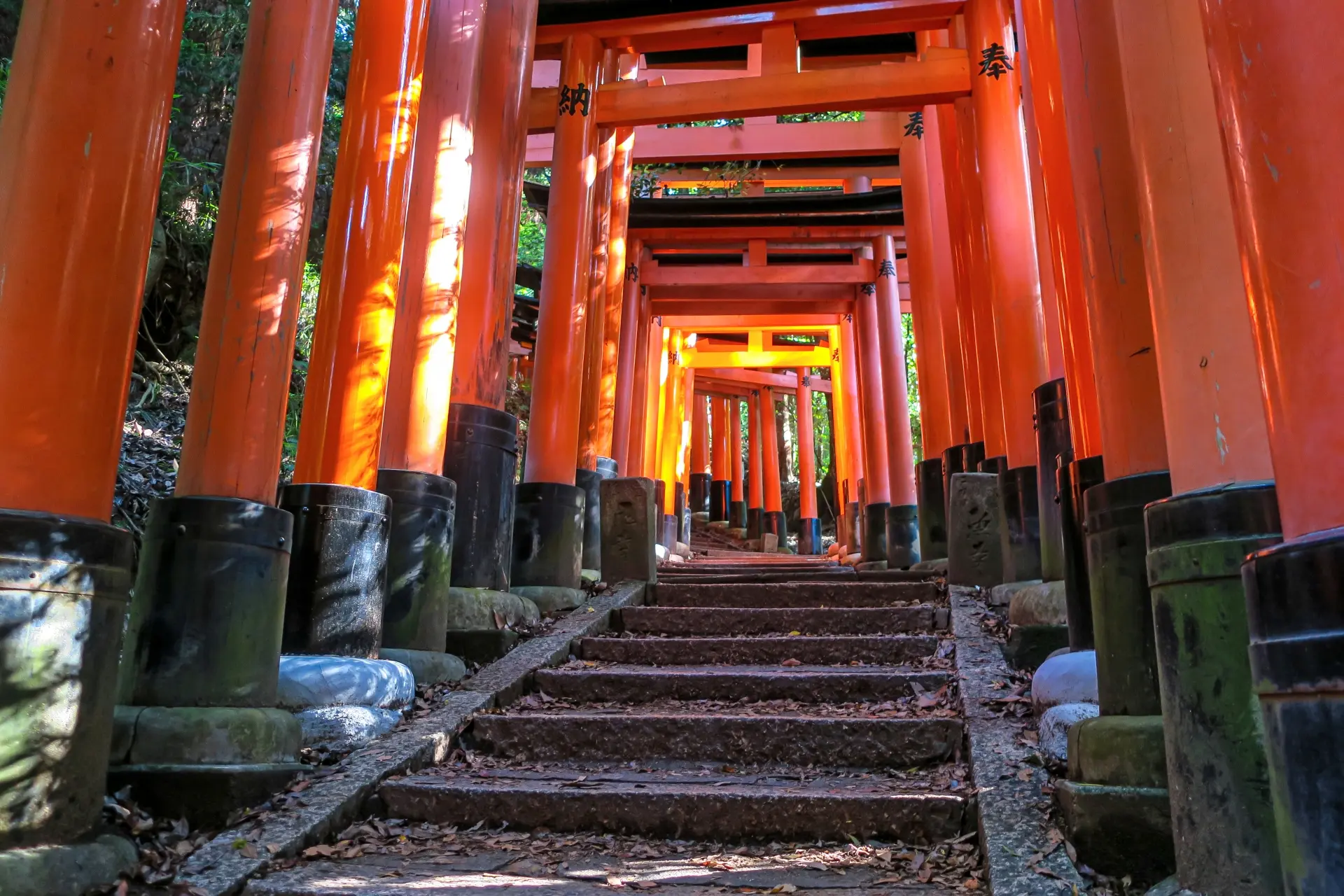
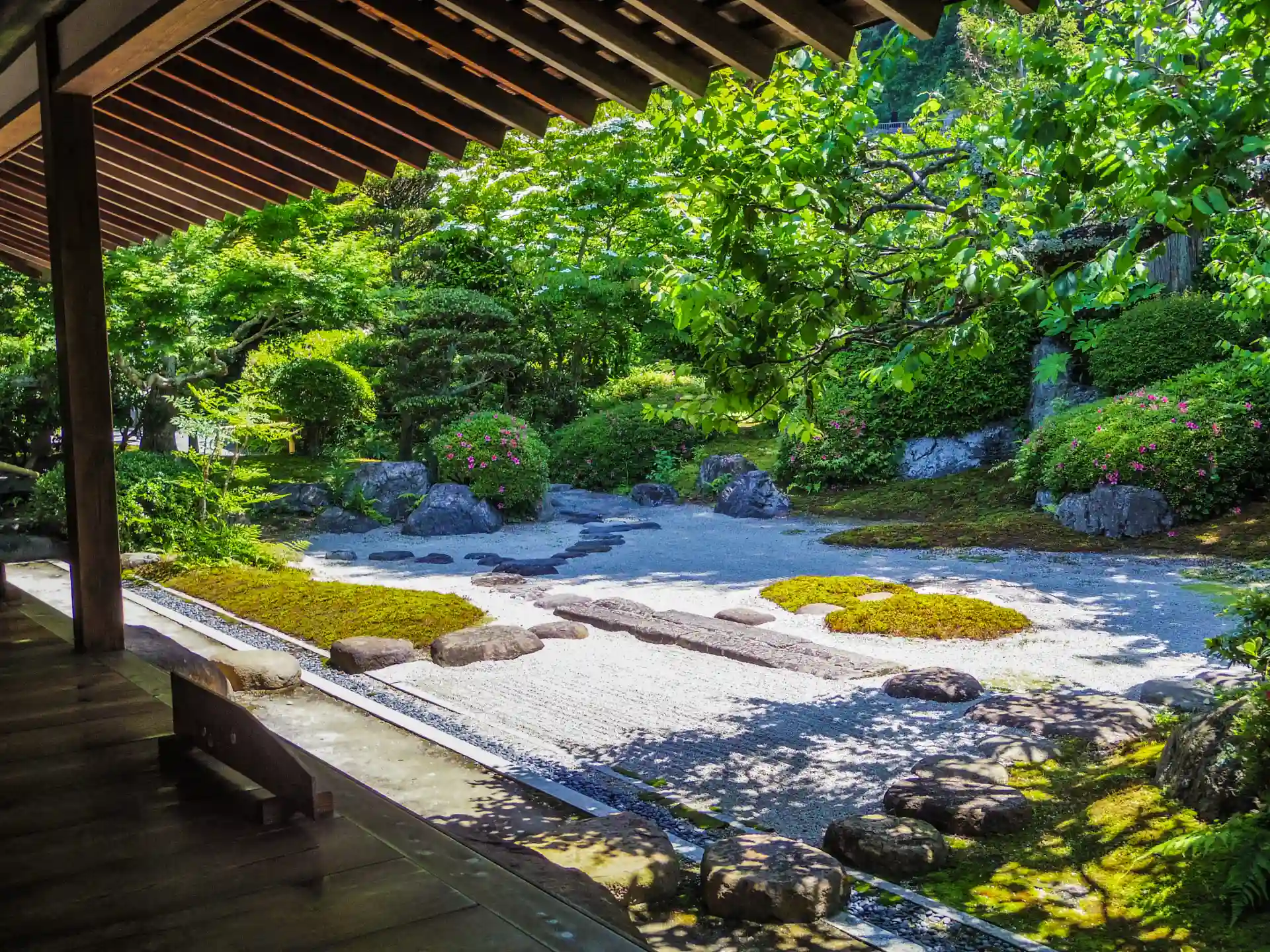
For most first-time visitors, Tea Ceremony Ju-An at Jotoku-ji is the best overall choice. Its 70-minute English session leaves time for explanation, a silent tea-master demonstration and your own bowl of matcha. It also has the strongest directly verified booking evidence in this comparison: 4.9/5 from 3,733 reviews when checked on September 15, 2026.
Choose Camellia Flower when you want a shorter shared ceremony that fits naturally into a Kiyomizu-dera and Gion day. Choose Orizuruya Gion when wearing a kimono and taking photographs are as important as the tea itself. Tea Ceremony KOTO is the logical pick beside Kinkaku-ji, while Taihoan in Uji is the budget choice for travelers building a full day around Japanese tea.
This is a researched comparison, not a claim that we personally attended all five experiences. We checked operator pages, live marketplace listings, inclusions, age rules, mobility notes, language support and cancellation details on September 15, 2026. Prices and product terms can change, so the selected date and final checkout screen take priority.
The GetYourGuide buttons below are affiliate links. JAPANODE may earn a commission at no extra cost to you. Commission does not determine the order: three non-affiliate options are included because they solve different traveler needs.
Quick comparison
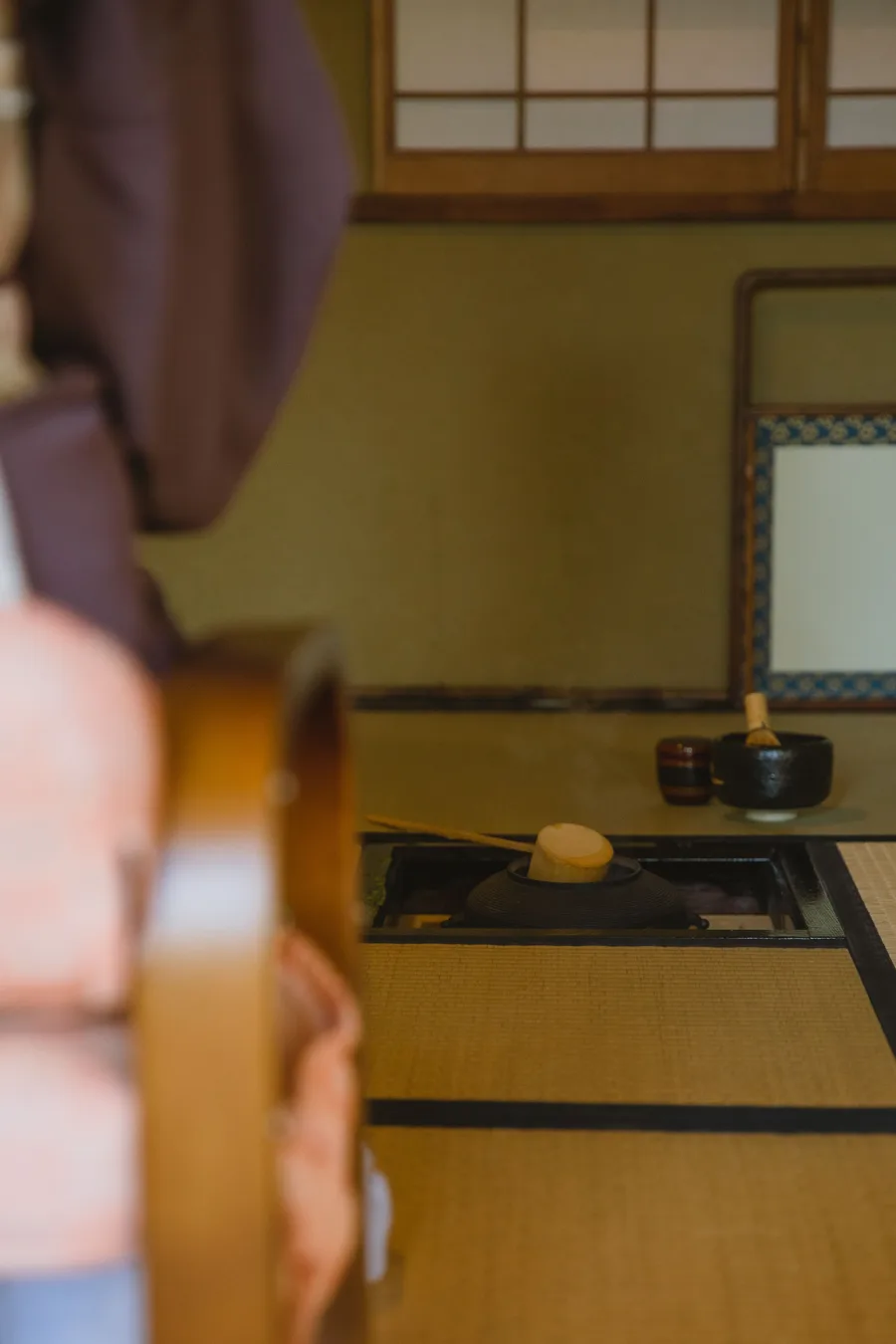
| Experience | Best for | Area | Time and format | Price checked | Language | Main limitation |
|---|---|---|---|---|---|---|
| Tea Ceremony Ju-An | Best overall for a first visit | Jotoku-ji, Shimogyo | 70 min; shared up to 10 | ¥4,500 adult; ¥3,000 child 5–14 | English | Tea room has three steps and is not wheelchair accessible |
| Camellia Flower | A short Higashiyama session | Ninenzaka | 45 min; shared up to 8 | ¥4,000 off-peak; ¥5,000 peak | English | Shared room is upstairs; ages 6+ |
| Orizuruya Gion | Kimono, hair and photos | Gion area; point varies by option | 90 min tea package; group up to 10 | Select a date for live total | English | Much of the extra time and cost goes to dressing |
| Tea Ceremony KOTO | A Kinkaku-ji day | One minute from Kinkaku-ji gate | 45 min; up to about 13 at peak | ¥3,300 adult | English | Less convenient from east or central Kyoto |
| Taihoan | Budget and an Uji tea day | Uji | 20–30 min usucha; other plans available | From ¥1,500 | Japanese with AI translation support | Not an English-led session; no private booking |
The prices above are snapshots, not promises. Camellia charges peak pricing in March, April, October, November and the New Year period. Marketplace products can show a headline price before you choose the exact date, participant count and option.
How we compared the experiences
Kyoto has dozens of tea experiences with similar photographs and titles. A useful ranking has to answer more than “which room looks traditional?”
We compared:
- English explanation and how much of the ceremony you can understand.
- Whether you only watch or also prepare matcha.
- Session length, group limit and opportunity to ask questions.
- Location within a realistic Kyoto itinerary.
- Kimono, hairstyling, sweets and other included items.
- Age, stairs, floor seating and accessible alternatives.
- Current rating together with review volume, where a verified marketplace listing exists.
- Whether the operator clearly publishes prices and restrictions.
A 45-minute workshop and a formal multi-hour tea gathering are not the same product. The experiences here are designed for visitors: they teach selected elements of chado in an approachable format. That does not make them meaningless, but it does mean you should compare the exact program rather than rely on the word “authentic.”
We also did not rank by star score alone. Ju-An and Orizuruya have substantial verified review histories. Camellia, KOTO and Taihoan provide strong official information but are sold through different booking systems, so a single marketplace rating would not create a fair comparison.
For the cultural background—wabi-sabi, Zen influence and the meaning of deliberate hospitality—read our guide to Zen and wabi-sabi experiences in Japan. This page stays focused on the booking decision.
1. Tea Ceremony Ju-An at Jotoku-ji — best overall
Tea Ceremony Ju-An's official information describes a 70-minute sequence inside Jotoku-ji Temple: a short walk through the temple grounds, an explanation of chado, a silent demonstration of otemae, and step-by-step guidance as you whisk your own matcha. The temple was founded in 1603, giving the session a setting that feels distinct from a generic activity room.
The session costs ¥4,500 per adult and ¥3,000 for children aged 5–14, with a shared group limit of ten. A private session is listed at ¥50,000 for up to four adults and four children. The operator states that everyday clothes are welcome; you do not need to rent a kimono.
The strongest reason to make Ju-An the default is evidence. Its GetYourGuide listing showed 4.9/5 from 3,733 reviews, a 70-minute duration, an English instructor, a group limit of ten and free cancellation up to 24 hours in advance when checked. Review summaries repeatedly emphasize the explanation, calm temple setting and chance to make matcha.
There are two practical drawbacks. First, the tea room has three steps and the listing says it is not wheelchair accessible, even though other parts of the temple are accessible. Second, the meeting directions deserve attention: save the address and arrive early rather than assuming a taxi driver will know “Ju-An.” Guests who cannot sit comfortably on the floor can request a seat or stool.
Best for: first-time visitors who want a balance of context, demonstration and participation.
Choose something else if: step-free access is essential, your available time is under an hour, or dressing in kimono is a major part of the experience you want.
Best overall · 3,700+ reviewsKyoto Tea Ceremony Ju-An at Jotoku-ji Temple
The strongest first-time balance
A 70-minute English tea ceremony inside Jotoku-ji Temple, including cultural explanation, a formal demonstration and the chance to prepare your own matcha.
2. Camellia Flower — best short session in Higashiyama
Camellia Flower has the easiest location for many first-time Kyoto itineraries. It is on Ninenzaka in Higashiyama, close to the walking route that connects Kiyomizu-dera, Kodai-ji, Yasaka Shrine and Gion. Instead of crossing the city for a single activity, you can place the ceremony between major sights.
The official Flower Teahouse information lists a 45-minute English session with a tea ceremony performance, a traditional sweet and the opportunity to prepare your own bowl of matcha. Shared sessions host up to eight guests and run hourly from 10:00 to 17:00.
Shared pricing is ¥4,000 per adult off-peak and ¥5,000 in March, April, October, November and the New Year period. Children aged 6–12 cost ¥2,500 off-peak or ¥3,000 in peak periods. Kimono rental is an optional ¥6,000 per person, so do the arithmetic before assuming that a short ceremony is also the cheapest complete package.
The main compromise is depth. Forty-five minutes is ideal for a busy sightseeing day, but there is naturally less room for historical explanation and questions than in Ju-An's 70-minute format. Late arrival also matters: Camellia says the performance usually begins 15–20 minutes after the session starts and guests cannot enter during it. Missed or shortened appointments caused by lateness are not refunded.
Accessibility needs advance planning. The Flower tea rooms are upstairs. Chairs and tables are available on request, but alternative arrangements are necessary for wheelchair users or guests who cannot manage the stairs. Camellia identifies the ground-floor room at Flower Annex and its separate Garden Teahouse as wheelchair accessible. The Garden location is near Ryoan-ji, not Ninenzaka, and offers private ceremonies rather than the same shared product.
Best for: travelers who want an English tea experience without breaking the flow of an east Kyoto sightseeing day.
Choose something else if: you want a longer explanation, need guaranteed step-free access at the booked room, or are traveling with a child under six on a shared booking.
Check Camellia Flower's current plans and prices directly. This is a non-affiliate operator link.
3. Orizuruya Gion — best kimono-inclusive experience
Orizuruya packages the parts many travelers otherwise book separately. The current listing includes a kimono set, dressing assistance, simple hairstyling for women, a tea ceremony, wagashi, matcha and the utensils used during the session. You also learn to whisk your own bowl.
The standard kimono tea experience lasts about 90 minutes. An option with Japanese calligraphy lasts around two hours. Groups are limited to ten, instruction is in English, and the listing showed 4.9/5 from 1,840 reviews when checked.
This is the best choice when the kimono is not a side extra but part of the memory you want. Selecting an outfit, being dressed and taking photographs all consume time, yet the bundled format reduces coordination. You do not have to find a separate rental studio, calculate travel time back to it or wonder whether the tea venue accepts its clothing.
That same strength is the drawback for tea-focused visitors. If your priority is a long cultural explanation, part of your 90 minutes and much of the price are paying for dressing and appearance. Ju-An gives you more tea-focused time; Camellia Flower lets you add a kimono but then becomes a larger combined purchase.
The meeting point can vary with the selected option, including tea-only combinations, calligraphy and maiko-related products. Save the confirmation for the exact product you paid for. Do not search only for the brand name on the morning of the booking.
Best for: couples, friends and first-time visitors who want kimono, hair, photographs and tea in one reservation.
Choose something else if: you already rented a kimono elsewhere, want the lowest price, or care more about detailed tea instruction than dressing.
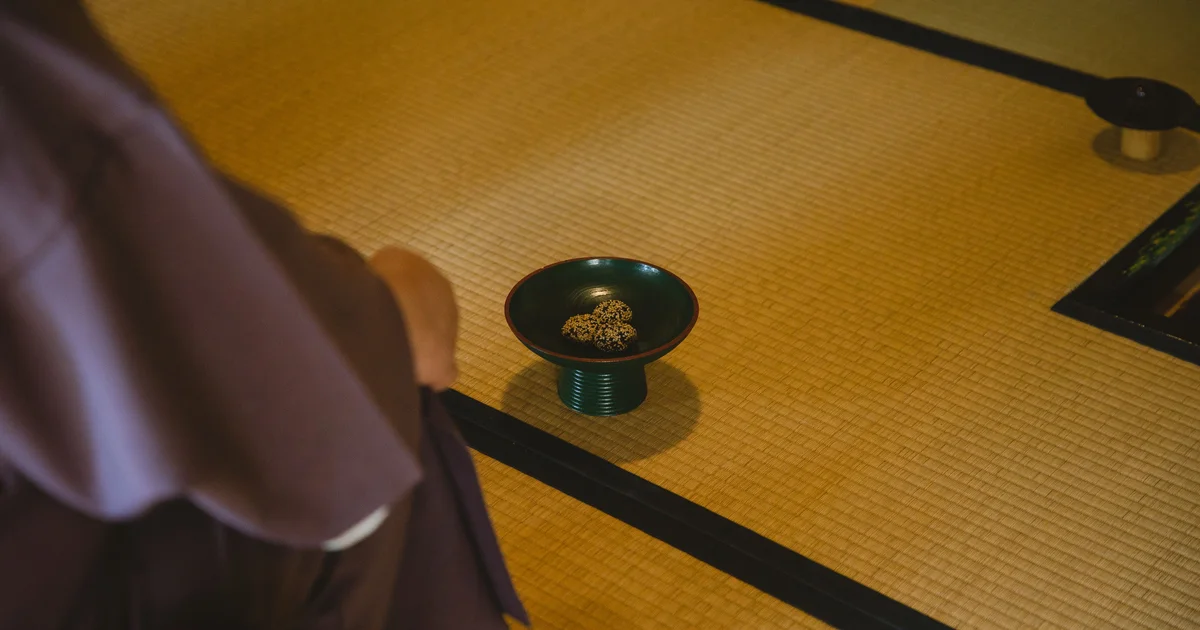 Best kimono bundle · 1,800+ reviews
Kyoto Kimono Tea Ceremony at Orizuruya Gion
Dressing and tea in one booking
A small-group package combining kimono dressing, simple hairstyling, wagashi, matcha and guided tea preparation. Confirm the exact option and meeting point before payment.
4. Tea Ceremony KOTO — best beside Kinkaku-ji
KOTO solves a geography problem. Its official access page places it one minute on foot from the gate of Kinkaku-ji and one minute from Kinkakuji-michi bus stop. If your day already includes the Golden Pavilion, Ryoan-ji or northwest Kyoto, the ceremony costs almost no extra cross-city travel.
The shared plan lasts 45 minutes and costs ¥3,300 per adult or ¥2,500 for children aged 6–12. The operator lists capacity as approximately 13 during the busiest season. An optional kimono costs another ¥3,000 per person. Babies aged 0–2 cannot join the shared course, and the operator recommends a private plan for families with small children who may need more flexibility.
KOTO's distinction is the guest perspective. Its program does not stop with watching a host and whisking a bowl; the operator says guests learn how to greet and move in a tea room, drink tea prepared by the host and compare it with tea they make themselves. Staff with Urasenke qualifications provide the explanation in English.
The obvious weakness is location when Kinkaku-ji is not already on your route. From Kyoto Station, KOTO's own access page estimates about 50 minutes by city bus. Traveling there from Kiyomizu-dera or Gion only for a 45-minute ceremony is rarely the best use of a short Kyoto stay.
Best for: travelers who want tea and Kinkaku-ji in the same compact half-day.
Choose something else if: your itinerary stays in Higashiyama or central Kyoto, or you need clearer published step-free details before booking.
See KOTO's shared tea plan and current schedule. This is a non-affiliate operator link.
5. Taihoan in Uji — best budget tea experience
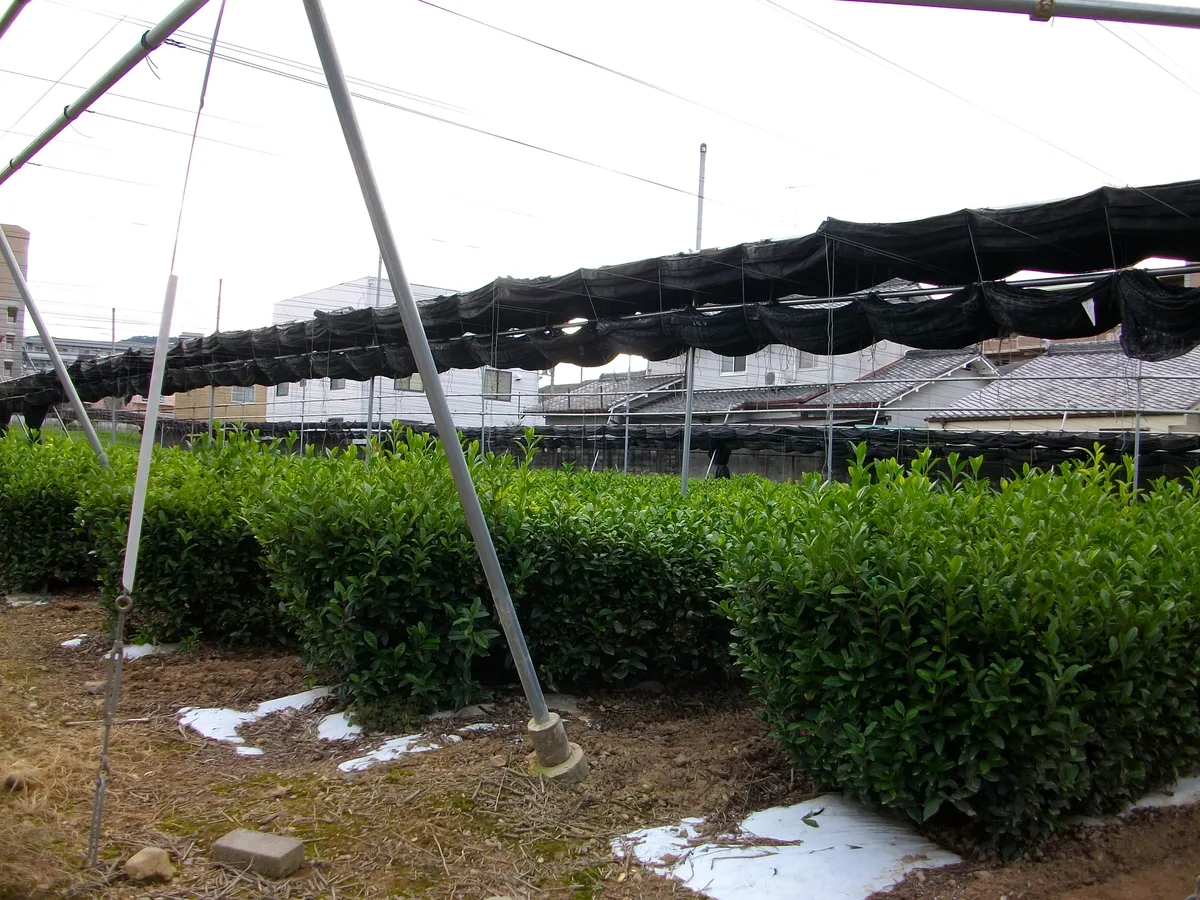
Taihoan is not a substitute for an English-led Kyoto workshop. It is the choice for travelers who want to spend a day in Uji, compare different Japanese teas and visit a municipal tea house without paying for a kimono package.
The Uji City Tourist Association lists several distinct experiences. A bowl of usucha costs ¥1,500, accepts bookings from one person, accommodates up to ten people and takes about 20–30 minutes in a tatami room. A hands-on matcha-making experience costs ¥3,600, lasts about 40 minutes, hosts up to eight and uses a Western-style ryurei room.
Taihoan also offers sencha, gyokuro and paired-tea programs. This variety is useful if you care about tea beyond matcha. The 2026 official price sheet confirms that prices increased on April 1, 2026, so older blog posts quoting ¥1,000 for usucha are out of date.
The language difference is decisive. Taihoan's official FAQ says the ceremony is performed in Japanese, with an AI translator used to support guests who do not speak Japanese. It does not accept reservations for private use. Usucha, sencha and gyokuro reservations receive priority when made by the day before, while paired-tea sets and hands-on experiences must be booked at least three days ahead.
That makes Taihoan the weakest choice for a visitor who wants nuanced English explanation—but the strongest budget option for an independent Uji day. Pair it with Byodo-in and local tea shops rather than squeezing the round trip into a packed central Kyoto schedule.
Best for: budget travelers and tea enthusiasts already planning a half-day or full day in Uji.
Choose something else if: you need an English-speaking instructor, a private room or a Kyoto-city location.
Taihoan ranks here for price, municipal operation and its place in an Uji tea itinerary—not because it matches the English-led workshops above. Expect Japanese delivery with translation support and confirm the exact tea program before reserving.
Shared, private or kimono-inclusive?
The right format matters more than the fanciest room. Decide what you are paying for before comparing totals.
Choose shared for the best balance
A shared 45–70 minute session in this comparison costs roughly ¥3,300–¥5,000 per adult. It is the sensible default for one or two first-time visitors. You still see a demonstration, receive tea and usually make matcha yourself, but questions and photographs take place within a group schedule.
Compare the group limit. Eight at Camellia and ten at Ju-An are meaningfully different from a venue that may host around 13 at peak. Smaller does not guarantee a better host, but it usually creates more room to hear, ask and move.
Choose private for pace and control
Private is valuable when you need flexibility, not merely when you want luxury. Families may appreciate fewer worries about noise or toilet breaks. Travelers with limited mobility can discuss seating. Tea enthusiasts can ask more detailed questions without competing with the group clock.
Read the pricing unit carefully. Ju-An's ¥50,000 private price is a group total for up to four adults and four children. Camellia Flower lists private prices per person, starting at ¥8,000 off-peak for groups, while the separate Camellia Garden starts at ¥15,000 per person for two or more guests.
Choose kimono-inclusive for dressing and photographs
A kimono is optional, not an admission requirement. Add it when the clothing and photographs are central to your day. Orizuruya provides the cleanest bundle in this comparison. Camellia and KOTO let you add dressing to certain plans.
Budget extra time beyond the ceremony itself. Ask about sizing, hairstyle scope, rain, bathroom use, summer heat and when the kimono must be returned. In July, August and early September, the physical comfort of layered clothing deserves as much attention as the photograph.
Pick by neighborhood, not just by rating
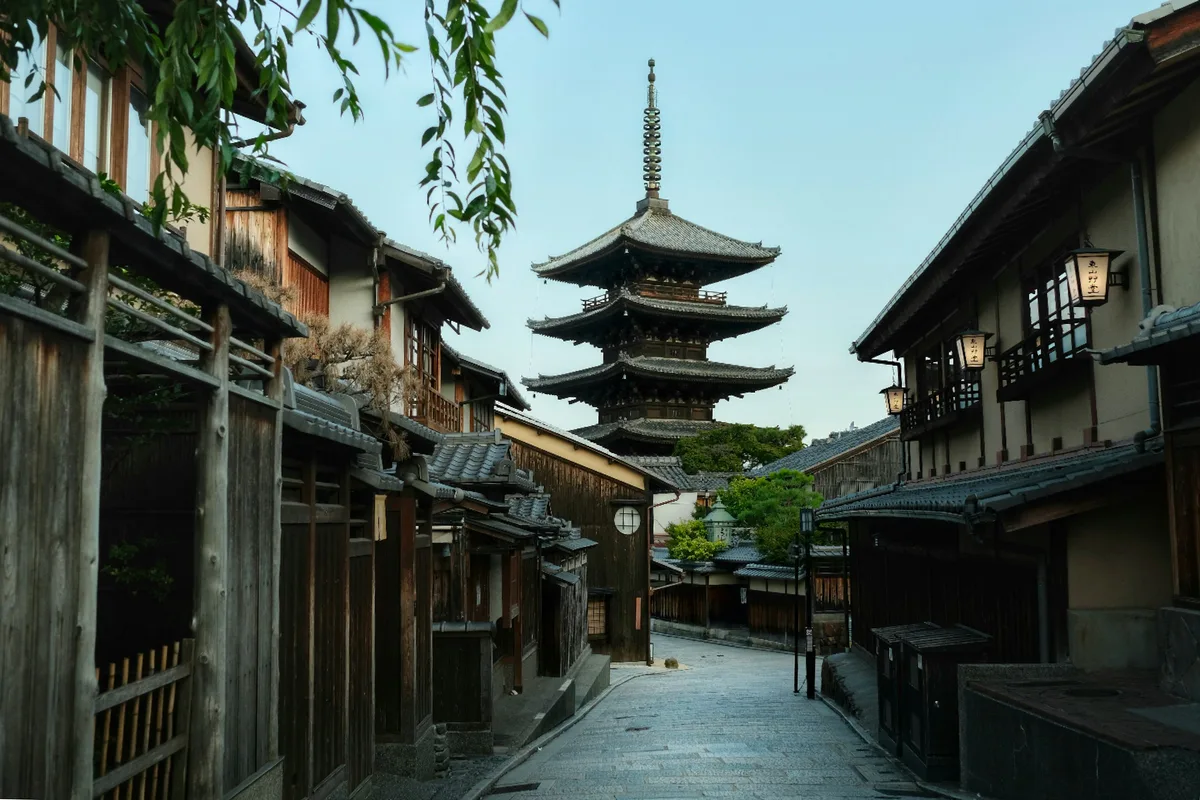
Kyoto's buses slow down in peak seasons, and famous areas sit farther apart than a map can make them look. The best booking is often the one that removes a cross-city journey.
- Higashiyama day: Choose Camellia Flower or the matching Orizuruya option. Combine the ceremony with Kiyomizu-dera, Ninenzaka, Yasaka Shrine and Gion.
- Central or Kyoto Station day: Ju-An in Shimogyo is the easiest fit.
- Kinkaku-ji and northwest Kyoto: Choose KOTO, then continue to Ryoan-ji rather than returning across the city.
- Uji day: Choose Taihoan and make tea—not central Kyoto sightseeing—the theme of the day.
Our 4-day Kansai itinerary shows where a Kyoto cultural experience can fit without sacrificing the major sights. If you are planning a longer first trip, use the 7-day Japan itinerary to protect enough time for Kyoto rather than turning the city into a day of transfers.
Arrive about 15 minutes early. Add more buffer if you are being dressed in kimono, traveling by bus in March, April, October or November, or visiting a venue hidden down a small lane.
What happens during a visitor tea ceremony?
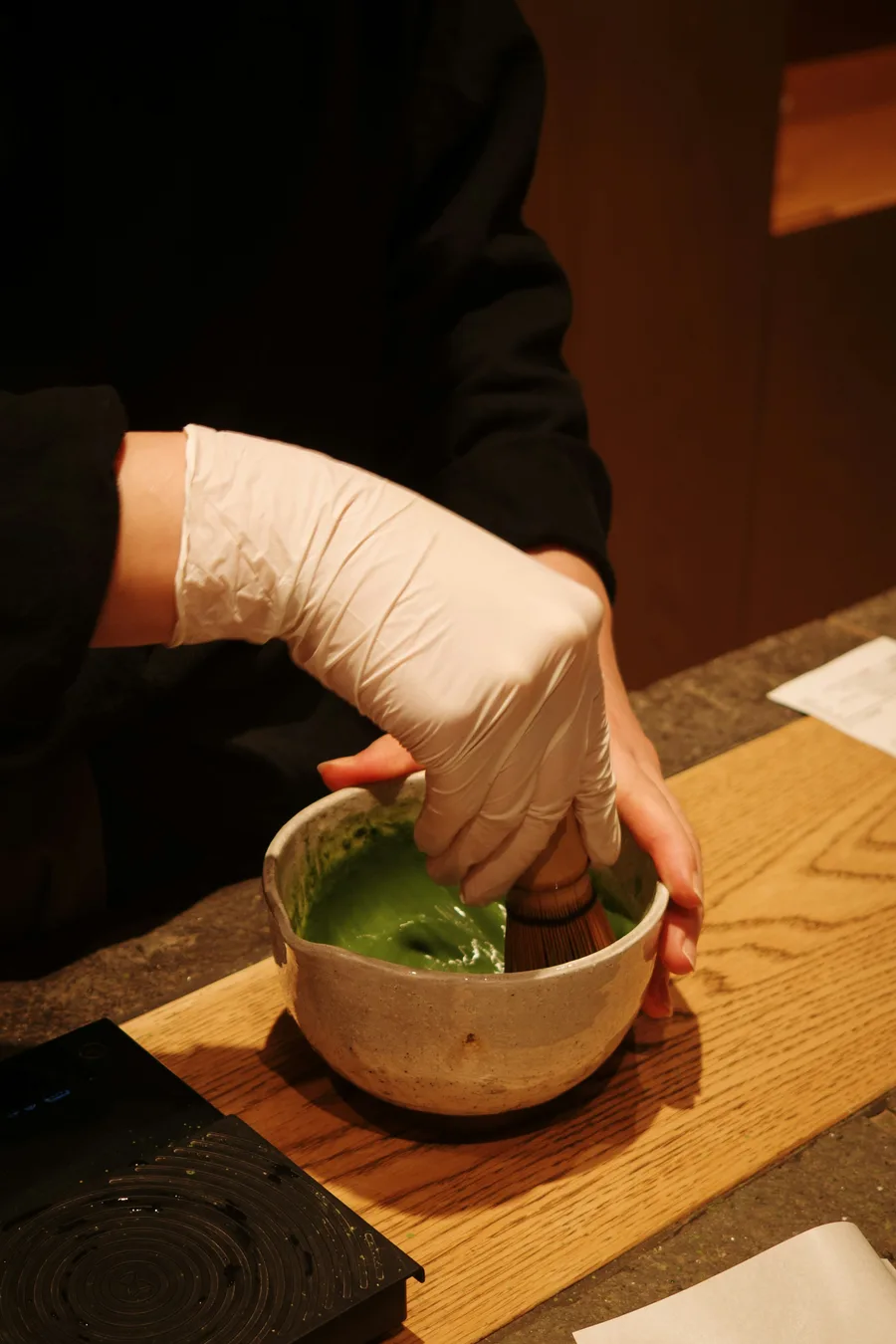
Most visitor sessions follow a recognizable sequence:
- Remove your shoes and enter the tea space.
- Hear a short explanation of the room, utensils and guest etiquette.
- Watch the host clean the utensils and prepare matcha through a series of deliberate movements.
- Eat wagashi before drinking the tea; the sweetness balances matcha's bitterness.
- Receive the bowl, follow the host's simple directions and drink.
- In a hands-on workshop, whisk a separate bowl yourself.
- Ask questions and take photographs when permitted.
The details vary. Ju-An separates its spoken explanation from a silent demonstration. Camellia includes a performance, sweet and self-whisking in 45 minutes. Orizuruya builds dressing around the tea component. KOTO emphasizes how a guest moves and receives tea. Taihoan's ¥1,500 usucha option is shorter, while its hands-on program is a separate reservation.
Do not expect a full formal chaji condensed into an hour. A complete gathering can include a meal, charcoal procedure and more than one preparation of tea over several hours. These visitor programs teach selected elements so that a beginner can observe, taste and participate without already knowing the rules.
Clothing, etiquette and photography
Wear clean, comfortable clothes and socks. You will normally remove your shoes, and some rooms involve sitting or moving near delicate tatami and utensils. Avoid strong perfume, which can interfere with the aroma of tea and incense. Consider removing a bulky watch or ring before handling a tea bowl.
You do not need to memorize how many times to turn the bowl. Watch the host and follow the instructions given in that room. Making a small mistake is less disrespectful than spending the entire ceremony anxious about performing perfectly.
Photography rules belong to the operator. Camellia allows photos during shared ceremonies but asks guests to turn off flash, respect other guests and avoid video. Elsewhere, wait for the host's signal. Do not assume a kimono package means every moment of the tea demonstration is a photo shoot.
Arrive early, listen to the host and move slowly. Visitor ceremonies are designed for beginners; calm attention matters more than perfect technique.
Children, mobility and dietary questions
Age rules are product-specific. Ju-An starts at age five. Camellia Flower shared sessions start at six, though its private options accept younger children under different conditions. KOTO excludes babies aged 0–2 from its shared plan and warns that a crying child may need to wait in the next room. Orizuruya's marketplace options can vary, so check the selected package instead of relying on the general title.
Floor seating and step-free access are separate questions. A stool solves seiza discomfort but does not remove stairs at the entrance. Ju-An can provide stools but identifies three steps to its tea room. Camellia can provide chairs and tables, yet its Flower rooms are upstairs; the company points guests toward accessible alternatives at Flower Annex or Garden with advance coordination. Taihoan's hands-on matcha plan uses Western-style seating.
For allergies, ask the operator in writing. Camellia states that its sweets are vegan, gluten-free and nut-free, but still asks guests to place allergy concerns in the checkout notes. Other venues may use different confectioners, ingredients or shared preparation spaces. Do not assume every piece of wagashi has the same allergen profile.
Booking checklist before you pay
Use this checklist on the final screen:
- Confirm the operator name and product ID, not only the activity title.
- Select the date, start time, participant count and language.
- Check whether the booking is shared or private.
- Confirm whether kimono, hairstyling, wagashi and self-whisking are included.
- Save the exact meeting point and arrival instructions.
- Check minimum age, stairs, floor seating and chair requests.
- Ask dietary questions in writing and save the reply.
- Read the cancellation cutoff in Japan local time.
- Compare the final total, including seasonal pricing and add-ons.
For Ju-An and Orizuruya, the GetYourGuide listings showed free cancellation up to 24 hours before the start when checked on September 15, 2026. That is a snapshot, not a permanent guarantee. Taihoan applies different rules: from April 2026, same-day cancellation costs 100% for single-tea programs, while paired sets and hands-on experiences charge 100% when canceled two days or less before the booking.
Final recommendation
Book Ju-An if this is your first tea ceremony and you want the strongest all-around combination of English explanation, temple atmosphere, hands-on matcha and current review evidence.
Book Camellia Flower when your fixed point is Kiyomizu-dera or Gion and 45 minutes fits better than 70. Book Orizuruya when kimono and photographs are a major part of the value. Book KOTO on a Kinkaku-ji day. Book Taihoan only as part of an Uji tea itinerary and with the expectation that the session is conducted in Japanese with translation support.
The wrong choice is not the one with 0.1 fewer stars. It is the one that forces an unnecessary journey, excludes someone in your group or charges for extras you did not actually want.
Explore more bookable cultural, food and day-trip ideas on our Japan experiences hub, or read the first-time Japan guide before locking the rest of your itinerary.
Image Credits
These licensed editorial images illustrate the Kyoto tea-ceremony setting and do not depict every ranked operator.
- Hero and tea-room photos: Ryutaro Tsukata on Pexels (second photo); used under the Pexels license.
- Matcha-whisking photo: Leongsan on Unsplash; used under the Unsplash license.
- Sannenzaka photo: Nathan Guan on Unsplash; used under the Unsplash license.
- Uji tea-field photo: おいでやす千年の都 on Wikimedia Commons; dedicated to the public domain under CC0.