On this page
For a first day trip from Kyoto or Osaka, start with Nara if you want temples and parkland, Uji if you want a shorter tea-focused outing, or Himeji if visiting a castle is a priority. Kobe works well when you would rather spend the day in a city and around the waterfront. Amanohashidate and Ine offer a different coastal setting, but require much more travel planning.
You do not need to book a tour for every destination. On straightforward rail routes, traveling independently lets you spend longer at the places that interest you. A guided trip becomes more appealing when the guide's explanation, a particular included experience or the coordination of a complicated route is worth paying for.
This guide helps you choose one outing, not combine five destinations into a single itinerary. Transport figures come from official visitor information linked below and were checked on October 11, 2026. Treat them as planning estimates rather than a timetable for your travel date.
Affiliate disclosure: This guide includes affiliate booking links. If you book through them, we may earn a commission at no extra cost to you. Tour recommendations are based on published listing and operator information.
Quick comparison: pick the purpose before the route
| Destination | Choose it for | Suggested time commitment | DIY or guided? |
|---|---|---|---|
| Nara | Temples, parkland and a flexible walking day | Most of a day if you want more than a quick stop | DIY is practical; a guide can add historical context |
| Uji | Tea, a riverside walk and a more compact outing | Half a day for a focused visit; longer with a booked experience | DIY travel plus a separately booked activity is a useful combination |
| Himeji | A castle-centered day | Most of a day, especially from Kyoto | DIY works if the castle is the main goal |
| Kobe | A city walk, food and the waterfront | Half a day or a full day, depending on the area | DIY for a flexible central route; choose tours for a specific interest |
| Amanohashidate and Ine | Coastal scenery and a different side of the region | A full day with an early start; consider an overnight stay | Compare the exact DIY connections with the stops included in a tour |
These are our suggested time allowances, not promises that every attraction will fit. A tea reservation, museum visit or long lunch can turn a short outline into a full day. Choose the experience you would most regret missing and build around it.
If you have only four days in the region, first check whether a day trip improves your Kyoto and Osaka itinerary. Spending another day in your base city can be more rewarding than leaving simply because a destination appears on a checklist.
Compare the actual starting stations
“From Osaka” and “from Kyoto” are not precise enough to plan a departure. Your hotel may be closer to a different station from the one used in a tourism website's example, and the fastest advertised train may require a separate ticket or reservation.
| Journey | Official planning estimate | What the figure means |
|---|---|---|
| Kyoto Station to JR Nara | About 41 minutes by rapid train | Station to station; excludes the onward trip to your first attraction |
| Osaka Station to JR Nara | About 52 minutes | Station to station, not from every Osaka hotel |
| Osaka-Namba to Kintetsu-Nara | About 34 minutes by express | A different departure station and railway from the JR route |
| Kyoto Station to JR Uji | About 16 minutes by rapid train | Check that your chosen service stops where you need it |
| Osaka Station to Himeji | About 57 minutes by JR Special Rapid | This is not the Shin-Osaka Shinkansen journey |
| Kyoto Station to Himeji | About 85 minutes by JR Special Rapid | Allow additional time to reach the castle |
| Osaka Station to JR Sannomiya | About 21 minutes on the fastest rail connection | Central Kobe arrival; add time for the waterfront |
| Kyoto Station to JR Sannomiya | About 52 minutes | Central Kobe arrival, not the Shinkansen station at Shin-Kobe |
Sources: Nara's official access guide, Uji City's visitor access information, Himeji's official transport guide and Kobe's official access information.
Before deciding which city is the better base, compare hotel door to first attraction, including walking, waiting and transfers. A small difference in the train ride may disappear once you add the local journey. Our Japan train guide explains the distinction between operators and service types if those are unfamiliar.
Nara: a strong first choice for temples and parkland
Choose Nara when you want a substantial change of setting without making the transport itself the main challenge. A flexible day gives you room to spend time at a temple, walk through the park area and stop for lunch without treating each place as a brief photo stop.
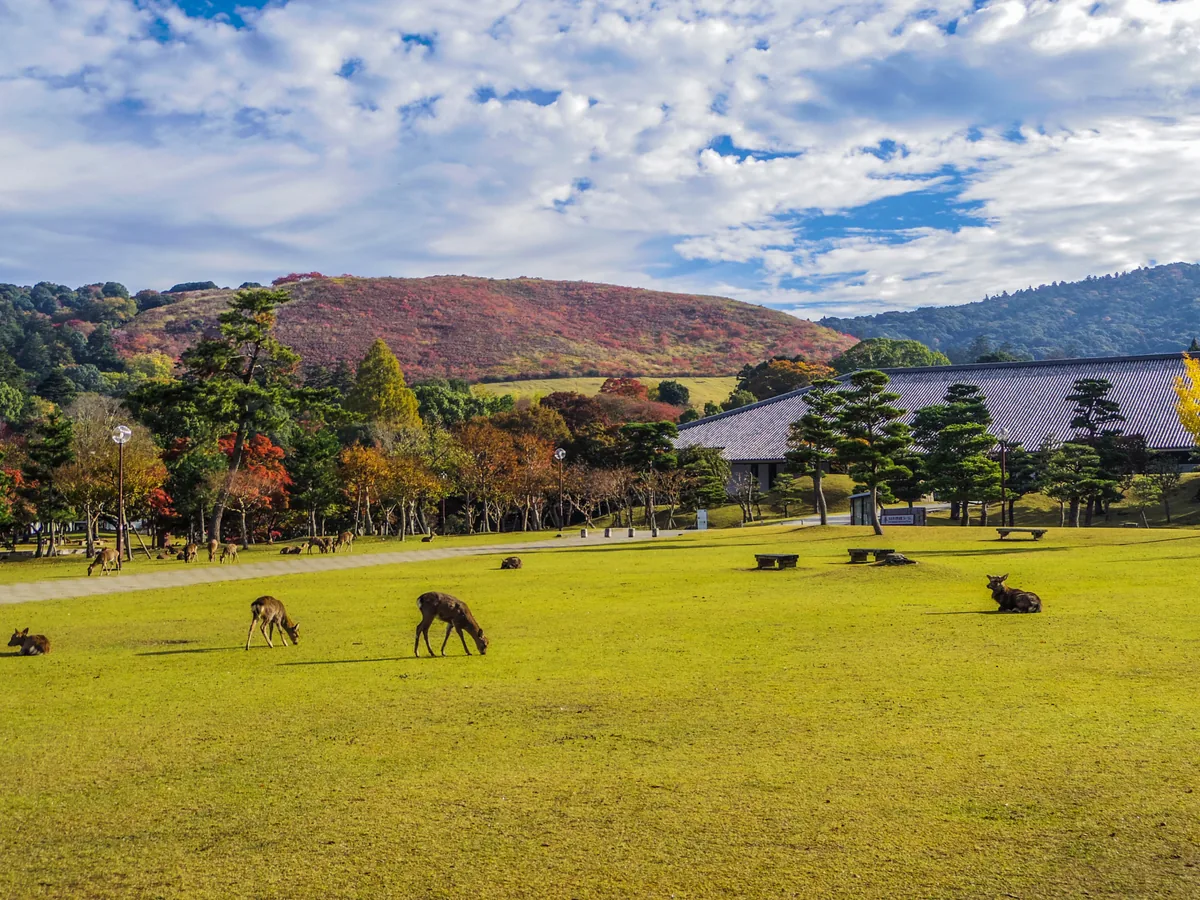
Decide your arrival station before saving directions. JR Nara and Kintetsu-Nara are separate stations, so a walking route written for one should not be assumed to begin at the other. The official getting-around guide is a useful starting point for the onward journey.
For Kyoto departures, the official access guide also lists a roughly 34-minute Kintetsu limited express example. That is a different product from an ordinary express. Kintetsu's ticket information explains that limited express travel requires the appropriate limited express ticket in addition to the base fare.
A manageable independent day
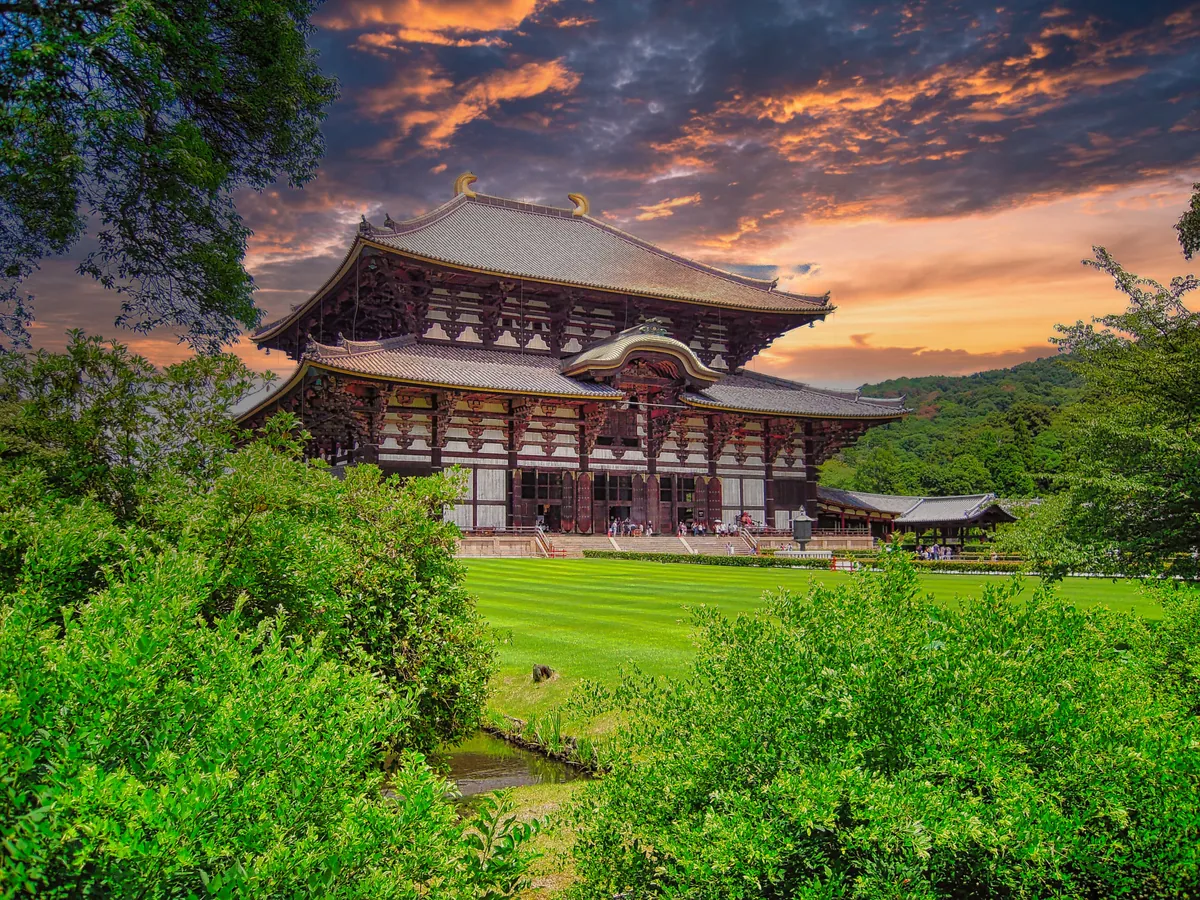
A practical first-visit outline is Kintetsu-Nara → Nara Park → Todai-ji → lunch, with Kasuga Taisha as an optional afternoon extension. The official Nara Park area guide introduces these places and their setting. This is a suggested route based on visitor information, not an account of our own visit.
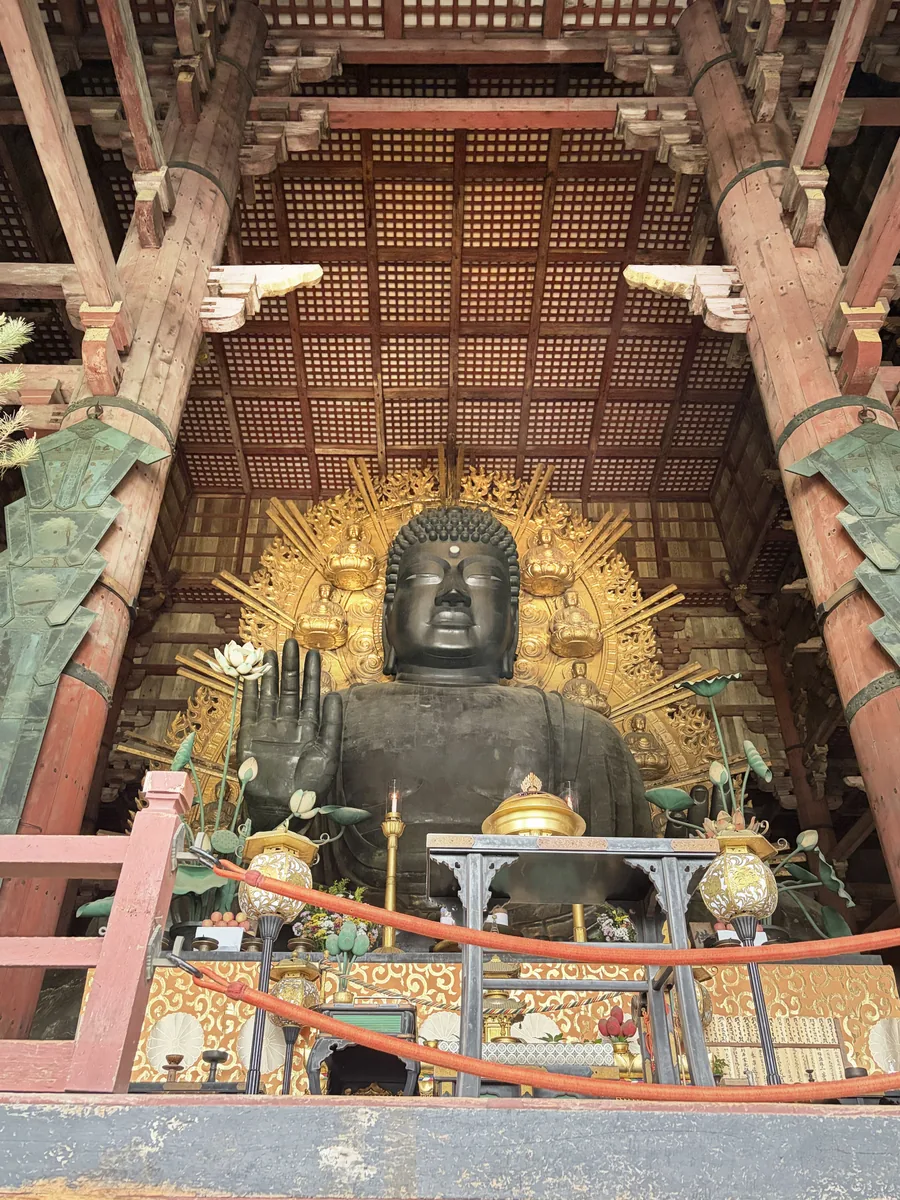
Make Todai-ji the main visit if the Great Buddha is your priority, and leave the surrounding park walk flexible. Check the temple's current entry arrangements before choosing when to arrive; passing through the park is different from entering a paid building.
Have lunch when it fits your route instead of spending the entire day trying to reach a second distant stop. Keep one optional visit for the afternoon, with permission to skip it if you would rather linger or return early.
That outline deliberately leaves room. If you enjoy architecture, photography or reading exhibition explanations, a flexible day can be more valuable than a route containing the largest possible number of names.
When a guide adds value
Book a guide when you want help understanding the places you are visiting or prefer someone else to organize the sequence. Check whether admission is included and how much time is allocated inside the attraction you care about.
A combined bus itinerary may solve the transport arrangements but give you less time in Nara itself. Read the stop durations, not just the headline destination list. If Nara is the main reason for going, a focused visit is usually the more coherent choice.
Uji: choose a tea experience and leave room around it
Uji is our first option for travelers based in Kyoto who want a more compact excursion. Japan's national tourism guide introduces its tea culture, riverside setting and historic attractions, including Byodoin. Those interests work well together without requiring a packed multi-city day.
The matcha photographs below illustrate tea preparation; they are not photographs of a specific Uji tea house or the sessions in our linked comparison.
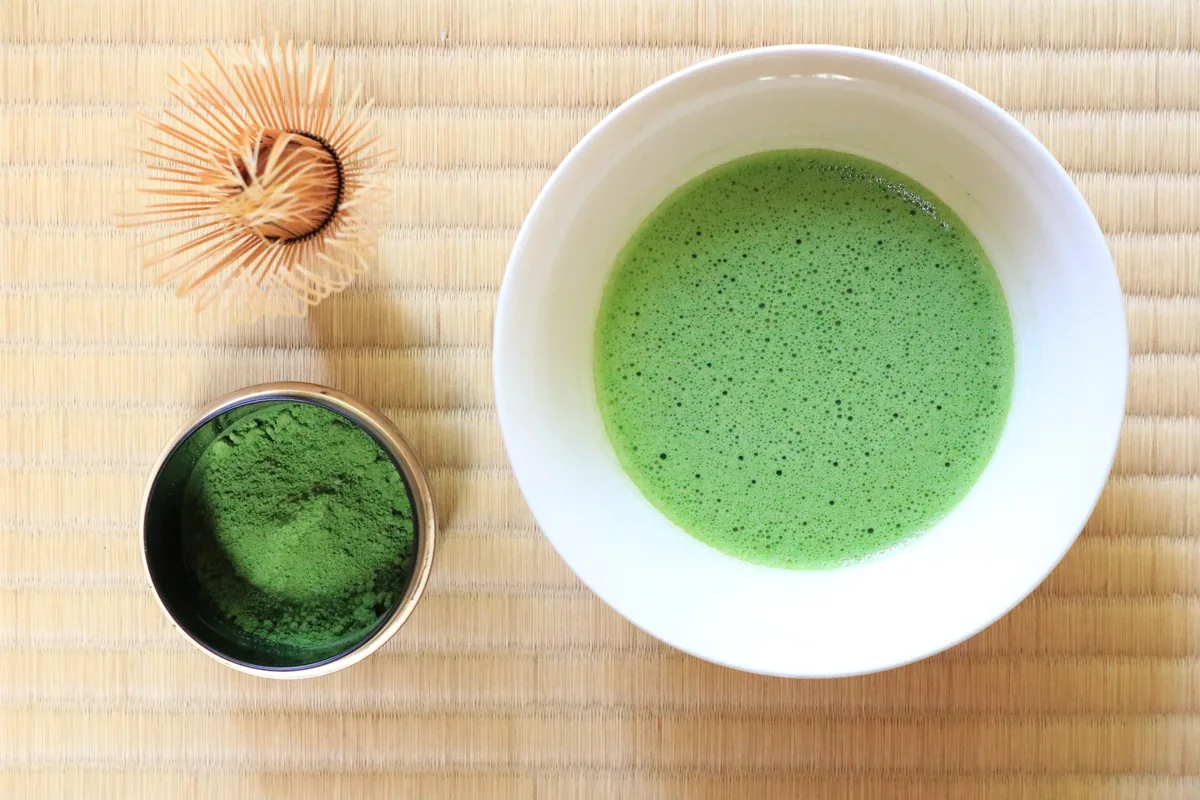
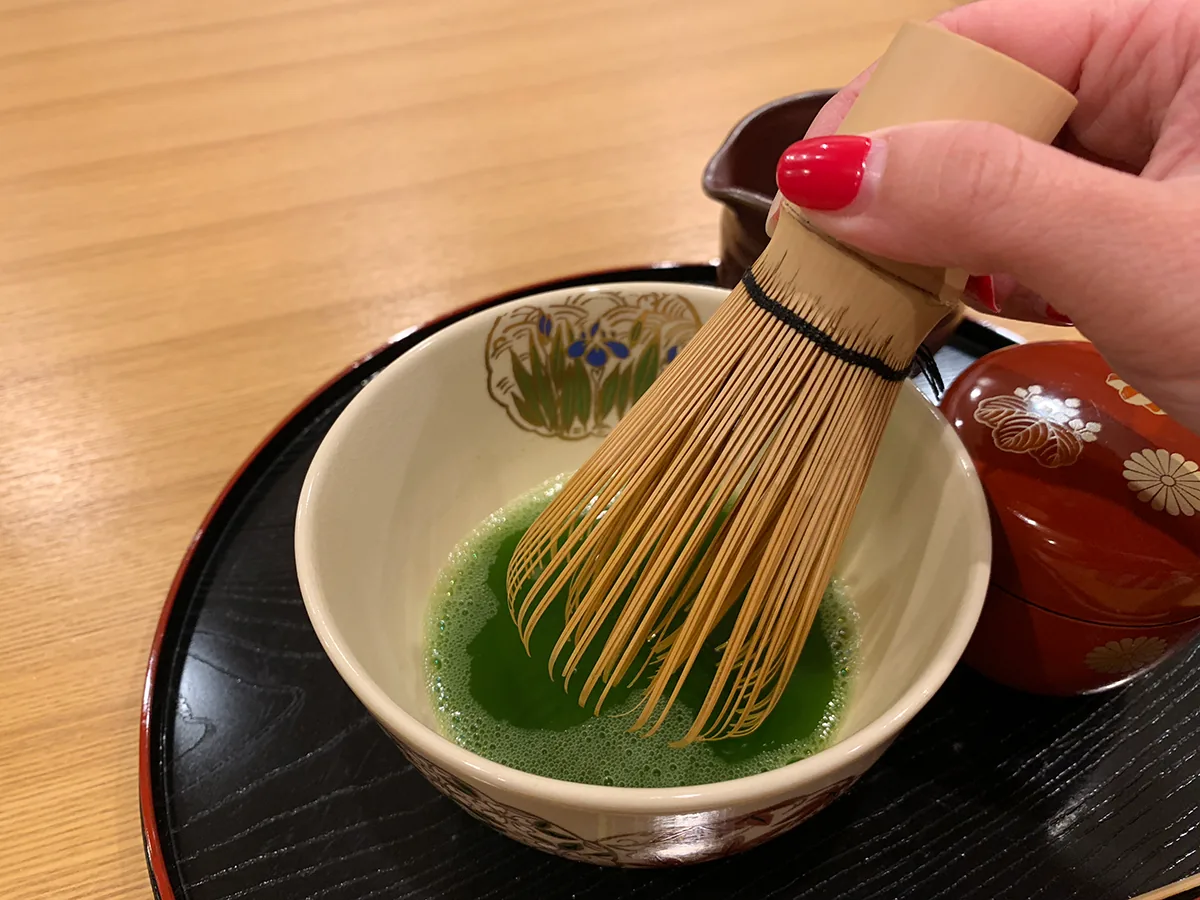
For a tea-focused visit, choose the experience before deciding how many other stops to add. A booked workshop or ceremony has a fixed start; browsing shops and taking a riverside walk are easier to move around it.
JR Uji and Keihan Uji are different stations. Check which one your selected route uses and save directions from that station to the activity venue. This is especially useful when traveling from Osaka, where the practical route depends on where you are staying.
A useful half-day outline
Begin with either a reserved tea activity or your main historic attraction. Leave time afterward for a walk and one unhurried food or tea stop. Add another attraction only if the opening times and your energy make it comfortable.
For travelers interested in participating rather than only shopping, our Kyoto and Uji tea-experience comparison explains the different formats. A tea activity is a separate booking with its own location and conditions; reaching Uji does not guarantee a walk-in place.
If you have a fixed Kyoto dinner reservation, plan the return first. Do not use the short rapid-train example as the full return journey: you still need to get to the station, wait for the correct service and travel onward from Kyoto Station.
For a guided version of the day, Arigato Travel's Kyoto Matcha Green Tea Tour combines an English-led, three-hour walk with tea tasting, matcha preparation and food stops. The operator's itinerary lists lunch and describes Byodoin's outer grounds.
Arrange your own journey to Keihan Uji Station, the meeting station in the booking listing; it is separate from JR Uji. Transport is excluded, and the listing requires at least two people per booking. Discuss dietary needs before paying: the operator cannot guarantee allergy-free meals.
Uji Matcha, Food & Guided Walk
Combine a local English guide with tea tasting, matcha preparation and food stops.
Best for
Two or more travelers who want tea, food and local context in one Uji booking.
Before booking
Meet at Keihan Uji, not JR Uji. Transport is excluded; minimum two people per booking.
Live price & availability
Powered by GetYourGuide · we may earn a commission at no extra cost to you. Check Uji tour dates and inclusions
Can you combine Uji and Nara?
Yes, but choose the purpose of the combined day carefully. It works better as one main visit and a shorter second stop than as two complete sightseeing days compressed together.
Write down the three things you most want to do, including any timed tea session or temple admission. Check whether those fit with the actual connections and opening times. If the plan only works by removing every meal break and transfer buffer, separate the destinations.
A tour can coordinate the route, but it cannot create extra time at each stop. Compare the itinerary's time on the ground with your own priorities before booking a multi-destination product.
Himeji: make the castle the main event
Himeji is the clearest choice here if a castle visit is high on your list. Give that visit the best part of the day and treat everything else as optional. Arriving with several other cities still to cover can make the main attraction feel like a checkpoint.
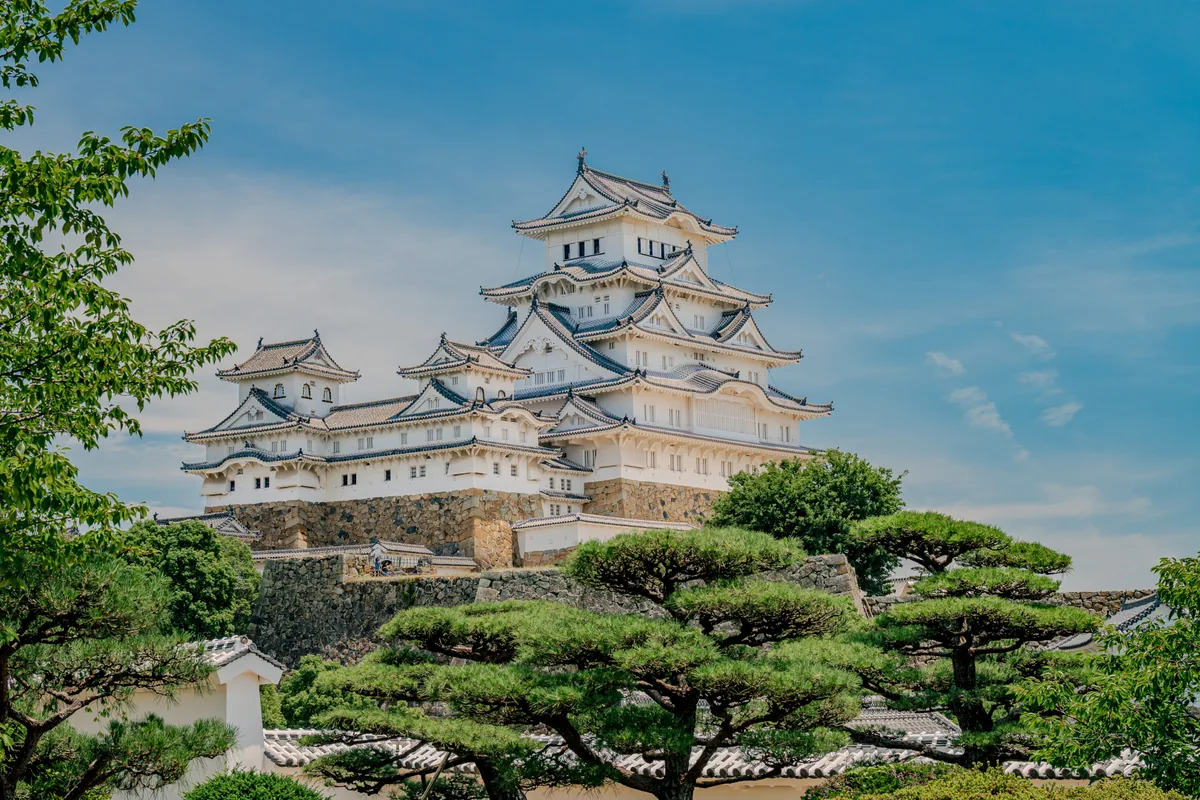
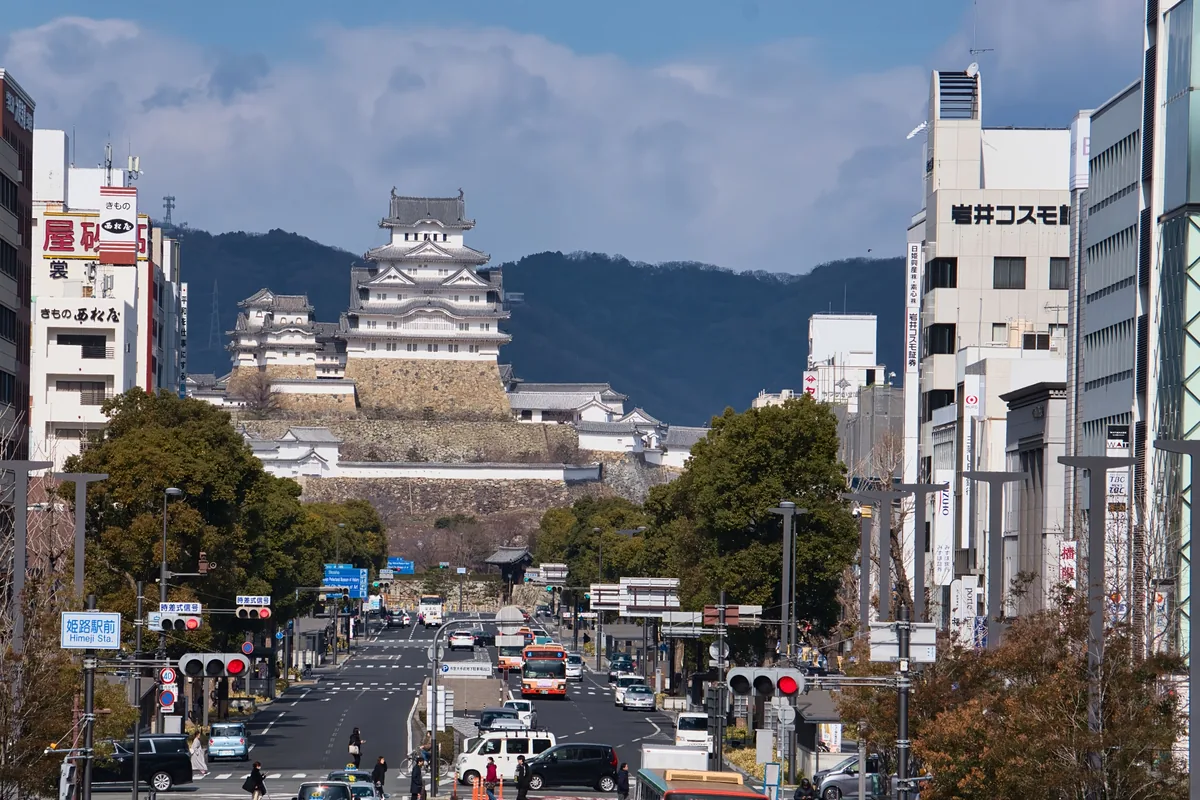
The official access estimates above use JR Special Rapid trains. Himeji's tourism office also lists Shinkansen examples from Shin-Osaka and Kyoto, but those have different departure arrangements and ticket costs. Compare the complete journey instead of assuming the fastest train shown is automatically the best value.
For admission, use the current Himeji Castle fee page. From March 1, 2026, the general admission rate for visitors aged 18 and over is ¥2,500; visitors under 18 enter free. Himeji residents have a separate discounted rate. Older guides quoting the previous general admission price are not suitable for budgeting this trip.
Check the castle's official visitor information for opening and entry arrangements near your date. Allow for the approach to the castle and the visit itself, not just the train journey. If access or stairs are a concern, review the route before deciding which parts you want to enter.
Should you add Kobe on the way back?
It can be a reasonable optional stop if you still have energy, but avoid making a full Kobe itinerary compulsory after the castle. A simple meal or waterfront visit is a different proposition from adding several neighborhoods and another timed booking.
Decide on the return journey after you know how the Himeji visit has gone. Keeping that choice open is one of the benefits of traveling independently.
If several longer rail trips are already part of your holiday, use our JR Pass Calculator to compare the wider itinerary. Do not assume a nationwide pass pays off because one day trip has a long train ride; check the journeys and ticket products you will actually use.
Kobe: choose one part of the city
Kobe works well when you want a city outing with room for a relaxed meal and a walk. The official area guide distinguishes central areas such as Sannomiya and Motomachi, the waterfront around Meriken Park and Harborland, and separate destinations such as Nada, Arima and Mount Rokko.
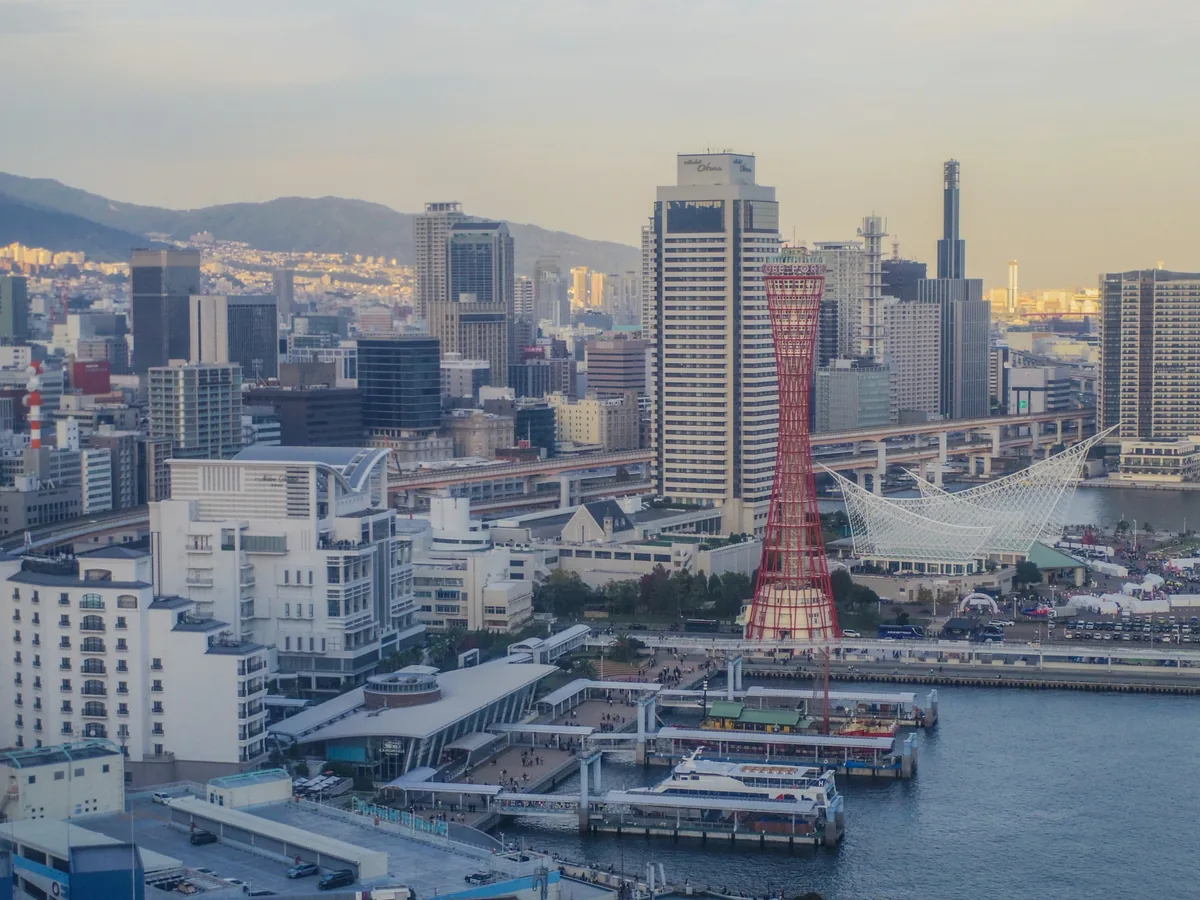
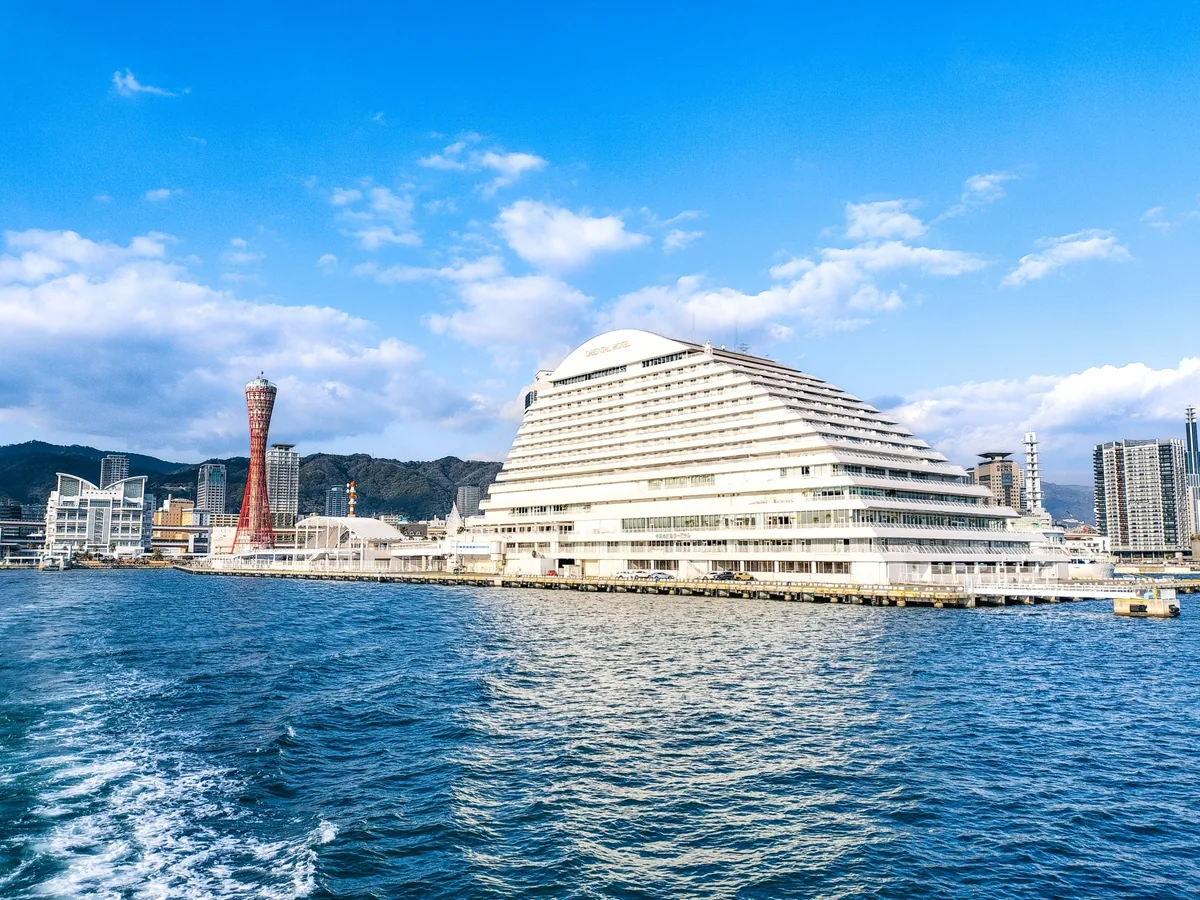
For the central-city version, use JR Sannomiya as a practical arrival point. It is separate from Shin-Kobe, the Shinkansen station, and from JR Kobe Station farther west. The rail estimates in the table do not include walking or local transport to Meriken Park or Harborland. Save directions to your first stop rather than selecting a station simply because its name contains Kobe.
That range is an argument for choosing, not for doing everything. Decide whether your day is mainly about the central city and waterfront, a specific food interest or an excursion farther out.
A flexible central route
For a straightforward first visit, choose a central arrival point, one area you want to explore and a waterfront stop if the weather suits. Leave the meal time flexible unless a particular restaurant is the reason for the trip.
If you want a special food experience, make one researched reservation and arrange the walking around it. A meal advertised with a famous regional label should still be judged by the actual menu, total price and what you want to eat.
There is no need to book a general sightseeing tour solely because Kobe is unfamiliar. On the other hand, a focused tour may be worthwhile if you want specialist explanation or access to an experience that would be difficult to arrange yourself.
For Arima or Mount Rokko, make a separate transport plan. Do not treat them as a quick extra just because they appear under the same city name. Choose the version of Kobe that fits your day and save the rest for another visit.
Amanohashidate and Ine: allow a full day for the coast
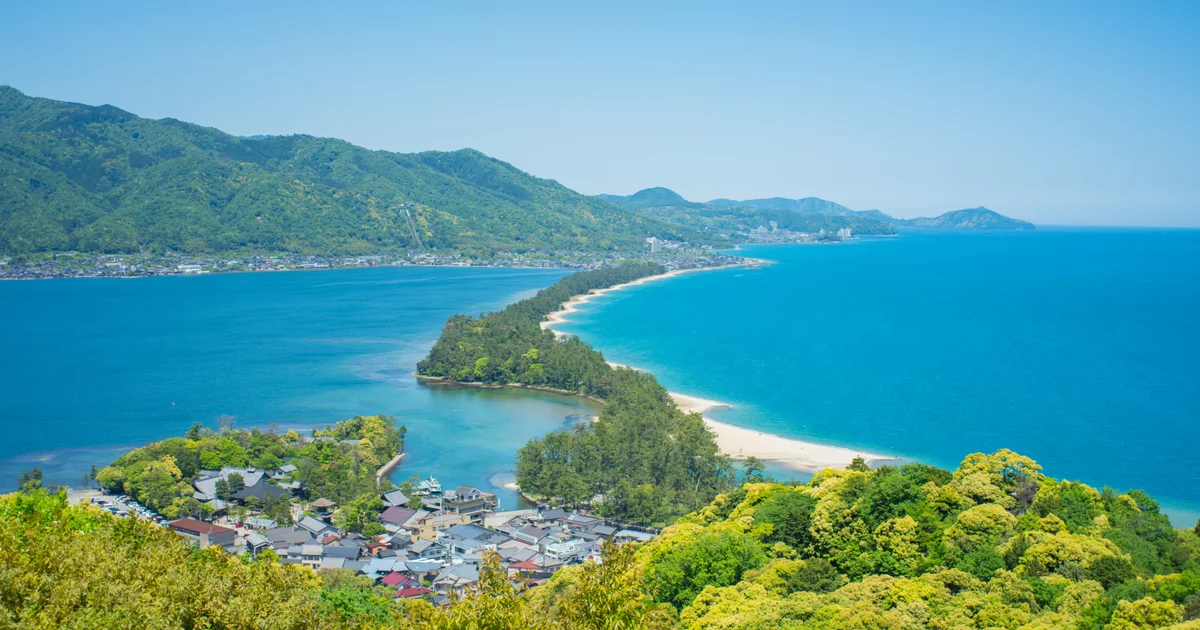
My own visit was to Amanohashidate; I have not visited Ine. The combined-route advice here comes from the official transport information below, and the linked comparison is not an account of joining the listed tours.
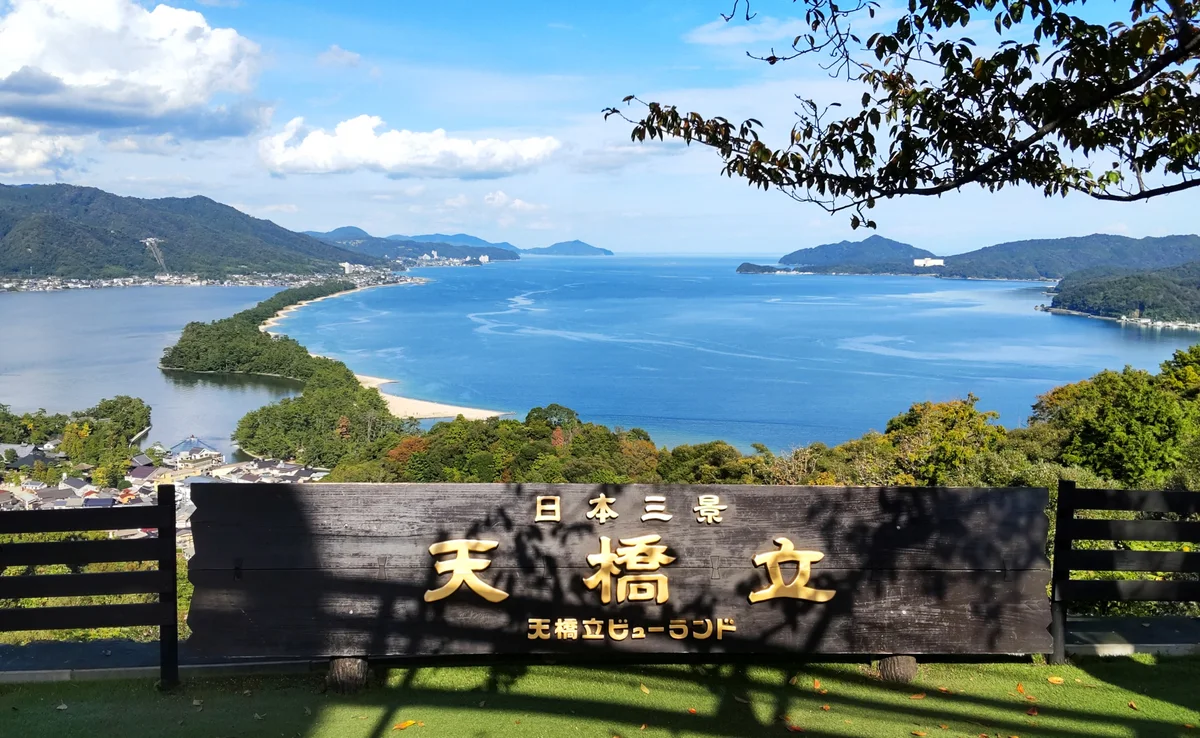
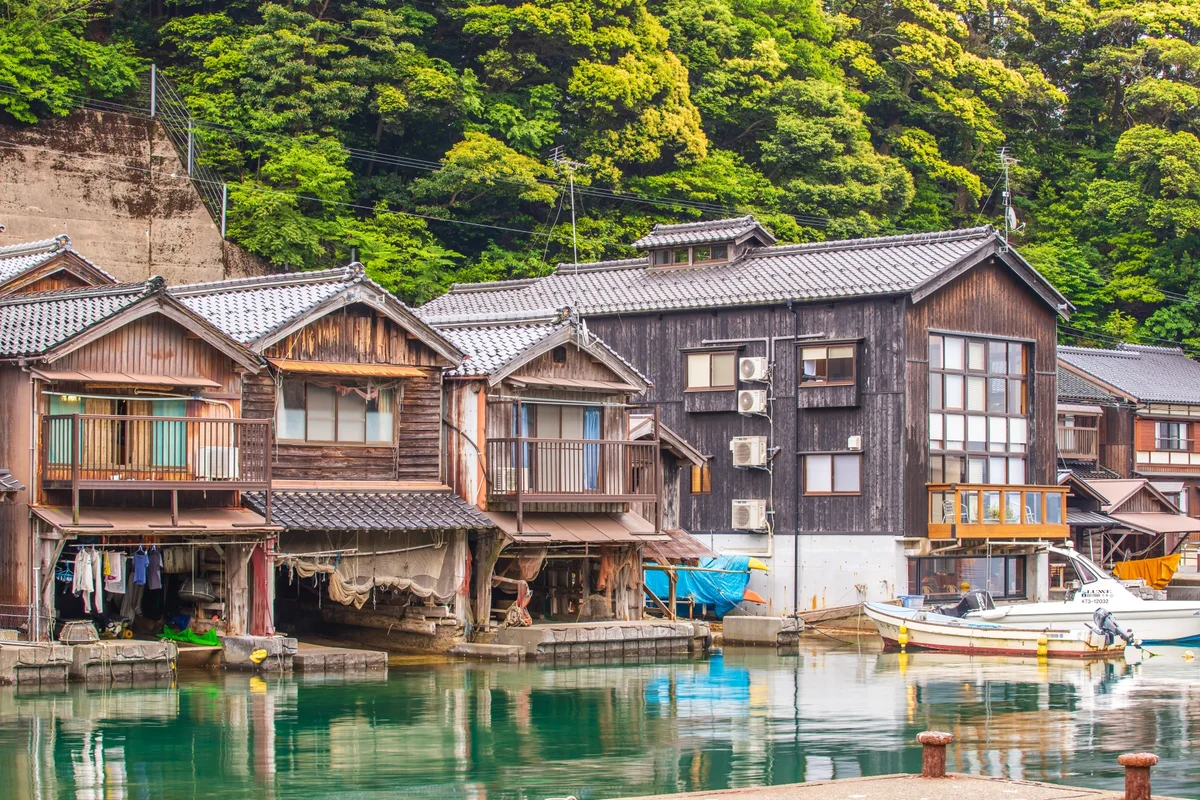
The coast is the biggest change of pace in this shortlist, but also the largest transport commitment. Amanohashidate's official access page gives rail estimates of about two hours from Kyoto and two hours twenty minutes from Osaka. Those figures get you to Amanohashidate, not onward to Ine.
Ine's tourism association estimates roughly three hours from Kyoto and three and a half hours from Osaka by train and local bus. Connections matter, and a missed bus can affect more than one part of the day.
Amanohashidate alone and Amanohashidate plus Ine are therefore different plans. If you want a gentler outing, consider visiting one area properly rather than assuming both must be included.
When a tour is worth comparing seriously
A tour can be useful here when its pickup point, language and exact stops match what you want. It removes some transfer decisions, but you still need to examine how the day is divided between travel and time at the destinations.
Check whether the advertised itinerary actually includes Ine, what you do there, whether a boat ride or other activity costs extra and where the tour returns. A coastal photograph on a product page does not establish any of those details.
A bookable example is the Kyoto/Osaka: Amanohashidate & Ine Funaya & Ine Bay Day Tour. The listing offers departures from Kyoto Station's Hachijo side or Osaka's Nipponbashi area, return transfers and English/Chinese guiding.
Choose the departure city and ticket package carefully: the Ine Bay cruise and Amanohashidate viewpoint transport are included only with the corresponding option. Meals are extra. The listing excludes wheelchair users and travelers with mobility impairments or heart problems. Keep the return evening flexible because traffic can delay the coach.
Amanohashidate & Ine Day Tour from Kyoto or Osaka
Join the two coastal places in one full-day outing with return coach transfers.
Best for
Travelers who want both coastal destinations without organizing the train and local bus connections.
Before booking
Shared timetable; meals are extra. Cruise and viewpoint tickets depend on the booked option.
Live price & availability
Powered by GetYourGuide · we may earn a commission at no extra cost to you. Check Kyoto and Osaka departure options
Our Amanohashidate and Ine day-trip guide goes into the route and booking choices. Use it once you have decided the coast deserves a full day in your itinerary.
When independent travel or an overnight stay makes more sense
Travel independently if spending longer in one place matters more than covering both, and you are comfortable organizing the connections. Work backward from the final practical return journey before deciding on optional stops.
Consider staying overnight if the purpose is to slow down, photograph the area at different times or avoid making the day mostly about departure deadlines. Adding a night changes the accommodation and luggage plan, so compare that honestly with a simpler day trip elsewhere.
Book the experience that adds something to the day
Use one question to decide whether a tour is worthwhile: what does this booking add beyond getting me to the destination? A knowledgeable guide, a well-matched workshop or a thoughtfully timed coastal route can be a good answer. A longer list of place names is not enough on its own.
Compare the pickup and return locations, the language, time at each main stop, admissions, meals, optional charges and cancellation conditions. If the listing mixes cities or gives inconsistent timings, resolve that before relying on it for a fixed reservation later in the day.
For independent travel, check the date-specific route and the main attraction's opening information, then keep a backup that does not require crossing the region. Leave space for lunch and a pause. A day trip should add something you value to the holiday, not merely another transport problem.
If you are traveling specifically for autumn colors, our autumn day trips from Osaka covers that seasonal decision separately. For a general visit, choose one main interest, use the starting station nearest your actual plans and keep the rest of the day proportionate to the journey.
Make it your trip
Still planning your Japan trip?
Pick the question on your mind. Compare your options, check the details and take one more thing off your list.
Would a JR Pass save you money?
Add your train journeys and compare individual tickets with the nationwide pass. See which costs less for your route.
Calculate my rail costs
Which eSIM fits your Japan trip?
Maps, messages, hotspot use: compare five providers by data allowance, network and plan limits before you choose.
Find my Japan eSIM
How much can you fit into one week?
Connect Tokyo, a Fuji or Hakone day trip, Kyoto and Osaka with a day-by-day route, travel costs and booking advice.
Explore the 7-day routeFrequently Asked Questions
Nara is a useful starting point if you want temples and parkland with rail access from either city. Choose Uji for a shorter tea-focused outing, Himeji for a castle visit, or Kobe for a city and waterfront day. The best choice depends on your starting station and interests.
Both can be visited independently by train. A guide can add explanations or organize a multi-stop day, but a tour is not required simply to reach them. Compare the actual time at each attraction with the freedom of your own itinerary.
It is possible, but it leaves less time for temples, tea stops and walking. Select a few priorities and check the day's rail connections and closing times. A combined tour fixes the pace and does not remove the need to decide what matters most.
Himeji's official tourism site lists approximately 57 minutes from Osaka Station and 85 minutes from Kyoto Station by JR Special Rapid train. These are station-to-station estimates; add time for your hotel connection and reaching the castle.
Treat the coast as a full-day outing. Ine's tourism association estimates about three hours each way from Kyoto and three and a half hours from Osaka by train and local bus. A combined day needs careful timing, whether you travel independently or join a tour.

Written by
JAPANODE
Based in Japan, sharing practical travel tips and local insights for visitors.
You Might Also Like
 Day Trips
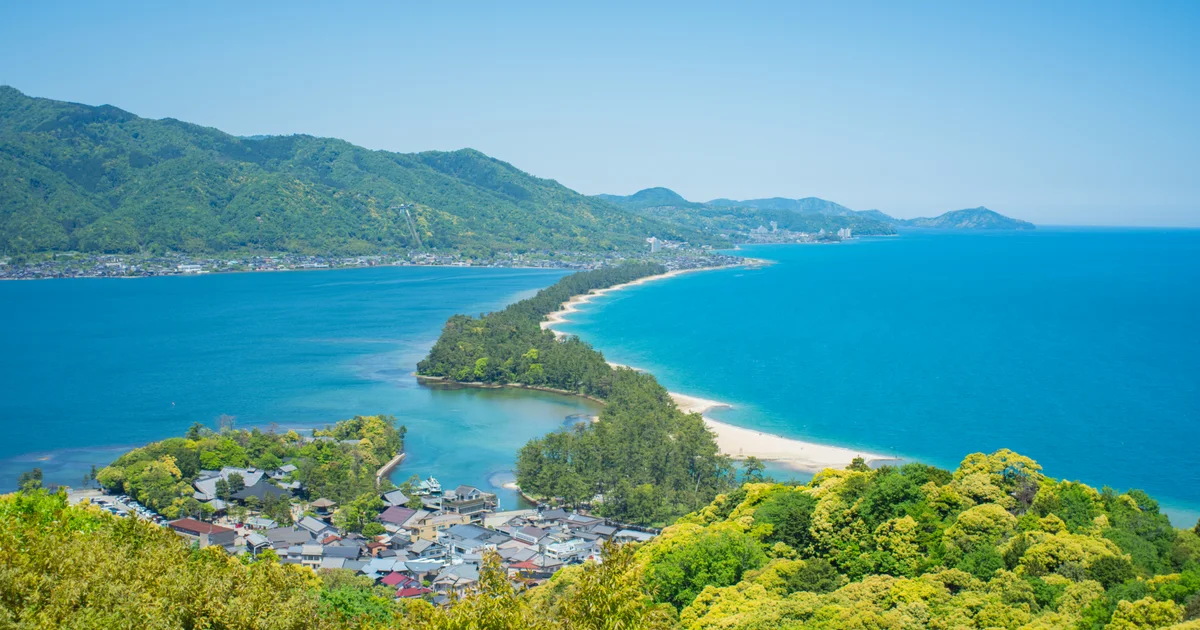
Amanohashidate & Ine Day Trip from Kyoto or Osaka: 4 Tours
12 min read
 Culture
5 Best Tea Ceremony Experiences in Kyoto (2026 Comparison)
16 min read
 Day Trips
10 Best Autumn Leaves Day Trips from Osaka in 2026: Kyoto, Nara, Koyasan & More
8 min read
 Itinerary
4-Day Kansai Itinerary: Kyoto, Osaka & Nara (2026 Local's Guide)
18 min read