JAPANODE · Stories to experience
Mount Fuji,
beyond the postcard.
You know the shape.
Come closer to the stories it holds.
A different way to look at Japan’s famous mountain
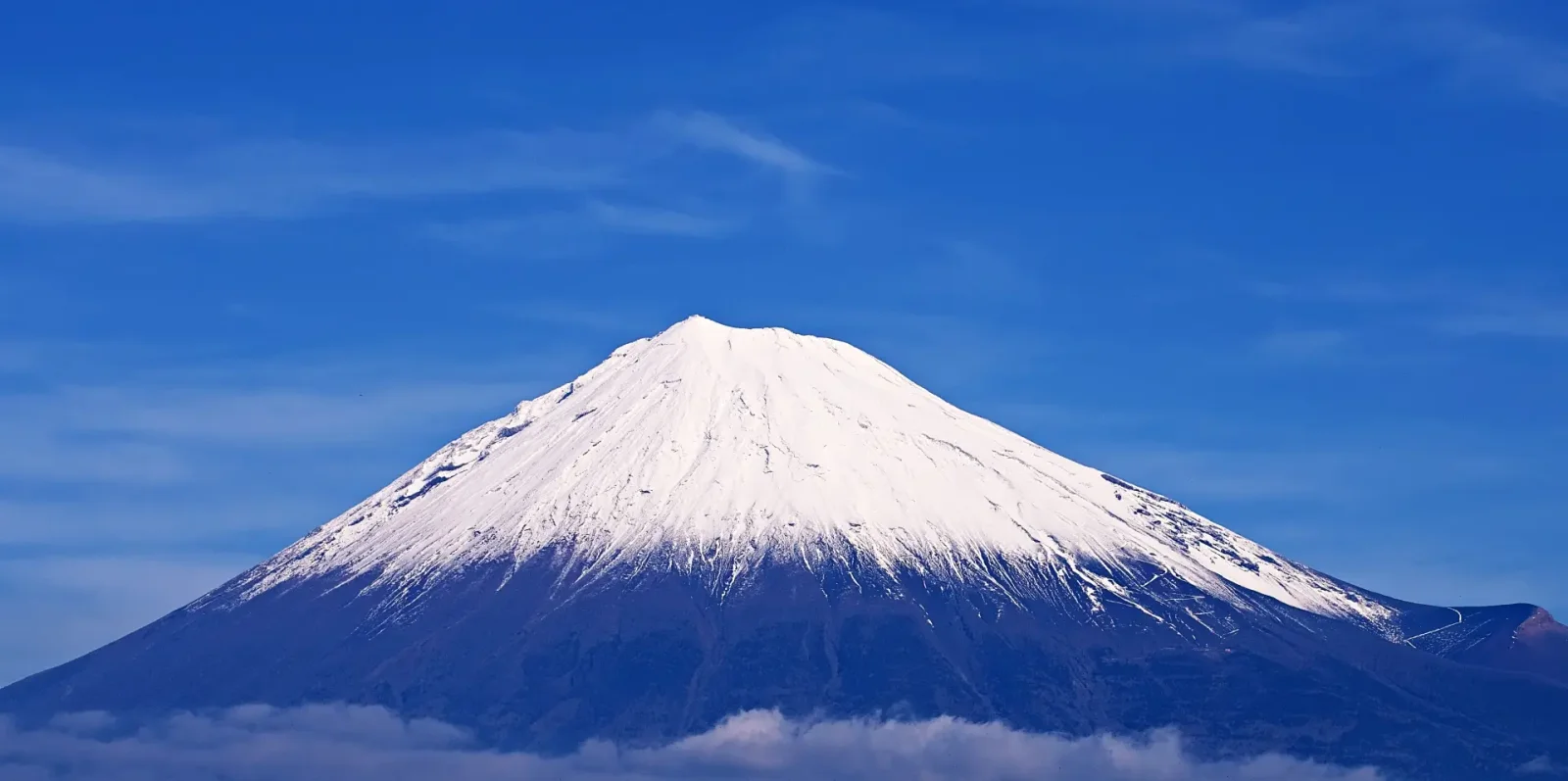
A white peak. A blue sky. A shape you could draw from memory.
But a photograph is only the beginning.
People have prayed towards Fuji, walked to it, painted it and built their lives around its water. Follow three of those connections. The next time you see that familiar outline, there will be more to look for.
The mountain in the image
You know the wave.
Have you noticed the mountain?
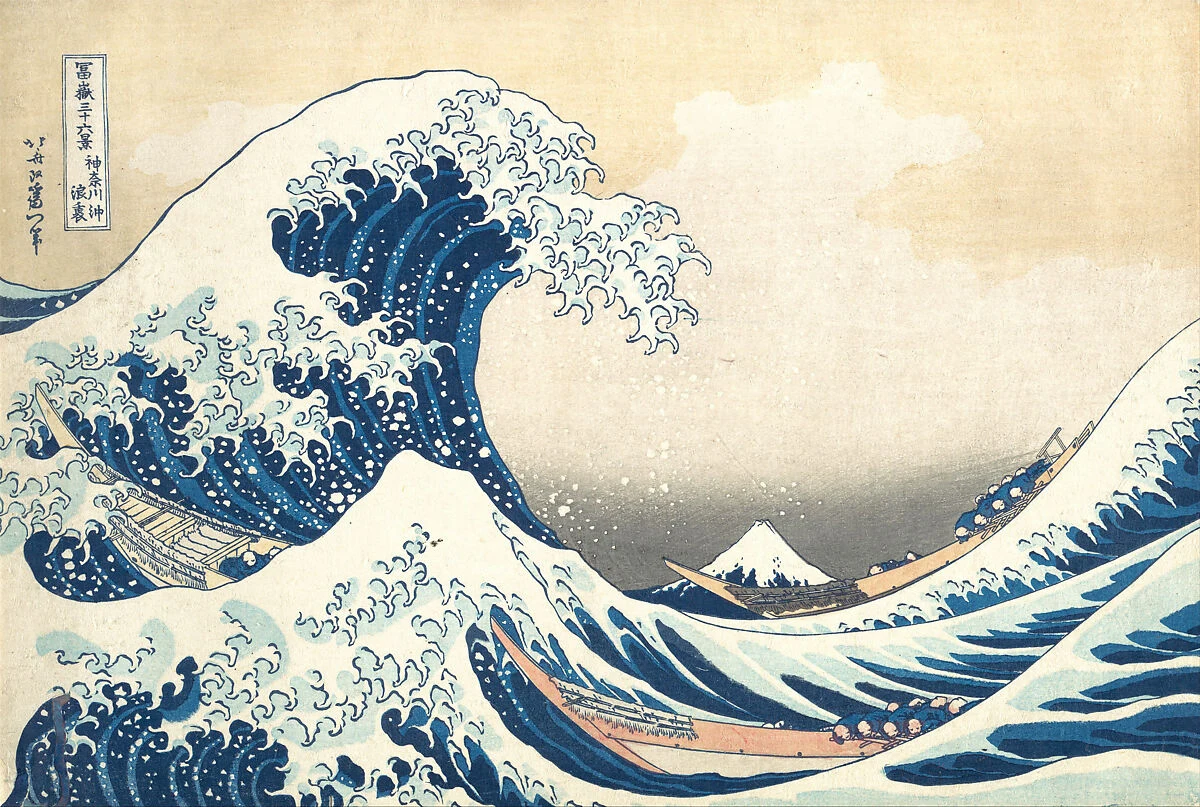
Look past the wave. A familiar mountain is waiting in the distance.
The wave commands
your attention.
Fuji asks you to
look again.
In Hokusai’s The Great Wave, boats pitch beneath a curling wall of water. Far behind them, a small white triangle holds its place. That is Mount Fuji.
The print belongs to Thirty-six Views of Mount Fuji. The mountain is the thread running through the series, even when something else fills the foreground. The Met dates this print to around 1830–32 and describes how Hokusai uses perspective to make the enormous mountain look small.
Try that way of looking on your own visit. Start with the reeds at the lake edge, a roofline or a tree. Then find Fuji beyond them. A different foreground makes a different encounter with the same mountain.
Look closer with The MetThe mountain in people’s lives
Before the day trip,
there was
the pilgrimage.
A journey towards Fuji once began with a very different kind of preparation.
Inscribed as UNESCO World Cultural Heritage.
A landscape of faith and artistic inspiration.
Imagine approaching Fuji on foot, with a walking staff instead of a camera. Your destination is the mountain, but your journey already has a life below it: a place to sleep, a prayer, water for purification.
Fuji worship changed over centuries. Fear of volcanic eruptions, mountain ascetic practice and hopes for spiritual renewal all shaped it. Shinto and Buddhist traditions intertwined. In the Edo period, associations known as Fuji-ko brought more pilgrims into this landscape.
Fujisan World Heritage Center: the history of worshipIn Fujiyoshida, Oshi hosts provided food and lodging as well as religious guidance. The former Togawa family house preserves part of that world. This was a town that helped people prepare for a sacred journey.
The Oshi lodging housesNearby, Kitaguchi Hongu Fuji Sengen-jinja marks the historic beginning of the Yoshida ascending route. Visiting the shrine gives the mountain a human starting point, even if your own journey stays entirely at its foot.
The historic Yoshida routeA host, a meal, a place to stay.
A gateway to the mountain.
A destination with spiritual meaning.
Connections in the pilgrimage story, not a present-day hiking itinerary.
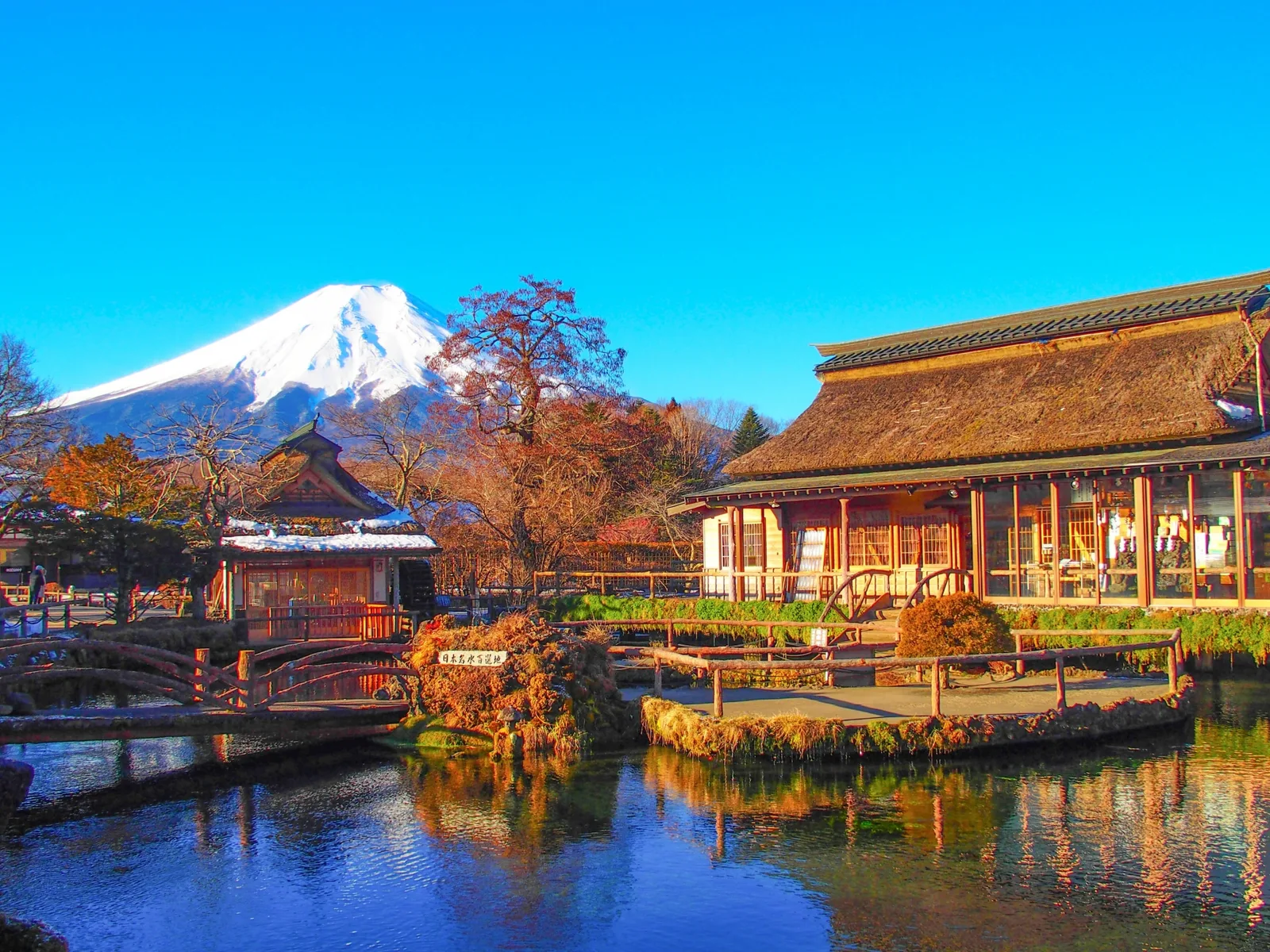 Oshino Hakkai · At the foot of Fuji
The mountain in the water
Fuji reaches
further than
its silhouette.
At Oshino Hakkai, look down as well as up. Eight spring-fed ponds connect the village to groundwater from Mount Fuji. The mountain is present in the landscape even when its summit is out of sight.
These waters also had a role in pilgrimage. Fuji-ko followers used them for ritual purification before worshipping on the mountain. They have supported daily life and livelihoods at its foot, too.
Knowing that changes a stop beside a pond. The clear water becomes a connection between the mountain, the people who traveled to it and the people who live here.
The heritage story of Oshino’s springsThese are living places. Follow local signs, keep paths and doorways clear, and ask before photographing people at worship.
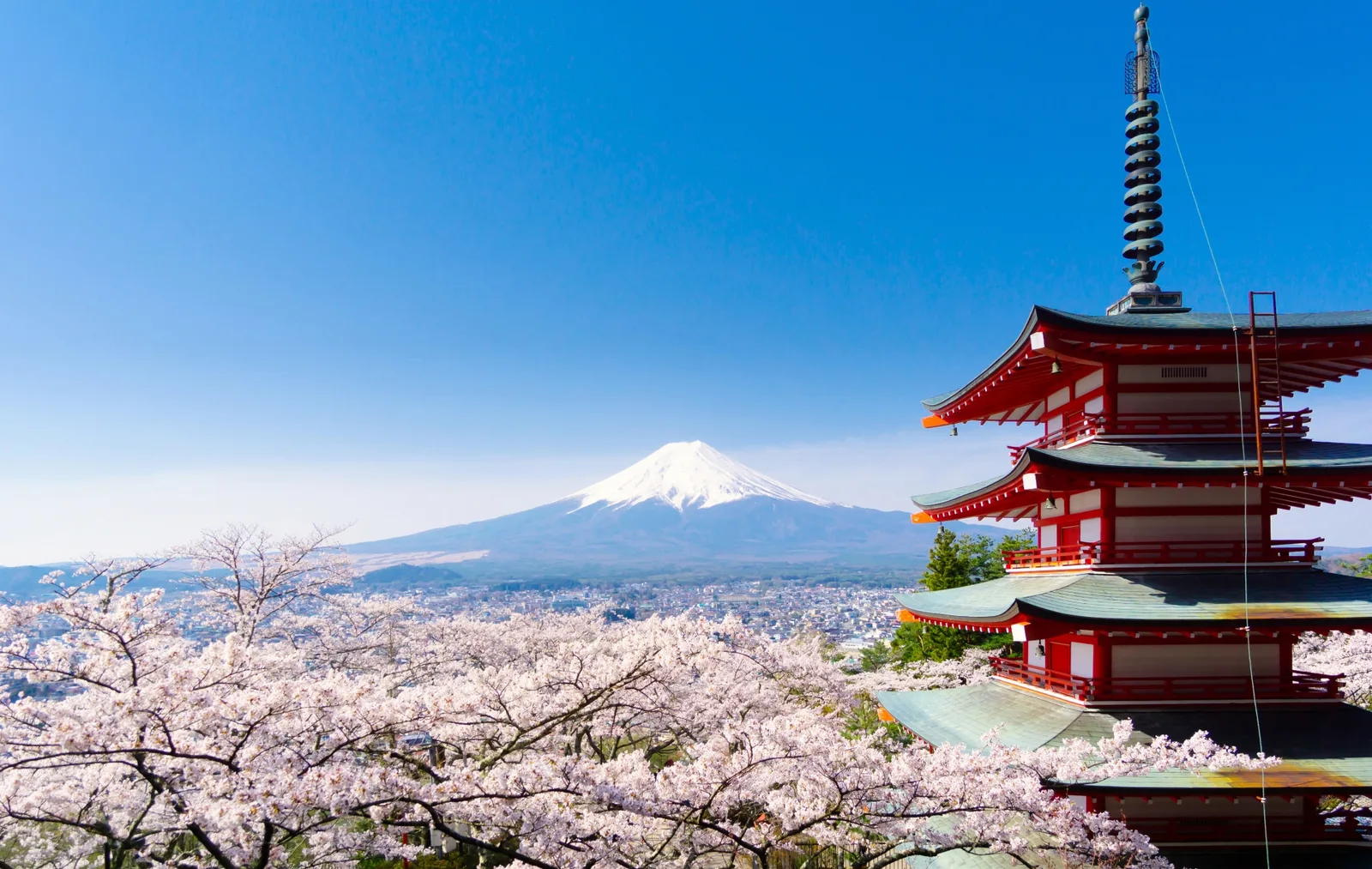
The picture is still beautiful.
Now there is
more inside it.
The mountain in your journey
Make room for
your own Fuji.
A photograph, a story, or a little time to look.
Choose what matters to you, then shape the day around it.
That unmistakable viewSee your plan
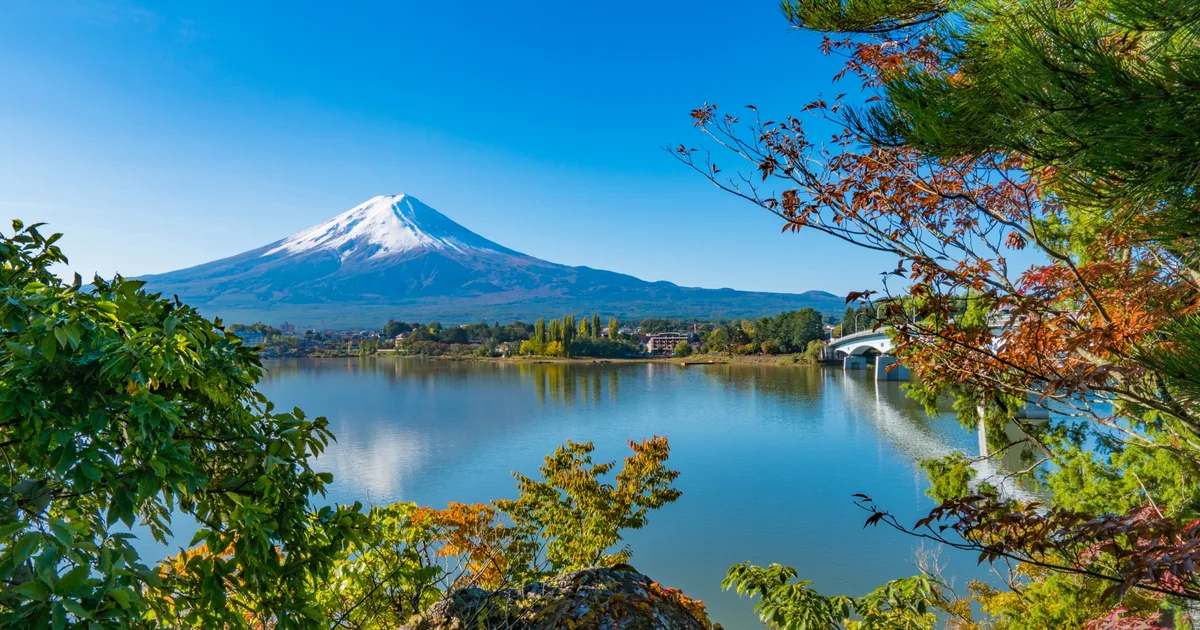
Lake Kawaguchiko · Oishi Park · Oshino Hakkai
Give the mountain room to fill the horizon.
Start with the lakeside. From Oishi Park, water and the far shore give Fuji a setting you can stand inside. A coach tour can connect several viewpoints and Oshino’s springs in one day from Tokyo.
A fixed route means shorter stops. The view depends on the weather, and the 5th Station is a different experience from seeing the full mountain across a lake.
See a tour for this kind of dayA good day has more than one reason to go
And if Fuji
is hiding?
Clouds can cover the summit. A photograph taken on a clear day is a possibility, never a promise. Choose a route you would still enjoy for its lakeside, springs or cultural stops.
The Fujisan World Heritage Center can give a cloudy day a different focus. Check its opening information and your transport separately; it is not automatically part of a sightseeing tour.
From the story to a real day out
Let the journey
take shape.
This coach day from Tokyo connects Oishi Park on Lake Kawaguchiko, the Chureito Pagoda viewpoint and Oshino Hakkai, with the 5th Station when seasonal access allows. Check the current itinerary before booking; the pilgrimage shrine and Oshi house above are not listed stops.
JAPANODE may earn a commission if you book through the tour links or booking panels on this page, at no extra cost to you.
Compare all three tour formats firstWant the day to revolve around your own group?
Discover a private Fuji dayMount Fuji Full-Day Highlights Sightseeing Trip
10-hour coach day · Book on GetYourGuide
Best for: Travelers who want multiple viewpoints with transport arranged from Tokyo.
Before booking: Fixed stops, weather-dependent views and possible return traffic. The 5th Station depends on seasonal access; check walking requirements and the selected option.
Reviews & tour details from GetYourGuide
* Affiliate link — JAPANODE receives a commission when a purchase is attributed to this link
Why it may fit & source
Why it may fit
A Tokyo day trip connecting Lake Kawaguchiko’s Oishi Park, the pagoda viewpoint, Oshino Hakkai and a seasonal visit onto Mount Fuji.
Before booking
Fixed stops, weather-dependent views and possible return traffic. The 5th Station depends on seasonal access; check walking requirements and the selected option.
For the people you came with
Your people.
Your pace.
Your Fuji.
If Fuji is one of the days you most want to remember, make it a day shaped around you. A private tour with a custom itinerary is our pick when choosing your own priorities matters most.
- Start with what moved you.
- A lakeside view, the springs, a cultural stop. Tell the operator what matters and agree a realistic route together.
- Bring your favorite people.
- For a couple, family or group of friends, the appeal is a day planned around the people you are traveling with.
- Give fewer places more time.
- Ask to spend longer at your favorite stops. Customizing the day works best when you choose a few priorities.
Private does not mean unlimited. Confirm the route, pickup, vehicle and guiding arrangements before booking. The pilgrimage shrine and Oshi houses need an explicit agreement; clear views still depend on the weather.
A day for your own group
Private Tour From Tokyo To Mount Fuji with Custom Itinerary
Private group · Custom itinerary
Best for: Couples, families and friends who want to shape the day around their own interests.
Before booking: Compare the full quote for your group with coach tickets. Confirm included stops, pickup area, guide language and extra costs for your chosen option.
Reviews & tour details from GetYourGuide
* Affiliate link — JAPANODE receives a commission when a purchase is attributed to this link
Why it may fit & source
Why it may fit
A private Fuji day with a custom itinerary, for travelers who want to discuss their priorities before setting out.
Before booking
Compare the full quote for your group with coach tickets. Confirm included stops, pickup area, guide language and extra costs for your chosen option.
Before you go
A few things
you might be wondering.
Why is Mount Fuji sacred?
Fuji’s volcanic power inspired worship, and its slopes and summit became places of religious practice. Over centuries, Shinto and Buddhist traditions, pilgrimage associations, shrines and lodging houses shaped a cultural landscape that extends well beyond the summit.
Do I need to climb Fuji to experience it?
You can explore Fuji’s cultural landscape at its foot: lakes, springs, pilgrimage shrines and the old town of Fujiyoshida. The sightseeing trips on this page are visits around the mountain. A summit climb requires a separate plan, suitable equipment and attention to official seasonal rules.
Can I visit the Fuji area on a day trip from Tokyo?
Yes. A guided coach tour can connect several stops, while a train or highway bus works well for an independent day based around Kawaguchiko. Leave a full day free and allow for return traffic. Our practical guide compares the options.
Will a sightseeing tour include the pilgrimage shrine?
Check the exact itinerary. The famous Chureito Pagoda viewpoint at Arakurayama Sengen Park is a different place from Kitaguchi Hongu Fuji Sengen-jinja, the pilgrimage shrine discussed here. An advertised Fuji tour may include one and omit the other.
Plan the journey
Your day at Fuji, from Tokyo.
Train, highway bus or guided tour? Compare the routes and decide how much of the day you want to arrange yourself.
Read the Fuji day-trip guide 17 min readFind your tour
The right route. The right pace.
Compare the classic coach, a photo-focused route and a private car, with the stops and trade-offs that matter.
Compare the Fuji tours 15 min read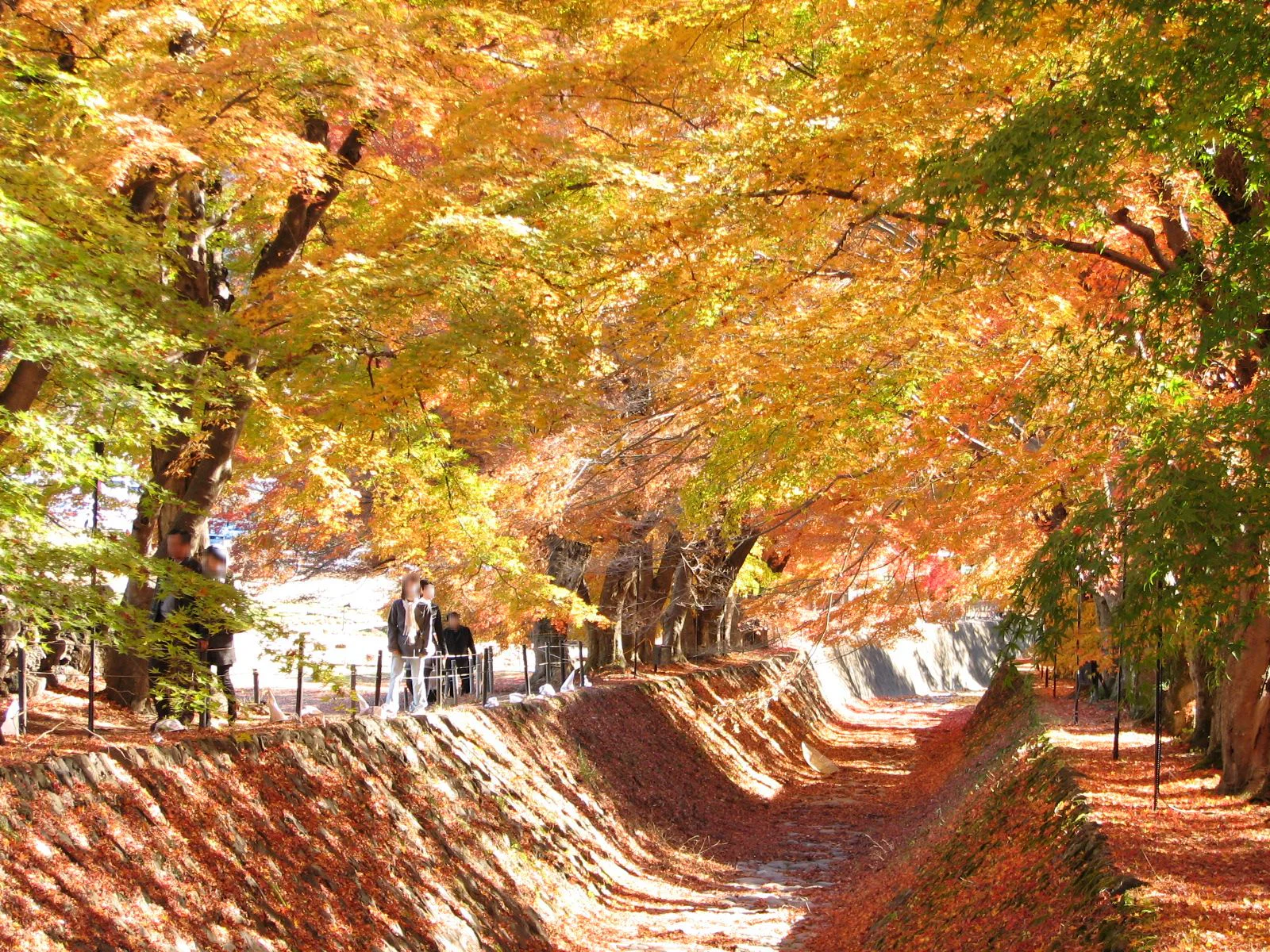
A different season
Fuji through the autumn leaves.
Explore the Kawaguchiko section of our autumn day-trip guide: lakeside maples, viewpoints and transport.
Explore Kawaguchiko in autumn 9 min read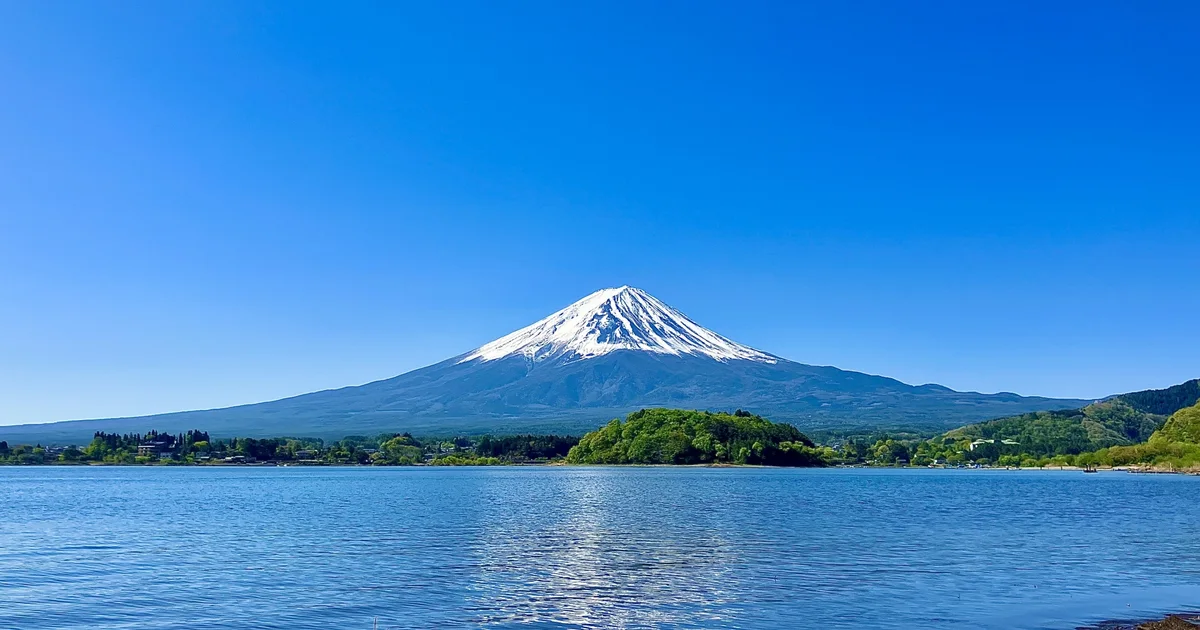
The bigger journey
A place for Fuji in your Japan trip.
Give Kawaguchiko a day of its own in a ten-day route through Tokyo, Kyoto, Himeji and Ise.
See the 10-day itinerary 12 min read