The Koyo Line 東京発・紅葉前線
Nine ways tofollow autumnout of Tokyo.
From Nikko's first October color to Kamakura's late-season temple maples—choose the day trip that matches your date, not the one that tops every list.
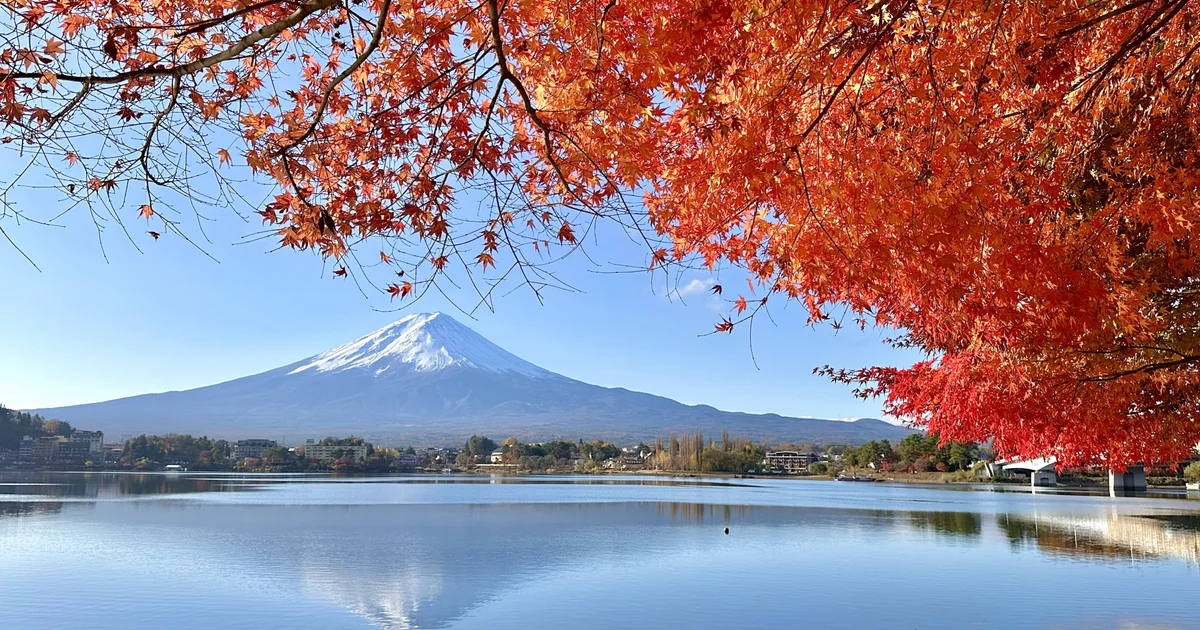
Lake Kawaguchiko · Yamanashi
The moving season
Your date chooses the landscape.
Autumn does not arrive around Tokyo all at once. It moves down from high mountains toward the coast, which means the smartest destination changes almost every week.
These are typical viewing windows, not guaranteed 2026 peak dates. JMC's first forecast, released September 2, places Tokyo's city sample-tree color around November 26 for ginkgo and November 29 for maple. Mountain destinations can be weeks earlier, so check live color, rain and transport status 48 hours before travel. For the nationwide sequence and booking timeline, see our Japan autumn leaves 2026 guide.
The day-trip radius
Nine landscapes around one Tokyo base.
The first autumn color sits north and high. The latest color waits south by the coast. Use the map to see why two places peaking in the same week can still feel like completely different journeys.
Geographic overview · tap a numbered stop
- 1NikkoEarly–late Oct2 hr + bus
- 2KawaguchikoEarly–mid NovAbout 2 hr
- 3HakoneLate Oct–late NovAbout 80 min
- 4Mt. TakaoMid–late NovAbout 50 min
- 5KaruizawaLate Oct–early NovAbout 65 min
- 6OkutamaEarly–mid NovAbout 2 hr
- 7NagatoroMid–late NovUp to 2 hr
- 8KamakuraLate Nov–early DecAbout 1 hr
- 9Showa KinenMid–late NovAbout 40 min

Before you leave Tokyo
Dress for the destination, not the station.
Tokyo can feel mild while Nikko, Karuizawa and Hakone are cold at sunrise. See September–November temperatures, rain advice and the layers that work from city streets to mountain viewpoints.
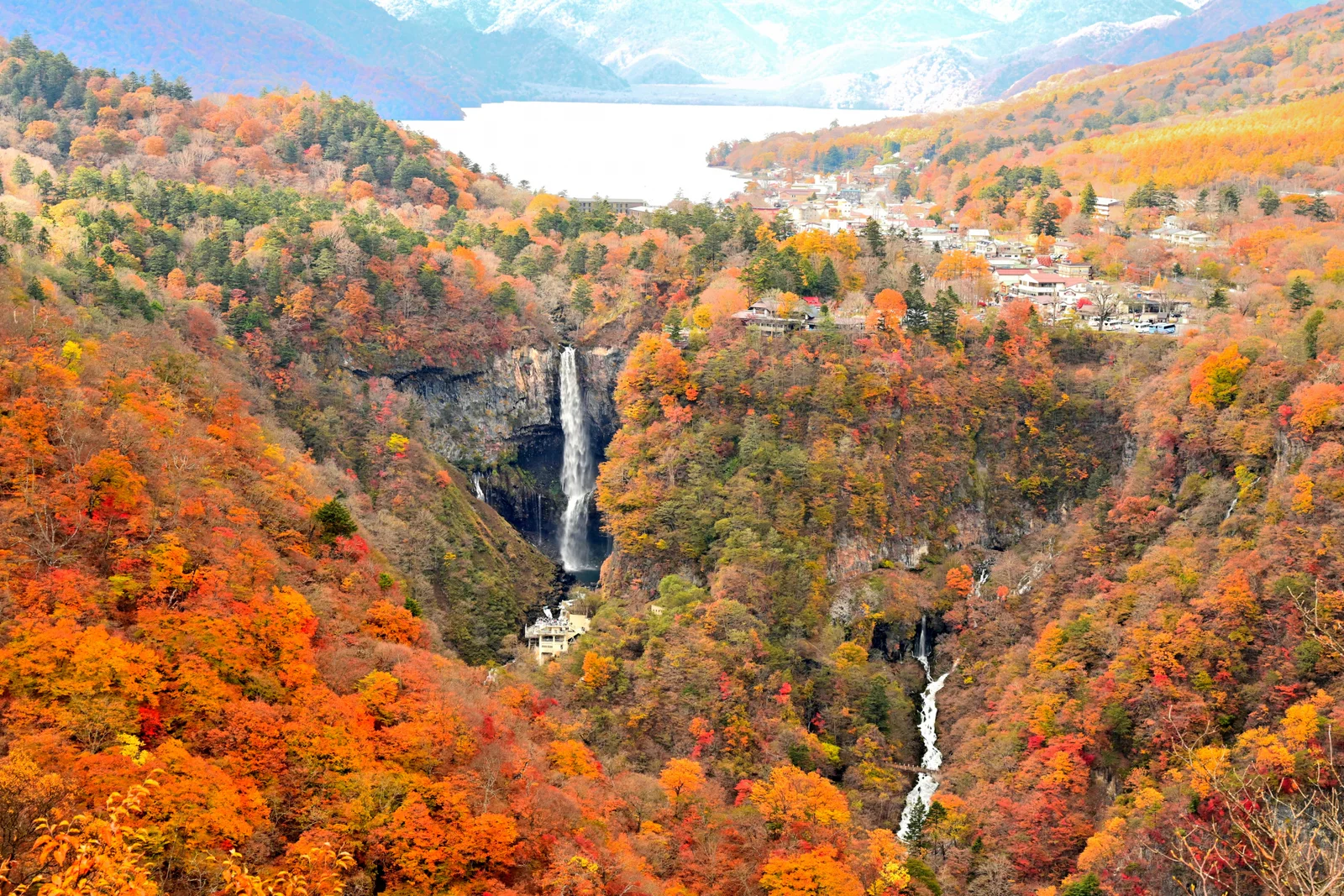
Nikko · typical peak early–late october
The first fire
Nikko
日光Nikko is the most dramatic answer when your Tokyo stay falls in October. Color descends from the high marshes toward Lake Chuzenji and the shrine district, giving you several elevation bands to work with.
- Typical window
- Early–late October
- From Tokyo
- 2 hr + local bus
- Best for
- October dates · waterfalls · mountain scale
Asakusa → Tobu-Nikko → Oku-Nikko bus
Peak Irohazaka traffic can turn the normal 45-minute station-to-lake bus ride into several hours. Choose one zone, leave Tokyo early and favor a weekday.
Still rewarding under cloud; poor when road congestion is severe.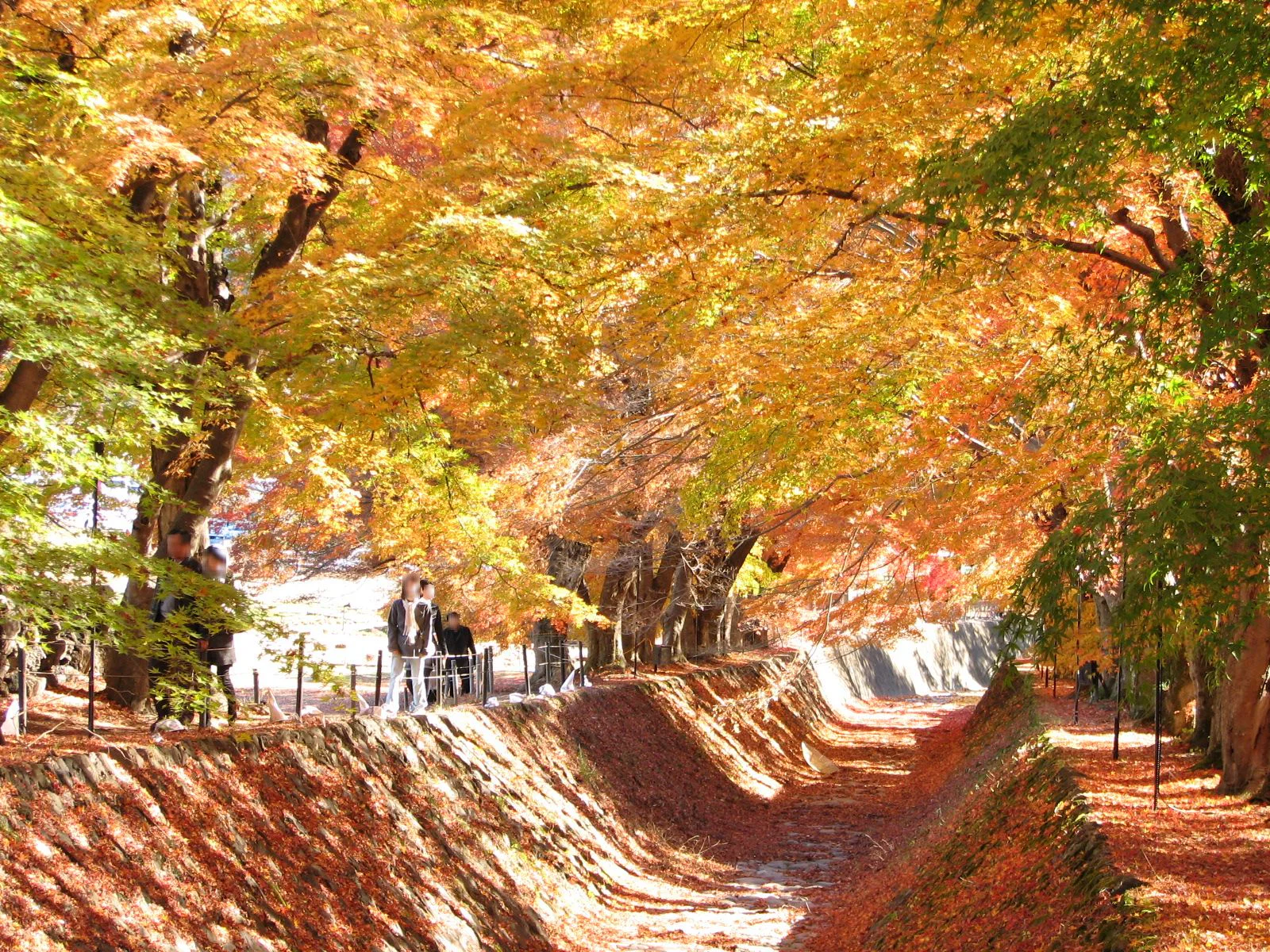
Lake Kawaguchiko · typical peak early–mid november
The iconic frame
Lake Kawaguchiko
河口湖This is the postcard: red maples, still water and Mt. Fuji commanding the horizon. Build the day around the north shore, but let live visibility—not hope—decide the order of your stops.
- Typical window
- Early–mid November
- From Tokyo
- About 2 hr
- Best for
- Mt. Fuji photography · first-time visitors
Shinjuku → Kawaguchiko by train or highway bus
Cloud can erase the mountain, and weekend buses sell out. Reserve transport and keep museums or an onsen as the plan that saves a low-visibility afternoon.
Highest upside in clear morning weather; weakest rainy-day choice.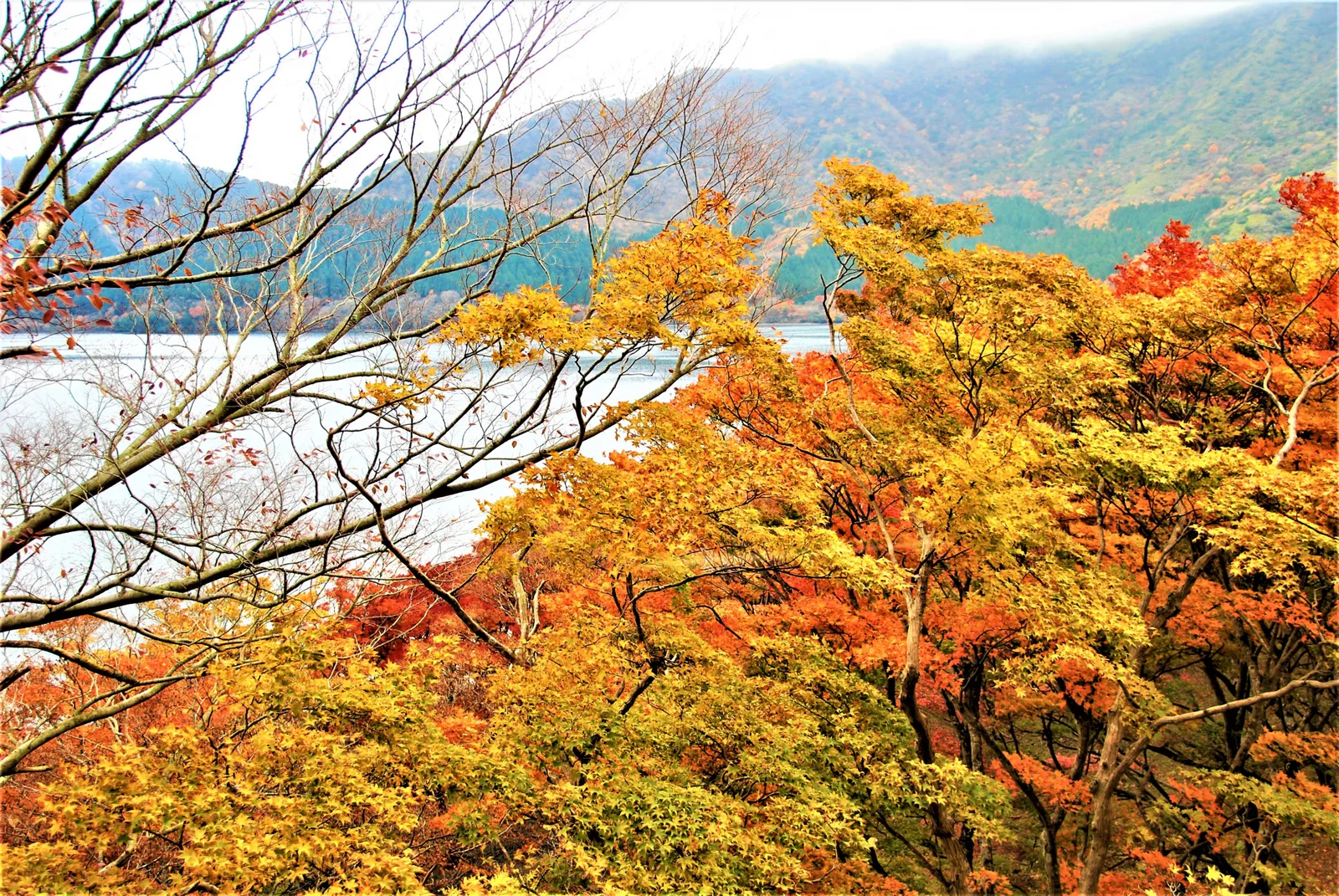
Hakone · typical peak late october–late november
The weather-proof escape
Hakone
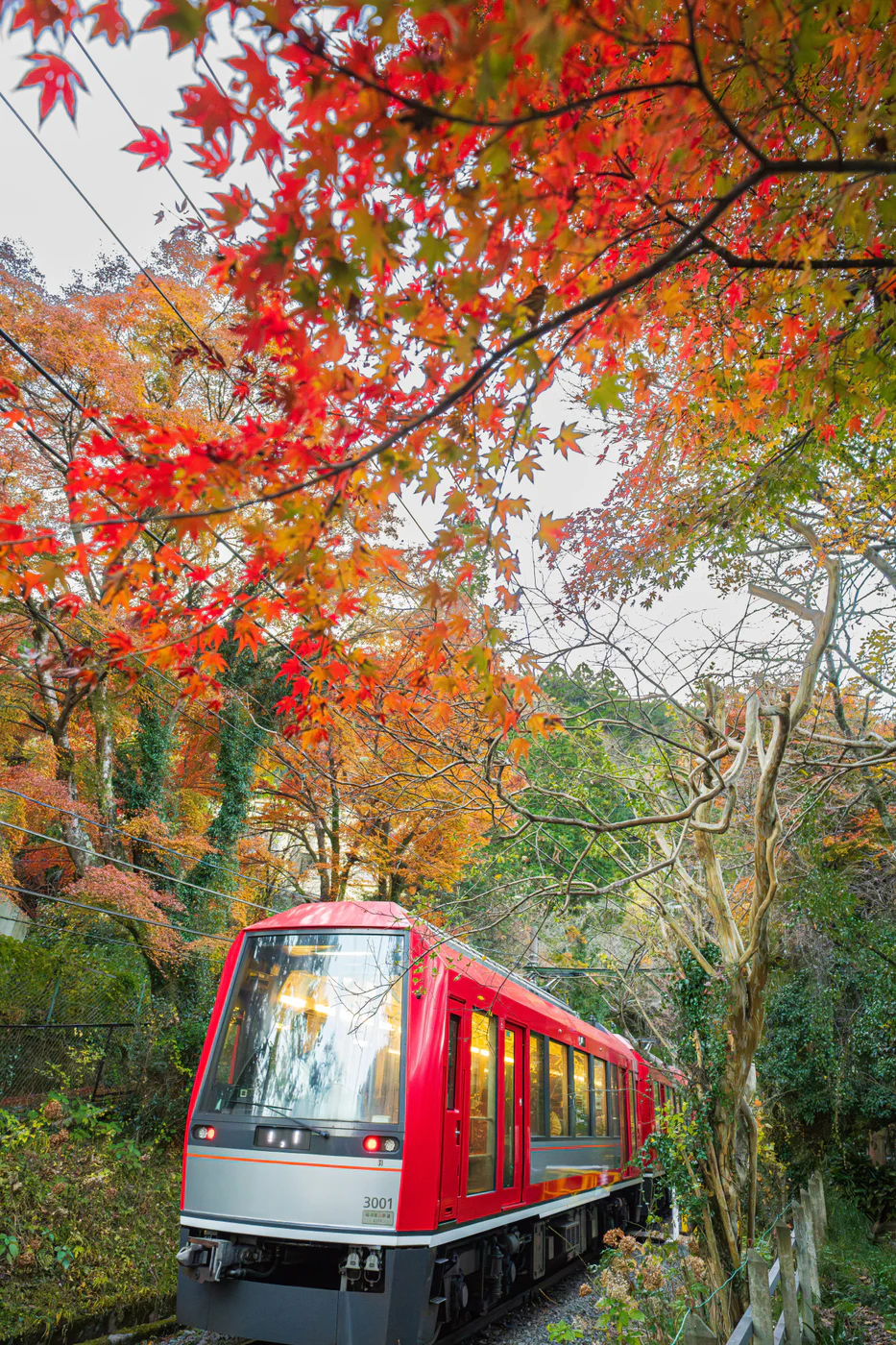
箱根Hakone earns its place by offering more than leaves. Lake Ashi, the mountain railway, gardens, museums and onsen keep the day satisfying even when Fuji stays behind cloud.
- Typical window
- Late October–late November
- From Tokyo
- About 80 min
- Best for
- Onsen · scenic transport · mixed forecasts
Shinjuku → Hakone-Yumoto by Romancecar
The full loop plus a museum and bath is too much for one day. Pick two or three anchors and check ropeway, ship and wind status before leaving Tokyo.
The strongest all-round choice when the forecast is uncertain.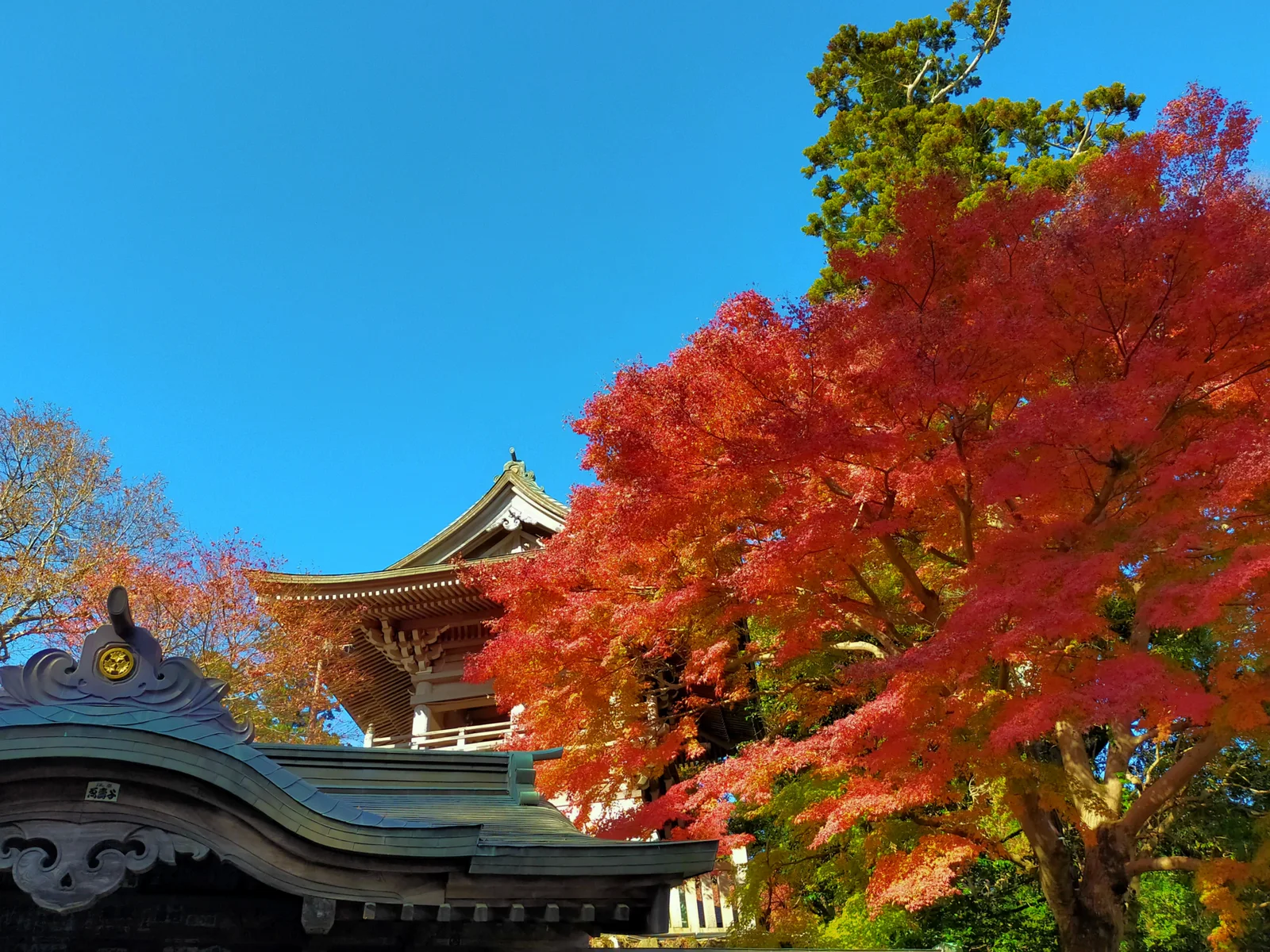
Mt. Takao · typical peak mid–late november
The easiest mountain
Mt. Takao
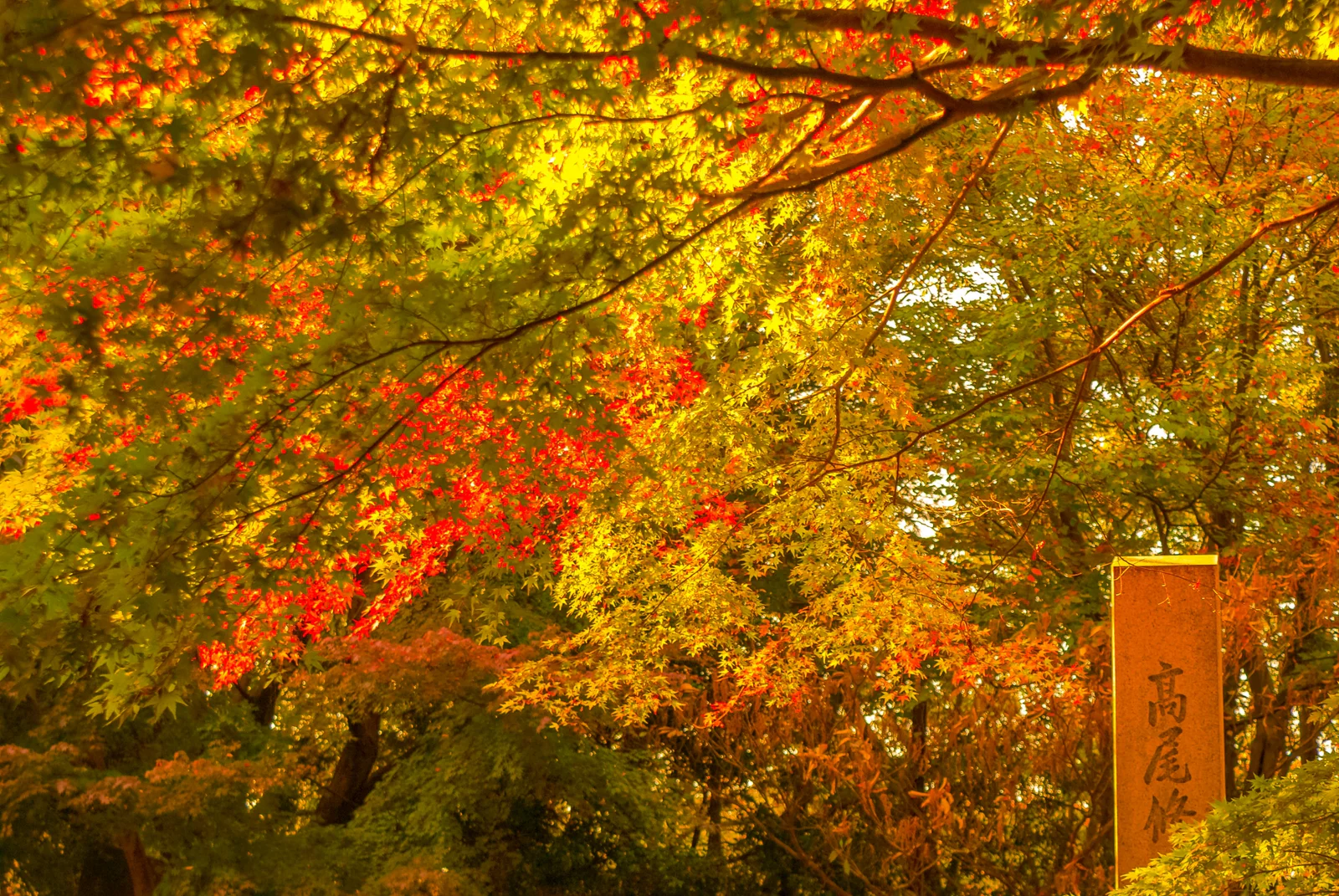
高尾山Takao gives you a genuine mountain day without an expensive limited express or an overnight stay. The cable car, Yakuoin and an onsen beside the station make the logistics unusually forgiving.
- Typical window
- Mid–late November
- From Tokyo
- About 50 min
- Best for
- Low planning · modest budget · flexible hiking
Shinjuku → Takaosanguchi on the Keio Line
Ease brings crowds. The cable car queue and main trail can feel urban on peak weekends, so take the first useful train and go midweek if possible.
Avoid in heavy rain; easy to replace with a city or park day.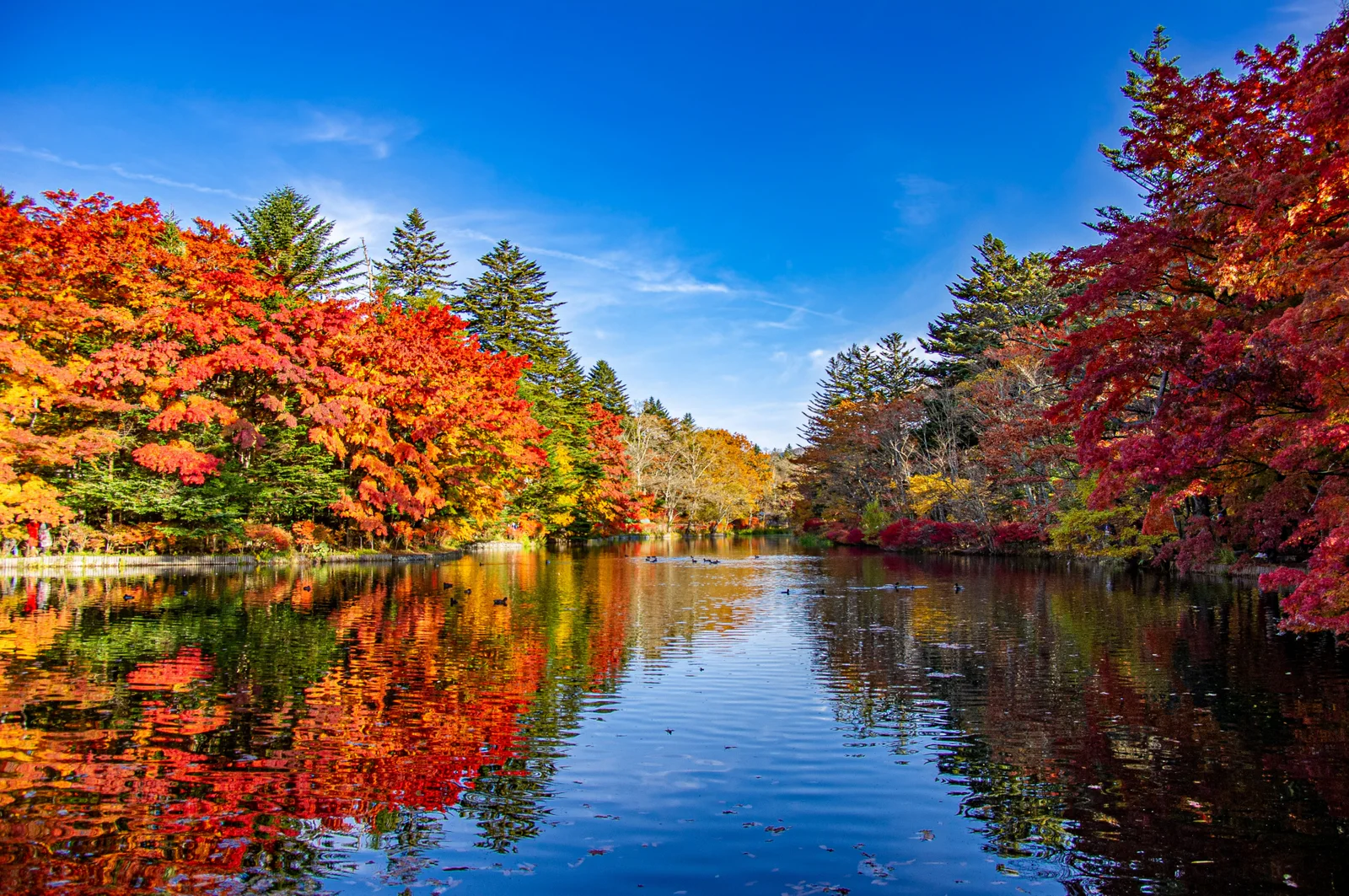
Karuizawa · typical peak late october–early november
The fast highland shift
Karuizawa
軽井沢One hour on the Shinkansen changes the air. Walk the one-kilometer loop around Kumoba Pond, then use Kyu-Karuizawa’s cafés and villas to turn a single famous reflection into a relaxed full day.
- Typical window
- Late October–early November
- From Tokyo
- About 65 min
- Best for
- Early color · easy walking · cafés and cycling
Tokyo → Karuizawa by Hokuriku Shinkansen
The train fare is high if the pond is your only goal. Add the old town or a carefully timed bus stop rather than racing across the wider highlands.
Light rain can deepen the color and keep the pond atmospheric.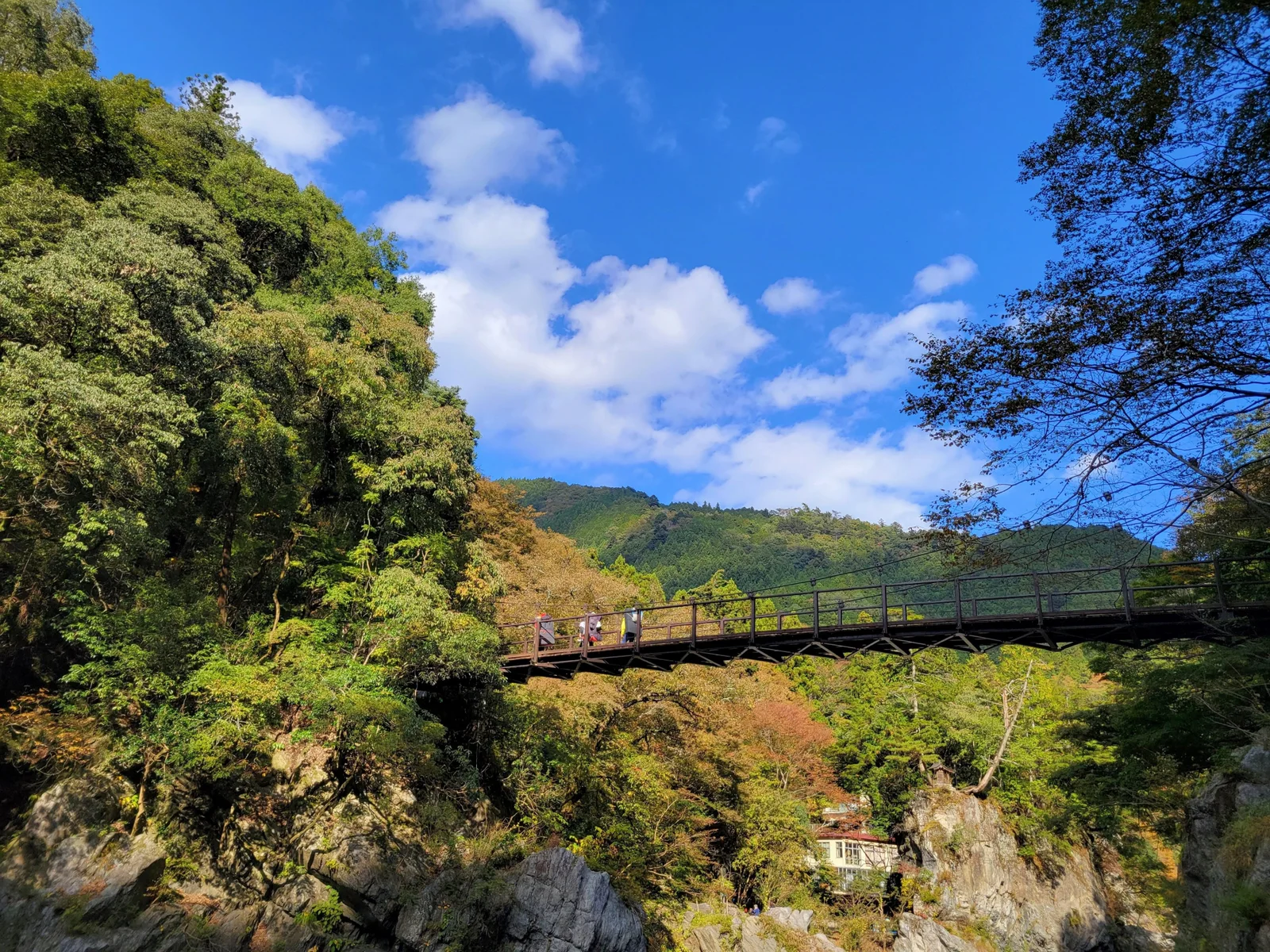
Okutama · typical peak early–mid november
Tokyo’s wild edge
Okutama
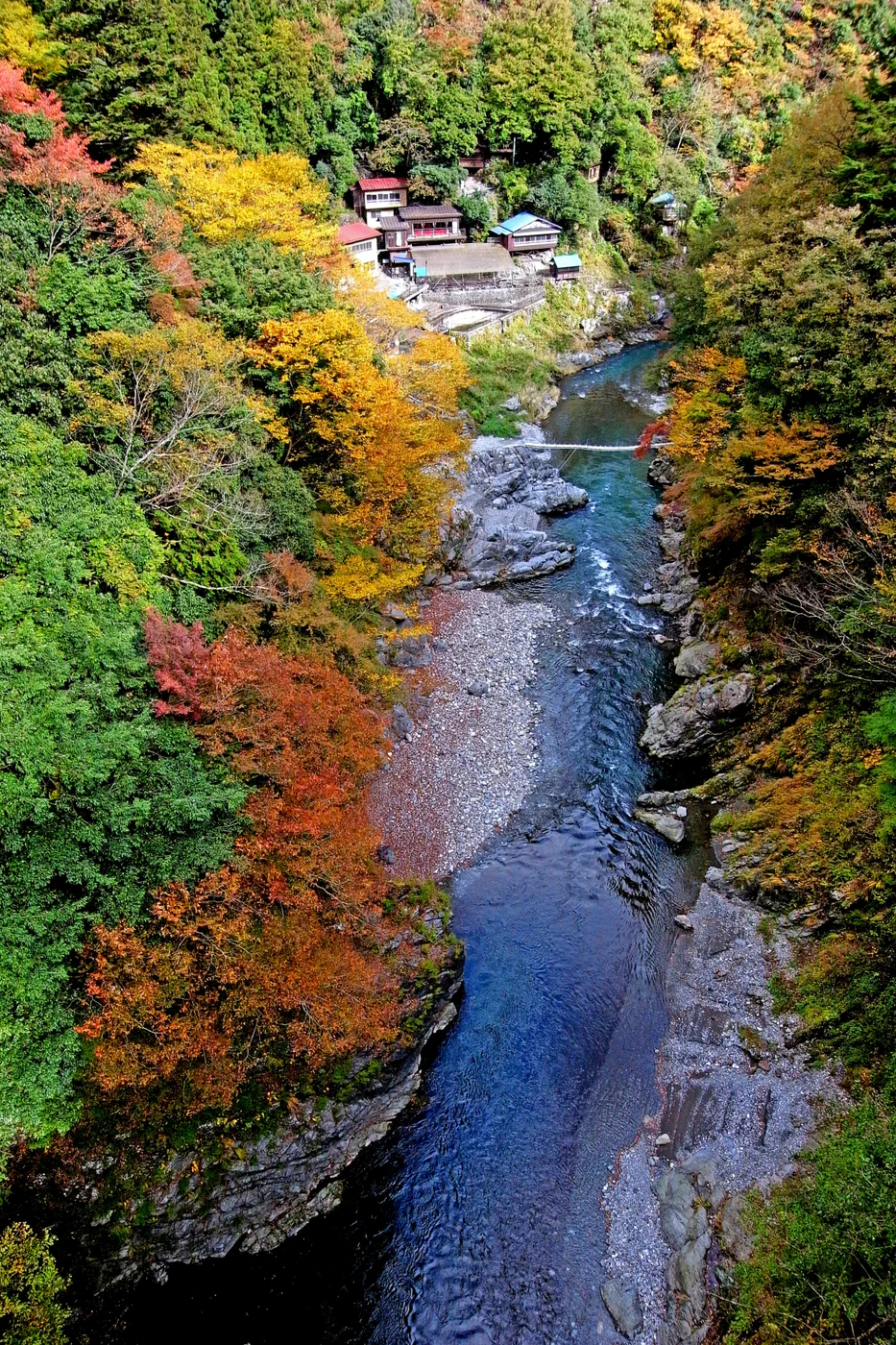
奥多摩Still technically Tokyo, Hatonosu Gorge feels far beyond it. The river, suspension bridge and steep forest walls create a wilder composition than Takao without requiring a car.
- Typical window
- Early–mid November
- From Tokyo
- About 2 hr
- Best for
- River scenery · quieter trails · repeat visitors
Shinjuku → Hatonosu on the JR Chuo/Ome lines
Train frequency, trail conditions and short daylight matter. Keep the route compact and check current closures and wildlife notices before leaving the station area.
Skip after heavy rain; rock and riverside paths become slippery.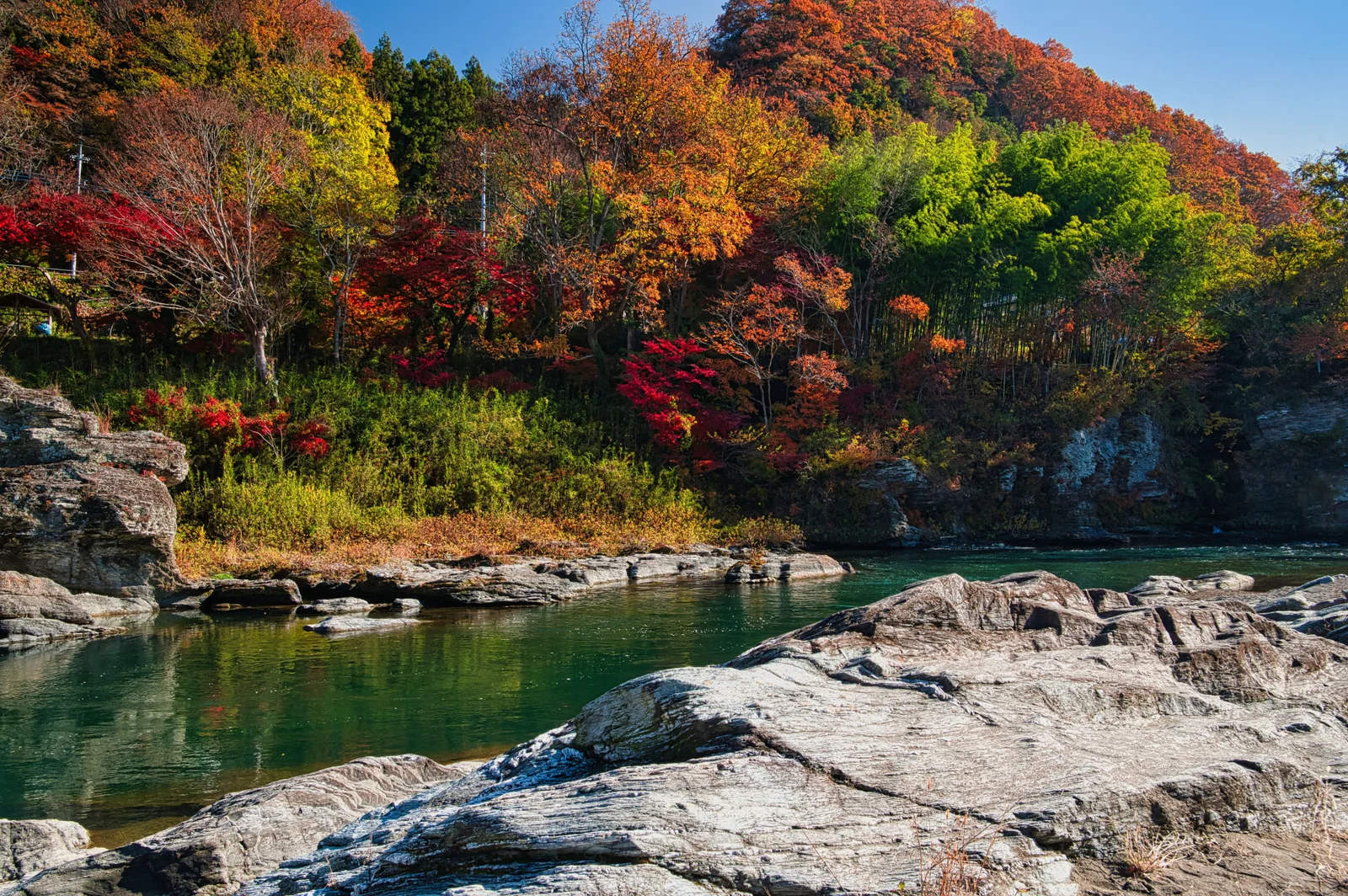
Nagatoro · typical peak mid–late november
The river in color
Nagatoro
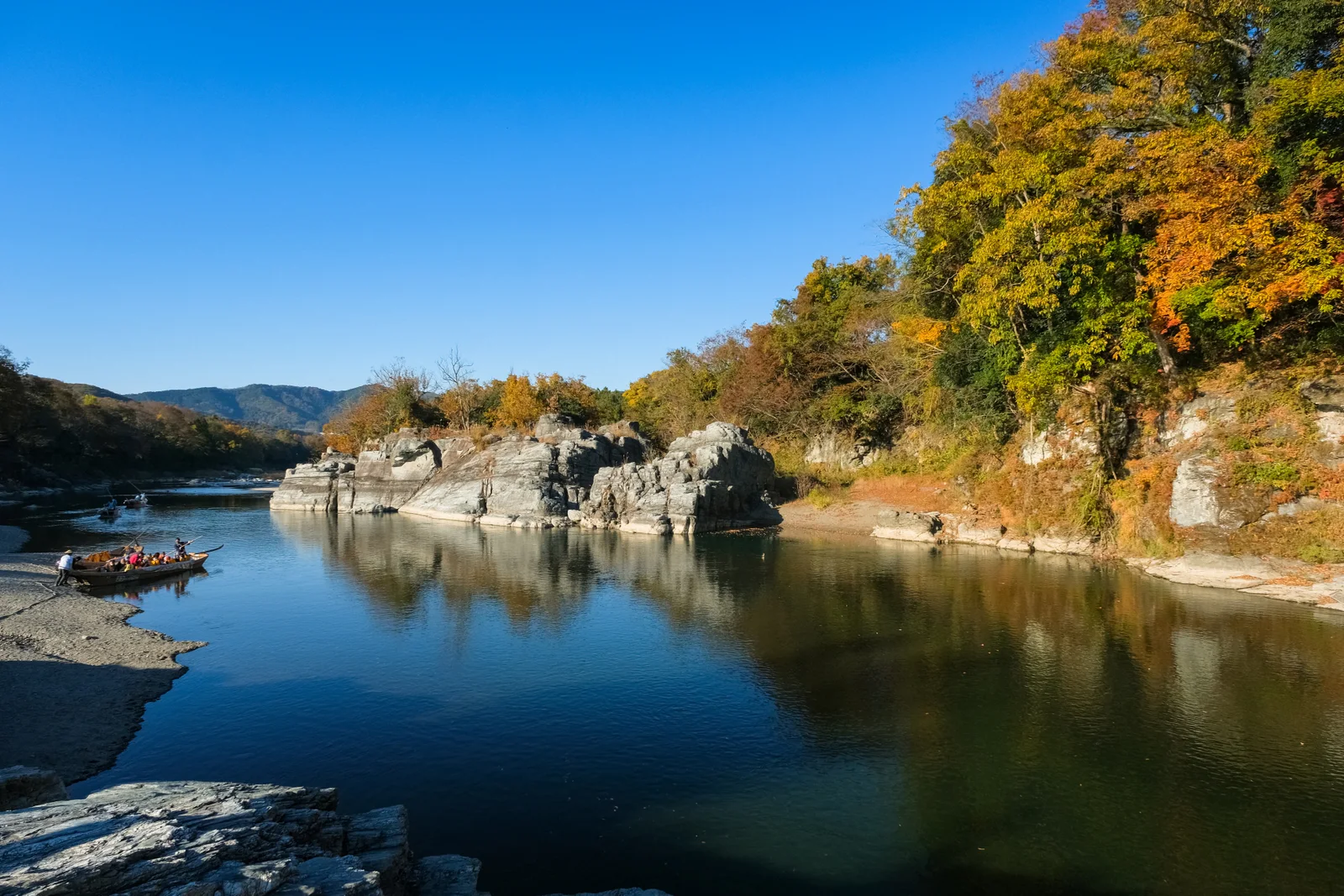
長瀞Nagatoro pairs maples with a landscape that belongs only here: the Arakawa River and Iwadatami rock terraces. Stay into dusk when the maple-park illumination is confirmed for your dates.
- Typical window
- Mid–late November
- From Tokyo
- 1 hr 40 min–2 hr
- Best for
- River landscapes · illumination · an unhurried day
Ikebukuro → Seibu-Chichibu → Nagatoro
The route crosses rail operators and a late illumination means a late return. Treat river boating as a weather-dependent bonus, never the foundation of the day.
Good in soft cloud; boat operations may stop after bad weather.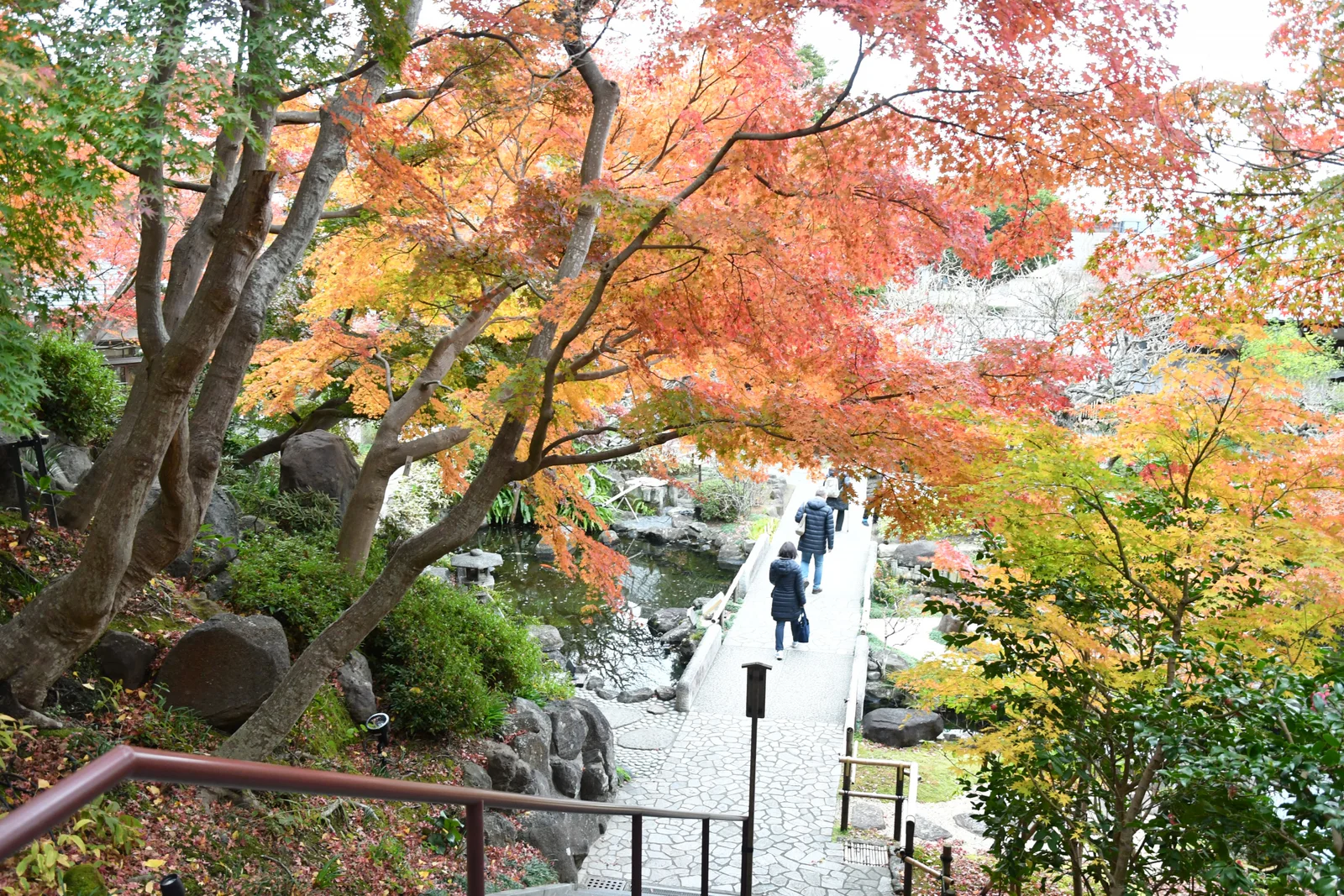
Kamakura · typical peak late november–early december
The late-season answer
Kamakura
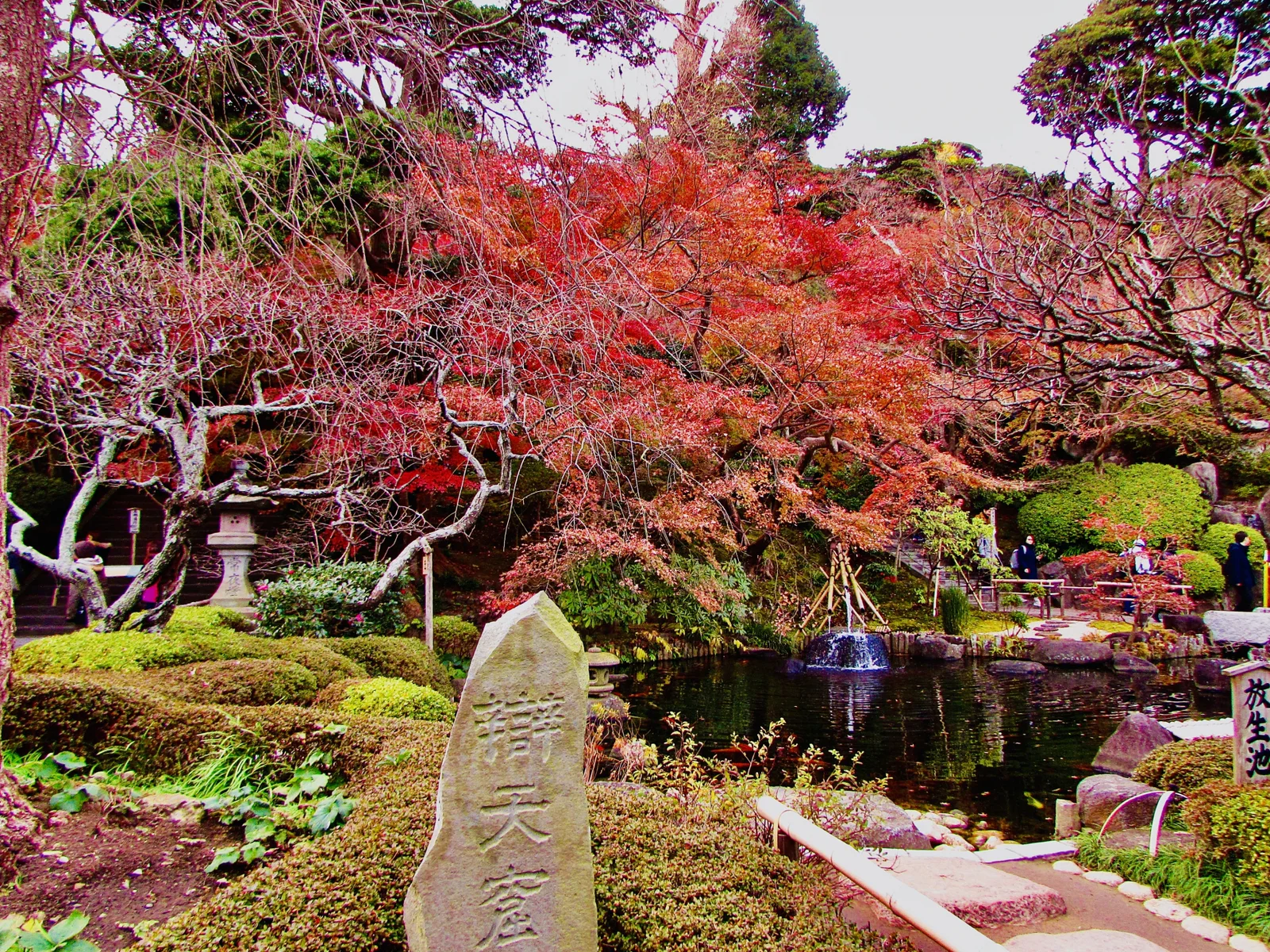
鎌倉Kamakura changes the calendar. Its coastal temples often hold color after the mountain destinations have finished, making it the smart choice for a late-November or early-December Tokyo stay.
- Typical window
- Late November–early December
- From Tokyo
- About 1 hr
- Best for
- Late dates · temples · culture beyond the leaves
Tokyo or Shinjuku → Kita-Kamakura / Kamakura
October visitors will usually be too early. Choose one temple cluster instead of crossing the city repeatedly, and respect each temple’s photography rules.
Beautiful in light rain, but temple stairs and stone paths get slick.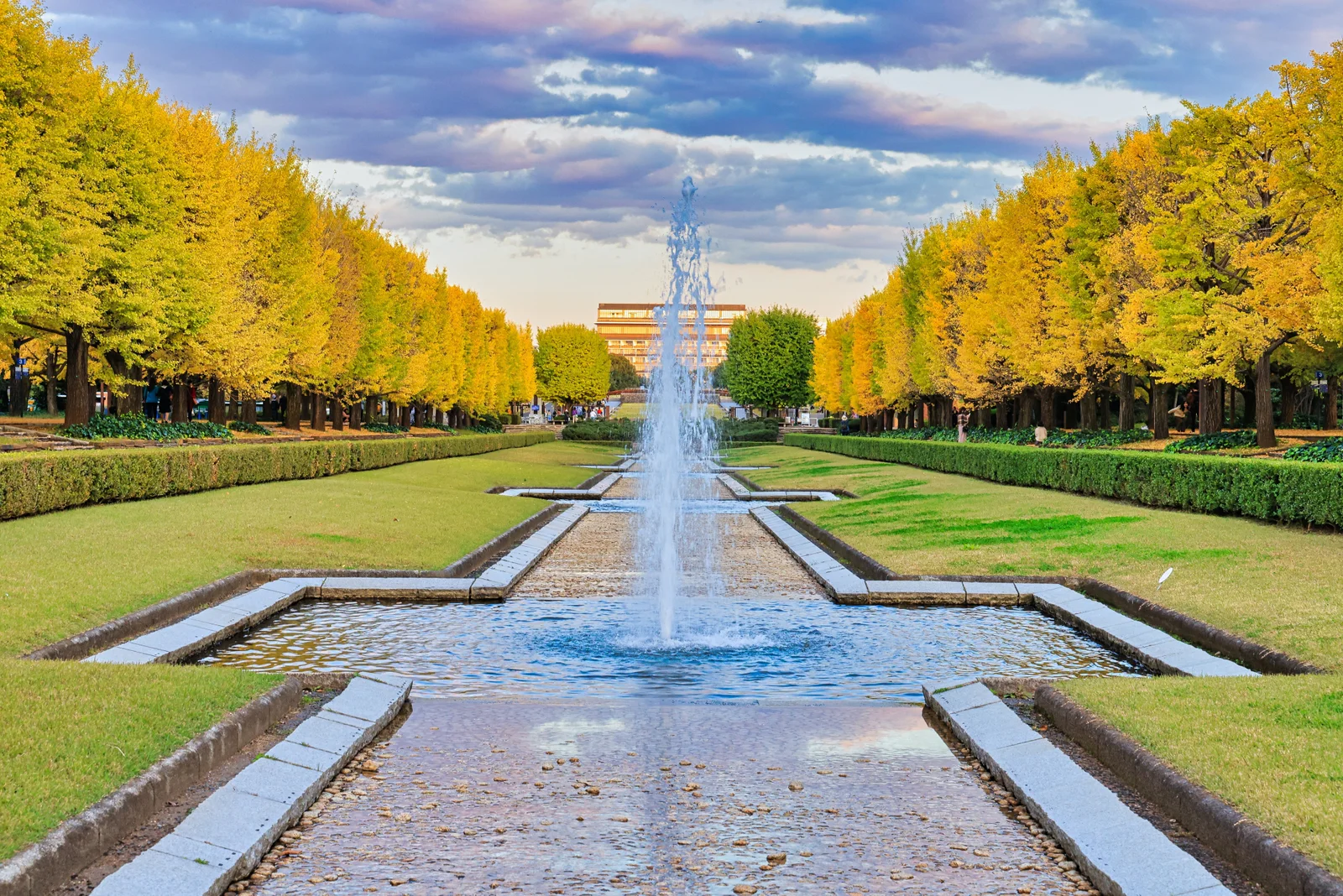
Showa Kinen Park · typical peak mid–late november
The low-risk plan B
Showa Kinen Park
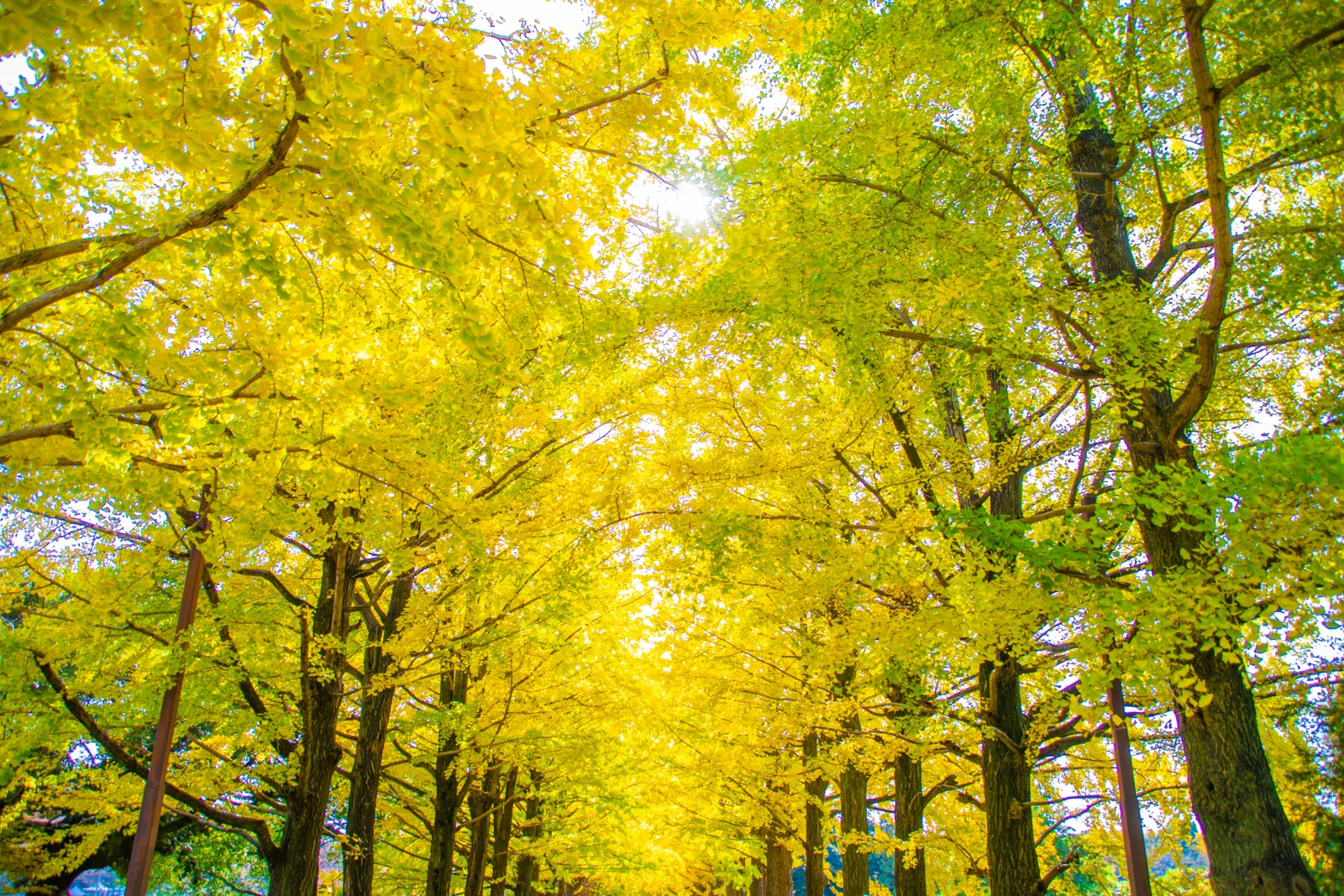
昭和記念公園This is the honest half-day option: a broad park, two iconic ginkgo avenues and enough space for families, cyclists and travelers who do not want a 6 a.m. departure.
- Typical window
- Mid–late November
- From Tokyo
- About 40 min
- Best for
- Families · accessible paths · arrival or departure days
Central Tokyo → Tachikawa / Nishi-Tachikawa
It cannot match Nikko’s scale. November closing time is early, so enter with a clear target and choose the gate closest to the avenue or Japanese Garden you want.
Manageable in drizzle; save it for another day in heavy rain.Self-guided or reserved?
Pay only when a reservation removes real friction.
Go independently when trains and local transport are simple and you want to follow the best live color. Reserve a guided day when one booking replaces several sold-out transport steps or you prefer a fixed pickup and explanation. The pass below is useful only when its coverage matches your exact route.
Mt. Fuji & Kawaguchiko guided day
Choose this when round-trip coach transport is more valuable than changing the day around live visibility. The trade-off is a fixed itinerary and no guarantee of Fuji views. Compare the classic, photo-focused and private formats in our Mt. Fuji tour shortlist.
Review this itinerary & availabilityHakone Free Pass
A self-guided fit when you plan to use enough covered transport: mountain railway, cable car, ropeway, Lake Ashi ships and area buses. It is sold as a two-day pass even if you use it for one long day.
Check the Hakone passJR TOKYO Wide Pass
Consider this only when you will combine two or more long-distance day trips during the pass period. For one outing, ordinary tickets or a destination-specific pass are usually the cleaner choice.
Check coverage & current priceAffiliate disclosure: we may earn a commission if you book through these links, at no additional cost to you. Confirm the current route, inclusions and cancellation terms before paying.
The 48-hour field kit
Check four things. Then commit.
- 01Live color
Use the local tourism report or current foliage tracker, not an old blog date.
- 02Destination weather
Check Nikko, Hakone or Karuizawa—not the temperature shown for Tokyo.
- 03Wind and rain
Strong weather can remove leaves and stop ropeways, boats or exposed trails.
- 04The return journey
Save the last practical train or bus before you start walking away from the station.
Before you choose
Autumn day-trip questions.
What is the best autumn leaves day trip from Tokyo?
Choose by date and priorities rather than one universal ranking. Nikko is strongest for an early mountain season, Lake Kawaguchiko for the classic Mt. Fuji-and-maples view, Hakone for foliage plus an onsen, and Mt. Takao for the easiest low-cost escape from central Tokyo. Kamakura is a useful late-season choice when mountain leaves have already fallen.
When is the best time to see autumn leaves near Tokyo in 2026?
Japan Meteorological Corporation's first 2026 forecast, released September 2, places Tokyo's city sample-tree color around November 26 for ginkgo and November 29 for maple. Higher Nikko and other mountain destinations are normally earlier, while Kamakura can continue into early December. Treat the city dates as planning signals and check the exact destination's live status shortly before travel.
Can Nikko be visited as a day trip from Tokyo during autumn?
Yes, central Nikko is a realistic day trip if you take an early train. Oku-Nikko, Lake Chuzenji and Kegon Falls require an additional bus ride, and peak-season traffic on Irohazaka can cause severe delays. Visit on a weekday, start very early, or stay overnight if Oku-Nikko is your priority.
Is Lake Kawaguchiko or Hakone better for autumn leaves and Mt. Fuji?
Choose Lake Kawaguchiko if a clear view of Mt. Fuji framed by maple leaves is the main goal. Choose Hakone if you value an onsen, Lake Ashi, museums and varied scenic transport even if Mt. Fuji stays behind clouds. Both can be visited without a car, but each needs an early start for a comfortable day trip.
Which autumn leaves day trip from Tokyo is easiest without a car?
Mt. Takao is the simplest: Takaosanguchi Station is about 50 minutes from Shinjuku and the mountain has a cable car and chairlift. Showa Kinen Park is an even easier half-day alternative. Karuizawa and Kamakura are also straightforward by train, while Nikko, Hakone, Kawaguchiko and Okutama require more local transport planning.
What should I wear for an autumn foliage day trip from Tokyo?
Wear adjustable layers, broken-in walking shoes and a wind-resistant outer layer. Mountain destinations can feel several degrees colder than central Tokyo, especially before 9 a.m. and after sunset. See the JAPANODE autumn clothing guide for month-by-month packing advice and extra safety notes for mountain trails.