On this page
The Hakone Free Pass is worth comparing when you will use several parts of the mountain-and-lake circuit. It is a poor fit for a simple return to Hakone-Yumoto with little onward transport. If you continue from Hakone to Kyoto, compare the local-area version plus your one-way arrival ticket before paying for a return journey to Tokyo.
The useful calculation is the fare for your actual route, including transport you will really take. A pass that covers more journeys does not save money on journeys you skip. Weather, an overnight stay and a ryokan dinner time can all change that route.
This guide uses published operator fares checked on October 23, 2026. The worked examples are adult standard-fare comparisons, not a claim that we personally completed or timed each circuit. Use the seven-day Japan itinerary to decide where Hakone fits in the wider trip before choosing tickets.
Disclosure: The GetYourGuide booking card below contains an affiliate link. JAPANODE may earn a commission at no extra cost to you. Official purchase information is also linked.
Start With the Route You Will Actually Take
| Your plan | First ticket comparison | What could change the answer |
|---|---|---|
| Tokyo return with mountain train, cable car, ropeway and lake cruise | Shinjuku Freepass versus the full set of individual fares | Skipping a major ride or a service suspension |
| Hakone-Yumoto and one nearby onsen | Individual transport and any facility transfer | An extra outing beyond Yumoto |
| Overnight in Hakone, then Kyoto via Odawara | Local-area Freepass plus separate arrival and onward tickets | Hotel location and transport used on the second day |
| A shortened route during poor weather | Tickets for the services that will operate | Replacement transport, revised plans and ticket conditions |
For a first trip, write down three things: where you enter Hakone, where you leave it and which major transport experiences matter to you. “See Mount Fuji” is not enough to decide the ticket. Visibility cannot be guaranteed, and the journey still needs to make sense if the mountain is hidden.
If your real priority is choosing between Hakone and the Fuji Five Lakes area, read the Mount Fuji day-trip comparison first. They require different transport plans. The standard Hakone Freepass discussed here is not the broader Fuji Hakone Pass.
Current Hakone Free Pass Prices
The official Hakone Freepass page lists the following prices, effective from October 1, 2025:
| Starting point | Adult: 2 days | Adult: 3 days | Child: 2 days | Child: 3 days |
|---|---|---|---|---|
| Shinjuku | ¥7,100 | ¥7,500 | ¥1,600 | ¥1,850 |
| Odawara / local area | ¥6,000 | ¥6,400 | ¥1,500 | ¥1,750 |
The Shinjuku version includes one return journey on Odakyu between Shinjuku and Odawara, plus travel on the designated services in the Hakone area. The local-area version does not include Shinjuku–Odawara. There is no standard one-day Freepass; a day-trip comparison uses the two-day product.
The pass covers specified transport, including the mountain railway, cable car, ropeway and sightseeing cruise, plus designated bus routes. It is not valid on every bus simply because that bus travels in Hakone. Check the operator and route, particularly when choosing between similar-looking services at a stop.
A two-day pass uses consecutive travel dates, not a rolling 48-hour period. A three-day adult pass costs ¥400 more than the corresponding two-day version. Compare that difference with the covered journeys you would make on the third day; do not extend the pass for a day spent entirely at the accommodation without checking whether you need it.
Romancecar: Keep the Base Fare and Supplement Separate
A Romancecar journey needs a base-fare ticket and a limited-express ticket. A Shinjuku Freepass supplies the included base journey, but you still need the separate supplement. A local-area pass leaves the Shinjuku–Odawara base fare outside its coverage.
The official Odakyu fare table lists these adult one-way amounts:
| Item | Amount | How to use it in your comparison |
|---|---|---|
| Shinjuku–Odawara base fare | ¥910 paper / ¥901 IC | Add it when using a local-area pass from Tokyo |
| Shinjuku–Hakone-Yumoto base fare | ¥1,270 paper / ¥1,261 IC | Relevant to a simple Yumoto visit without a Freepass |
| Shinjuku–Hakone-Yumoto Romancecar supplement | ¥1,200 standard / ¥1,150 ticketless | Additional to the base fare or the appropriate pass |
For example, the Shinjuku two-day pass plus two standard ¥1,200 supplements totals ¥9,500. Using the listed ¥1,150 ticketless supplements instead gives ¥9,400. These amounts assume the same Shinjuku–Hakone-Yumoto journey in both directions.
The supplement purchases a reserved limited-express journey; it does not replace your base fare. When comparing a pass with individual tickets, add the same chosen supplements to both sides. Otherwise, the calculation gives the pass an artificial advantage or disadvantage.
Check the departure station carefully. The Shinjuku-based product does not include every journey from elsewhere in Tokyo to reach Shinjuku. Your hotel connection belongs in the travel budget even when it does not change which Hakone ticket wins.
Worked Example: One Complete Circuit From Odawara
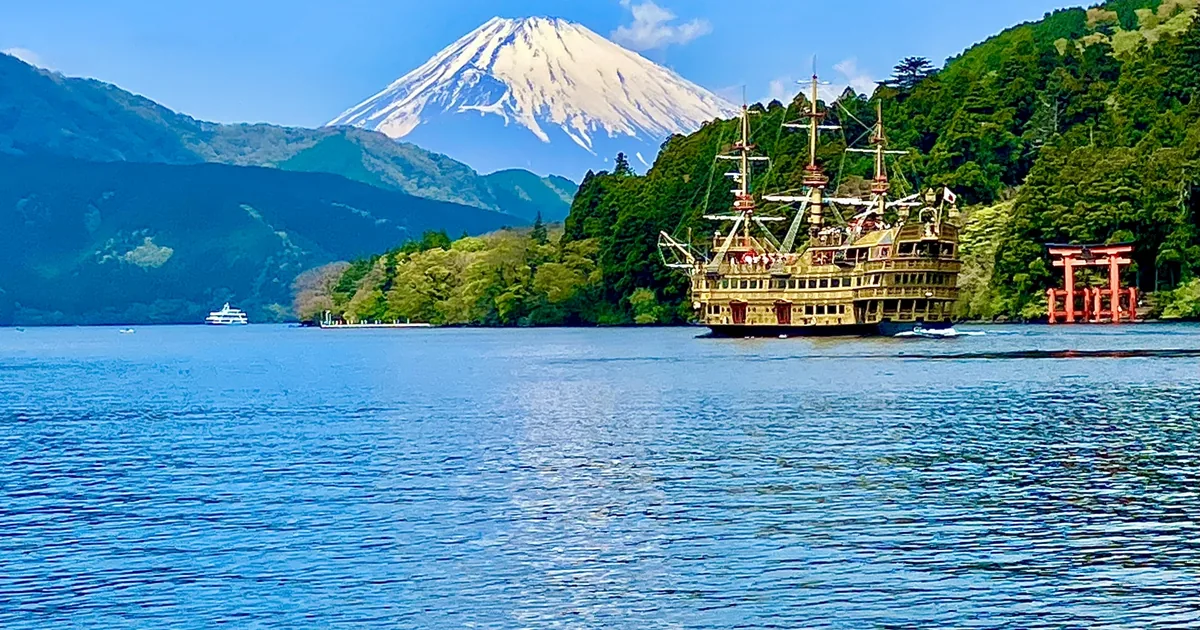
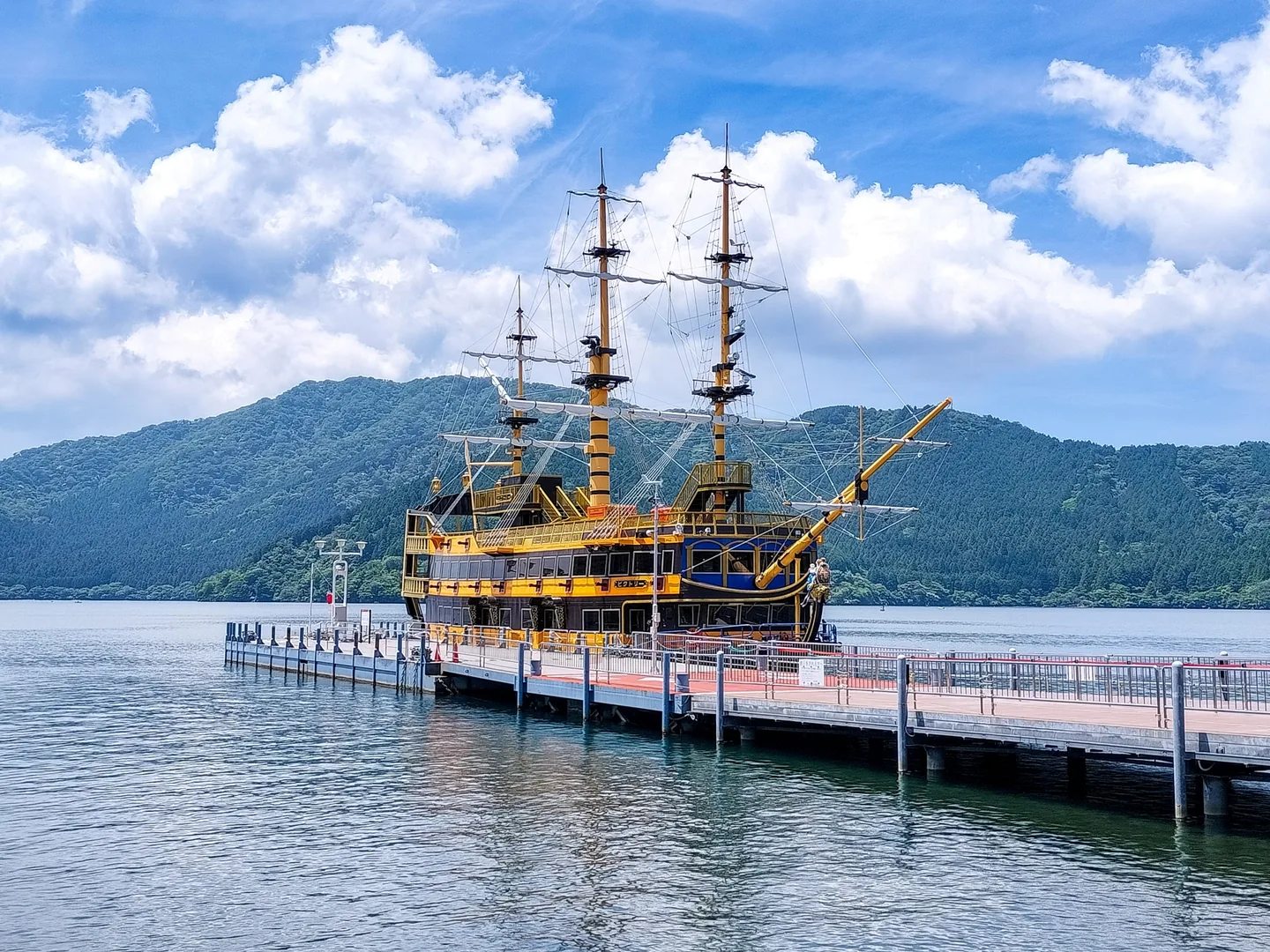
This example starts and ends at Odawara and follows one circuit: Odawara → Hakone-Yumoto → Gora → Sounzan → Togendai → Moto-Hakone → Hakone-Yumoto → Odawara. It uses the mountain railway and cable car, continues over the ropeway, crosses Lake Ashi by sightseeing ship and returns by Hakone Tozan Bus.
It is a fare example, not a promise that every connection will fit your arrival time. Check operating hours, queues and the final services before treating it as a day-trip schedule.
| Segment | Adult individual fare | Official reference |
|---|---|---|
| Odawara to Sounzan, changing via Hakone-Yumoto and Gora | ¥1,200 | Railway and cable-car fare table |
| Sounzan to Togendai on the ropeway | ¥2,000 | Ropeway ticket information |
| Togendai to Moto-Hakone on the sightseeing ship | ¥1,700 | Ship fare table |
| Moto-Hakone to Hakone-Yumoto on Hakone Tozan Bus | ¥1,210 | Operator fare revision, PDF |
| Hakone-Yumoto to Odawara by train | ¥360 | Railway fare table |
| Total | ¥6,470 | Calculated from the five rows above |
Against those individual fares, the ¥6,000 local-area two-day Freepass saves ¥470. That is a modest saving on this specific single circuit. Additional covered rides during an overnight stay can increase its value, while a shorter route can remove the saving.
The first row uses the published Odawara–Sounzan through fare. If you instead buy separate tickets for Odawara–Hakone-Yumoto and Hakone-Yumoto–Sounzan, those are ¥360 and ¥890: ¥50 more in total. Check the appropriate ticket for any planned breaks in your journey rather than automatically splitting every transfer into a separate purchase.
For a return from Shinjuku on regular Odakyu trains, add two ¥910 paper base fares to the ¥6,470 circuit. The resulting ¥8,290 benchmark compares with a ¥7,100 Shinjuku pass, a difference of ¥1,190. This benchmark uses paper base fares consistently; IC fares or other ticket combinations can change it. Romancecar supplements, if chosen, remain additional on both sides.
The boat and ropeway together account for ¥3,700 of the individual-fare circuit. That is why losing a major part of the route matters to the purchase decision. Do not treat the calculated saving as guaranteed if your plan depends on services that may not run.
When Individual Tickets Make More Sense
Hakone-Yumoto and an Onsen Visit
A return between Odawara and Hakone-Yumoto costs ¥720 in ordinary train fares. A paper-fare return between Shinjuku and Hakone-Yumoto costs ¥2,540 before any Romancecar supplements. Neither journey on its own approaches the relevant Freepass price.
If your day consists of Yumoto, lunch and one nearby bathing facility, start with individual tickets. Add any facility shuttle, bus or taxi you actually need. A pass should earn its place through the route, not through the fact that the destination is called Hakone.
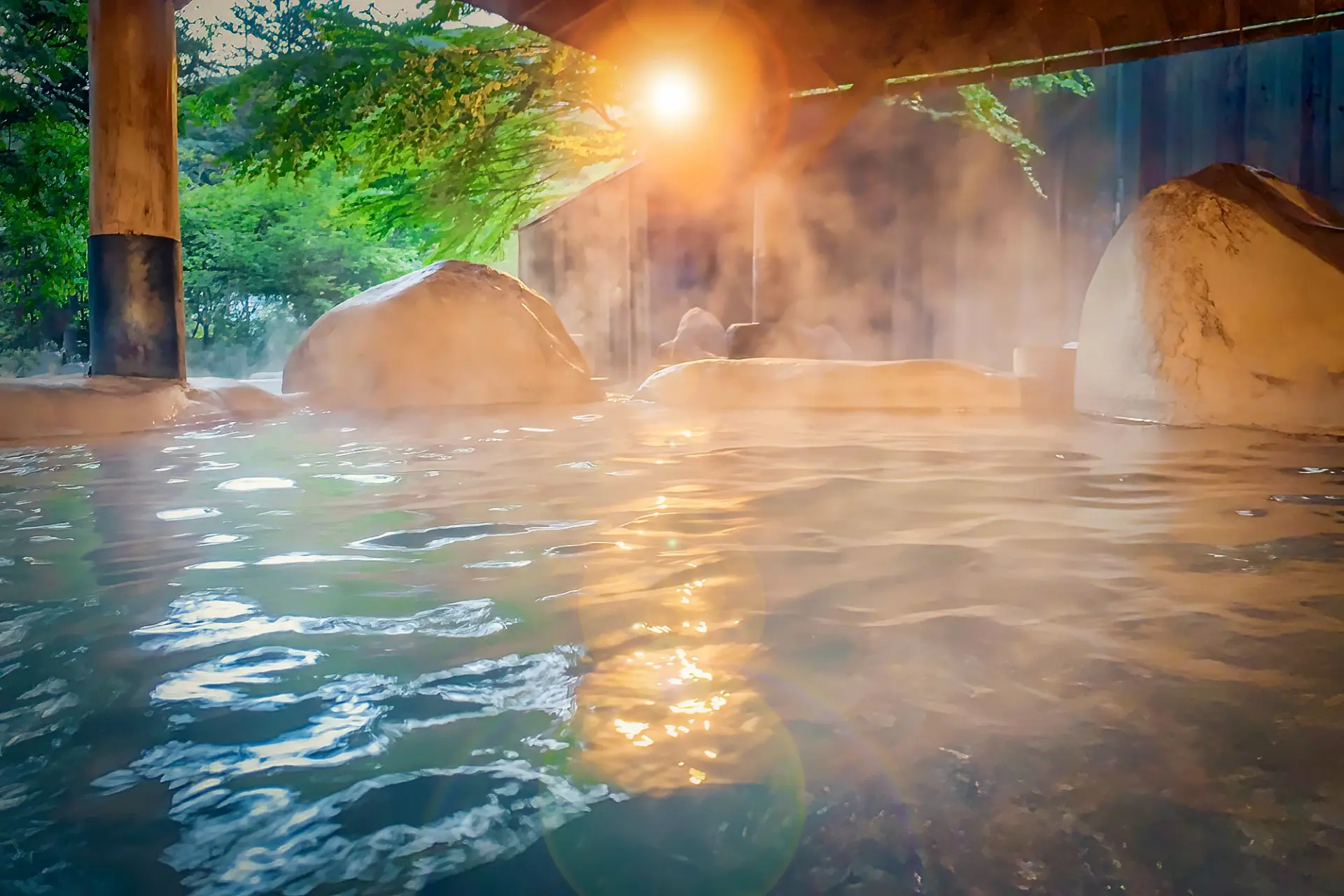
The onsen etiquette and tattoo guide can help you check the bathing arrangements. Admission, private-bath reservations and any facility-specific transport are separate questions from the rail pass. Confirm the chosen facility's current terms before planning the whole day around it.
A Few Selected Stops Instead of the Full Circuit
A museum, a long lunch and a hotel check-in can make a satisfying day without the entire transport loop. Write those actual journeys down and compare the relevant tickets. The full-circuit calculation above should not be reused for a day that omits the lake or ropeway.
Check whether a smaller operator ticket fits a focused outing. The official ticket directory is a starting point, but open the current product conditions before relying on a directory price. Avoid buying overlapping products for the same journey simply because each is described as a pass.
Older advice may mention the ¥3,800 Hakone Norimono Pass Lite. The operator's fare-change notice, page 2 (PDF) ended that product for departures after September 30, 2025. Its old name still appears in some website navigation, so it is not included as a current alternative in the calculations here.
The Freepass also advertises discounts at participating attractions. Count a discount only when you intend to visit that attraction and can use the benefit with your chosen admission. A list of discounts is not an amount of money saved.
Hakone to Kyoto: Count the One-Way Arrival Properly
For Shinjuku → Hakone → Odawara → Kyoto, compare a local-area pass plus a one-way arrival ticket. You will not use the return to Shinjuku, so it should not be described as a saving.
Using the adult paper base fare, the two-day local pass plus Shinjuku–Odawara costs ¥6,000 + ¥910 = ¥6,910. That is ¥190 below the ¥7,100 Shinjuku version. The difference is small enough that purchase arrangements also deserve attention, but the comparison must include that ¥910 arrival fare.
If you ride the Romancecar from Shinjuku to Hakone-Yumoto, add its supplement as well. With the standard ¥1,200 supplement, that combination becomes ¥8,110 before the onward Odawara–Kyoto ticket. “Local pass plus Romancecar supplement” alone would miss the uncovered Shinjuku–Odawara base fare.
The journey from Odawara to Kyoto is a separate booking. Choose a service that actually stops at Odawara and allow time to reach the platform from your final Hakone connection. An expensive onward ticket with little flexibility is a reason to finish the local sightseeing earlier, not a reason to hurry through every remaining stop.
The same logic works in reverse if you arrive from Kyoto and continue to Tokyo: account for the separate arrival and the uncovered Odakyu segment. The Japan train guide explains the wider network. A JR pass does not replace the Odakyu or Hakone-area tickets in these examples.
Make an Overnight Route Fit the Accommodation
An overnight stay can spread the circuit over two days, but the hotel pin determines where you should stop. Gora, Hakone-Yumoto and the lake area are not interchangeable bases. Check the property's access instructions and any shuttle arrangements before choosing the direction of travel.
If dinner is included, ask for the required arrival time and work backward. The last possible boat or ropeway connection is not a sensible target when the next connection must also get you to a fixed meal. Leave room to abandon a sightseeing stop if the day falls behind.
Plan luggage independently of the transport loop. Carrying a large suitcase through every change can make an otherwise enjoyable route cumbersome. Ask the accommodation about bag handling, or compare storage and delivery in the Japan luggage guide, checking actual coverage and collection deadlines.
For a Tokyo return, leaving a larger bag in Tokyo may be practical if the accommodation agrees and you return within its conditions. For onward travel to Kyoto, that same plan would force an unnecessary return. Compare forwarding or storage around the route you will really follow, and confirm delivery timing before relying on it.
What to Change When the Ropeway or Ship Is Suspended
Check the official Hakone transport-status page before leaving and again before a connection that could be affected. A clear morning forecast does not guarantee that every service will operate later in the day.
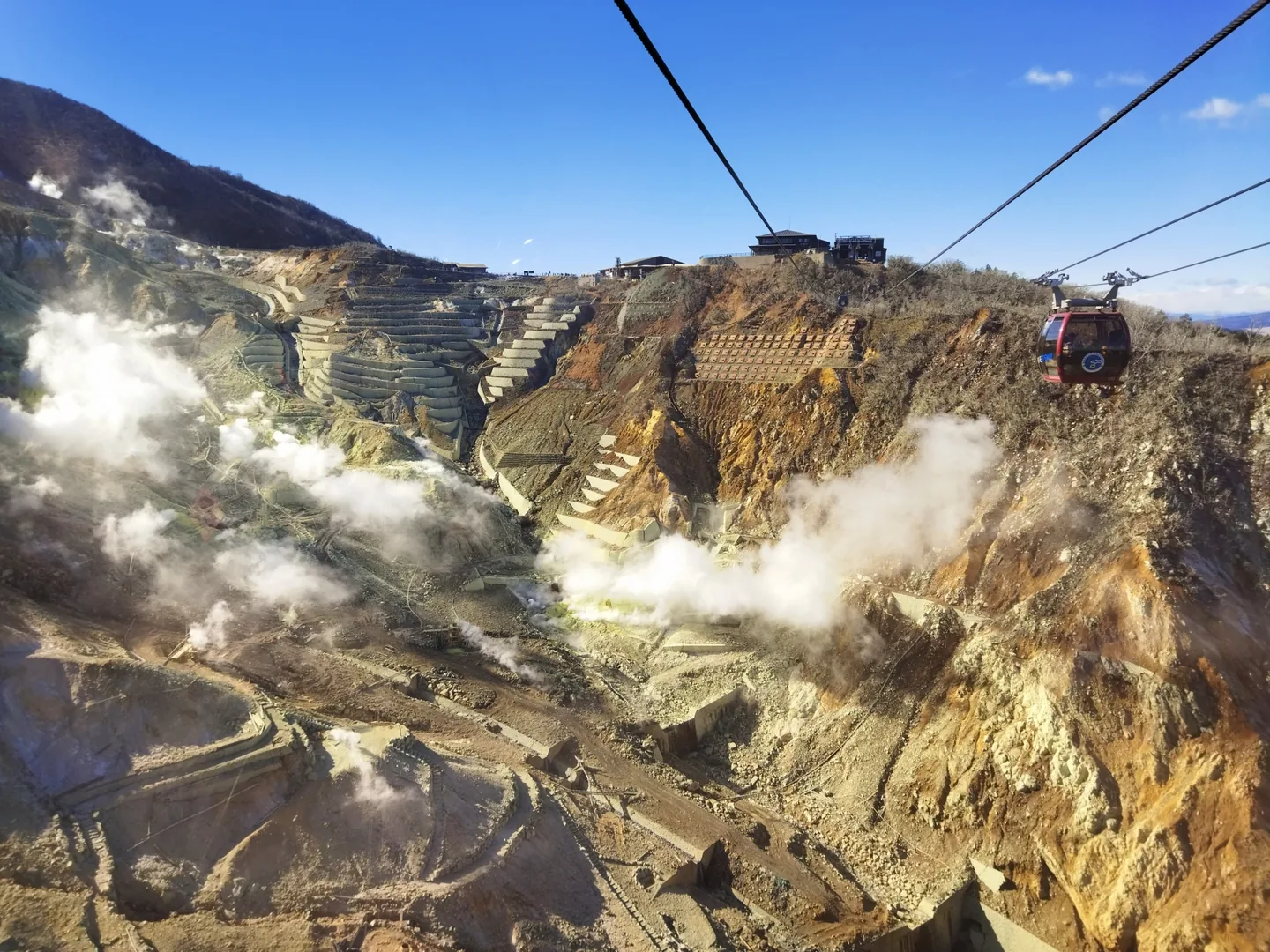
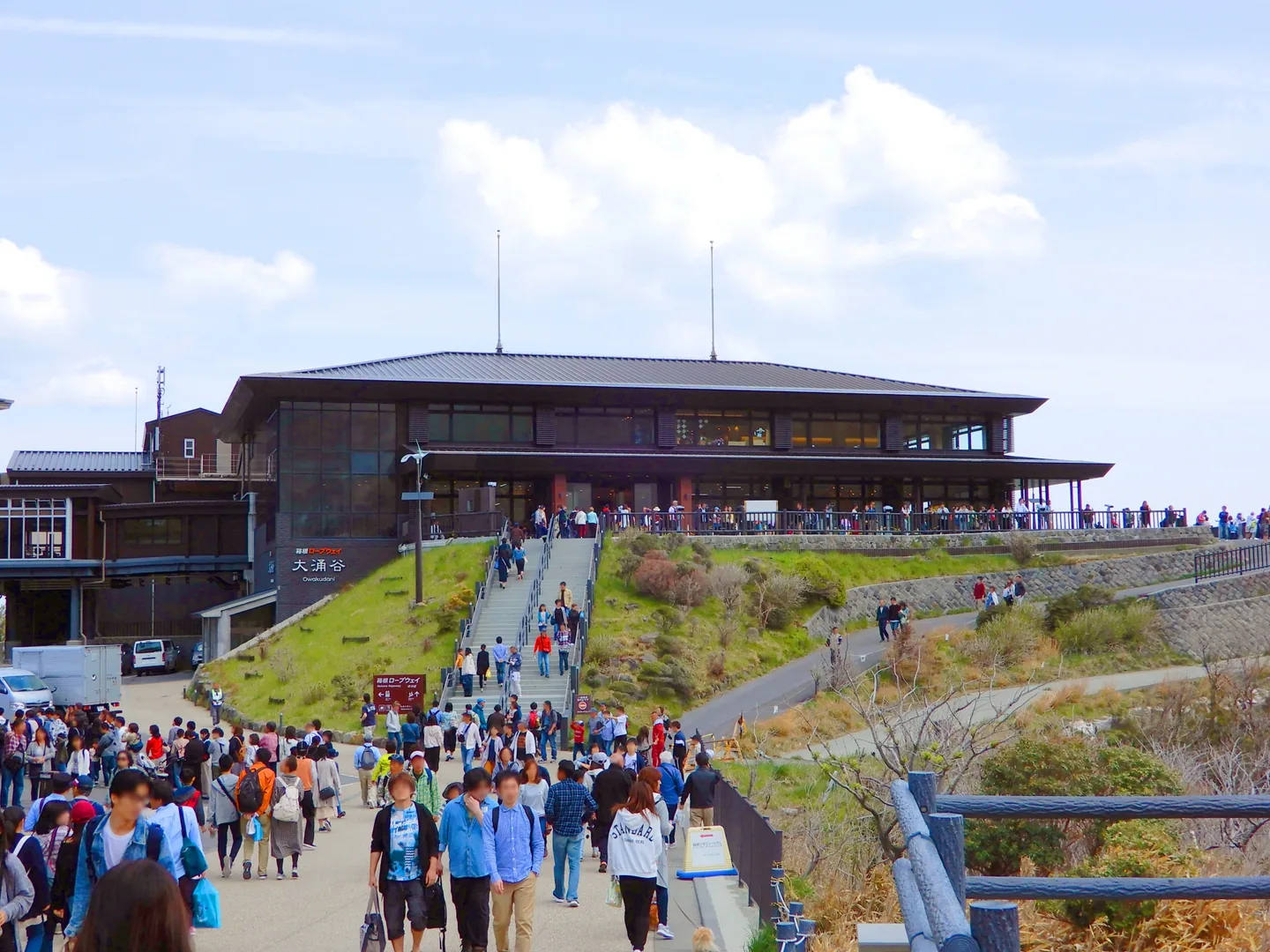
If a major segment is suspended, redraw the route around the services that are running. Do not assume that a replacement bus will follow the same path, accept the same ticket or preserve the original timing. Follow the operator's specific instructions for that disruption.
For travelers who have not purchased, recalculate the reduced itinerary. For travelers who already hold a ticket, check its change or refund terms rather than assuming a cancellation automatically produces a refund. Preserving a workable return and an accommodation arrival is more important than collecting every transport mode shown on a circuit map.
Keep one lower-commitment alternative: a shorter Yumoto visit, a selected indoor attraction or extra time at the accommodation. Check its own opening and admission arrangements. Replacing the loop with another long list of stops creates the same timing problem in a different form.
Where to Buy: Check the Starting Point and Collection Method
Start with official Freepass purchase information to choose the starting point, duration and available ticket format. Read the instructions for the exact product, including activation, ticket display and any collection requirement. A receipt and a usable transport ticket are not always the same thing.
The GetYourGuide option below is specifically a Shinjuku exchange product. Its current listing includes the Odakyu return journey and requires exchanging the voucher at the designated Shinjuku service center. It is listed as non-refundable. It should not be treated as a local pass that you can simply collect after arriving at Odawara from Kyoto.
Hakone Freepass with Shinjuku voucher exchange
Compare the available duration and final price for a trip starting through Shinjuku. Read the collection instructions before choosing your departure train.
Best for
Travelers who can exchange their voucher in Shinjuku before the Hakone journey
Before booking
Currently listed as non-refundable; Shinjuku exchange is required and Romancecar supplements cost extra.
Live price & availability
Powered by GetYourGuide · we may earn a commission at no extra cost to you.
Compare the reseller's final total and conditions with the official option; no lower-price claim is assumed here. If you need the local-area pass, have an early departure that does not fit collection arrangements or want different cancellation terms, use the appropriate official purchase route instead.
Before paying, confirm the travel dates, the covered starting point, the return or onward route and the major services you expect to use. Then add any Romancecar reservations and the onward train separately. Those decisions make the pass comparison useful beyond a headline price.
Make it your trip
Still planning your Japan trip?
Pick the question on your mind. Compare your options, check the details and take one more thing off your list.
Would a JR Pass save you money?
Add your train journeys and compare individual tickets with the nationwide pass. See which costs less for your route.
Calculate my rail costs
Which eSIM fits your Japan trip?
Maps, messages, hotspot use: compare five providers by data allowance, network and plan limits before you choose.
Find my Japan eSIM
How much can you fit into one week?
Connect Tokyo, a Fuji or Hakone day trip, Kyoto and Osaka with a day-by-day route, travel costs and booking advice.
Explore the 7-day routeFrequently Asked Questions
The standard Hakone Freepass is sold for two or three days. You can use a two-day pass for a day trip, but whether it saves money depends on the journeys you take.
As checked on October 23, 2026, adult passes from Shinjuku cost 7,100 yen for two days or 7,500 yen for three days. The Odawara-area versions cost 6,000 yen or 6,400 yen respectively. Romancecar supplements are extra.
You need a separate limited-express ticket to ride the Romancecar. You also need the base fare for the journey; the Shinjuku version of the Freepass covers the included Odakyu return journey, while the Odawara-area pass does not cover Shinjuku to Odawara.
Compare the Odawara-area pass plus your separate arrival and onward tickets against the other ticket combinations. Include every base fare and limited-express supplement. Do not count a return to Tokyo as a saving if you will not take it.
No. A two-day pass is not a rolling 48-hour ticket. Check the selected travel dates and validity instructions for the ticket you buy.
Check Hakone's official transport-status page before departure and again before the affected connection. Replan the route using services that are operating; do not assume that a replacement bus, full loop or refund will always be available.

Written by
JAPANODE
Based in Japan, sharing practical travel planning guides for visitors.
You Might Also Like
 Transportation
Luggage Storage in Japan: Lockers, Apps & Delivery
11 min read
 Itinerary
7-Day Japan Itinerary for First-Timers: Tokyo, Hakone, Kyoto & Osaka (2026)
20 min read
 Day Trips
Mt Fuji Day Trip from Tokyo: Tour, Train & Bus Compared (2026)
17 min read
 Culture
Japan Onsen Tattoo Rules: Etiquette & Where to Bathe (2026)
24 min read