On this page
Magome and Tsumago are a practical day trip from Nagoya, but first decide whether you want to visit the two post towns or walk the Nakasendo trail between them. A bus tour can connect the towns with other sights and bring you back to Nagoya. The full inter-town hike needs a plan built around walking time, local transport and the weather.
The featured tour visits Magome, Tsumago, Ena Gorge and Kokeizan Eihoji Temple. It suits travelers drawn to old streets, wooden buildings and countryside views. It does not list the full Magome–Tsumago hike. A short walk through a town is a different experience from following the trail between towns.
This is a researched planning guide using official local information and the tour listing checked on October 16, 2026. It does not represent first-hand participation in the featured tour or a personal report of walking the trail.
Some booking links are affiliate links. JAPANODE may earn a commission if you book through them, at no extra cost to you.
Bus tour, independent town visit or Nakasendo hike?
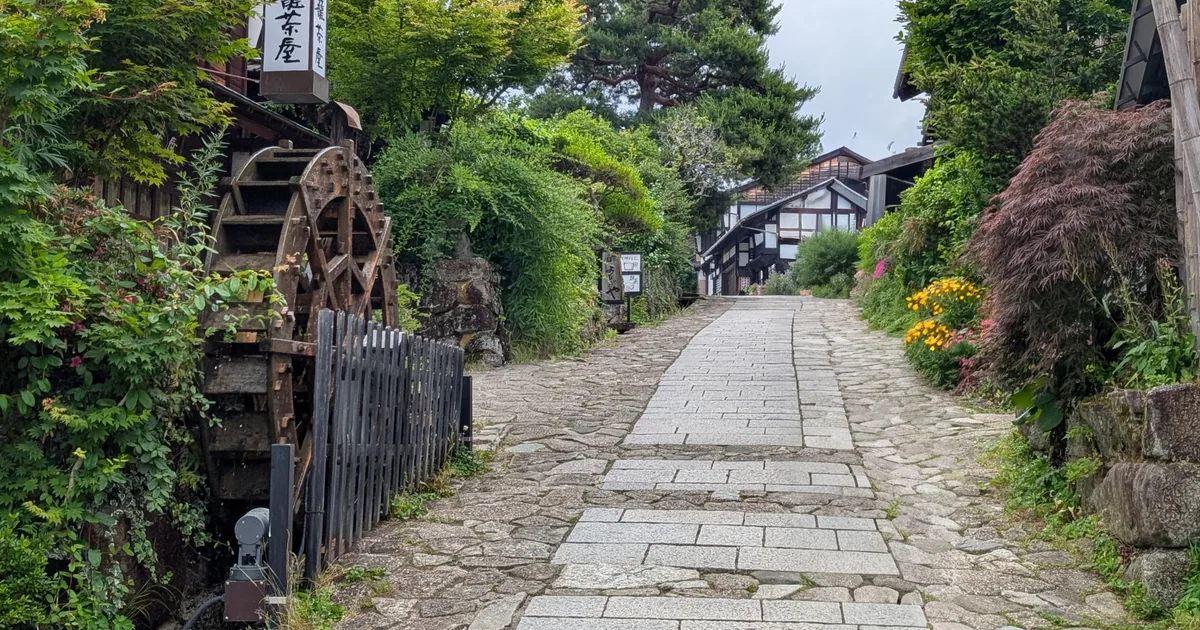
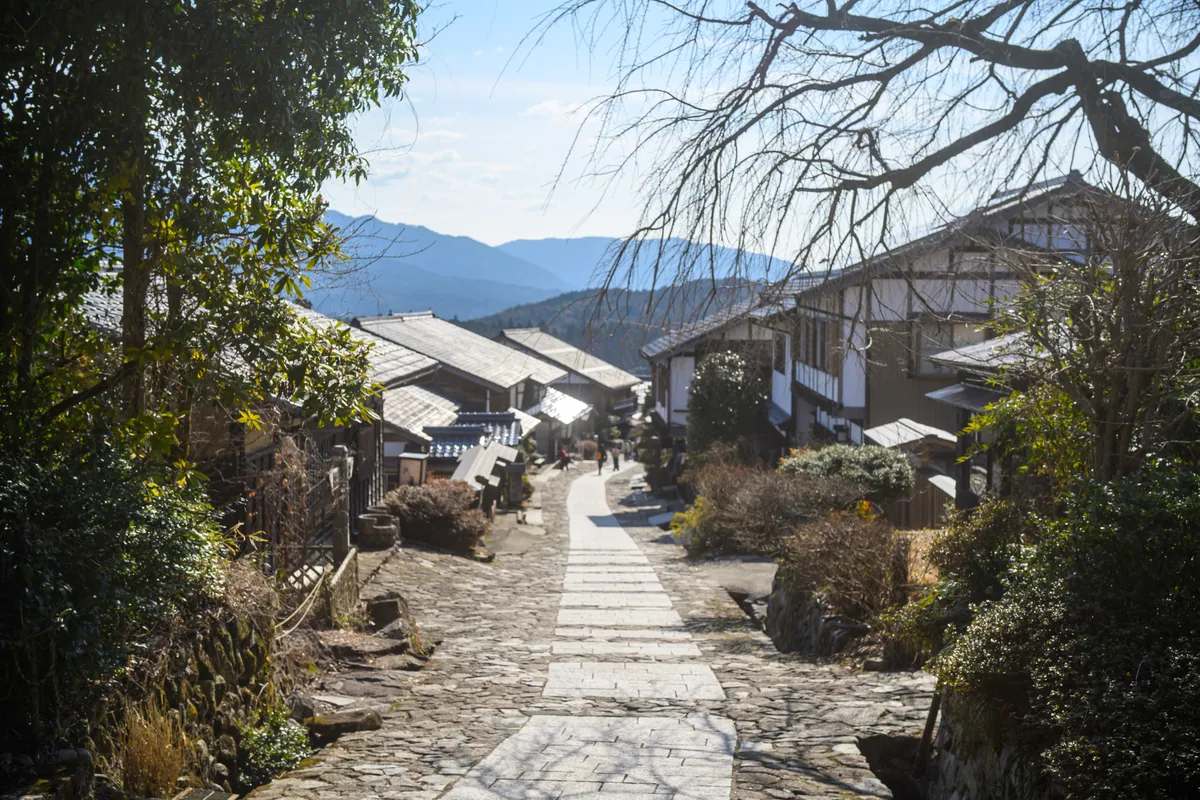
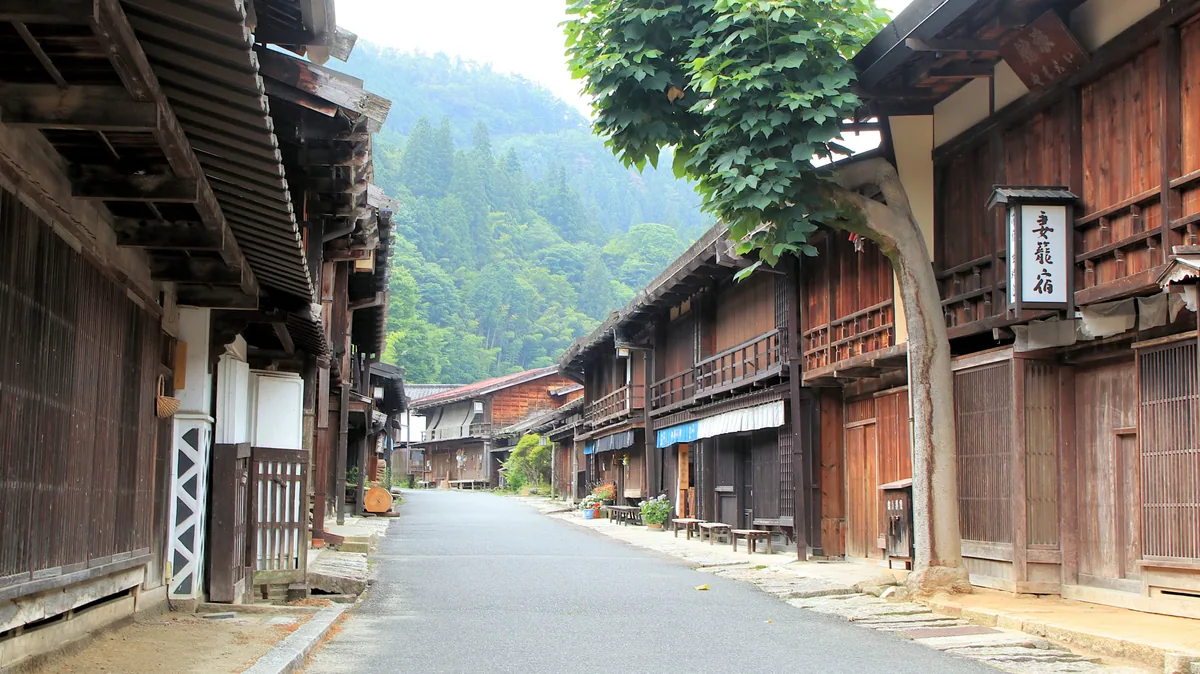
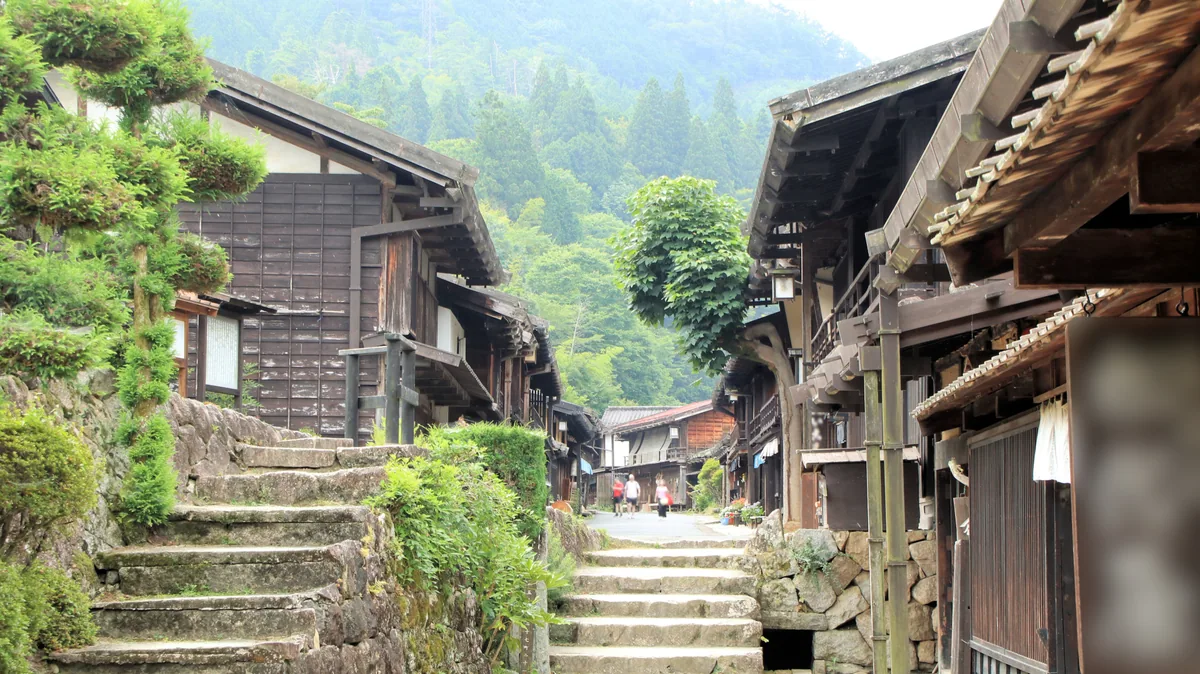
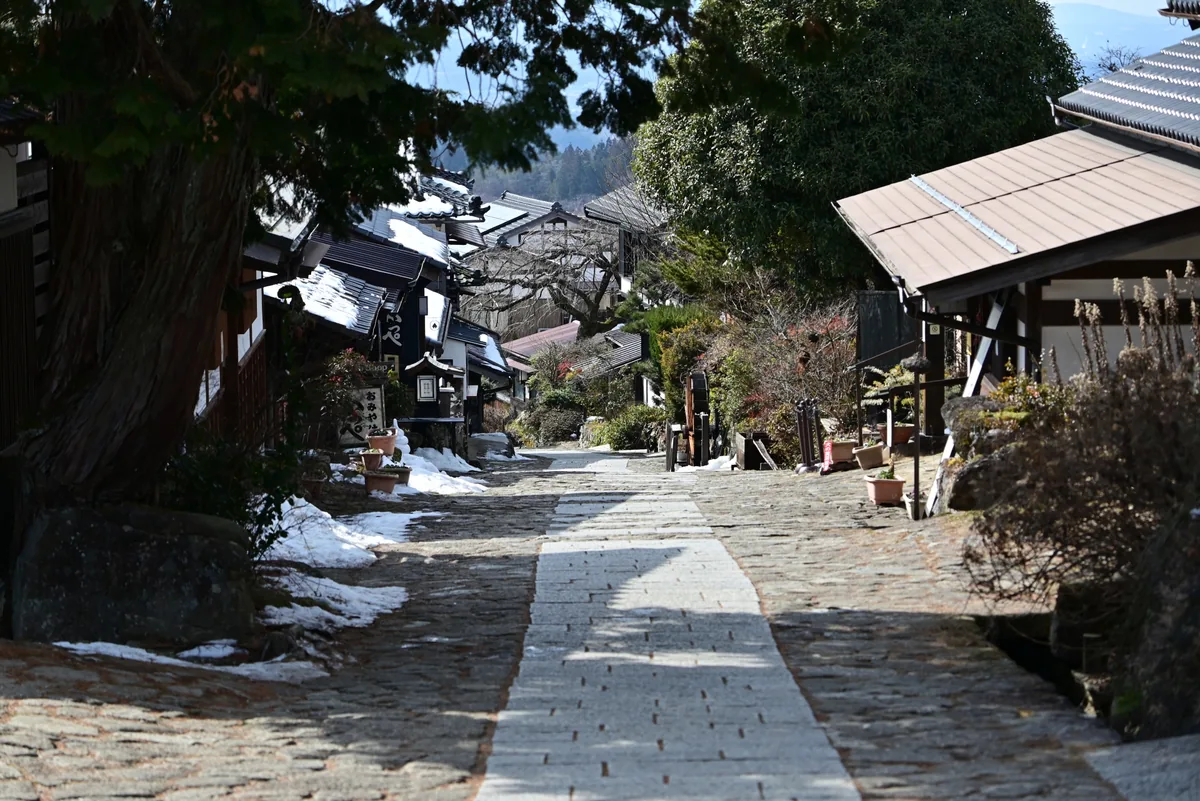
Magome and Tsumago were stopping places on the historic Nakasendo route between Kyoto and Edo, present-day Tokyo. They are appealing in different ways: Magome's stone street climbs past shops and waterwheels, while Tsumago offers long stretches of wooden frontages. JNTO's Magome introduction is a useful starting point for the towns' shared history.
| What you want | Choose | What to plan around |
|---|---|---|
| See both towns with transport organized | A town-focused bus tour | Fixed time at each stop |
| Browse the towns at your own pace | Independent trains and local buses | Connections between town visits |
| Walk the full route between the towns | An independent hike or a tour explicitly including it | Walking time, conditions and the journey home |
| Quiet evenings and a less compressed visit | An overnight stay in the area | Accommodation and meal arrangements |
If walking the trail is the main reason for coming, protect that part of the day first. A larger number of sights on a coach itinerary does not compensate for missing the walk you wanted. Conversely, you do not have to complete the trail to enjoy the towns.
Getting to Nagoya from Tokyo, Kyoto or Osaka
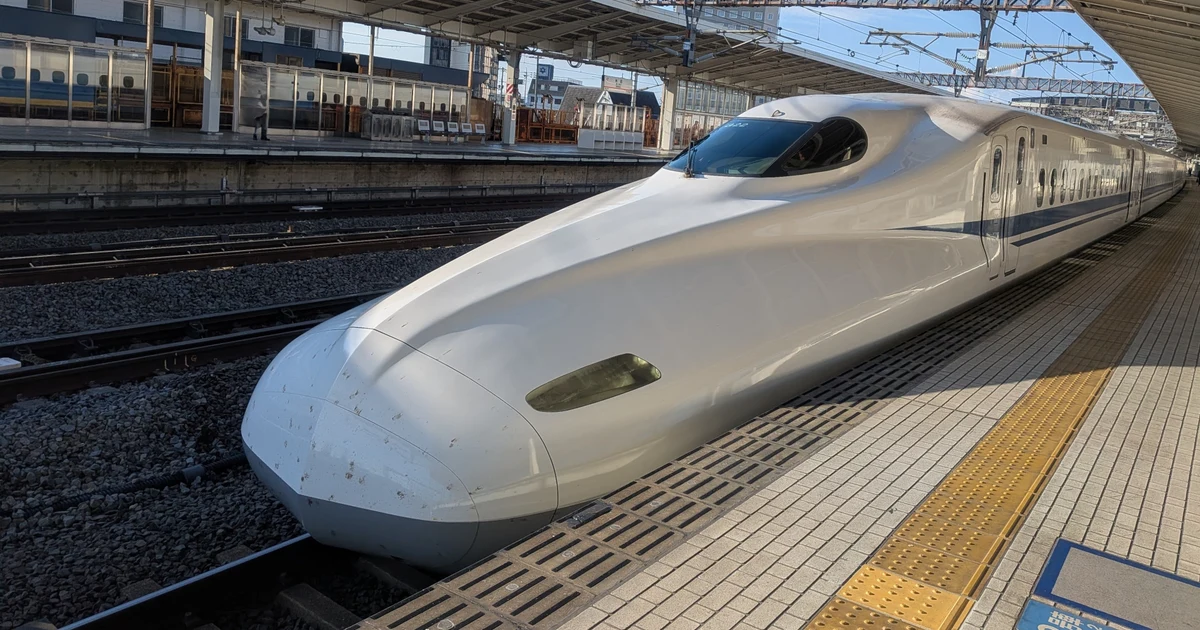
Use the Tokaido Shinkansen to reach Nagoya. In Osaka, Shinkansen trains depart from Shin-Osaka, which is a separate station from Osaka/Umeda. JR Central's access overview gives approximate fast-service journey times:
| Starting station | Approximate time to Nagoya | Add to the estimate |
|---|---|---|
| Tokyo | 1 hour 40 minutes | Hotel-to-station travel and time finding the tour |
| Kyoto | 35 minutes | Local transport, platform access and check-in |
| Shin-Osaka | 50 minutes | Travel from your Osaka hotel to Shin-Osaka |
These are train times, not hotel-to-coach times. Check your actual departure using JR Central's timetable information, and use our Shinkansen booking guide for the ticket arrangements. Rail travel to Nagoya costs extra when joining the tour below.
Arrive the previous evening or the same morning?
The featured tour currently meets at 8:20 a.m. for an 8:30 a.m. departure at the VIPLINER Nagoya bus stop, on the Taiko-dori side of Nagoya Station. Follow the exact map on the voucher. This is an outdoor meeting place, not a train platform or a general instruction to wait inside the station.
Staying near Nagoya Station the night before makes the morning easier, especially from Tokyo. If coming from Kyoto or Osaka that morning, work backward from check-in and include the walk from your train. Leave room for finding the correct exit and any luggage storage. A connection that works only if every step is immediate is a poor start to a full sightseeing day.
For an independent hike, you can choose your own departure, but a late start still reduces walking and town time. Reaching Nagoya is only the first stage; you then need the train and bus connections toward the trail.
The Nagoya bus tour for a town-focused day
GetYourGuide's Magome-juku, Tsumago-juku and Ena-kyo Day Tour, provided by VIP Japan Tour, lists approximately nine hours, returning to the Nagoya meeting area. Its planned stops are:
| Stop | Listed time | Main focus |
|---|---|---|
| Kokeizan Eihoji Temple | 1 hour | Temple grounds |
| Ena Gorge viewpoint | 30 minutes | Gorge scenery |
| Magome | 2 hours | Town walk and time for lunch |
| Tsumago | 70 minutes | Post-town streets |
Transport and English/Chinese conductor support are included. Lunch and hotel pickup/drop-off are excluded in the listing checked. Much of the sightseeing is free time; the route does not include a gorge cruise or the full inter-town hike. The listing also marks the tour unsuitable for wheelchair users.
When the tour is the better fit
Choose it if you want both towns and the extra stops without aligning local bus departures yourself. It can be a straightforward way to add countryside scenery while keeping a Nagoya hotel. The value is the coordinated journey, particularly when your group would rather spend its attention exploring than checking the next connection.
The compromise is time. Lunch occupies part of the Magome stop, and a museum or a long shopping browse uses the same window as walking and photography. If you want to linger in one town, independent travel or an overnight stay gives you more control.
Magome, Tsumago and Ena Gorge Day Tour
Best for
Seeing both post towns with transport arranged from Nagoya.
Before booking
Fixed town visits; the full Magome–Tsumago hike and lunch are not included.
Why it may fit
A town-focused day from Nagoya with Eihoji Temple and Ena Gorge. Check current departure dates, language and the detailed itinerary.
Check the final price, cancellation terms and walking requirements for your selected option. If someone in your group needs step-free access, do not assume a coach solves the terrain at each stop; ask about the actual route and boarding arrangements.
Visiting Magome and Tsumago independently
Nagoya to Magome via Nakatsugawa
The usual approach is Nagoya → Nakatsugawa by JR train → Magome by local bus. JNTO identifies this route in its Magome access information. Limited-express and regular-train choices have different fares and journey times, so check the service you intend to take rather than treating every train as equivalent.
For the local leg, use Kitaena Kotsu's Magome-line timetable to find the current Nakatsugawa–Magome service and fare. Match its service date to your rail arrival. Keep enough time to leave the train, find the stop and buy or prepare the correct ticket; a map's fastest connection may leave very little margin.
An independent day can be as simple as visiting Magome and returning the same way. Seeing only one town is a valid choice if that gives you the time for a meal and an unhurried walk. You do not need to complete a circuit just because both names appear in the guide title.
Tsumago and the connection to Nagiso
For Tsumago, the useful rail gateway is Nagiso, followed by local transport to the town. The official Tsumago access page links the current community-bus and JR timetables. Check which trains actually stop at Nagiso, including whether a change at Nakatsugawa is needed.
Look up the journey home before choosing your outward train. Write down the bus you intend to use and a workable backup where available. If the return depends on the last bus, be realistic about how much you can do in town beforehand.
For visits to both towns without hiking, check the inter-town bus's operating dates and departures too. Do not assume a frequent shuttle runs whenever you finish sightseeing. Our Japan train guide explains rail ticket types, but the local bus timetable is what determines how this particular day fits together.
A practical independent planning order
- Decide whether the main activity is town sightseeing or the trail.
- Check the return from the place where you will finish, including the connection to Nagoya.
- Choose an outward train and local bus with a realistic transfer.
- Allocate time for food, town visits and the walk, if included.
- Recheck service notices and the weather before setting out.
This sequence avoids an attractive outward journey leaving you with an awkward finish. Save the local timetable and map on your phone, and carry a means of payment accepted on the buses you select.
Walking the Magome–Tsumago trail
The Kiso Ontake Tourism Office describes the trail as roughly 8 km, taking about three hours at a leisurely pace. It passes through countryside and includes sections along paved roads. Walking Magome → Tsumago involves less uphill walking than the reverse direction, though it still has climbs and uneven ground.
That estimate covers the trail, not your entire day. Add reaching Magome, exploring both towns, eating, breaks and the return from Tsumago. A three-hour hike cannot be squeezed into a two-hour town stop on the featured coach trip.
For independent hikers, a useful route to investigate is Nagoya → Nakatsugawa → Magome → walk to Tsumago → Nagiso → Nagoya. It is a planning outline, not a timed connection guarantee. Confirm each leg and the available daylight for your date before committing to it.
Use the maps linked from the Tsumago access page and check current local trail information. Heavy rain, winter surfaces or a closure can change what is sensible on the day. Ask the tourist information center about conditions rather than relying on photos from a different season.
If choosing a guided hiking product elsewhere, look for the route, distance, direction and walking time in the actual itinerary. Ask where the walk starts and finishes, whether bags are handled, and what happens if conditions prevent the route. The word “Nakasendo” alone is not enough to establish a full trail walk.
What to enjoy in each town
Magome: the stone street, views and small details
Magome's sloping main street makes the walking itself part of the visit. Start by deciding how far uphill you want to go, then leave time for the descent and getting back to your meeting place. Allow yourself to stop at a waterwheel, a shop display or a view between buildings instead of racing toward every marked attraction.
A museum or sit-down lunch can be a good centerpiece, but choose it deliberately. If lunch is your priority, inspect the menu and waiting time before spending much of your stop in a queue. Travelers with dietary requirements should prepare a fallback and confirm ingredients directly rather than assuming every town restaurant can adapt a dish.
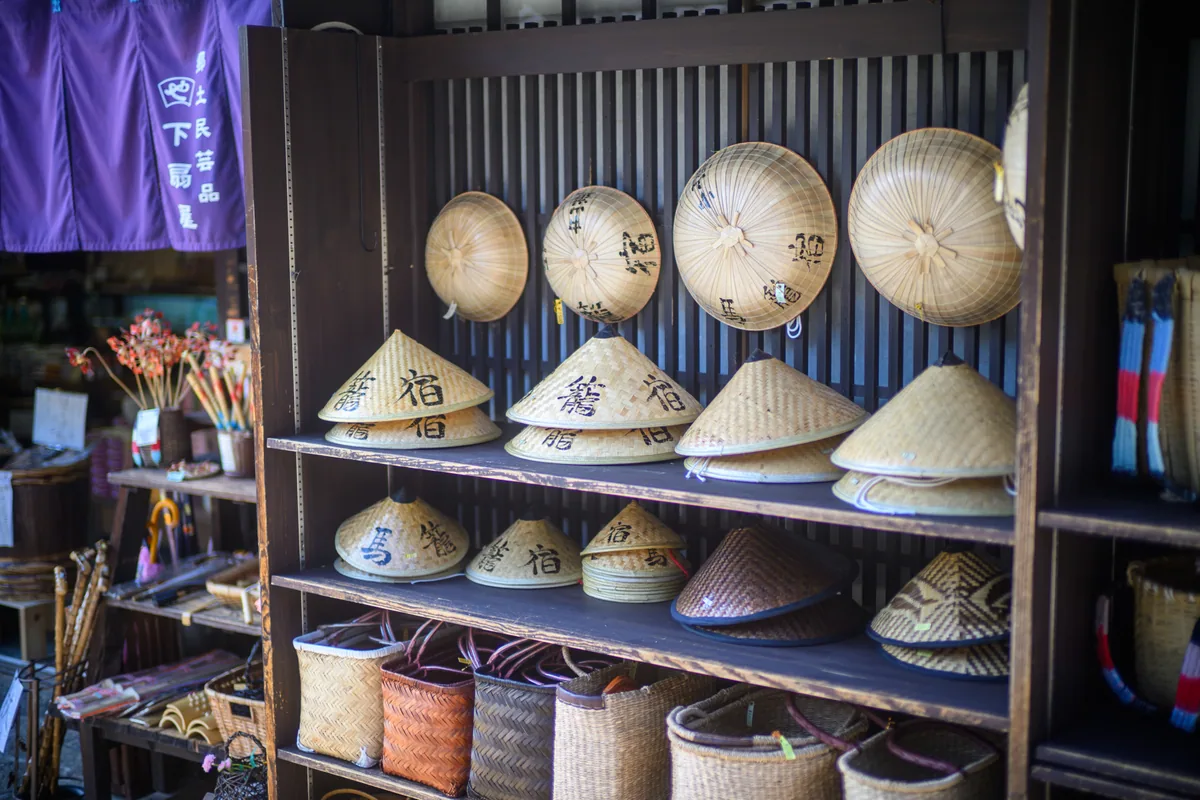
Tsumago: wooden frontages and historic interiors
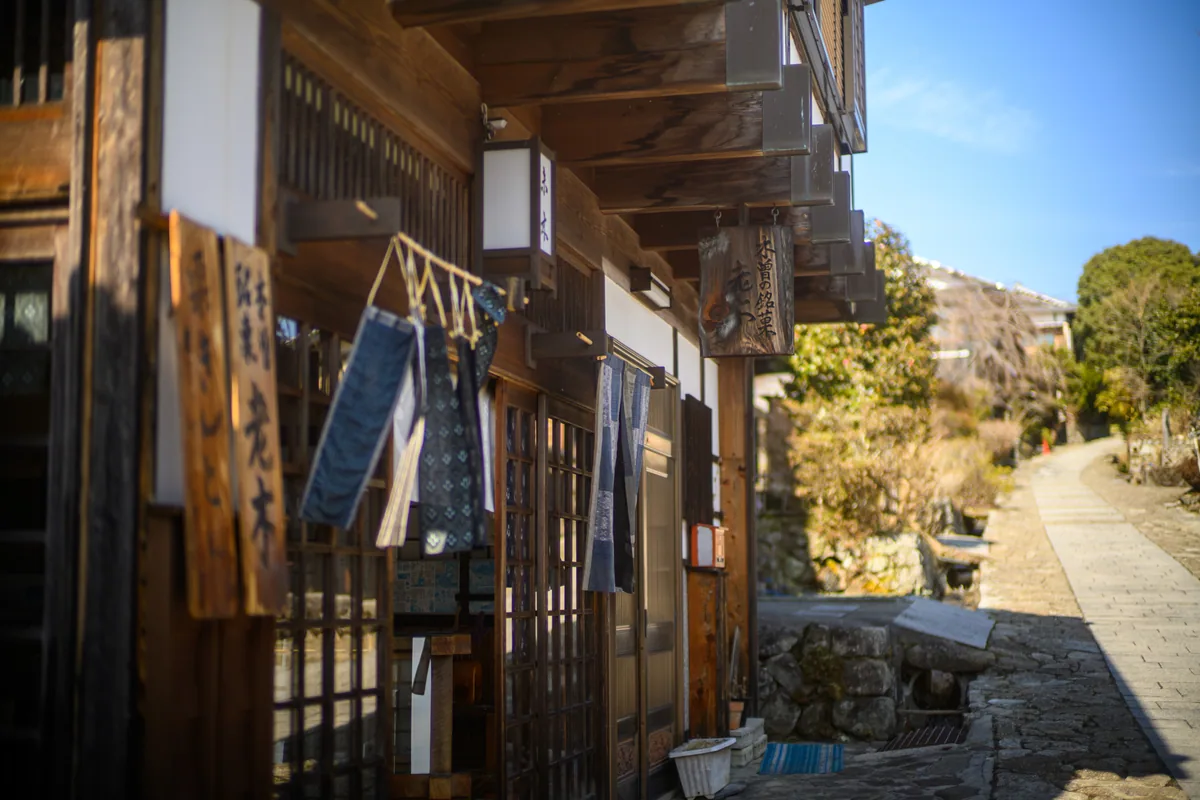
Tsumago rewards looking closely at the buildings as well as taking the long view down the street. JNTO's Tsumago guide introduces its preserved townscape and historic lodging buildings. If you want an interior visit at the Honjin or Wakihonjin, check opening times and admission separately before building the stop around it.
The presence of a historic building on your walking route does not mean its admission is included in a bus tour. An entrance photograph and a visit inside are also different things. Decide which matters to you before using up most of a short stop elsewhere.
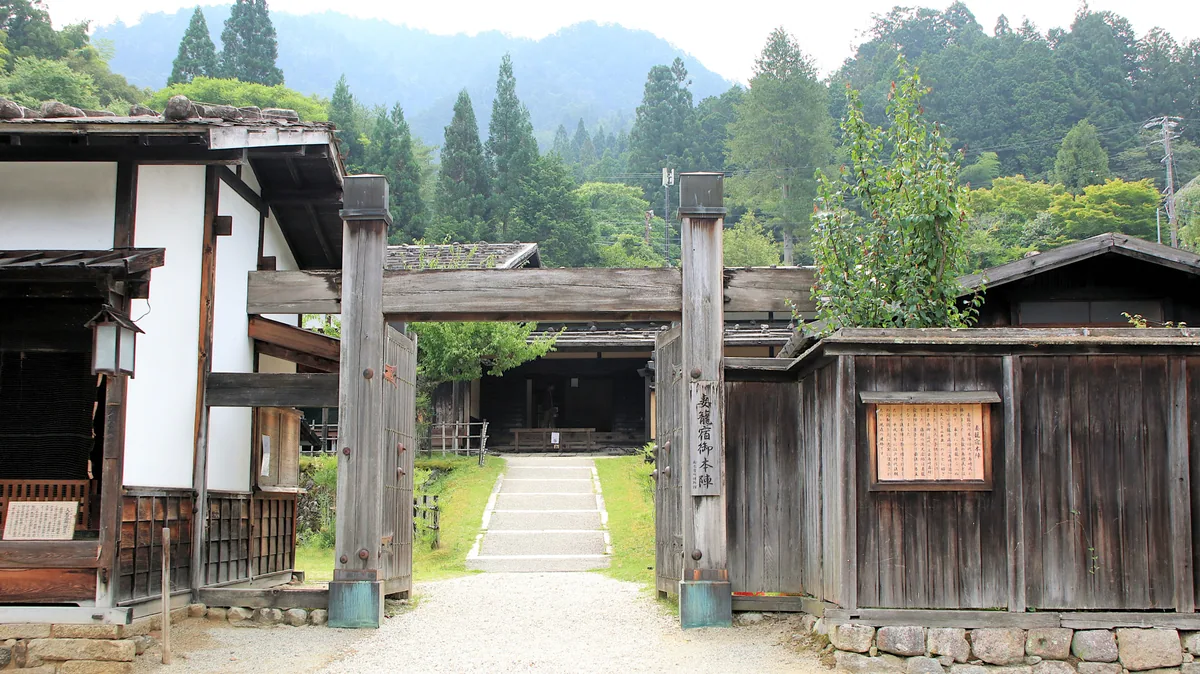
These towns remain places where people live and work. Follow signs distinguishing private property from visitor entrances, keep doorways clear and ask before photographing inside a shop. For photos, wait for a clear moment rather than stepping into a private frontage.
Eihoji and Ena Gorge on the bus-tour route
The temple and gorge add variety to the town visits. They are extra stops in this particular coach itinerary, not necessary detours for an independent Magome–Tsumago day. If your main interest is architecture or walking, spending more of an independent day in the post towns may be the better trade.
For the coach outing, keep the walking map and return point in mind at each stop. Use a short viewpoint stop for the scenery available there rather than assuming it provides time for every nearby activity.
Luggage, shoes and seasonal planning
A small daypack is easier to manage than a suitcase on sloping stone streets. If you return to the same Nagoya hotel, ask whether it can store your larger bags. If you change hotels, plan storage or forwarding before the sightseeing day; our Japan luggage guide explains the broader options.
Sending bags between Magome and Tsumago
The Nagiso Tourism Association's June 2026 luggage-service notice lists ¥1,000 per item, daily March 20–November 30. Reception is 8:30–11:30 a.m., with collection 1–5 p.m. at the designated destination. Keep valuables with you.
Confirm the hand-in and collection locations, item suitability and service on your date with the Tsumago Tourist Information Center. Outside the regular season, ask about arrangements before relying on a transfer. This local service is separate from any suitcase allowance on a coach tour.
What to wear and when to simplify the day
Wear shoes that suit slopes and the forecast, even if you are only visiting the towns. For a hike, carry water, weather protection and what you need between stops. Do not count on being able to buy everything exactly when you need it.
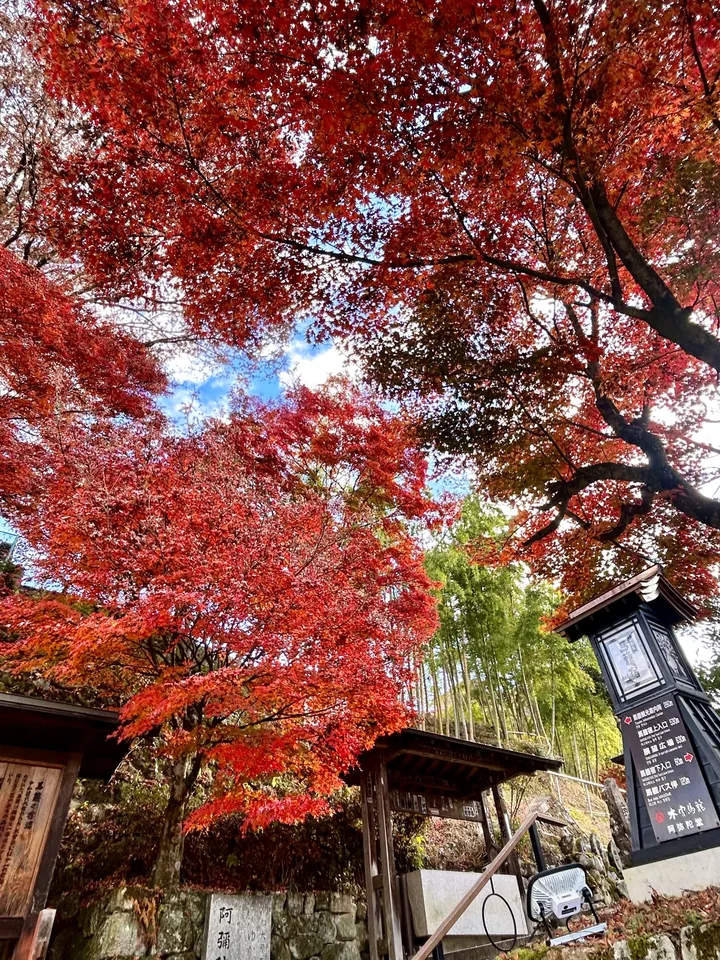
Autumn foliage varies by year and location; a dated tour search does not establish peak color. Our autumn clothing guide helps with layering. In winter, check whether snow or ice affects your chosen route and transport, and give yourself permission to shorten a town walk or change the hiking plan.
Adding the post towns to a Japan itinerary
For travelers moving between Tokyo and Kansai, consider Tokyo → Nagoya overnight → post-town day → Nagoya → Kyoto or Osaka. Reverse the order if heading east. A second Nagoya night creates more flexibility; continuing after the tour requires checking its expected return, collecting luggage and allowing a margin before your train.
For a hiking-led visit, an overnight stay near the towns can remove the pressure to fit every connection into one day. Check meal arrangements and access to the accommodation when booking, particularly if arriving after local transport becomes less frequent.
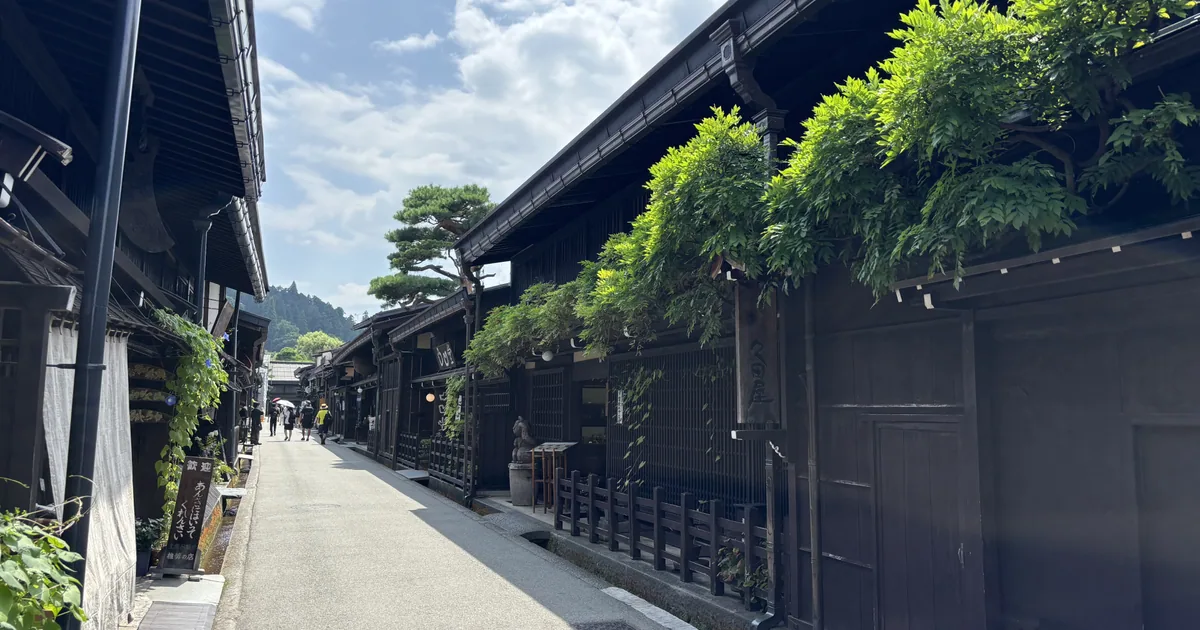
If the picture you most want is a cluster of thatched farmhouses, compare the Takayama and Shirakawa-go day trip from Nagoya. If the appeal is walking through the old post towns, this outing deserves its own day. Choose the route around that main interest, then book transport that leaves enough time to enjoy it.
Make it your trip
Still planning your Japan trip?
Pick the question on your mind. Compare your options, check the details and take one more thing off your list.
Would a JR Pass save you money?
Add your train journeys and compare individual tickets with the nationwide pass. See which costs less for your route.
Calculate my rail costs
Which eSIM fits your Japan trip?
Maps, messages, hotspot use: compare five providers by data allowance, network and plan limits before you choose.
Find my Japan eSIM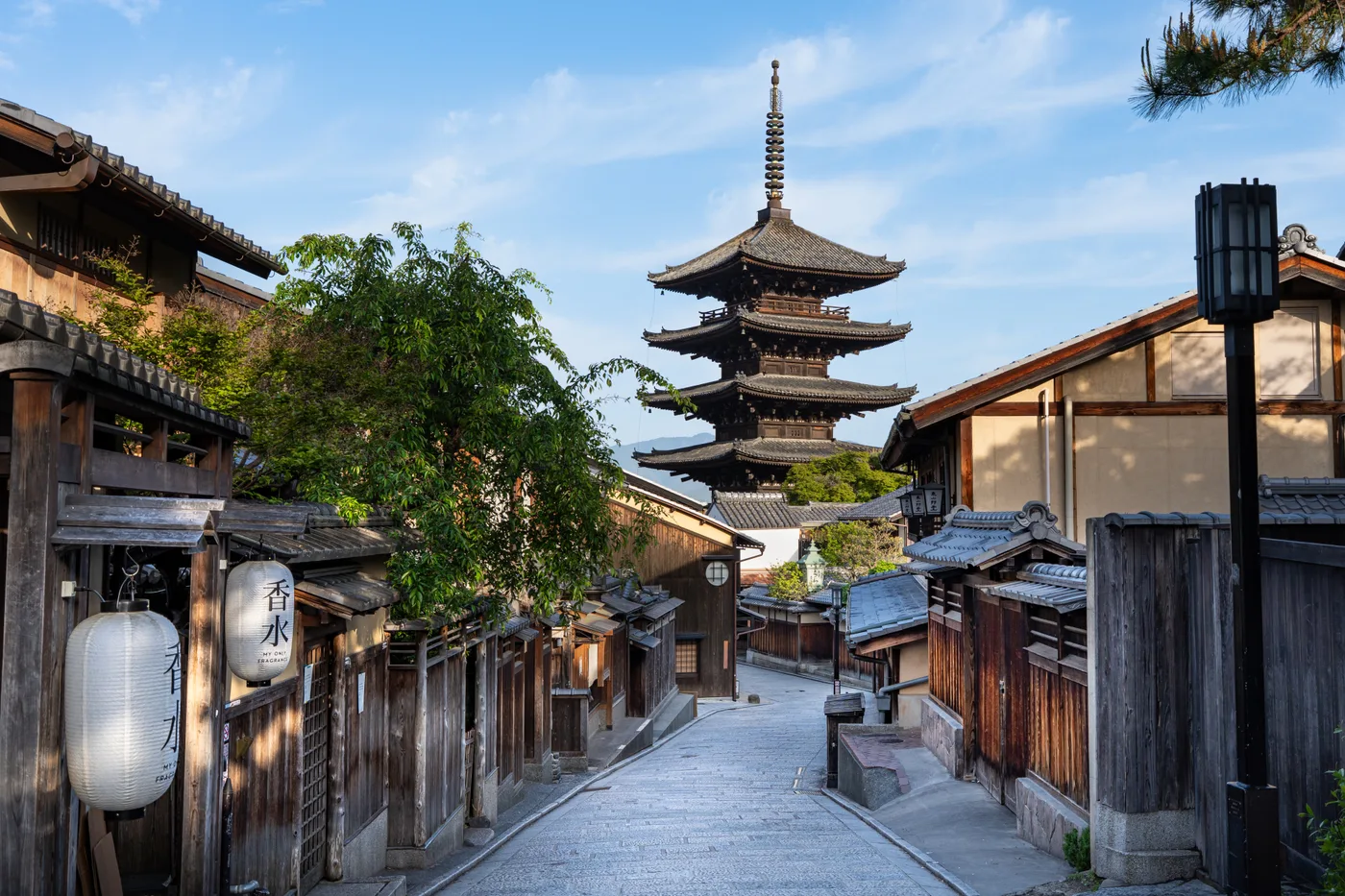
How much can you fit into one week?
Connect Tokyo, a Fuji or Hakone day trip, Kyoto and Osaka with a day-by-day route, travel costs and booking advice.
Explore the 7-day routeFrequently Asked Questions
Yes. Choose a town-focused bus tour or plan an independent train-and-bus journey. If you also want to walk the full trail between the towns, allow time for the hike as well as sightseeing and the return connections.
No full inter-town hike is listed in the featured town-focused tour. For the complete trail, choose an independent walking plan or a product that explicitly includes it.
The Kiso Ontake Tourism Office describes it as roughly 8 kilometers and about three hours at a leisurely pace. Allow extra time for visiting the towns, food, breaks and transport connections, and check current trail conditions.
Walking from Magome to Tsumago involves less uphill walking than the reverse direction. It still includes slopes and uneven surfaces, so plan according to your mobility, footwear and the weather.
For Magome, travel from Nagoya to Nakatsugawa and continue by bus. For Tsumago, use Nagiso and its local bus connection. Check which trains stop at Nagiso and the current local bus timetable instead of assuming a frequent connection.
Take the Tokaido Shinkansen to Nagoya; in Osaka, the Shinkansen departs from Shin-Osaka. The tour currently lists an 8:20 a.m. meeting at its VIPLINER stop near Nagoya Station. Arriving the previous evening simplifies check-in. Same-morning travel requires checking the actual train and allowing time to reach the outdoor meeting point.

Written by
JAPANODE
Based in Japan, sharing practical travel planning advice for visitors.
You Might Also Like
 Day Trips
Shirakawa-go and Takayama Day Trip from Nagoya: Tour or DIY?
9 min read
 Transportation
How to Book Shinkansen Tickets in Japan: SmartEX, Seats & Luggage (2026)
12 min read
 Transportation
Luggage Storage in Japan: Lockers, Apps & Delivery
11 min read
 Transportation
The Complete Guide to Japan's Train System for First-Time Visitors
16 min read