On this page
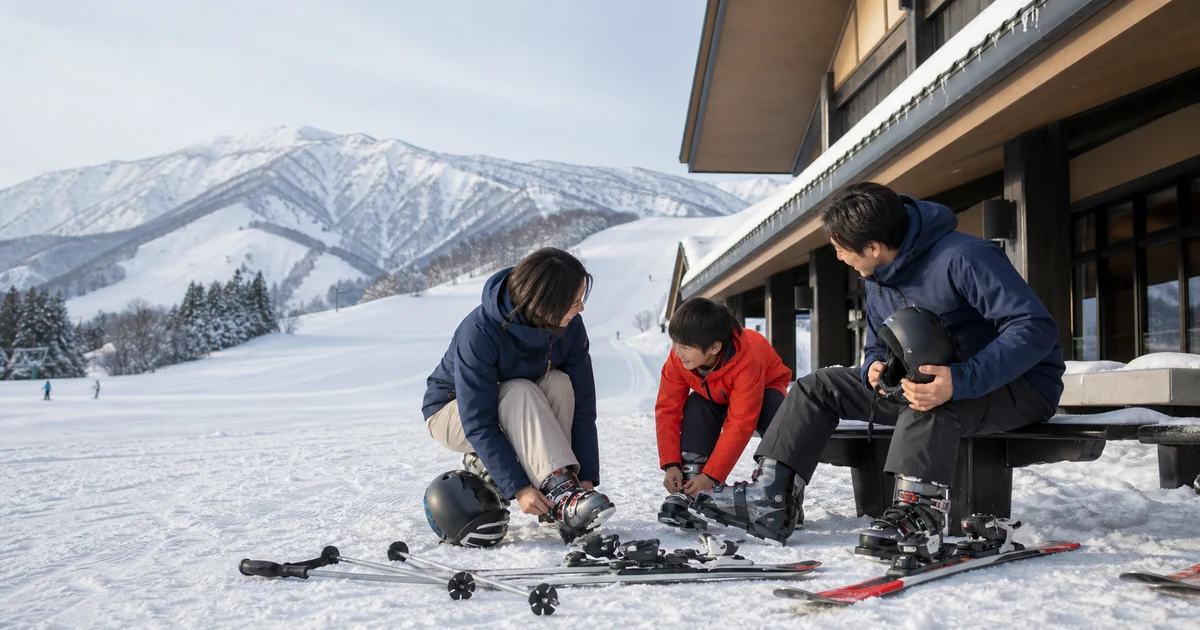
You can add skiing to a Japan trip without owning equipment. For most first-timers, the easiest choices are one rail-linked day from Tokyo or a two-to-four-night stay with a lesson on the first ski day. Reserve the lesson, check exactly what the rental includes, and keep advanced powder terrain out of a beginner plan.
Skiing in Japan does not have to mean flying to Hokkaido with oversized luggage and spending a week chasing powder. It can be a single snow day added to a Tokyo itinerary, a short beginner break in Nagano or Niigata, or a ski-first holiday based in one mountain region.
For the wider holiday, our Japan winter travel guide helps you choose the month, combine cities with a snow region and plan around New Year and winter transport.
The mistake is choosing a famous resort before deciding what kind of trip you actually want. Niseko, Hakuba, Nozawa Onsen, Myoko, and Yuzawa solve different problems. Start with your available time, who is traveling, and whether you are learning on marked slopes or seeking advanced terrain. The resort choice becomes much easier after that.
Japan's main season generally runs from December into April, with exact opening dates controlled by snow and each resort. January and February usually offer the most consistent winter conditions and also attract more demand. For any trip near the start or end of the season, check the resort's open lifts—not only its advertised season dates—before committing to transport or a non-refundable stay. The Japan National Tourism Organization (JNTO) maintains a useful national overview.
Choose Your Japan Ski Trip Style
Your simplest route to the snow
Start with the time you want to give skiing
You do not need to choose a resort yet. Pick the trip shape that feels realistic, then use the route below.
Give yourself time to learn without making skiing the whole trip
Stay in one resort area, take a lesson on your first ski day, then practise at your own pace. This is the safest default for most first Japan ski trips.
Reserve before you go
These are starting points, not rigid traveler profiles. A family can choose any of the three durations, and an experienced skier can still choose a day trip. Children and advanced powder travel add requirements to the base plan; they do not need separate, competing trip types.
One-Day Ski Trip From Tokyo
A day trip is the lowest-commitment way to find out whether you enjoy skiing or snowboarding. It works best when the journey has few transfers and the resort combines ticketing, rentals, lessons, lockers, food, and changing facilities in one base area.
GALA Yuzawa is the clearest example. Its ski center is connected to GALA Yuzawa Station, and the official resort advertises a Joetsu Shinkansen journey of about 77 minutes from Tokyo. The GALA Yuzawa site lists current operating dates, tickets, rentals, schools, and facilities. Other rail-accessible choices exist around Yuzawa and Nagano, but the best resort for an overnight stay is not automatically the simplest day trip.
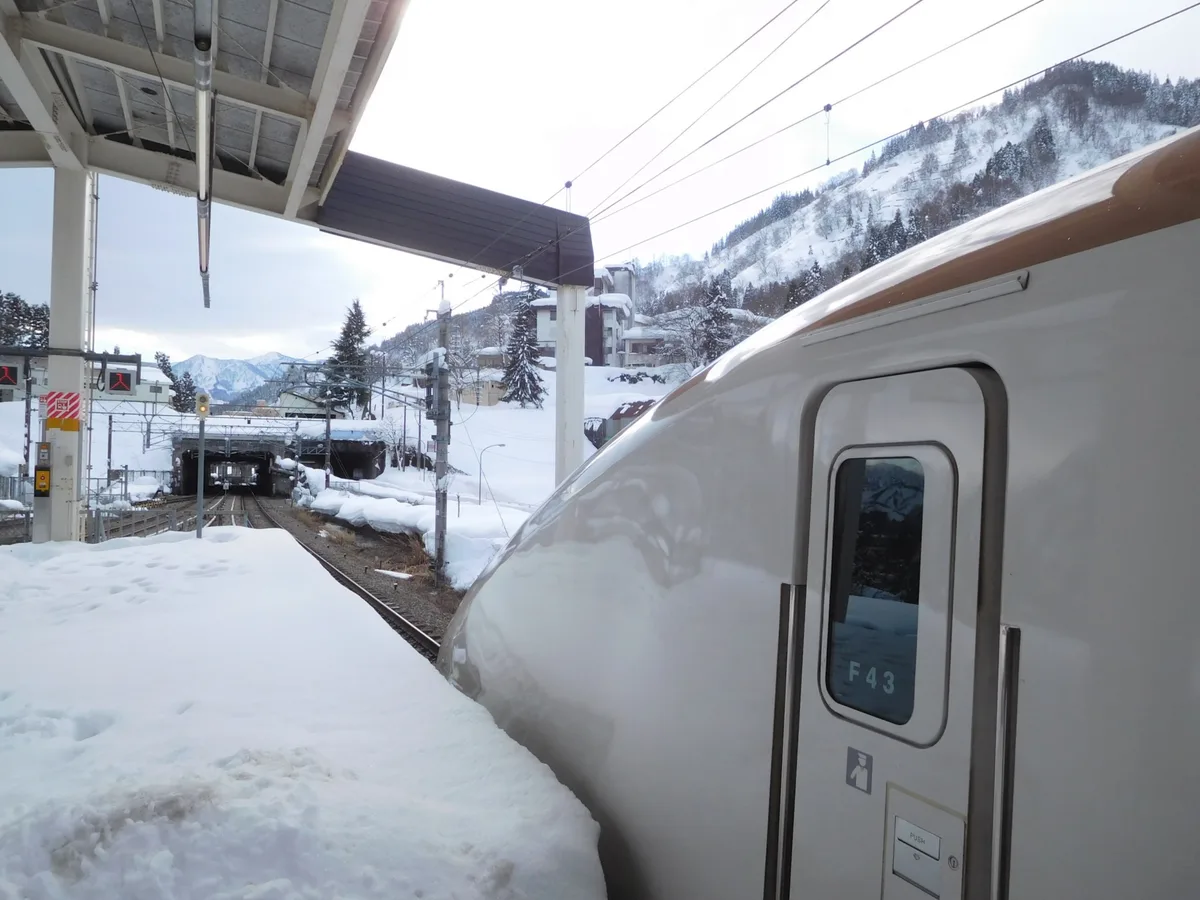
A realistic day-trip flow
- Take a reserved morning train from Tokyo.
- Allow time to find the rental counter, complete sizing, change, and store your bags.
- Meet an English-language instructor for a beginner lesson.
- Practise only on the terrain recommended by the instructor or patrol.
- Return the equipment before the stated cutoff.
- Use an on-site bath or eat near the station only if the return schedule has enough buffer.
- Take the train back to the same Tokyo hotel.
The day is less efficient than the train time suggests. Rental fitting, lesson check-in, lunch, and returns can consume several hours. A one-day trip is best understood as a first experience in snow, not a full day of uninterrupted skiing.
Book the train plan and lesson first. Then verify the rental items, sizes, and online application process for your date. If a resort has several independent schools, confirm the meeting point; arriving at the mountain does not guarantee that the instructor is at the same base building.
Two-to-Four-Night Beginner Stay
This is the strongest default for a first Japan ski trip. It gives you one day to learn, one day to practise, and enough flexibility to handle tired legs or changing weather without turning the entire Japan holiday into a snow-sports trip.
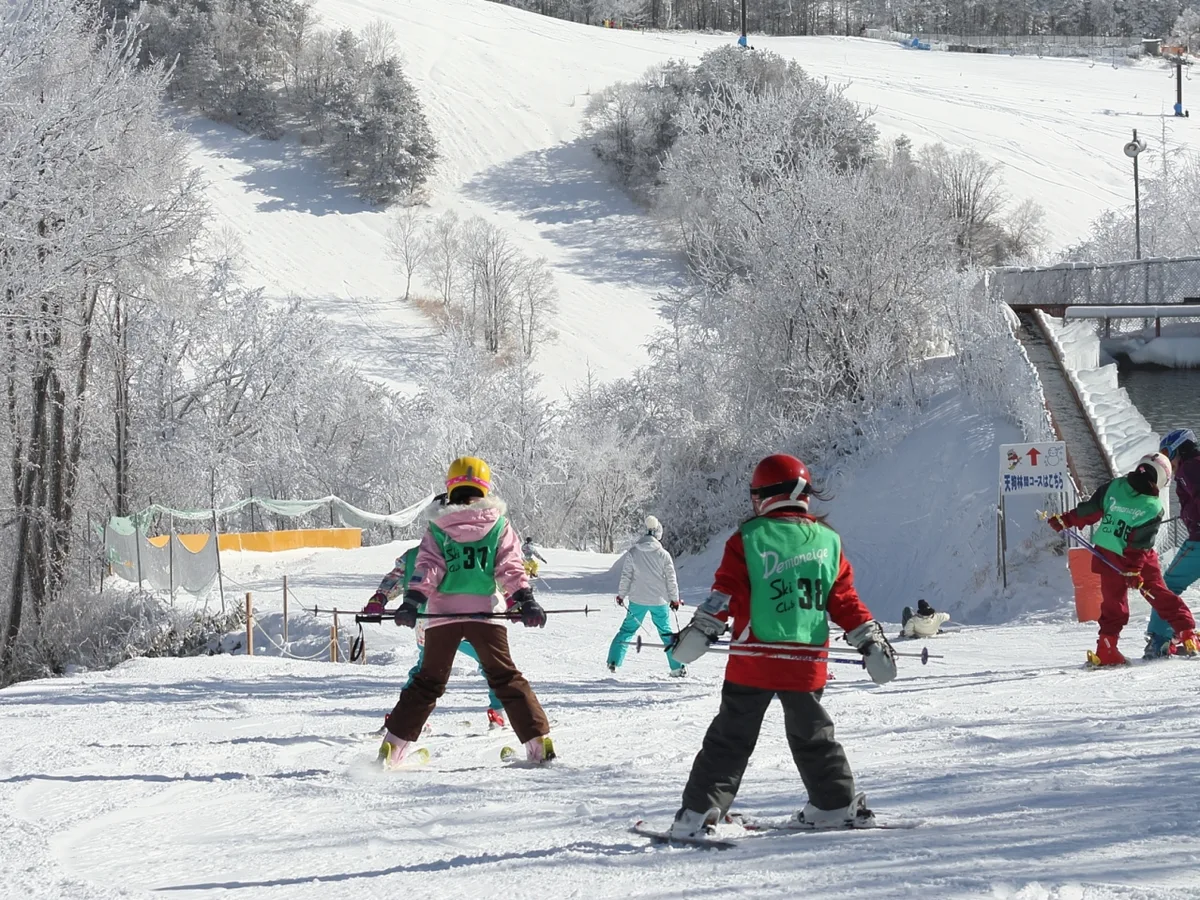
Choose one resort area, not a list of famous mountains. Hakuba Valley, for example, covers multiple separate resorts. Its official information says all member resorts have ski-school facilities, most provide English lessons, and rental equipment is available across the valley. That variety is useful, but it also means you must know which mountain, bus stop, school, and rental counter you are using. Start with the Hakuba Valley resort and rental directory, then build the stay around one practical base.
A simple short stay looks like this:
- Arrival day: Travel from Tokyo, check in, collect rental details, and confirm the lesson meeting point.
- First ski day: Take a lesson, eat on the mountain, and stop before exhaustion makes the last run unsafe.
- Second ski day: Practise on marked beginner terrain or book another lesson.
- Departure day: Return rentals and continue to Tokyo, Kyoto, or your next destination.
For families, a three- or four-night stay is usually easier than squeezing children through a train journey, rental fitting, lesson, snow play, and return journey in one day. For adults, two nights can work if transport is simple and the lesson is already secured.
Five-to-Seven-Night Ski Holiday
When skiing is the main reason for visiting Japan, go toward the ski region instead of inserting repeated transfers through Tokyo and Kyoto. A Hokkaido trip might run from New Chitose Airport to a Niseko base. A Honshu trip might travel from a Tokyo airport or station to Hakuba, Nozawa Onsen, or Myoko and remain there.
Longer stays give you more than extra runs. They create a buffer for wind holds, heavy snowfall, visibility changes, and rest. Four to six planned ski days inside a week is more resilient than treating every day as mandatory.
Niseko United is the most straightforward international-facing example: its four areas publish English rental, school, lift-pass, kids, and transport information through a shared official site. It is not one compact base, however. Annupuri, Niseko Village, Grand Hirafu, and Hanazono have different facilities and local movement. Use the official Niseko access information and choose your accommodation after deciding which base you expect to use most often.
Do not assume a multi-resort pass is automatically good value for a beginner. In the 2026–27 season, the published peak one-day Niseko United all-mountain adult pass is ¥13,500, while the Hakuba Valley all-mountain adult day pass is ¥11,100. Those passes buy access to large networks; a first-timer may spend most of the day on one learning area. Compare the exact local pass, lesson requirements, and included beginner lifts before buying. Prices and operating rules change each season, so treat these figures as dated examples rather than a permanent Japan-wide range.
What to Book First
The useful question is not only what you need. It is which decision unlocks the next one.
1. Fix the trip shape and dates
Choose day trip, short stay, or ski-first holiday. Then check whether the resort normally operates during your dates and what happened to its opening terrain in comparable periods. A scheduled opening date is not a snow guarantee.
2. Choose the base—not just the region
"Hakuba" and "Niseko" each describe areas with multiple mountains or bases. Confirm the actual lift area, lesson meeting point, rental location, and local transport before choosing a hotel. Ski-in/ski-out can be convenient, but a hotel beside the wrong base for your lesson is not.
If you are comparing a ryokan, hotel, pension, or apartment, the Japan accommodation types guide explains what each format usually includes. Families may value a kitchen and laundry; solo travelers may prefer a pension with meals; groups may value a private transfer more than a slope-side room.
3. Secure accommodation and the main transfer
For overnight trips, accommodation and airport or station transfers are the least flexible pieces. Check arrival times against the last practical bus and the property's check-in policy. A late international arrival may require an airport or city night before the mountain transfer.
Driving gives flexibility but should not be the automatic recommendation for a visitor with no winter-road experience. Snow, ice, mountain weather, parking, local alcohol rules, and license requirements all matter. Major resorts can be reached without a car; choose accommodation around the transport network if you want to avoid driving.
4. Reserve the lesson in the required language
JNTO recommends a lesson for first-time skiers and snowboarders and notes that major resorts offer instruction in English and Chinese. It also warns that English-speaking instructors can be limited in peak season. Reserve the language, sport, level, age group, meeting place, and group or private format explicitly.
Do not book an adult lift pass first and assume it matches the lesson. Some beginner products include restricted lift access; others require a separate ticket. The school—not a generic ski blog—should confirm what its lesson price includes.
5. Confirm rentals, then buy lift access
Most major resorts rent skis or snowboards and boots. Poles are normally part of a ski set, while helmets may be separate. Outerwear availability varies, and accessories may be rental items at one resort but sale-only at another. Reserve early when sizes, children, large boots, or peak dates reduce flexibility.
Buy the lift product only after you understand the lesson and terrain plan. A half-day or limited-area product may fit a first lesson better than an all-mountain pass. Online tickets can reduce queues but may have stricter refund terms.
What You Can Rent—and What to Bring
The reassuring message is true: you do not need to carry skis or a snowboard through Japan just to try the sport. The dangerous version is assuming "full rental" means every item touching your body.
| Item | Usually available? | What to verify |
|---|---|---|
| Skis or snowboard | Yes | Ability level, length, return time |
| Boots | Yes | Foot size, children’s sizes, exchange policy |
| Ski poles | Usually in a ski set | Confirm the set description |
| Helmet | Often, sometimes separate | Size and whether the lesson requires one |
| Jacket and pants | Varies | Waterproof outerwear, sizing, separate fee |
| Gloves | Often bring or buy | Hygiene rules mean rental is not universal |
| Goggles | Bring, rent, or buy depending on resort | Never assume they are in the clothing set |
| Base layers and ski socks | Bring | Warm, dry layers that fit inside rental boots |
Bring warm base layers, ski socks, waterproof gloves, goggles, and clothing for walking around a snowy town. For the rest of the trip, use the Japan winter clothing guide; Tokyo winter clothing is not enough for a day standing on a windy mountain.
If you own equipment and the ski portion is only part of a longer itinerary, JNTO notes that Japanese baggage-delivery services can move ski gear between airports, accommodations, and later destinations. Confirm accepted dimensions, lead time, and whether the receiving hotel will hold it before sending anything.
Which Ski Area Fits This Trip?
This is a planning comparison, not a ranking. Resort operations, lesson providers, and transport schedules change by season.
| Area | Strongest fit | Why it works | Friction to check |
|---|---|---|---|
| Yuzawa | Tokyo day trip or short beginner stay | Shinkansen access and several resort choices; GALA is station-connected | Each resort has different lessons, rentals, and access |
| Hakuba Valley | 3–7 nights, mixed abilities | Broad terrain, many accommodation choices, rentals and English instruction | The resorts are spread across a valley and not all are lift-connected |
| Nozawa Onsen | 3–6 nights, skiing plus onsen town | One mountain paired with a traditional hot-spring village | Confirm the foreign-language school, meeting point, and local transfer |
| Myoko | 4–7 nights, repeat skiers and powder-focused stays | Multiple snow areas and English lesson options at selected resorts | "Myoko" is not a single lift base; local movement needs planning |
| Niseko United | 5–7+ nights, English support, families, powder | Extensive international services, rentals, schools, and kids programs | Airport transfer, separate bases, peak pricing, and advance demand |
Nozawa's official school directory includes ski, snowboard, private, kids, and foreign-language options; check the current Nozawa Onsen school information rather than relying on an old list. In Myoko, services differ by mountain: for example, the official Myoko Suginohara page identifies English lessons and base-area rentals, but that does not describe every Myoko resort.
If your priority is a low-stress first day, access, lesson language, and the learning area matter more than powder reputation. If your priority is a traditional village, evening atmosphere matters more. If your priority is advanced terrain, patrol rules, guiding, rescue, and insurance become part of the resort decision.
Skiing in Japan With Kids
"Family-friendly" is too vague to book from. A useful family check has six answers:
- What is the minimum age for ski and snowboard lessons?
- Is the teaching language guaranteed or only requested?
- Is there a beginner conveyor or easy lift near the lesson area?
- Is snow play or sledding available for a child who does not want to ski?
- Does daycare exist for the child's exact age, and must it be booked separately?
- How will the family move between the hotel, rental counter, lesson meeting point, and dinner?
JNTO's snow-with-kids guide notes that major resorts may offer multilingual lessons, magic carpets, sledding, tubing, and—in some places—indoor daycare. The word may matters. Niseko United, for example, lists kids lessons and play facilities by base on its official kids page; availability is not identical across all four areas.
For a family's first trip, reduce daily logistics before comparing trail counts. One lesson meeting point, one rental shop, nearby food, and a realistic return route are more valuable than access to several mountains.
Powder, Off-Piste, and Backcountry
Powder is not a separate beginner travel style. Fresh snow can fall on marked resort runs, while tree runs, gates, off-piste terrain, and backcountry introduce different rules and risks.
JNTO defines backcountry as terrain outside patrolled ski-area boundaries and highlights avalanche and tree-well danger, specialist equipment, navigation, and the value of qualified guides. An official resort gate does not mean the terrain is patrolled or covered by ordinary travel insurance. Closed gates and ropes are not suggestions.
Experienced travelers should read the current resort rules, avalanche information, and guide requirements before choosing a pass or accommodation. Then use the Japan ski travel insurance checklist to separate marked in-bound skiing, official gates, rescue, liability, and equipment cover. If skiing is only one part of a broader Japan holiday, compare that specialist checklist with the main Japan travel insurance guide.
Before You Pay: A 10-Point Check
- The resort and intended lift area are open on your dates.
- The hotel is near the base, bus stop, or lesson you actually plan to use.
- The final train, bus, or transfer works with your flight and check-in time.
- Your lesson confirms language, sport, level, age, meeting point, and duration.
- You know whether the lesson requires a separate lift pass.
- The rental list names hardware, helmet, and outerwear separately.
- Gloves, goggles, socks, and base layers are accounted for.
- Children have a plan for lessons, snow play, meals, and rest.
- Your insurance wording matches the terrain you will enter.
- Cancellation and weather rules are saved with the booking confirmation.
Also read the first-time Japan guide for cash, connectivity, etiquette, and arrival basics. A ski resort is still part of a wider Japan trip: trains can be crowded, small properties may have fixed meal times, and onsen rules still apply. If bathing is part of the plan, the onsen etiquette and tattoo guide will prevent an awkward surprise after the last run.
The Bottom Line
For a first taste, add one rail-linked snow day and accept that the lesson and rental process are the main event. For most beginners, choose a two-to-four-night stay with one lesson day and one practice day. For a ski-first holiday, stay five to seven nights in one region and build in weather and rest flexibility.
You do not need to own equipment. You do need to verify what the rental excludes, reserve the right lesson, and know exactly how you will reach the base. Choose those practical details first; choose the famous mountain second.
Still deciding whether snow deserves a full day or several nights? Compare skiing with other first-trip Japan experiences before committing the itinerary.
Match cover to your terrain
Check marked runs, gates, backcountry, rescue, liability, and rented equipment separately.
Open the ski insurance checklistPack for the mountain and the city
Build warm layers for Tokyo, snowy resort towns, and time outside on the slopes.
Open the winter packing guideChoose the right place to stay
Compare hotels, ryokan, pensions, and apartments before booking a mountain base.
Compare accommodation typesLast verified: August 29, 2026. Primary sources: JNTO skiing guide, JNTO beginner guide, JNTO snow day trips, JNTO backcountry guide, GALA Yuzawa, Hakuba Valley, Niseko United, Nozawa Onsen Snow Resort, and Myoko Suginohara. Resort dates, prices, lift operations, lesson languages, and rental inventories change. Recheck each operator before booking.
Frequently Asked Questions
Yes. Major Japanese ski areas have beginner terrain, rental shops, and ski or snowboard lessons. Book an instructor who teaches in your language, confirm the minimum age for children, and do not assume every resort offers the same rental clothing or lesson schedule.
Yes. Rail-linked resorts in Niigata and Nagano make a day trip possible. GALA Yuzawa is directly connected to a Joetsu Shinkansen station and advertises a journey of about 77 minutes from Tokyo, but you must still allow time for rentals, changing, and a lesson. Check the current train and resort schedules before buying.
No. Major resorts rent skis or snowboards, boots, and usually poles and helmets. Jackets, pants, gloves, and goggles are less consistent: some places rent outerwear, while others sell certain accessories instead. Check the exact list and size availability at your chosen resort.
One day is enough to try the sport, but two ski days over a two-to-four-night stay is a better first trip. Take a lesson on the first day and leave the second day for practice. A five-to-seven-night stay fits travelers who want skiing to be the main purpose of the trip.
They are available at many major international-facing resorts, including options in Niseko, Hakuba, Yuzawa, Nozawa Onsen, and Myoko. Availability, group formats, age limits, and operating dates vary, so reserve the exact language and lesson type rather than assuming an English-speaking instructor will be free on arrival.
Yes, if you choose by the children's needs rather than the resort's reputation. Confirm lesson age bands, teaching language, beginner lifts or magic carpets, snow-play facilities, daycare age limits and hours, and how far the accommodation is from the meeting point.
Written by
JAPANODE
Based in Japan, sharing real travel tips & local insights for visitors. Follow us on Instagram @thejapanode for daily Japan content.
You Might Also Like
 Planning
Japan in Winter: Weather, Crowds & What to Book
13 min read
 Planning
Japan Ski Travel Insurance: What Actually Covers Skiing?
9 min read
 Planning
Japan Accommodation Types Explained: Hotels, Ryokan, Capsule Hotels & More
16 min read
 Planning
What to Wear in Japan in Winter: December, January & February Packing Guide
13 min read
 Planning
First Time in Japan: 15 Things You Need to Know Before You Go
19 min read