On this page
Japan is worth visiting in winter for city walks, snowy towns, hot-spring stays and skiing. The best trip starts with one choice: do you want snow to be the main event, a short detour, or something you would rather avoid? That answer matters more than choosing a famous winter photograph and trying to connect everything around it.
For a first Tokyo-Kyoto-Osaka trip, we would start by comparing early to mid-December dates. For a trip built around snow, we would look at January or February and choose one northern or mountain region. If a festival or New Year celebration is the reason for traveling, let its confirmed calendar set the dates.
This guide helps you choose when to go, where to base yourself and what to book first. Once the route is settled, use our Japan winter clothing guide for coats, shoes, layers and packing lists. It combines local observations from Tokyo and Kanazawa with official climate and visitor information checked on October 4, 2026.
Choose Your Winter Trip at a Glance
| What you want most | A useful starting plan | The decision to make first |
|---|---|---|
| Tokyo, Kyoto and Osaka without summer heat | A city route in early to mid-December, or dates after the New Year holiday period | Which attractions and neighborhoods matter, then their opening days |
| Snowy streets, food and city comforts | Several nights in Sapporo with an Otaru outing in January or February | Everyday winter scenery or a specific festival? |
| A snow experience within a Tokyo trip | One rail-accessible snow day or a short Nagano/Niigata stay | Snow play, sightseeing or a ski lesson? |
| A winter ryokan and town walk | One onsen stay that fits your wider route | The inn, meal plan and final transfer together |
| Gardens and old streets in changeable winter weather | A Kanazawa stay with flexible sightseeing days | Which outdoor visit you can move when the weather changes |
| Milder winter sightseeing | An Okinawa-focused trip | Whether your chosen activities depend on sea conditions or warm weather |
These are editorial starting points. You can enjoy a city trip in January or a snowy trip in December, but the details deserve more checking. A hotel in central Sapporo and a lodge in a ski area also create very different daily journeys, even when both are described as “Hokkaido.”
For photographs and specific places to build a trip around, explore our seven winter experiences in Japan. Choose one or two that fit the same region before adding more destinations.
December, January or February?
December: City Trips and the Start of Snow Season
Early to mid-December is our starting suggestion for travelers who mainly want the big cities, food and evening lights. It lets you plan before the usual year-end holiday period. Check individual illumination dates, and put outdoor sightseeing earlier in the day so you can enjoy dinner or an indoor visit afterward.
For snow, early December takes more care. JNTO's December guide describes skiing starting at some resorts in mid to late December. An advertised opening date does not tell you how many lifts, runs or snow-play areas will operate on your visit. Check the specific facility before making snow the centerpiece of an early-season trip.
Late December brings a different set of decisions. If you will be in Japan over New Year, confirm transport, meals and attraction schedules before arranging a sequence of hotel changes. A festive city evening can be enjoyable; a closed museum on the one day you allowed for it is a planning problem you can often prevent.
January: Snow Trips and Time at an Onsen
January is a strong starting point for a trip focused on skiing, snowy scenery or a hot-spring stay. JNTO's January guide highlights winter sports and warns that New Year travel can limit accommodation and ticket choices.
If your dates are flexible and you are not coming for the holiday itself, compare dates after the New Year period. Still check weekends, local events and the particular resort: a quieter city calendar does not establish that a ski village will be quiet or inexpensive.
For a first snow trip, spend enough nights in one base to move an outdoor activity. That gives you options if the arrival day is tiring or the mountain weather is poor. A different café, museum or short city walk is easier to arrange when you are returning to the same room.
February: Festival Dates Can Set the Whole Trip
February suits travelers who want snow events alongside winter scenery. The official Sapporo tourism calendar lists the 2027 Sapporo Snow Festival for February 4–11. If the sculptures are your main reason for visiting, compare accommodation and access for those dates before choosing your flights.
If you simply want snowy Sapporo and an Otaru evening, compare other dates too. Festival photographs show a particular event; everyday winter streets offer a different visit. JNTO's February guide also notes the demand for accommodation around the festival.
Keep a winter plan for the rest of Japan. Early flowers in some places do not mean a northern or mountain stop has moved into spring. Choose outdoor activities using the local forecast and operating information for the actual day.
Where to Go: Four Very Different Winters
Japan's geography explains why one national weather description is so unhelpful. The Japan Meteorological Agency's climate overview describes winter snowfall on the Sea of Japan side and sunnier conditions on the Pacific side. Elevation and local geography add further differences.
The January figures below are monthly averages of daily highs and lows, using JMA's 1991–2020 normals. They help compare bases; they are not a forecast or a limit on how cold your trip can become. For orientation, 0°C is 32°F and 10°C is 50°F.
| Reference city | January average high / low | What it means for choosing the trip |
|---|---|---|
| Tokyo | 9.8°C / 1.2°C | A city-sightseeing base; add a separate snow destination if snow is essential |
| Kanazawa | 7.1°C / 1.2°C | Plan outdoor visits around wet weather, snow and brighter intervals |
| Sapporo | -0.4°C / -6.4°C | A full winter city stay, with time and energy allowed for snowy streets |
| Naha | 19.8°C / 14.9°C | A milder sightseeing trip, with weather-dependent sea activities checked separately |
Sources: JMA normals for Tokyo, Kanazawa, Sapporo and Naha. Tokyo's figures are not Kyoto's or Osaka's measurements; check each stop separately.
Tokyo, Kyoto and Osaka: Build Around the City
Choose these cities for the places you want to visit and food you want to eat. Snow is an occasional possibility, rather than something a city-only itinerary can promise. In my memories of Tokyo, even a little snow becomes an event, with the city making a fuss in all sorts of ways. That is a different expectation from booking a trip to see snow every day.
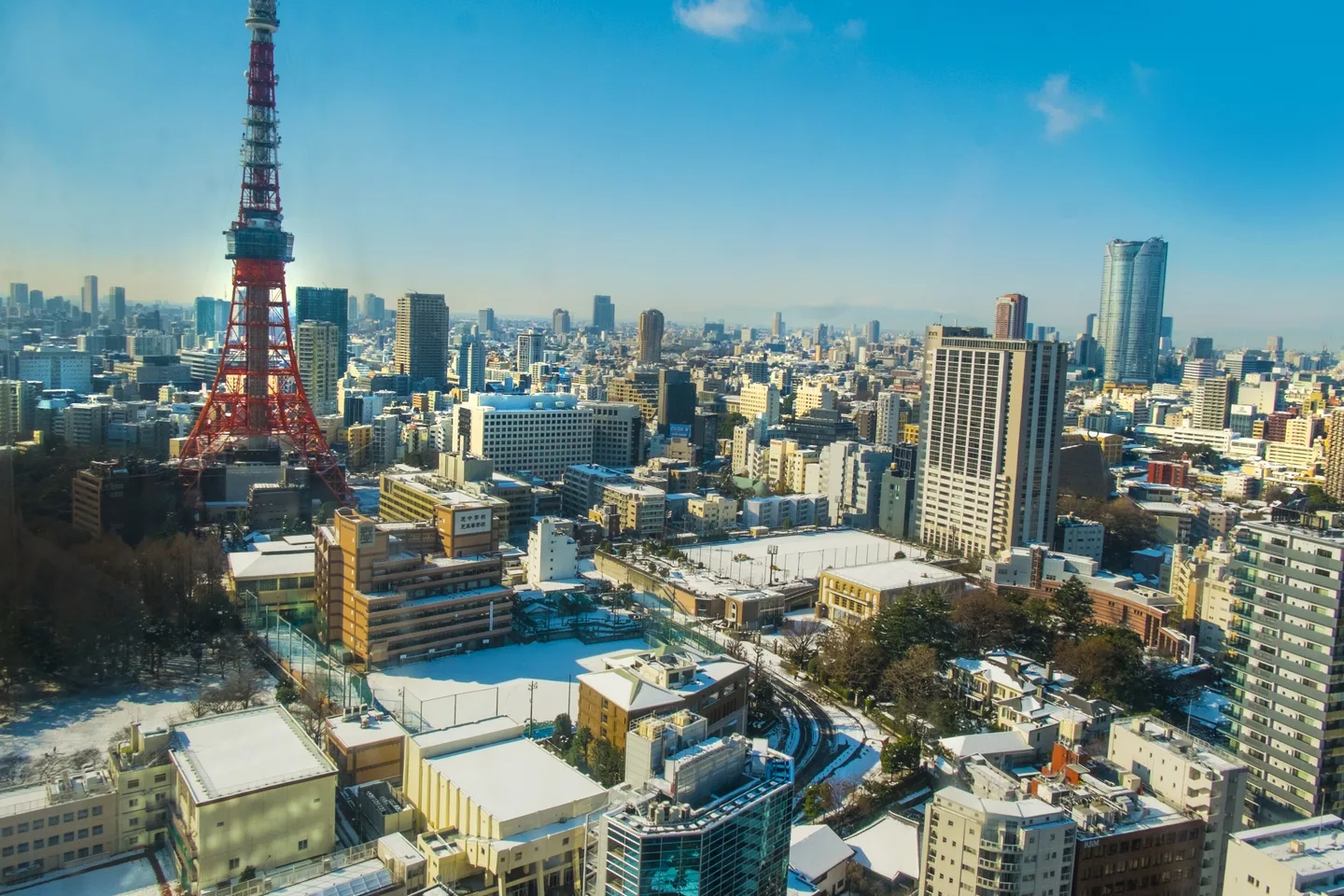
Give each day an outdoor priority and an indoor option nearby. Our Tokyo rainy-day guide and Kyoto indoor guide also work as starting points when a cold, wet afternoon changes your plans. Check opening days and any timed tickets before making an attraction your fallback.
Hokkaido and Mountain Areas: Give Snow Its Own Time
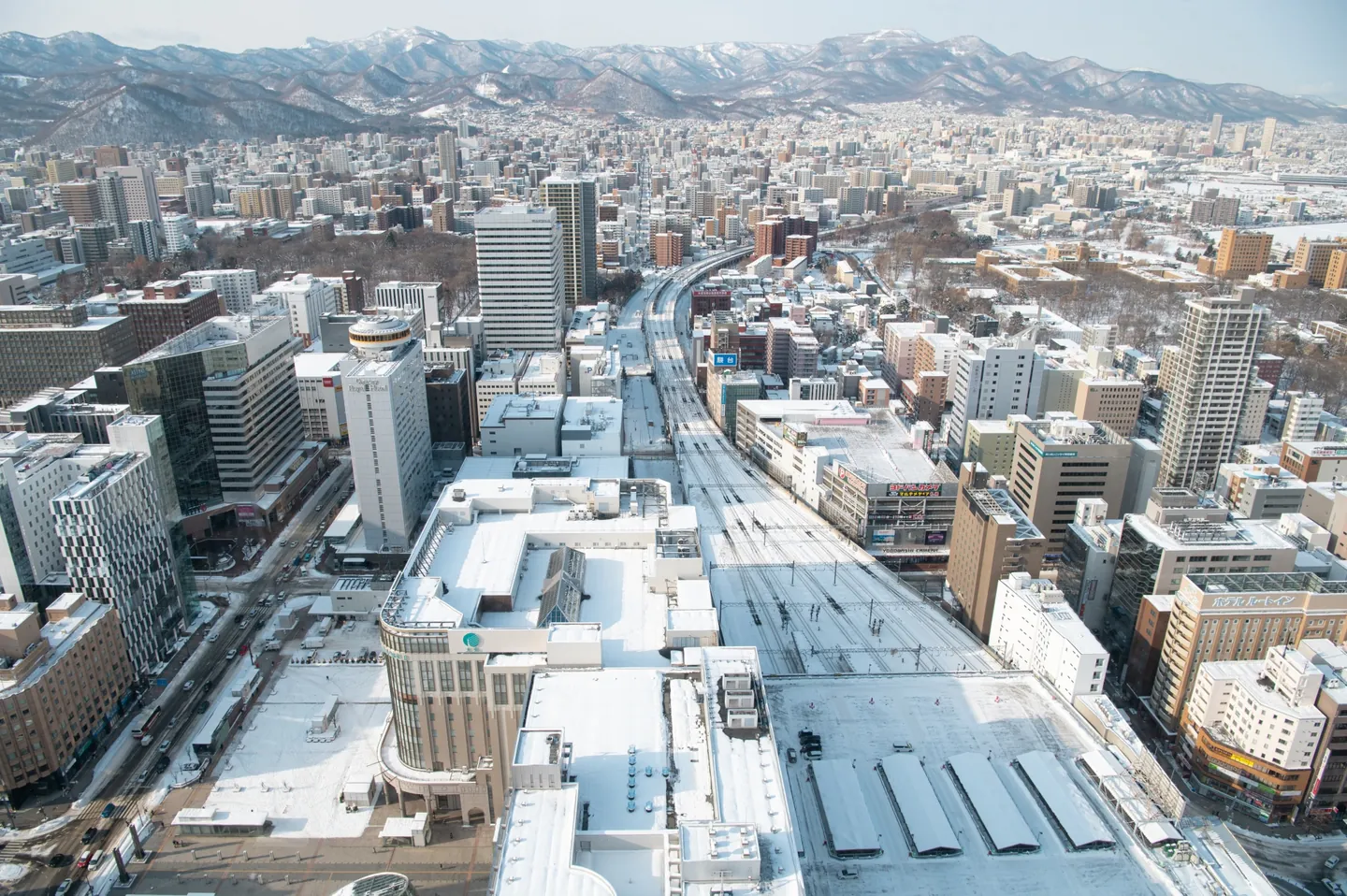
For a Sapporo-and-Otaru stay, allow several nights and plan warm indoor breaks into the sightseeing. If skiing is the main purpose, choose a resort base around the lesson meeting point, lifts and local transport. A city hotel may add a substantial transfer to every ski day.
For a smaller snow addition to a Tokyo trip, our skiing in Japan guide compares a day trip, a short beginner stay and a ski-focused holiday. Decide whether everyone actually wants to ski. Snow play, a town walk and an organized lesson require different facilities and bookings.
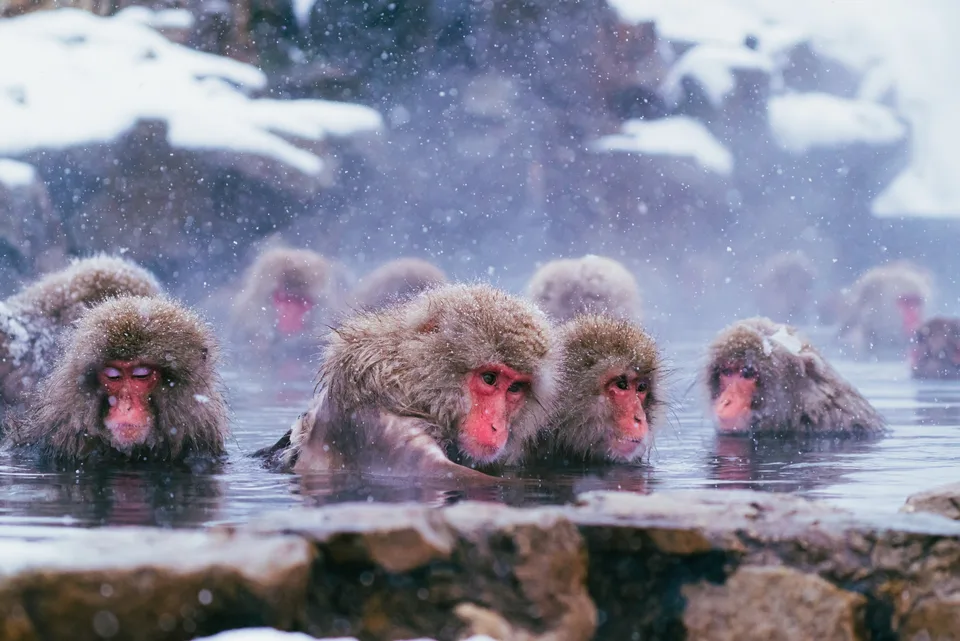
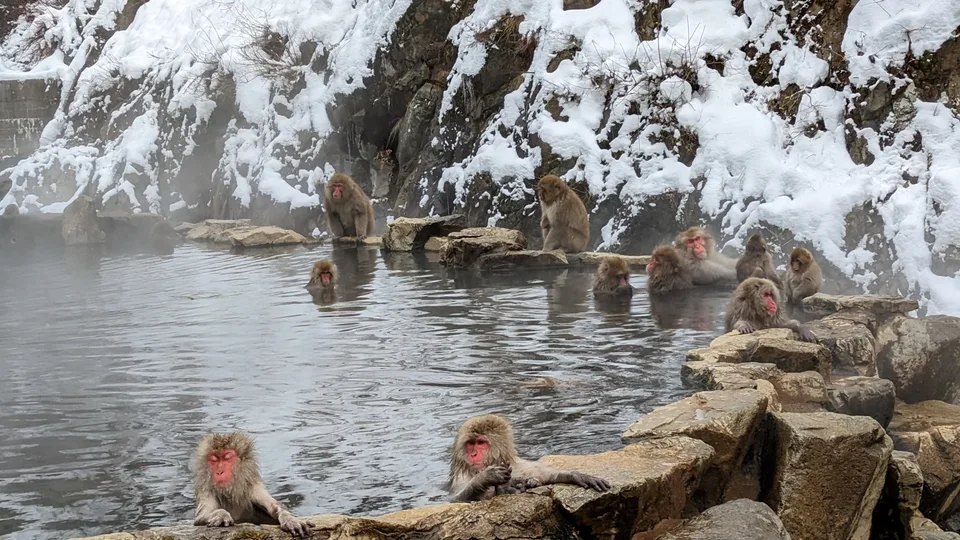
If you want a Nagano outing without skiing, consider the snow monkeys at Jigokudani. The park's first-time visitor guide describes an approximately 30-minute walk along an unpaved approach path. Allow for that walk in both directions, winter footing and the return bus when deciding how much time to leave. Check the park's daily updates before setting out: the official visitor information explains that the monkeys are free-ranging and may not appear, and they do not bathe throughout the day.
For December–April visits, plan to buy a date-specific ticket online: the park's current guidance gives online ticket holders entry priority. Its online-ticket notice warns that visitors without advance tickets may have to wait or be unable to enter when it is crowded.
Kanazawa and Snow Country: Keep the Outdoor Day Flexible
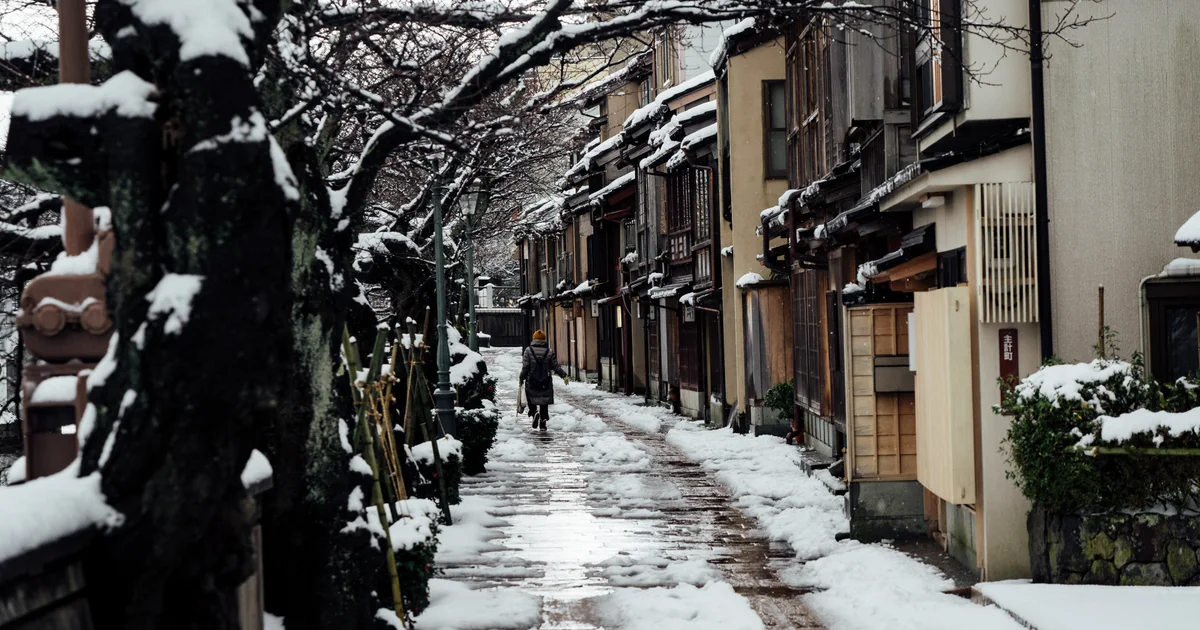
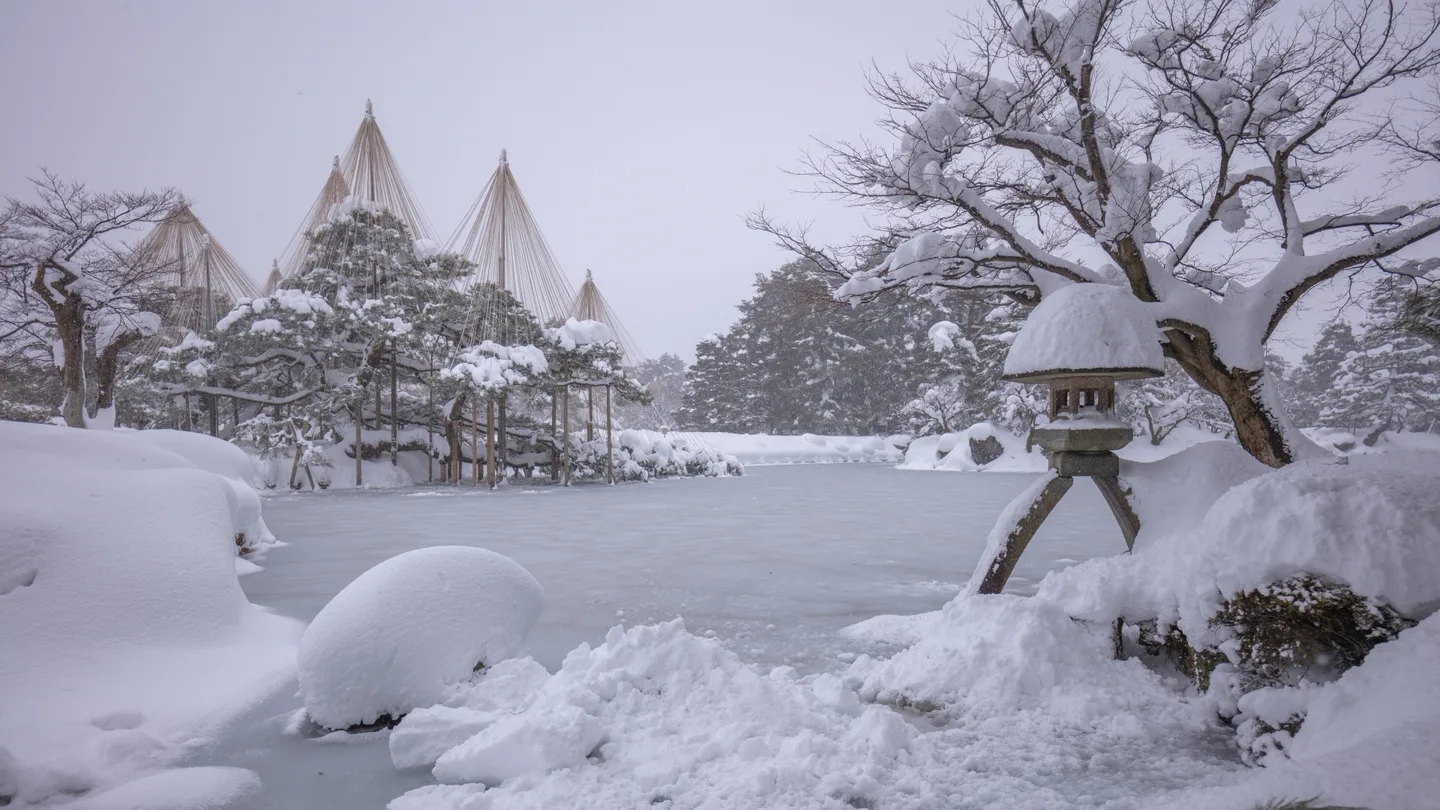
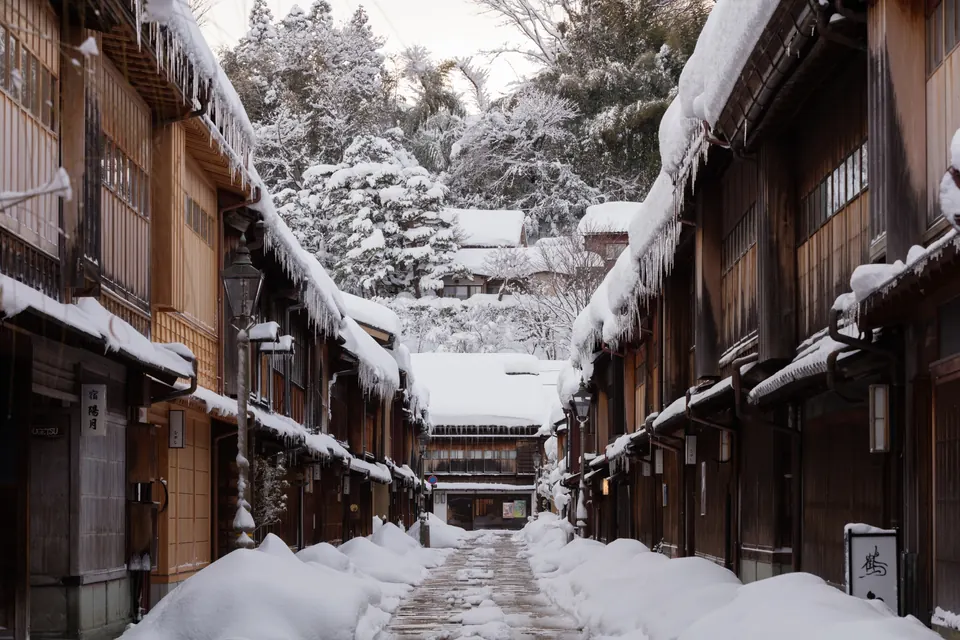
The Kanazawa scenes that stay with me are Kenrokuen and Higashi Chaya in the snow, especially when the sun comes through afterward. That memory is a useful reason to leave room in the schedule. A fixed sequence of distant appointments makes it harder to use a good interval of weather.
The city's official winter guide explains winter sights such as the tree-support ropes in Kenrokuen. Use Kanazawa as its own stay, then decide whether a Shirakawa-go outing fits your time and transport. The coastal city and the mountain village have different conditions; a clear street outside your hotel does not describe the whole bus journey.
Okinawa: Choose It for a Milder Trip
Okinawa makes sense if your priorities are sightseeing, local food and a break from mainland winter cold. The official January guide describes the season's conditions and activities. Check the specific island and operator for anything involving boats or the sea.
Build the trip around activities that suit the season. A milder air-temperature average alone is not a reason to promise yourself a summer-style beach holiday.
New Year: Check Openings Before Filling the Itinerary
The usual holiday period is around December 29 to January 3, according to JNTO's December guidance. Actual closures vary by business and year. For a 2026–27 trip, use each venue's current calendar; a previous year's reopening date is not confirmation.
The practical challenge is the combination of domestic travel, limited availability and individual closures. Plan the days around what you have confirmed:
- Museums and indoor attractions: check both the holiday closure and the usual weekly closing day. Put a must-see venue on a confirmed open date.
- Meals: identify options near your accommodation, especially for arrival night and January 1. Confirm a particular restaurant directly if it matters to the trip.
- Shrines and temples: New Year visits can be a highlight. Allow for crowds and time outdoors, rather than fitting several famous sites into a tight morning.
- Trains and flights: check the operator's sales window and holiday arrangements for your route. Reserve the service you need when it becomes available.
- Accommodation: check meal inclusion, check-in limits and cancellation terms before treating two rates as equivalent.
For these few days, staying in one base can make the plan easier to manage. You can enjoy a shrine visit and neighborhood walks while moving museum or shopping priorities to confirmed open days. Our Shinkansen booking guide explains the different reservation systems when your trip does need an intercity journey.
What to Book First for a Winter Trip
Book in the order that makes the route workable. Start with the part of the trip you would be most disappointed to miss, and check its accommodation and transport together before committing to non-refundable arrangements.
| Step | What to settle | What to check before paying |
|---|---|---|
| 1 | The fixed-date experience or main region | Current event dates, access conditions and whether reservations are required |
| 2 | Accommodation and final transfer | Actual bus stop or station, arrival time, hotel shuttle, dinner and check-in cutoff |
| 3 | Time-specific activities | Lesson language and age band, timed admission, rental items or tour inclusions |
| 4 | Trains, buses and domestic flights | Each service's sales window, return journey and connection margin |
| 5 | Flexible city activities and trip preparation | Opening days, weather alternatives, luggage and connectivity |
An Event Ticket Can Change the Route
Shirakawa-go illustrates why the event needs checking first. The official 2027 light-up event details list January 11, 17, 24 and 31, from 5:30 to 7:30 p.m. Attendance requires an advance reservation; turning up for ordinary daytime sightseeing does not secure evening admission.
For accommodation handled by the Shirakawa-go Tourist Association, the 2027 light-up accommodation lottery closes at 11:59 p.m. Japan time on October 31, 2026. Applying does not secure a room: successful applicants must complete the association's reservation process and card payment to confirm their booking.
Check exactly what the selected booking includes, particularly any observation-area access and the return journey. If you cannot obtain the event arrangement you want, a daytime village visit is a separate choice. Our winter experiences guide explains that distinction and links to the relevant transport and booking options.
A Ryokan Booking Includes More Than the Room
For an onsen night, compare the meal plan, bath arrangements and how you will reach the property. A late arrival may conflict with dinner or a shuttle, even when a room is available. Ask the inn about the journey from the station and what to do if transport is delayed.
Our Japanese accommodation guide explains ryokan stays, and the onsen etiquette guide covers bathing and facility-specific tattoo policies.
Check the Cost of Changing Your Plans
Read cancellation deadlines while you are comparing bookings. Keep the accommodation's terms separate from any travel-insurance policy: a weather problem does not automatically produce a refund or an accepted claim. Use our trip cancellation guide for the questions to ask, and our Japan travel insurance comparison to find options for your residence and trip type. Skiing adds activity-specific checks covered in the ski insurance guide.
Some linked booking guides contain affiliate links. JAPANODE may earn a commission from eligible bookings, at no extra cost to you.
Build a Route With Room for Winter Weather
Start with one of these trip shapes and adjust the nights to your flights. They are planning examples, rather than promises about journey times or operating conditions.
City Trip With an Optional Snow Day
Keep your main Tokyo and Kyoto/Osaka bases, then choose one snow outing with a clear return plan. Leave the exact outdoor day flexible where booking terms allow. A day trip still needs time for transfers, rentals or local buses, so give it a full place in the itinerary.
Our seven-day Japan itinerary provides the city framework. If adding a snow day, replace an existing outing or add a night; do not simply stack it on top of a full sightseeing day.
A Hokkaido Winter Break
Use Sapporo as a base for city food, walks and an Otaru outing, or commit part of the trip to a resort stay if skiing is central. Decide how you will get back to the departure airport before booking the last activity.
As an editorial planning choice, we would keep the final night within straightforward reach of the departure airport and allow extra time in the journey. That reduces dependence on one long transfer from a remote base. It does not guarantee that a flight or train will run.
One Snow-Country Extension
Add one region to a longer city trip: a Kanazawa stay, a Nagano/Niigata snow break, or a Yamagata onsen visit. Give it enough time for the arrival, one main activity and the onward journey. Keeping the extension compact leaves more room to respond to the weather.
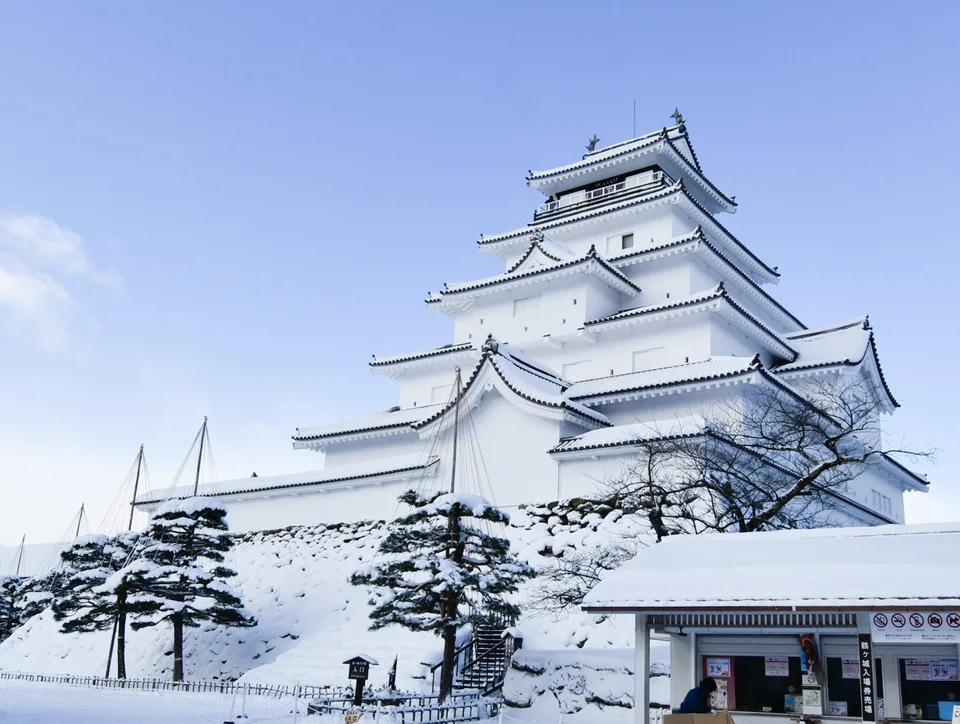
For a longer northern Honshu trip, Aizu-Wakamatsu in Fukushima and Hirosaki in Aomori offer two different castle-town ideas. Choose one around the rest of your route rather than treating these photographs as a pair of nearby stops. Check what you can enter as well as what you can see outside: Hirosaki City currently lists the castle keep's interior as closed for restoration. The snowy photograph below shows a past winter, before the current relocation and restoration work; views and access can differ during construction.
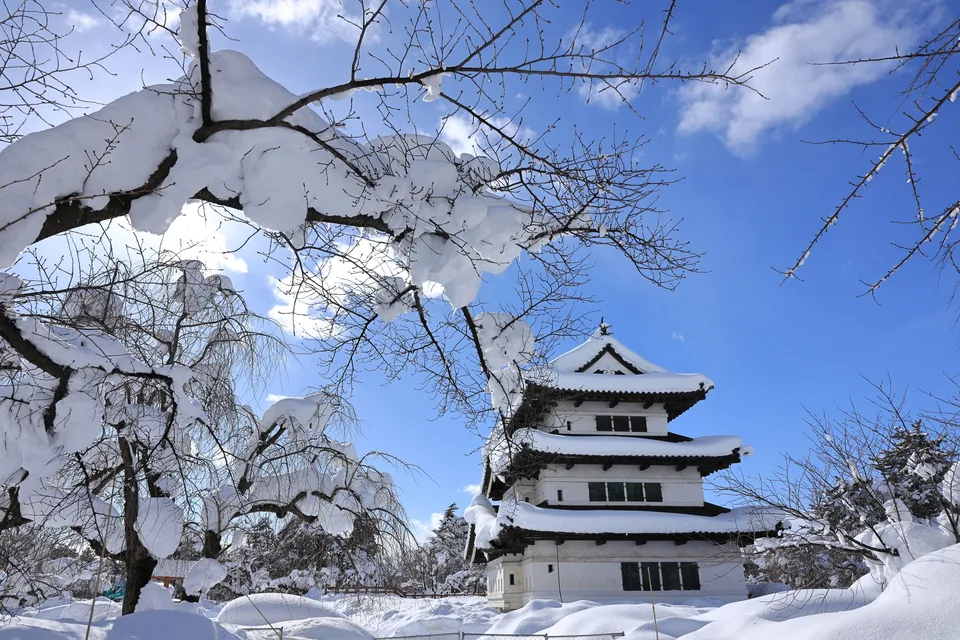
Calculate rail costs after choosing that route. Our JR Pass Calculator helps compare the journeys you intend to take; adding a snow destination does not by itself establish that a pass will save money.
Plan the Last Connection as Carefully as the First
For any rural hotel or snow outing, record the last practical bus, whether it needs a reservation and how to contact the accommodation. Check operator service notices and the JMA weather information before leaving. A transport app's normal timetable does not establish that today's service is running.
Choose a rail, bus or arranged-transfer route if you are not comfortable driving in winter conditions. A rental car should solve a specific access problem within your driving ability. It also adds decisions about equipment, road restrictions and parking.
Is Winter Cheaper? Compare the Whole Trip
Treat price as a question about your dates and destination. New Year, a major snow festival and a popular ski base can create expensive winter trips. Even a lower room rate can be offset by transfers, rental equipment, lessons or an extra overnight stay.
Compare the same occupancy, room type, meals and cancellation terms on two or three possible date combinations. Include the final transfer to a mountain hotel and the cost of reaching the airport afterward. Our hotel price guide shows how to make a like-for-like comparison, while the Japan trip budget guide helps organize the wider costs.
For a mixed city-and-snow trip, a useful budget decision is how much of the holiday really needs a specialist snow base. You may prefer a short stay there and more nights in a city. Choose that balance because it fits the experience you want, then compare the actual quotes.
Route Chosen? Finish With Clothing and Experiences
Once the month, bases and main bookings are clear, packing becomes much easier. Use the coldest and wettest stop on the route to choose footwear and outerwear, and plan layers you can remove during heated train journeys. The full monthly advice, outfit examples and packing lists are in our winter clothing guide.
Give yourself a final check before booking: Does the plan work if one outdoor day changes? If the answer depends on perfect weather, a very short connection or an unconfirmed opening date, adjust that part while you still have choices.
Pack for your actual route
Choose winter layers and shoes for cities, wet snow, Hokkaido or Okinawa.
Use the winter clothing guideChoose your winter experience
Compare snowy towns, onsen evenings, scenic trains and a meal inside a snow hut.
Explore seven winter experiencesPlan a first ski trip
Decide between a snow day, a short beginner stay and a ski-focused holiday.
Read the Japan skiing guideOfficial climate, seasonal guidance and the named 2027 event dates were checked October 4, 2026. Climate normals describe long-term averages. Photographs are seasonal reference images from the site's licensed Photo AC collection, not current snow reports or JAPANODE's own photography. Check the organizer, accommodation and transport operator again for your dates.
Frequently Asked Questions
Yes, especially for city sightseeing in cool weather, snowy towns, hot-spring stays and winter sports. Choose the region and dates together: Tokyo's winter is very different from Hokkaido's, and New Year holidays, ski resorts and snow festivals can be busy. Build some flexibility into journeys through snow country.
For a mainly Tokyo-Kyoto-Osaka trip, early to mid-December is a useful starting point before the New Year holiday period. For snow-focused travel, consider January or February and check the chosen destination's conditions. February suits travelers targeting snow festivals. These are planning recommendations, not guarantees of snow, low prices or empty attractions.
Snow can fall in these cities, but a city-only itinerary does not reliably deliver snowy scenery. If seeing snow matters to the trip, choose a destination in Hokkaido, northern Honshu or a suitable mountain area and check local conditions. Even occasional urban snow can affect transport.
No, but individual museums, shops and restaurants can close for several days, while shrines and temples may be especially busy. The usual holiday period is around December 29 to January 3, with opening dates varying by business and year. Confirm the actual 2026-27 schedules of places you intend to visit and plan meals and transport in advance.
There is no single cheap season that applies to every winter trip. New Year, popular ski areas and snow-festival dates can be expensive. Compare the same hotel, room, occupancy and cancellation conditions on your actual dates, then add the cost of winter transfers, activities and any extra overnight stays.
Yes. City routes and many ski or snow-town trips can use trains, buses and accommodation transfers. Check the final connection, reservation rules and return service before booking the hotel. Allow time for disruption and avoid making a remote snow outing the only connection to your flight home.

Written by
JAPANODE
Based in Japan, sharing practical travel planning, local memories and researched guides for international visitors.
You Might Also Like
 Culture
7 Winter Experiences in Japan Worth Planning a Trip Around
15 min read
 Planning
Japan Trip Budget 2026: What Travel Really Costs
11 min read
 Planning
How to Ski in Japan: A First-Timer's Planning Guide
12 min read
 Planning
What to Wear in Japan in Winter: December, January & February Packing Guide
13 min read