On this page
Rain does not have to turn Osaka into a day spent waiting in your hotel. For a hands-on activity, choose sushi, matcha or chopstick making around Shinsaibashi. With children, consider Kaiyukan or Kids Plaza Osaka. Without a reservation, start with Shinsaibashi-suji's covered arcade or Umeda's underground shopping areas.
The useful question is not just which attractions are indoors, but how much wet travel they require. A one-hour class across town can be less convenient than a museum near your hotel. This guide compares 12 indoor or covered options, explains what needs booking, and groups them into three realistic local plans. Covered does not mean door-to-door rainproof: station exits, road crossings and venue approaches may still be exposed.
Combining Osaka with Kyoto and Nara? Use our 4-day Kansai itinerary for the wider route and the Kyoto rainy-day guide for a separate wet-weather plan there.
We have not personally taken the bookable activities below. Details were checked against facility websites and operator listings on October 4, 2026. Review notes paraphrase a limited sample of publicly displayed GetYourGuide customer reviews, not a comprehensive review analysis or our own experience. Recommendations are editorial judgments about location, format and practical fit.
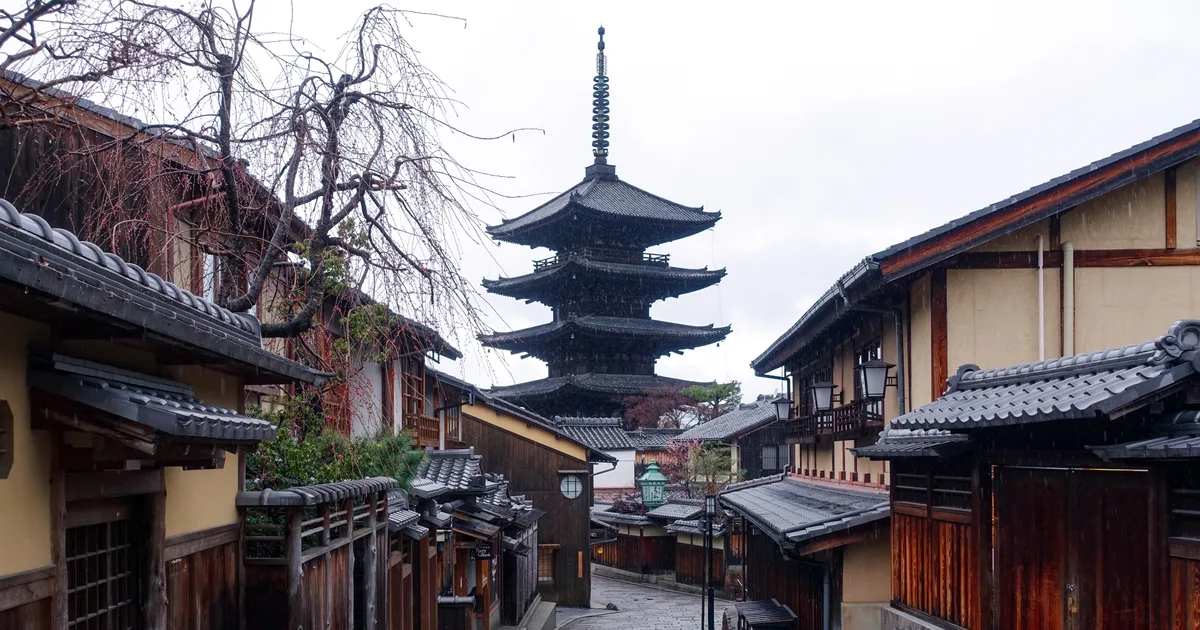
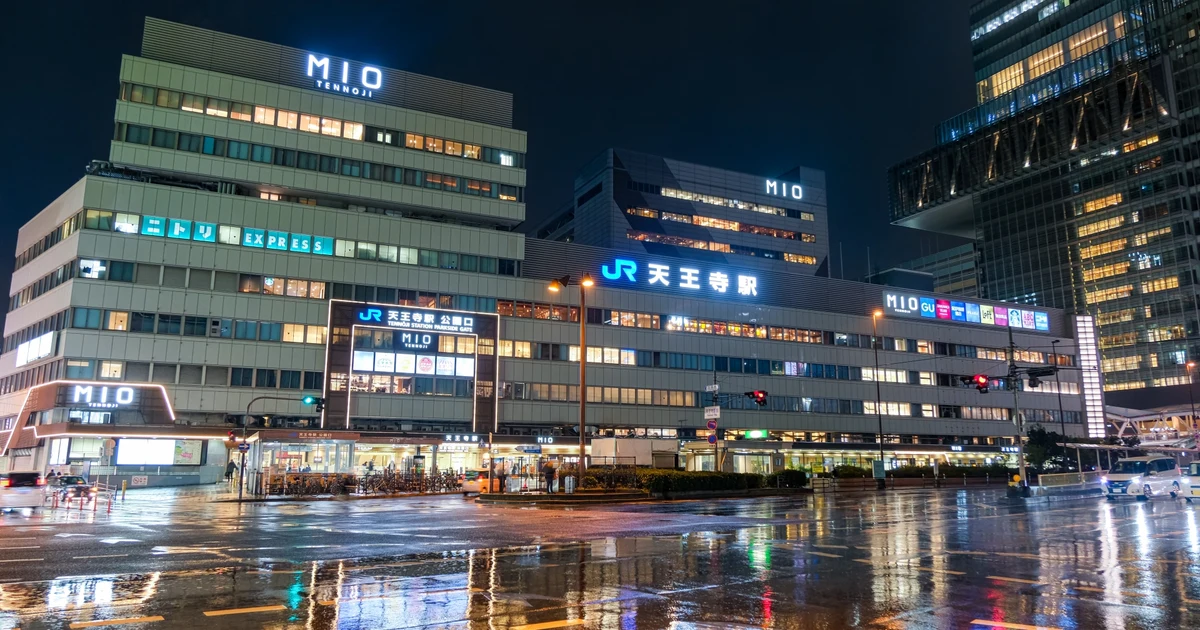
Booking cards and widgets contain affiliate links; JAPANODE may earn a commission at no extra cost to you. The main photo shows the Tennoji Station area as an illustration of Osaka in wet weather, not any of the featured activity venues or our participation. Images within live booking widgets come from the marketplace listing and are not JAPANODE's firsthand photographs.
The Osaka Museum of Housing and Living's official notice states that it is closed September 1, 2026–January 5, 2027. Do not use it as a rainy-day backup during that period, even if an older travel list recommends it.
Quick comparison: choose by area, time and booking needs
Times below are planning allowances, except where a class or show has a listed duration. Add check-in, queues, meals and transport. Prices and availability for bookable experiences are shown on their live listings; museum charges depend on the ticket or exhibition.
| Activity | Area | Time to allow | Booking / cost | Rain exposure |
|---|---|---|---|---|
| Sushi making | Dotonbori / Shinsaibashi area | Listed 100 minutes | Paid; reserve a class | Indoor class; check entrance walk |
| Matcha making | Shinsaibashi | Listed 1 hour | Paid; reserve a class | Indoor class; street approach |
| Chopstick making | Central Minami | Listed 1 hour | Paid; reserve a class | Indoor workshop; check meeting point |
| HIRAKUZA sumo show | Namba Parks | About 2 hours | Paid; dated show ticket | Indoor show; route to the 8th floor matters |
| UTAGE taiko show | Tempozan / Osaka Bay | Listed 45 minutes | Paid; reserve a performance | Indoor show; outdoor approach |
| Kaiyukan aquarium | Tempozan / Osaka Bay | 2–3 hours | Paid; timed e-ticket recommended | Indoor visit; about 5-minute station walk |
| Kids Plaza Osaka | Ogimachi / Tenma | 2–3 hours | Paid; individuals do not need reservations | Indoor visit; near Ogimachi Exit 2 |
| Cup Noodles Museum | Ikeda, outside Osaka City | Half-day with travel | Free exhibition; paid activities have different rules | Indoor museum; about 5-minute station walk |
| Osaka Science Museum | Nakanoshima | 1.5–2.5 hours | Paid; planetarium ticket separate | Indoor galleries; outdoor approach |
| National Museum of Art | Nakanoshima | 1.5–2 hours | Paid; check exhibition and calendar | Indoor galleries; outdoor approach |
| Shinsaibashi-suji | Shinsaibashi | 1–2 hours | Free to browse; purchases extra | Covered arcade, not an enclosed indoor venue |
| Umeda underground shopping | Osaka / Umeda stations | 1–3 hours | Free to browse; purchases extra | Covered passages; not every destination connects |
If you only have a few hours, select one paid anchor and one nearby flexible backup. Booking two tightly timed activities in different districts leaves little room for train delays or finding an unfamiliar building entrance.
1. Make sushi — best activity that also covers lunch
A sushi class turns an indoor break into a meal. The featured operator's listing describes English instruction, nigiri and rolled sushi in a 100-minute session. It is a practical first choice if you want to do something rather than simply look at exhibits.
Review note: displayed September 2026 customer reviews praise patient teaching and clear instructions. These are examples of positive feedback, not a guarantee of the instructor or session you will receive. Listing checked: GetYourGuide sushi class.
Dietary arrangements are not a same-day fix: the listing requires menu-change requests at least three days ahead. Confirm allergies and cross-contact directly; accommodation wording is not an allergy-safety guarantee.
Sushi-making class in the Dotonbori area
Learn to prepare sushi, then eat what you make.
Best for
Travelers who want a hands-on lunch.
Before booking
Menu changes require advance contact; confirm dietary needs before booking.
Live price & availability
Powered by GetYourGuide · we may earn a commission at no extra cost to you. Check sushi class dates on GetYourGuide
2. Whisk matcha — best short cultural break
Choose matcha making when you want a short activity without committing to a full meal. This one-hour Shinsaibashi session lists English instruction, up to six participants, whisking practice and Japanese sweets. Treat it as an introductory workshop, not a promise of a formal temple tea ceremony.
Review note: September 2026 examples praise the host's explanations. One displayed review reports that a dietary restriction was not accommodated, so ask about the sweets before paying if this matters to you. Listing checked: GetYourGuide matcha experience.
Its current meeting point is on the third floor of the Galleria Acca Building, described as about five minutes from Shinsaibashi Station. Confirm step-free access if required rather than assuming a central address means easy access.
Matcha making with Japanese sweets
A beginner introduction to preparing matcha.
Best for
A short gap around Shinsaibashi.
Before booking
Confirm dietary and access needs; this is a workshop, not a temple ceremony.
Live price & availability
Powered by GetYourGuide · we may earn a commission at no extra cost to you. Check matcha class dates on GetYourGuide
3. Make wooden chopsticks — best non-food workshop
Chopstick making is worth considering if you want a keepsake without a tasting or cooking session. The listing describes shaping, sanding and finishing wooden chopsticks with English-speaking staff in a one-hour workshop.
Review note: displayed September 2026 customers mention helpful instruction and taking home a usable object. That supports considering it for beginners, but does not establish suitability for every child's age or needs. Listing checked: GetYourGuide chopstick workshop.
Standard wood is included; other wood choices cost extra. The operator asks guests to arrive ten minutes early and warns that late arrivals may not participate. Save the meeting point and leave a buffer.
Osaka chopstick-making workshop
Make a pair of wooden chopsticks to take home.
Best for
Travelers who want a practical keepsake.
Before booking
Wood upgrades cost extra; arrive ten minutes early.
Live price & availability
Powered by GetYourGuide · we may earn a commission at no extra cost to you. Check workshop dates on GetYourGuide
4. Watch HIRAKUZA sumo entertainment — best Namba evening
THE SUMO HALL HIRAKUZA OSAKA is on the eighth floor of Namba Parks. The official show page describes an English-presented entertainment format, not an official Grand Sumo tournament. It makes more sense as an introduction to the sport than as a substitute for a professional basho.
Allow about two hours for the show package, including food and photographs. Compare the actual seat and meal option: a snack bag is not the same as a bento. Audience challenges are limited, so do not book on the assumption that you will enter the ring.
Review note: a displayed September 2026 GetYourGuide review praises the humor and explanation but also questions the value for money. That is a useful warning if your group mainly wants competitive sport. The listing was non-refundable at our check; verify the terms of your selected ticket. Listing checked: HIRAKUZA on GetYourGuide.
HIRAKUZA Osaka sumo show
Visitor entertainment in Namba Parks with former wrestlers.
Best for
Travelers who want an entertaining introduction to sumo.
Before booking
Not an official tournament. Ring participation is not guaranteed; the checked listing is non-refundable.
Live price & availability
Powered by GetYourGuide · we may earn a commission at no extra cost to you. Compare HIRAKUZA ticket options
5. See UTAGE's taiko show — best pairing with Osaka Bay
UTAGE combines taiko and other Japanese instruments with modern music. Its current listing describes a 45-minute show at Osaka Cultural Center, next to Kaiyukan. It belongs in an Osaka Bay plan, not between central Namba workshops.
Review note: displayed September 2026 customer examples praise the performance's energy and traditional-modern mix. Choose it for live music rather than expecting a quiet craft session. Listing checked: UTAGE on GetYourGuide.
The operator asks guests to arrive at least five minutes early and says entry is not allowed once the show starts. Ask about sound levels or sensory needs before booking. Leave slack after an aquarium visit rather than making the two admission times back-to-back.
UTAGE modern Japanese taiko show
Traditional instruments with a modern musical format.
Best for
A live-music addition to a Tempozan outing.
Before booking
No entry after the start; check sound and sensory needs.
Live price & availability
Powered by GetYourGuide · we may earn a commission at no extra cost to you. Check UTAGE show dates on GetYourGuide
6. Visit Kaiyukan — best substantial aquarium outing
Kaiyukan is the option to consider when you want one substantial attraction rather than several short sessions. Its aquarium exhibits can anchor a wet-weather day, and the Tempozan area gives you somewhere nearby to look for lunch. Allow two to three hours inside as an editorial planning estimate, longer if your group likes lingering at exhibits.
The official ticket page recommends an advance date-and-time e-ticket. Tickets are also sold at the window, but you may have to wait for an available admission time. A same-day purchase is not a promise of immediate entry. Use the price and opening hours for your actual date rather than an old fixed-price travel blog.
The official access page lists about a five-minute walk from Osakako Station, Exit 1, on Osaka Metro's Chuo Line. Plan for that exposed approach. Nearby does not mean connected indoors: a meal at Tempozan Marketplace or a show at UTAGE can still involve walking outside.
If the aquarium's convenient time is unavailable, choose a different local anchor before traveling to the bay. There is little benefit in replacing a rainy hotel wait with a rainy ticket-window wait.
7. Choose Kids Plaza Osaka — best play-and-learning option
Kids Plaza Osaka is a stronger fit for children who want hands-on play than for adults looking for a quiet art afternoon. Give it a generous block of time instead of treating it as a quick stop between reservations. A tired child's need for a break can matter more than completing another item on a list.
The official visitor information lists 9:30–17:00, with last admission at 16:15. Regular admission is ¥1,500 for ages 16 and over, ¥800 for ages 6–15, and ¥500 for ages 3–5; ages 0–2 are free, with school-status exceptions explained on the website. These figures were checked on October 4, 2026.
According to the official FAQ, individual visitors do not need advance reservations. School groups and groups of 20 or more do. This makes it a useful same-day family option, subject to the opening calendar and any admission restrictions.
It closes on the second and third Mondays of the month, shifting to the following day when that Monday is a public holiday; August and year-end rules differ. Check its actual calendar rather than assuming any rainy weekday works.
The entrance is by Ogimachi Station Exit 2; the official site also gives about three minutes on foot from JR Tenma. This relatively short station approach is a useful advantage for a wet family day, but verify the lift route if traveling with a stroller or wheelchair.
8. Explore the Cup Noodles Museum — best low-cost side trip
CUPNOODLES MUSEUM OSAKA IKEDA is in Ikeda City, not central Osaka. Choose it as a separate half-day from the Umeda side of town, not a quick extra after an aquarium visit. The museum's official information gives a roughly 20-minute Hankyu train ride from Osaka-Umeda to Ikeda and about a five-minute walk from the station. Those are individual route estimates, not hotel-to-door travel time.
Exhibition admission is free. The important distinction is between its two paid activities:
- My CUPNOODLES Factory: decorate a cup and choose its contents. It costs ¥500 per cup and takes about 45 minutes, excluding waiting. Collect a same-day numbered ticket; advance phone or online reservations are not accepted. Tickets can run out.
- Chicken Ramen Factory: a separate noodle-making workshop requiring advance booking. It lasts 70 minutes and is for elementary-school children and older; preschoolers cannot participate. Participants work in pairs, and children in elementary-school grades 1–3 must pair with someone of junior-high-school age or older. Reservations for just one participant are not accepted. Read the full participation rules before making this the reason for your trip.
The museum normally opens 9:30–16:30, with last admission 15:30, and closes Tuesdays, or the following day when Tuesday is a holiday, plus year-end holidays. Recheck the calendar. Free exhibition entry does not guarantee a place in an activity, and the museum is not an instant alternative when a central class sells out.
9. Try Osaka Science Museum — best inexpensive museum option
The Osaka Science Museum in Nakanoshima is worth considering when your group prefers exhibits and experiments to a booked workshop. Think of the exhibition hall and the planetarium as different purchases, not one all-inclusive visit.
The official admission page lists adult exhibition admission at ¥400, and the planetarium at ¥600 per adult, checked October 4, 2026. The exhibition hall opens 9:30–17:00, with last entry and re-entry at 16:30. Planetarium programs run for about 45 minutes with fixed start times and no late entry. Seats are limited, so check availability before promising that part of the visit to children.
Junior high school students and younger enter the exhibition hall free, but still need a free exhibition ticket. Planetarium admission is charged separately; free exhibition entry does not include a planetarium seat.
Do not assume a program has English narration; confirm the language of the actual session if understanding the commentary is essential. Exhibition browsing gives you more flexibility than a show whose enjoyment depends on language.
The official access guide helps you select the station approach. The National Museum of Art is another option in this part of Nakanoshima, but the transfer is not a continuous covered route. On Mondays or exhibition-change days, check each museum's calendar separately before setting off.
10. See the National Museum of Art — best quiet art afternoon
Choose the National Museum of Art, Osaka if the current exhibition interests you, not simply because a museum is a place to avoid rain. Its official website explains its focus on contemporary art, especially work from after 1945. That makes it a different choice from a general Osaka history museum.
The official hours and admission page lists exhibition-specific charges. Look at both the theme and admission conditions before buying: a special-exhibition ticket may include the collection display, but you should not assume every ticket covers every gallery.
It is normally closed Mondays, with public-holiday adjustments, and during exhibition changes and year-end holidays. Temporary exceptions exist. If art is your main reason for going, check which galleries are actually open; “the museum is open” can be less useful than knowing the exhibition you want is running.
Allow roughly 90 minutes to two hours as a planning estimate. Pair it with the Science Museum only if both suit your group and the weather permits the outdoor transfer. Otherwise, one museum and a relaxed lunch is a complete plan.
11. Browse Shinsaibashi-suji — best covered Minami backup
Shinsaibashi-suji is a covered shopping arcade, not an enclosed museum or a guarantee that the whole Minami district is dry. It is useful when you have no class reservation, want a flexible gap between activities, or prefer to spend your budget on food rather than another admission ticket.
The Osaka tourism bureau describes the covered arcade; the shopping street's own English site provides its area map and shop information. Browse during trading hours, choose a cafe or department-store stop, and leave whenever your group has had enough. Walking and window-shopping are free; meals and purchases are not.
Be careful with the tempting phrase “Dotonbori in the rain.” The canal-side photographs and bridge stops are not the same experience as remaining under the shopping arcade. Keep that outdoor sightseeing optional, rather than padding an indoor plan with a wet walk because the famous sign is nearby.
This is the natural flexible partner for a Shinsaibashi class. Check the actual class entrance first; an operator describing itself as “near Dotonbori” does not mean the workshop sits directly under the arcade roof.
12. Stay around Umeda's underground shopping areas — best flexible north-side plan
If you are already around Osaka or Umeda stations, a covered shopping-and-lunch plan may be more useful than buying an activity on the opposite side of the city. Use one part of the network, such as Whity Umeda, as your anchor rather than trying to explore every passage.
The official Whity Umeda site lists a floor guide, access information and shop-specific hours. Food, shopping and cafe sections do not all operate on identical schedules. Public browsing is free, but railway travel, purchases and meals are separate expenses. This is not an all-night indoor attraction.
Pick a restaurant area, a shop or two and a clear station exit for the return journey. Photograph or save the floor map when you enter. An underground network is only convenient if you know which building or line you are aiming for; vague instructions such as “just walk underground” are not enough.
Not every station, hotel and destination has a continuous covered connection. Follow signage and recheck the final approach. During hazardous rain or flooding risk, underground spaces are not automatically a safe shelter; follow local instructions instead of treating this ordinary-rain suggestion as emergency advice.
Pick up 551 HORAI pork buns at Osaka Station
For a food stop around Umeda, look for 551 HORAI's butaman (steamed pork buns). They are filled with pork and onion inside a slightly sweet dough, and make an easy takeaway addition to a shopping day. Choose a hot box if you plan to eat soon, or check the chilled option if you have somewhere to refrigerate and reheat it.
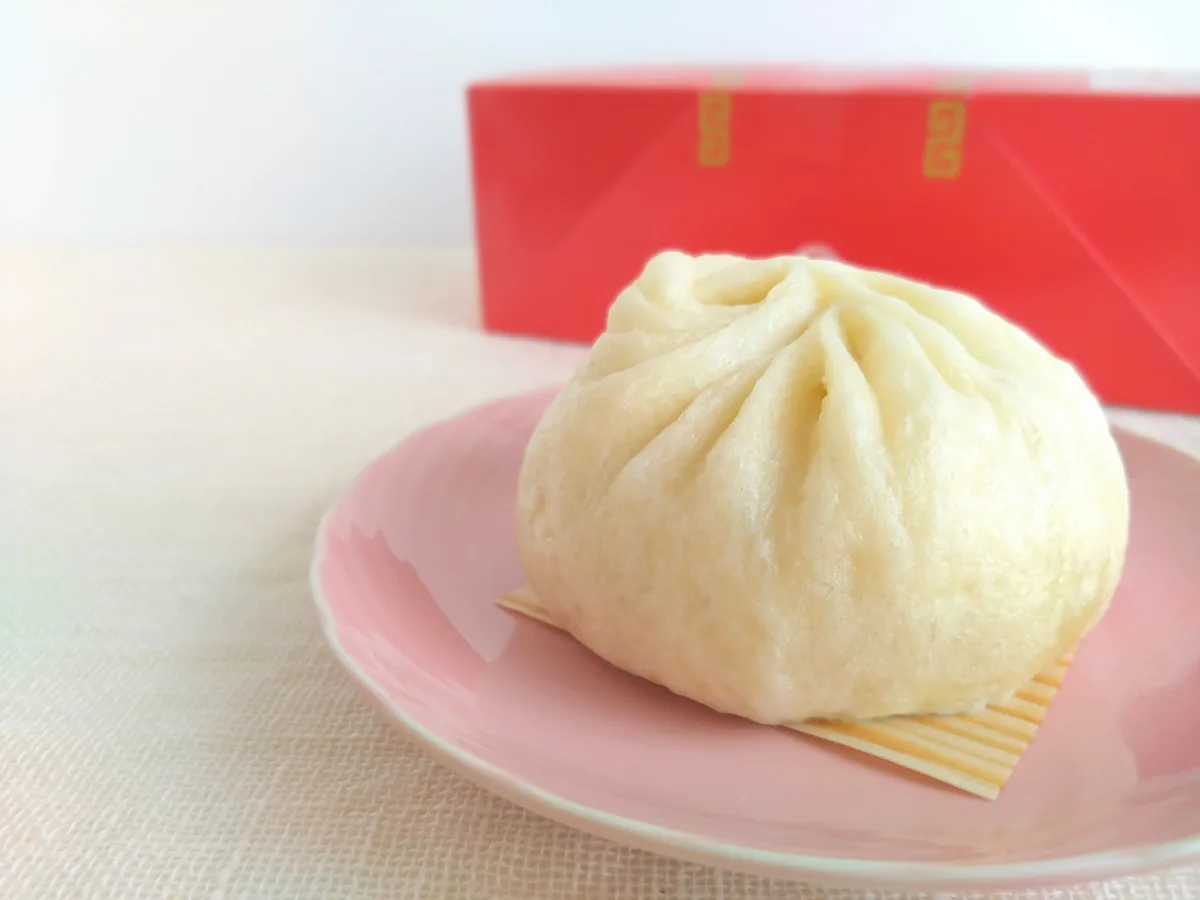
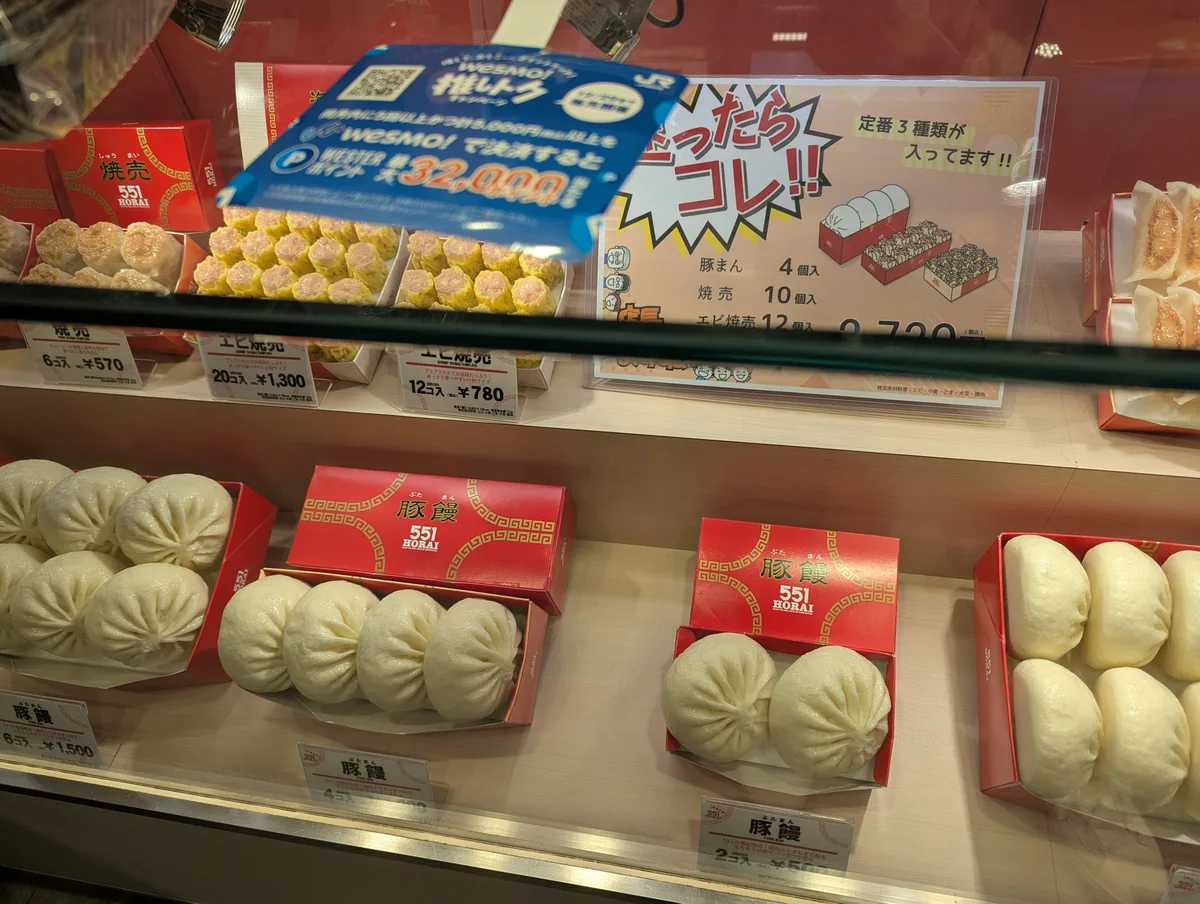
The official product page lists two hot buns for ¥500 or four for ¥1,000, checked October 9, 2026. A four-bun chilled pack is listed separately at ¥1,080; online and eat-in prices differ. The buns contain pork, so this is not a vegetarian option. Check the linked ingredient information and ask staff about any dietary requirements.
At JR Osaka Station, the two counters serve different purposes:
- Midosuji Gate store: the hot-food counter shown below, outside the ticket gates on the station's south-side Midosuji entrance. Its official hours are 11:00–21:30.
- Central Gate store: also outside the ticket gates, but explicitly a chilled-product-only takeaway counter, open 10:00–21:00. Choose the Midosuji counter if you want hot buns.
Hours were checked October 9, 2026; recheck the branch page before going. These are Osaka Station locations, not Shin-Osaka Station.
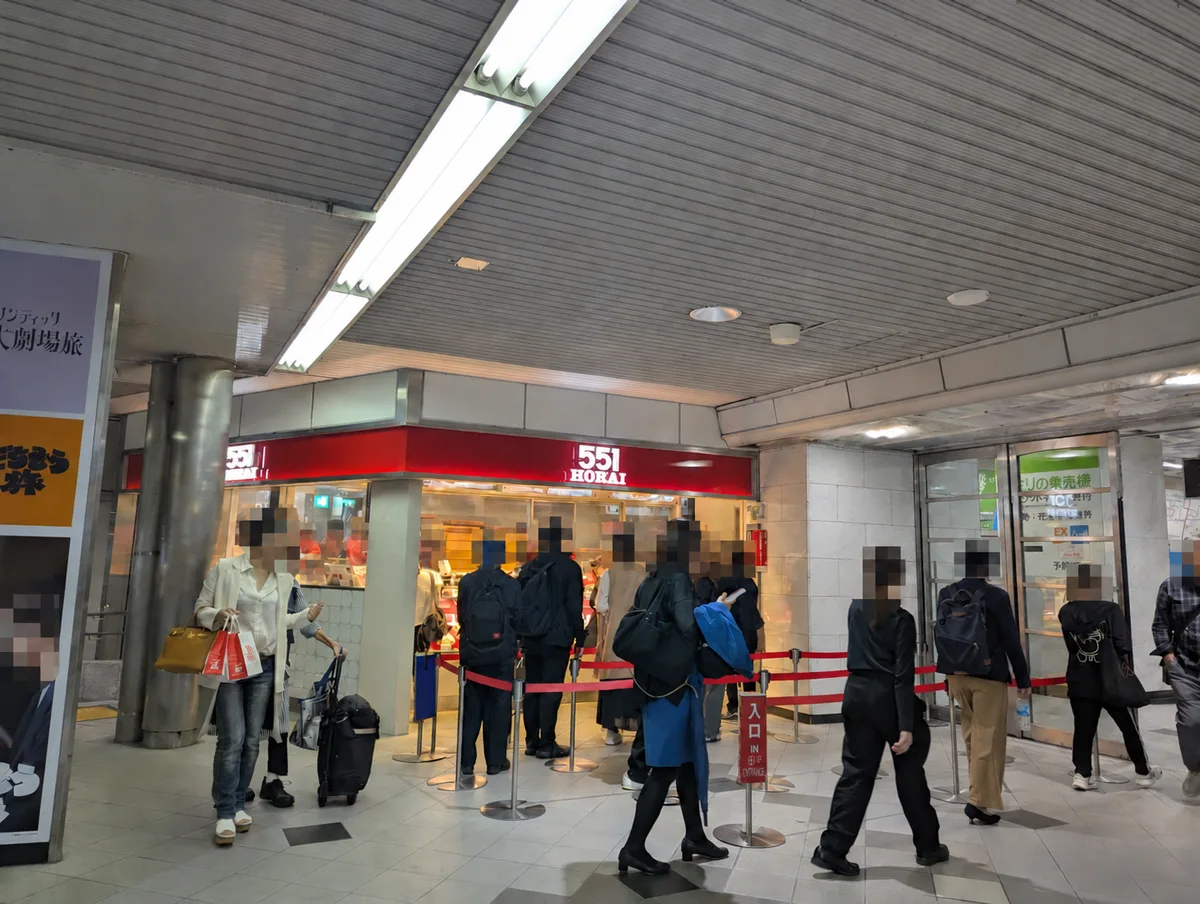
Treat this as a takeaway stop, not a seated indoor break: plan where you will eat, and leave time for the queue rather than buying just before a train departs. The official product page also warns that buns can sell out near closing. For a rainy day, it fits most naturally at the end of your Umeda shopping before returning to your accommodation.
Three realistic Osaka rainy-day plans
These are flexible suggestions, not timed tours. Match opening calendars and reservation times first; keep the covered browsing stop movable. Each plan is intended for ordinary rain with transport operating normally.
Minami: one workshop, covered browsing, optional evening sumo
Choose one sushi, matcha or chopstick session. Save its exact entrance, arrive with a check-in buffer, then use Shinsaibashi-suji for browsing and a cafe. If sushi supplies your lunch, do not immediately reserve another full meal just to fill the afternoon.
For an evening you can add HIRAKUZA at Namba Parks, if its date, price and ticket conditions suit you. Leave enough time to move south and find the eighth-floor entrance. Namba Parks and a Shinsaibashi workshop are not one building, and this is not a door-to-door covered route. The show is optional; a workshop and a relaxed meal are already a worthwhile wet day.
Osaka Bay: Kaiyukan, a nearby meal, optional UTAGE
Reserve a suitable Kaiyukan admission time first. Add a meal in the Tempozan area, and UTAGE only if the performance time leaves a comfortable gap. Do not book the show immediately after your estimated aquarium finish: children, queues and exhibit pacing can change the timing.
This plan limits long cross-city moves once you reach the bay, but does not eliminate the station walk or outdoor movement between buildings. Take waterproof shoes and a wind-resistant umbrella. If exposed travel looks unpleasant or unsafe, use a plan near your accommodation instead.
North-side flexible day: Umeda, or one Nakanoshima museum
Stay around Umeda for an easy shopping-and-lunch day without a fixed activity slot. If you want a substantial attraction, choose either the Science Museum or the National Museum of Art after checking its calendar, then return to Umeda when you are ready.
Nakanoshima is a separate transfer with an outdoor approach, not a gallery attached to the Umeda underground mall. Avoid the museum addition if minimizing outdoor movement is the priority. Ikeda is a different half-day alternative, not another stop to squeeze into this plan; choose the Cup Noodles Museum instead of the Nakanoshima outing.
What not to treat as an indoor rain backup
Skip the closed Museum of Housing and Living during its stated renovation period. Also distinguish an indoor activity from an attraction that merely operates when it rains: Osaka's teamLab Botanical Garden is an open-air nighttime museum, not the same kind of indoor visit as teamLab's Tokyo venues.
A walking food tour can still be enjoyable in light rain, but check the route and exposed portions; it does not become an indoor cooking class because some tastings happen inside. Our Osaka food-tour comparison explains the Shinsekai, Dotonbori–Kuromon and Uranamba options, including which meals cost extra. Choose one when you are comfortable with outdoor walking. Our Japan experience guide helps compare different activity types beyond this rainy-day shortlist.
Before booking: weather, access and cancellation checks
For ordinary rain, waterproof shoes, a small towel and spare socks make the last station-to-venue walk more manageable. Store wet umbrellas as directed by the venue. If you have a suitcase, our Japan luggage-storage guide compares options; check the chosen location's hours and bag rules before relying on it.
Use this short checklist before paying:
- Check the exact date, time and participant count. The product being listed online does not establish same-day availability.
- Open the actual meeting point. Read the floor number and access route; broad neighborhood labels are not directions.
- Read the cancellation rule. Free cancellation has a deadline, and some tickets are non-refundable. A rainy forecast does not automatically cancel the booking or trigger a refund.
- Confirm dietary and access needs in writing. Ask about substitutions, cross-contact, stairs, lifts and accompanying adults when relevant.
- Check the museum calendar separately. Two nearby museums can have different closure dates or ticket conditions.
- Keep one nearby flexible backup. Covered browsing is more useful than a second tightly timed booking across town.
Check the Japan Meteorological Agency's warnings and weather information and your railway's service notices before leaving in severe weather. Follow official instructions and stay at your accommodation when travel is unsafe. An attraction being open does not establish that your journey is safe, and an underground shopping area is not automatically a safe place during flooding risk.
Our practical recommendation
For a first rainy Osaka day, start with your location, not the biggest review score. Around Minami, choose one hands-on session and keep Shinsaibashi browsing flexible. At Osaka Bay, build around Kaiyukan and consider UTAGE as an extra. With young children, compare Kids Plaza with the aquarium according to what your family enjoys.
For a low-cost day, Umeda and Shinsaibashi let you browse without an admission ticket; the Science Museum is another inexpensive paid option. Choose Ikeda when you actually want the noodle museum and have time for the side trip. There is no need to reserve an activity just to justify the day: one good local choice beats a long wet journey between three “indoor” attractions.
Make it your trip
Still planning your Japan trip?
Pick the question on your mind. Compare your options, check the details and take one more thing off your list.
How much can you fit into one week?
Connect Tokyo, a Fuji or Hakone day trip, Kyoto and Osaka with a day-by-day route, travel costs and booking advice.
Explore the 7-day route
Which eSIM fits your Japan trip?
Maps, messages, hotspot use: compare five providers by data allowance, network and plan limits before you choose.
Find my Japan eSIM
What should your travel insurance cover?
Compare medical cover, cancellation and activity limits across five options, with the exclusions worth checking.
Compare cover & limitsFrequently Asked Questions
Choose an indoor activity near your base: a sushi, matcha or chopstick workshop around Shinsaibashi, a sumo show in Namba, or Kaiyukan in the Osaka Bay area. Families can also consider Kids Plaza Osaka or the Osaka Science Museum. Shinsaibashi-suji and Umeda's underground shopping areas offer flexible covered alternatives, but transfers between venues may still be outdoors.
Browse Shinsaibashi-suji's covered arcade or Umeda's underground shopping areas during opening hours. Museum exhibitions may also work on the day, subject to opening calendars and capacity. Kaiyukan recommends advance timed tickets; buying at the door does not guarantee immediate admission. A listing being online does not mean a workshop has a same-day place.
Yes, its main aquarium visit is indoors and can anchor a wet-weather outing. There is still an approximately five-minute walk from Exit 1 of Osakako Station, and nearby attractions are not all connected by a covered route. Check the official opening calendar and book an admission time before traveling when possible.
The Osaka Ikeda museum's exhibition admission is free. My CUPNOODLES Factory uses same-day numbered tickets and does not accept advance phone or online bookings; spaces can run out. The separate Chicken Ramen Factory requires advance reservations and has age and group conditions. Ikeda is outside Osaka City, so allow time for the train and the walk.
Kids Plaza Osaka is a hands-on play-and-learning option, while Kaiyukan suits families interested in marine life. The Osaka Science Museum is another indoor choice. For workshops and shows, check minimum ages, admission for accompanying adults, access and sensory needs rather than assuming every activity is suitable for every child.
As checked on October 4, 2026, the Osaka Museum of Housing and Living is closed from September 1, 2026 through January 5, 2027. It is not a usable rainy-day backup during that period. Recheck the museum's official notice for visits after the closure.

Written by
JAPANODE
Based in Japan, publishing practical travel guides grounded in official sources. This researched shortlist is not a firsthand review of the bookable activities.