On this page
Yes, visitors from overseas can make restaurant reservations in Japan. Tabelog has a multilingual booking service, TableCheck provides English reservation pages, and TABLEALL handles selected high-end restaurants. Start with the restaurant's official reservation link, then check the selected meal, charges and confirmation before adding it to your itinerary.
You do not need to reserve every meal. Give priority to the places you would be disappointed to miss and the arrangements your party needs. Keep simpler meals flexible, especially around flights, long journeys and children's rest times.
The platform details below were checked against official sources on October 31, 2026. This is a researched booking guide, not a report of test purchases. The family dining example comes from our documented hotel stays. Restaurant policies and the terms displayed for your booking take priority.
Decide Which Meals Need a Reservation
Start with your itinerary, not a list of every restaurant that appears in a search result. A meal becomes a fixed appointment when it requires a particular date, seating arrangement or course. Decide which appointments are worth building the day around.
Still choosing the food itself? Our first-trip guide to what to eat in Japan introduces ten dishes and a useful first order for each. Use that shortlist to decide which meal deserves a fixed booking.
| Your plan | What to do before the trip |
|---|---|
| A particular sushi counter, kaiseki dinner or celebration meal | Check whether reservations are required and when the restaurant releases them |
| A private room, larger group or specific seating need | Ask whether the whole party can be accommodated before committing to the date |
| An essential dietary arrangement | Obtain a specific response before choosing a prepaid or restrictive booking |
| A casual meal near sightseeing | Save a few suitable places and check their reservation, queue or walk-in instructions |
| Dinner after an international flight | Prefer flexibility unless you can comfortably meet the booking and accept its cancellation terms |
“Casual” does not automatically mean walk-in, and a small counter is not automatically reservation-only. Read the venue's instructions. A queue ticket or waitlist registration may be useful, but check whether it promises a seating time.
For a seven-night trip, you could start by fixing one special dinner and leaving other evenings open. That is a planning example, not a recommended quota. Add reservations where they solve a real need: a family table, a celebration or a meal central to the trip.
Place the meal on the map before booking. A restaurant across Tokyo after a full Kyoto sightseeing day creates a different commitment from dinner near your hotel. Include the journey, the expected meal duration and the route back. Do not let a lunch booking quietly remove the afternoon you wanted to spend elsewhere.
Start with the Restaurant's Own Booking Instructions
Open the official website or an official social profile linked by the restaurant. Check the branch and address: similarly named venues, multiple branches and restaurant groups can lead to the wrong calendar. Follow the reservation button to the service the restaurant identifies.
You may arrive at TableCheck, Tabelog, TABLEALL or another provider. JNTO's restaurant-search directory lists several multilingual services, including Tabelog and TableCheck. No single platform is a complete restaurant directory with guaranteed bookable inventory.
| Route | Useful when | Check before continuing |
|---|---|---|
| Restaurant's own instructions | You already know where you want to eat | Correct branch, authorized booking route and release dates |
| Tabelog in English | You want to search participating restaurants and book a suitable slot | Available meal or seat-only option and system fee |
| TableCheck | The venue directs you to its reservation form | Plan, required guest information and payment arrangement |
| TABLEALL | A selected high-end restaurant suits your plans and budget | Instant availability versus a request, and the full price |
| Help from your accommodation | The restaurant needs contact you cannot manage yourself | Whether the property offers help, any conditions and who handles changes |
If there is no online booking button, look for the venue's stated alternative. Ask your accommodation whether it can assist; give the restaurant name, address, dates, party and requirements together. An unanswered message or a request passed to reception does not establish a reservation.
Using Tabelog from Outside Japan
Use the Multilingual Service Deliberately
Tabelog's English site is more than a translated review directory. Participating restaurants accept online reservations. Its official service explanation distinguishes this route from the domestic Japanese service: it uses email authentication and has different eligible seats and booking settings. Course and seat-only reservations are supported where offered; do not assume every seat visible elsewhere can be booked in English.
International phone numbers are supported: Tabelog's restaurant-side documentation describes country-code-prefixed numbers, including +1, +44 and +82. You still need to supply your contact number. “No Japanese number required” is not the same as “no phone details required.”
Complete the Booking and Separate the Fee from Dinner
The English booking FAQ describes this sequence:
- Choose the date, time and offered reservation option.
- Enter guest details and sign in or register through an emailed verification code.
- Add an eligible payment method and complete any security verification.
- Review, submit and check the confirmation email.
At the check date, the system fee was ¥440 per person. It is charged at confirmation; the restaurant meal is paid separately on the day. If you cancel, the system fee is normally retained; the FAQ provides an exception when the restaurant initiates cancellation. Restaurant cancellation charges can also apply.
Keep the confirmation email and the contact number you used. The email provides the route to review, change or cancel the reservation. Contact the restaurant when the online process cannot handle your change.
For comparison, two diners charged that fee would pay ¥880 in system fees before their meal bill. This arithmetic example excludes restaurant charges. Check the displayed total for your actual party, particularly when children are included.
Using TableCheck: Check the Restaurant's Settings
The official TableCheck booking guide starts with the venue's website or TableCheck's search. Choose your guests, date, time and plan where required, enter the requested information, and review the reservation. Some venues require card details. Finish the confirmation step within the displayed time limit, then save the completed booking page and email.
The order of fields varies. A calendar may appear only after you choose the party size. An available time is not enough if the corresponding plan excludes someone in your group or requires a course you do not want.
Contact Details and Overseas Cards
TableCheck's customer-information instructions require a name, phone number and email. They offer direct entry as well as login options, so an account is not a universal requirement for ordinary reservations. Specialized services can have different requirements.
Use your own reachable number and follow the form's country selection and formatting. Do not substitute a hotel's number unless the hotel has agreed to act as your contact. If your real details cannot be entered, ask the venue how to proceed instead of inventing local contact information.
TableCheck lists supported card brands, while warning that acceptance can vary by restaurant and that debit or prepaid cards may not work. Its error guide explicitly covers international bookings and card-issuer blocks. A foreign-issued card is therefore not inherently excluded, but neither is every card guaranteed to succeed. If authentication fails, check with the issuer and verify whether a reservation exists before retrying.
Card Registration Does Not Always Mean Prepayment
TableCheck's payment guide distinguishes several arrangements:
| Payment description | What it means for the meal |
|---|---|
| Online prepayment | The specified course is paid ahead; extra orders may remain payable |
| Authorization or hold | An amount is temporarily reserved; the meal still needs payment |
| No card required | Pay at the venue using an accepted method |
| TableCheck Pay | A participating venue can use the registered card for payment under its instructions |
Check the payment section of your confirmation, not just a bank-app notification. A temporary authorization is not proof that dinner has been paid for.
TableCheck FastPass is a separate paid priority-access service at participating venues. Its fee is displayed during booking and is non-refundable on cancellation under the published terms. Most FastPass bookings require a TableCheck account. Do not describe every TableCheck reservation as either free or prepaid: read the selected product.
TABLEALL: A Different Choice for a Special Meal
TABLEALL's FAQ describes two routes: instant booking for available inventory, and a request that the service tries to secure. A submitted request is not a confirmed table. It may involve a card authorization, with charging when the reservation is confirmed.
At the check date, TABLEALL listed a non-refundable ¥8,000 booking fee per seat. Its quoted price includes the course, service charge, tax and handling fee; additional orders are paid separately. Compare the full quoted amount rather than adding that fee twice. Read the applicable cancellation schedule, which varies by booking circumstances.
This route makes most sense when the particular restaurant matters enough to justify the total. For a flexible neighborhood dinner, first investigate the restaurant's ordinary booking options. Paying a higher service fee should be a conscious part of choosing the meal, not an accidental consequence of following the first search result.
Book for the Actual People Who Will Eat
Children, Seating and the Pace of Dinner
Include every child in the party information and give their age. Follow the form's distinctions between adults, children and infants. If it offers only adult course quantities, contact the venue before trying to fit your family into the wrong fields.
Ask whether children can use the selected dining area, whether each needs a course and whether a high chair or stroller space is available. TABLEALL's FAQ gives examples of child policies restricted to private rooms or children able to eat the course. A booking for a private room does not automatically establish that it is child-friendly.
My own experience concerns hotel dining: at Toba Seaside Hotel in April 2026, dinner in a separate private room felt more relaxed with our three-year-old and baby under one. At Kashikojima Hojoen in March 2023, we had shared-venue meals with one baby under one. That difference is why I would check the dining arrangement as carefully as the menu. It does not tell us whether an unrelated restaurant can provide the same setup.
For the wider routine, use our Japan with kids guide. For an included dinner at an inn, use the first ryokan stay guide: a meal bundled into accommodation needs different checks from a standalone restaurant reservation.
Dietary Needs and Essential Requests
State requirements before paying for a plan you cannot change. JNTO's vegetarian and vegan guide advises explaining ingredients to avoid, including stocks, and notifying restaurants in advance. A translated dish name or vegetable photograph cannot establish what is in a sauce.
For an allergy, describe the allergen and ask the restaurant about ingredients and cross-contact. Keep the written answer. A note accepted by the form is not evidence that the kitchen can meet the request. Choose another venue if an essential requirement remains unanswered.
You can adapt this enquiry:
We are considering dinner on [date] at [time] for [adults] and [children, with ages]. Before we book, could you confirm [essential seating or dietary requirement]? Please let us know which course we should select, any extra charges and how to include the children in the reservation.
Send the question through the venue's stated contact route. Keep an enquiry separate from a booking request so both sides know whether you are asking about suitability or committing to a meal.
Confirm the Total, the Deadline and the Status
Before submitting, write down three figures where applicable: charged now, payable at the restaurant, and cancellation liability. A course price, service fee and authorization can appear on the same screen while doing different jobs.
Check the date and time zone of the cancellation deadline, whether reducing the party counts as cancellation, and how modifications must be made. Do not assume you can cancel and rebook without another service fee. Save the terms associated with your selected option alongside the confirmation.
Use these questions as a final review:
- Is this the correct branch, date and local dining time?
- Does the booking represent every person, with the correct course quantities?
- Are essential seating and dietary arrangements actually agreed?
- What is included, what is charged now and what remains to pay?
- What happens if you cancel, reduce the party or arrive late?
- Does the final status say confirmed, requested, pending or waitlisted?
If a page stalls after payment, first check the reservation record and email, including spam. A bank notification alone cannot resolve whether the booking exists. Use the contact route in the booking service or restaurant instructions before making a duplicate.
For a pending request, keep track of its status. If you decide on another restaurant, withdraw the outstanding request through the proper channel and check that the change is acknowledged. Do not keep competing commitments for the same meal and assume only your preferred one will count.
Make the Reserved Meal Fit Your Day
Save the venue's address, branch name, map pin, booking name, confirmation and contact details together. Check the building floor and entrance as well as the nearest station. An unfamiliar station exit or a large shopping complex can add time to the final walk.
Arrange luggage before the meal. Ask whether a stroller or large bag can be accommodated instead of assuming there is storage at a small restaurant. Our Japan luggage-storage guide compares options for the gap between checkout, sightseeing and dinner.
If you are delayed, contact the venue or service promptly using the instructions in your confirmation. Explain your expected arrival and ask what is possible. Do not assume a late arrival extends a fixed dining session or removes a cancellation charge.
For flexible meals, save alternatives in the neighborhood you will already be visiting. Your backup should work when the first choice does not: an earlier closing time, the same restrictive child policy or a long transfer can make an attractive second restaurant useless as a fallback.
Your Next Step: Choose the Meal, Then the Format
For one particular restaurant, return to its official booking instructions with your date, party and requirements ready. If your priority is discovering several places with a guide, a food tour is a different purchase: compare the route, food included and group restrictions before booking. Our linked tour comparisons contain affiliate booking options, with their terms and limitations explained there.
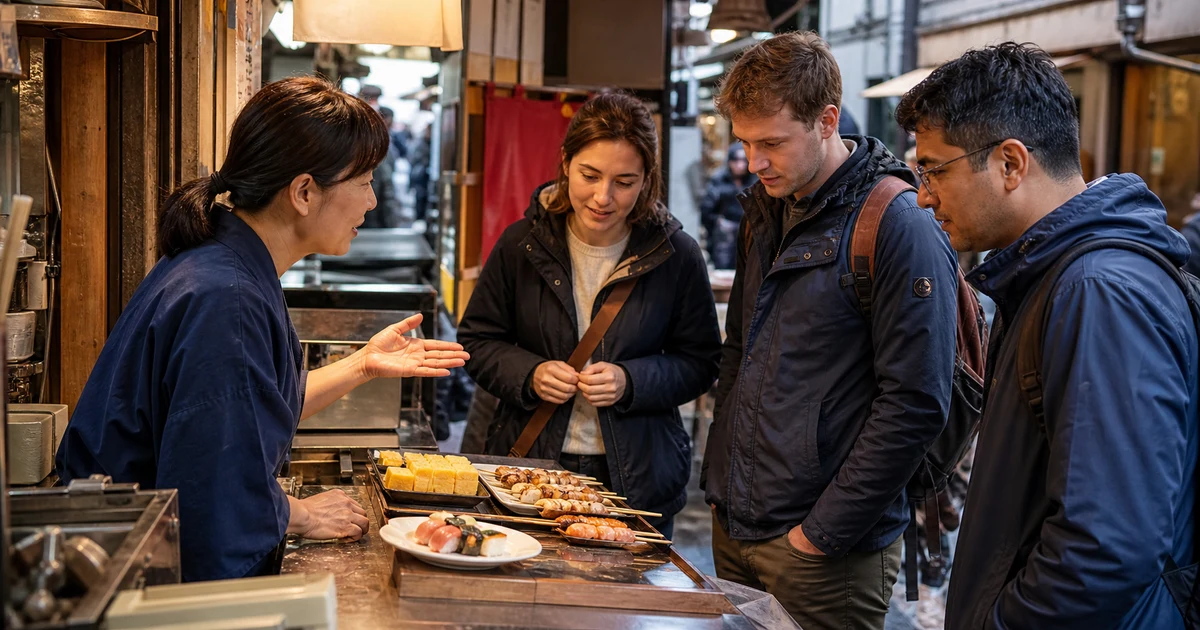
Compare dinner tours and market walks
Choose between a guided evening, a Tsukiji walk and a sushi class, checking which options include food.
Compare Tokyo food tours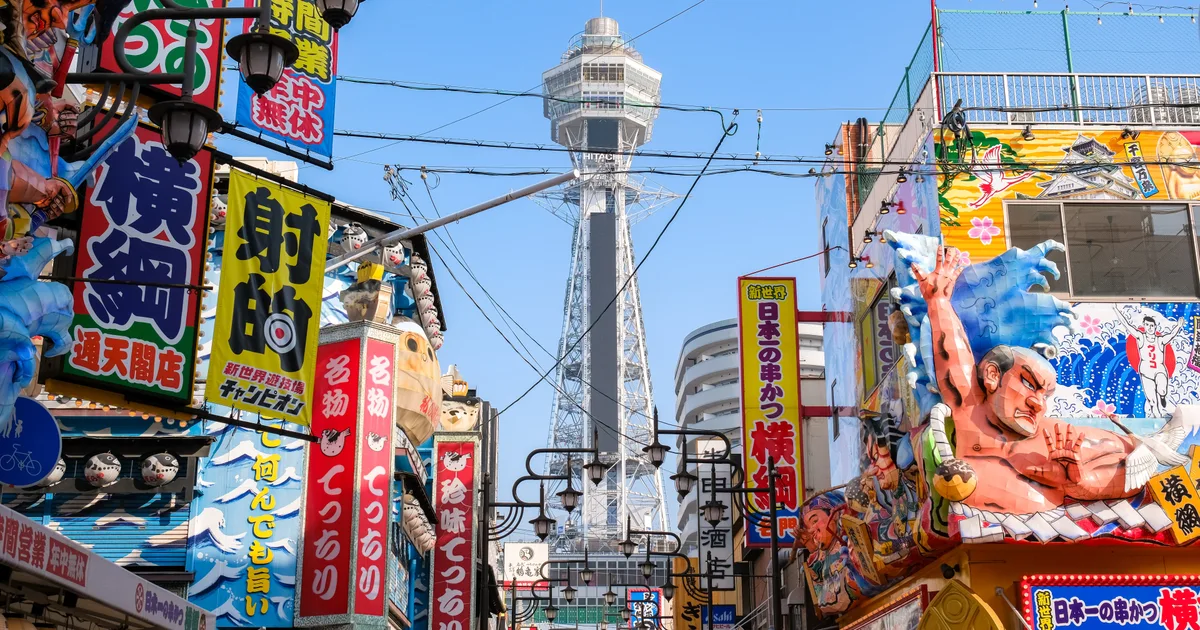
Choose a food walk or an evening out
Compare Osaka food walks, bar hopping and independent alternatives, including meals and extra spending.
Compare Osaka food tours
Fit dinner around transport and rest
Connect your meal choices with room arrangements, arrival plans and a daily pace that suits your children.
Plan Japan with kidsFrequently Asked Questions
Yes. Use Tabelog's multilingual site for participating restaurants. It supports international phone numbers and email authentication. The available restaurants, seats and conditions can differ from the Japanese-language service.
Not for every booking service. Tabelog's multilingual route supports international numbers. Other forms and restaurants have their own requirements; use a number where you can be reached and follow the form's country-code instructions.
TableCheck's ordinary booking instructions include entering your contact details directly, alongside account-based options. Some services, including most FastPass bookings, require an account. Follow the requirements on your selected reservation page.
No. The card may cover a booking fee, a temporary authorization, a cancellation guarantee or an actual prepayment. Check the payment description and confirmation for what has been charged and what remains payable at the restaurant.
Check the restaurant's booking window once your dates are fixed. There is no single release schedule for all restaurants. Prioritize meals you would travel for, fixed-course dinners and essential seating needs, while keeping suitable walk-in alternatives for flexible days.
Check the restaurant's child policy before booking. State every child's age and ask about required meals, seating, high chairs and stroller space. Follow the form's rules for counting children and contact the restaurant if the available fields do not represent your party.

Written by
JAPANODE
Based in Japan, sharing practical travel planning advice and documented family dining experiences.
You Might Also Like
PlanningJapan with Kids: Transport, Meals and Daily Planning
11 min read
 Food & Drink
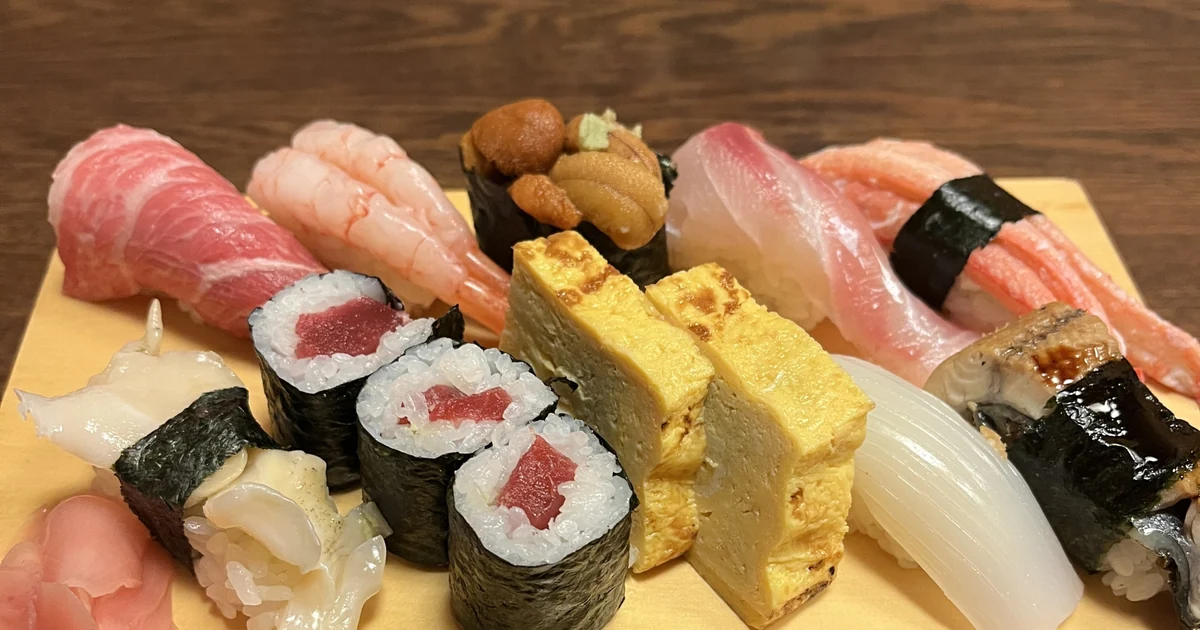
What to Eat in Japan: 10 Must-Try Foods for Your First Trip
15 min read
Food & DrinkBest Osaka Food Tours: Food Walks, Bar Hopping and DIY
11 min read
Food & DrinkBest Tokyo Food Tours: Shinjuku, Tsukiji & Sushi Classes
10 min read