On this page
For your first ryokan stay, choose the sleeping arrangement, meal plan and bath you want before comparing prices. Then check whether your journey gets you there comfortably in time for dinner. A beautiful room photograph answers only one part of the booking.
A ryokan is a Japanese inn, but the experience can range from a small property with a few rooms to a large resort with several dining venues and baths. You might sleep on a futon or a bed, eat in a restaurant or a private dining room, and use a communal bath or one attached to your room. The room and rate you select determine which of those experiences you book.
My examples come from family stays at Kashikojima Hojoen in March 2023 and Toba Seaside Hotel in April 2026. They illustrate choices that mattered to us; their old booking conditions are not current offers. Official information linked below was checked on October 31, 2026.
Choose the Stay Before Choosing the Photograph
Start with a short description of the stay you want. For example: “One night for two adults, beds rather than futons, dinner and breakfast, and a bath we can use privately.” A family might add the children's ages, separate sleeping places and an early dinner.
Use that description to compare two or three suitable properties. Keep the features essential to you separate from extras such as a particular view.
| Decision | What to establish before paying |
|---|---|
| Sleeping | Exact room category, beds or futons, and a sleeping place for every guest |
| Meals | Included meals, dining venue, timing and any confirmed dietary arrangements |
| Bathing | Communal, reservable private or attached to the room; whether the water is hot-spring water |
| Arrival | Last acceptable arrival for your plan and the final connection to the property |
| Total | Full party, selected meals, extras, taxes and cancellation conditions |
A one-night stay can make sense when you can reach the inn without rushing and leave after the parts of the morning you want to enjoy. Compare two nights if arriving early would otherwise require cutting a day of sightseeing you particularly value. The useful question is how much time your route gives you at the property.
If you are still deciding whether a ryokan suits the trip, start with our comparison of Japanese accommodation types. The rest of this guide is for choosing and preparing for the stay itself.
Check the Room and Every Sleeping Place
Futons, Beds and Japanese-Western Rooms
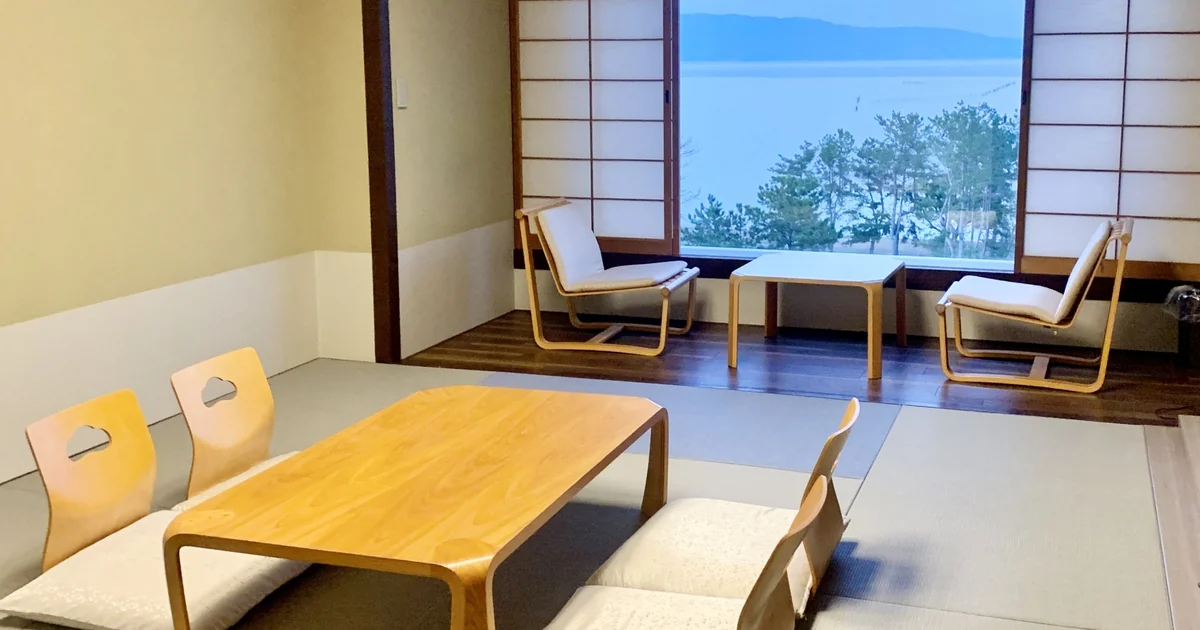
In a traditional tatami room, futons are laid on the floor for sleeping. Some properties offer beds, mixed Japanese-Western layouts or several room styles. The Japan Tourism Agency's ryokan guide describes these different arrangements. Read the category name and bed description together, rather than relying on the word “Japanese” in the listing.
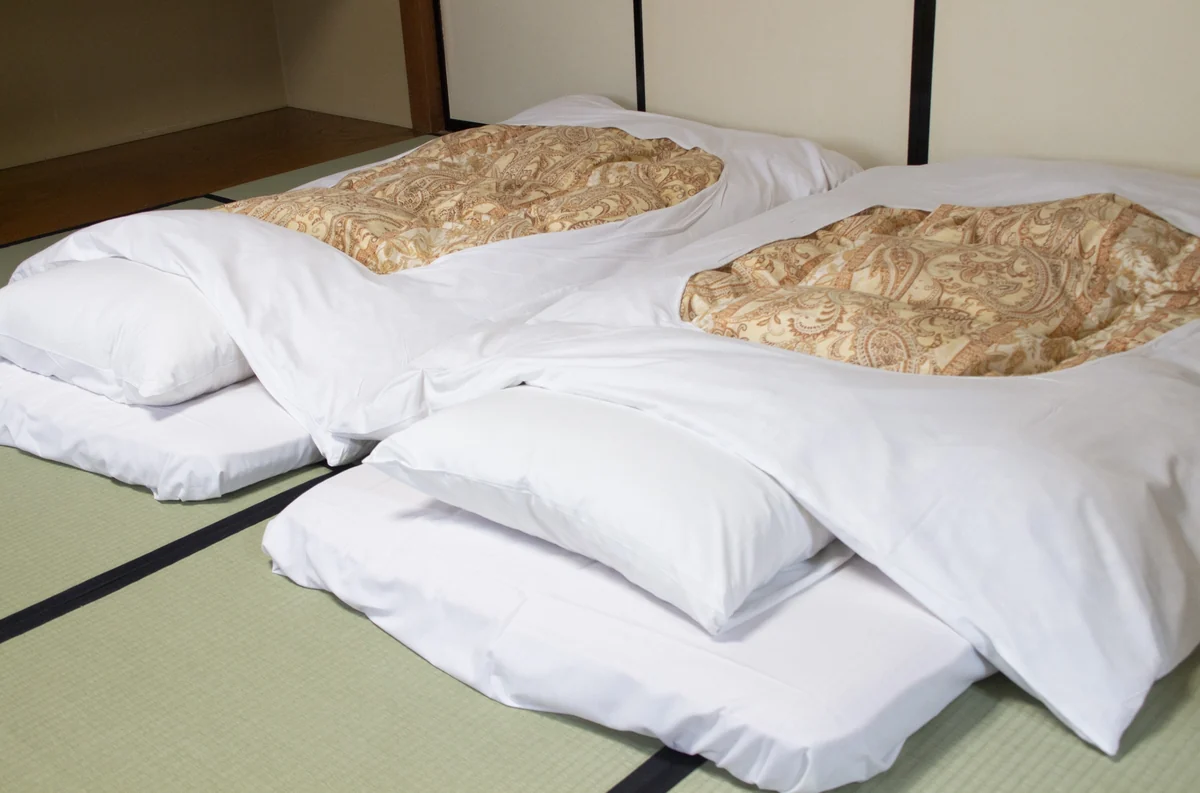
I recommend trying the tatami-and-futon experience if it suits you. As a parent of small children, I also appreciate not having a raised bed to worry about them falling from. That is a personal reason for liking the room style. A baby's sleeping arrangements need their own check: ask about suitable cot provision and follow infant safer-sleep guidance rather than assuming an adult futon meets those needs.
For adults who prefer a bed or find getting up from floor level difficult, choose that requirement at the start. Ask about the seating as well: a room with beds may still have low seating elsewhere. If steps or walking distances matter, check the route between reception, the room, restaurant and baths.
Room descriptions sometimes use a tatami-mat count. Use it alongside the layout and photographs: you still need to know where everyone will sleep and what space remains when the bedding is out. Ask when futons are prepared if you want an early night or need to use the room differently during the evening.
Check the Bathroom Separately
Confirm whether the room has its own toilet, shower and bathtub, and which of those you need. A general “bath” facility listing may refer to a shared bathing area elsewhere in the inn.
A room bathroom also does not establish the water source. At Kashikojima Hojoen, for example, the official FAQ says guest-room baths use heated water, while the property has separate communal onsen facilities. Its FAQ also says it has no private baths available to reserve.
If a private onsen is the main reason you are booking, get explicit confirmation for the room or bath you will actually use. Our Hojoen review shows how room descriptions, photographs and the actual stay fit together at one property.
Compare the Meal Plan and the Dining Venue
Dinner and Breakfast, Breakfast Only or Room Only
The Japan Tourism Agency explains that ryokan offer different meal arrangements, including the familiar dinner-and-breakfast stay, breakfast-only plans and stays without meals. Check the selected rate, not just the restaurant photographs on the hotel's main page.
| Plan | Why you might choose it | What you still need to arrange |
|---|---|---|
| Dinner and breakfast | You want to spend the evening at the inn and experience its food | Arrival and meal times, venue and each guest's inclusions |
| Breakfast only | You want more control over the evening meal | A realistic dinner option and transport back to the inn |
| Room only | You prefer to organise both meals yourself | Dinner and breakfast, including opening times and travel |
Before choosing a room-only plan in an unfamiliar area, identify where you will actually eat. Save the restaurant's hours and reservation instructions, and check the route back. Do the same for breakfast if you will leave early. Do not build the plan around finding somewhere after arrival without first looking at what is nearby.
A Private Dining Room Is Different from an In-Room Meal
Check the venue alongside the menu. “Dinner included” could describe a shared dining room, buffet, separate private room or service in your guest room. These arrangements affect the time you spend eating and, with children, how much moving around is involved.
At Hojoen in March 2023, we had dinner and breakfast as part of our plan. We travelled with one baby under one and ate in a shared dining venue. The staff were attentive during meals, and I enjoyed that part of the stay.
At Toba Seaside Hotel in April 2026, we travelled with a three-year-old and a baby under one. Our selected dinner plan used a separate private dining room. Having that space to ourselves helped me relax without feeling self-conscious around other diners. It was not a meal served in our guest room, and it was not a buffet dinner.
Those experiences make the dining venue one of the first details I compare for a family stay. If privacy is a priority, look for wording that confirms it in your selected plan. If your priority is choosing food at your own pace, investigate the buffet arrangement and its service hours. Neither follows automatically from the room category.
Tell the Inn About Dietary Needs Before Paying
Describe any food requirements before committing to a meal-inclusive rate, and keep the property's reply. Ask what can be provided, whether the changes apply to every meal and whether there is a deadline or additional charge.
Be specific about allergies and dietary restrictions, including ingredients in broths or sauces where relevant. A request box on a booking form is a way to communicate; it is not confirmation that the kitchen can accommodate the request.
For a concrete example of variation, Hojoen's official FAQ currently says it does not offer halal or vegan options and asks guests to raise allergy-related requests when reserving and contact the property by phone or email at least five days before the stay. Choose a different plan or property if the answer does not meet your needs. Leaving the issue until check-in makes it harder to find a workable alternative.
Match the Bath to Your Comfort and Your Booking
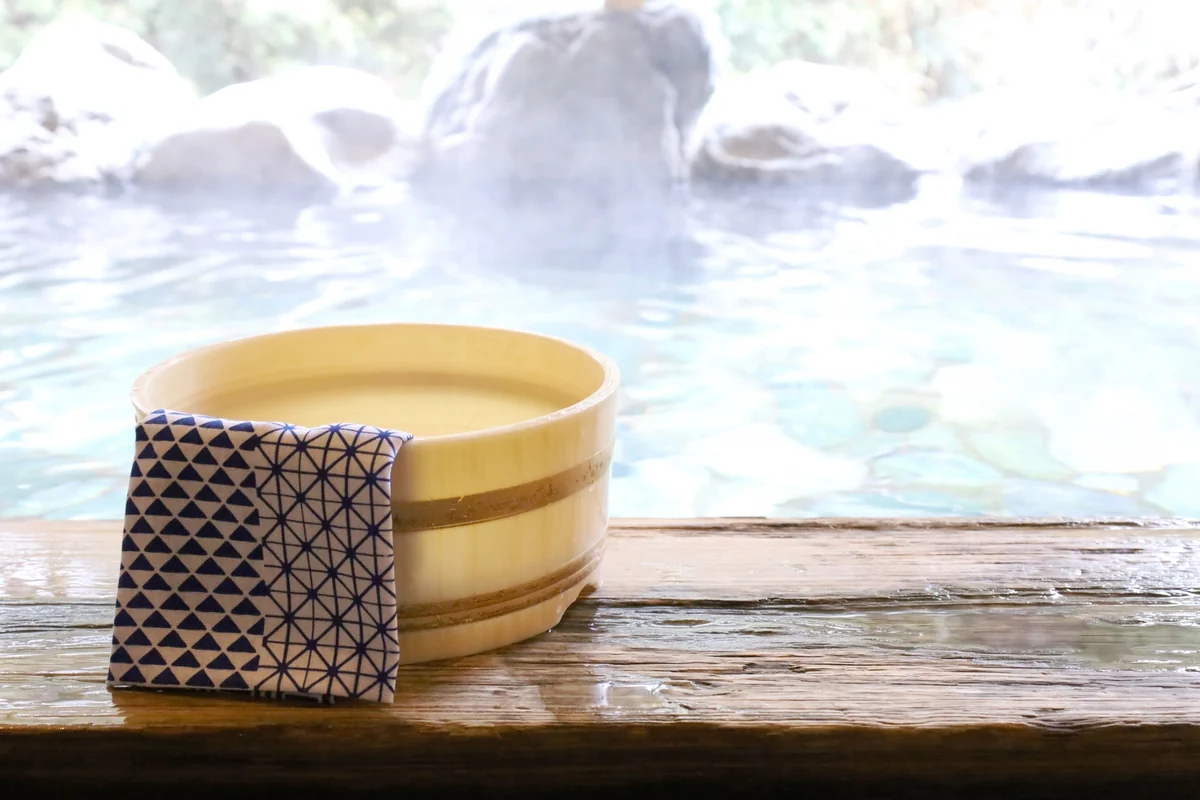
Separate three questions: who can use the bath, where it is, and what water it uses. A photograph of an outdoor tub does not answer all three.
| Bath arrangement | What it provides | What to ask |
|---|---|---|
| Communal bath | A bathing area shared with other guests | Opening hours, access rules and which facilities your stay includes |
| Reservable private bath | Exclusive use for a particular session | When to reserve, availability, time limit, price and water source |
| Bath attached to the room | Access through your booked room | Exact room category, privacy, operating conditions and water source |
Most communal onsen baths have separate areas for men and women, and bathing is normally without swimwear, as explained in JNTO's onsen guide. Check your property's rules before deciding whether this arrangement suits you.
Go! NAGANO's ryokan guide describes communal baths, reservable private baths often called kashikiri, and rooms with attached outdoor baths. Use those descriptions to understand the options, then confirm the particular property's conditions.
If a private session is essential, ask how it is secured. A property having a reservable bath does not necessarily mean a slot is included with every room. Find out whether you can book before arrival and what happens if your preferred time is unavailable.
For children, ask about the facility's rules and the arrangements appropriate for your party. For tattoos, check the current policy of the bath you intend to use, including private facilities. Avoid assuming that the word “private” answers every access question.
Our onsen etiquette and tattoo guide covers the bathing process and those broader questions. If you would rather use only your room's bathroom, choose a property where that is possible. You can still enjoy the room, food and setting without organising the stay around communal bathing.
Include Every Child, Meal and Futon in the Booking
For a family booking, write down each child's age during the stay and what you want included. Check the way the booking system groups children, then verify the resulting meals, bedding and total.
Our Toba reservation illustrates why this matters. We had two adults and two children, but the children's inclusions differed: one had meals and bedding, while the other had neither. The party size alone would not describe what we bought. That historical arrangement is not a rule for what another family will receive.
Use this checklist for each child:
- Age and the hotel's applicable booking category.
- Separate futon or bed, sharing arrangement, or a confirmed suitable cot.
- Dinner and breakfast inclusions, including the type of children's meal.
- Any facility fee or other charge, even when no separate bedding is booked.
- Dining seat, high chair or other arrangement you need confirmed.
For a baby, add baby food as a separate question. Ask about the available food, age stages, ingredients, advance ordering, venue and cost. If you bring your own, establish whether warming is possible. A children's dinner and a baby-food service are different things.
Official information shows why asking is useful: RISONARE Nasu lists age-stage baby food and warming of food brought by guests. That is a resort example of an available service, not a promise about ryokan generally. Base your packing on the reply from the property you book.
For meals away from the inn, transport and the rest of your daily routine, see our Japan with kids planning guide.
Plan Arrival Around Dinner and the Last Connection
Work backwards from the inn's accepted arrival time for your meal plan. Include the final train, bus, taxi or shuttle and the walk from its stop. A train reaching the nearest major station does not mean you have arrived at the ryokan.
The Japan Tourism Agency's guidance notes that dinner has a service window and advises contacting the property about significant delays. Get the timing for your own booking: the start of check-in, the latest arrival for dinner and the final shuttle are different pieces of information.
Here is an illustrative planning comparison, not a timetable for a particular inn:
| Decision | A rushed arrival plan | A plan with room for delays |
|---|---|---|
| Last sightseeing stop | An extra attraction far from the departure station | A stop near the onward route, with an agreed leaving time |
| Final connection | The last workable service before dinner | An earlier connection where the schedule allows |
| Luggage | Collect bags immediately before departure | Arrange collection or storage around the journey in advance |
| Delay response | Find contact details after something goes wrong | Save the inn's contact details and arrival instructions before travelling |
If you want to sightsee between hotels, our luggage storage and delivery guide can help you compare the options. Confirm collection hours, delivery timing and the receiving property's arrangements; keep what you need for the overnight stay with you.
For an Ise-Shima stay, use the regional itinerary to place the shrine visit, meal stops and coastal accommodation in a workable order. Use the Japan train guide for the wider rail journey. Leave the inn's actual dinner instructions in charge of the final arrival plan.
Know What Happens from Check-In to Check-Out
At check-in, listen for the details that will shape your stay: dinner and breakfast arrangements, bath access, room access, bedding preparation and departure. Ask staff to write down anything you are unsure about. You do not need to understand every custom in advance to ask a practical question.
Go! NAGANO explains common room customs such as removing shoes at the entrance and keeping slippers off tatami. It also describes the yukata, a cotton robe supplied at many ryokan. Follow the inn's instructions about where to wear it and where to change footwear.
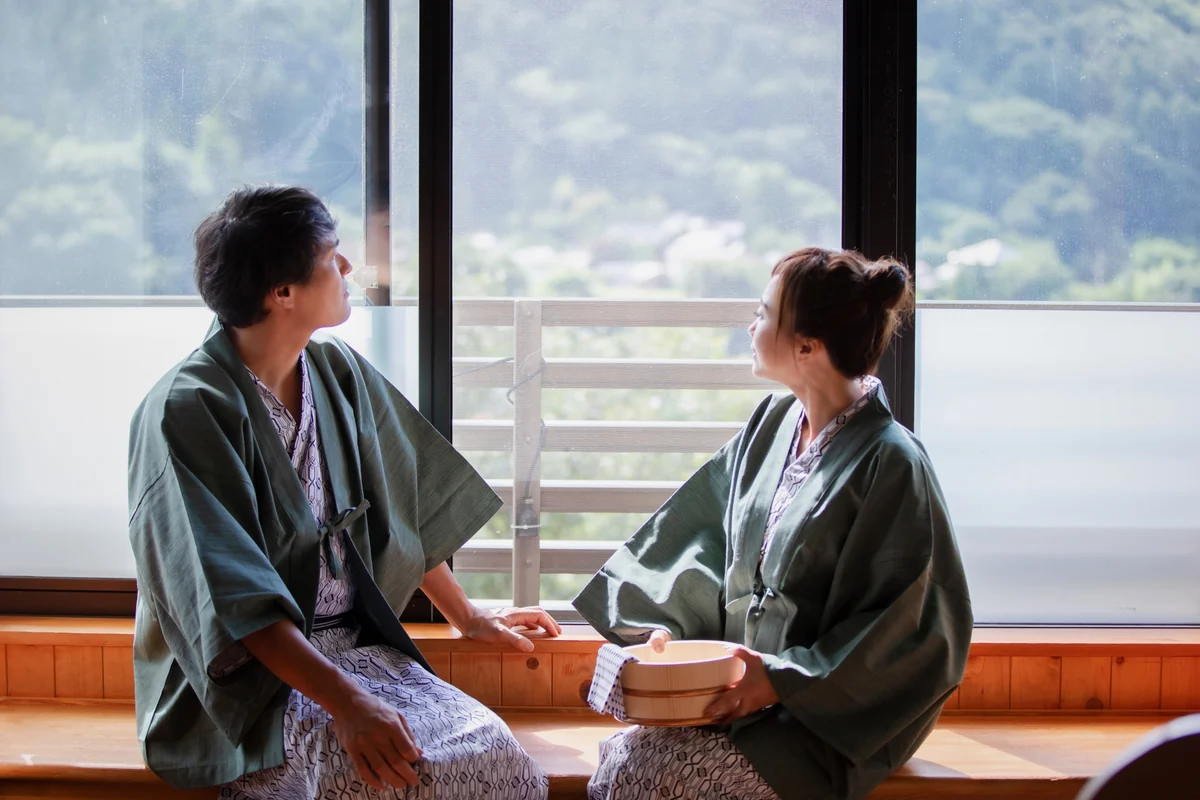
A possible rhythm is to arrive, settle into the room, rest or bathe, then have dinner. In the morning, leave enough time for breakfast and any bath you want before checking out. The order depends on your meal time, the bath's hours and how you feel after the journey.
At Toba, I enjoyed trying the different bathing areas in the evening and again the following morning. At Hojoen, the bay views and morning bathing were memorable parts of the stay. Those experiences are why I would leave some unscheduled time at a ryokan, rather than plan to arrive just before dinner and depart at the earliest opportunity.
Before bed, check the morning arrangements if you have an onward train. Confirm breakfast timing, checkout and any shuttle you intend to use. Pack enough in advance that you can enjoy the morning without having to solve the departure at the last moment.
Compare the Full Booking Total and Confirm the Details
Once you have chosen suitable properties, compare the same stay across the official site and any booking platform you use. Keep dates, guests, room, meals and cancellation conditions aligned. A price for two adults without dinner cannot answer what a family meal-inclusive stay will cost.
Build a small comparison note with these fields:
| Field | What to record |
|---|---|
| Dates and guests | Nights, all adults and each child's age |
| Room | Exact category, sleeping arrangement and any essential view or bath |
| Meals | Every included meal, venue and confirmed requests |
| Extras | Private-bath fees, additional bedding and other selected services |
| Payment | Total currency, what is paid now and what is due at the property |
| Cancellation | Deadline, applicable local time and charges after it |
Ask whether taxes or other mandatory charges are included in the displayed total. Read the cancellation conditions for the rate you select, particularly if the stay depends on a long journey that could change.
Save the final confirmation and the replies about important requests together. Recheck the room category and all guests in that confirmation before considering the booking settled. If something differs from what you intended, resolve it while you still have time to choose another arrangement.
Your Next Step: Choose the Right Stay for Your Route
For a concrete example, read our Kashikojima Hojoen stay and booking checks, then use the Ise-Shima route guide to see how an overnight stay fits the journey. Take the same questions to any other property: where you will sleep, what you will eat, how you will bathe and when you need to arrive.
Choose a detailed stay example, work the overnight stop into your route, or settle the bathing arrangements before you book.
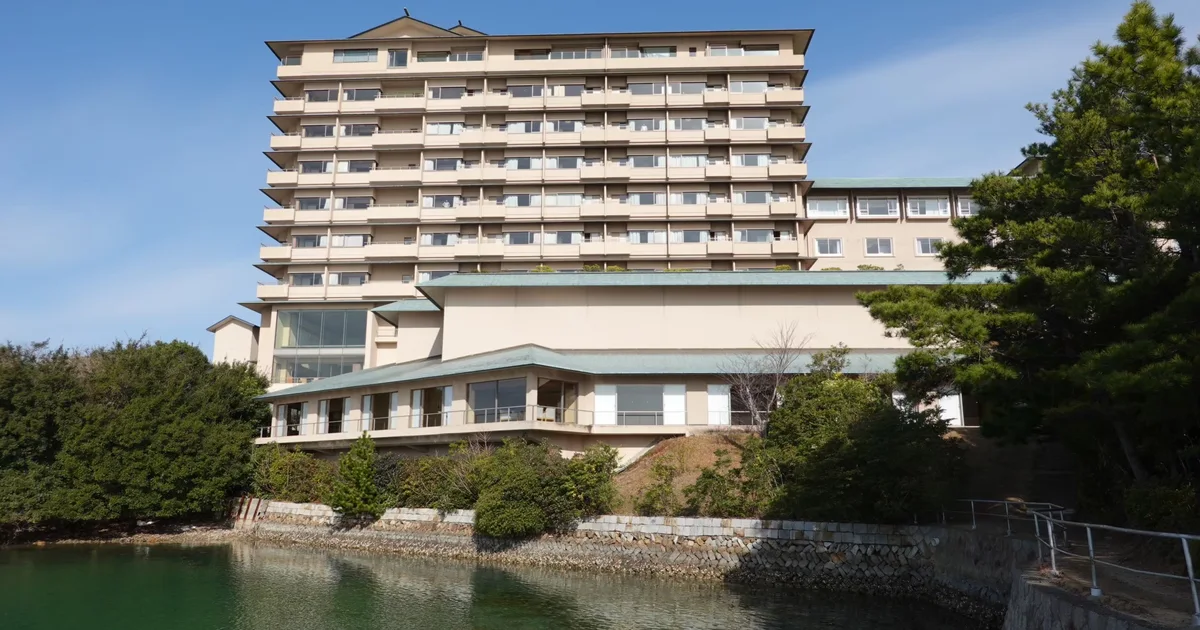
See how the choices work at Hojoen
Read our family stay, compare room and meal arrangements, and find the official and platform booking options.
Read the Hojoen stay review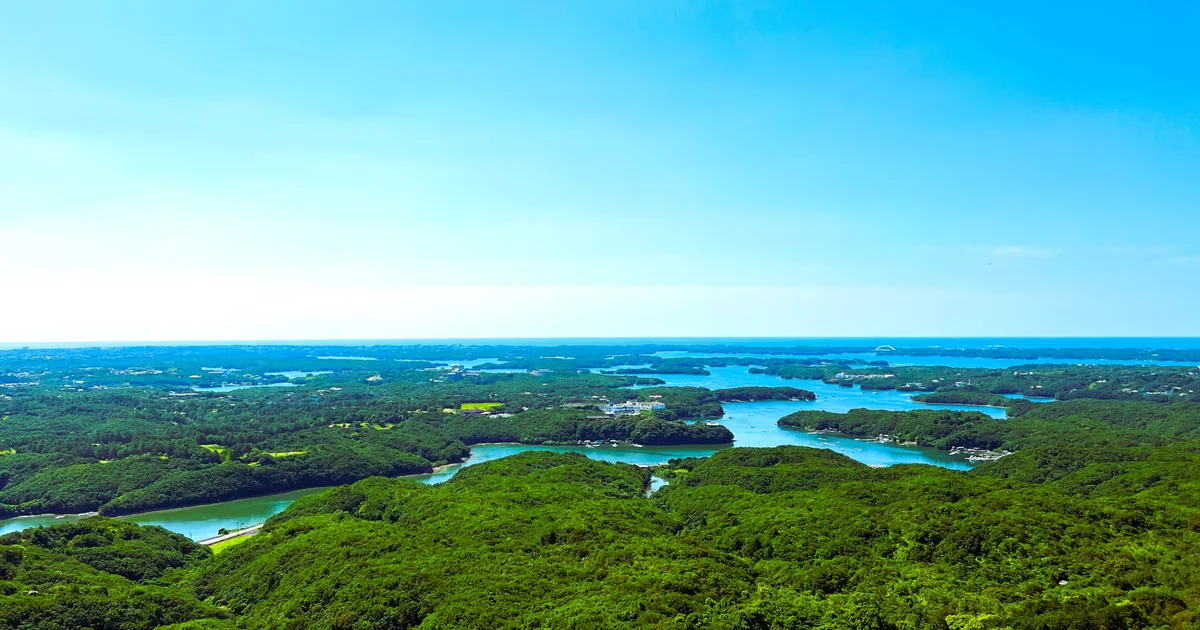
Fit a coastal stay into Ise-Shima
Connect Ise Jingu, the bay and your overnight base with time for the journey and your booked dinner.
Plan an Ise-Shima stay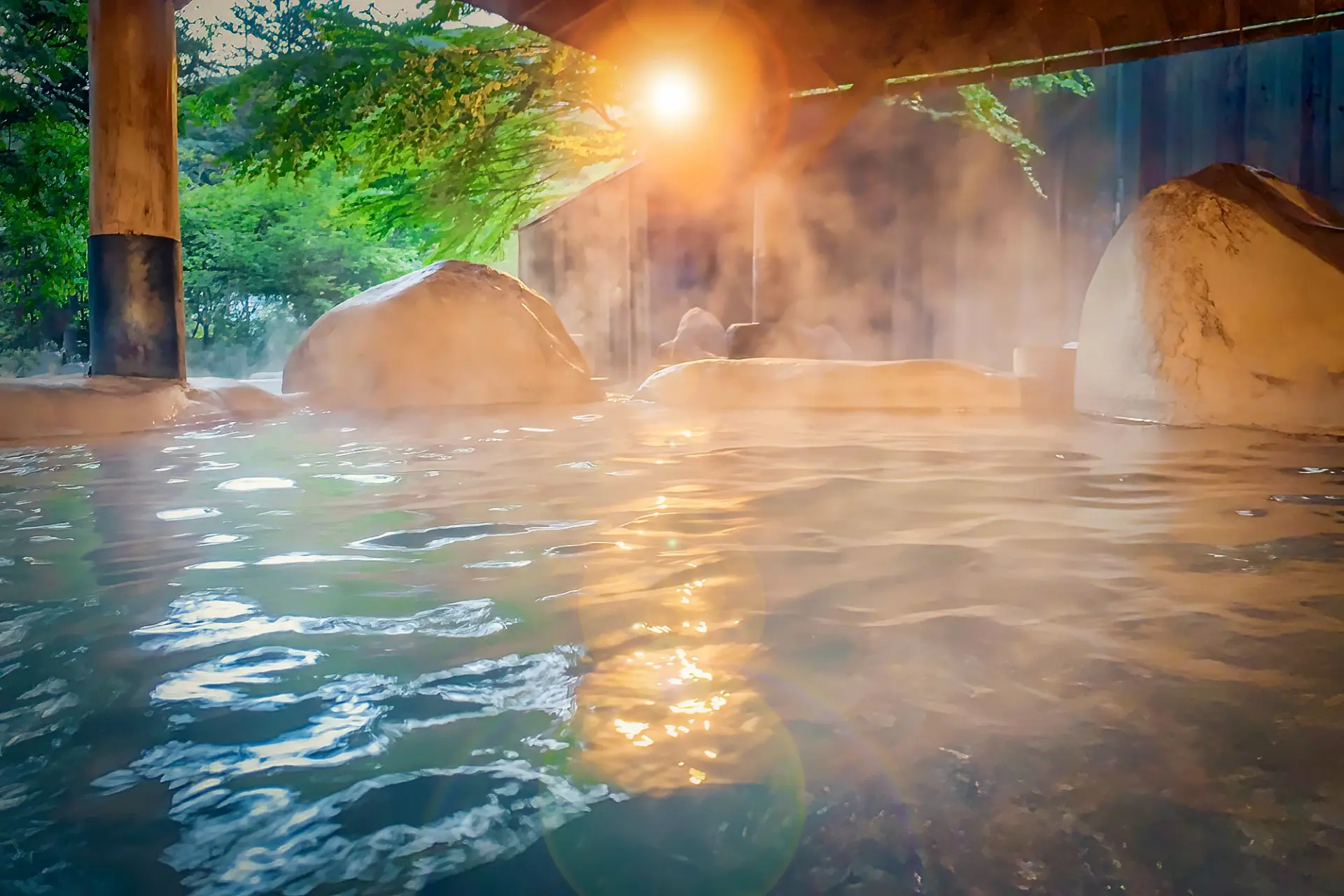
Check bathing rules and private options
Understand shared and private baths, tattoo policies and what to confirm with the facility you choose.
Check the onsen guideFrequently Asked Questions
No. Check the selected rate for dinner and breakfast, breakfast only or a room-only stay. A meal photograph on a property page does not establish what your booking includes.
Not necessarily. A private bathroom describes access to the bathroom, not its water source. Confirm whether it uses hot-spring water and whether the bath is attached to your room or reserved separately for a time slot.
No. Some ryokan offer beds or mixed Japanese and Western rooms. Check the exact room category, sleeping arrangements and any steps or floor seating that matter to you.
Do not assume so. Charges and eligibility vary by property and plan, and a child's meals and bedding may be selected separately. Include every child and their age in the booking and check the total.
Ask the property before booking. Dinner service, check-in and station shuttles have their own conditions, and a late arrival may not work with your meal plan. Confirm an acceptable arrival time for your actual journey.
Choose a property with a bathing arrangement you are comfortable with and verify it before booking. An ordinary private bathroom, a reservable private bath and a room with its own onsen are different options.

Written by
JAPANODE
Based in Japan, sharing practical planning advice and documented hotel and ryokan stays.
You Might Also Like
AccommodationWhy I Recommend Kashikojima Hojoen for an Ise-Shima Stay
13 min read
ItineraryIse-Shima Travel Guide: Ise Jingu, Bay Views & a Ryokan Stay
16 min read
CultureJapan Onsen Tattoo Rules: Etiquette & Where to Bathe (2026)
21 min read
 Planning
Japan Accommodation Types Explained: Hotels, Ryokan, Capsule Hotels & More
16 min read