
On this page
For a Japan trip with kids, settle four things before filling the itinerary: where everyone will sleep, how you will travel with bags, where meals will fit, and when you can stop for a rest. Those choices make it much easier to decide which sights belong in each day.
My own family stays include Kashikojima Hojoen in March 2023 with one baby under one, and Toba Seaside Hotel in April 2026 with a three-year-old and a baby under one. The room and dining arrangements mattered to how those stays felt. This guide combines those experiences with official information; the sample days below are planning examples, rather than accounts of trips we took.
You can use it alongside a first-time itinerary, then follow the links for specific rooms, airport transfers and train reservations. Transport and hotel services were checked against the linked official sources on October 31, 2026.
Start with Four Family Decisions
Write down the needs of the children who will actually be on the trip. A baby needing frequent feeds, a preschooler who tires of walking, and an older child excited about one particular attraction create different plans.
| Decision | Write this down before booking | What it changes |
|---|---|---|
| Ages and mobility | Each child's age during the trip; stroller or carrier needs; manageable walking | Room eligibility, tickets, station routes and the distance between stops |
| Sleep and food | Sleeping places, usual rest times, food needs and meal timing | Room layout, restaurant choices and how far to travel from the hotel |
| Luggage | Suitcases, folded stroller, daily bag and who can carry each item | Transfers, vehicle capacity, luggage storage and hotel changes |
| Fixed bookings | Timed attractions, long-distance trains and meals you especially want | Which days need structure and which can stay flexible |
These are planning questions, not age-based rules. A child's ticket category must come from the operator, and a hotel's child category must come from the actual rate you select.
Try drawing one normal day before booking the whole trip. If breakfast, travel and the main outing already fill the time before your usual rest, keep the afternoon optional. This gives you a useful test for accommodation location as well as sightseeing ambitions.
Choose Bases and Rooms That Make Each Day Easier
Enter Every Child and Check Every Sleeping Place
Search with every guest included, using the children's ages at the time of travel. Then look beyond the room's maximum occupancy: identify the beds or futons, their sizes, and which guests are expected to share.
A useful comparison is the room your family can actually book, with the bedding and meals you need. Permission for a child to share an existing bed does not tell you whether breakfast, another bed or a cot is included. Ask the property to confirm anything the booking screen leaves unclear.
Consider the hours you will spend there awake, too. If one child sleeps before the rest of the family, look at room separation and lighting. If you want to prepare simple food, check the actual kitchen equipment. For laundry, establish whether the machine is in the room, elsewhere in the building or off-site.
Our city guides compare those practical differences:
- Tokyo family hotels: room layouts, beds and space for the whole party.
- Kyoto family hotels: station access, downtown locations and apartment options.
- Osaka family hotels: kitchens, connecting rooms and bases for different outings.
Keep two suitable rooms on your shortlist, then compare the full stay and cancellation conditions. A lower nightly rate can lose its advantage if it adds repeated transfers or leaves you paying separately for essential sleeping arrangements.
Test the Route from the Hotel Door
Check both the arrival with luggage and the return from your longest outing. Map directions to the station entrance are only part of the journey: find the entrance you can use with a stroller, the route to the platform and the walk at the other end.
For example, imagine one hotel with a shorter advertised journey but two changes, and another with a direct train followed by a slightly longer walk. Compare those complete trips with your actual bags and children. The direct route may suit your family better; it is worth making that comparison before choosing by minutes alone.
Treat a hotel change as part of a travel day. Packing, checking out, moving bags and waiting for the next room all occupy time. In Kyoto and Osaka, compare keeping one base with moving between the cities, using the places you want to visit as the deciding factor.
Plan the Arrival Before Planning the Attractions
Your first journey starts when you leave the terminal, after arrival formalities and baggage collection. A flight's landing time is not a reliable time to begin a tight sightseeing schedule.
Compare a train, an airport bus and a vehicle transfer using the same destination and the whole family's needs. Add the final walk or connection to the hotel. For a vehicle, provide the number of adults and children, child-seat requirements, suitcase sizes and folded stroller dimensions before accepting a quote.
| Option to compare | Question that matters for your family |
|---|---|
| Train | Can we manage the station route and transfers while carrying everything? |
| Airport bus | Does the stop work for our hotel, and what are the seat and luggage rules? |
| Taxi or booked transfer | Are the vehicle, child seats, luggage capacity and arrival arrangements confirmed? |
The Haneda transfers guide for families goes into vehicle suitability, delay terms and complete-party costs. Use those details when a transfer is a serious option, rather than assuming that any vehicle labelled for four passengers will fit your particular group and bags.
For the arrival day, I recommend keeping the essential plan short: reach the hotel, find food and get familiar with the immediate area. If the room will not be ready, ask about luggage storage and identify somewhere nearby to spend the waiting time. Treat any additional outing as a bonus.
Understand Child Train Tickets and Reserved Seats
Decide how many seats you want before comparing fares. A child's age and whether they will occupy a reserved seat are separate questions.
JR Central's child-ticket rules normally classify ages 6–11 as children and ages 12 and over as adults; its school-status exceptions apply only to schools established under Japanese law. Under-sixes generally travel without a fare when accompanying a fare-paying passenger, but an individual reserved seat requires a child ticket. A third accompanying child aged 1–5 per adult or fare-paying child also needs a ticket.
For an ordinary reserved-seat journey, two adults travelling with a three-year-old who needs a separate seat would therefore book two adult tickets and one child ticket. This is a ticket example, not our family's booking record. Check the operator for your own route; bus and private-railway rules may differ.
Once you know the seats you need, use our Shinkansen booking guide for the reservation process. Local transport is covered separately in the Suica and Welcome Suica guide. Buying a transport card and reserving a long-distance seat solve different parts of the journey.
Decide How to Handle Strollers, Stairs and Luggage
Choose the equipment you are comfortable using with your child, then test it against the route. Think about who will handle the stroller if it must be folded, where the daily bag goes, and whether one adult would be left managing all the luggage.
JNTO's family travel guidance describes elevator access at major stations, stroller spaces on trains and rentals at some visitor facilities. These are useful things to look for; their availability and conditions still need checking at the places you plan to use.
For each longer outing, save the station exit you intend to use and a rest stop along the route. Check the facility's own information for nursing rooms, changing facilities and opening hours. A facility inside a shop is only useful while that part of the building is open.
If you plan to rent a stroller, check the age or size limits, collection point, return deadline and whether it can leave the premises. An attraction rental does not automatically cover the walk from the station. Bring the setup that solves the whole day, rather than only the hours inside the attraction.
Use the Tokyo rush-hour guide to decide where adjusting a departure could make the trip more comfortable. On a hotel-change day, compare luggage storage and delivery options. Confirm delivery timing and the receiving hotel's arrangements before separating from your bags, and keep the essentials needed until they arrive with you.
Make Meals Work for Your Children
Choose a Place and a Backup Before Everyone Is Hungry
For each main outing, save one suitable meal stop and a nearby alternative. Look at seating, the current menu, opening times and how long the meal is likely to occupy. A restaurant across the city is a poor backup if reaching it requires another long journey.
JNTO identifies casual family restaurants as one useful option for visitors with children. You can also investigate food courts or takeaway meals, checking where you are allowed to sit and eat. Choose places that fit your family's needs rather than assuming every restaurant has high chairs or a children's menu.
Leave space for ordinary, easy meals between the ones you particularly want to book. A long lunch followed by a fixed early dinner can create an awkward day even if both restaurants look appealing on their own.
Check Ages, Seats and Meal Requirements Before Reserving
For a special meal, start with the restaurant's official reservation instructions. Include the children and their ages, and establish whether they need their own course. If the form's party-size rules are unclear, ask before submitting; do not leave a child out merely because they will not eat an adult meal.
TABLEALL's official FAQ shows why this matters: its restaurants have different child policies, including restrictions to private rooms or conditions about eating the course. A restaurant accepting children does not establish the seating or menu suitable for your child.
Confirm any high-chair, stroller-storage or baby-food request separately. Keep the restaurant's response with the booking confirmation. For allergies or dietary restrictions, describe the requirements to the restaurant directly; a photograph or translated menu cannot establish whether it can meet them.
For the booking itself, our restaurant reservations guide explains Tabelog, TableCheck and TABLEALL, including fees, confirmation and how to include children.
Check Baby Food Before You Decide What to Pack
Some hotels provide baby food, and that can change what you need to bring. Treat it as a specific service to confirm, separate from a children's menu or an adult dinner-and-breakfast plan.
For example, RISONARE Nasu's official baby-service page describes food for different age stages and warming of food brought by guests. Its listed charges differ between restaurants. RISONARE Yatsugatake also lists baby-food offerings by restaurant. These are examples from official information, rather than properties I am reviewing from personal experience.
Before relying on a hotel's service, ask:
- What food is available, and for which age or texture stages?
- Is it prepared food or a packaged product, and can you check the ingredients?
- Where and at which meals is it served?
- Is there a charge, quantity limit or advance-order requirement?
- Can staff warm food you bring, and where should you ask?
A simple message is enough: “Our baby will be __ months old. Do you provide baby food, and do we need to request it before arrival? Please let us know the available options, charges and whether you can warm food we bring.”
Use the answer to work out the meals you still need to cover. Even a hotel with baby food may not solve lunch while sightseeing, a late arrival or a meal away from its restaurant. Keep those parts of the trip in your food plan.
Build a Flexible Day Around One Main Outing
Start with the part of the day you most want to do, then place a meal and a rest around it. Give a second outing a clear condition: it happens if everyone has the energy and the journey still makes sense.
The examples below are adjustable planning templates. They do not prescribe how long a child of a particular age should walk, sleep or remain at an attraction.
| Part of the day | Example with a toddler | Example with school-age children |
|---|---|---|
| Morning | One main outing with a straightforward journey | A chosen attraction, including any timed entry |
| Lunch | A nearby place selected in advance | A meal near the attraction or next stop |
| After lunch | A rest arranged around the child's usual routine | A seated break and a decision about the afternoon |
| Optional addition | A short walk or play stop near the base | One nearby activity the children want to do |
| Return | Leave while the trip back still feels manageable | Check energy and the dinner plan before extending the day |
For a toddler day, the afternoon should still work if the second stop disappears. Avoid placing a non-refundable booking on the assumption that a nap will finish at a precise time. If returning to the hotel is important, include the outward and return journeys when choosing the morning outing.
With older children, let each child identify a priority. Then group nearby interests rather than giving every preference its own cross-city journey. The decision after lunch can be simple: continue with the nearby option, spend longer at the first attraction, or head back.
Choose a weather alternative in the same area where possible. Our Tokyo rainy-day ideas and Osaka indoor options can help with that shortlist. Check tickets and opening hours for the alternative before you need it.
Decide Whether to Include a Ryokan Night
A ryokan stay can give a family time to enjoy the room, meals and baths as part of the trip. Choose it with enough time at the property for the things you are paying to experience.
At Kashikojima Hojoen in March 2023, we travelled with one baby under one. Our meals were in a shared dining venue, and the staff's attention helped us enjoy them. At Toba Seaside Hotel in April 2026, with a three-year-old and a baby under one, dinner in a separate private room made it easier for me to relax without feeling self-conscious around other diners. Both stays were positive; the dining arrangements were different.
I also recommend experiencing a Japanese-style room with tatami and futons. With small children, I appreciate not having a raised bed to worry about them falling from. A baby's sleeping arrangement still needs separate consideration: NHS safer-sleep guidance recommends a separate cot or Moses basket with a firm, flat mattress. Ask what suitable equipment the property can provide.
Before booking, confirm each child's meals and bedding, the dining venue, bath arrangements and the arrival time needed for dinner. Our Kashikojima Hojoen review shows one actual stay in detail. Use the Ise-Shima guide to judge whether that coastal stop fits your wider route.
For help comparing the room, meal plan and baths, use our first ryokan stay guide before choosing a rate.
Budget and Pack for the Routine You Chose
Build the budget from the family total. Include the booked room, each person's transport and reserved seats, meals, attractions, laundry, luggage services and any vehicle transfer. Keep optional outings separate so you know what can change without undoing the essential plan.
Compare complete alternatives. For example, a room with laundry may reduce how much clothing you need to carry, but consider the cost difference and when you will actually use it. A transfer can remove a difficult connection, but the quote must include the vehicle and child seats you need. Our Japan trip budget guide provides the broader categories.
Pack around that plan rather than a fixed national checklist. Keep the next change of clothes, feeding items and other essentials accessible during travel. Leave enough capacity to manage the daily bag while folding or pushing the stroller. If you send a suitcase ahead, pack for the full confirmed interval until it arrives.
For seasonal clothing, use the Japan clothing guide, then adjust for the places you will visit. A city day, a coastal stay and a mountain outing may need different preparations even within one trip.
Your Next Step: Choose Your Family Room and Arrival
Choose the family room first, test the airport-to-hotel journey, and draw one day around a main outing, food and rest. Then use the detailed guides linked above to book the parts that need fixed arrangements. Keep the rest of the itinerary flexible enough to enjoy the place you are already in.
Start with the city where you need a room. If you are flying into Haneda, compare the transfer once you know the hotel address and your luggage.

Find a room for your family in Tokyo
Compare actual beds, kitchens and laundry across five hotels, then check the right room for all your guests.
Compare Tokyo family rooms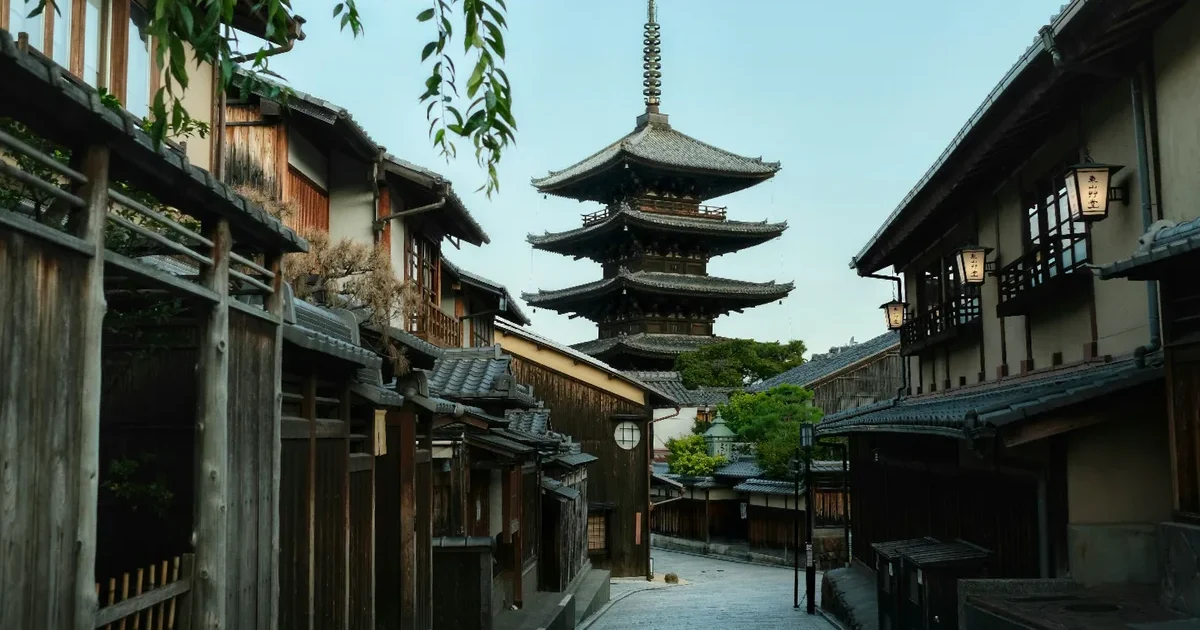
Choose your Kyoto family base
Compare family rooms and apartment options around Kyoto Station and downtown, with room and bedding checks.
Compare Kyoto family rooms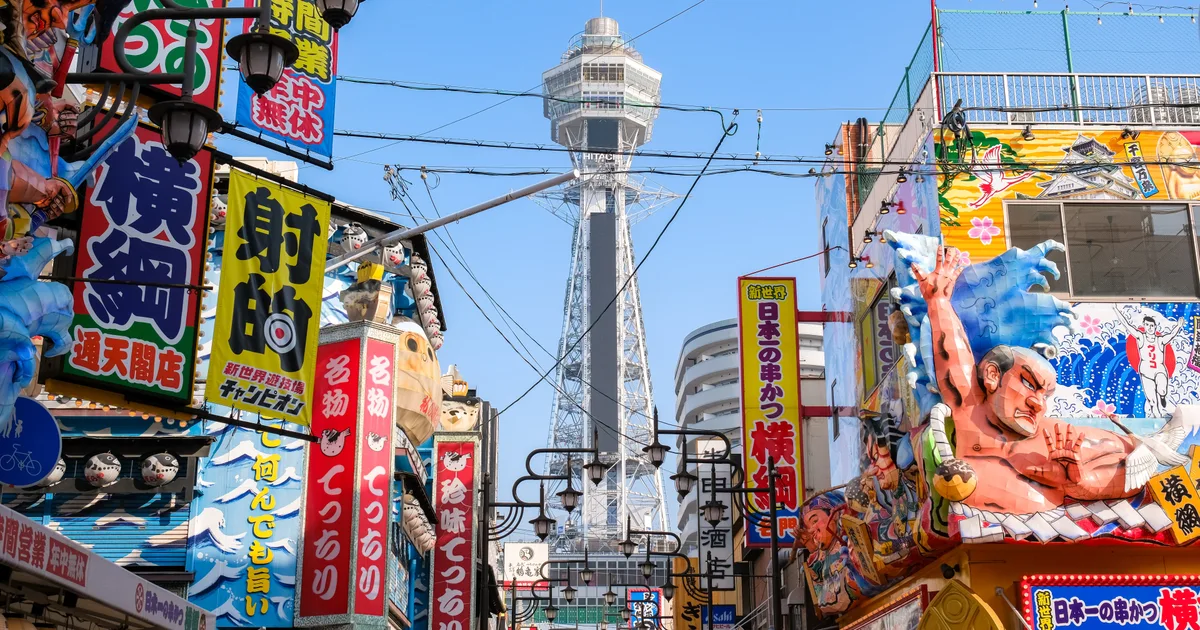
Match an Osaka room to your plans
Compare kitchens, connecting rooms and hotel locations for the outings your family wants to do.
Compare Osaka family rooms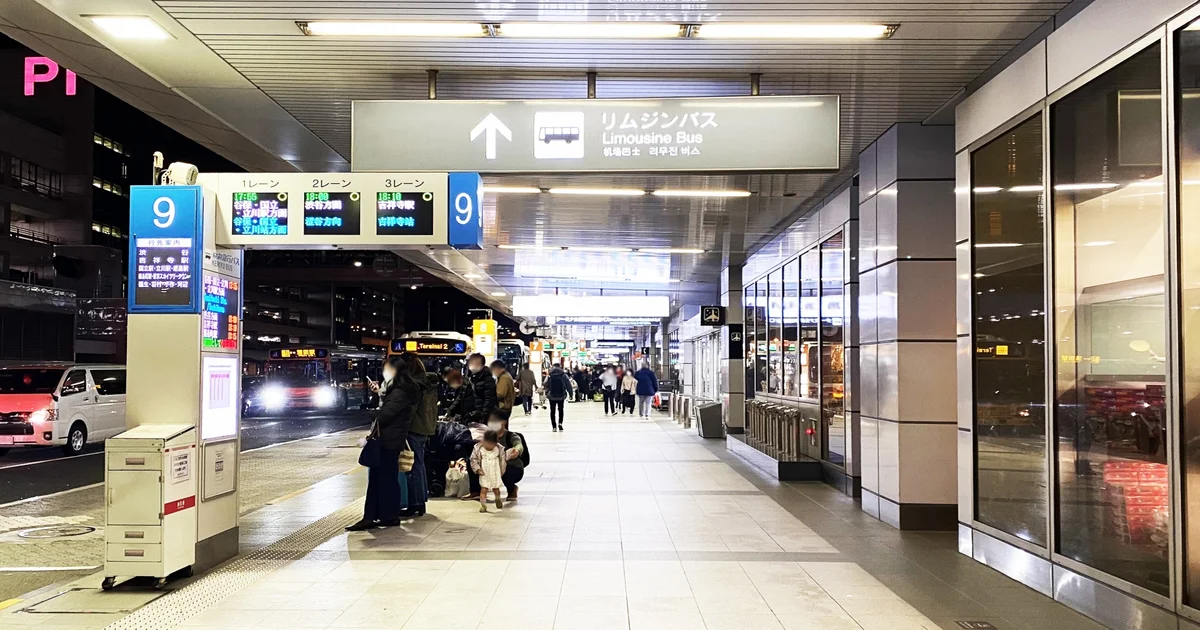
Plan the journey with children and bags
Compare train, bus and private-transfer options using the whole party, child seats and luggage.
Compare Haneda transfersFrequently Asked Questions
Some do, but availability varies by property and restaurant. Check the available food and age stages, price, advance-order requirements and whether staff can warm food you bring. A children's meal or a meal-inclusive room rate does not automatically include baby food.
On JR Central, under-sixes generally travel free with a fare-paying adult or child, but need a child ticket for their own reserved seat. Other exceptions include the third and any additional accompanying child aged one to five per fare-paying adult or child. Check the operator and seating arrangement.
Choose for your child's needs and the actual route. A stroller can help during long sightseeing days, while a carrier can be useful where stairs or crowds make wheeled access difficult. Check elevator routes and any rental conditions in advance.
Family-oriented restaurants are an option, but age restrictions, seating and children's menus vary. Confirm those details before reserving, include every child in the party information, and do not assume a request guarantees a high chair or special meal.
Not necessarily. Enter every child's age and check the selected room and rate for bedding, breakfast, other meals and any additional charges. Permission to share an existing bed is different from receiving a separate sleeping place.
Yes, if the property's child policy, meals, bedding, bath arrangements and arrival schedule suit the family. Confirm each child's inclusions before paying and leave enough time to reach the inn for the booked dinner.

Written by
JAPANODE
Based in Japan, sharing practical travel planning guides and documented family travel experiences.