On this page
Sushi and ramen deserve a place on your first Japan trip. So do a crisp tonkatsu lunch, meat sizzling on a yakiniku grill, and a small Japanese sweet with tea. You can build a memorable food trip around ordinary lunches, a few snacks and one evening devoted to eating.
These are our ten starting points for what to eat in Japan, with a first order to look for and a practical way to fit each into your travels. The list mixes dishes you can find across the country with three Osaka favorites. You do not need to visit every famous restaurant or finish all ten to eat well.
My own favorites include tonkatsu, Japanese yakiniku and wagashi. Alongside sushi and ramen, these are the foods I would especially like first-time visitors to try.
If you already know you would enjoy company and help choosing dishes, jump to food tours and cooking experiences. Otherwise, start with the food and decide how much guidance you want afterward.
Affiliate disclosure: We may earn a commission if you book through our affiliate links, at no extra cost to you. Going independently is also a useful option throughout this guide. Food photographs illustrate the dishes; they are not evidence of participation in a listed tour or a guaranteed tour menu.
Your first-trip food shortlist
| Food | A first order to look for | Make room for it as… |
|---|---|---|
| Sushi | A mixed nigiri set or a few kaiten-zushi plates | A lunch with a clear menu price |
| Ramen | The shop's signature bowl | A quick, satisfying meal |
| Tonkatsu | Rosu or hire katsu teishoku | A proper sit-down lunch |
| Yakiniku | A small assortment of clearly labeled cuts | An evening around the grill |
| Yakitori | Negima, with salt or tare sauce | A few skewers or a casual dinner |
| Tempura | A mixed set or tendon rice bowl | A lunch between sightseeing stops |
| Takoyaki | A small tray of octopus balls | A snack in Osaka |
| Okonomiyaki | A classic pork version, if suitable | A filling griddle-cooked meal |
| Kushikatsu | A few meat and vegetable skewers | A Shinsekai meal or food walk |
| Wagashi | Daifuku, dorayaki or seasonal nerikiri | A sweet break with tea |
These are suggestions for choosing, not a fixed tasting itinerary. Three fried dishes in a row can feel repetitive; spread them across the trip and leave space for whatever catches your attention locally.
The Google Maps links below start with Tokyo. Change the city or neighborhood in Maps to find places along the rest of your route.
1. Sushi: start with a small set
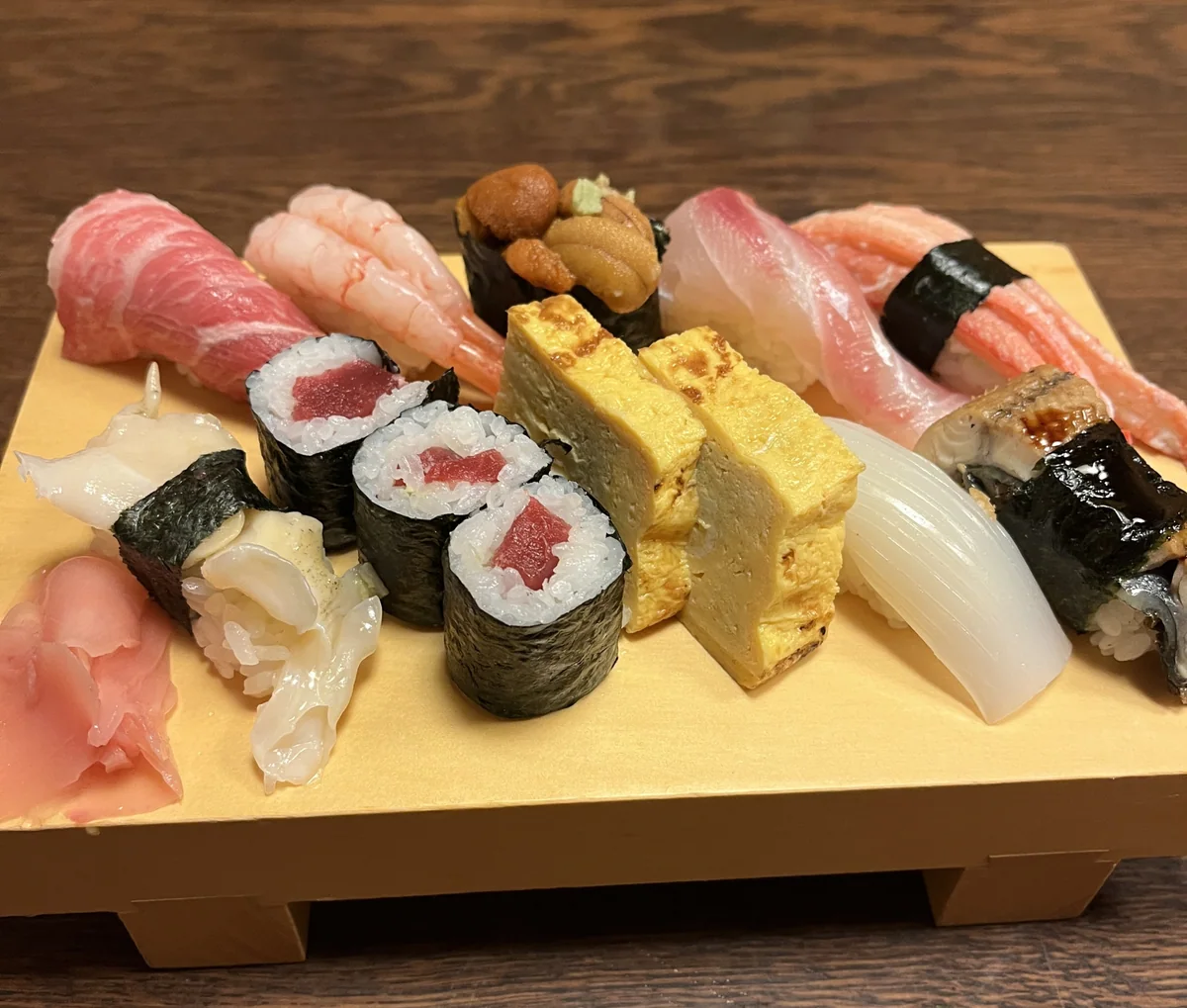
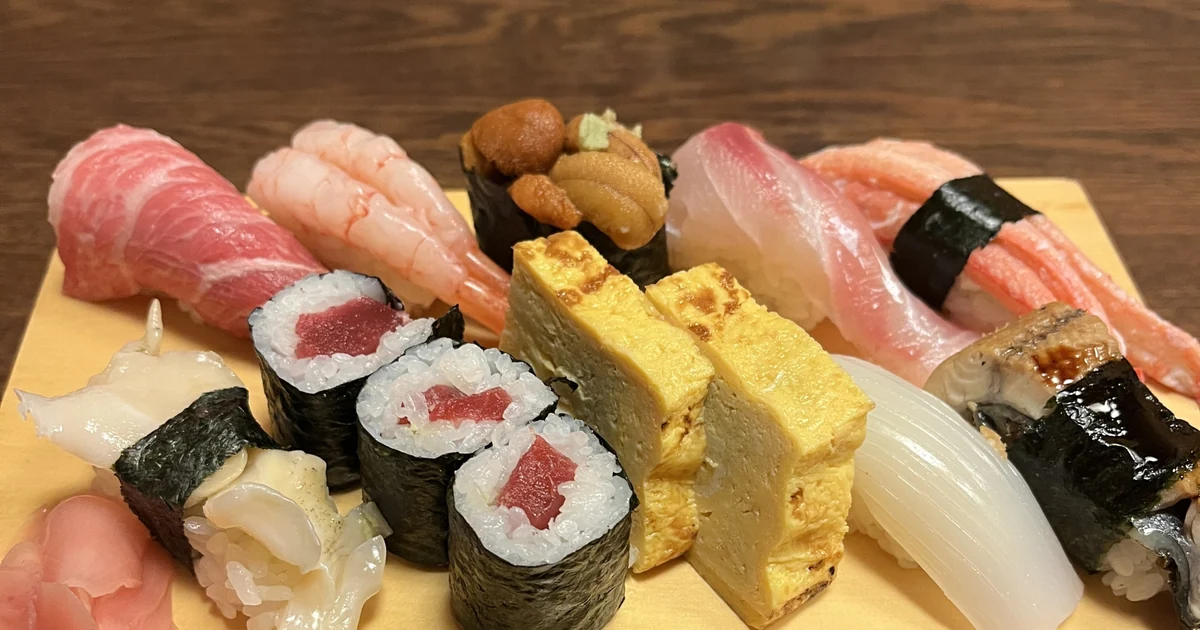
Sushi gives you contrasting textures in a small mouthful: seasoned rice, a topping and sometimes a little wasabi. A mixed nigiri set is an easy introduction because you can see the selection and its total price before ordering.
You also have choices beyond raw fish. As JNTO's sushi guide explains, sushi centers on vinegared rice and can use raw or cooked seafood, egg or vegetables. Look for cooked shrimp, tamagoyaki or cucumber rolls if those appeal more, and check the actual preparation.
Try kaiten-zushi, or conveyor-belt sushi
Kaiten-zushi (回転寿司) is a useful first stop when you want to try a few different toppings and decide what you like. You order individual plates, so start small and add more as you go. Check the price and number of pieces for each item; plates do not necessarily all cost the same.
The name translates as conveyor-belt sushi, but the setup varies. Some restaurants have circulating plates, while others emphasize screen orders delivered to your seat on an order lane. Kura Sushi's official guide, for example, explains touchscreen or smartphone ordering and delivery on an order lane. Follow the instructions at your restaurant, and choose English on the ordering screen if it is offered.
Sushiro is a well-known kaiten-zushi chain to look for. Open the map to find branches around your Tokyo plans.
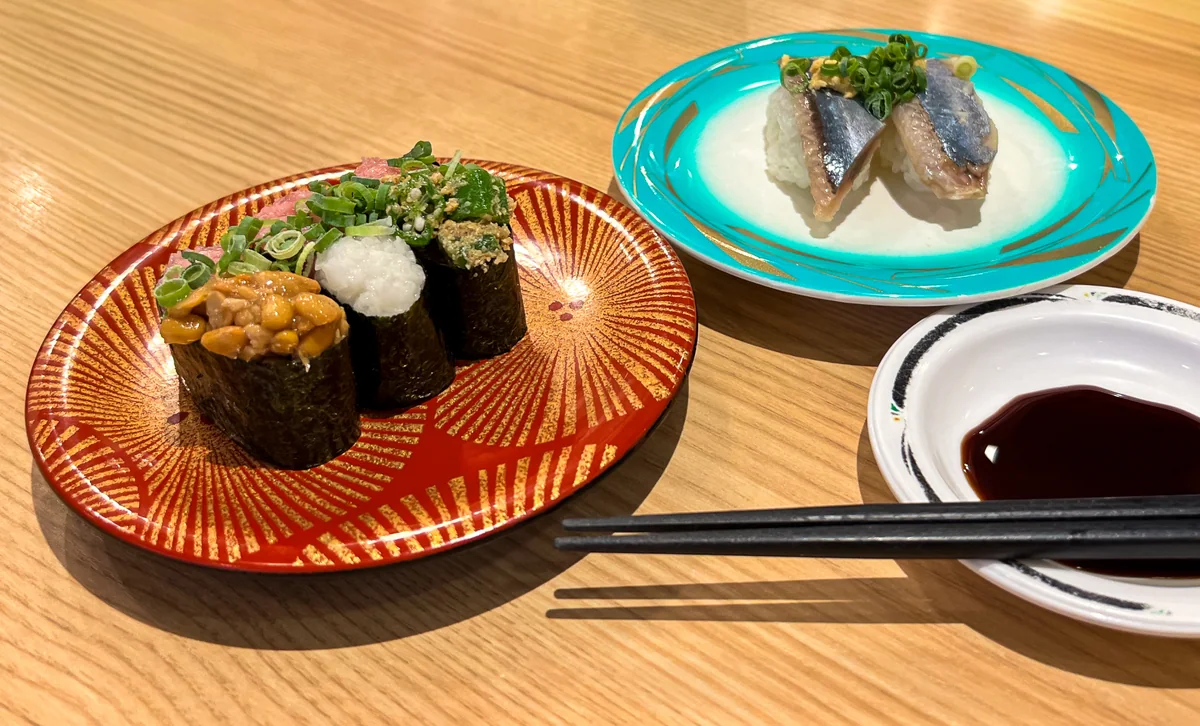
A counter with a fixed set or course is another option. Confirm the full price and any additional charges before ordering, then choose the format that matches the meal you want.
First order: a small mixed nigiri set, or a few individual plates at a kaiten-zushi restaurant. Add more of what you enjoy. Ask before ordering if you want it without wasabi; it may already be inside.
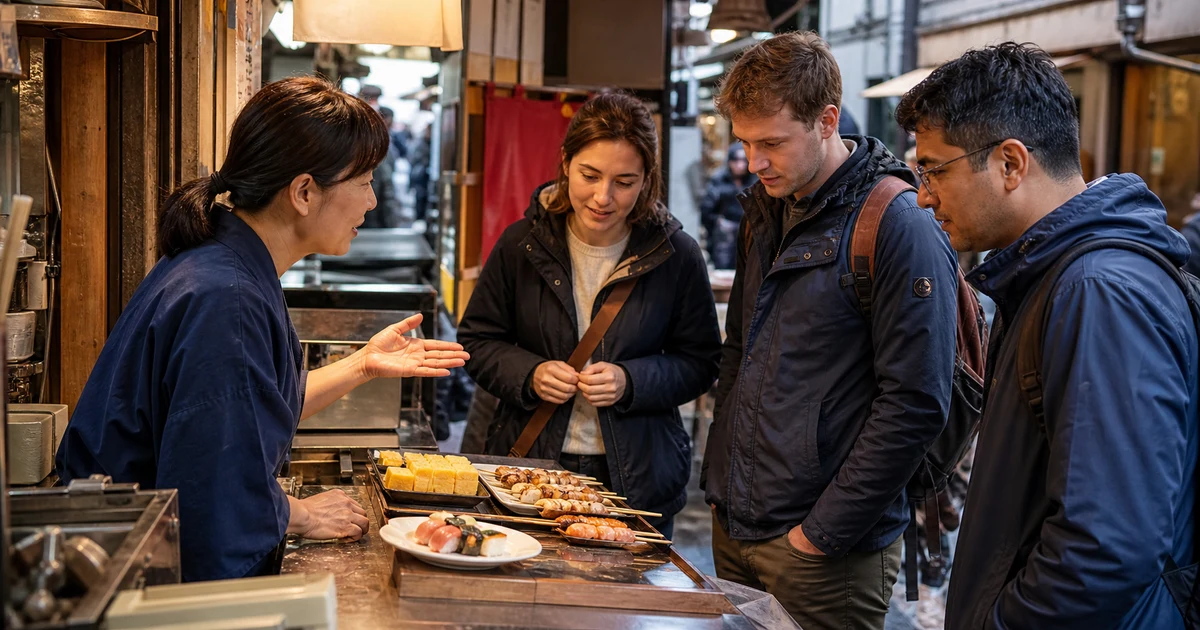
Where it fits: a Tokyo lunch, a seafood-focused market outing, or a meal in another city on your route. Our Tokyo food-tour comparison includes daytime market and sushi-making options if you would enjoy an explanation alongside the food.
If you want to make sushi yourself, a class in Asakusa can turn lunch into an activity.
Sushi-Making Class in Asakusa
Make sushi with an English-speaking instructor, then eat what you have prepared. The listing welcomes beginners.
Best for
First-time sushi makers who want a hands-on meal during an Asakusa visit.
Before booking
Menu changes must be requested when booking; the operator says it cannot arrange them on the day.
Reviews & activity details
Powered by GetYourGuide · we may earn a commission at no extra cost to you.
2. Ramen: choose the bowl before the queue
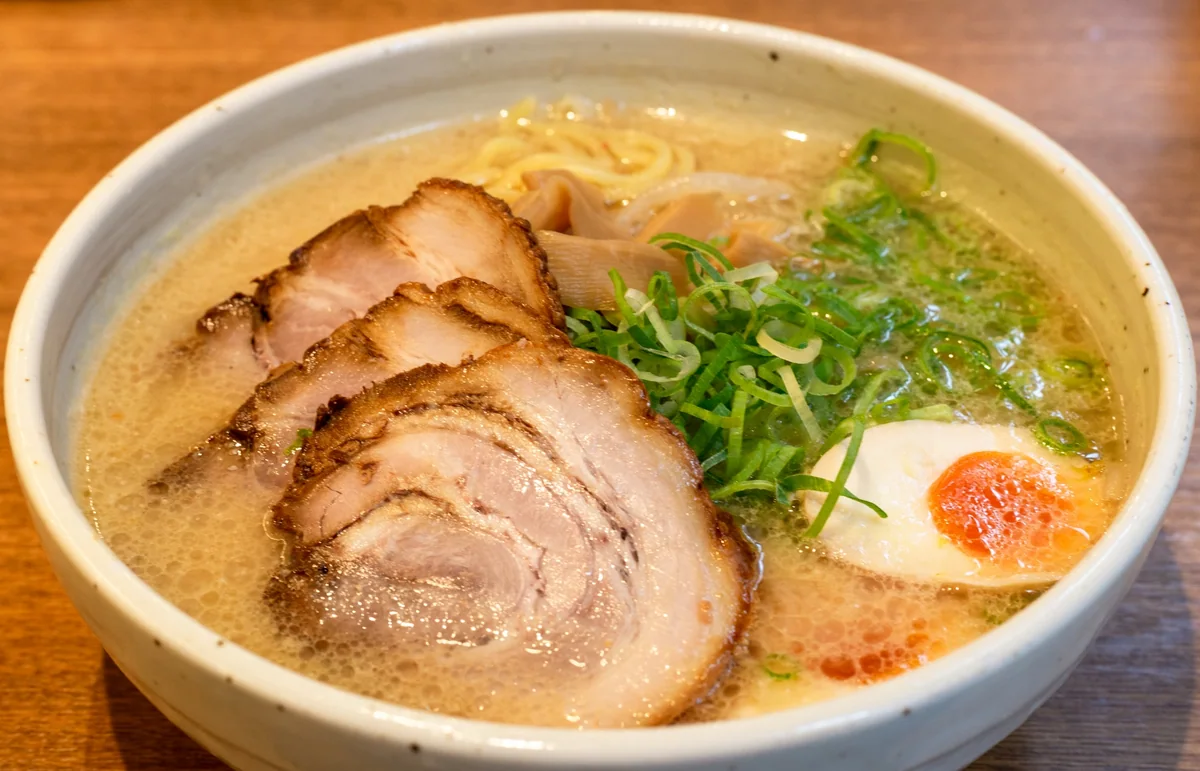
A good ramen stop gives your day a clear pause: sit down, enjoy a hot bowl, and head back out. Start with the shop's signature ramen instead of assuming the longest queue will suit your taste.
The useful menu words are shoyu for soy-sauce seasoning, shio for salt seasoning, miso for fermented soybean seasoning and tonkotsu for pork-bone broth. These labels describe different aspects of a bowl; shoyu ramen can still contain pork, chicken or fish stock. JNTO's ramen introduction explains the main styles and regional differences.
If a shop uses a ticket machine, choose and pay there, then hand the ticket to staff as directed. Other shops take orders at the table or counter. Look for the ordering instructions before joining a line, and keep cash available for places that require it.
First order: the standard bowl, with an egg if you want one. Check portion sizes before adding extra noodles and a rice side.
Where it fits: lunch or an uncomplicated dinner near your hotel. Eat at your own comfortable pace, but use a café for a long rest afterward when people are waiting for the counter. If making the noodles appeals to you, consider a cooking class later in the trip.
Find ramen in Tokyo on Google Maps →
A tasting tour is useful if you want to compare styles with a guide. Allow a meal's worth of appetite even when the bowls are small.
Tokyo Ramen Tasting Tour
Compare six mini bowls across three ramen shops, with explanations of the styles you taste. Confirm the route and meeting point for your selected option.
Best for
Ramen fans who want to taste several styles without ordering six full bowls.
Before booking
Expect about 3 km of walking, including hills. This listing uses broths containing chicken, pork and fish, so it is not the vegan or vegetarian tour.
Reviews & activity details
Powered by GetYourGuide · we may earn a commission at no extra cost to you.
3. Tonkatsu: one of my personal favorites
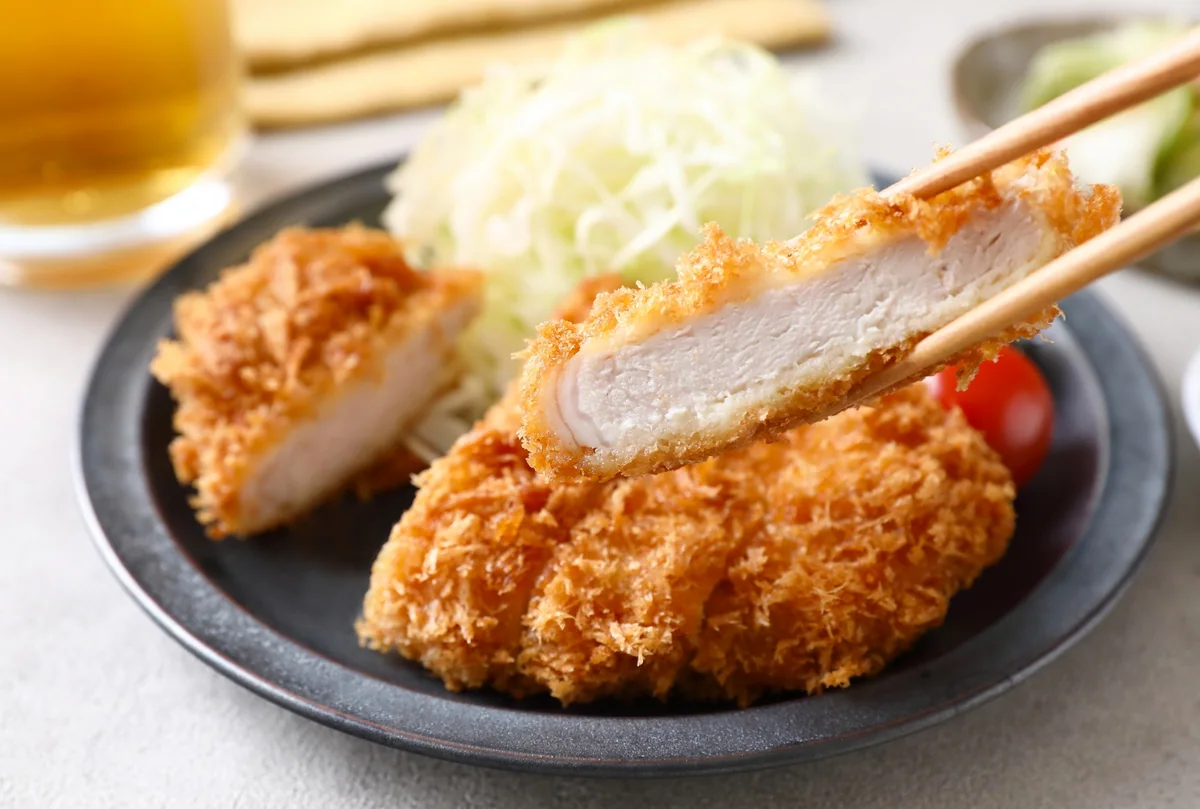
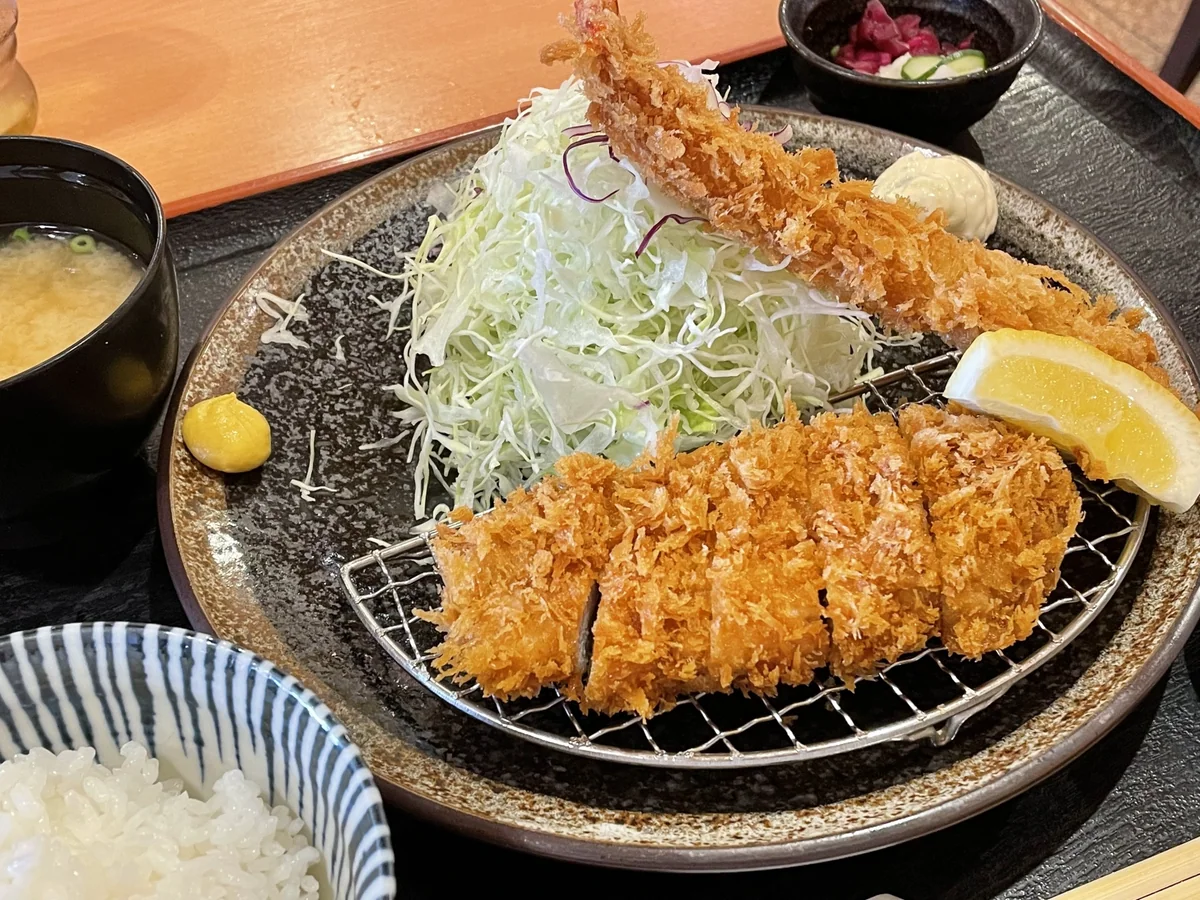
Tonkatsu is a breaded, deep-fried pork cutlet, usually sliced so you can pick it up with chopsticks. The appeal is the contrast between the crisp coating and the meat inside. It is one of my personal favorites and a straightforward choice for a first Japanese lunch.
Look for rosu, usually pork loin with some fat, or hire, the leaner tenderloin. A teishoku is a set meal: check the menu for its rice, soup and other accompaniments. JNTO's dining guide uses tonkatsu teishoku as an example of this convenient meal format.
Try a piece before covering the whole cutlet in sauce. You can then add the restaurant's sauce or other offered seasonings a little at a time. If mustard is served, start with a small amount.
First order: rosu katsu teishoku for a richer cut, or hire katsu teishoku if you prefer leaner meat. A pictured set helps make the decision easy.
Where it fits: a relaxed lunch when you want to sit down and eat a complete meal. Check the difference between a restaurant set and a takeaway katsu sandwich or bento; they serve different purposes in your day.
Find tonkatsu in Tokyo on Google Maps →
4. Yakiniku: make the grill your evening plan
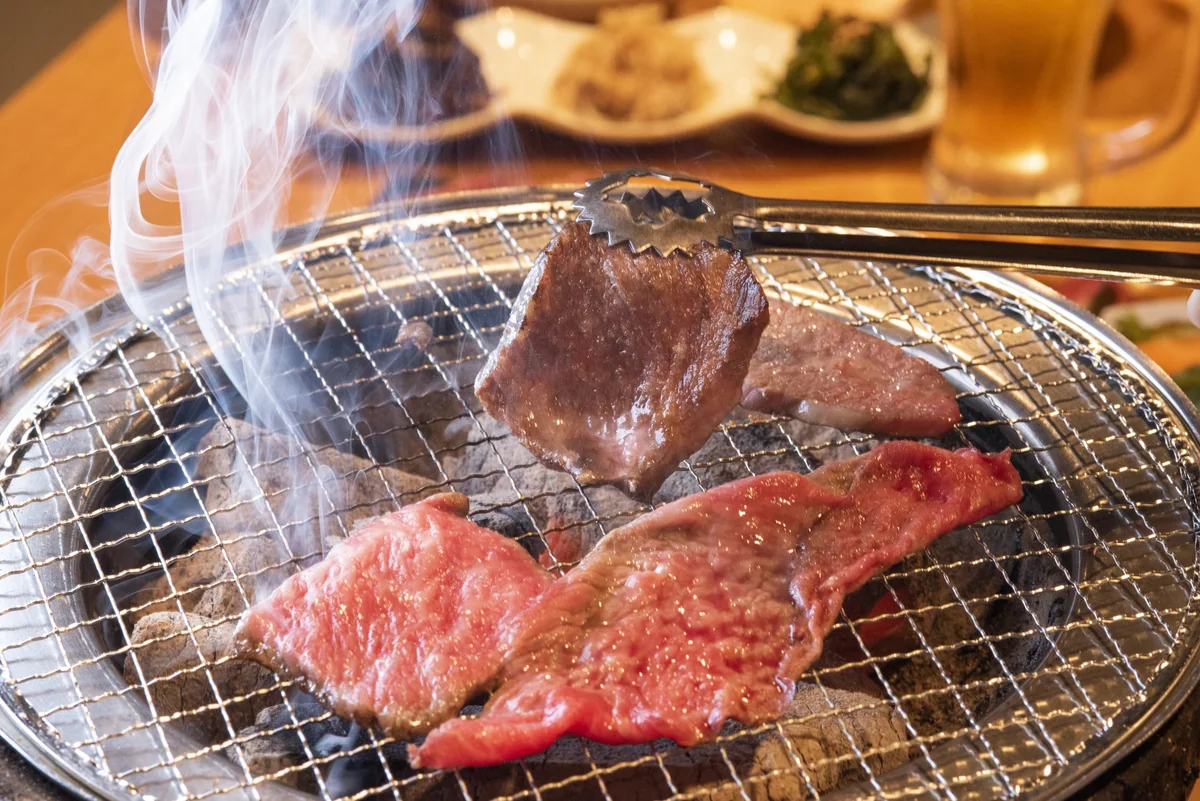
Japanese yakiniku is another of my personal picks. At many restaurants, you order plates of meat and cook them on a grill at the table, adding pieces as you eat. It gives dinner an activity of its own and suits an evening when you have time to settle in.
Yakiniku is the dining style; wagyu is a type of beef. A restaurant may serve wagyu alongside other beef or other meats. JNTO describes the tabletop format in its guide to enjoying Japanese beef. Read the actual cut and origin on the menu before paying a premium.
For a first order, a small assortment with clear descriptions is more useful than an unfamiliar list of cuts. Ask how many people it is intended to serve and whether rice, vegetables and drinks cost extra. An all-you-can-eat option has its own menu and time conditions; check those before choosing it.
First order: a modest assortment of cuts you recognize, plus rice or vegetables as wanted. Add more after you see the portions.
Where it fits: a dedicated dinner. Use the supplied cooking tongs separately from your eating utensils, follow staff guidance, and cook in small batches instead of crowding the grill.
Find yakiniku in Tokyo on Google Maps →
For a dedicated wagyu dinner, you can reserve a set-course meal at Yakiniku Nikunone in Shinjuku. Go directly to the restaurant at your booked time; this reservation covers a restaurant meal without a tour guide.
Wagyu Yakiniku Course at Nikunone
Book a wagyu-focused meal at Yakiniku Nikunone in Shinjuku. The listing offers a choice of set courses featuring A5 wagyu.
Best for
Travelers who want to reserve a dedicated Japanese barbecue meal in Tokyo.
Before booking
A specific seat type is not guaranteed. Check the selected course's ingredients and mention dietary restrictions when booking.
Reviews & activity details
Powered by GetYourGuide · we may earn a commission at no extra cost to you.
5. Yakitori: learn two useful seasoning words
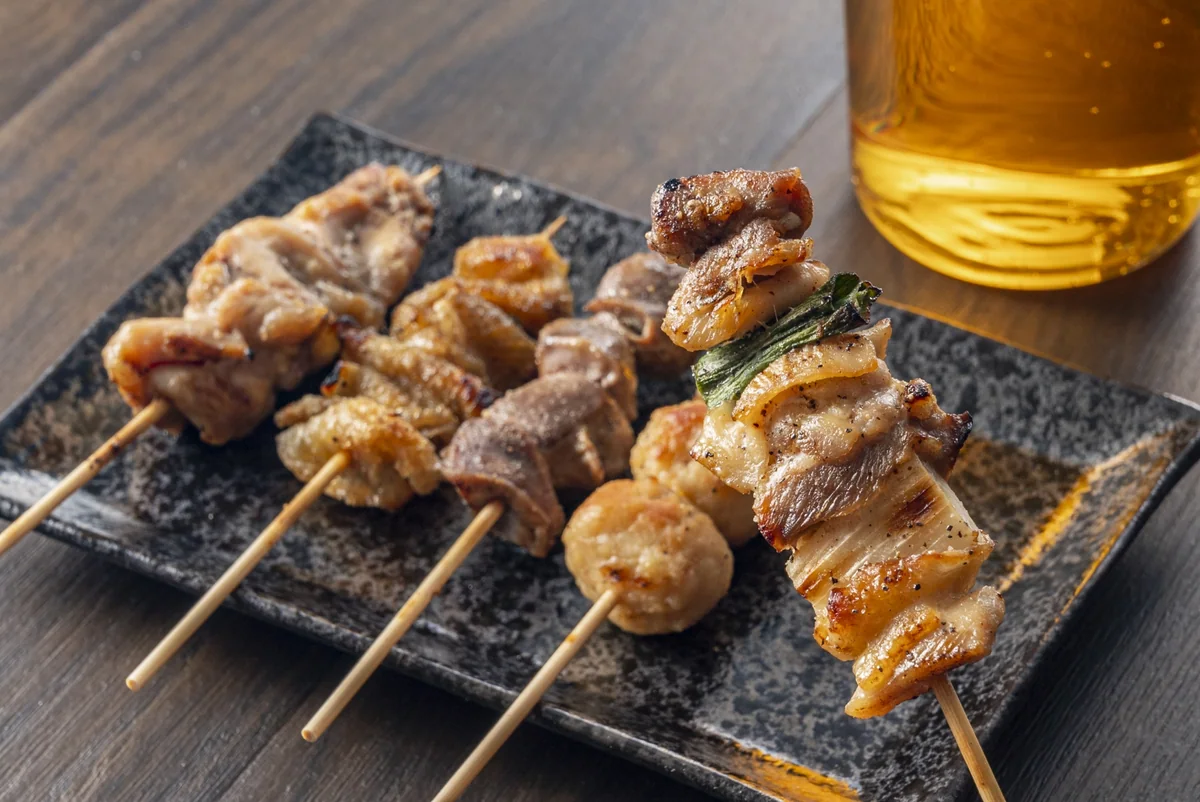
Yakitori is grilled chicken on skewers. You can make it a short stop for a few bites or build a dinner by ordering several kinds. It is especially approachable when you learn the difference between shio and tare: salt seasoning versus a savory-sweet sauce.
Negima, chicken with pieces of leek or scallion, is a useful starting point. Menus may also include skin, liver, hearts and other cuts, so ask about a mixed selection if you have strong preferences. JNTO's yakitori guide explains the range and the seasoning choices.
First order: negima with shio or tare. Check whether the displayed price is for one skewer or a portion of several before ordering for the table.
Where it fits: a casual evening at a specialist restaurant or izakaya. You can choose a nonalcoholic drink. Check any seating charge, compulsory appetizer or minimum order before you settle in. If navigating a small menu feels like work, a guided evening food walk can help you discover several dishes with explanations along the way.
6. Tempura: enjoy the contrast while it is fresh
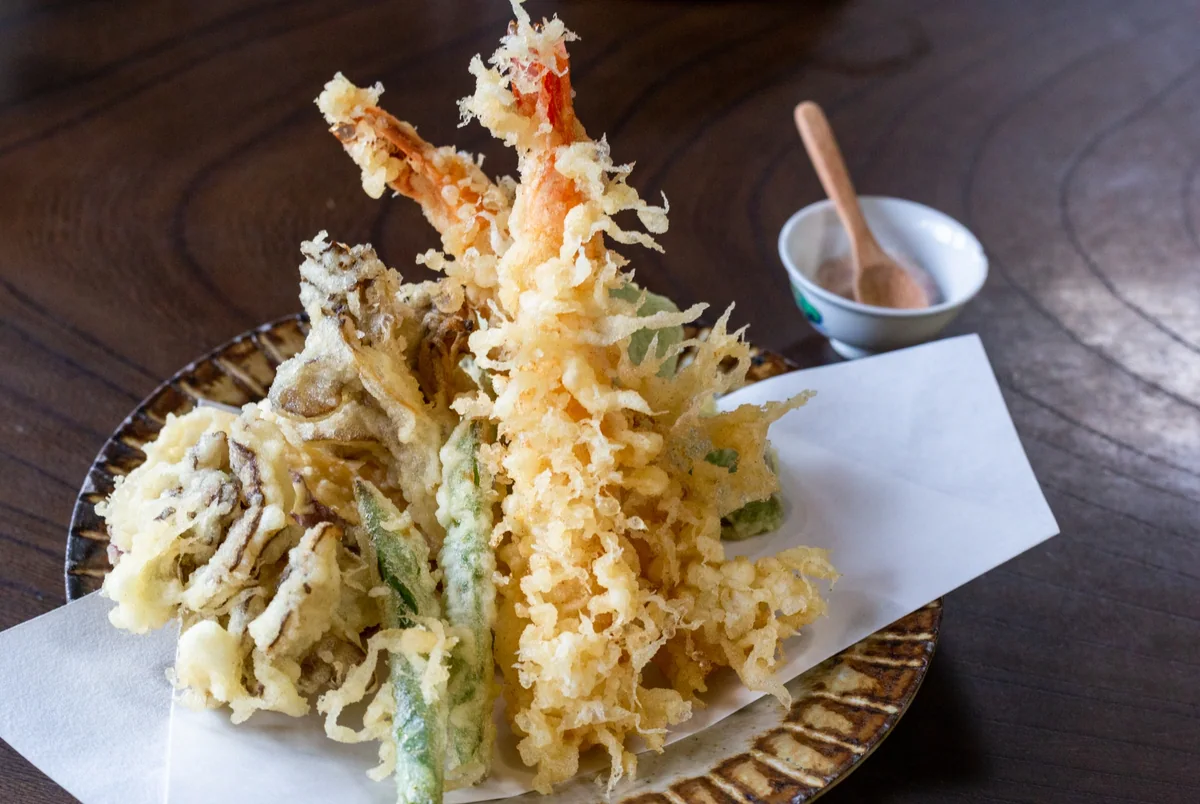
Tempura coats seafood or vegetables in batter before frying. It is a useful choice when you want cooked food and a mixture of ingredients, with a different texture from the breadcrumb coating on tonkatsu.
Choose a tempura set if you want the pieces served separately, or tendon for tempura over rice with sauce. A casual bowl and a specialist counter course can have very different prices and pacing, so decide which sort of meal you want first. Tenya's official menu shows examples of the bowls, sets and noodle combinations you might encounter.
First order: a mixed shrimp-and-vegetable set if those ingredients suit you, or a tendon bowl for an uncomplicated lunch. Check what comes with it before adding side dishes.
Where it fits: a meal between sightseeing stops. Eat the pieces while they are freshly served; a long photo session will not improve the coating. Vegetable tempura can be appealing even if you eat meat, but a vegetable selection alone does not establish that its batter, dipping sauce or preparation is vegan or suitable for an allergy.
Find tempura in Tokyo on Google Maps →
7. Takoyaki: leave room for a small Osaka snack
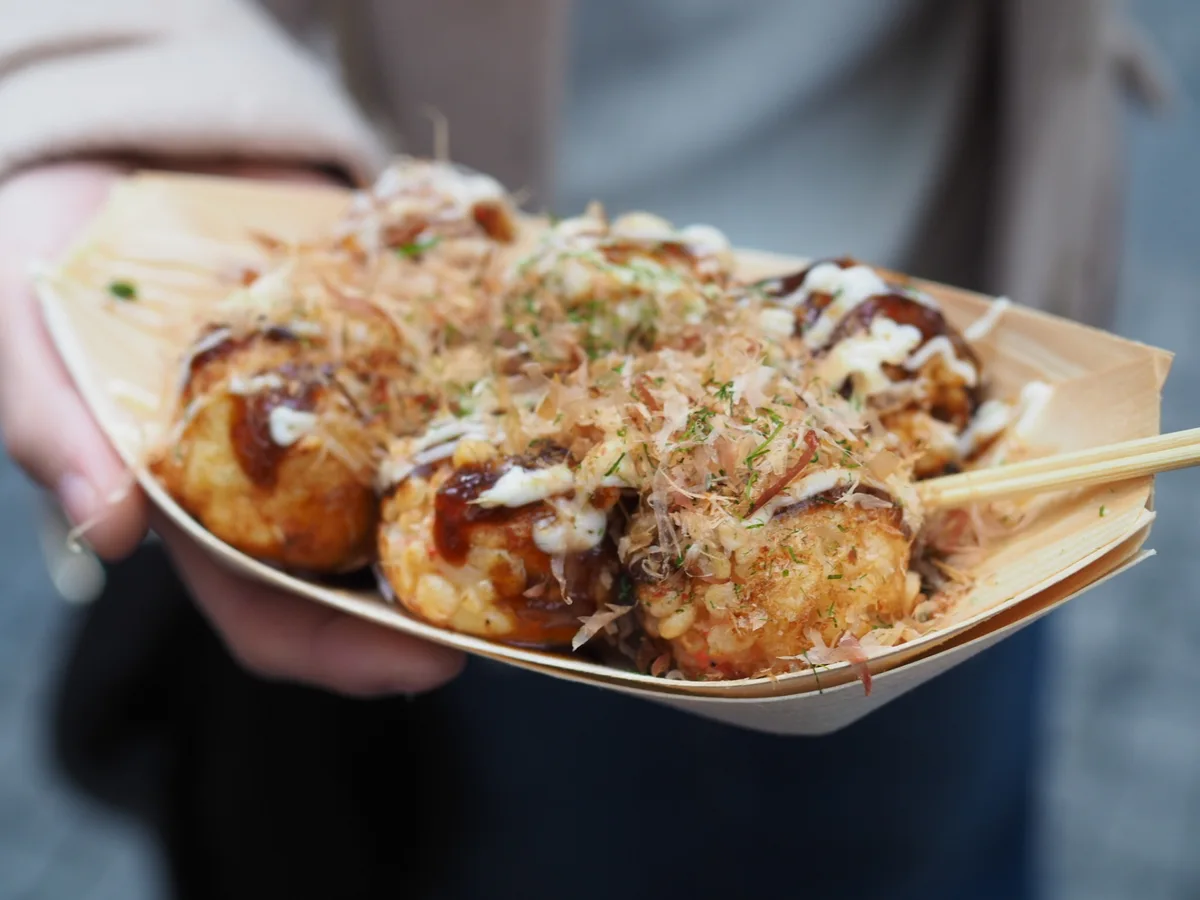
Takoyaki are round balls of batter with octopus inside, cooked in a pan with rounded molds. The center can be soft and very hot, even when the outside looks ready to eat. Give the first one a moment before taking a large bite.
You will see toppings such as sauce, mayonnaise, seaweed and bonito flakes, with variations between shops. The name includes tako, octopus: this is not a plain vegetable snack. Kintetsu's introduction to Osaka's food specialties groups takoyaki with okonomiyaki and kushikatsu as dishes to try in the city.
First order: a small standard tray. Decide whether it is a snack to share or something each person wants separately before buying a large portion.
Where it fits: a break while exploring Namba or another Osaka neighborhood. Use the shop's designated eating area and follow its directions about rubbish. Leave space for dinner if you are also planning a food tour; repeated snack stops can add up to a full meal before the evening begins.
8. Okonomiyaki: a filling meal from the griddle
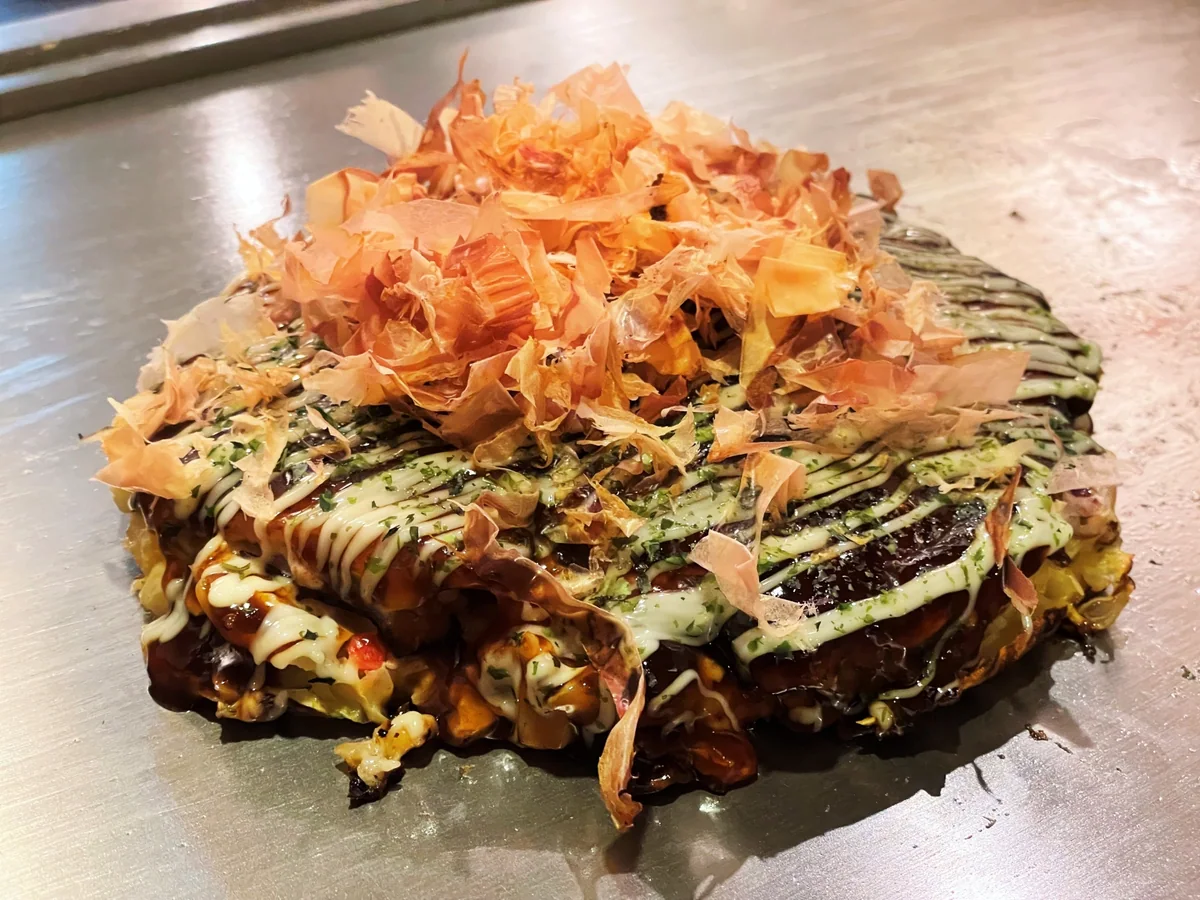
Okonomiyaki brings cabbage, batter and other ingredients together on a hot griddle. Sauce and toppings finish a meal that can be much more substantial than its appearance in a street-food photograph suggests.
There are regional differences. In the Kansai style associated with Osaka, ingredients are mixed into the batter; Hiroshima-style versions build layers and usually include noodles. JNTO's okonomiyaki guide explains the distinction. Try the local style where you are rather than treating one as the only correct version.
First order: a classic pork version if you eat pork, or another clearly described option. Confirm the ingredients in the batter and toppings if you avoid meat or seafood.
Where it fits: a proper lunch or dinner, especially in Osaka. At a restaurant with a griddle in front of you, ask whether staff cook the pancake or expect you to do it. The hot surface may simply keep the finished food warm. Start with a sensible amount and ask about sharing if you want to try more than one variation.
Find okonomiyaki in Tokyo on Google Maps →
9. Kushikatsu: choose a few skewers, then add more
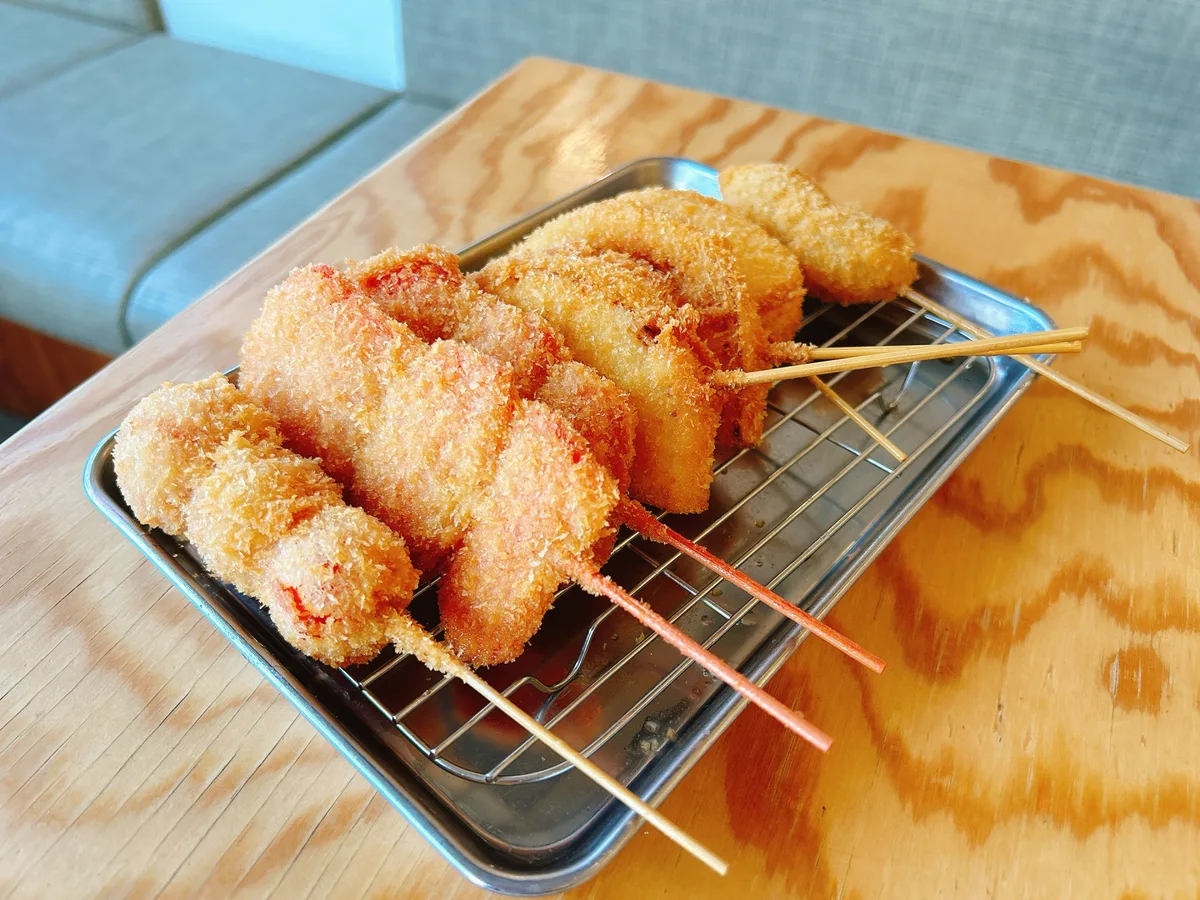
Kushikatsu puts pieces of meat, vegetables or other ingredients on skewers, coats them and fries them. It is an easy format for trying several things without committing to a full plate of each, and Shinsekai is a natural Osaka area to consider for it.
Look at the filling as well as the price. Several skewers can look similar once coated, so a photo menu or an explanation from staff is useful. A mixed set is convenient if you like its contents; ordering individually gives you more control.
First order: a few recognizable meat and vegetable skewers, then add something else if you are still hungry. Check whether rice, sides and drinks are separate.
Where it fits: a meal around Shinsekai or part of a guided food walk. Follow the restaurant's sauce setup. If there is a shared dipping container, do not put a bitten skewer back into it; other restaurants provide bottles or individual portions.
Our Osaka food-tour guide compares Shinsekai, Dotonbori and Kuromon options, including what you pay for food separately. It also helps you decide whether an independent outing is the better fit.
10. Wagashi: make time for a Japanese sweet
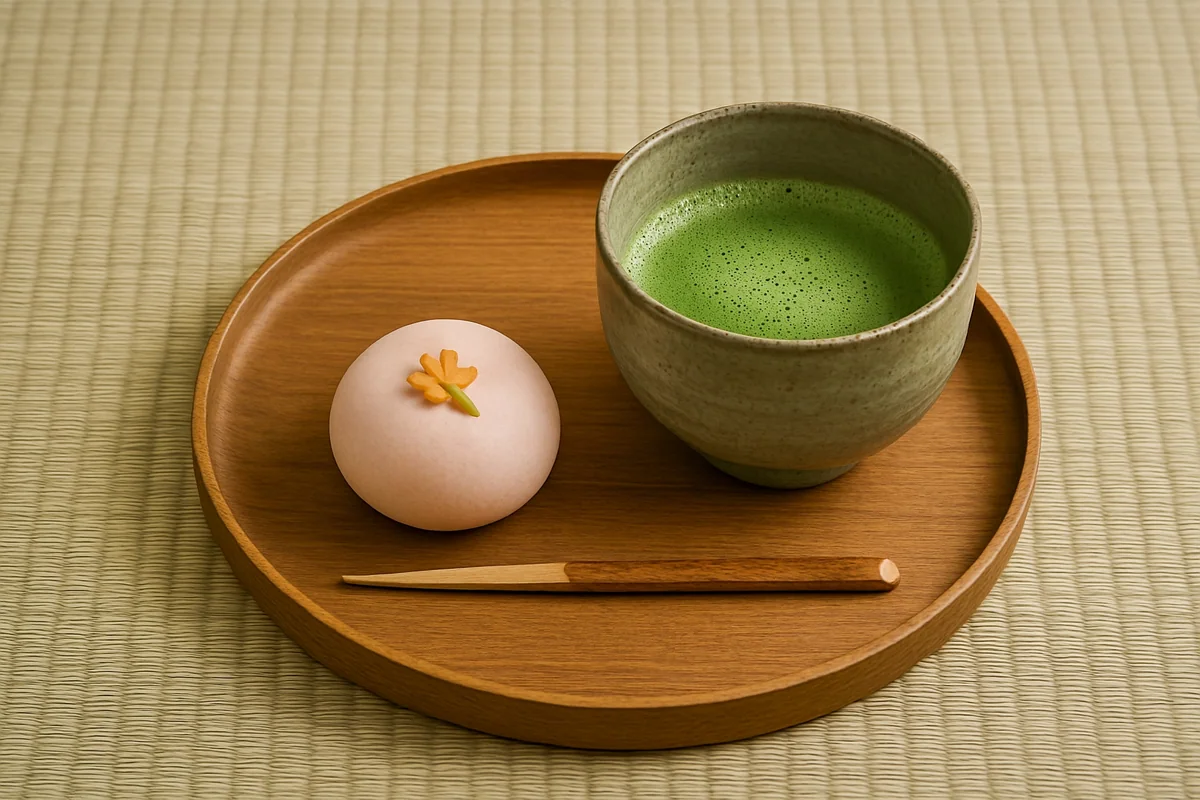
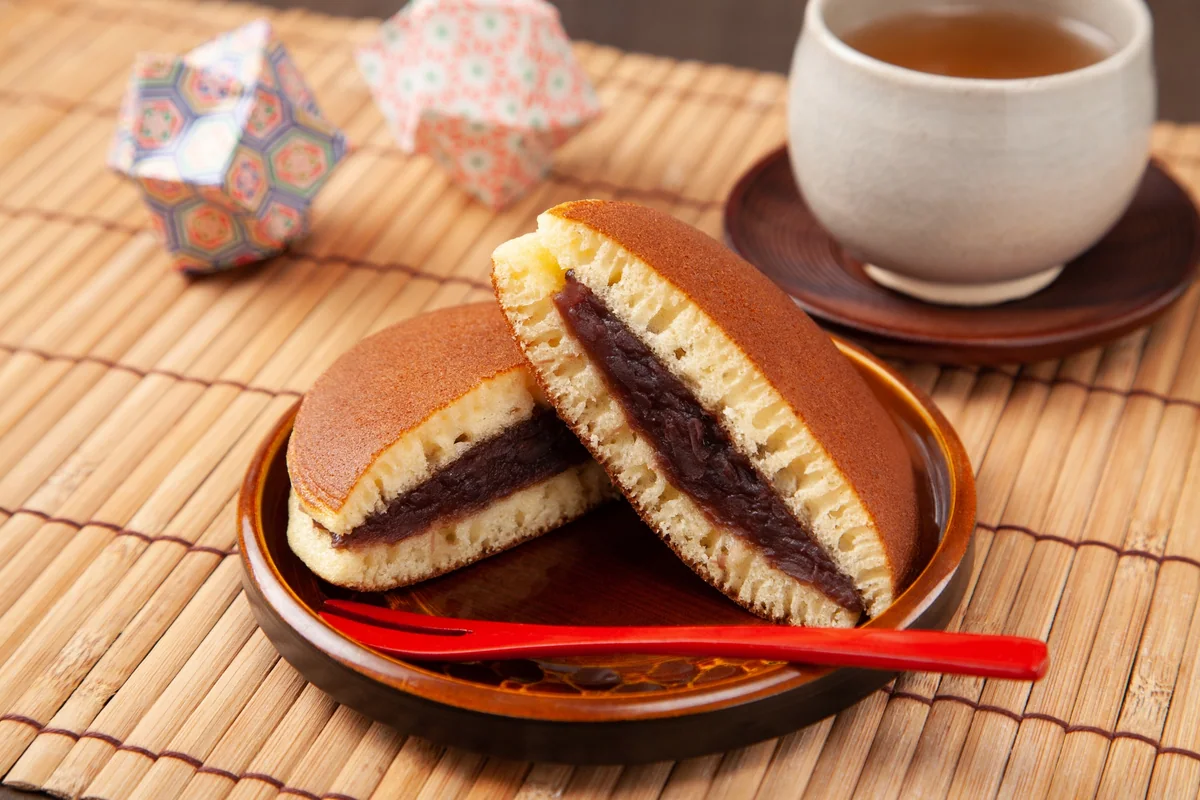
Wagashi, traditional Japanese sweets, completes my three personal picks alongside tonkatsu and yakiniku. It gives you a reason to pause during a day of walking, whether you choose something small from a shop or sit down for tea.
For an easy introduction, consider daifuku, a soft mochi sweet with a filling, or dorayaki, two small pancakes around a filling such as sweet bean paste. Nerikiri is a more delicate option, shaped and colored to express the season. The Tokyo Wagashi Association's guide explains these different forms.
First order: choose one sweet whose texture appeals to you, with tea if you would like it. If bean paste is new to you, try a small piece before buying a large gift box. Recipes vary, so check ingredients rather than assuming every traditional sweet is vegan.
Where it fits: an afternoon break in Kyoto, Tokyo or another town on your route. For something more structured, our Kyoto and Uji tea-experience comparison explains the difference between a casual tea stop and a guided session. Check whether a sweet is included in the specific experience you book.
A practical food budget for your first trip
For days built around casual meals, our suggested planning allowance is ¥4,000–6,000 per adult per day, excluding alcohol, food tours and special dinners. This is an editorial allowance for arranging your trip, not a national average or a promise about restaurant prices. Set aside a separate amount for a premium yakiniku dinner or a sushi course.
For one official price example, IPPUDO's Umeda Hanare announcement lists its branch-specific extra-rich Shiromaru ramen at ¥1,000 including tax. This is one menu item at a specific branch, not a nationwide ramen price. The announcement was checked on October 31, 2026; verify the current branch menu before ordering.
A workable approach is to choose one meal you particularly care about each day, then keep the other meals flexible. Budget for the whole order: extra noodles, multiple skewers, drinks and seating charges can change the total. For your wider transport and accommodation spending, use our Japan trip budget guide.
Turn your food wish list into an experience
Go independently when you enjoy choosing restaurants, want to control the bill or already know what to order. Consider a food tour when you would value someone explaining the dishes, organizing several stops and helping with the menu. You are paying for that guidance and coordination as well as any included food.
Tokyo: choose a market visit or an evening of food stops
A daytime market outing and a night in an izakaya district offer different experiences. Pick according to the time you have and the kind of food you want, then check the actual stops and inclusions. A tour called a food walk can still require you to buy the food separately.
Start with our Tokyo food tours compared. The guide separates market, evening and sushi-making formats, so you can choose a way of eating that fits your day. It does not mean every tour serves all ten foods in this article.
Osaka: make food the main plan for one evening
If the takoyaki and kushikatsu sections caught your attention, a Shinsekai food tour is one way to explore several stops with an English-speaking guide. The booking listing checked for this guide describes three hours, food at five venues and three drinks. It lists the experience as unsuitable for vegans and people with gluten intolerance. Ask about other dietary requirements before paying.
Shinsekai Food Tour in Osaka
Explore several Shinsekai food stops with an English-speaking guide. Check the exact menu and selected departure before booking.
Best for
Visitors who want a guided evening with several food stops and can eat the listed menu.
Before booking
The listing excludes vegans and people with gluten intolerance; a group route also gives you less control over stops and portions.
Reviews & activity details
Powered by GetYourGuide · we may earn a commission at no extra cost to you.
Prefer to compare areas first? Our Osaka food-tour comparison also covers independent eating and walks where food costs extra. Keep the earlier part of the day light enough that you can enjoy the meal.
Kyoto: make something you can try again at home
A cooking class makes sense when you want to learn a technique as well as eat. For example, MagicalTrip's Kyoto ramen and gyoza class describes kneading and cutting noodles. Check how much each participant prepares, the teaching language, dietary arrangements and what you eat afterward.
For sushi making alongside other indoor options, see our Kyoto rainy-day activity guide. You can book a class in good weather too. Treat it as a meal and an activity in your itinerary, leaving time to reach the venue and enjoy what you make.
A few habits that make eating easier
Check a restaurant's opening hours, last-order time and reservation rules for your date. If a place is full, a nearby alternative can be more useful than reorganizing the day around a queue. Keep a little cash available and follow the shop's ordering system.
For a meal you want to book ahead, our restaurant reservations in Japan guide explains English booking routes, fees and how to check that your table is confirmed.
For dietary needs, describe the ingredients you must avoid, including stocks and sauces. JNTO's vegetarian and vegan guide highlights why a dish's visible ingredients may not tell the whole story. For an allergy, confirm ingredients and preparation directly with the restaurant or tour operator; a photograph or a dish name cannot establish suitability.
Choose a few foods you are excited about and put them into the route you already want to travel. Our first-time Japan guide and seven-day itinerary can help with the rest of the planning. Leave an afternoon open for a sweet shop you notice, and enough appetite for the dinner you have been looking forward to.
Frequently Asked Questions
Start with sushi, ramen, tonkatsu, yakiniku, yakitori, tempura, takoyaki, okonomiyaki, kushikatsu and wagashi. Pick according to your appetite and dietary needs: takoyaki and a small sweet fit between meals, while yakiniku works well as a dedicated dinner.
Tonkatsu, ramen, yakitori, tempura, okonomiyaki and yakiniku provide plenty of cooked-food choices. Sushi also includes cooked toppings and vegetable rolls. Check individual ingredients, stocks and sauces if your concern is an allergy or avoiding an ingredient entirely.
Yes. Kaiten-zushi lets you try a few individual plates and order more as you find favorites. Depending on the restaurant, you may take plates from a circulating belt or order on a screen for delivery to your seat. Check each item's price, the number of pieces and the shop's instructions; prices and ordering systems vary.
For a trip built around casual meals, our suggested allowance is 4,000–6,000 yen per adult per day, excluding alcohol, tours and special dinners. This is an editorial planning allowance rather than a national price average. Choose actual restaurant menus to refine it, and budget separately for a premium yakiniku meal or a sushi course.
No. Yakiniku describes a style of grilled-meat dining, often with a grill at your table. Wagyu describes particular Japanese cattle breeds and their beef. A yakiniku menu may include wagyu, other beef and other meats, so check the description of the cut you order.
Consider one if you want a guide to select several stops, explain dishes and help with ordering. Independent eating gives you more control over portions, spending and restaurant choices. Check whether the exact tour option includes food and drinks; a market walking tour can charge separately for both.
Some are, but the category is not a guarantee. Ingredients differ by sweet and maker, and recipes can include eggs, dairy or other animal ingredients. Check the actual product, especially fillings and coatings, rather than relying on the word wagashi or its appearance.

Written by
JAPANODE
Based in Japan, sharing practical travel tips, local food favorites and guides for first-time visitors.
You Might Also Like
 Food & Drink
Best Osaka Food Tours: Food Walks, Bar Hopping and DIY
11 min read
 Culture
6 Best Tea Ceremony Experiences in Kyoto (2026 Comparison)
17 min read
 Food & Drink
Best Tokyo Food Tours: Shinjuku, Tsukiji & Sushi Classes
10 min read
 Planning
First Time in Japan: 15 Things You Need to Know Before You Go
19 min read