On this page
A river between wooden inns, their windows glowing above the snow. A city evening that ends over something hot to eat. A table inside a hut made of snow. Winter in Japan gives you plenty of reasons to put on your coat and go outside.
These seven winter experiences in Japan are for travelers who want snowy scenery, good food and a few days that feel different from the rest of their trip. Every one can be enjoyed without skiing. Some call for an overnight stay; others can become a memorable afternoon along a route you already have in mind.
Choose one or two that make you want to be there. January and February are useful starting points for a snow-focused trip, but each place has its own season and booking arrangements. The notes below help you turn a favorite scene into a plan. Our Japan winter clothing guide takes care of what to wear once you have chosen where to go.
For help choosing the month, fitting a snow-country stay into your route and booking around New Year, start with our Japan winter travel guide.
Some booking links below are affiliate links. JAPANODE may earn a commission if you book through them, at no extra cost to you. Tour suggestions are based on the listed itineraries, not our personal participation.
1. Ginzan Onsen: An Evening Between Snow and Glowing Inns
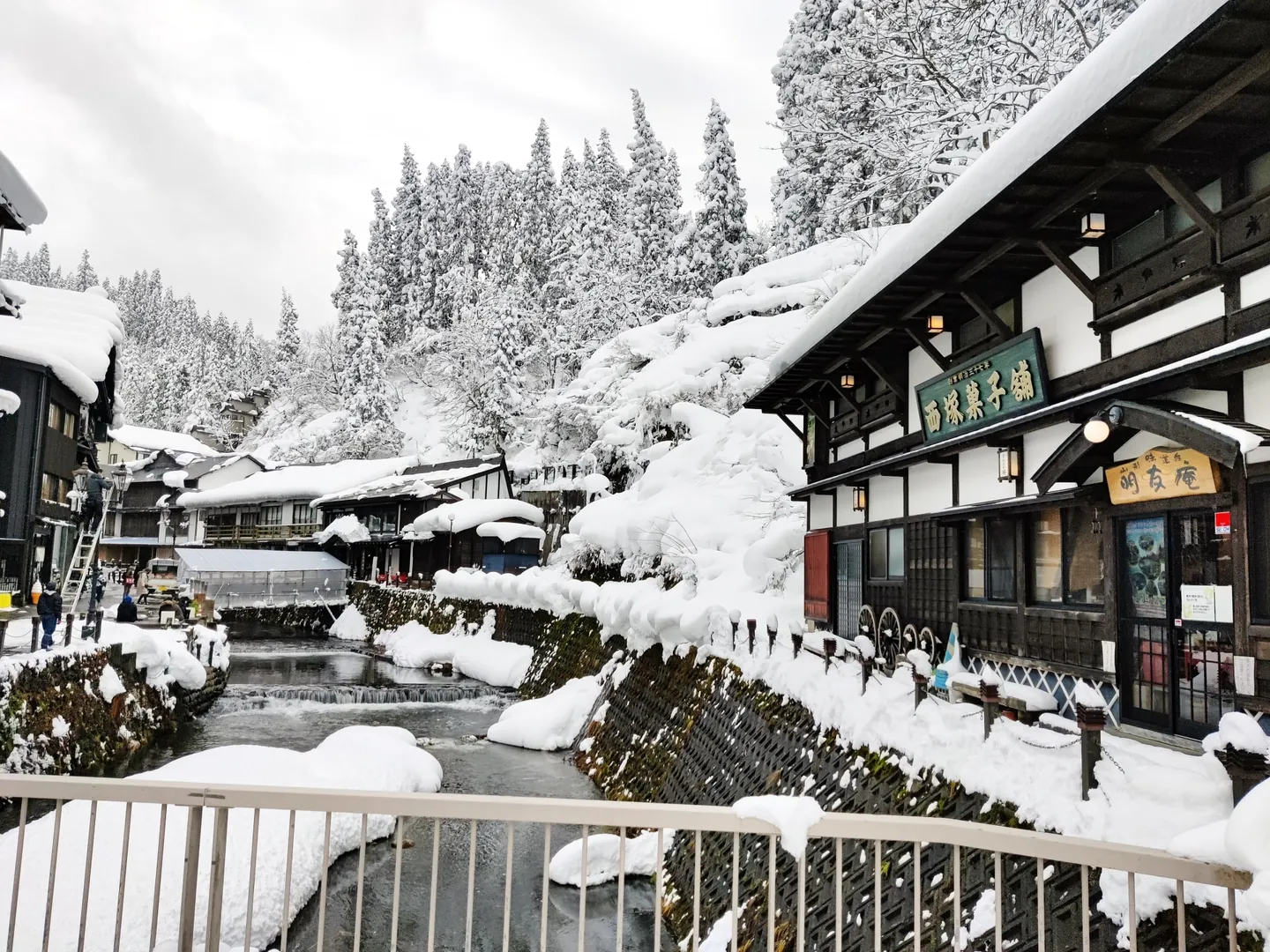
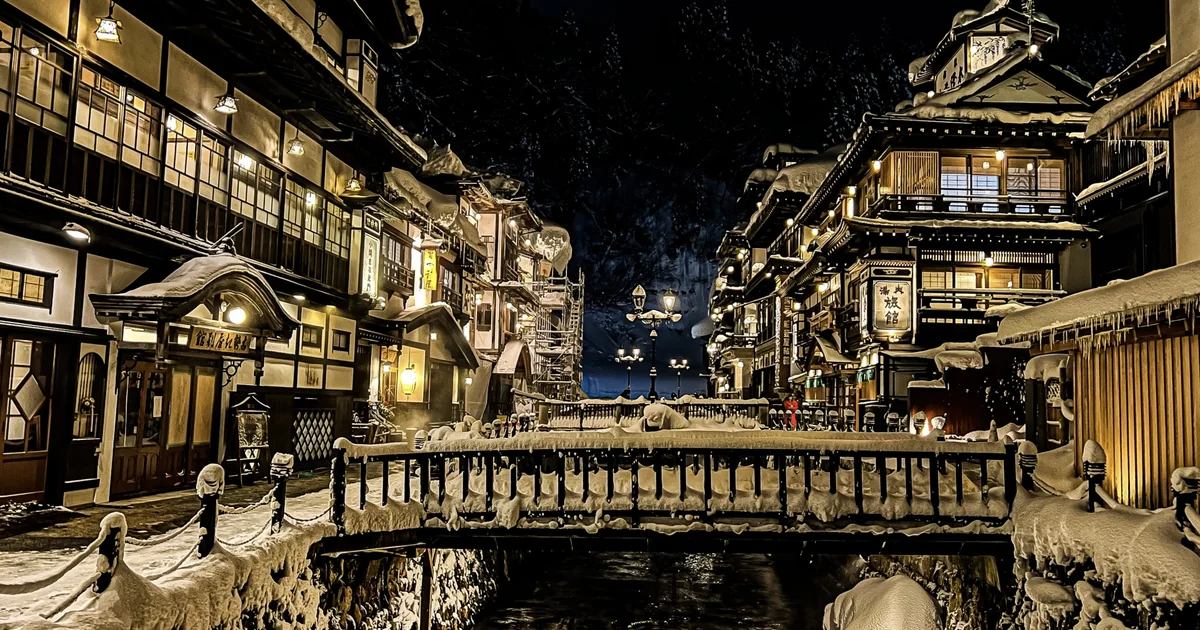
Arrive while you can still see the details of the wooden buildings. Watch the sky darken and the lamps come on beside the river. When snow settles on the roofs and bridges, the warm windows become the part of the scene your eye keeps returning to.
That is the evening to come for in Ginzan Onsen, a small hot-spring town in Yamagata. Its wooden inns and gas-lit riverside are the attraction, so give yourself time to look at them. Cross a bridge, look back along the water, and let the view change as daylight fades.
An overnight stay gives the walk a lovely ending: your own inn, a hot bath and dinner. Choose a property and meal plan you look forward to spending time in. A room overlooking the river, a private bath and dinner included are separate features to check; each can change the kind of evening you have. Our guide to Japanese accommodation types explains what to look for in a ryokan booking.
Before paying for a stay, check the inn's cancellation terms and what happens if you cannot reach it. Our Japan trip cancellation insurance guide helps you compare booking refunds with the questions to ask your insurer about weather-related disruption.
Plan the visit: allow one night if you want the inn experience. Oishida, on the Yamagata Shinkansen, is the rail gateway; arrange the onward journey with your accommodation or chosen transport provider. If you are visiting for the scenery alone, settle entry and return transport before choosing the evening.
Ginzan has used winter visitor controls and park-and-ride arrangements. Its January 2026 access notice describes the previous winter's system; the general rules for winter 2026–27 were not confirmed in the sources checked for this article. TENDO DAYS has announced plans for an upcoming winter excursion from Tendo Onsen, but check booking availability, language and inclusions for the exact product. An excursion ticket does not give you a room or bath at a Ginzan inn.
For a trip centered on Kyoto and Osaka, Kinosaki Onsen is another winter-stay option. Baths, a town walk and a crab dinner can give a night there its own appeal. Pick a plan that includes the meal you want.
2. Sapporo and Otaru: A Big City in Snow, Then a Canal at Dusk
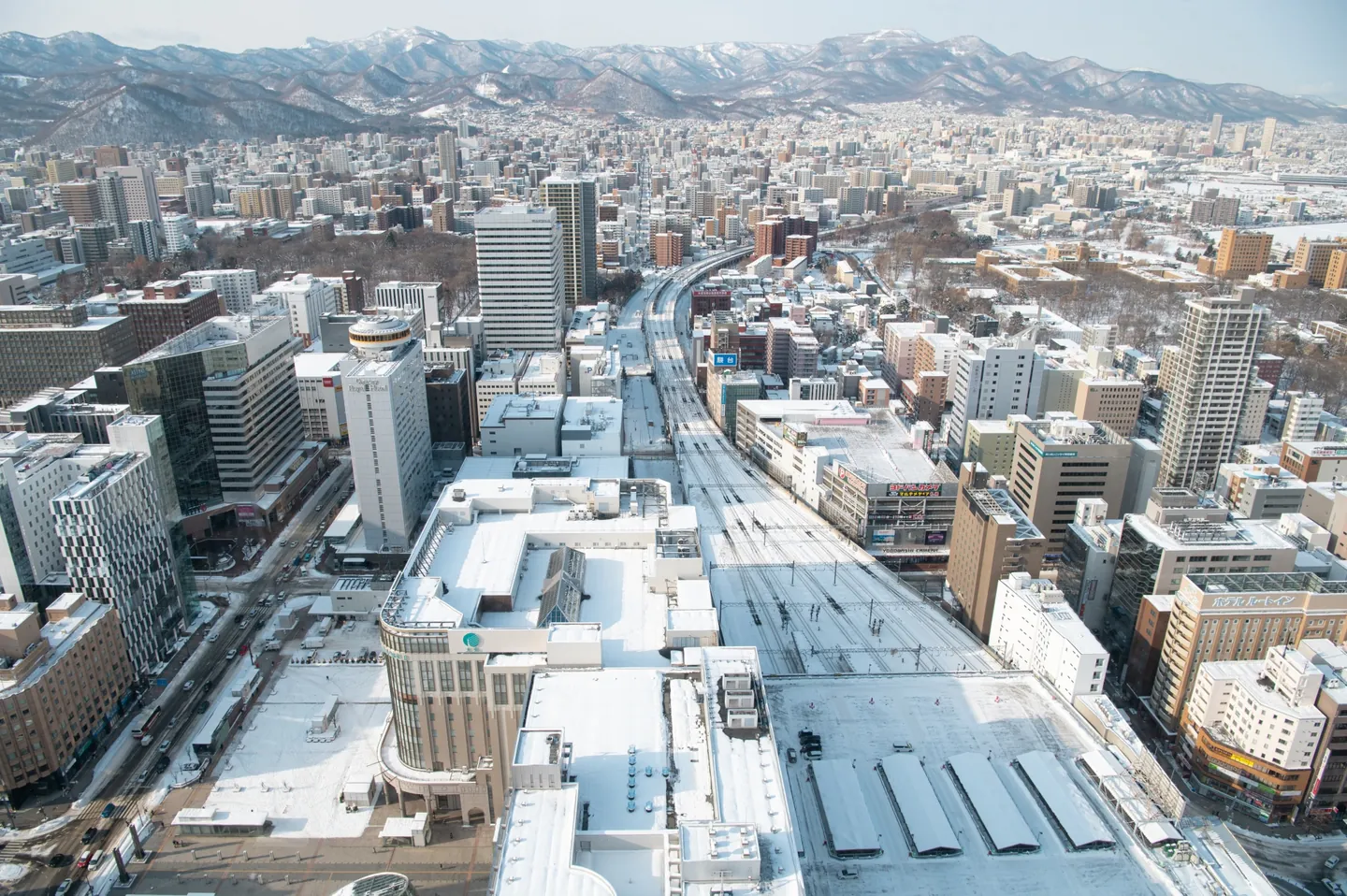
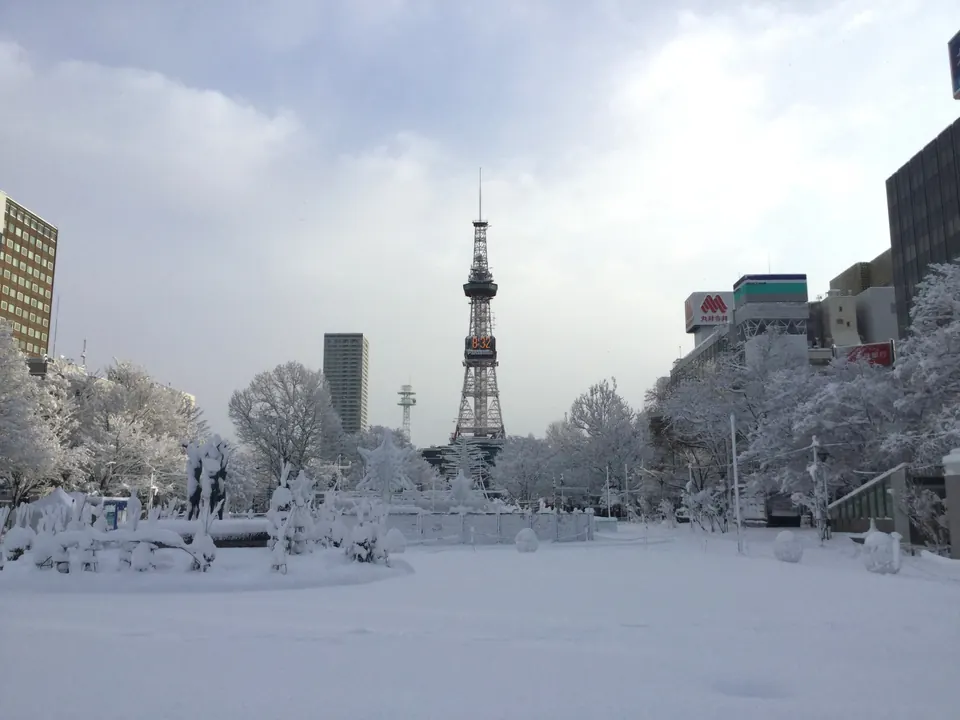
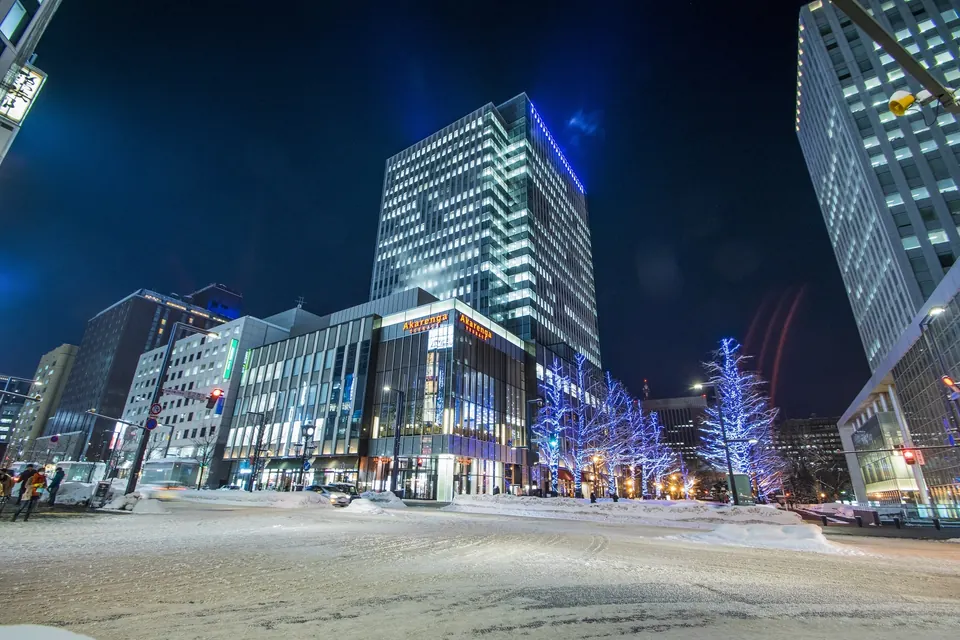
In Sapporo, snow belongs in a city scene: office buildings beyond a white park, people heading out for dinner, shops to step into when your fingers get cold. You can enjoy a full city break with winter all around you.
Snow has a different place in my memories of Tokyo. Even a little feels like an event, with the city making a fuss in all sorts of ways. Sapporo is a chance to see a large Japanese city where snow is part of everyday winter life. Its official winter guide is a useful introduction to the season's city outings and food.
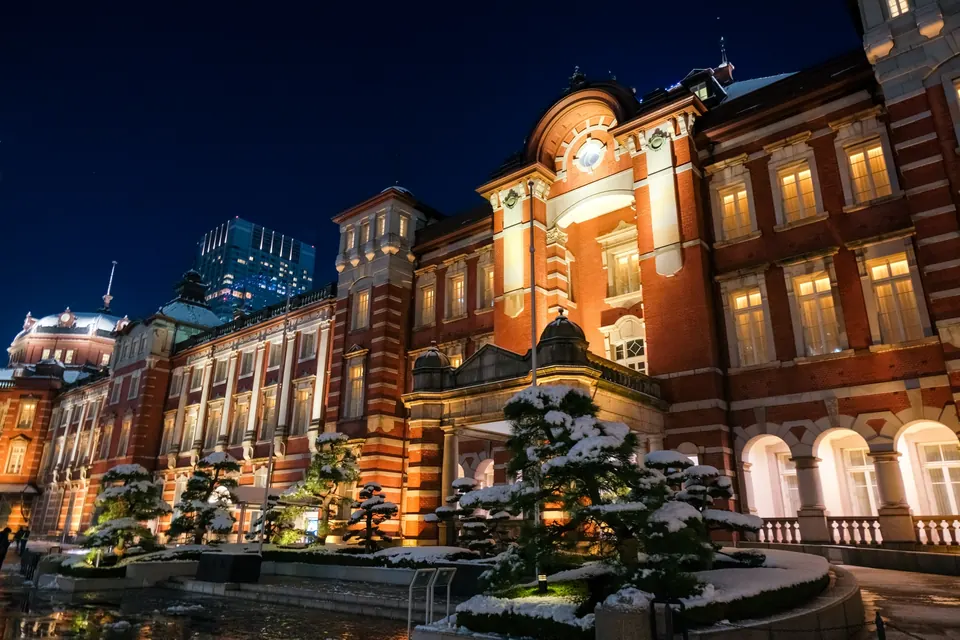
Start with a walk around Odori Park, where the open space lets you see the snowy ground against the surrounding buildings. Then build the day around places you want to go inside: lunch, a shop, a café, dinner. Warm breaks belong in this itinerary. Leave enough energy to enjoy the streets again after dark.
Taste Three Mini Bowls of Ramen in Sapporo
Three shops, three smaller bowls
Best for
Travelers who want a guide to help them compare three mini bowls at different ramen shops.
Before booking
Expect walking between shops, around 3 km in total. Broths use animal ingredients; check dietary requirements before booking.
Why it may fit
Compare three smaller bowls at different ramen shops with a guide, making a meal part of your city outing.
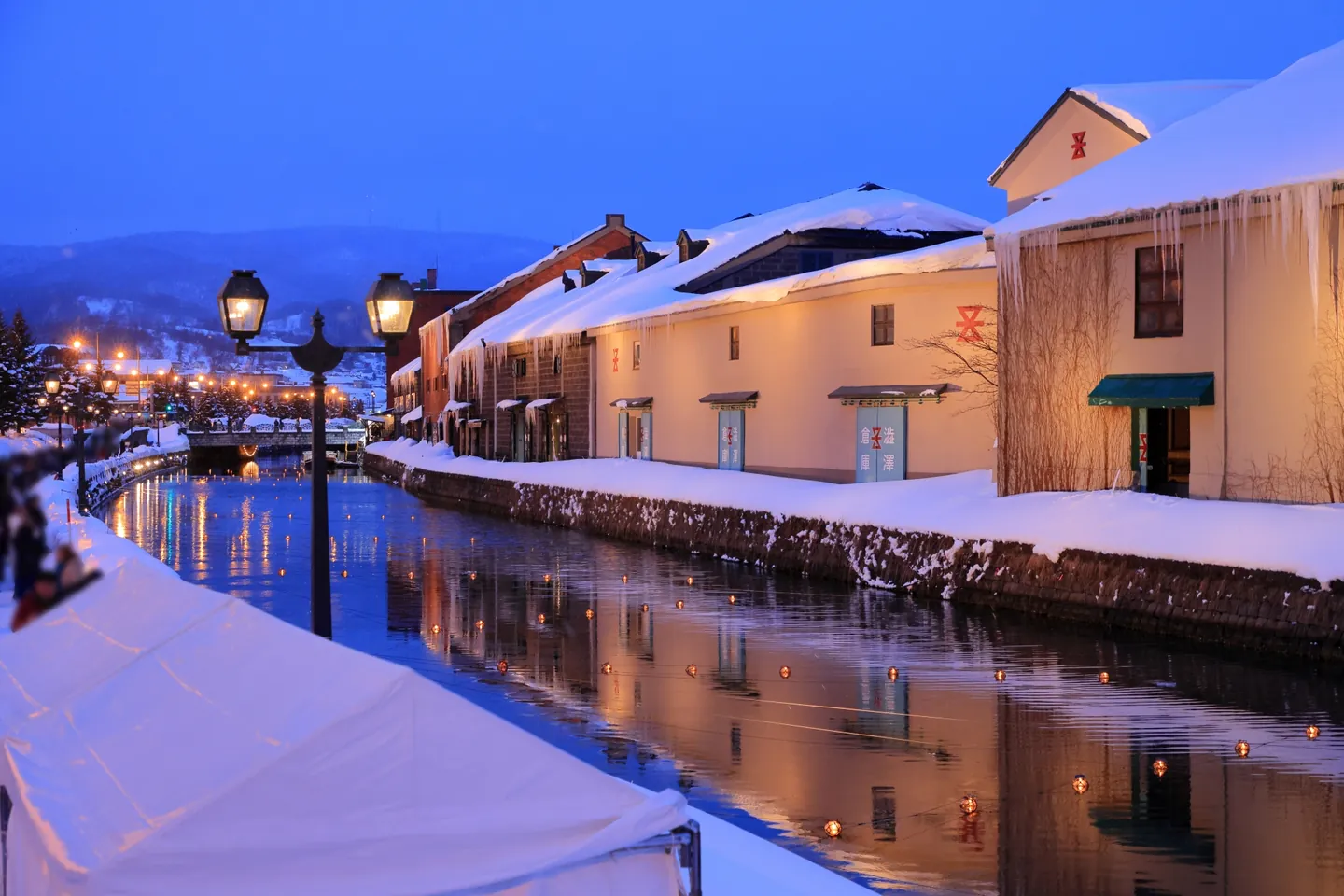
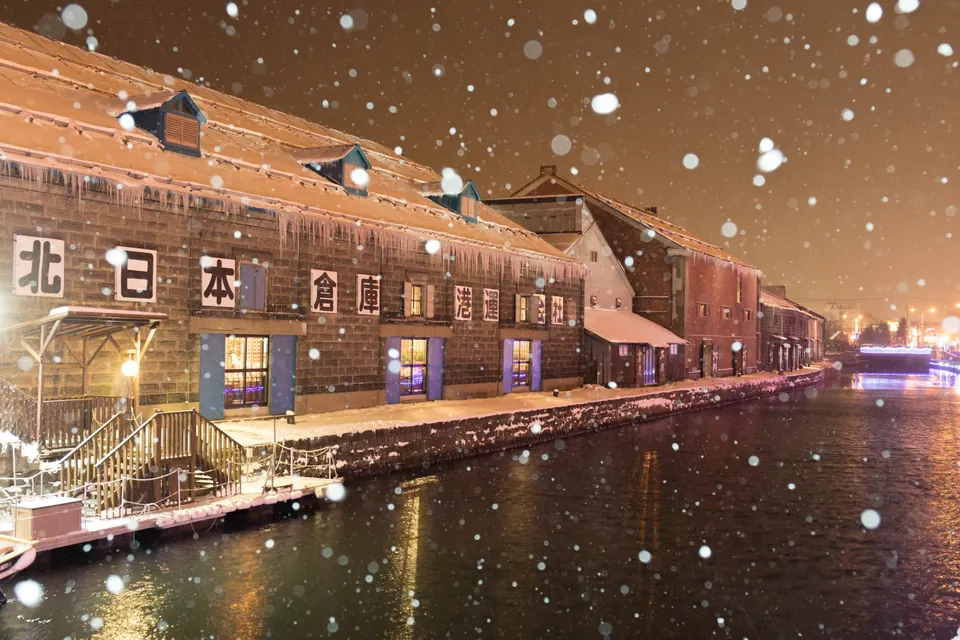
On another day, take the train to Otaru and stay until the canal lights come on. The stone warehouses, water and snowbanks make a much smaller scene than Sapporo's city center. Visit in daylight, stop somewhere warm, then return for dusk. The canal's gas lamps and warehouse lighting begin around sunset; you can plan an evening around them without needing a festival ticket.
Plan the visit: give Hokkaido several nights, with a Sapporo city day and an Otaru afternoon that continues into the evening. JR Hokkaido's route information connects New Chitose Airport, Sapporo and Otaru. Check the destination before boarding at Sapporo: some westbound trains finish before Otaru. From Otaru Station, the tourism association puts the canal at about a ten-minute walk; allow longer on icy streets.
A canal photograph filled with candles, or a Sapporo photograph dominated by snow sculptures, shows a particular event. Check its dates if that is the scene you want. For this trip, the everyday winter streets are already worth leaving the hotel for.
Otaru with an English-Speaking Guide
Choose a daytime or evening walk
Best for
Travelers who want the stories behind Otaru's buildings and canal.
Before booking
Choose an evening option for the canal after dark. Meet in Otaru and arrange your own journey from Sapporo; this is not a festival package.
Why it may fit
Explore the port town on foot with a guide. The listing offers daytime and evening routes.
3. Shirakawa-go: Walk Through a Village Shaped by Snow
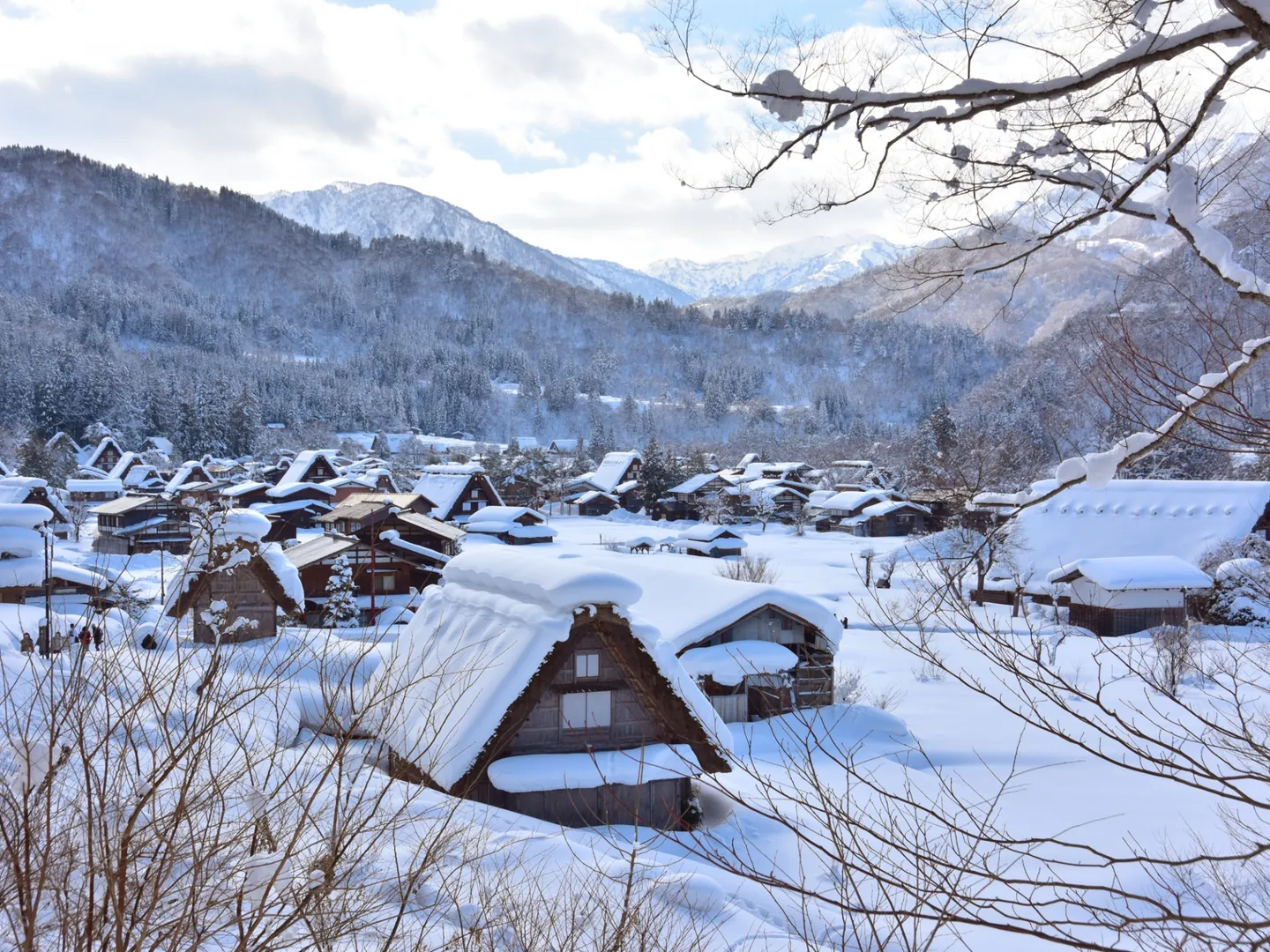
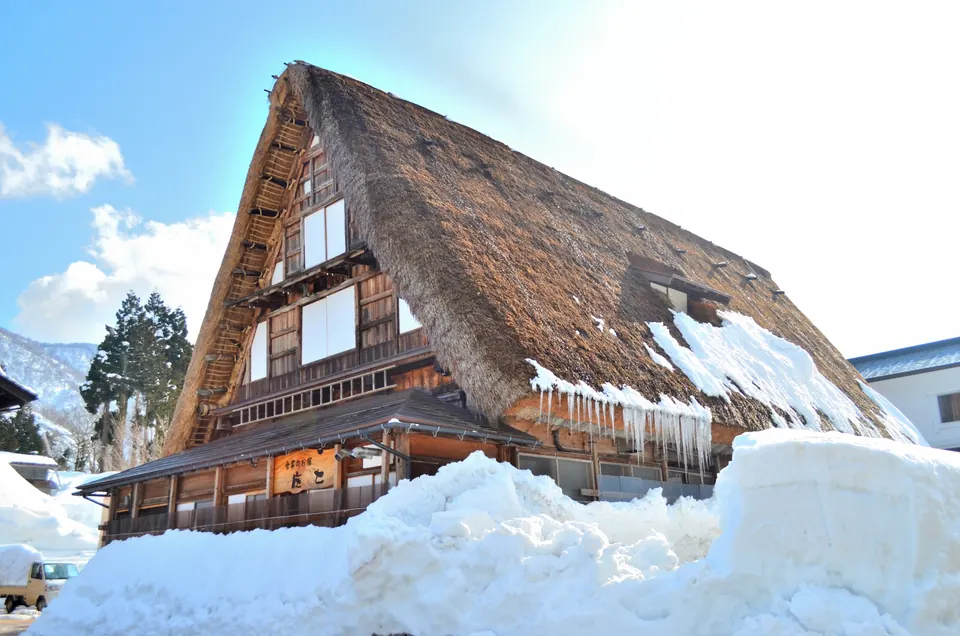
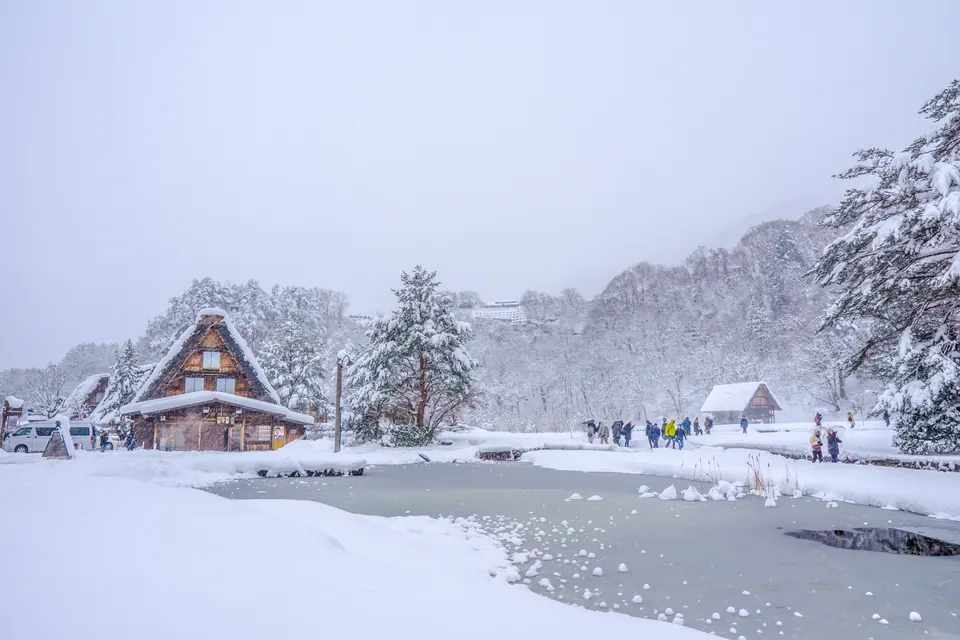
The steep roofs give Shirakawa-go its unmistakable outline. Snow gathers around the dark timber and thatch, making the shape of each house stand out. Look across the village, then come closer: the scale changes when you are walking beside one of those roofs.
In Ogimachi, the village area most visitors come to see, make time for both the streets and a house open to the public. The tourism association's visitor-facility listings include houses where you can see the structure from inside. Check opening arrangements for the one you choose. Understanding how a building fits together adds something a wide landscape photograph cannot show.
A daytime visit works well for this. Choose a few public paths, look at individual houses, and stop for lunch before your bus onward. People live here, so keep private entrances clear and follow the signs marking visitor areas. You are walking through a village with a daily life of its own.
Plan the visit: use Kanazawa or Takayama as a starting point and arrange the bus journey both ways. The Kanazawa–Shirakawa-go service requires reservations; Nohi Bus explains the services from Takayama and their reservation rules. Keep a generous margin before your next train. For snowy scenery, the local seasonal FAQ gives late December through late February as the usual period of accumulating snow.
The famous winter light-up is a separate, reserved event. The official 2027 announcement lists January 11, 17, 24 and 31, from 17:30 to 19:30. You need an advance reservation; arriving in the village during the day does not entitle you to stay for the event. If the view from above is your reason for coming, check that your booking specifically includes the observation area. Nohi's light-up bus options distinguish village visits from plans with observation-area admission.
Choose daylight for time among the houses, or reserve a light-up visit for the illuminated scene. Both deserve their own place in the calendar.
Shirakawa-go Morning Tour from Kanazawa
A village outing with the bus journey arranged
Best for
Kanazawa-based travelers who prefer a guided daytime visit.
Before booking
The tour finishes near Kenrokuen, rather than back at Kanazawa Station. It does not include the winter light-up; check the return arrangements for your date.
Why it may fit
Have the bus journey arranged and explore the village with a guide on a morning outing from Kanazawa.
4. The Tadami Line: A Window Seat in Snow Country
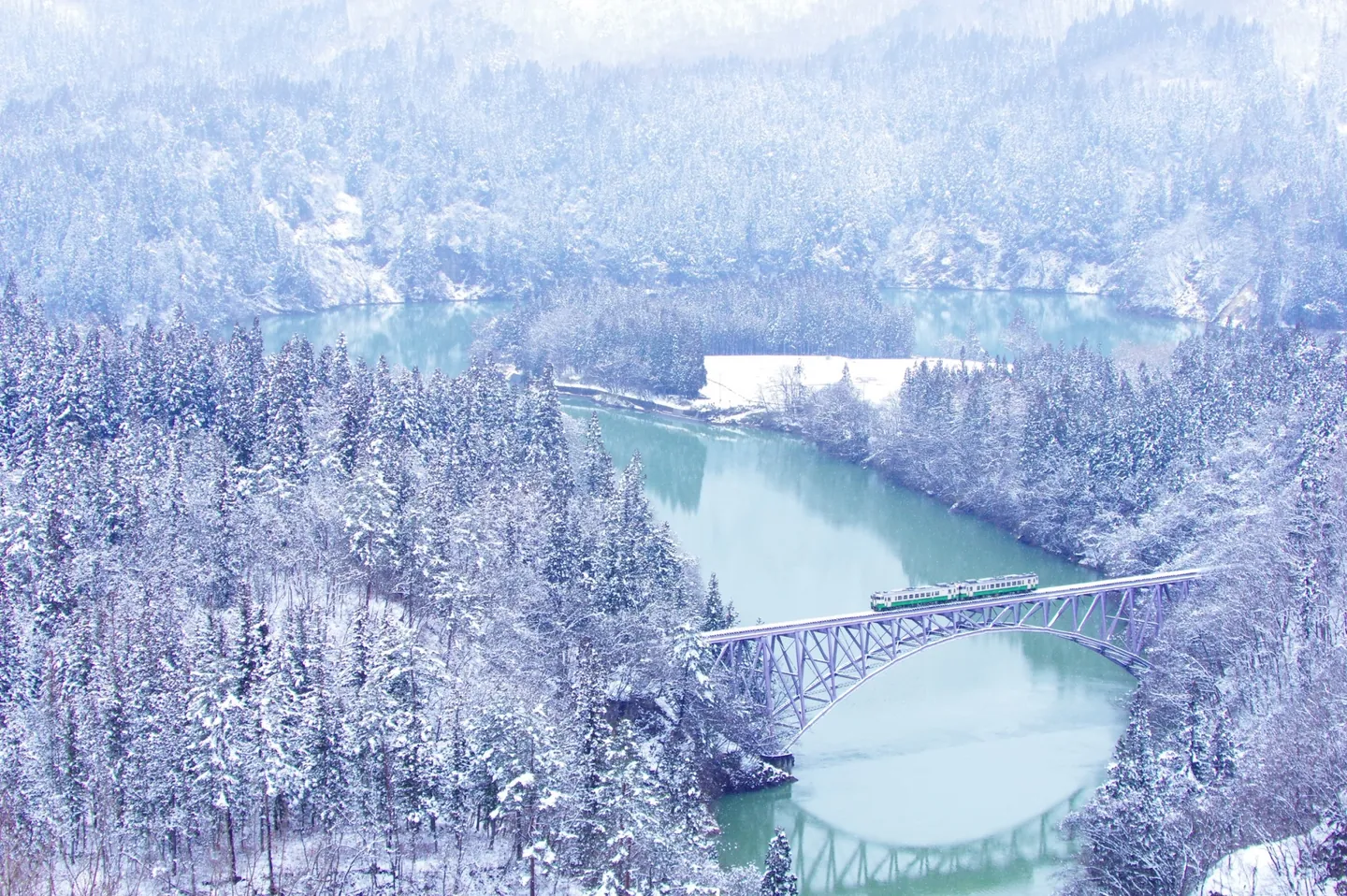
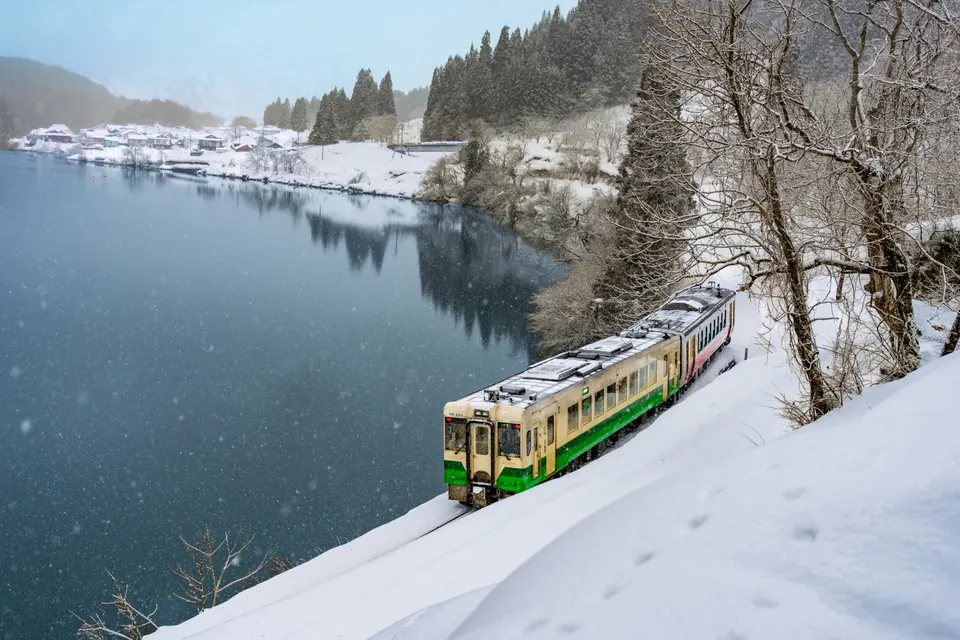
For this experience, the place you want to be is on the train. Settle by a window and watch the river come in and out of view, with mountains and small settlements beyond it. A stretch of snowy countryside can hold your attention long after you would normally have reached for your phone.
The Tadami Line runs between Aizu-Wakamatsu in Fukushima and Koide in Niigata. The official route guide introduces the railway and its communities, while its seasonal travel information describes the deep winter scenery of Oku-Aizu. The appeal is the changing view: a river bend, a cluster of houses, the next stretch of wooded hillside.
Make the ride the main outing of the day. You might travel a section and return to the same base, or plan a journey through to the other end. Decide that from the timetable, your accommodation and the daylight available. A shorter ride with time to enjoy it can fit a trip better than crossing the whole line between two distant hotel bookings.
Plan the visit: set aside a rail day within an Aizu or Niigata stay. Use the current timetable linked from the official portal, and work out your return or onward connection before choosing the outward train. Leave a margin for winter disruption, especially before a flight or another connection you cannot move. Our Japan train guide covers the basics of traveling by local rail.
One photographic detail matters: the famous view of a train crossing a snowy bridge is taken from outside the train. A window-seat journey and a viewpoint outing need different plans. If you choose the viewpoint, check its winter access separately; a running railway does not establish that a snowy walking route is open.
For the ride itself, leave some of the journey unrecorded. Watch one stretch of the river without trying to frame it. Being carried through the landscape is the experience you came for.
5. Kanazawa: Snowy Gardens, a Break in the Clouds and Oden
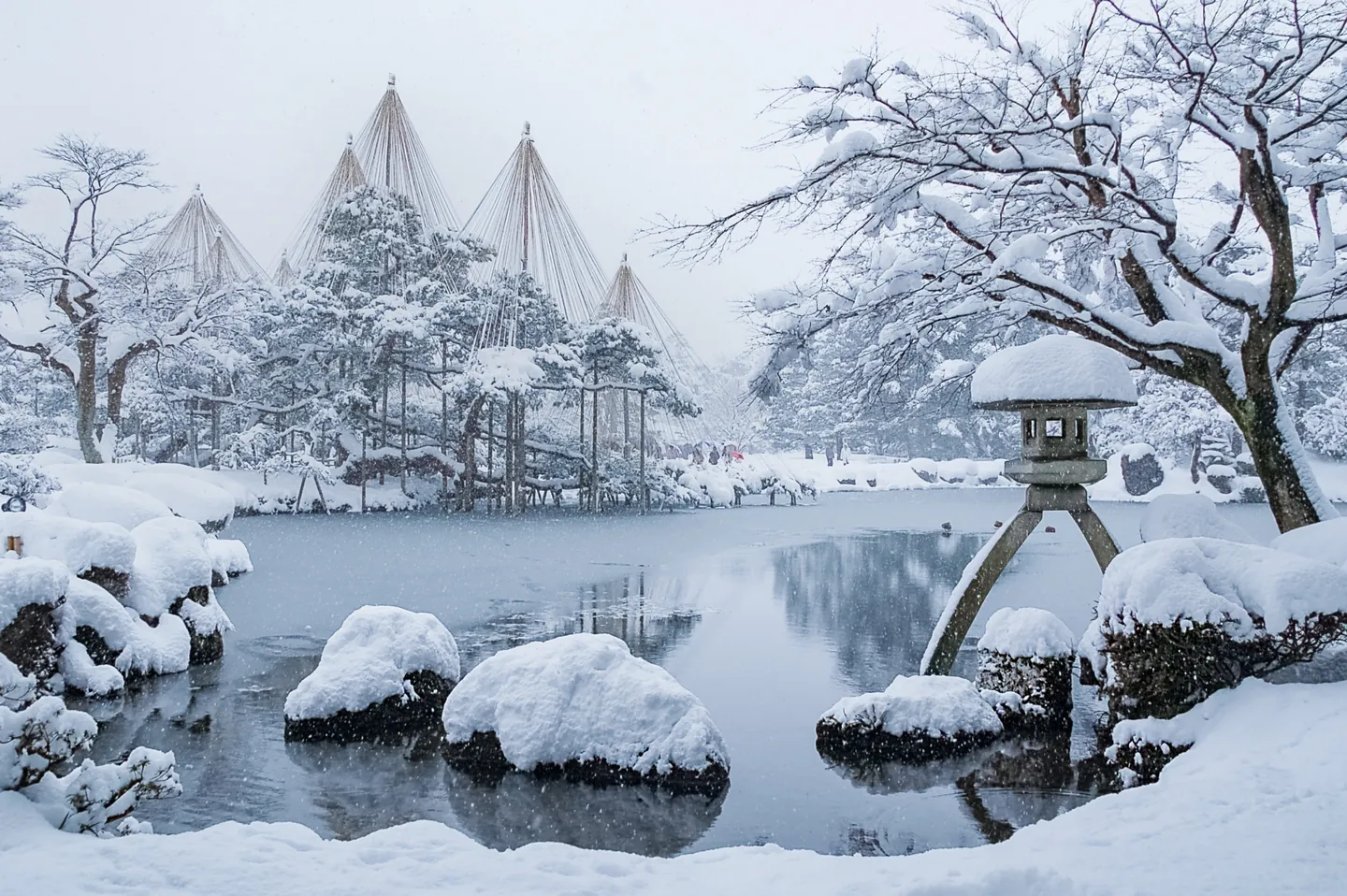
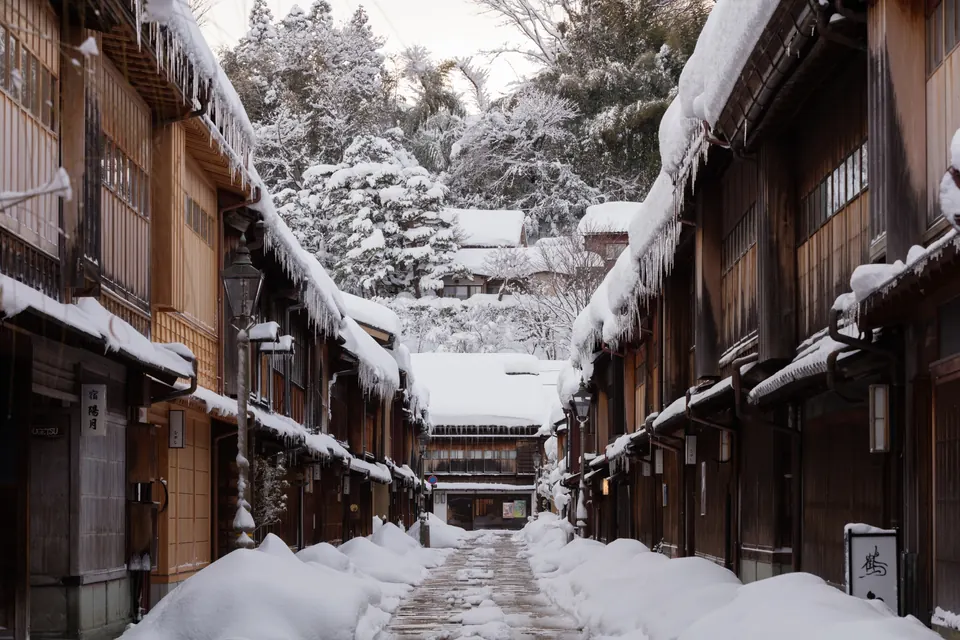
The scenes that stay with me from Kanazawa are Kenrokuen and Higashi Chaya in the snow. Winter weather on the Sea of Japan side can be gloomy, but snowfall gives those places a character of their own. What I especially love is the moment the sun comes through after the snow. That change in the light is a reason to leave some room in the day.
In Kenrokuen, look at the ropes fanning out above the trees. These are yukitsuri, supports that protect branches from the weight of snow. In Nagamachi, straw coverings protect the earthen walls. The city's winter guide explains both traditions. They make winter visible even on a day when the ground is clear.
Choose the garden or the old streets for an unhurried outing, with a warm meal afterward. You can spend time outside while the light is good, then settle over Kanazawa oden: ingredients simmered in broth, ordered in combinations that let you try a little of several things.
Look for kuruma-fu, the wheel-shaped wheat gluten that soaks up the broth, or the red-and-white akamaki fish cake. The city's guide to local oden ingredients helps you recognize them on the menu. The small decisions are part of the pleasure: something familiar, something you have never tried, perhaps another piece once the first bowl is gone.
Plan the visit: give Kanazawa an afternoon and dinner, ideally within a stay that lets you move the outdoor portion when the weather changes. Pick the walk and the restaurant separately; check where you will eat and how you will get there, instead of expecting every scenic street to provide your evening meal.
If you have seen photographs of kani-men, a crab shell filled with meat and roe, check its season before making it your must-order dish. The tourism guide associates it with early November through late December, a shorter window than a snowy winter trip. January or February visitors can build dinner around other ingredients.
Leave a little room for the weather to surprise you. A break in the clouds can be the part of Kanazawa you remember as clearly as the meal.
A Kanazawa Evening of Local Food
Local dishes, including an oden stop
Best for
Travelers who want help finding places and ordering local food, including oden, after a day outdoors.
Before booking
Specific seasonal ingredients are not guaranteed. Check dietary needs and age eligibility with the operator: the listing currently gives conflicting age guidance.
Why it may fit
A guided evening can help with finding places and ordering. This tour includes an oden stop alongside other local food and drinks.
6. Zao: Ride Above the Trees to Meet the Snow Monsters
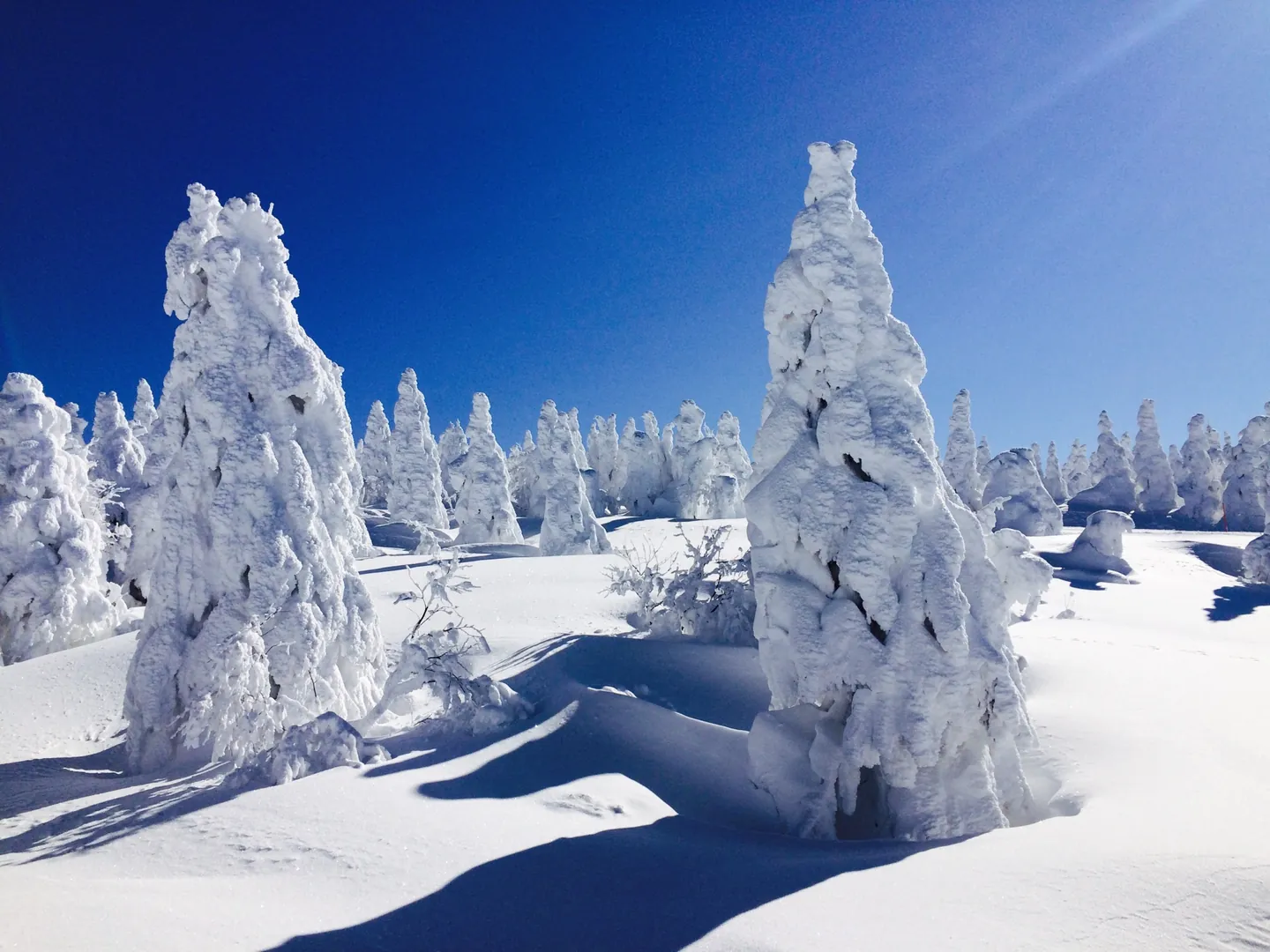
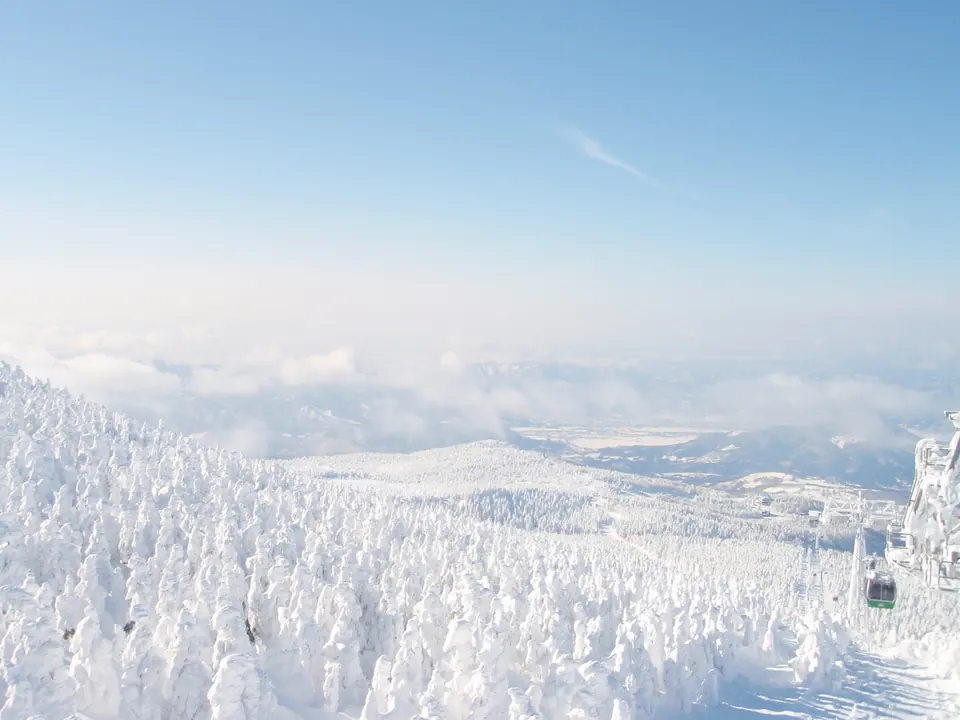
At Zao, the trees become difficult to recognize. Thick ice and snow turn them into broad, uneven figures: some leaning, some rounded, some seeming to shoulder their way out of the mountainside. As you look across them, the name snow monsters starts to make sense.
These formations are called juhyo. Freezing cloud droplets and accumulating snow build around the fir trees, changing their shapes through the season. Zao Ropeway's formation guide describes January as a period of growth and February as the usual peak. The shape and extent of the formations still depend on that winter's weather.
You can see them without skiing. A sightseeing round-trip ticket takes you from Zao Sanroku to Jizo Sancho, changing at Juhyo Kogen. Look out as you ascend, then take time in the open visitor areas near the top. The ride lets you appreciate the sweep of the mountain before looking more closely at individual formations.
Plan the visit: allow a mountain outing within a Yamagata or Zao stay. The ropeway's access page points to the bus connection from Yamagata to Zao Onsen. Check the connection to the ropeway as well as the ride up, and choose the sightseeing ticket for Jizo Sancho. If you also want Ginzan, giving each destination its own day leaves more time and flexibility.
This is the most weather-dependent mountain outing in the selection. Check current formation reports, visibility and ropeway operation before setting out; wind can stop the service. Dress for exposed mountain cold, keep to the open visitor areas and follow staff instructions. The winter clothing guide helps distinguish this day from a city walk.
Daylight is a good first choice for seeing the shapes and their scale. Make the rest of your stay enjoyable too, with time to eat and rest after the outing. That gives you more freedom to choose a suitable day for the mountain.
If you are based in Sendai and prefer arranged transport, a combined day tour is another option. It makes a long, fixed day of the two destinations. Check that the departure you select includes the winter snow-monster visit; the same listing also offers itineraries for other seasons.
Compare a Ginzan and Zao Day Trip from Sendai
Two destinations with arranged transport
Best for
Travelers who prefer arranged transport and are comfortable with a long day.
Before booking
English is device-assisted; the guide speaks Chinese or Japanese. The ropeway may change to Zao Chuo, and a Ginzan visit after dark is not guaranteed. Confirm the winter option and operating date.
Why it may fit
A combined tour can take care of travel between the two areas. Compare the winter itinerary before arranging the rest of your Sendai stay.
7. Iiyama: Sit Down to a Hot Pot Inside a Snow Hut
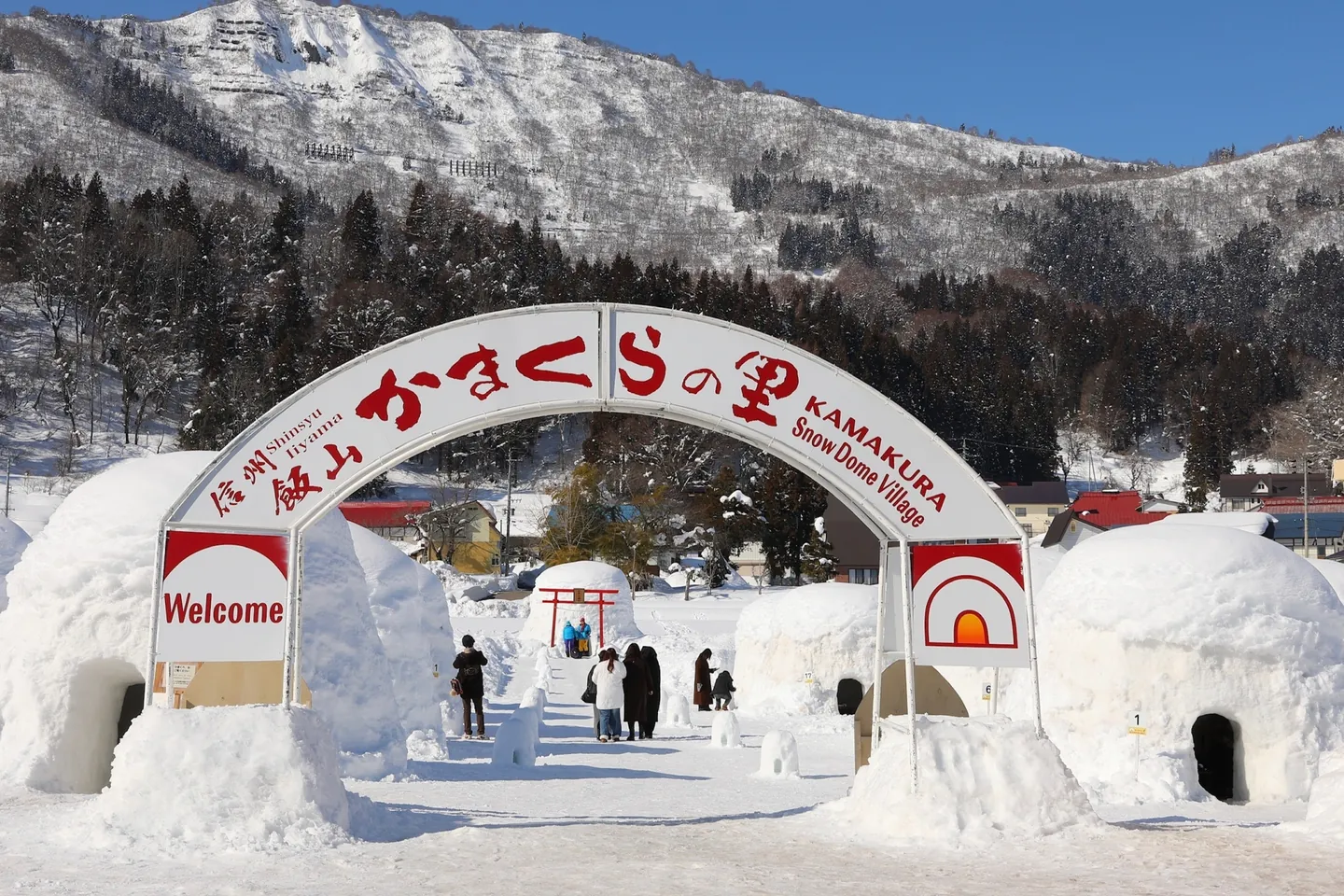
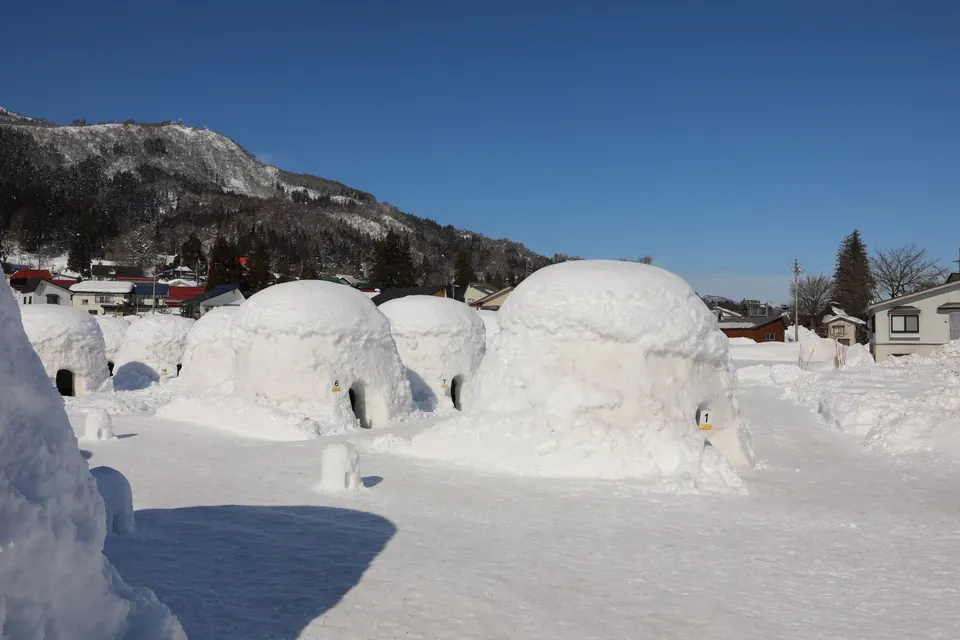
Step through an opening in a mound of snow and find a table waiting inside. The walls curve around your group, and the meal becomes the center of this small white room. A kamakura is a hut made from compacted snow; in Iiyama, it can also be where you sit down to lunch.
At Restaurant Kamakura Village in Nagano, the signature meal has been noroshi-nabe: hot pot with a miso base, local vegetables, mushrooms and pork. The official visitor page explains the snow-hut dining experience. It gives a winter outing a wonderfully concrete purpose: you get to go inside the thing you came to see, sit together and eat.
Picture a lunch with time to look around the huts before you leave. Keep your warm layers and snow footwear; this is still a snow-built space. If anyone in your group has dietary requirements, tell the operator when reserving and ask about the broth as well as the visible ingredients.
Plan the visit: reach Iiyama on the Hokuriku Shinkansen, then make the local connection to the venue. The tourism bureau's access FAQ gives about 20 minutes by bus from Iiyama Station. For a trip without a car, a lunch sitting with confirmed buses both ways is our starting recommendation. Dinner needs a confirmed return arrangement; the operator has warned of limited evening services and difficulty finding a taxi on the day.
For winter 2026–27: the pages checked on September 26 still described the completed 2026 season. The 2027 dates, meal plans and winter transport were not confirmed there. Keep this on your shortlist, then match the meal reservation and return journey when the new season is announced.
If you would rather spend the evening looking across tiny snow huts filled with light, consider Yunishigawa Onsen's Kamakura Festival as an alternative. The Nikko tourism announcement schedules the Sawaguchi riverside display for Fridays, Saturdays and Sundays, January 29–February 28, 2027, 17:30–21:00. Those miniature huts are for the illuminated scene; the dining experience described above is in Iiyama. An overnight stay in Yunishigawa can make room for the evening, with the transfer to your accommodation arranged ahead.
Choose the Experience That Fits Your Trip
Start with the scene you keep thinking about, then look at its place on your route. These experiences are spread across Japan. Choosing a region and giving it time will make more of winter than trying to collect all seven.
| If you want… | Start with… | Arrange first |
|---|---|---|
| A snowy onsen evening | Ginzan, in Yamagata | An inn and arrival transfer, or a visit with confirmed entry and return transport |
| City life with snow all around | Sapporo and Otaru, in Hokkaido | A Sapporo base and an Otaru day with time for dusk |
| A village of steep, snowy roofs | Shirakawa-go, from Kanazawa or Takayama | Return buses; a separate reservation for a light-up visit |
| A day watching the landscape | The Tadami Line, in Fukushima and Niigata | A workable train itinerary in daylight |
| Gardens, old streets and a warming meal | Kanazawa, in Ishikawa | Time for an outdoor walk and a place to eat afterward |
| A mountain landscape unlike the streets below | Zao, in Yamagata | A flexible day, the right ropeway ticket and current conditions |
| A meal inside a snow hut | Iiyama, in Nagano | The new season's dining plan and transport both ways |
For a first snow-focused trip without a car, our starting pick is Sapporo with an Otaru outing. It combines the city and canal experiences with a rail connection between them. If you are already planning Kanazawa, keep a day for its gardens and food, then decide whether a separately arranged Shirakawa-go visit fits. For Ginzan and Zao, build a Yamagata stay with time for both destinations and changing weather.
Choose the experience before the rail pass. If your route includes several long-distance trains, use the JR Pass Calculator for the major routes it supports, then check local trains, buses and ropeways separately. A pass should follow the journeys you want to make.
For now, choose one scene, find a date or stay that makes it possible, and leave room around it. An evening beside the canal, a bowl of oden after the snow, a window seat through the mountains: any one of those can give your winter trip something to look forward to.
If winter is only one part of a first trip, compare it with Fuji, food, sumo and Kyoto culture in our best experiences in Japan hub before fixing the route.
Pack for the winter you choose
Find layers and footwear for snowy streets, wet weather and mountain outings.
Plan your winter outfitMake the inn part of the trip
Understand ryokan rooms, meal plans and how they differ from hotel stays.
Compare accommodation stylesFeel ready for your first onsen
Know the bathing etiquette and what to ask about tattoos or private baths.
Prepare for your onsen visitPhotography: Photo AC contributors. The photographs show past winter conditions.
Researched September 26, 2026, using the linked tourism-association and transport-operator sources. Firsthand observations are the author's memories of Kanazawa and Tokyo; the other destinations are researched recommendations. Suggested pacing and combinations are JAPANODE's editorial advice. General Ginzan access rules for winter 2026–27 and Iiyama's 2027 operating details remain to be confirmed.
Frequently Asked Questions
Yes. You can visit snowy towns, stay at a hot-spring inn, take a scenic train ride, eat inside a snow hut or see Zao's snow monsters by ropeway without skiing. Choose the experience first, then plan the region, dates and transport around it.
January and February are useful starting points for planning a snow-focused trip, but conditions depend on the region and the particular year. Shirakawa-go's tourism association describes late December through late February as its usual period of accumulating snow. Check local conditions rather than assuming every winter destination will be white.
Yes. Zao Ropeway sells sightseeing round-trip tickets to Jizo Sancho, with a transfer at Juhyo Kogen. February is described by the operator as the usual peak in the formations' growth, but their condition, visibility and ropeway operation depend on the weather. Check current reports before setting out.
Public transport can be part of each trip, but local buses, visitor-entry arrangements and return services need advance planning. Ginzan has published winter access controls, Iiyama's snow-hut dining needs a confirmed way back to the station, and the Tadami Line requires careful timetable planning. Check the current winter's arrangements before booking.
No. The official 2027 event requires an advance reservation and an admission ticket, with no same-day ticket sales. A village admission ticket does not automatically include observation-deck access. Daytime sightseeing is a separate option, with additional restrictions on event days.
Choose one or two experiences that fit your route. Sapporo and Otaru suit a Hokkaido stay; Ginzan and Zao can anchor a longer Yamagata visit with separate travel days; Kanazawa and Shirakawa-go fit a regional extension. Iiyama connects to the Hokuriku Shinkansen, while the Tadami Line deserves a day planned around its timetable.

Written by
JAPANODE
Based in Japan, sharing travel ideas and practical local information for visitors.
You Might Also Like
 Planning
Japan in Winter: Weather, Crowds & What to Book
13 min read
 Culture
Japan Onsen Tattoo Rules: Etiquette & Where to Bathe (2026)
24 min read
 Planning
Japan Accommodation Types Explained: Hotels, Ryokan, Capsule Hotels & More
16 min read
 Planning
What to Wear in Japan in Winter: December, January & February Packing Guide
13 min read
 Transportation
The Complete Guide to Japan's Train System for First-Time Visitors
16 min read