Zazen & wabi-sabi / Kyoto & Tokyo
Room to notice.
A garden viewed from the floor. A bowl with an uneven rim. A little time to see what a busy itinerary can miss.
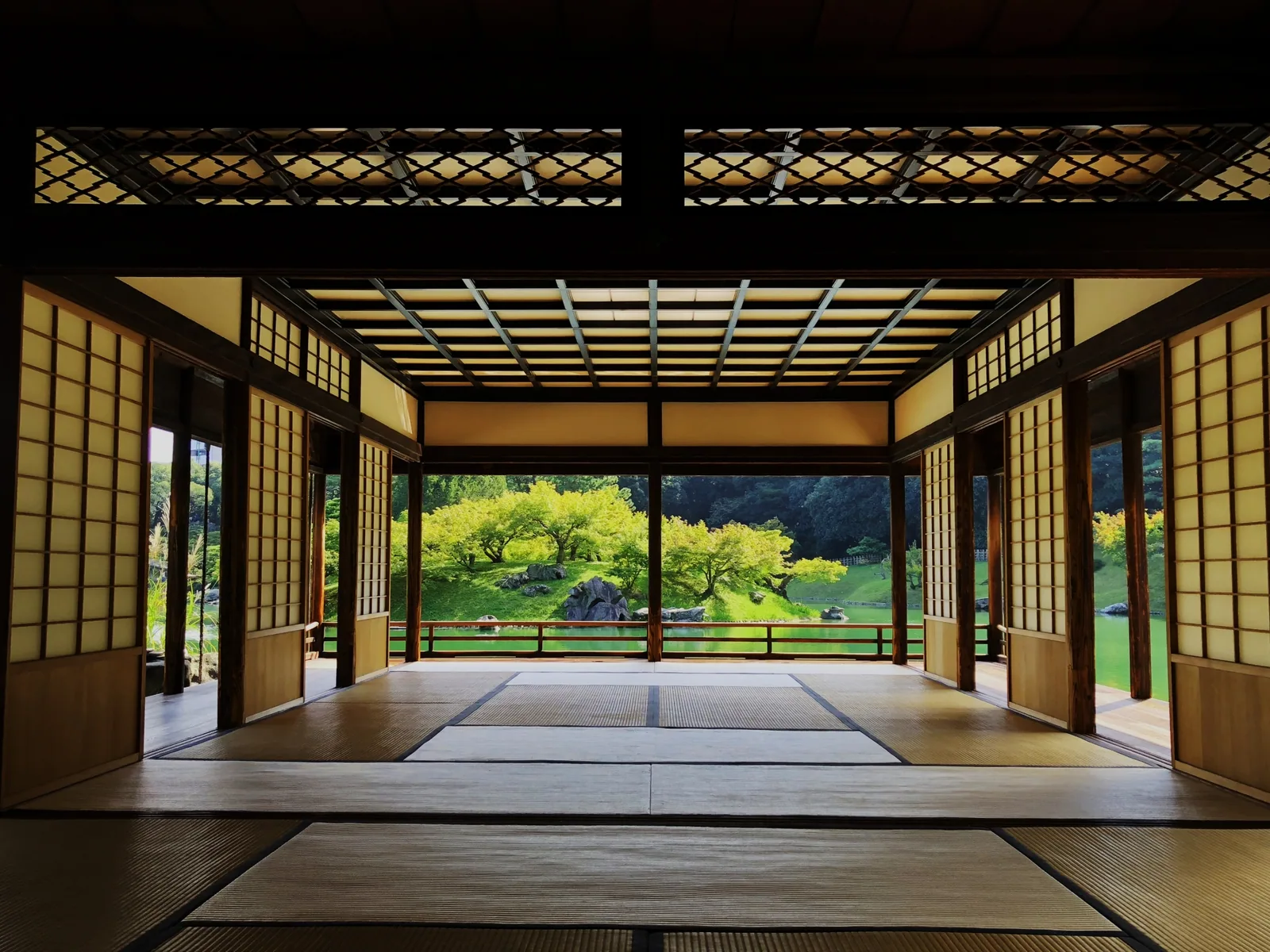
Two ideas, a shared setting
A practice.
A way of seeing.
Start there.
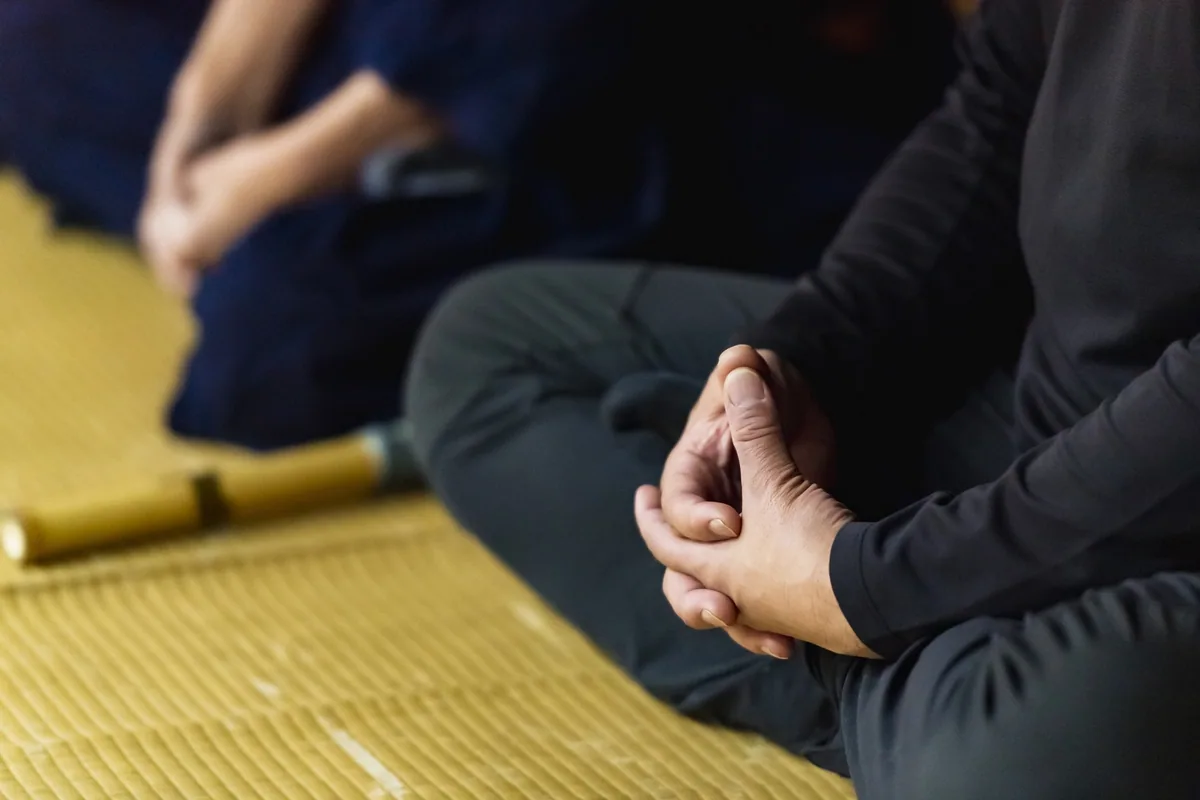
A temple visit can invite two different kinds of attention. You might join a seated meditation session, following the instructions of a teacher. Or you might spend time with a garden, a tea bowl, or the weathered timber around you.
They can belong to the same afternoon without being the same thing. Knowing the difference helps you choose an experience for what actually happens there.
Zazen / 坐禅
Seated practice within Zen Buddhism. In Soto Zen's own instructions, posture, natural breathing and keeping the eyes gently open are part of the practice. It takes place within a living religious tradition, with differences between schools and teachers.
Wabi-sabi / 侘び寂び
A useful starting point is attention to modest materials, time and impermanence. In tea culture, wabi helped people value restrained, sometimes irregular objects. It is an aesthetic vocabulary to explore, rather than a seated meditation technique.
An invitation to look
The room is quiet.
You do not have to
make your mind empty.
Soto Zen's guidance describes letting thoughts come and go without pursuing or suppressing them. For a first visit, bring curiosity and let the teacher explain the practice.
On sitting and the mind: Soto Zen
Look at what is already there
A whole world
in a small
imperfection?
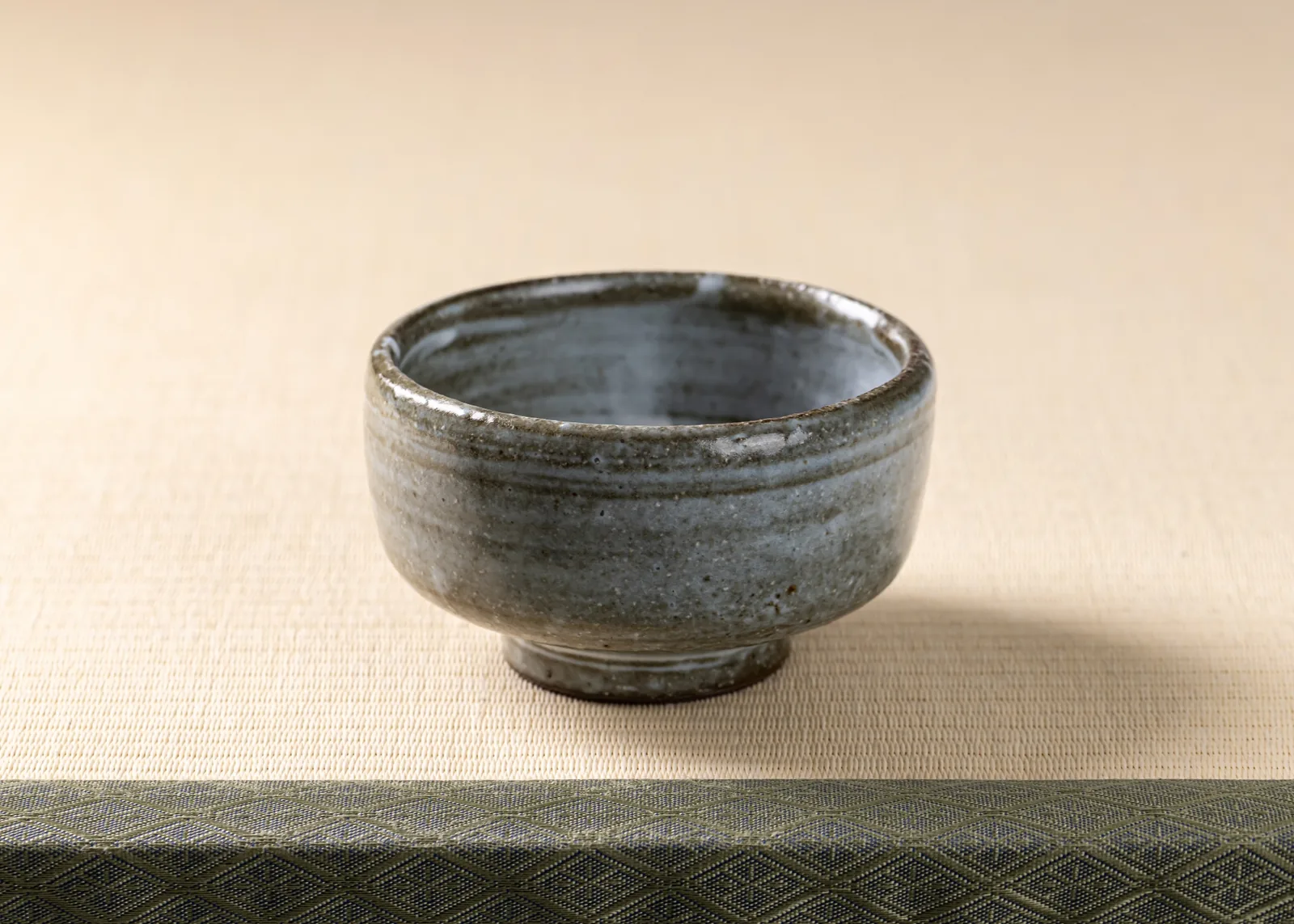
Pick one detail: the lip of a bowl, the surface of clay, the difference between a polished edge and a rough one. There is more to notice when you stop looking for a perfect outline.
In the tea room, objects once regarded as humble could become highly valued. The Met traces how wabi shaped the appreciation of ceramics and the choices of tea masters. The history also includes richly decorated wares: tea culture has never had only one visual language.
That makes “beauty in imperfection” a beginning, not the whole explanation. A worn object is not automatically profound. Its use, setting, maker and the attention given to it matter too.
The changing role of tea objects: The Met
Continue into the story of matcha ↗Three ways to look more closely
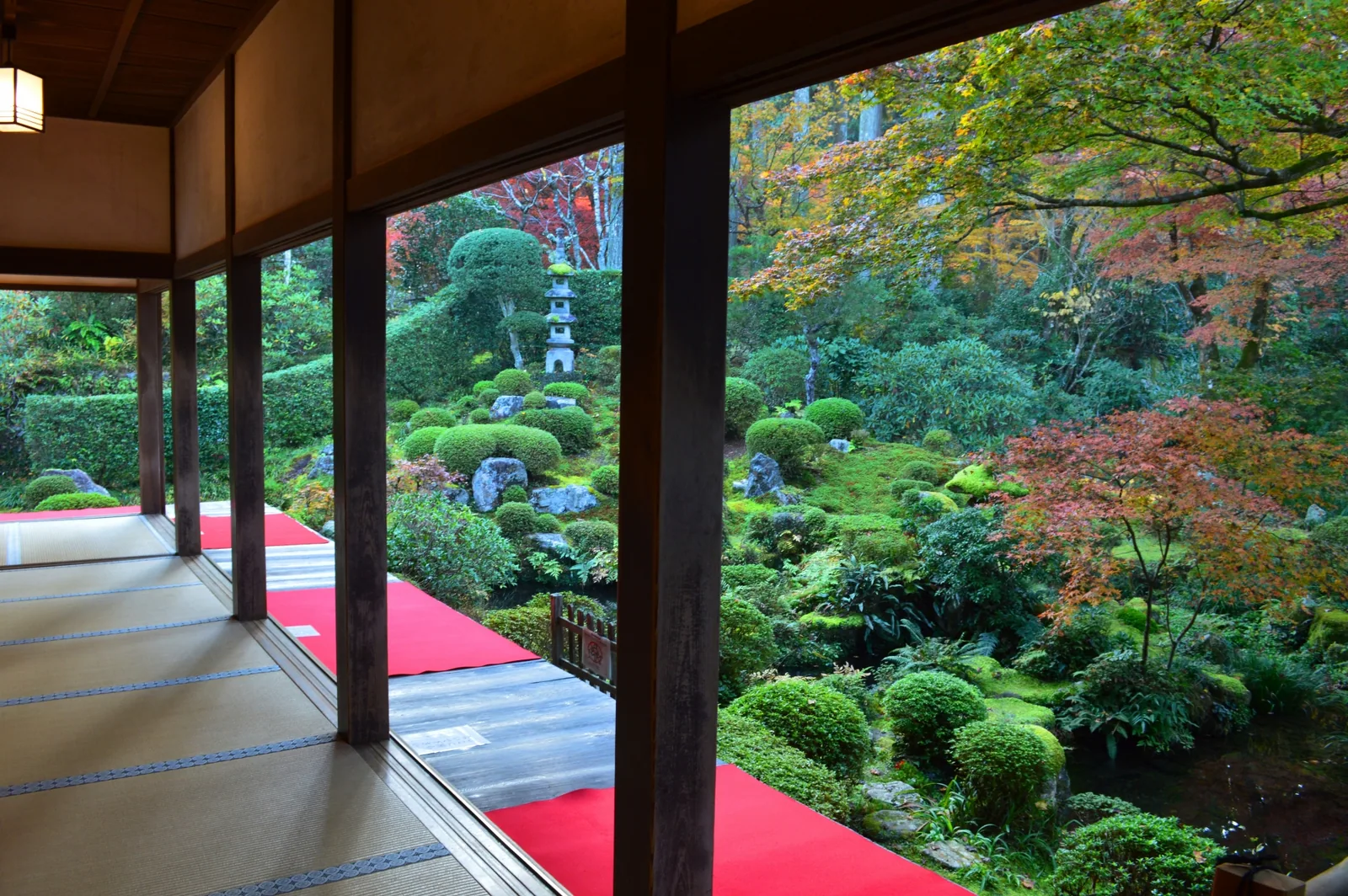
Let the garden
set the pace.
A visitor's observation notes
Less collecting.
More looking.
These prompts are for looking at your surroundings. They are not a substitute for a temple's instructions during zazen.
Notice the space.
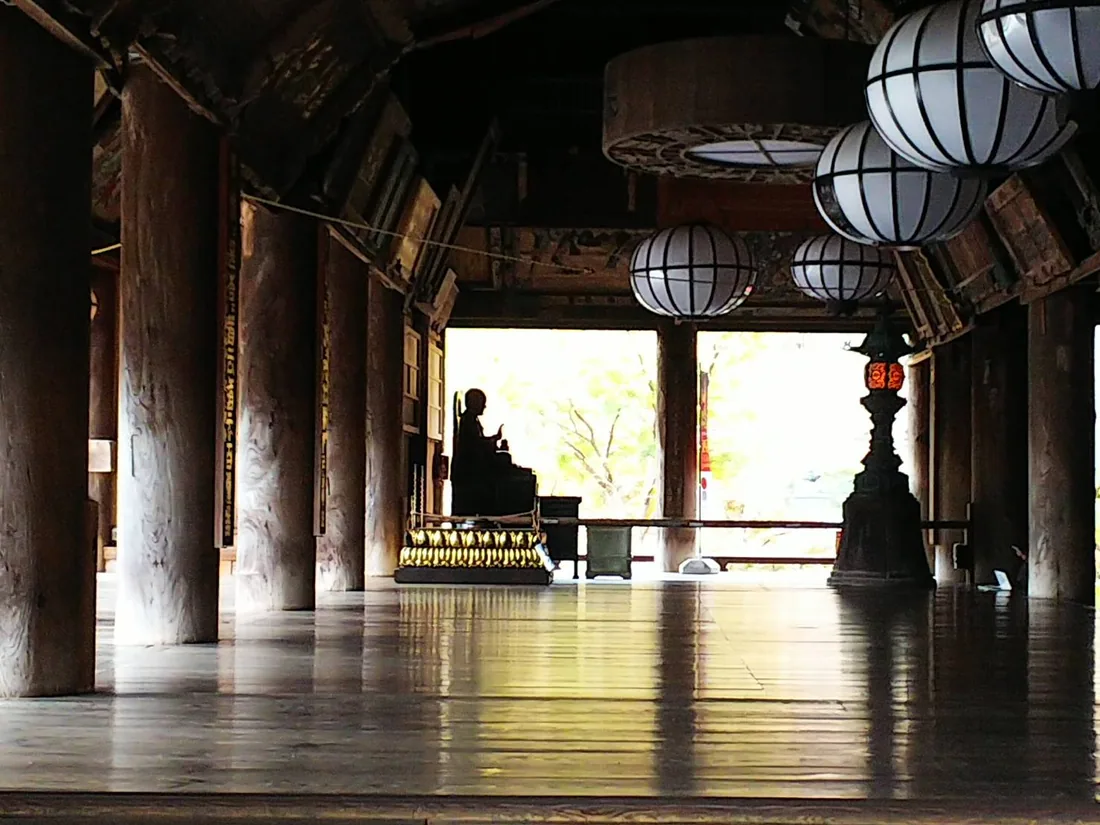
Look between two stones, or between a room and its garden. The view includes what is left open. Stay with one composition before moving on to the next photograph.
Notice the surface.
Compare timber, stone and moss with your eyes. Ask yourself which surfaces reveal use and weather. Leave objects and garden materials untouched unless your host invites you to handle them.
Notice the season.
A shadow moves. A leaf changes color. A garden is not a fixed picture. The day you arrive is part of the view, even if it does not match a famous photograph.
From looking to taking part
Step inside.
Stay a little longer.
Choose a guided introduction in Kyoto or Tokyo. Each offers time with a monk in a temple setting, with space to practice and ask questions.
Kyoto / Jusho-in at Myoshin-ji
Sit, then stay for tea.
At Jusho-in, a normally closed sub-temple of Myoshin-ji, the visit continues after the sitting. Leave time for matcha, seasonal Kyoto sweets and conversation.
The current two-hour listing includes English guiding, an introduction from the chief monk and two zazen sessions. A photographer records the experience, with photo data provided afterward.
Choose this for a longer introduction that connects sitting with tea and the temple setting. The listing says chairs can be prepared for guests who find floor sitting difficult; confirm your needs when booking.
The GetYourGuide link is an affiliate link. JAPANODE may earn a commission at no extra cost to you. Check the selected date, inclusions and cancellation terms before booking.
Kyoto / Our pick for a shorter introduction
A quieter part of your Kyoto day.
Meet a monk, learn the basics of zazen and put the instructions into practice. Tea and a view of the garden give the visit time to settle.
This 90-minute experience offers English guiding and entry to a temple described as closed to the general public. The meeting point is Kodaiji Park, followed by a walk to the temple; the park is not the meditation venue.
Choose this for a shorter session with space for questions. The listing currently marks the experience unsuitable for people with mobility impairments; check its access restrictions before reserving.
The GetYourGuide link is an affiliate link. JAPANODE may earn a commission at no extra cost to you. Check the selected date, inclusions and cancellation terms before booking.
Tokyo / Inside a normally closed temple
Another side of Asakusa.
The appeal begins at the door: this guided visit takes you into a temple that is not normally open to the general public. Make room for a quieter encounter with Tokyo.
The current 90-minute listing includes English guiding, a monk's explanation of zazen, seated practice and matcha. There is time to talk with the monk and take photographs afterward.
Choose this for access beyond an ordinary sightseeing visit. A private-group option is available, but a normally closed temple does not mean every departure is exclusively for your party. Check the option, seating and access details before booking.
Build a slower Asakusa day around it ↗The GetYourGuide link is an affiliate link. JAPANODE may earn a commission at no extra cost to you. Check the selected date, inclusions and cancellation terms before booking.
A little preparation
Before you go.
What if I cannot sit cross-legged?
The Jusho-in listing says chairs can be prepared for guests who have difficulty sitting on the floor. That does not establish step-free access. Ask your chosen operator about seating, walking and steps before reserving; the shorter Kyoto listing has mobility restrictions.
Does a private temple mean a private group?
No. Access to a temple normally closed to the public is different from booking a session only for your party. Check the departure and group option on the listing. Do not assume that a standard booking gives you exclusive use of the temple.
Do I have to stop thinking?
Treat it as an introduction to a practice, not a test of having no thoughts. Follow your teacher's instructions and ask about anything you do not understand. Different teachers and schools may explain the practice differently.
Is every Japanese temple stay a Zen retreat?
No. Japanese Buddhism includes different traditions. Koyasan, for example, is associated with Shingon Buddhism. Check the temple's tradition and whether the stay actually includes meditation, rather than assuming all temple accommodation offers zazen.
Can I take photos?
The Jusho-in experience lists photographer-provided images, while the other Kyoto and Tokyo listings describe opportunities for photographs. Ask your host about timing and permitted areas, and follow the instructions given on the day.