Nihonshu / A living craft
Rice.
Water.
Time.
The ingredients look simple. What happens between the rice field and your glass is anything but.
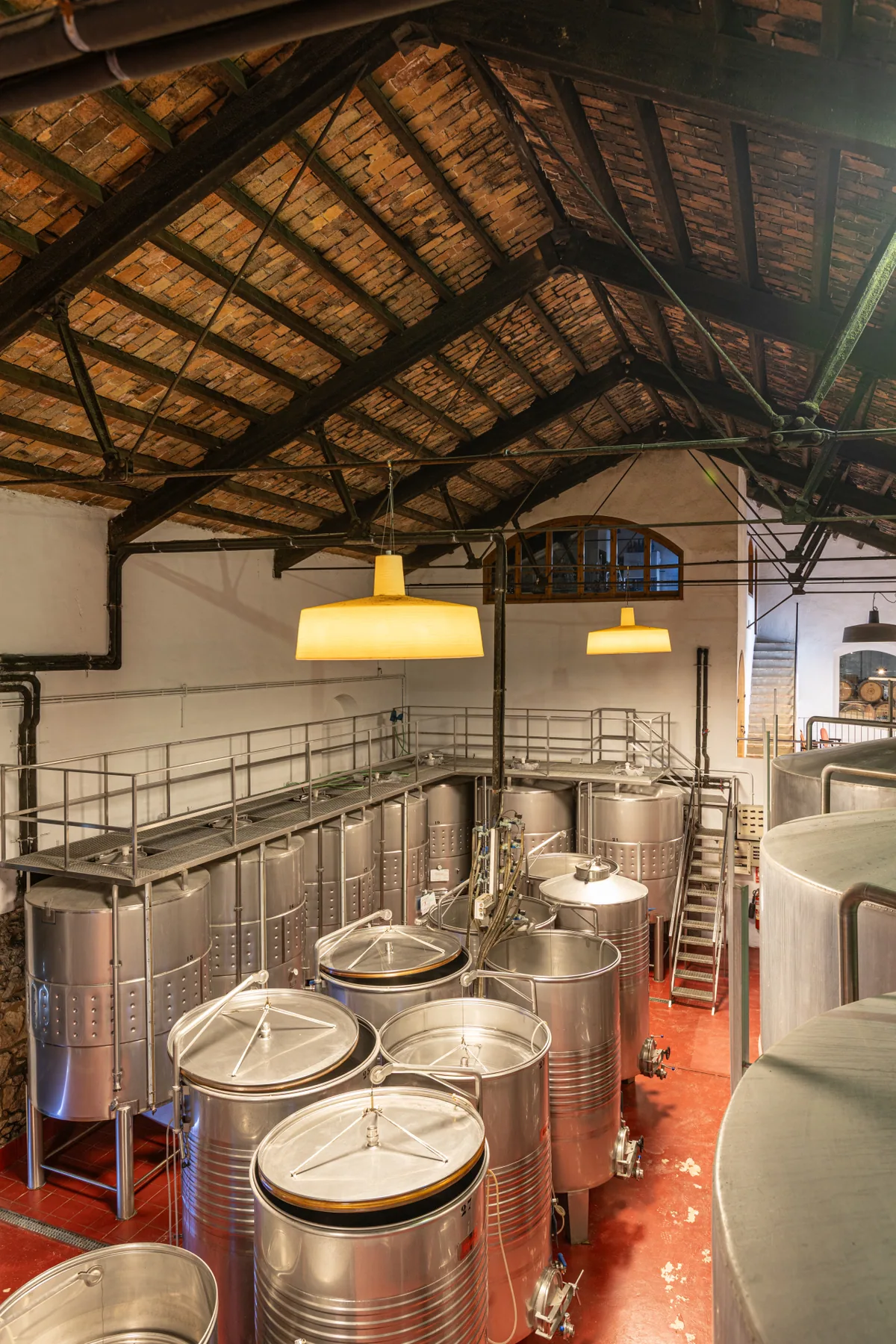
The smallest workers in the brewery
Two transformations.
One tank.
Rice holds starch. Yeast needs sugar. The missing link is koji: rice on which a selected mold has been cultivated. Its enzymes turn starch into sugars that yeast can ferment.
In the main sake mash, starch conversion and alcoholic fermentation proceed alongside one another. This is called multiple parallel fermentation. The result depends on much more than leaving rice in water.
A brewery visit becomes more interesting once you can ask two separate questions: what is happening to the rice, and what are the microorganisms doing?
The brewing process: Japan Sake and Shochu Makers Association
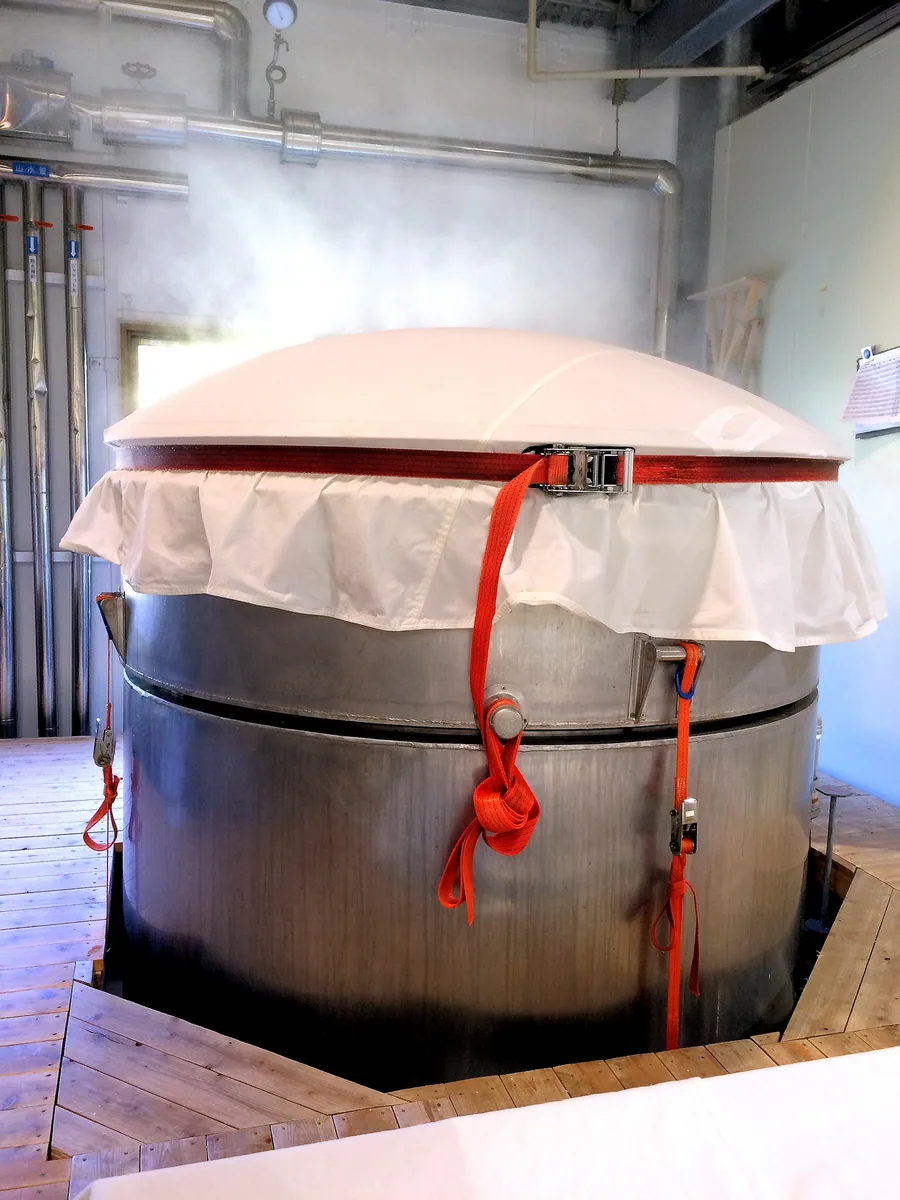
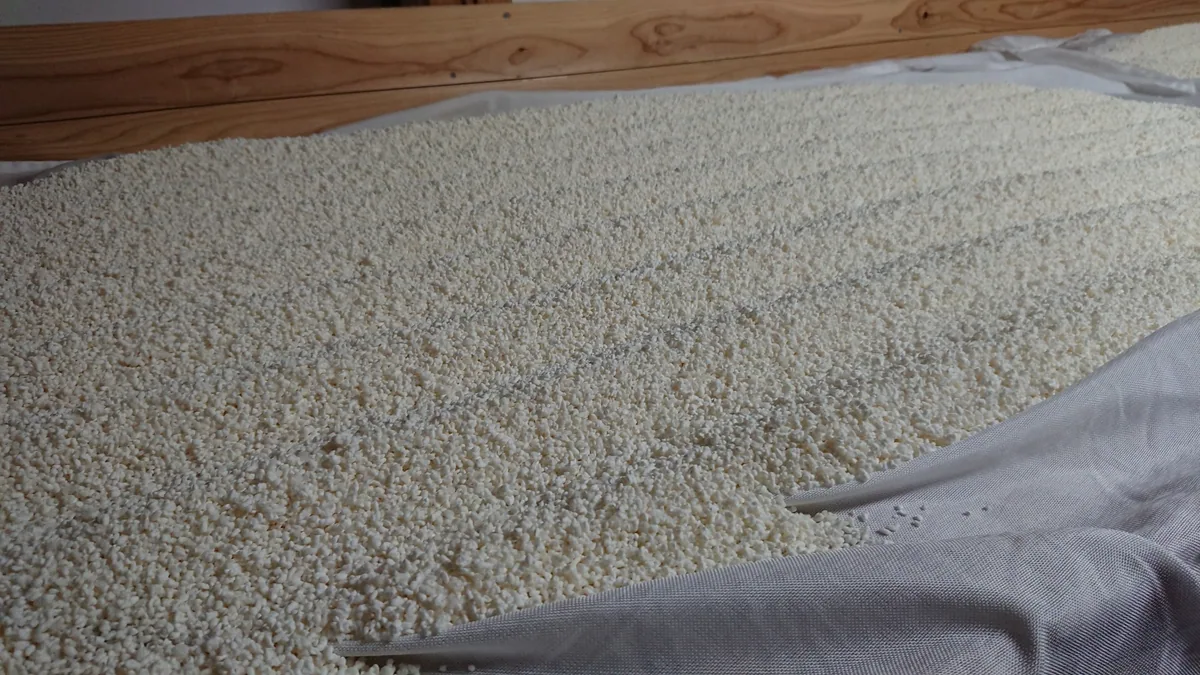
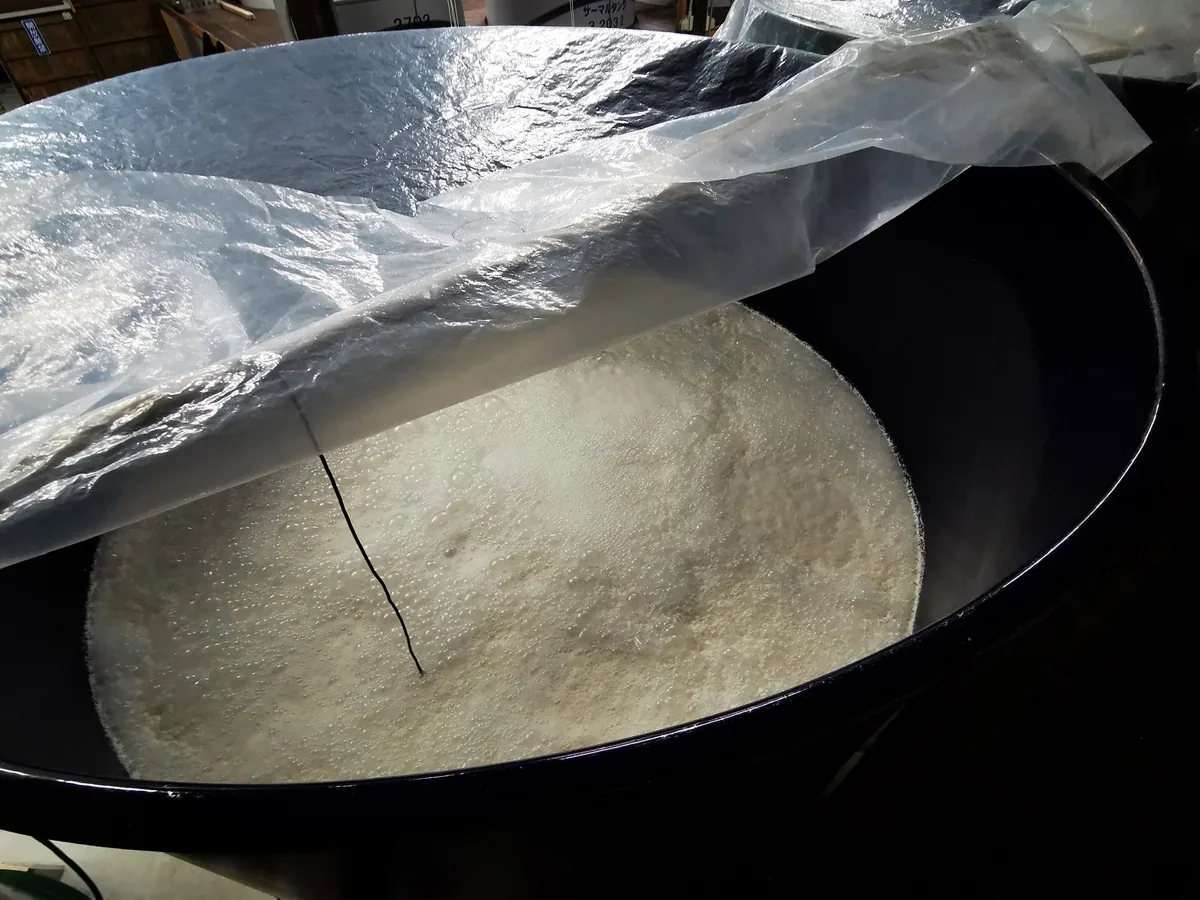
Inside the moromi / a simplified explanation
These reactions overlap in the same mash. The arrows explain the conversion, not separate production tanks.
Prepare the rice.
Polish, wash, soak and steam. Preparing the grain shapes what comes next; a small change here can matter later.
Build the fermentation.
Koji and a yeast starter prepare the way for the main mash, which is built up with additions of rice, koji and water.
Separate and finish.
The fermented mash is pressed to separate liquid from solids. Further handling varies with the style the brewer wants to make.
Hands, senses & inherited knowledge
The craft is
knowing what
to notice.
The work of making koji asks people to manage a living process: monitoring conditions and adjusting temperature and humidity. Equipment helps, but the decisions still belong to people.
In 2024, UNESCO inscribed Japan's traditional knowledge and skills of sake-making with koji mold on its intangible cultural heritage list. The recognition concerns the knowledge and its transmission, including traditions beyond the particular bottle of nihonshu you might order.
That is a useful thought to bring into a brewery. Ask what a maker looks for, listens for or checks during the day. A tool is interesting; the judgment behind using it is even more so.
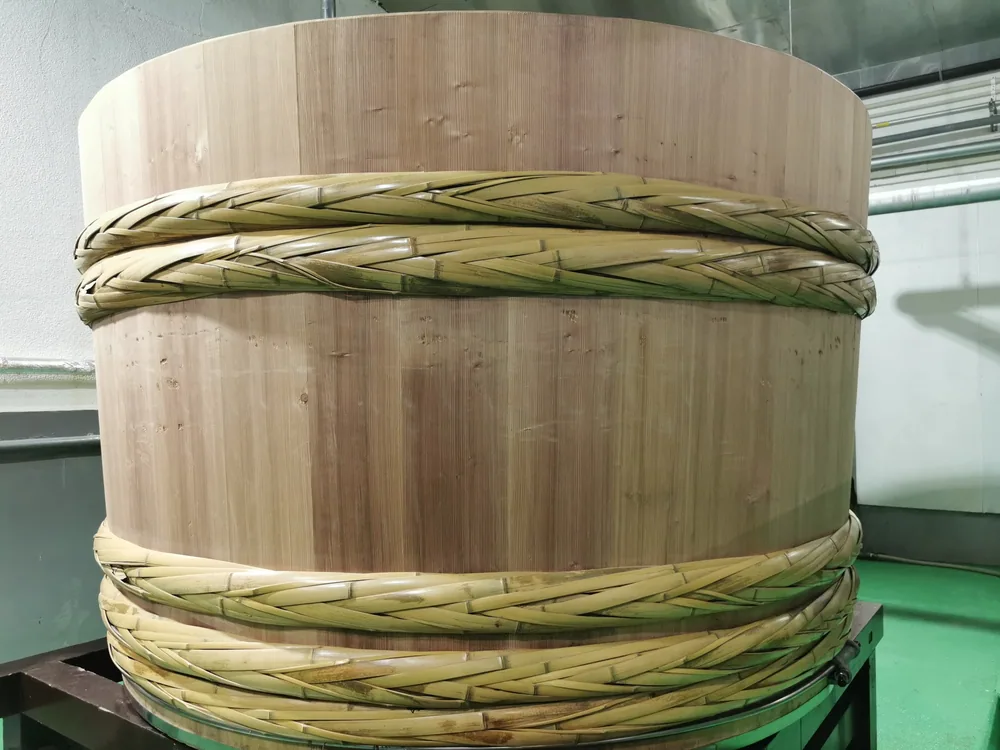
One regional story / Nada, Hyogo
A place shapes
the drink.
In the Nada brewing region, water is part of the local story. Miyamizu is well water from a particular area of Nishinomiya, prized for sake production.
The Nada Sake Research Association recounts how a brewer compared sake made in Nishinomiya and Uozaki. Changing the rice and brewer did not settle the difference; bringing Nishinomiya water to the other brewery did. From 1840, this water was transported for brewing.
You do not have to turn that history into a rule that one place always makes better sake. Let it change the questions you ask: which water does this brewery use, and how does it fit the style they want?
The story of Miyamizu: Nada Sake Research Association
Staying in Osaka? Give this part of the story an afternoon of its own. Head to Kobe's Nada district and follow the water, tools and traditions behind the bottles.
Explore Nada from an Osaka base ↗Seeing the work
Know which door
you are
walking through.
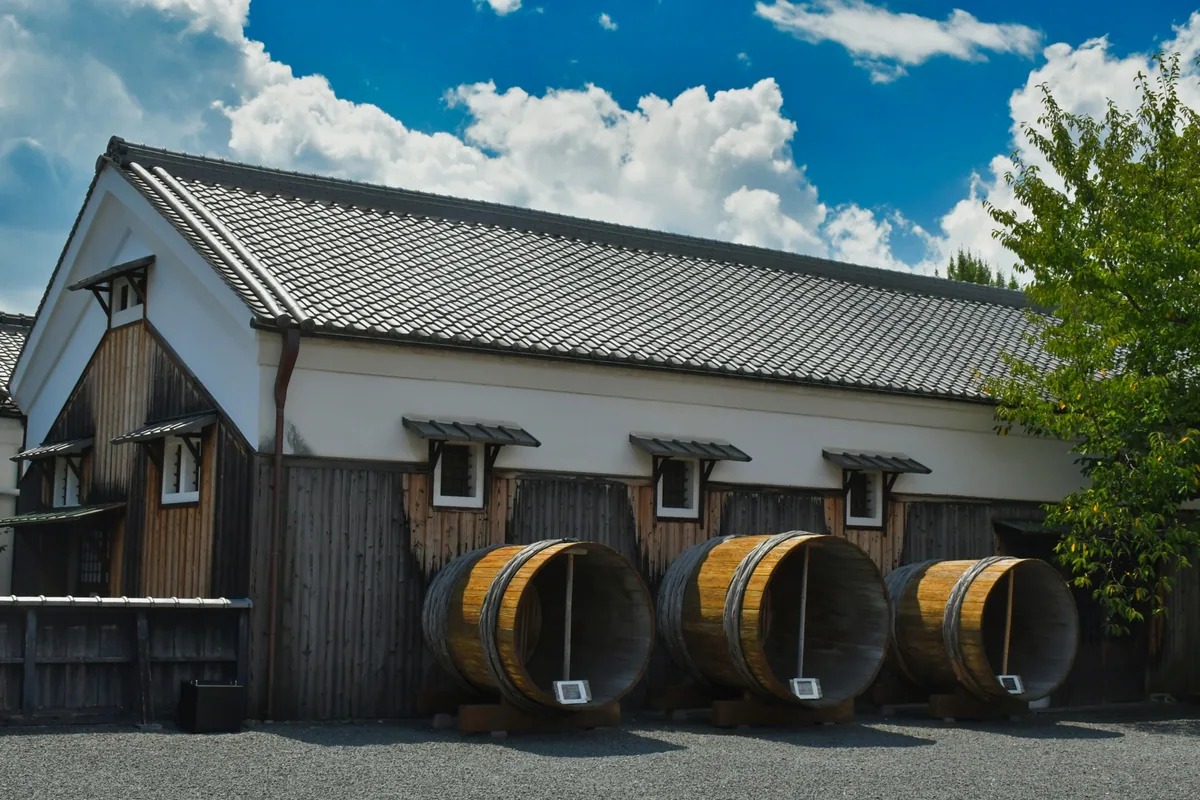
A museum tells the process.
Hakutsuru's museum occupies an old brewhouse and uses tools, displays and videos to explain traditional production. It is a strong way to connect unfamiliar terms to physical objects.
A working brewery has its own rules.
Visitor access to production areas depends on the operator, season and hygiene requirements. A museum or shop visit does not guarantee entry to a fermentation room or a hands-on brewing session.
A tasting makes a comparison.
A hosted tasting focuses on what reaches the glass. Choose the format you actually want, and check the itinerary instead of relying only on the words “brewery tour.”
What the Hakutsuru museum exhibits
Plan the independent Kobe brewery walk ↗At the tasting table
You do not need
a perfect
vocabulary.
Begin with a comparison. Your own words are enough to start a conversation with the host.
- Smell before naming. Does it seem delicate, rich, fruity, cereal-like, or unfamiliar? Ask what the host notices, too.
- Take a small sip. Notice sweetness, acidity, texture and how the taste changes after swallowing. You do not have to finish every pour.
- Change one thing. If the host offers a food pairing or another serving temperature, compare the same sake again. Ask why they chose that combination.
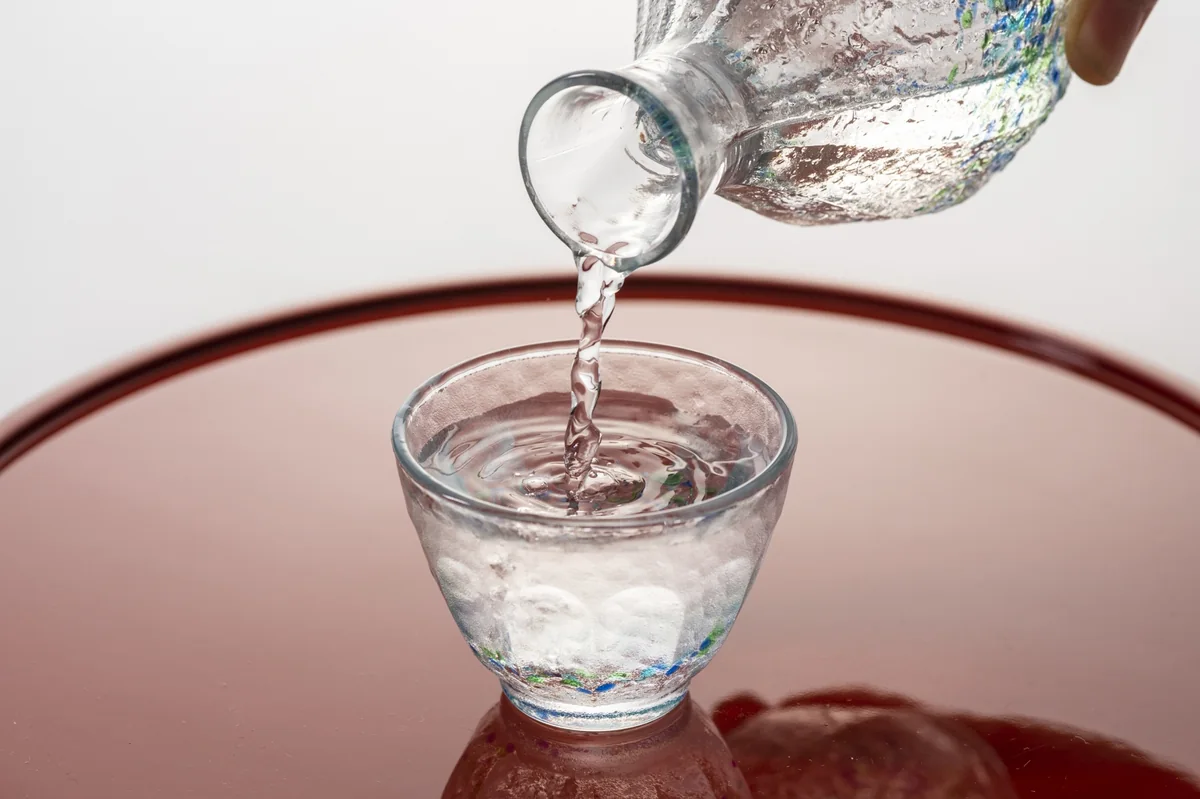
A little label literacy
Useful clues.
Not a ranking.
What does the polishing percentage mean?
The rice-polishing ratio tells you how much of the grain remains after polishing. A ratio of 60% means 60% remains. It is one production detail, not a score for how much you will enjoy the sake.
What does junmai tell me?
Junmai identifies sake made from rice, rice koji and water, without added brewing alcohol. Other categories may use a limited addition of brewing alcohol. The label helps describe production; taste still deserves its own attention.
Does a fruit aroma mean fruit was added?
Not necessarily. Fermentation can produce fruity aromas in sake made from rice. Ask about the style and ingredients rather than guessing from a tasting description.
From the story to your itinerary
Follow the craft.
Find your glass.
Walk a brewing district, learn what changes when sake meets food, or meet the drink over a night out. Choose the part of the story you want to experience.
Alcohol tasting is for ages 20 and over. Use public transport; do not drive or cycle after drinking. Take small tastes, drink water and skip pours when you wish. Check non-drinker participation with each operator.
Kyoto / Fushimi / The district & the range
A neighbourhood, many expressions.
Follow sake through Fushimi: the tools that explain its making, the names behind the bottles and the different flavours waiting in a tasting glass.
The current 2.5-hour route visits Gekkeikan Okura Sake Museum, Kizakura Kappa Museum and Fushimizu Sake Brewery Alley. It includes English guiding, admission and tastings, with a selection of 18 sakes advertised at the final stop.
Choose it for a walk through the district and a broad comparison of styles. These are museum and tasting stops; active production-room access is not promised. Food costs extra, and the listing is for guests aged 20 and over.
The GetYourGuide link is an affiliate link. JAPANODE may earn a commission at no extra cost to you. Check the selected date, inclusions and cancellation terms before booking.
Kyoto / Fushimi / Sake & food pairing
Let the next bite change the glass.
What happens when the same sake meets a different flavour? A guided pairing turns a tasting into something you can use at dinner, long after the tour ends.
This three-hour experience combines Gekkeikan Okura Sake Museum with a dedicated tasting room. A certified sake expert leads the English-language session, with ten or more sake styles, Japanese otsumami appetisers and tasting notes included.
Choose it to understand your preferences and order with more confidence. The first half involves about 1.5 hours of walking and standing. Tell the operator about dietary needs, and check museum substitutions and the cancellation terms for your date.
The GetYourGuide link is an affiliate link. JAPANODE may earn a commission at no extra cost to you. Check the selected date, inclusions and cancellation terms before booking.
Kobe / Nada / Our recommendation from Osaka
From Osaka to sake country.
Make room for Kobe's Nada district, where brewing history belongs to the neighbourhood. The story of water and craft becomes easier to picture when you can walk between the places that tell it.
The current three-hour route names Hamafukutsuru, Kiku-Masamune and Hakutsuru, combining brewery visitor facilities, museums and tastings with English guiding. It is a way to connect this story's regional history with different makers.
Travel independently from Osaka to the meeting point at Uozaki Station in Kobe. Allow travel time on top of the tour; this is a Kobe meeting, with no Osaka pickup listed. Check the included tasting allowance and any extra charges before reserving.
Plan the journey & explore the Nada district ↗The GetYourGuide link is an affiliate link. JAPANODE may earn a commission at no extra cost to you. Check the selected date, inclusions and cancellation terms before booking.
Tokyo / Higashimurayama / Toshimaya Shuzo
Tokyo has a brewing story, too.
Take the questions about rice, koji and fermentation to Toshimaya Shuzo. This visit brings a sake expert's explanation together with a brewery tour and a tasting.
The current two-hour listing offers English guiding and five to seven sake varieties, depending on the season and availability. It is a brewery visit in Higashimurayama, in the western part of Tokyo; leave time for the journey from your accommodation.
Meet directly at the brewery shop and arrive 10–15 minutes early. Food and hotel transfers are excluded. Wear comfortable shoes that are easy to remove, and confirm the day's visitor access if seeing a particular production step matters to you.
Compare Tokyo sake experiences ↗The GetYourGuide link is an affiliate link. JAPANODE may earn a commission at no extra cost to you. Check the selected date, inclusions and cancellation terms before booking.
Tokyo / Shinjuku / For a night out
Prefer a bar stool to a brewhouse?
Let the story continue over a drink. Join a local guide through Shinjuku's izakaya and bars, where the setting, food and conversation become part of the evening.
The three-hour English-guided crawl describes stops around Omoide Yokocho, Kabukicho and Golden Gai. Japanese sake is among the drinks you can try, alongside beer and spirits. Choose it for social nightlife; it is not a brewery visit or a sake-only tasting class.
Food and drinks are paid separately. Bring cash and check the planned venues for your date, as stops can change. The listing is for ages 20 and over.
The GetYourGuide link is an affiliate link. JAPANODE may earn a commission at no extra cost to you. Check the selected date, inclusions and cancellation terms before booking.
A little preparation
Before you go.
Is sake distilled like whisky?
Nihonshu is brewed by fermentation, not distilled. Shochu is a different Japanese alcoholic drink and is distilled. This story focuses on nihonshu, which is commonly called sake in English.
Will a brewery tour include making sake?
Only if the exact program says so. Many visitor experiences combine museum displays, shops and tastings. Access to active production areas varies, and full brewing takes far longer than a short visitor session.
Can I visit the Kobe sake district from Osaka?
Yes. Plan your own journey to Uozaki Station in Kobe for the listed Nada tour and allow time around its three-hour itinerary. Osaka pickup is not listed. Check the meeting point on your booking and use public transport after tasting.
Which Kyoto experience should I choose?
The 2.5-hour Fushimi tour suits a district walk and a broad selection of tastings. The three-hour insider experience adds expert-led food pairing in a dedicated tasting room. Both describe museum visits; neither promises a hands-on brewing session.
Is the Shinjuku tour only about Japanese sake?
No. It is a guided izakaya and bar crawl with sake, beer and spirits among the drinks mentioned. Food and drinks cost extra. Choose a dedicated tasting or brewery visit if your priority is learning about sake itself.
Can I visit without drinking?
A museum can be interesting for its tools, architecture and production history even if you do not taste alcohol. For a paid tasting tour, ask about non-drinker participation, charges and age restrictions before reserving.
Which bottle should I take home?
Ask for the name of one you enjoyed and its storage instructions. Some sake needs refrigeration. Check your airline and destination's alcohol-import rules, and buy only what you can transport appropriately.