On this page
Quick answer: seven days, six nights and two main bases
A first 7-day Hokkaido itinerary works well with Sapporo, an Otaru day trip, and two nights in Asahikawa for the zoo and countryside. This is seven days including arrival and departure, with six hotel nights. It assumes flights through New Chitose Airport and a green-season countryside visit; winter alternatives appear below.
| Day | Main plan | Sleep |
|---|---|---|
| 1 | New Chitose Airport to Sapporo; an easy evening | Sapporo |
| 2 | Central Sapporo, one neighborhood and local food | Sapporo |
| 3 | Otaru canal and Sakaimachi day trip | Sapporo |
| 4 | Train to Asahikawa; Asahiyama Zoo if opening hours allow | Asahikawa |
| 5 | A planned Biei or Furano countryside route | Asahikawa |
| 6 | Return to Sapporo; flexible city afternoon | Sapporo |
| 7 | Airport transfer and departure | — |
The two main bases reduce repeated long journeys while keeping the final night near the airport rail connection. You still change hotels twice: Sapporo to Asahikawa, then back to Sapporo. If packing twice is a bigger drawback than spending longer on a coach, use Sapporo throughout and replace the northern overnight block with one organized excursion.
This is an editorial route, with suggested time allowances rather than booked connections. Transport, attraction and tour details were checked on October 17, 2026. Choose exact dates before buying nonrefundable tickets, particularly around seasonal zoo closures and flower season.
Days 1–2: arrive and settle into Sapporo
On arrival, make reaching the hotel the only fixed task. JR Hokkaido's airport service guide lists several train types, with the fastest airport–Sapporo journeys taking 33 minutes. Budget more for immigration, baggage, the walk to the platform and reaching your hotel; the train time is only one part of arrival.
The published adult non-reserved fare is ¥1,230 one way. A reserved seat is an additional purchase, useful if you value a guaranteed seat but unnecessary for using the train. Follow the departure board: a convenient airport train is not automatically the right onward service for every destination.
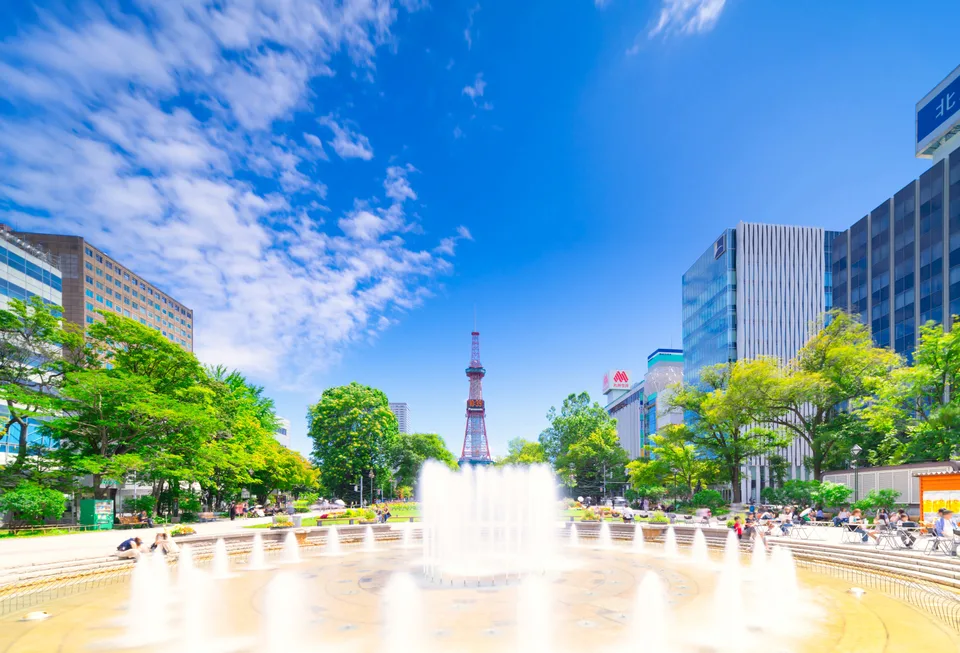
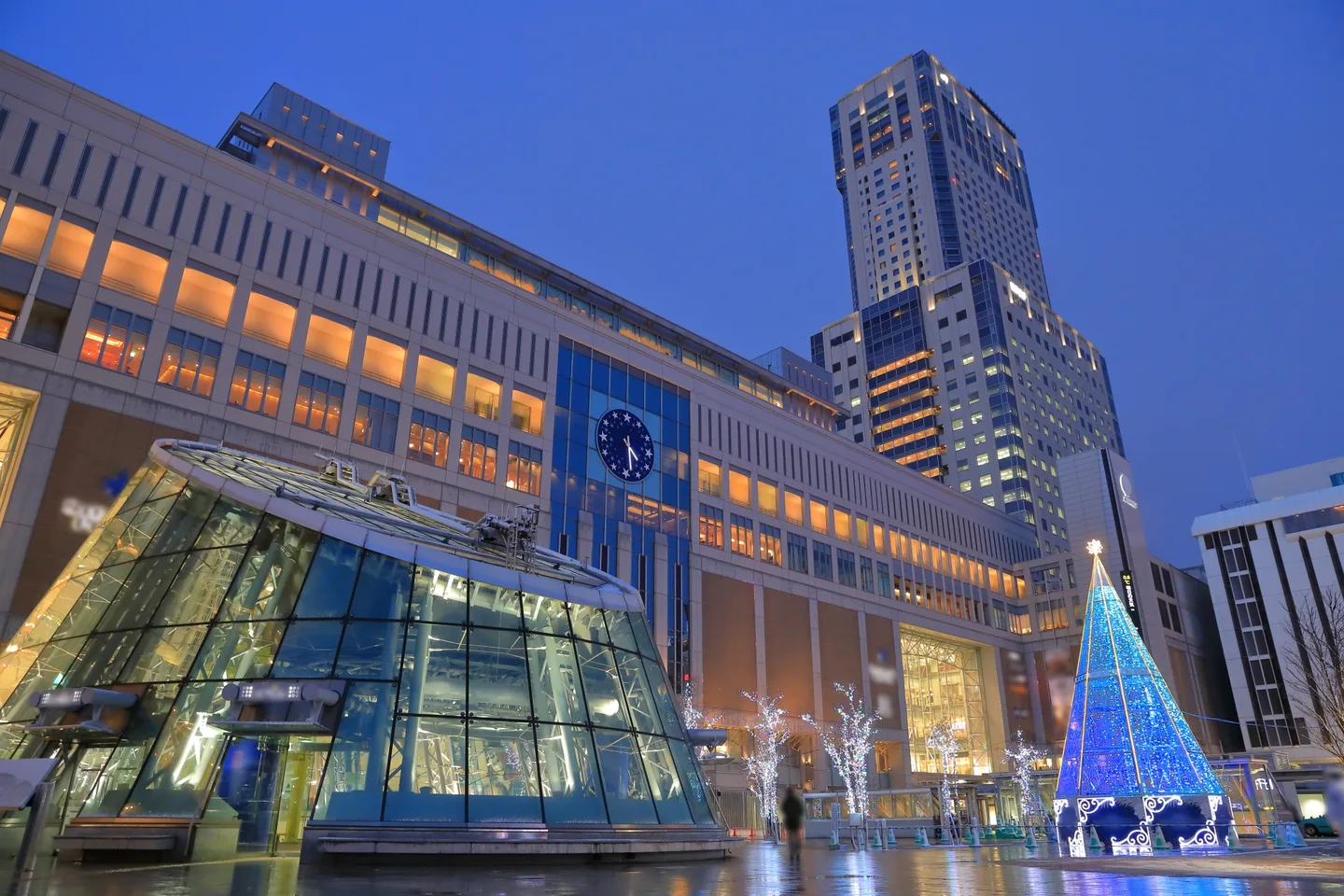
Use day 2 for the city's central corridor: the clock tower, Odori Park, a market or café stop, and dinner around Susukino. Pick one paid viewpoint or one outer neighborhood instead of trying to collect every city landmark. Our Sapporo itinerary gives a two-day version; with this regional route, move its optional activities to day 6.
Choose a hotel near JR Sapporo Station if the airport, Otaru and Asahikawa train journeys dominate your plans. Odori is a useful compromise for sightseeing; Susukino favors evenings near restaurants. Compare the actual entrance and luggage route in the Sapporo area guide. A hotel described as “near the station” may still involve stairs and a substantial walk.
Day 3: Otaru without changing hotels
Leave your main luggage at your Sapporo hotel and make Otaru a separate day. Start at Otaru Station, walk toward the canal, have lunch, and browse Sakaimachi toward Marchen Crossing. Finish either at Minami-Otaru Station or by returning to the canal for dusk and then Otaru Station.
The JR Hokkaido fare table lists ¥800 each way for an adult non-reserved journey between Sapporo and Otaru. A standard return therefore costs ¥1,600 before optional seat reservations. Compatible IC cards work on this corridor, but do not assume the same applies beyond Otaru toward Yoichi or Niseko.
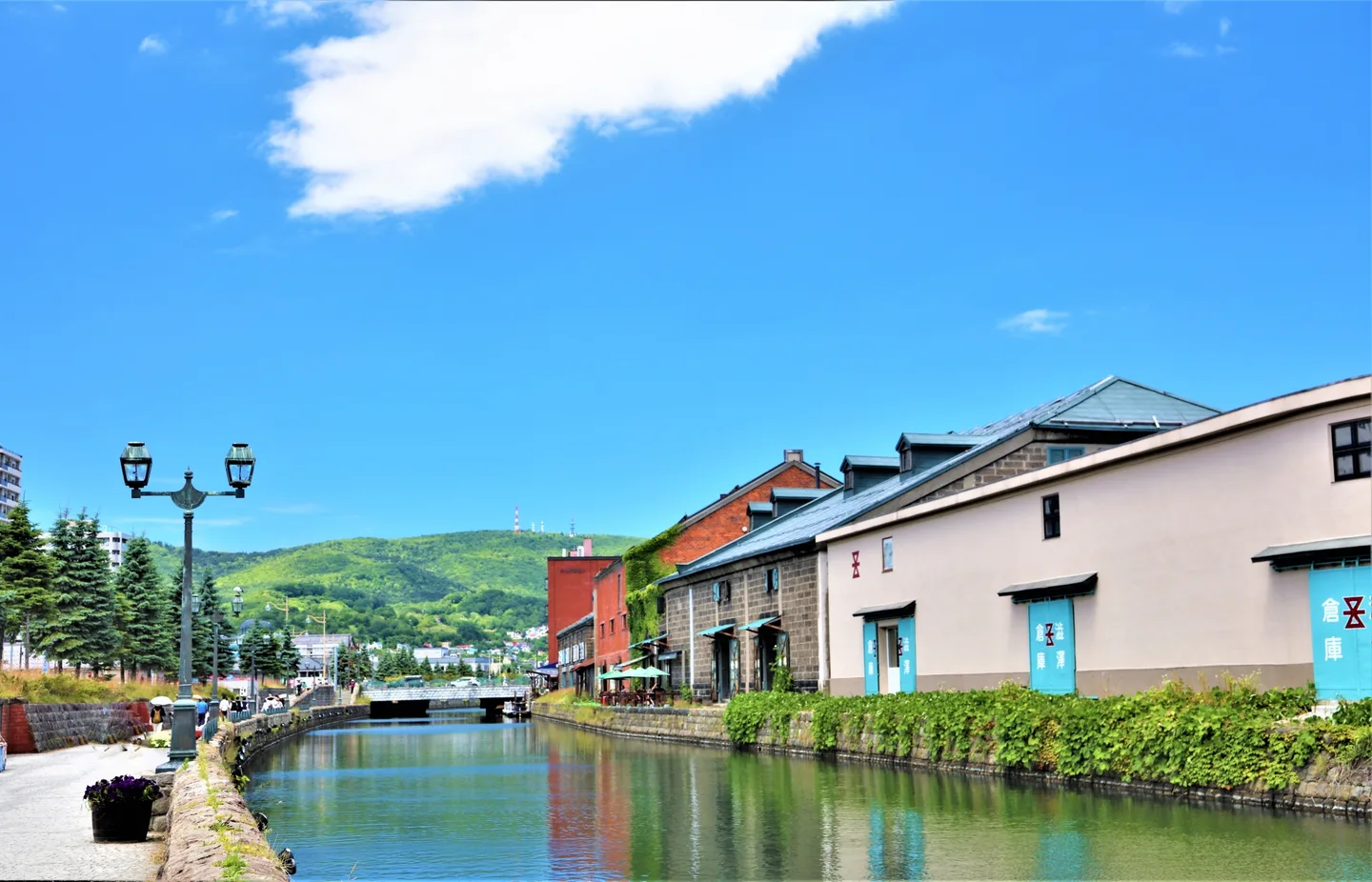
Give the waterfront, shops and meal most of the day. A canal cruise, a craft workshop or a guided walk can replace some browsing time. Adding an aquarium, mountain viewpoint and Yoichi distillery creates a different itinerary with more transport.
Use the Otaru day-trip route to choose your arrival station and return plan. In winter, shorten the outdoor circuit and allow warm indoor breaks. In summer, waiting for darkness may mean a later evening than you want; daylight is a perfectly reasonable choice.
Day 4: travel to Asahikawa and choose the zoo
Take an early limited express from Sapporo to Asahikawa, leave bags at your accommodation if it accepts pre-check-in storage, and continue to the zoo. The zoo's official access information describes about 1½ hours by train from Sapporo and a further roughly 40-minute bus journey from Asahikawa Station. Add connection and luggage time between them.
Allow roughly three to four hours at the zoo as a planning target, including breaks. This is easier with an early start; a late arrival in Asahikawa should become a quiet city afternoon instead. You can swap days 4 and 5 when opening dates, weather or local transport make that more sensible.
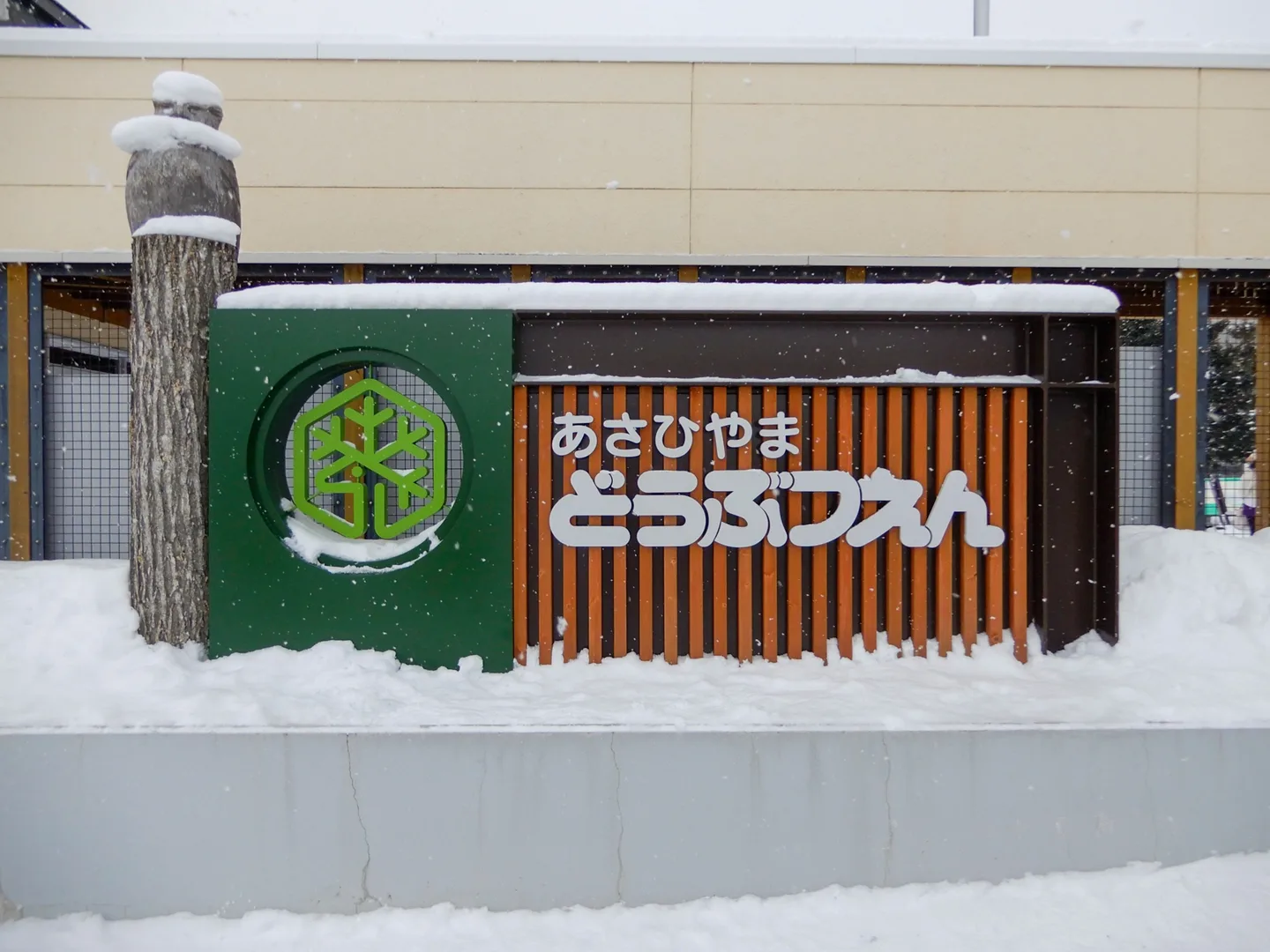
Check the Asahiyama Zoo guide before booking. The standard adult entry is ¥1,000 at the October 2026 check, with an announced increase to ¥1,400 from April 29, 2027. Seasonal changeover closures are just as important as price: a train ticket does not mean the zoo will be open.
Stay near Asahikawa Station for straightforward onward rail and bus journeys. Avoid promising yourself an evening flower-field visit after the zoo; this day already includes moving hotels and crossing the city.
Day 5: one countryside day around Biei and Furano
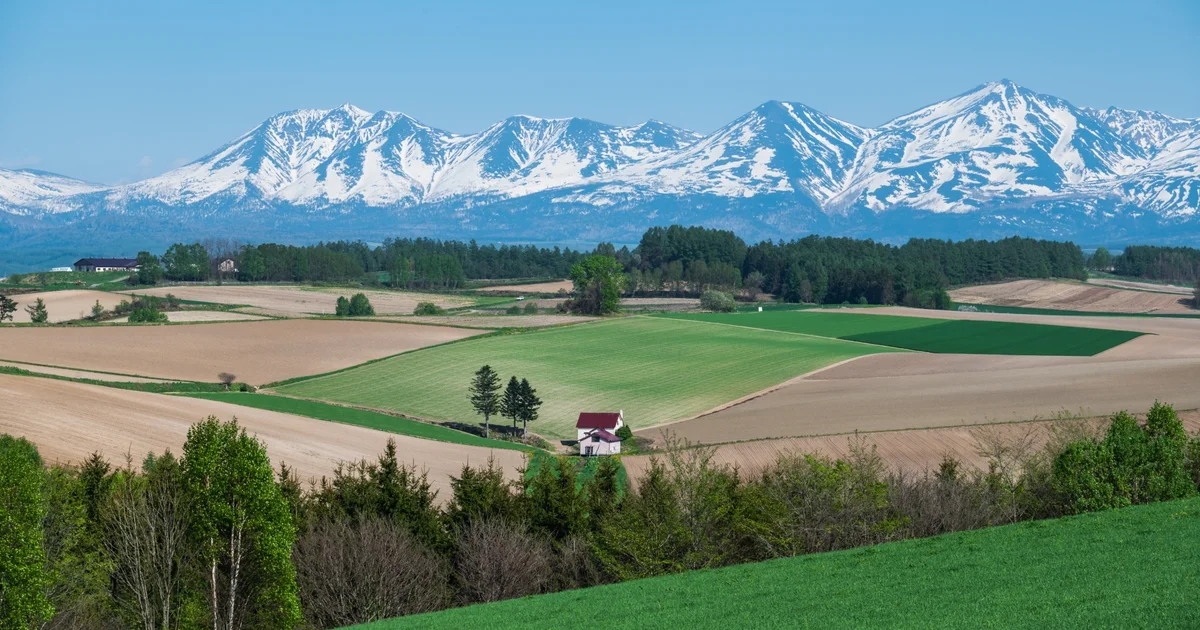
Choose the countryside destination by the season. For lavender, focus on Farm Tomita in Nakafurano or another confirmed lavender garden. For broad mixed-flower displays, investigate Shikisai-no-oka in Biei. For landscape scenery without a flower-season promise, consider a route including Shirogane Blue Pond and Shirahige Waterfall.
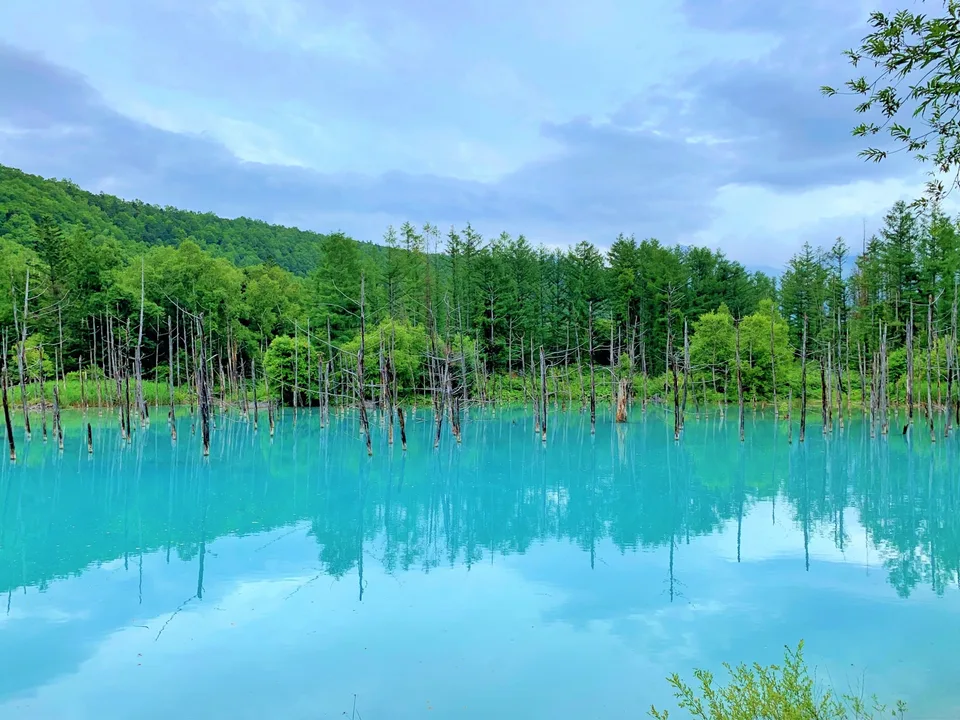
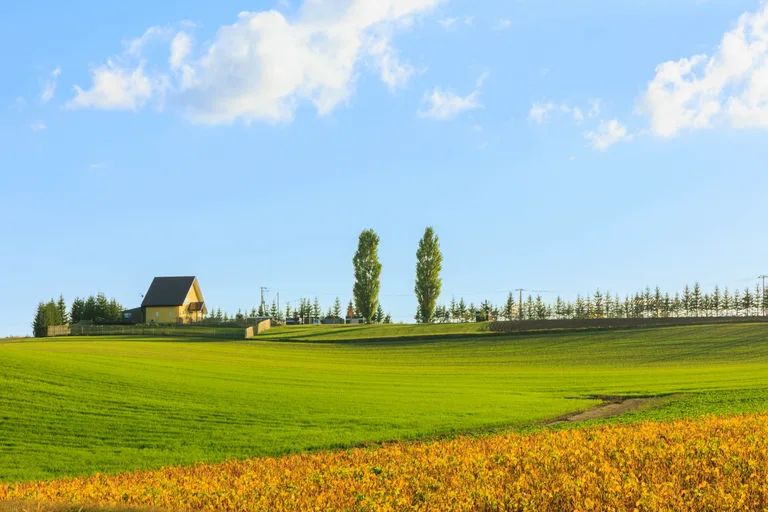
A train to Biei or Nakafurano gets you into the area, not automatically to every attraction. Gardens and viewpoints are spread out. Build the day around one main destination and one optional stop, then check the whole chain back to Asahikawa. Two station names on the same railway do not prove the gardens between them are easy to combine on foot.
Our Furano and Biei flower-field guide compares the locations, walking approaches and tour routes. Reserve a local excursion or taxi arrangement if the public-transport timetable does not support your choices. A Sapporo-departure tour cannot collect you in Asahikawa unless that option is explicitly sold.
The photographs show different seasons and places. Lavender, green hills, autumn colors and winter illumination cannot all be expected on one visit. For a summer trip, choose dates from the garden's flower reports rather than from a photograph alone.
Days 6–7: return south and protect the flight
Return to Sapporo on day 6, leaving an afternoon for an activity postponed earlier: another neighborhood, shopping, a food reservation or a clear-weather viewpoint. Keep that evening flexible enough to handle a delayed train without losing an important booking.
If returning to the same Sapporo hotel, ask whether it can store a larger bag during the Asahikawa stay. Storage across nights is a property policy, not an automatic benefit of returning later. Keep essentials and any medicines with you, and confirm collection hours before making a separate storage booking.
On day 7, work backward from your airline's airport arrival requirement. Add the hotel-to-station walk, time to buy tickets or find the platform, the rail journey and a disruption buffer. Do not schedule the zoo, Biei or a long road excursion before a flight simply because a map shows a possible connection.
For a very early departure, compare staying at or near New Chitose Airport on the final night instead of central Sapporo. Check the specific hotel's terminal access and first transfer service. That change is about the flight time, not a reason to relocate for every afternoon departure.
Change the plan for winter, flowers or fewer days
Winter: keep Sapporo and Otaru, then choose between an Asahikawa zoo stay and a Sapporo-based snow-scenery excursion. Do not retain summer flower stops under winter photographs. Shorter daylight, slippery approaches and weather disruption make fewer commitments valuable. The Japan winter guide explains the wider seasonal planning issues.
Lavender as the main purpose: move a night from Sapporo to the Furano/Nakafurano area and give the gardens more time. Book accommodation after checking realistic transport from its entrance; a rural lodging can be inconvenient without a car. July flowering conditions vary, so leave room to switch garden days.
Only five days: keep Sapporo and Otaru, add one countryside excursion if desired, and remove the Asahikawa hotel change. More than seven days: add nights to the area you care about before adding a distant region. Hakodate, Niseko and eastern Hokkaido each deserve their own transport decisions.
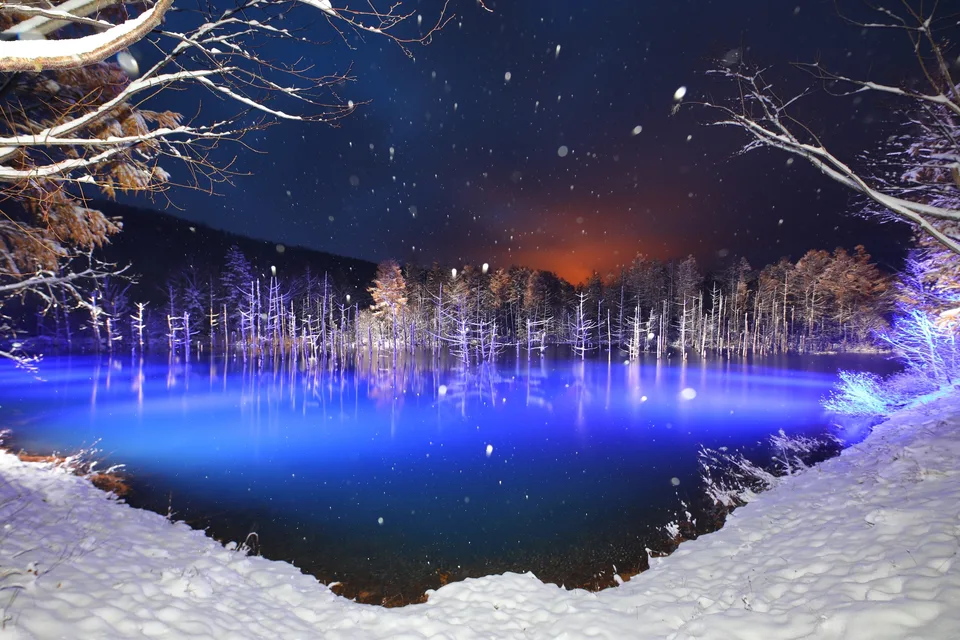
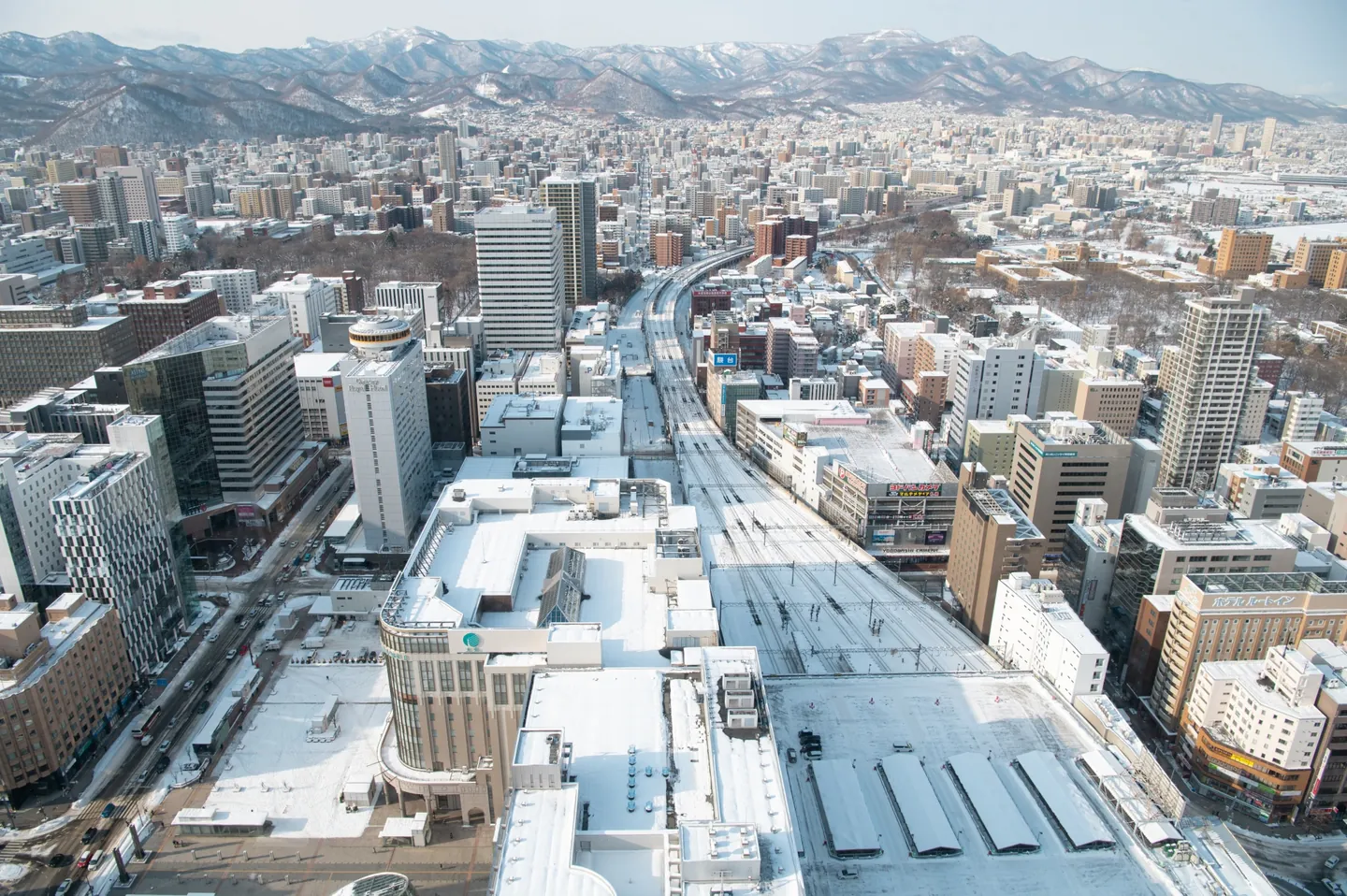
A winter countryside day from Sapporo
For a Sapporo-based winter version, replace the Asahikawa and flower-field block rather than adding another long day to it. The seasonal Biei tour below is a return excursion: keep that night in Sapporo and leave the flight day free of remote sightseeing.
Some booking links below are affiliate links. JAPANODE may earn a commission at no extra cost to you.
Biei Winter Scenery from a Sapporo Base
The November–March route lists snowy viewpoints, Shirahige Waterfall and the Blue Pond.
Best for
A Sapporo-based winter itinerary with a full day reserved for the countryside.
Before booking
Allow about 10–10.5 hours and dress for icy paths. Lighting, road conditions and stops can change; meals are extra. Confirm your departure time.
Live price & availability
Powered by GetYourGuide · we may earn a commission at no extra cost to you.
A spring-to-autumn swap: Noboribetsu and Lake Toya
Choose this southern excursion in place of a countryside day if volcanic scenery is your priority, and adjust the overnight plan so you are in Sapporo before and after the tour. It is a sightseeing day, not an onsen stay. The current product is for spring through autumn; its operator sells winter departures separately.
Noboribetsu and Lake Toya Day Trip from Sapporo
Explore Hell Valley and the Lake Toya area on a full-day excursion with a return to Sapporo.
Best for
A Sapporo-based traveler who wants volcanic scenery instead of another northern countryside day.
Before booking
Lunch and the optional Mt. Usu ropeway are extra. This listing is for spring to autumn; winter uses a separate product. Confirm the meeting point and age restrictions.
Live price & availability
Powered by GetYourGuide · we may earn a commission at no extra cost to you.
Choose a separate route for eastern Hokkaido
Eastern Hokkaido is an alternative focus for a longer trip or a different week. If Shiretoko, Lake Mashu, Lake Kussharo and Kushiro Marsh are the priority, compare flights into and out of eastern airports and design the overnight stops around that route. Do not treat all of Hokkaido as a day-trip radius around Sapporo.
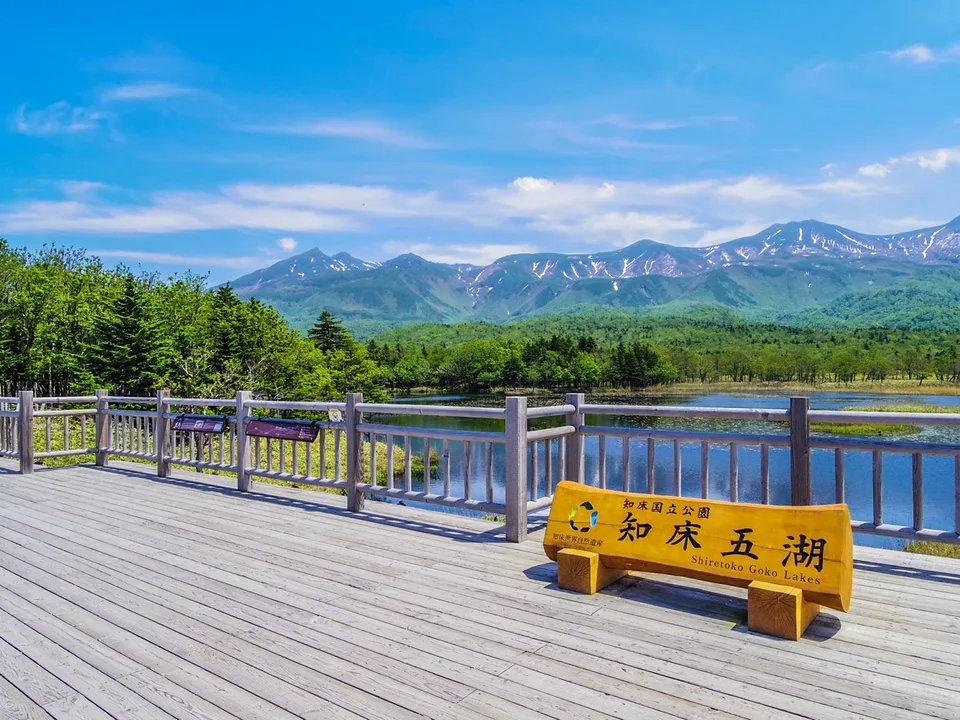
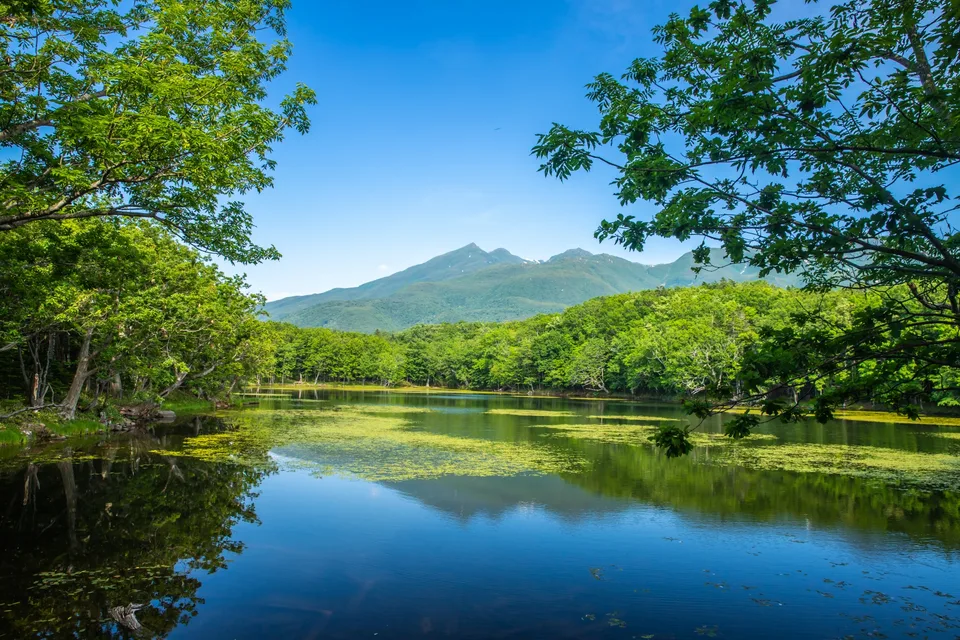
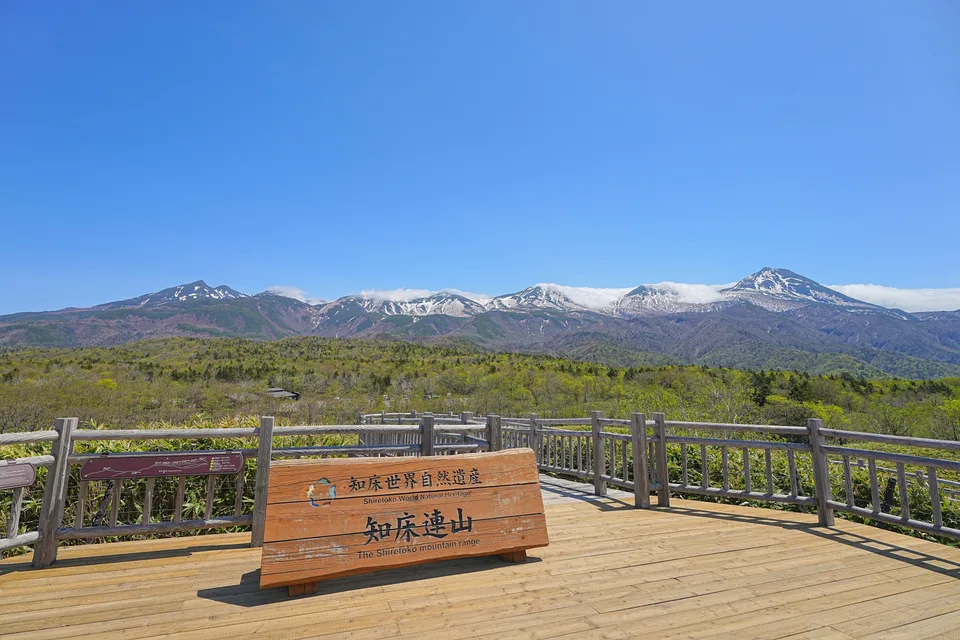
Shiretoko Goko and Kushiro Marsh belong to an eastern Hokkaido trip. Replace part of this central Hokkaido itinerary or allow more days and different overnight bases if they are your priorities. The photographs below show that alternative, not extra stops to add to the Sapporo and Biei day trips.
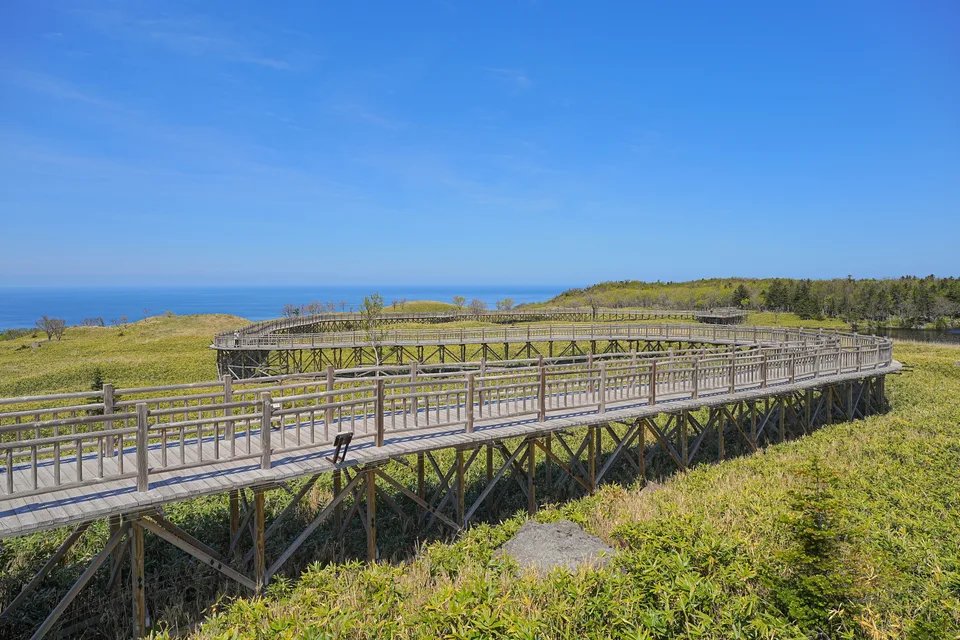
Shiretoko Goko: lakes, mountains and a boardwalk
The official Shiretoko Goko guide distinguishes the elevated boardwalk from the ground pathways. Check the current opening period and walking conditions for the route you intend to use.
Kushiro Marsh: make room for an eastern base
Treat the marsh viewpoints as part of an eastern stay, with their own transport plan. Do not use these photographs as a reason to squeeze Kushiro into a day based in Sapporo.
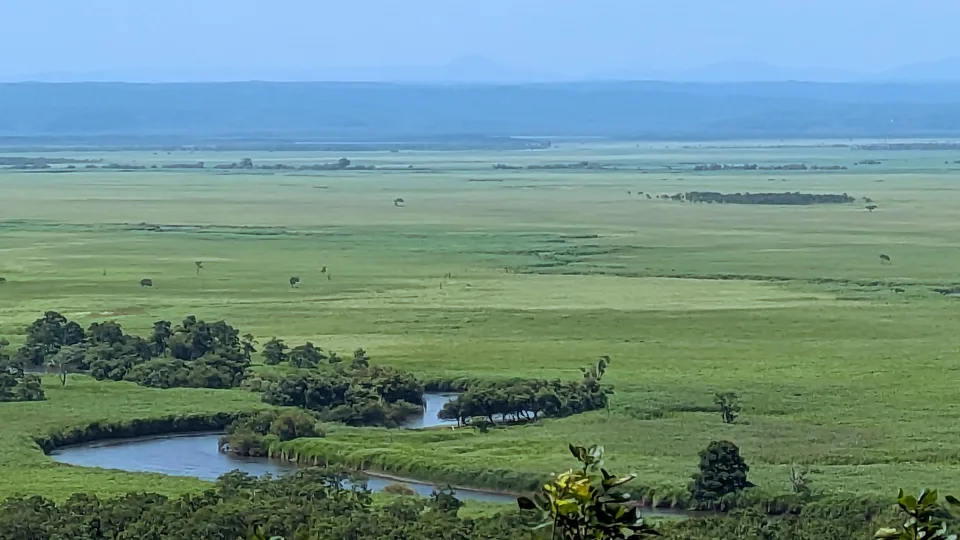
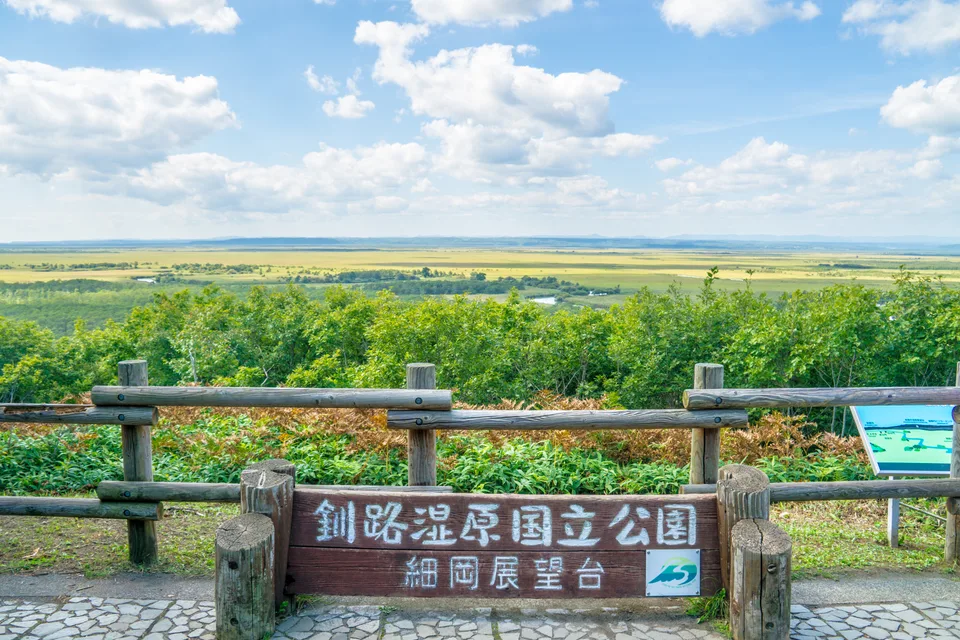
For these landscapes, choose transport before committing to a remote hotel. A viewpoint, visitor center and trail entrance may be different destinations. Weather, wildlife-related access restrictions and seasonal closures can affect which walks are possible. Use the relevant park's current information when planning each walking route; the scenery in a stock photograph does not establish today's access.
What to book and what the route costs
Book the hard-to-change pieces first: flights, the six hotel nights, and any countryside transport that runs only on selected dates. Then reserve intercity train seats and the particular activities you want. Keep city walks and a flexible meal or two available to absorb weather changes.
For a fare comparison, JR's published adult prices give a useful starting point: airport–Sapporo non-reserved ¥1,230 each way, Sapporo–Otaru non-reserved ¥800 each way, and Sapporo–Asahikawa limited express ¥5,440 each way in its reference table. Those journeys total ¥14,940 per adult using those fares. This is a rail subtotal, not a complete trip budget; reservation-season differences or other products can change the actual checkout price.
Add zoo buses, countryside transport, admission, food and accommodation separately. A tour that includes transport and entry replaces some of those costs; do not add the full DIY and tour budgets together. Use the JR Pass comparison to compare your real route rather than assuming a nationwide pass is required for Hokkaido.
Hotel prices vary too much by date and room type for a single seven-day total to be reliable. Price the actual six nights, check whether accommodation tax is included, and use the Japan trip budget guide for the remaining categories.
If you choose a Sapporo-only base instead of the Asahikawa overnight block, a return day tour is an alternative. This Sapporo departure does not fit a morning that starts in Asahikawa.
Asahiyama Zoo and Biei Day Trip from Sapporo
Combine a zoo visit with countryside stops around Biei on a return day trip from Sapporo.
Best for
Travelers staying in Sapporo who want arranged transport for a long day outside the city.
Before booking
The listed zoo visit is about two hours. Small groups may have a driver-guide with limited English commentary. Lunch and personal travel insurance are excluded; check age and mobility restrictions.
Live price & availability
Powered by GetYourGuide · we may earn a commission at no extra cost to you.
Choose the tour for its route and time allocation, not simply because it lists more attractions. A shorter zoo stop may suit a mixed sightseeing day, while an independent visit gives animal exhibits more time. The right week is the one whose transport and overnight bases match the places you most want to see.
Make it your trip
Still planning your Japan trip?
Pick the question on your mind. Compare your options, check the details and take one more thing off your list.
Would a JR Pass save you money?
Add your train journeys and compare individual tickets with the nationwide pass. See which costs less for your route.
Calculate my rail costs
Which eSIM fits your Japan trip?
Maps, messages, hotspot use: compare five providers by data allowance, network and plan limits before you choose.
Find my Japan eSIM
What should your travel insurance cover?
Compare medical cover, cancellation and activity limits across five options, with the exclusions worth checking.
Compare cover & limitsFrequently Asked Questions
Seven days can work for Sapporo, Otaru and one countryside area. This plan includes arrival and departure days; adding eastern Hokkaido or Hakodate means replacing stops or extending the trip.
The Sapporo and Otaru sections work by rail. For Biei and Furano, choose a date-specific bus tour, arrange local transport, or reduce the number of rural stops instead of assuming stations are beside the flower fields.
Keep the city portion, but replace the flower-field days with a shorter winter plan. Check zoo opening dates, daylight and transport before deciding whether to include Asahikawa.
Compare individual fares and any eligible regional pass for your actual journeys. A rail pass does not automatically cover the local buses or tours needed to reach countryside attractions.

Written by
JAPANODE
Based in Japan, publishing practical travel guides researched against official transport and attraction sources.
You Might Also Like
 Planning
Japan in Winter: Weather, Crowds & What to Book
13 min read
 Transportation
Is the JR Pass Worth It in 2026? Prices & Break-Even Routes
15 min read
 Planning
What to Wear in Japan in Summer: June, July & August Packing Guide
13 min read
 Planning
First Time in Japan: 15 Things You Need to Know Before You Go
19 min read