On this page
Quick answer: choose two city days or add a third
For a first visit, spend two full days in Sapporo, then add a third for Otaru or a slower city day. Put central landmarks and food on day 1; use day 2 for one neighborhood outside the center and an optional night view. Arrival and departure time sit outside those two full sightseeing days.
| Day | Morning | Afternoon | Evening |
|---|---|---|---|
| 1 | Clock tower and Odori | Nijo Market area, park and shopping | Dinner around Susukino |
| 2 | Maruyama and Hokkaido Shrine, or a beer-museum visit | Continue that area, then a break | Mount Moiwa if clear, or a food booking |
| 3, optional | Train to Otaru, or an unhurried city morning | Canal and Sakaimachi, or another Sapporo neighborhood | Return to your Sapporo base |
This route works without a rental car. Choose one main activity for each half-day and leave room for a meal queue, a café or changing weather. Times below are suggested allowances, not a timed tour schedule. Operational details were checked on October 17, 2026.
If Sapporo is one part of a wider trip, use the 7-day Hokkaido itinerary to decide how much city time remains after intercity journeys. A late arrival plus an early departure is not equivalent to two full days.
Day 1: Odori, the clock tower and central Sapporo
Start with the Sapporo Clock Tower, an easy introduction to the center. Allow around 30–45 minutes if you want to go inside, rather than treating it only as a photo stop. Its official visitor information lists adult admission at ¥350, opening 8:45–17:10 with last admission at 17:00, and closure January 1–3. Older references to ¥200 are out of date.
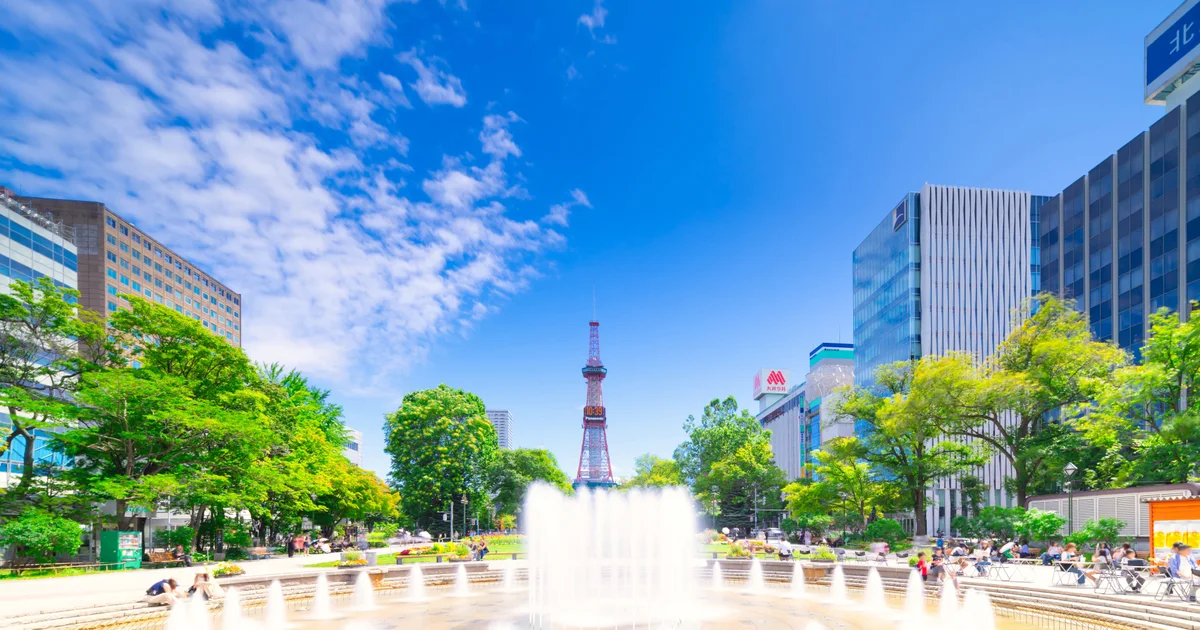
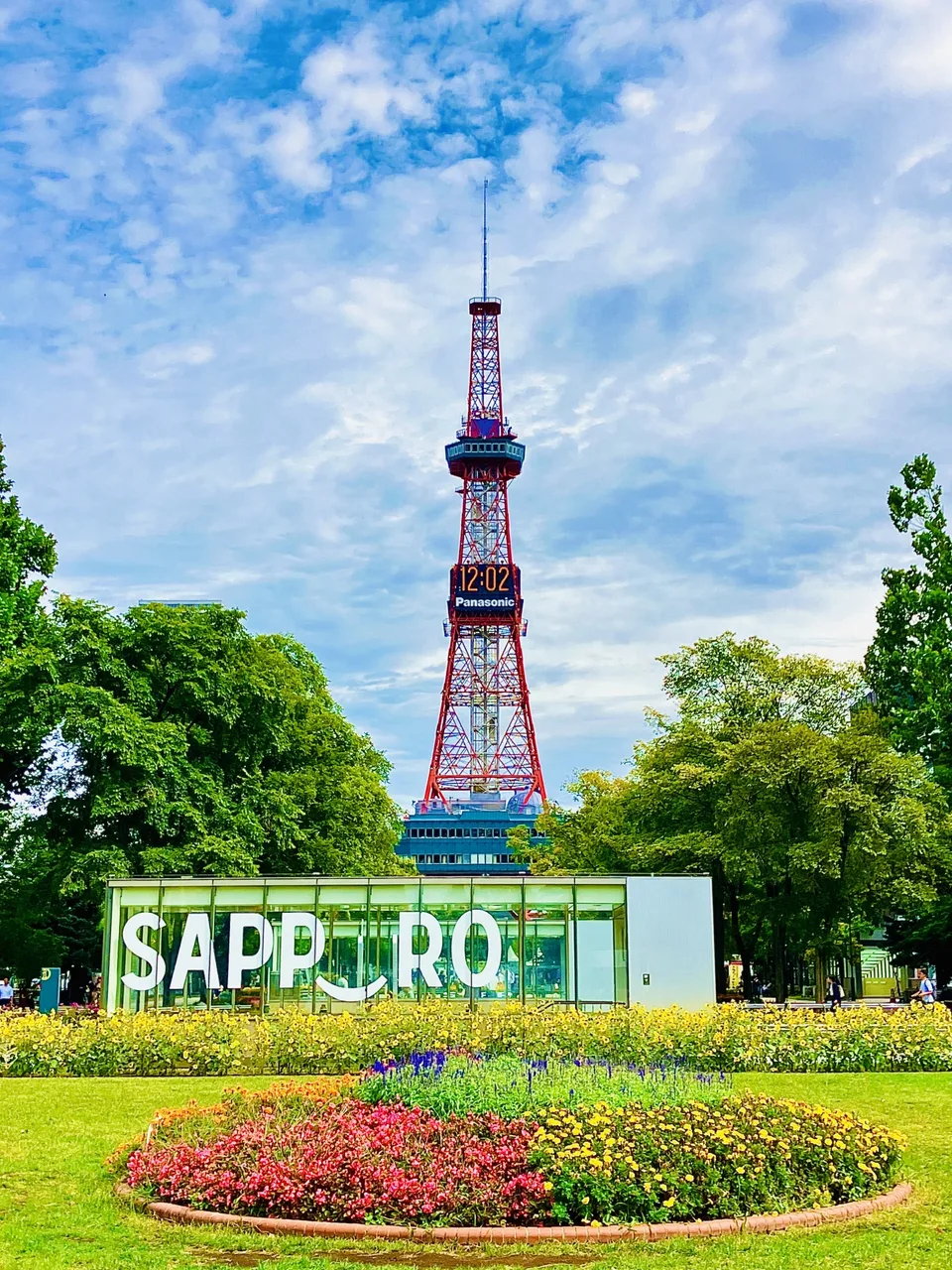
Continue to Odori Park and the TV Tower at its eastern end. A short park walk is enough to understand the layout; you do not need to walk its entire length to complete the morning. In warm weather, allow time to sit outside. In winter, split the walk into shorter sections with indoor stops.
The Sapporo TV Tower lists adult observation-deck entry at ¥1,200, with regular hours 9:00–22:00 and last entry 21:50. The published closure dates include November 11, 2026 and January 1, 2027. Pay for the view when visibility looks worthwhile; the park-level view of the tower is a separate, free option.
For lunch, choose between the Nijo Market area and another central restaurant. Check the menu and displayed price before ordering a seafood bowl, especially if adding premium toppings. Opening hours belong to individual businesses; do not assume every market stall or restaurant follows one schedule.
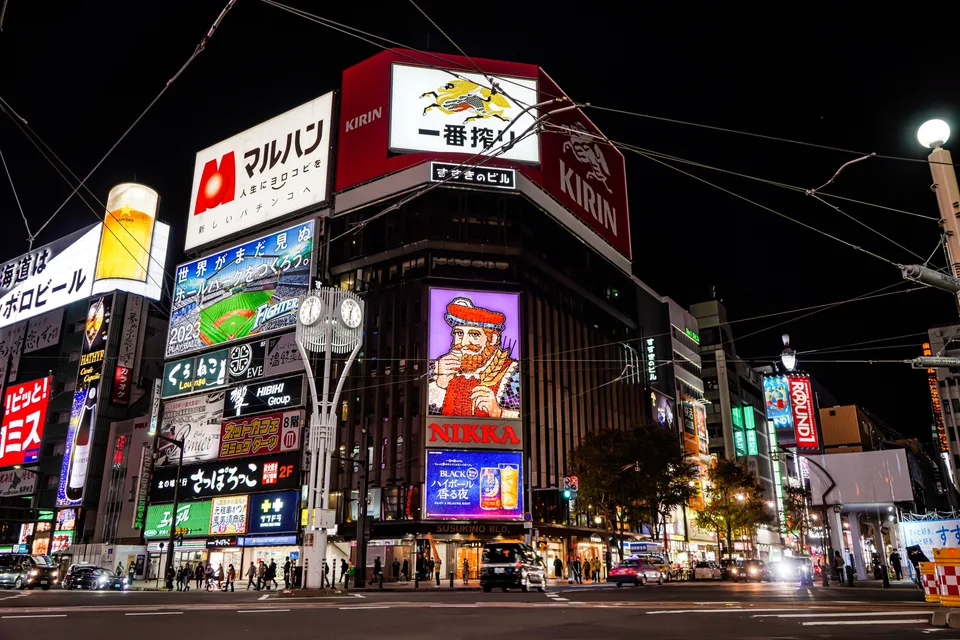
Use the afternoon for Tanukikoji shopping and a relaxed return to the hotel. Put bags down before dinner around Susukino. This leaves space for a restaurant queue without pushing every attraction later. The city's official central walking route is a useful orientation reference; this two-day plan deliberately gives meals and breaks more room.
If you prefer an evening tower view, do the park first and return later. Avoid buying both a tower ticket and a mountain-view ticket before seeing the weather; one good viewpoint can be enough for a short stay.
Day 2: choose one outer neighborhood and a food evening
Choose Maruyama Park and Hokkaido Shrine for a quieter, greener morning, or the Sapporo Beer Museum area if industrial history and a planned food stop are more appealing. These are different outings, so choose one rather than crossing the city repeatedly.
For Maruyama, use the subway to Maruyama-Koen and plan the remaining walk from the correct exit. Give the park and shrine roughly half a day including lunch, with less outdoor time in difficult weather. Keep to visitor paths and follow the site's photography notices. A park visit does not require adding Maruyama Zoo as well; that would change the day's focus.
For the beer-museum option, the Sapporo Beer Museum's visitor guide lists self-guided admission at ¥1,000 for adults, with hours 11:00–18:00 and last admission at 17:30 on operating days. English audio guidance is available using your smartphone and earphones. The bookable guided tours are Japanese-only, so an English-speaking visitor may find the self-guided option more useful. Tastings and a nearby restaurant booking are separate decisions. Check the museum's opening calendar before fixing this day.
The exhibition is a short visit rather than an all-morning activity: the operator suggests roughly 15–40 minutes with audio guidance. Add transport and time for any tasting or lunch. Travelers who do not drink can still consider the history exhibition, or choose the Maruyama plan and spend more of the day outdoors.
Return to the hotel for a break before deciding on Mount Moiwa. The mountain is an optional evening outing, not another quick stop beside Odori. Allow for getting to the ropeway, queueing, changing between the ropeway and the summit transport, and coming back down.
One public-transport approach is the city tram to Ropeway Iriguchi, then the nearby free shuttle to the ropeway's lower station during its operating hours. The official access guide also gives a roughly 10-minute walk from the shuttle stop to the lower station. The shuttle begins later on weekdays, so check its timetable instead of assuming an all-day service. The tram is separate from the subway day pass.
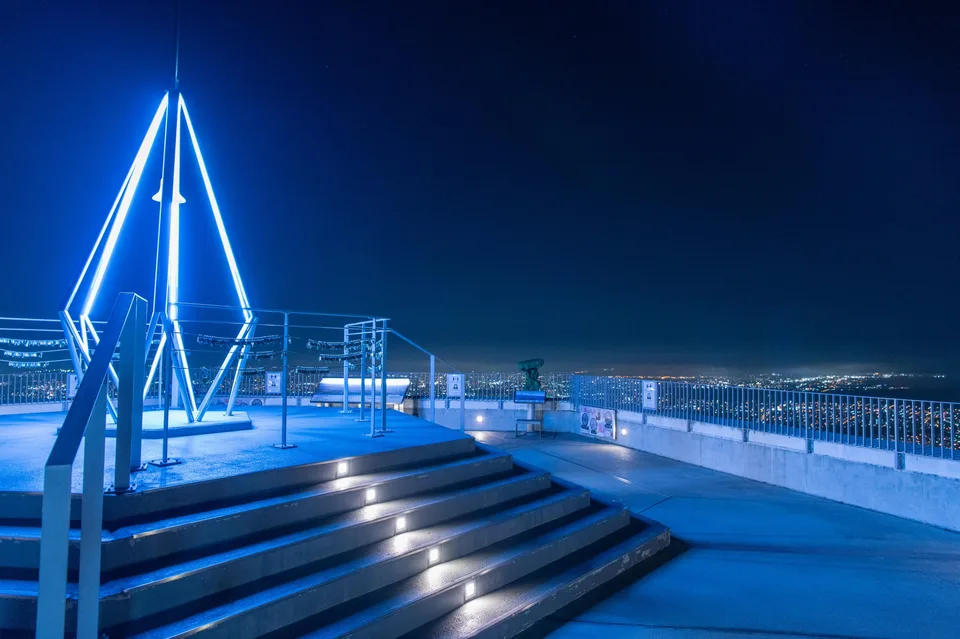
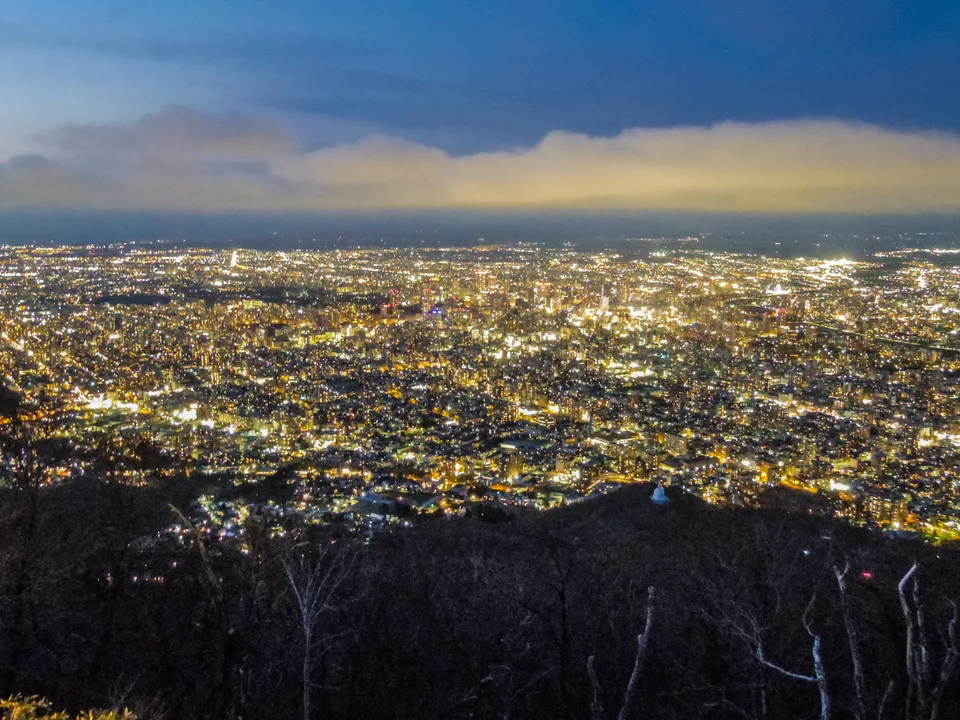
Check the ropeway operator's live status and summit camera before leaving central Sapporo. Clouds can obscure the view even when transport is operating. Confirm that day's final uphill service and any maintenance closure, and take an extra layer for the observation deck.
If the forecast is poor, keep the evening for a reserved meal or ramen tasting. Do not make a tightly timed dinner depend on returning from the mountain at an exact minute. Choosing the viewpoint on the clearer of your two evenings gives the plan more flexibility.
Day 3: Otaru or a slower day in Sapporo
Otaru is the natural third-day choice for a first Sapporo stay. Focus on the canal, lunch and Sakaimachi, then return to the same hotel. Our Otaru day-trip guide covers the train fare, the two useful arrival/departure stations, and the choice between daylight and dusk.
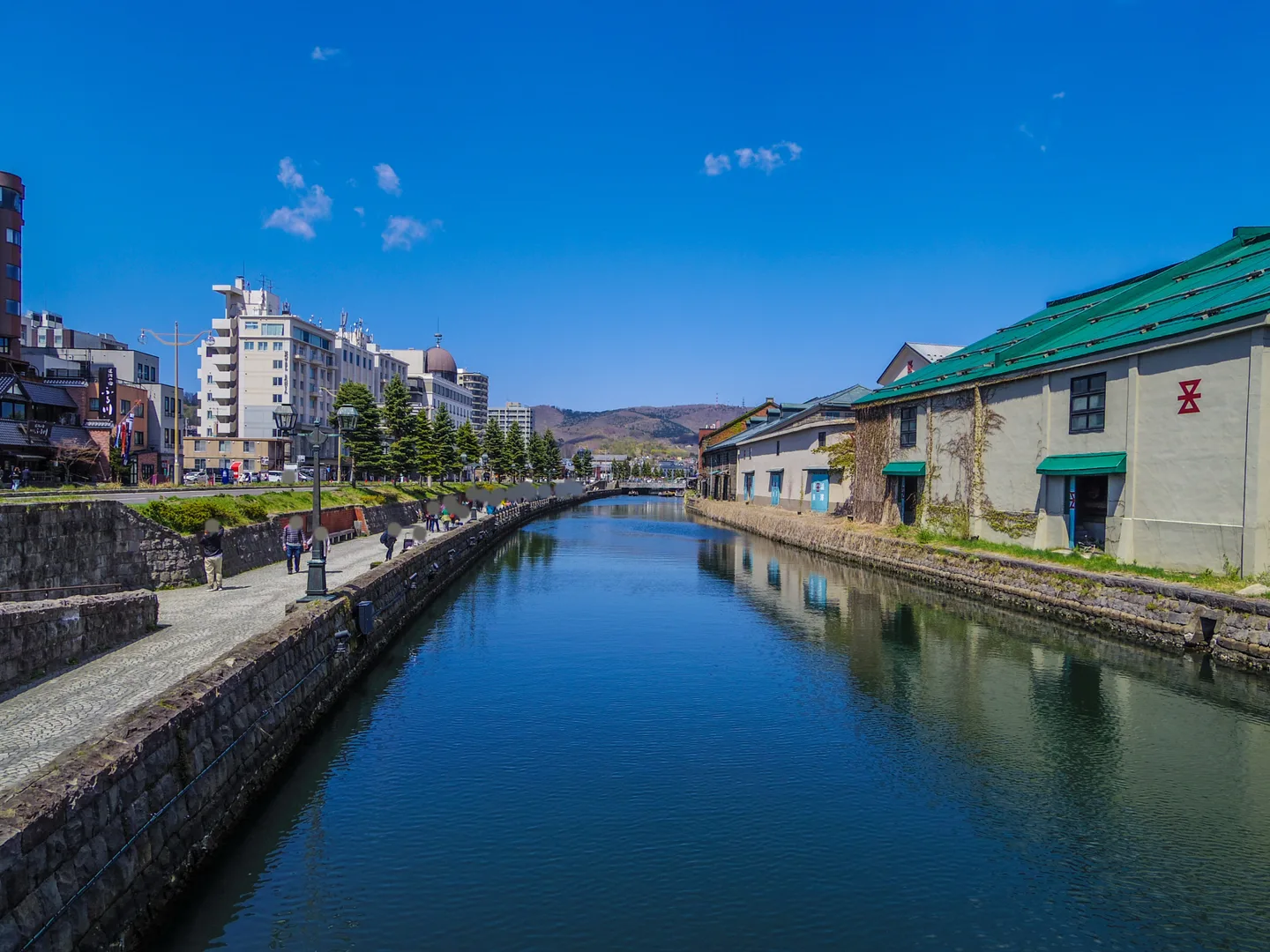
Keep the third day in Sapporo instead if you would rather have another slow meal, visit the neighborhood you skipped on day 2, or avoid repacking your schedule around weather. This also works well after a long flight or with young children. A third day need not become a much longer excursion simply because one is available.
Asahiyama Zoo and the flower fields around Furano and Biei require a different commitment. They are substantial trips outside Sapporo, not spare-afternoon additions. Read the Asahiyama Zoo transport guide or Furano and Biei planning guide if either is a priority, then give it a separate day or change your hotel bases.
For a flight on day 3, use that morning for a short nearby activity with a clear stopping point. Leave out Otaru unless your actual flight time, transport buffer and luggage arrangements comfortably support it.
Where to stay for this route
Choose Odori for a city-first itinerary, Sapporo Station for frequent JR journeys, or Susukino for evenings near restaurants. These are starting points for comparing hotels, not guarantees about every room in each area.
For two city days, the advantage of a station-area hotel may be smaller than its price premium. For an itinerary with Otaru, Asahikawa and the airport, reducing repeated walks to JR can be worthwhile. Compare the entrance you will actually use, not just the straight-line distance to a station symbol.
The where-to-stay-in-Sapporo guide explains underground access, room selection and the accommodation tax introduced in April 2026. Check bed sizes, occupancy rules and the tax-inclusive total before paying. With a late flight, confirm whether the hotel can store your bags after checkout; that makes a final short city walk much easier.
For an Otaru day trip, keep the Sapporo room unless you specifically want an Otaru overnight experience. Changing hotels for one nearby day trip usually adds luggage handling without improving this particular route.
Getting around and adapting to rain or snow
Use walking for the compact center and the subway for longer city journeys. JR Sapporo Station and the subway's Sapporo Station are connected parts of the same broad hub, but reaching the right platform still takes time. Allow extra minutes on your first journey and use station signs instead of following a map pin blindly.
From New Chitose Airport, JR's airport trains provide the main rail link to Sapporo. The published adult non-reserved fare is ¥1,230. Compatible transport IC cards can pay the base journey; they do not reserve a seat in the reserved carriage.
For city travel, Sapporo's official ticket guide lists an adult subway day ticket at ¥830 and the ¥520 Donichika ticket for Saturdays, Sundays, national holidays and December 29–January 3. These cover the subway, not JR, trams or buses. Compare the fares for the rides you will actually take; a mostly walking day may not justify a pass.
The city also offers adult fare caps for eligible contactless bank-card travel: ¥830 on weekdays and ¥520 on eligible weekend/holiday days. Use the same physical card or the same device consistently. A plastic card and its phone-wallet version are not interchangeable for this purpose, and this is not a general cap for every transport IC card.
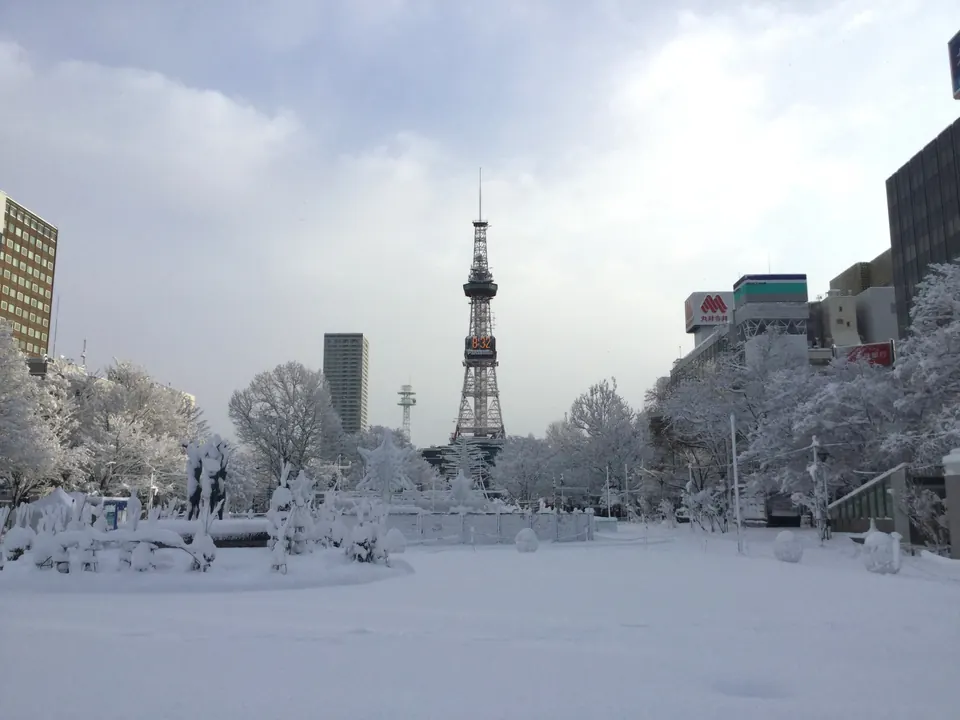
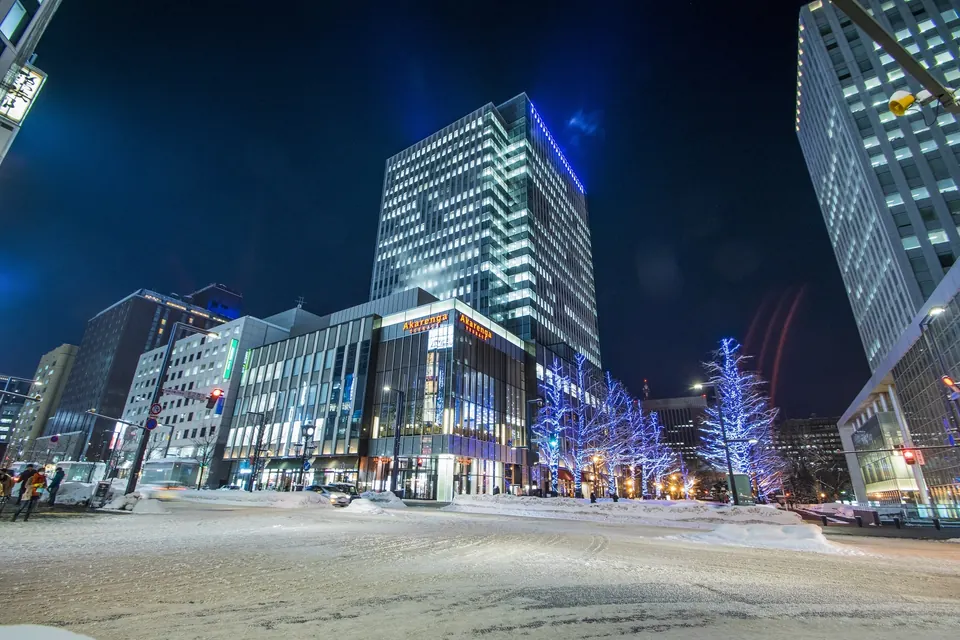
Rain favors a shorter park visit, the clock tower interior, covered shopping and longer meal breaks. Snow requires more than adding a coat: reduce walking speed, avoid overloading the day and check the route to an elevator if carrying luggage. Underground passages can help, but their exits and opening hours still matter.
Use the winter clothing guide for footwear and layers. During severe weather, move a city activity rather than forcing a long day trip. The flexibility to swap days is more useful than a schedule with every hour prepaid.
Food and experiences worth reserving
Reserve the experience that matters most, then leave the other meals flexible. Miso ramen, soup curry, seafood and jingisukan offer different ways to structure a food day; there is little benefit in scheduling several large lunches back to back.
For ramen, a guided tasting can make sense if you want explanations and smaller servings across several shops. The option below lists three mini bowls at three shops, an English option and roughly three kilometers of walking. Allow around 2¼ hours rather than treating it as a quick meal between attractions. Its listed minimum age and dietary limitations matter when choosing it for a family.
Some booking links below are affiliate links. JAPANODE may earn a commission at no extra cost to you.
Three Mini Bowls of Ramen with a Sapporo Guide
Compare three smaller bowls at different central Sapporo shops, with explanations from a guide.
Best for
Travelers who want a guided introduction to ramen as part of their Sapporo food plans.
Before booking
Around three kilometers of walking. The listing excludes children under 12 and uses animal-based broths; confirm allergies and dietary requirements before booking.
Live price & availability
Powered by GetYourGuide · we may earn a commission at no extra cost to you.
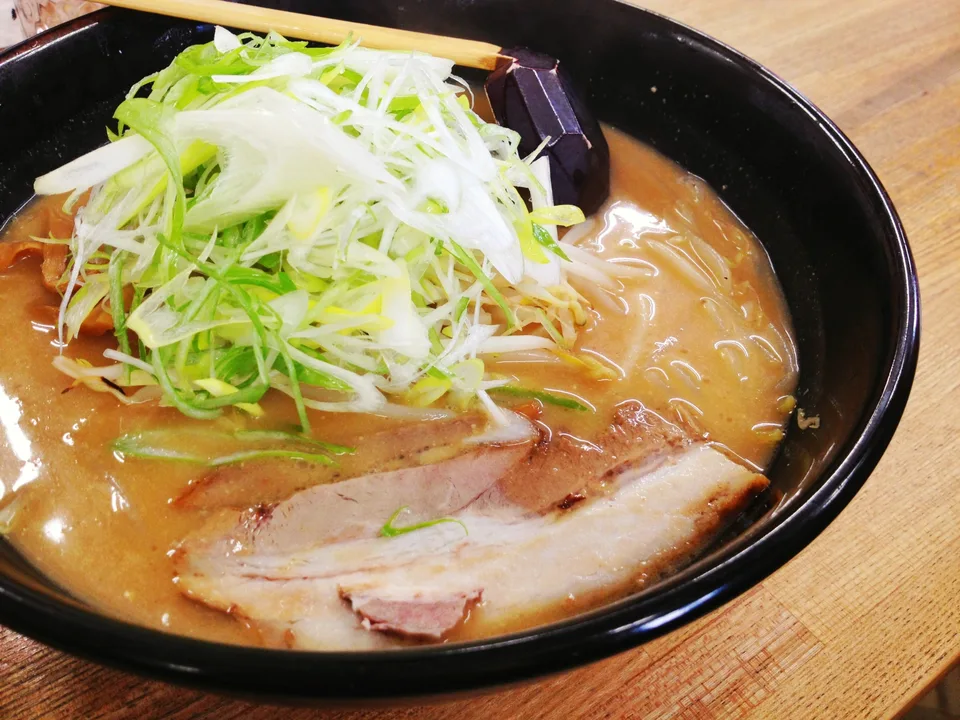
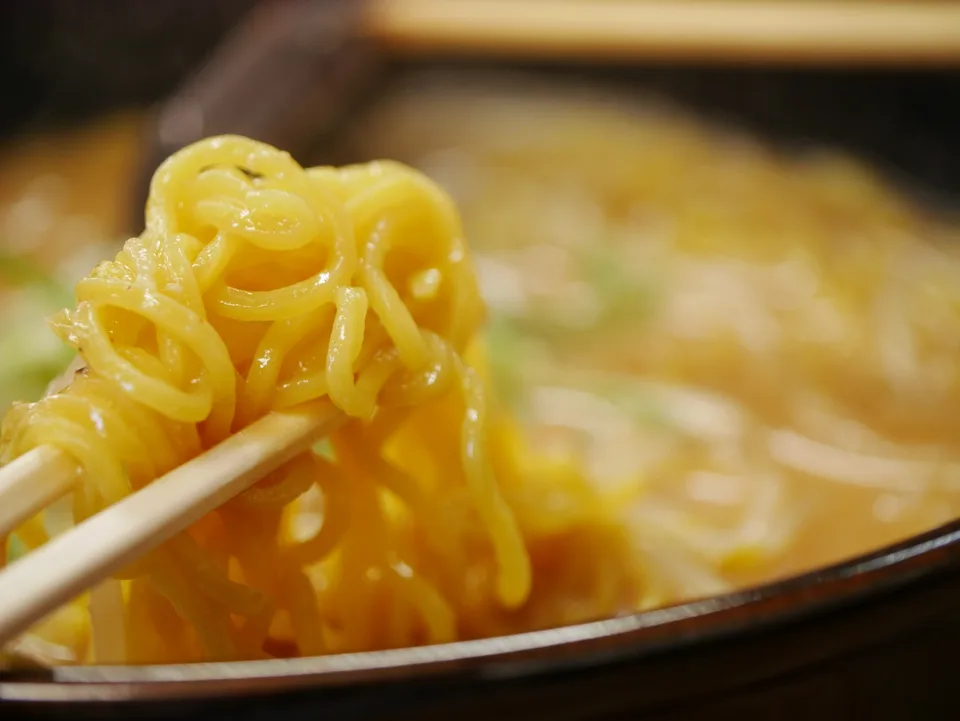
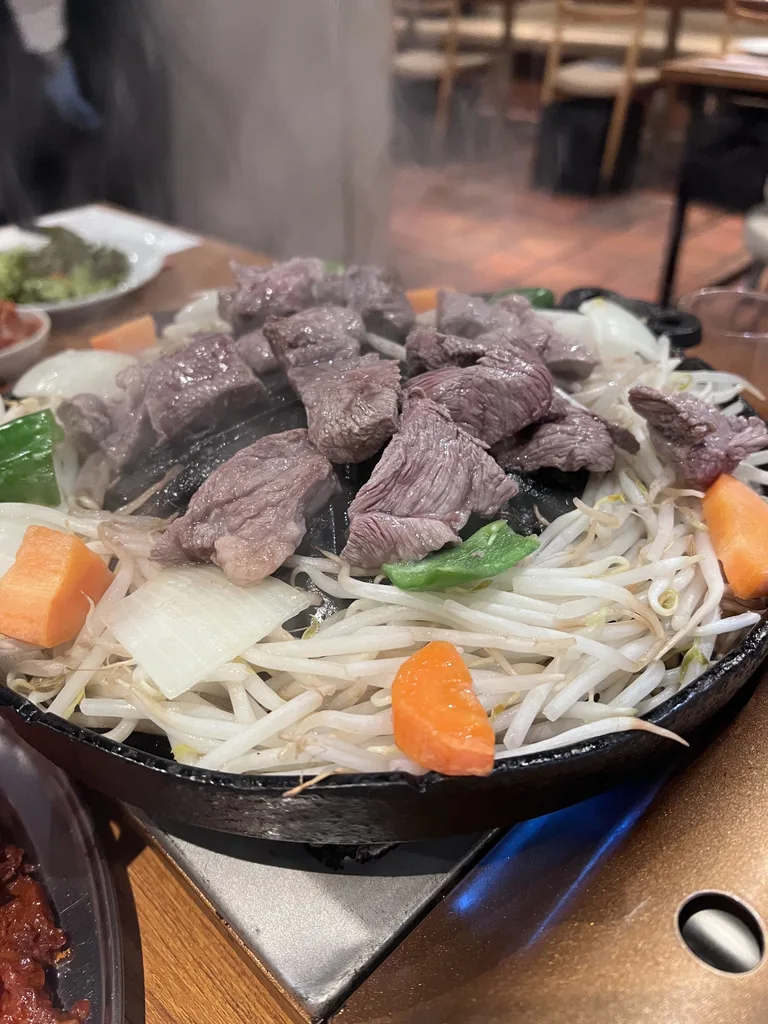
The food photographs are illustrations, not documentation of meals served on that tour. For any ramen or soup-curry booking, ask about broth ingredients as well as visible toppings; removing meat from the bowl may not make the soup vegetarian. Explain allergies before booking and wait for a clear answer from the operator or restaurant.
For jingisukan, compare à la carte ordering with any set menu and check whether drinks are included. If you book a popular dinner, put a flexible afternoon before it rather than a remote excursion with an uncertain return. Avoid assuming that a restaurant in a famous dining area requires a reservation or that every restaurant accepts one.
Finally, leave one unplanned food stop. A café break after the park or a simple meal near the hotel can keep the day enjoyable when the weather changes. If you need to leave luggage before a tour, compare your hotel's policy with the Japan luggage-storage guide.
Make it your trip
Still planning your Japan trip?
Pick the question on your mind. Compare your options, check the details and take one more thing off your list.
Would a JR Pass save you money?
Add your train journeys and compare individual tickets with the nationwide pass. See which costs less for your route.
Calculate my rail costs
Which eSIM fits your Japan trip?
Maps, messages, hotspot use: compare five providers by data allowance, network and plan limits before you choose.
Find my Japan eSIM
What should your travel insurance cover?
Compare medical cover, cancellation and activity limits across five options, with the exclusions worth checking.
Compare cover & limitsFrequently Asked Questions
Two days can cover a compact city visit. Treat Otaru as an additional day if you want time for Sapporo's neighborhoods and food rather than compressing both cities into the same schedule.
Choose either Otaru or more time in Sapporo. A day trip and a full city sightseeing day are alternatives; do not count both as the same third day.
A central itinerary can use walking and public transport. Decide separately whether a countryside excursion justifies renting a car.
Yes, with shorter outdoor sections and more indoor breaks. Check current opening information and give yourself extra time for walking and transport.

Written by
JAPANODE
Based in Japan, publishing practical travel guides researched against official transport and attraction sources.
You Might Also Like
 Planning
Japan in Winter: Weather, Crowds & What to Book
13 min read
 Culture
7 Winter Experiences in Japan Worth Planning a Trip Around
15 min read
 Transportation
Luggage Storage in Japan: Lockers, Apps & Delivery
11 min read
 Planning
What to Wear in Japan in Winter: December, January & February Packing Guide
13 min read