On this page
Quick answer: a full day, with an optional evening
An Otaru day trip from Sapporo works well by train, with the canal, lunch and Sakaimachi as the core route. Leave your main bags in Sapporo, spend most of the day on foot, and decide whether to return in the afternoon or stay for the canal lights.
The simplest route is Otaru Station → canal → Sakaimachi → Marchen Crossing → Minami-Otaru Station. For an evening canal visit, return north from Sakaimachi and finish at Otaru Station instead. You do not need to move hotels for either version.
| Part of the day | Suggested allowance | Main decision |
|---|---|---|
| Morning | About 1–1½ hours for the station approach and canal area | Walk independently or join a booked activity |
| Lunch | About an hour, longer for a queue or leisurely meal | Reserve one restaurant or keep the area flexible |
| Afternoon | Around two hours for Sakaimachi and browsing | Finish near Minami-Otaru or return to the canal |
| Optional evening | Time for dusk, a warm break and the return journey | Check sunset and your train home |
These are planning allowances, not an operator timetable. Transport information was checked on October 17, 2026. Use this as the extra day in the Sapporo itinerary, or day 3 of the 7-day Hokkaido route.
Sapporo to Otaru: train tickets and arrival station
Take a JR train from Sapporo to Otaru for the canal-first route. Check the destination on the departure board: some trains on the corridor end before Otaru. A search for the actual departure date is more useful than assuming every airport-related train continues all the way through.
Sapporo's official travel guide gives about 35 minutes by rapid train as a planning reference. The exact duration depends on the train and its stops; check your departure through JR Hokkaido's timetable-search guide. Add waiting and the walks at both ends rather than treating the ride time as the entire journey.
JR Hokkaido's published fares list the adult one-way non-reserved fare at ¥800. The reference price with a standard reserved seat is ¥1,800. That extra reservation is optional; the ¥800 fare does not provide access to a reserved seat. Discounted reservation products may have different conditions and prices.
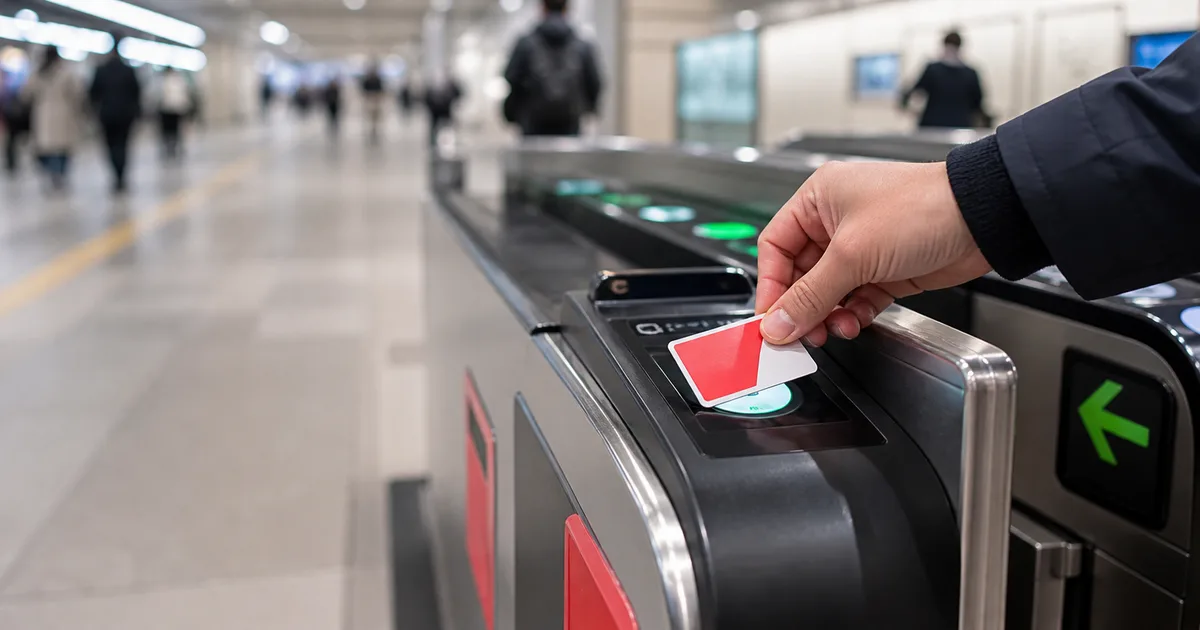
Compatible transport IC cards, including Suica, can be used on this corridor. Keep enough balance for the return, and use the same card to enter and exit. JR's airport and Otaru service information explains the IC-area limitation: travel beyond Otaru toward Yoichi, Kutchan or Niseko needs a different ticket arrangement.
Choose your station by the walking route. Otaru Station is convenient for the canal approach. Minami-Otaru is useful after the southern end of Sakaimachi, though the station still requires a walk. Otaru-Chikko is a different station; do not choose it merely because its name also contains Otaru.
Look up both the outbound and return journey before leaving Sapporo. Add the hotel-to-platform journey, a little time to understand signs, and the walk after arrival. With children or limited walking stamina, reducing the town circuit is usually more useful than paying for a faster-looking itinerary with little room for breaks.
Morning: walk from Otaru Station to the canal
From Otaru Station, walk toward the waterfront along the central approach. The Otaru Tourism Association gives about 10 minutes on foot to the canal. Allow more for crossings, photographs and winter conditions; that figure is an orientation guide rather than a promise of your door-to-door time.
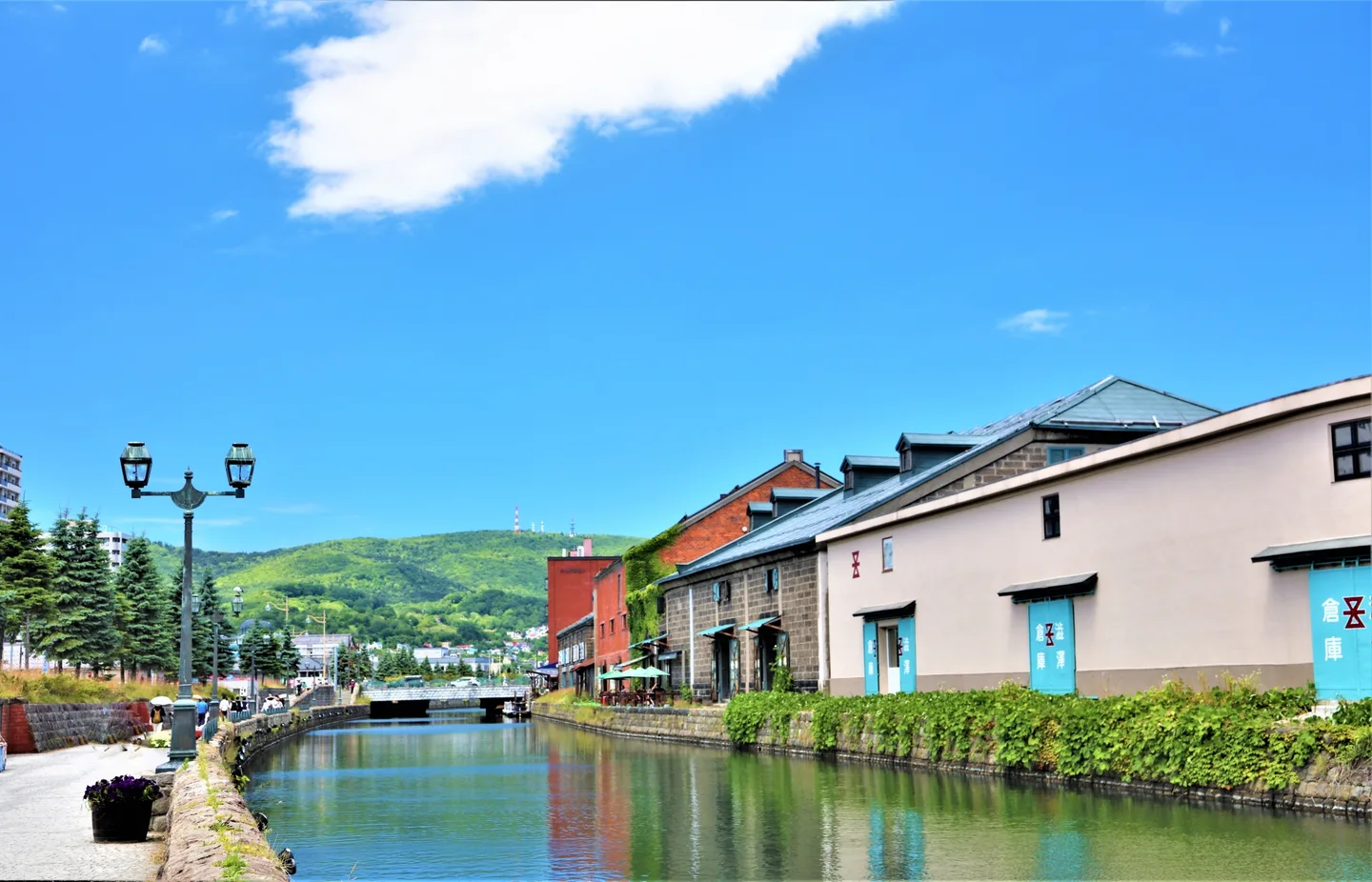
Start with the main canal viewpoints and walk a comfortable section of the waterside path. The warehouses and water are the reason to slow down here. You do not need to cover the entire canal to get a useful first impression, especially if your main interest is the shops farther south.
The canal reflects Otaru's port history. Its waterfront and reused warehouses make a different city experience from Sapporo's broad central streets. If that history interests you, choose a guided walk or a museum stop and remove some shopping time rather than simply adding another activity.
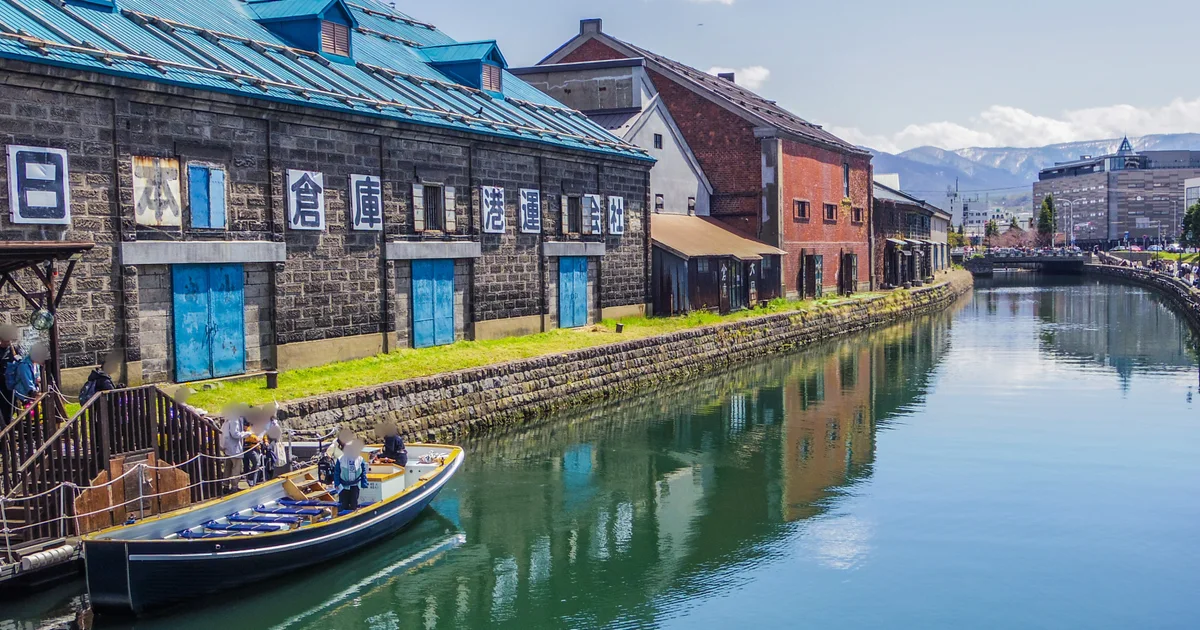
Walking along the canal and taking a canal cruise are separate choices. A boat in a photograph does not mean a cruise is included in the route or in a walking-tour ticket. If you book a cruise, check its departure point, check-in time and weather policy directly, then give it a dedicated time block.
For a quieter, longer walk, explore farther along the canal before lunch. For a compact day, turn toward the Sakaimachi area once you have seen the principal waterfront views. Either version works; the important part is avoiding a morning so long that lunch and the shops become rushed.
Lunch and Sakaimachi: leave room to browse
Choose lunch before committing the afternoon to shopping. A specific seafood restaurant can be the day's anchor if you book it or accept a possible queue. Otherwise, keep a couple of nearby options and compare the menu before sitting down. The cost of a seafood bowl depends on its ingredients and serving size, not simply the fact that it is served in Otaru.
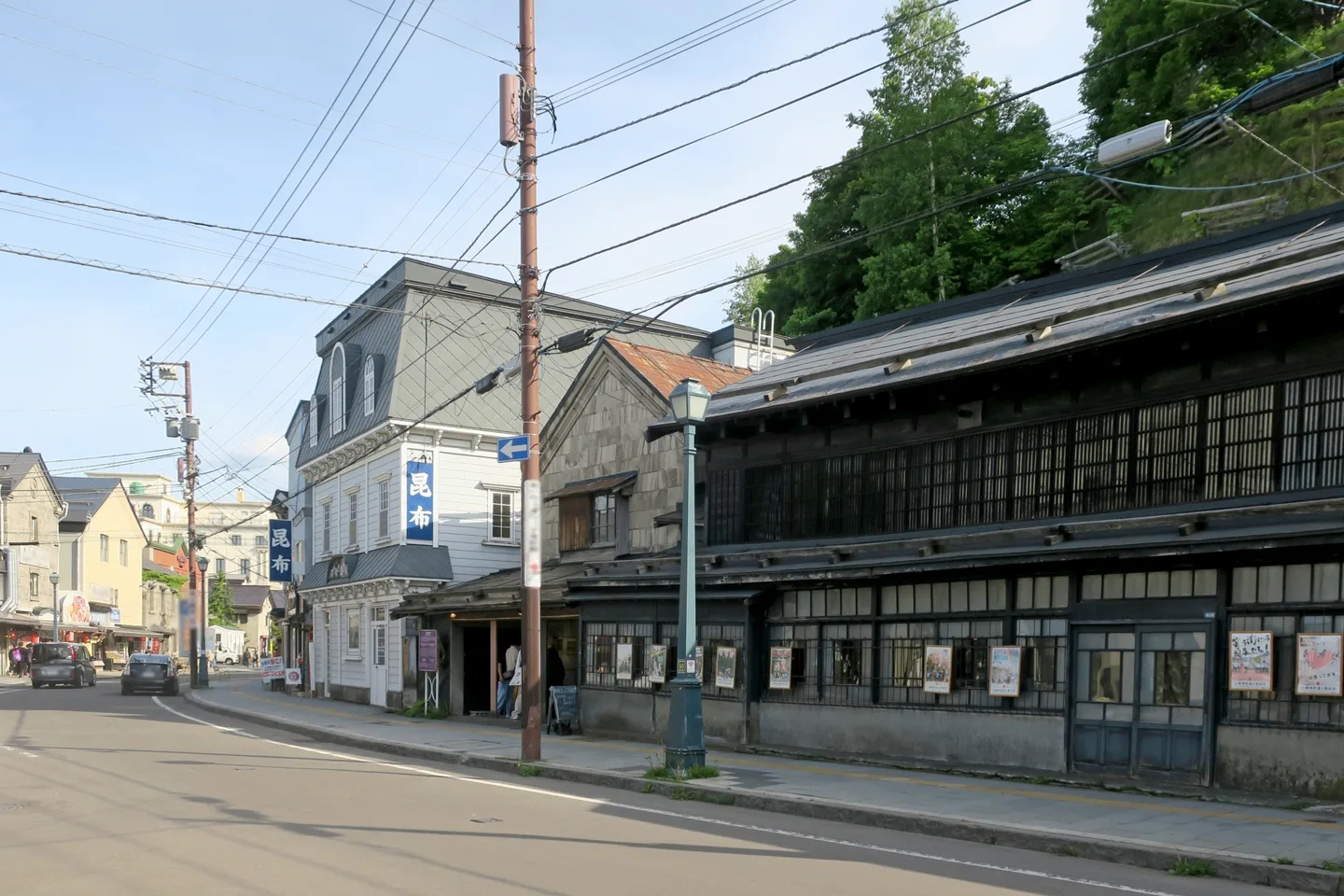
After lunch, follow Sakaimachi Street toward Marchen Crossing. Allow time to browse glassware, food shops and music boxes without treating every storefront as a mandatory stop. This is the part of the day most easily spoiled by an overly precise minute-by-minute schedule.
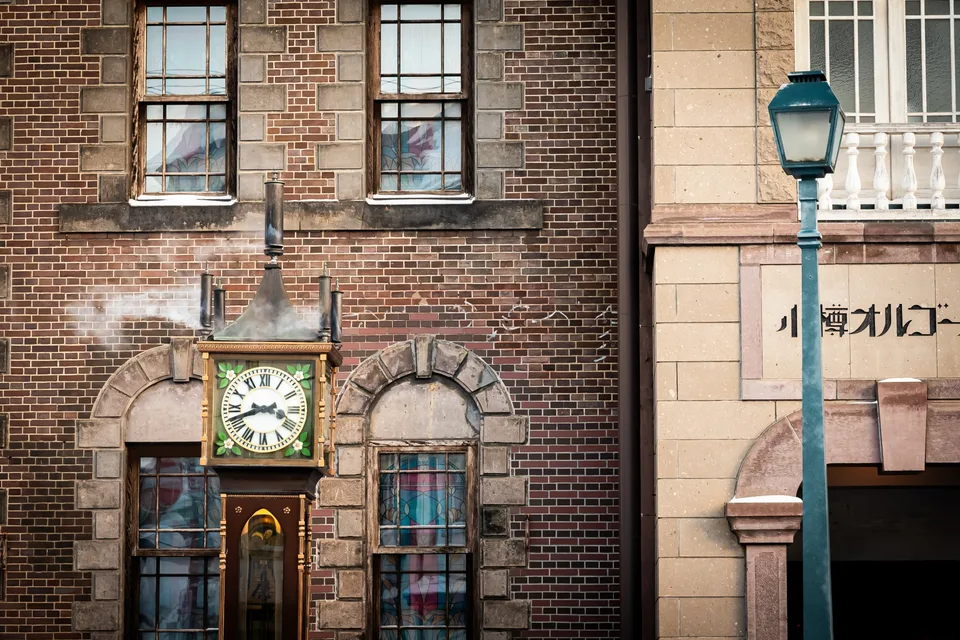
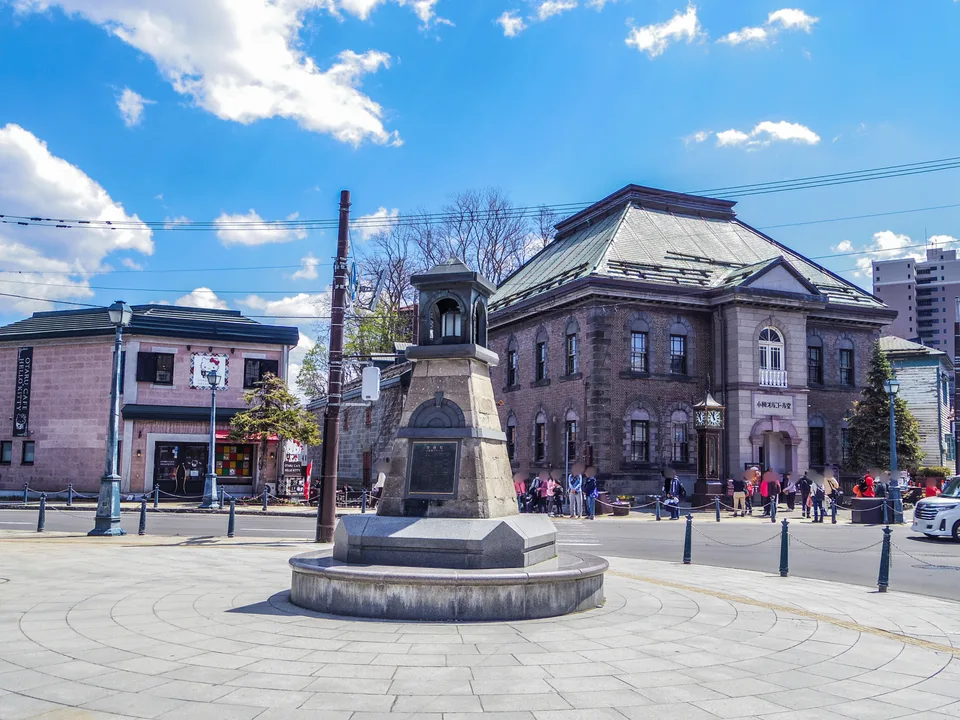
The clock and brick building at Otaru Music Box Museum are recognizable landmarks near the southern end of the walk. Browsing a music-box shop is different from booking a making activity: check the specific venue, session time and booking requirements if you want a workshop. Leave time for choosing, packing or collecting a purchase rather than assuming you can arrive just before closing.
For glassware or delicate souvenirs, ask about packaging and consider how you will carry them on the train. A small day bag is useful; a large suitcase turns narrow shop aisles and winter pavements into unnecessary work. Store your main luggage in Sapporo wherever possible.
At Marchen Crossing, make the return-route decision. Continue to Minami-Otaru Station if you are ready to leave, or walk back toward the canal if you want an evening view. Do not automatically return to Otaru Station just because that was your arrival point; compare the route from where you actually finish.
Check individual shop hours rather than assuming the whole street stays open until the canal lights come on. A daytime shopping visit and a late canal photograph can require a café or dinner break between them.
Canal at dusk, or return to Sapporo early
Stay for dusk if the evening waterfront is a priority and your energy, weather and return train allow it. The tourism association's canal information lists the main walkway gas lamps from sunset until midnight and warehouse illumination from sunset until 22:30. Special events and individual areas can have different lighting arrangements, so check the current notice if a particular scene matters.
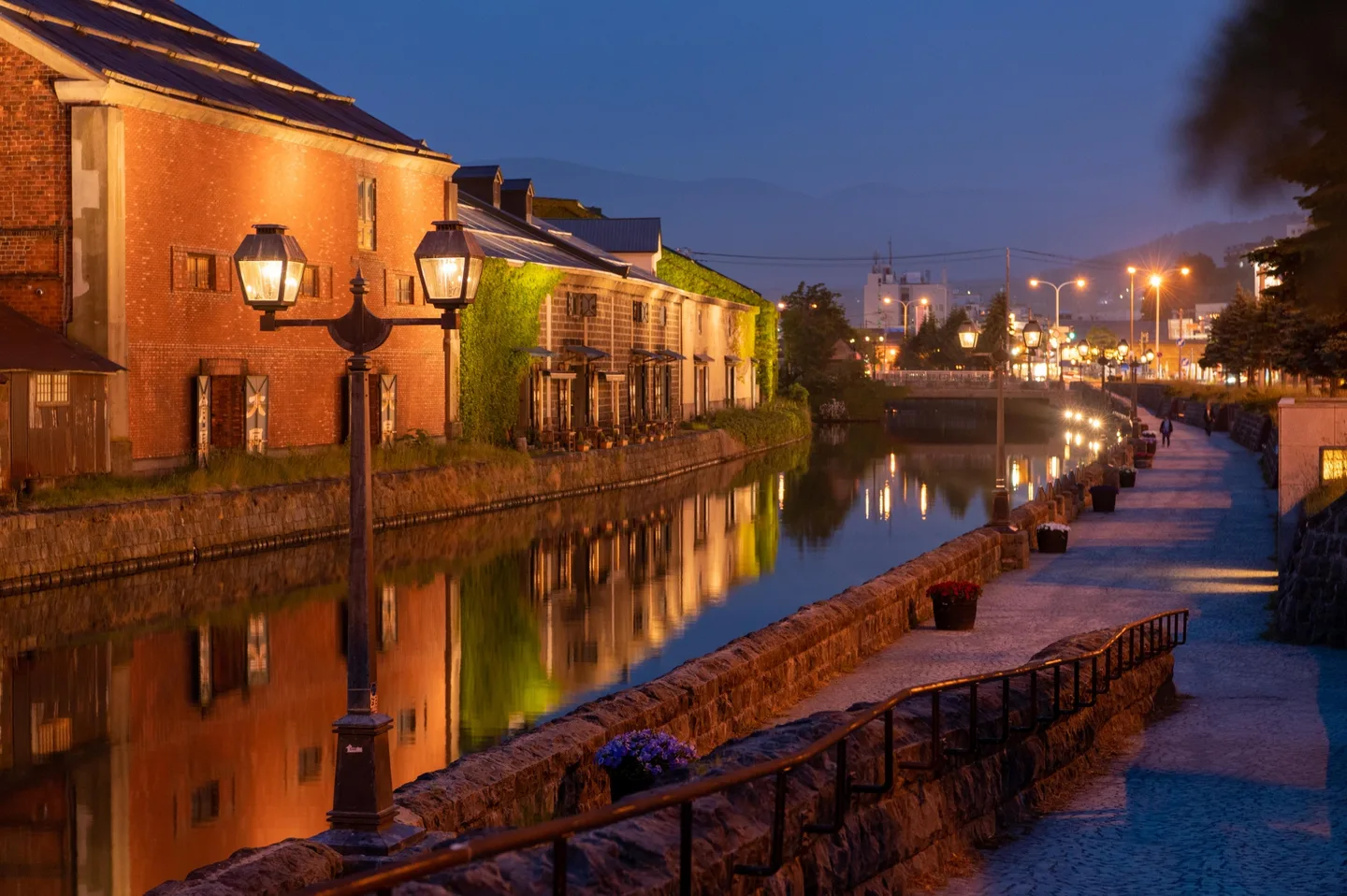
Sunset is seasonal. A winter visit can reach dusk much earlier than a summer visit, but it also means colder conditions. Choose an indoor break while waiting rather than spending a long stretch standing beside the water. In summer, returning to Sapporo before dark may fit your meal plans better.
If you stay, identify the return train options before dinner and leave a backup rather than aiming for the last possible service. A short walk on the map may take longer on snow, and a crowded crossing or station is not the place to recover lost time.
If you return early, keep the evening flexible in Sapporo. The Sapporo hotel-area comparison can help balance proximity to JR against where you want dinner on the other nights. There is no need to stay late in Otaru solely to make a day trip feel complete.
DIY or a guided day trip
DIY is straightforward for travelers comfortable taking a train and following a central walking route. It gives you control over meal timing, shopping and how far to walk. Your main costs are the train, food and any optional paid activity; simply walking the canal does not require a tour booking.
A local guided walk is useful if you want historical context or help interpreting the streets. The option below starts in Otaru, so you still arrange and pay for your journey from Sapporo. At the October 2026 check, the listing described a daytime walk of about 2½ hours and an evening version of about 1½ hours. Confirm the selected option's meeting point and route.
Some booking links below are affiliate links. JAPANODE may earn a commission at no extra cost to you.
Otaru Daytime or Evening Walking Tour
Explore the canal and historic town on foot with an English-speaking guide.
Best for
Travelers who want historical context during their independent Otaru day trip.
Before booking
Arrange your own journey from Sapporo. The daytime and evening routes differ in length and stops; this is not a canal cruise or festival ticket.
Live price & availability
Powered by GetYourGuide · we may earn a commission at no extra cost to you.
Place a guided walk into the itinerary as the main activity for that time block. If the guide covers the canal and streets you planned to see independently, you can shorten the earlier circuit. This avoids paying for context while still rushing to complete a duplicate checklist afterward.
Before booking, compare walking distance, language, cancellation terms and mobility requirements. Check what happens in poor weather. The tour is not a Sapporo coach transfer, a cruise or admission to a winter festival, and an evening product does not guarantee that a particular seasonal event will be running.
Keep access to the meeting details on your phone, and save the address before leaving the hotel. Our Japan train guide and Suica guide cover the broader ticket basics if this is one of your first rail journeys in Japan.
What changes in winter and what to leave out
In winter, prioritize footwear with grip, warm layers and a route with regular indoor breaks. The canal walk is outdoors; attractive night photographs do not show the time spent waiting in cold or wet conditions. Protect your phone battery and keep a dry place for gloves if you will repeatedly stop for photographs.
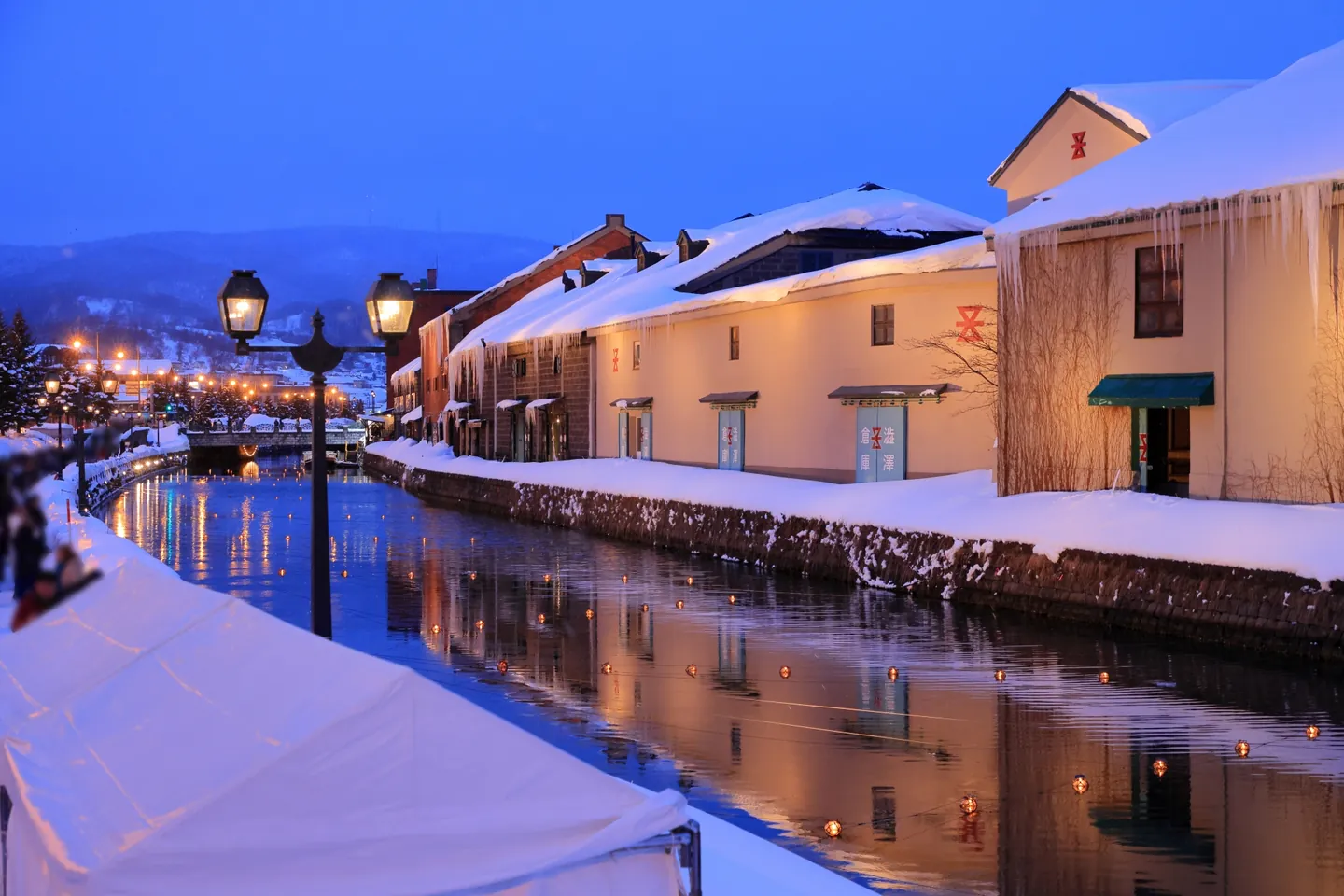
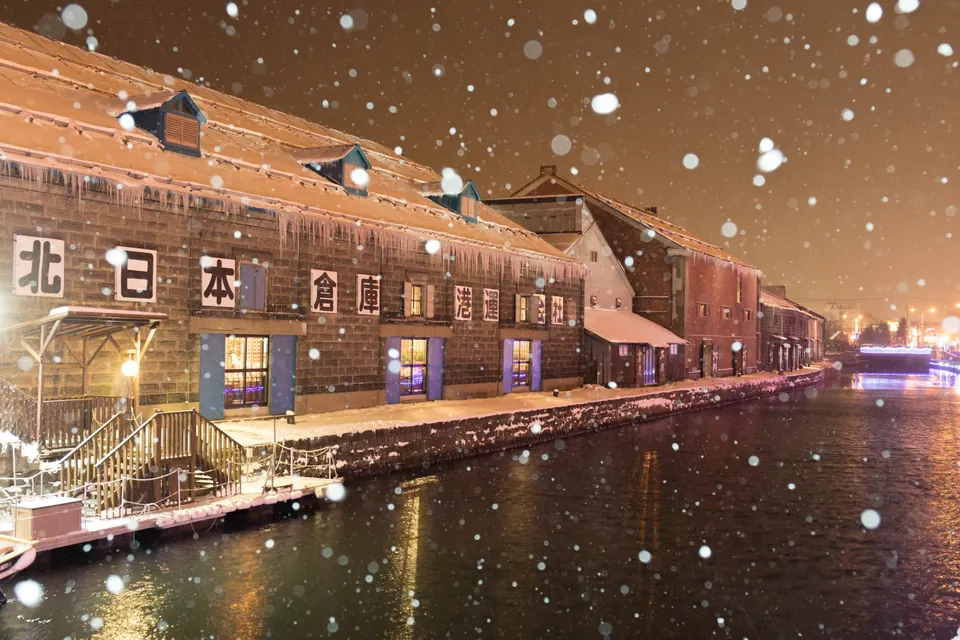
The Snow Light Path festival is a date-specific event, not the permanent appearance of the canal throughout winter. One photograph above was taken during a past festival. Check the official Otaru tourism site for the relevant year's event dates and notices before making a special trip for it. Ordinary winter evenings and festival evenings are different plans.
For a first day trip, leave Yoichi, distant coastal attractions and a mountain excursion out of the central walking route unless one of them is your main purpose. They introduce additional transport and can turn the canal and Sakaimachi into hurried stops. If you want an aquarium or a mountain view, remove part of the town walk and verify that attraction's current access separately.
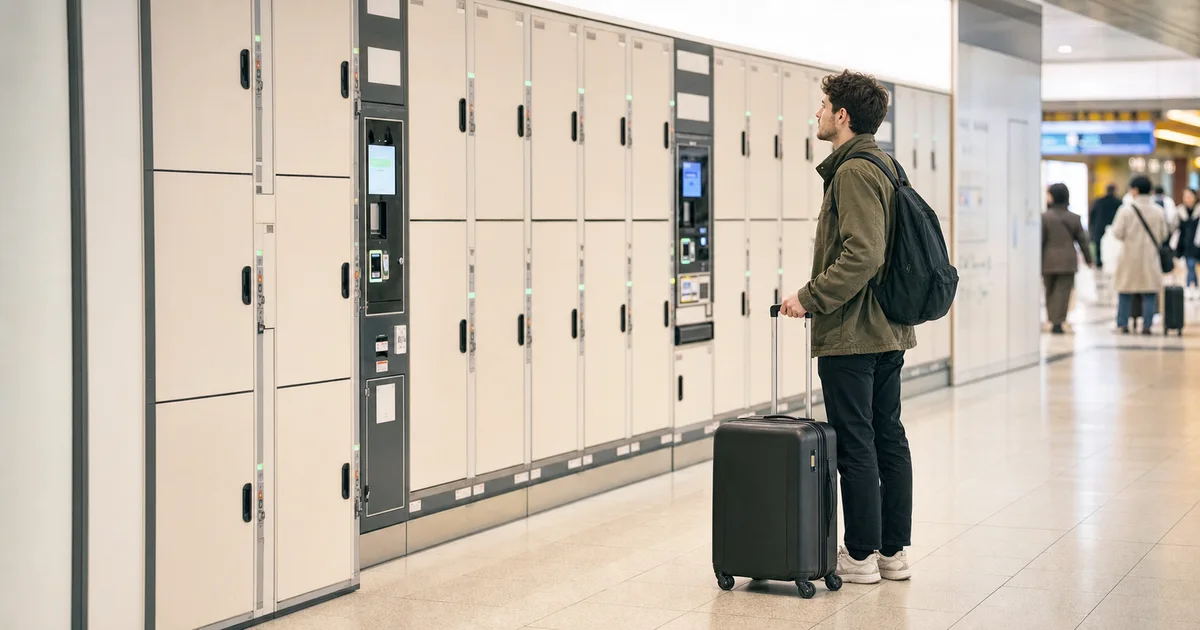
An overnight stay in Otaru becomes worth considering when you want a slower second day or an evening without a return-train deadline. For the canal-and-shopping route alone, a Sapporo day trip remains a practical choice. Confirm luggage-storage options before relying on lockers during a busy period, and keep enough flexibility to shorten the walk if conditions deteriorate.
Make it your trip
Still planning your Japan trip?
Pick the question on your mind. Compare your options, check the details and take one more thing off your list.
Would a JR Pass save you money?
Add your train journeys and compare individual tickets with the nationwide pass. See which costs less for your route.
Calculate my rail costs
Which eSIM fits your Japan trip?
Maps, messages, hotspot use: compare five providers by data allowance, network and plan limits before you choose.
Find my Japan eSIM
How much can you fit into one week?
Connect Tokyo, a Fuji or Hakone day trip, Kyoto and Osaka with a day-by-day route, travel costs and booking advice.
Explore the 7-day routeFrequently Asked Questions
Yes. A city-center trip can focus on the canal, nearby streets and a meal before returning to Sapporo. Give distant attractions their own transport allowance.
JR Hokkaido lists the adult one-way non-reserved fare at 800 yen as checked on October 17, 2026. A reserved seat costs extra; confirm the price for your travel date.
JR Hokkaido accepts compatible IC cards for this route. A reserved seat needs a separate reservation, and the operator warns that IC cards cannot be used beyond Otaru toward Yoichi, Kutchan or Niseko.
Choose daylight for a longer walk or stay for the canal's evening lighting if your return train allows it. Sunset changes with the season, so there is no single ideal arrival time for every month.

Written by
JAPANODE
Based in Japan, publishing practical travel guides researched against official transport and attraction sources.
You Might Also Like
 Culture
7 Winter Experiences in Japan Worth Planning a Trip Around
15 min read
 Transportation
Suica & Welcome Suica: Complete Guide for Japan Visitors
10 min read
 Transportation
Luggage Storage in Japan: Lockers, Apps & Delivery
11 min read
 Transportation
The Complete Guide to Japan's Train System for First-Time Visitors
16 min read