On this page
Quick choice: match your base to your busiest journey
For a first Sapporo visit, choose Sapporo Station for repeated JR journeys, Odori for city sightseeing, or Susukino for evenings near restaurants. All three can work for a central stay. The right choice depends more on your daily route and the actual hotel entrance than on a universal neighborhood ranking.
| Area | Choose it when | Check before booking |
|---|---|---|
| Sapporo Station | Airport, Otaru or Asahikawa rail journeys are frequent | Walking route to JR, station side and luggage access |
| Odori | Most days focus on central sightseeing | Which end of the park, nearest subway entrance and elevator |
| Susukino | Food and later evenings are a priority | Exact street, room location and the trip back to JR |
Start with the journey you will repeat most often. Saving a walk once on arrival may matter less than being close to dinner every night. Conversely, several early train departures can make the station area worth a higher room price.
The city transport bureau's station-time table puts Sapporo to Odori at one stop, about two minutes, and Sapporo to Susukino at two stops, about three minutes, on the Namboku subway line. These are riding times only. Add the walk from JR, waiting time and the route from the subway to your hotel.
This is an area-selection guide, with operational information checked on October 17, 2026. It does not claim that every hotel in one district has the same facilities, noise level or value. Build your Sapporo itinerary first, then compare actual rooms on your dates.
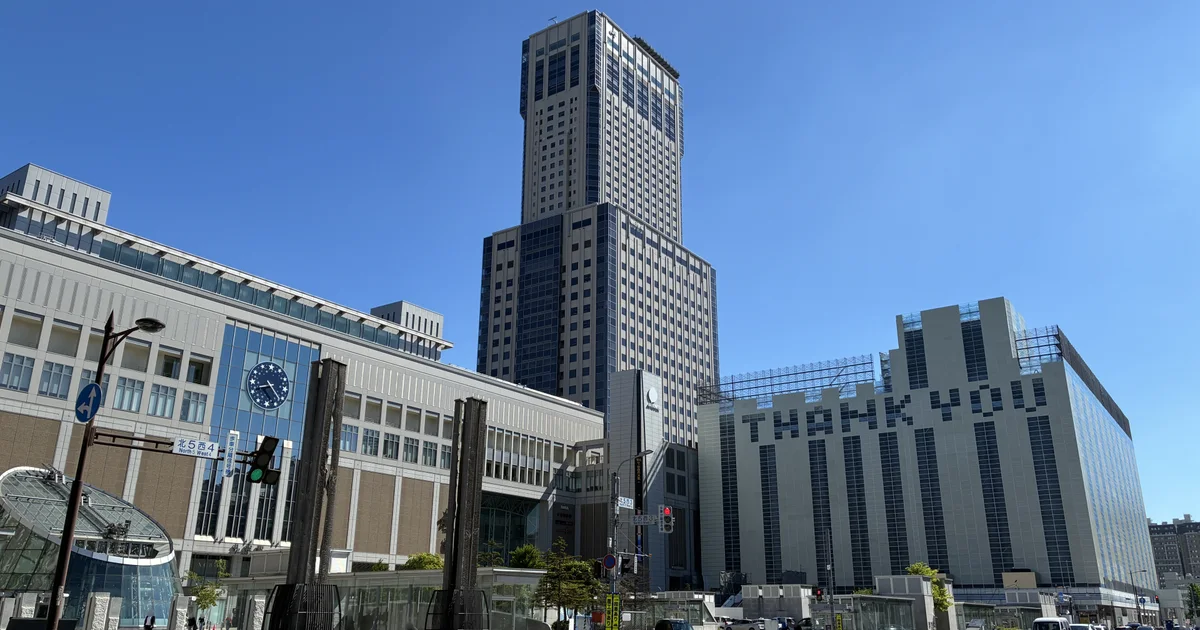
Sapporo Station: rail trips and airport convenience
A hotel near JR Sapporo Station suits a stay with an Otaru day trip, onward travel to Asahikawa or repeated airport-related journeys. It can also help when you want to leave bags at the hotel before an early train. Confirm the storage policy rather than assuming every property accepts luggage outside the booked nights.
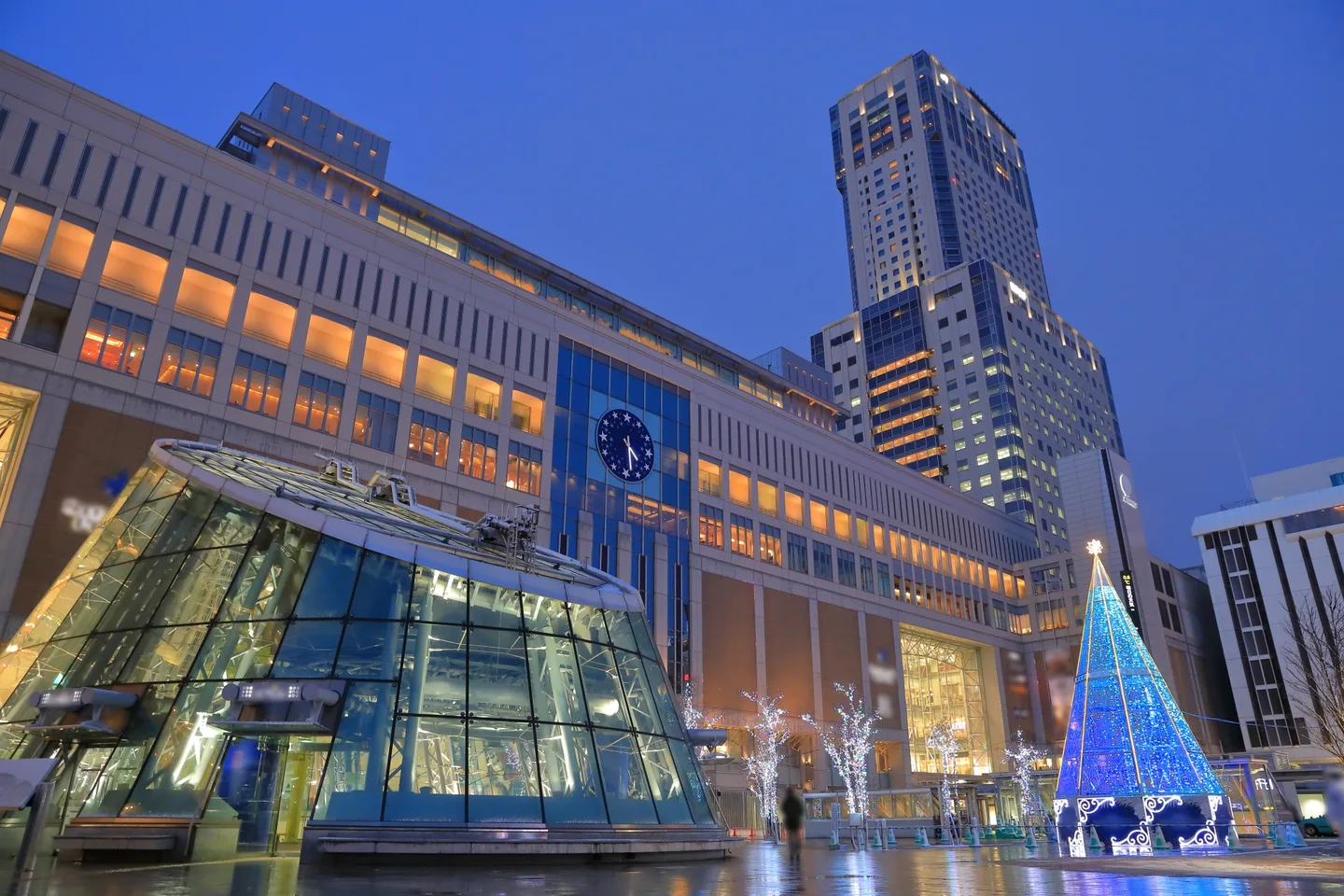
JR Hokkaido's airport information shows the direct rail connection from New Chitose Airport. Its fastest services take 33 minutes to Sapporo, while other services take longer. The published adult non-reserved fare is ¥1,230. That convenience does not remove the airport procedures or hotel-to-platform walk from your total journey.
Check whether the property is north or south of the station and follow the route to its actual entrance. “Sapporo Station” can refer broadly to the JR complex and connected subway area. A distance measured from a subway entrance is not necessarily the distance to the JR platforms you will use for Otaru or Asahikawa.
For each shortlisted property, examine the hotel's own access page. Look for the recommended exit, elevator route and any current construction-related directions. A recent-looking photograph is useful context, but it cannot prove that every access path is open today.
The station area's main tradeoff is that it may not be where you finish your evenings. If most dinners are around Susukino, compare the return journey with the time saved on your rail days. A hotel near JR is a strong practical choice for the 7-day Hokkaido itinerary, but it is not mandatory for a city-only weekend.
Odori: a base for city sightseeing
Odori is a useful middle option for a first visit centered on the clock tower, park, TV Tower, shopping and food. It places you around the main city sightseeing corridor and gives access to the subway network without requiring every day to begin at JR Sapporo Station.
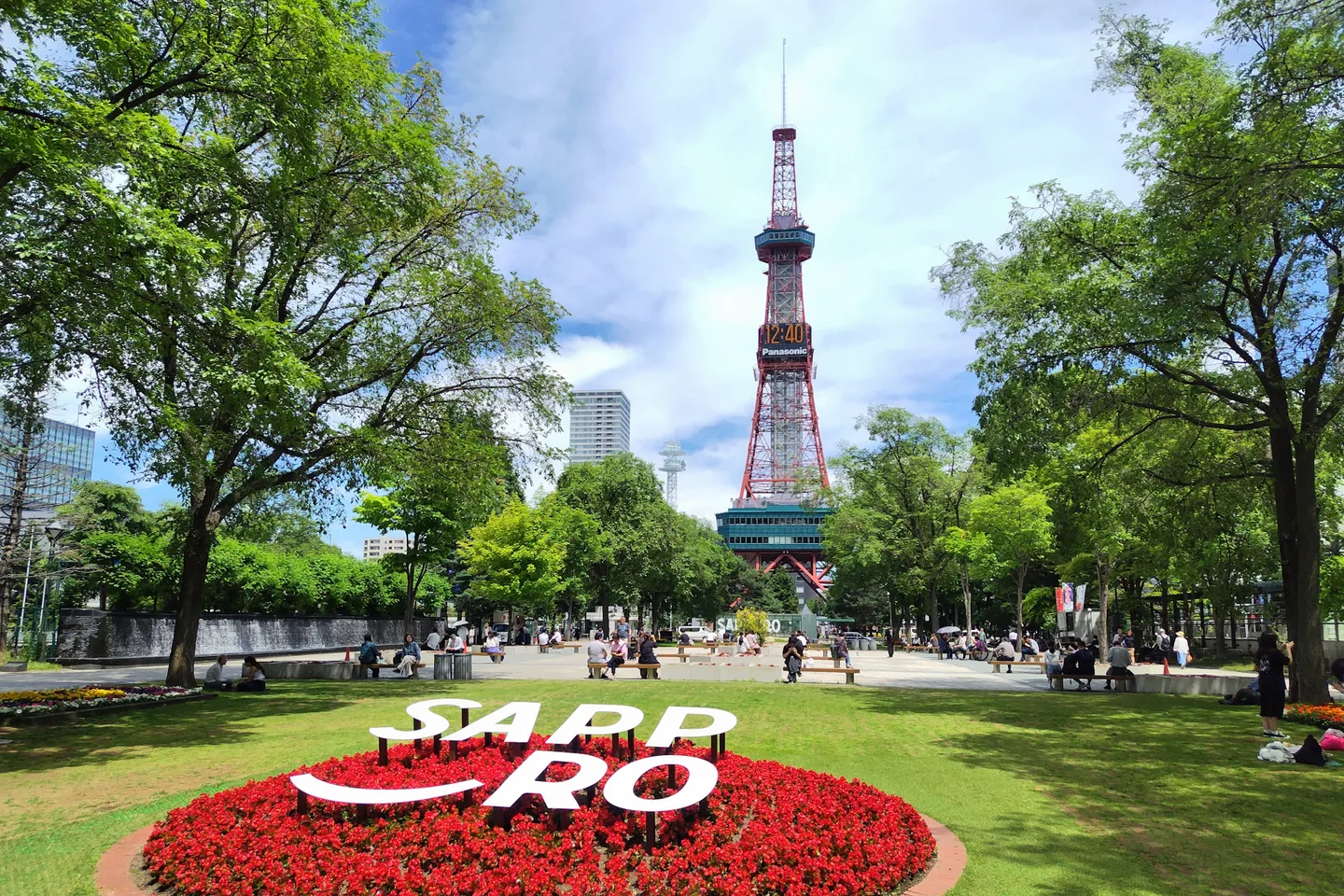
Be specific about the location. Odori Park is long, and a hotel described as “near Odori” may be at a different end from the attractions or station entrance you have in mind. Compare the walking route to Odori Station, the park section you want, and the restaurant area you expect to use.
For two or three city days, Odori can reduce repeated backtracking. You can visit the center, return for a rest, and go out again without treating the hotel as a distant overnight stop. That can be particularly useful with children, during rain or when you prefer a break before dinner.
The tradeoff is the extra connection or walk when using JR. For one Otaru day trip, that may be a small inconvenience. If you have early intercity trains on several mornings, compare the total effort with a station-area property.
Do not pay extra simply for a pin beside the park if the room itself does not fit. A slightly longer walk with the right bed arrangement, breakfast option and cancellation policy can be the better booking. Check the room category and access route together rather than selecting the neighborhood first and accepting any room within it.
Susukino: food and later evenings
Susukino suits travelers who want restaurants and evening city life close to the hotel. It can make a dinner reservation, a ramen stop or an unhurried evening walk easier to fit without checking the last part of a long trip home.
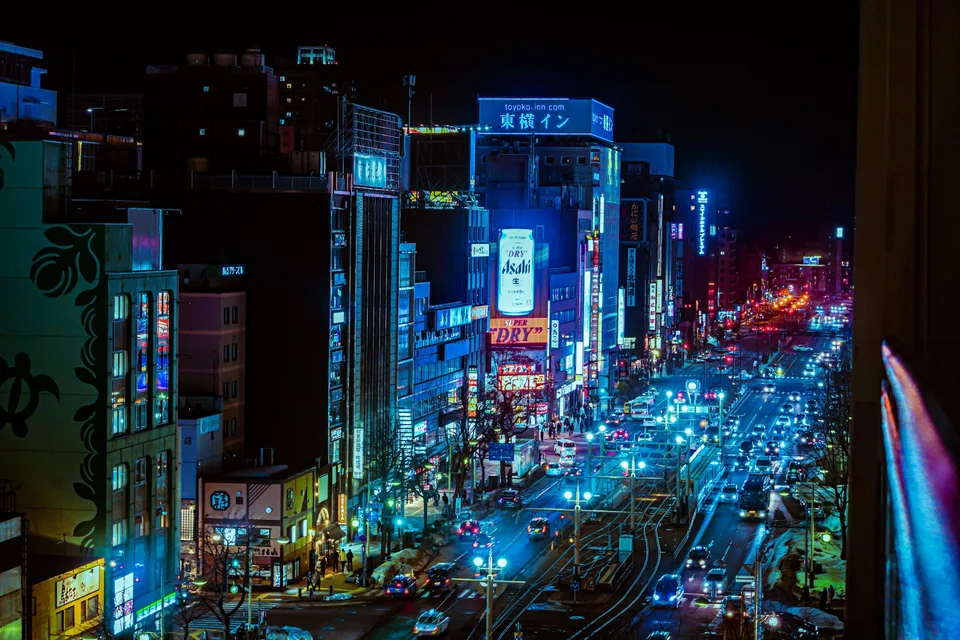
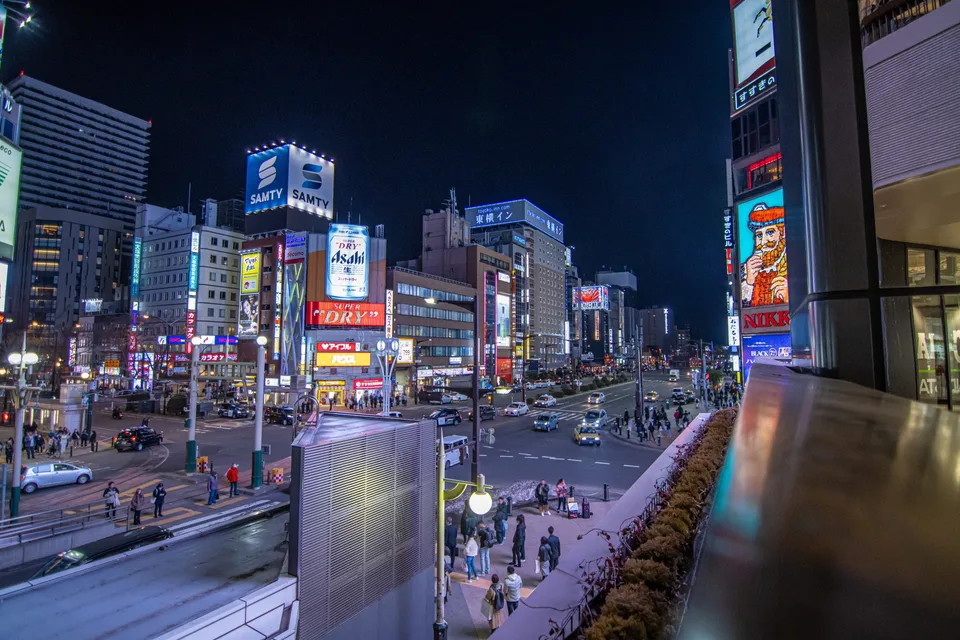
The district contains busy nightlife streets as well as hotels on quieter side streets. Room noise depends on the building, glazing, floor, orientation and nearby businesses. A blanket statement that every Susukino hotel is loud—or that a high floor is always quiet—would not help you choose accurately.
Read recent comments about the specific room experience, then check the property's description. If noise matters, ask whether a room away from the main street is available and whether the request can be guaranteed. A request entered in a booking form is not automatically a confirmed room feature.
For families, compare the immediate street and the route to daytime activities with the benefits of nearby dining. For travelers arriving late, check the check-in deadline and how to contact the hotel if a flight is delayed. Neither family suitability nor late arrival handling can be inferred from the neighborhood alone.
The main transport tradeoff is reaching JR for airport or intercity trains. Central subway journeys can help, but include platform access, the transfer walk and luggage. If a countryside tour is on your itinerary, locate that product's exact meeting point; a hotel in Susukino is convenient only if it suits the departure you actually book.
Compare the actual room, not just the map pin
Once you have chosen one or two areas, compare rooms using the same dates, guest count and meal plan. A lower headline price may reflect a smaller bed, fewer guests, no breakfast or a nonrefundable policy. Comparing unlike rooms produces a misleading bargain.
| Detail | What to verify | Why it changes the decision |
|---|---|---|
| Occupancy | Adults, children and any shared-bed age limits | “Sleeps two” may not match your family |
| Beds | Number, width and configuration in the booked category | Twin and double are different arrangements |
| Space | Room size and usable luggage space | Opening two large suitcases can be difficult |
| Bathroom | Private bathroom, shower-only room or shared facilities | Labels and photographs may cover several room types |
| Breakfast | Included or extra, service hours and child pricing | An early departure may make it unusable |
| Cancellation | Deadline, time zone and penalty | A cheap fixed booking reduces itinerary flexibility |
| Total price | Taxes and fees due now or at the property | Checkout price can differ from the first search result |
Look at photographs for the exact category, not only the hotel's largest room. If a listing combines several room types in one gallery, use the room description and floor plan where available. Check smoking status explicitly, and confirm whether a requested bed arrangement is guaranteed.
For a family, enter every child's age into the search and read the hotel's own policy before paying. Shared-bed rules, breakfast and extra bedding can be priced separately. Do not assume that a child who travels free on one form of transport also stays or eats free at the hotel.
For a longer stay, laundry access, a desk or refrigerator may matter more than a lobby photograph. For one night before a flight, reliable access and the check-in policy may matter more than a large room. Use the Japan accommodation-types guide to compare what different property types actually offer.
If two properties seem equally suitable, compare the full stay total, cancellation flexibility and time spent reaching your planned activities. The Japan hotel-price guide explains why a published average is a poor substitute for quotes on your own dates.
Winter access, luggage and accommodation taxes
In winter, the route between the station and hotel becomes especially important. “Near an underground exit” is different from “directly connected indoors.” Ask which exit to use with luggage, whether that route has an elevator, and whether the building connection is available at your arrival time.
An underground route may reduce exposure without eliminating every outdoor section. Check the last stretch to the hotel entrance, steps at the exit and any opening-hour limits. Do the same exercise for the return journey if you have an early train. A convenient daytime path may not be the path available before dawn.
For a split stay—Sapporo, two nights elsewhere, then Sapporo again—ask whether the first hotel can store a larger bag until your return. Some properties can help, but storage across unbooked nights is a separate policy. Compare the luggage-storage guide if the hotel cannot accommodate your plan. Keep essentials with you and confirm the latest collection time.
Sapporo accommodation tax from April 2026
Sapporo introduced its accommodation tax on April 1, 2026, alongside Hokkaido's prefectural tax. The city's official tax information gives these combined amounts per person, per night:
| Applicable accommodation charge per person per night | Sapporo city tax | Hokkaido tax | Combined total |
|---|---|---|---|
| Under ¥20,000 | ¥200 | ¥100 | ¥300 |
| ¥20,000 to under ¥50,000 | ¥200 | ¥200 | ¥400 |
| ¥50,000 or more | ¥500 | ¥500 | ¥1,000 |
Ask whether this is already included in your booking total or collected at the hotel. Do not automatically apply the band to the entire room price when several people share a room. For packages or unusual room arrangements, let the property confirm the applicable accommodation charge and tax.
For example, two adults staying four Sapporo nights in the lowest band would pay ¥2,400 in combined accommodation tax if it is not already included. This is a Sapporo example; other Hokkaido municipalities can have different local tax arrangements. See the Japan tourist-tax guide for wider context.
Book after deciding your Sapporo route
Make a short itinerary before booking: list airport journeys, JR day trips, tour meeting points and where you expect to spend the evenings. Then compare two or three properties in the area that best serves those movements. This is more useful than collecting a long hotel shortlist without a route.
For a city-and-Otaru stay, any of the three areas can work. Choose the room and access conditions you prefer. For Asahikawa and the zoo, decide whether you will change hotels or take a long day trip; the Asahiyama Zoo guide compares those options. For Furano and Biei, arrange the countryside transport before assuming every day can begin at your Sapporo hotel; use the flower-field guide.
If you book a Sapporo-return tour, keep the hotel night before and after it in Sapporo unless the operator explicitly offers another arrangement. A product that departs from central Sapporo is not a convenient transfer from an Asahikawa hotel merely because it visits the same region.
Before payment, check the exact room, full price, cancellation deadline and arrival instructions once more. Save the property address and contact details offline. For a very early flight, compare an airport-area final night with the first practical city transfer rather than relying on the daytime journey time.
You do not need to change central neighborhoods during a short Sapporo stay. Choose a base that works for most of your trip, then use walking and public transport for the rest. The best room is the one that fits your people, luggage and daily plans at a price you have actually checked.
Make it your trip
Still planning your Japan trip?
Pick the question on your mind. Compare your options, check the details and take one more thing off your list.

Which eSIM fits your Japan trip?
Maps, messages, hotspot use: compare five providers by data allowance, network and plan limits before you choose.
Find my Japan eSIM
What should your travel insurance cover?
Compare medical cover, cancellation and activity limits across five options, with the exclusions worth checking.
Compare cover & limitsWould a JR Pass save you money?
Add your train journeys and compare individual tickets with the nationwide pass. See which costs less for your route.
Calculate my rail costsFrequently Asked Questions
Choose the station area for frequent JR journeys, Odori for a city-focused trip, or Susukino for evenings near restaurants. These are planning recommendations; the exact hotel entrance and room conditions still matter.
The station area can simplify repeated train journeys. For just one day trip, compare that convenience with where you want to spend the rest of your time in Sapporo.
On the Namboku subway line, Sapporo to Odori is one stop and about two minutes; Susukino is two stops and about three minutes. Those are riding times only: add waiting, the walk from JR and the route to your actual hotel.
Not necessarily. Check the specific building connection, exit, operating hours and elevator access; a listing near an underground exit is not the same as a directly connected hotel.

Written by
JAPANODE
Based in Japan, publishing practical travel guides researched against official transport and attraction sources.
You Might Also Like
 Planning
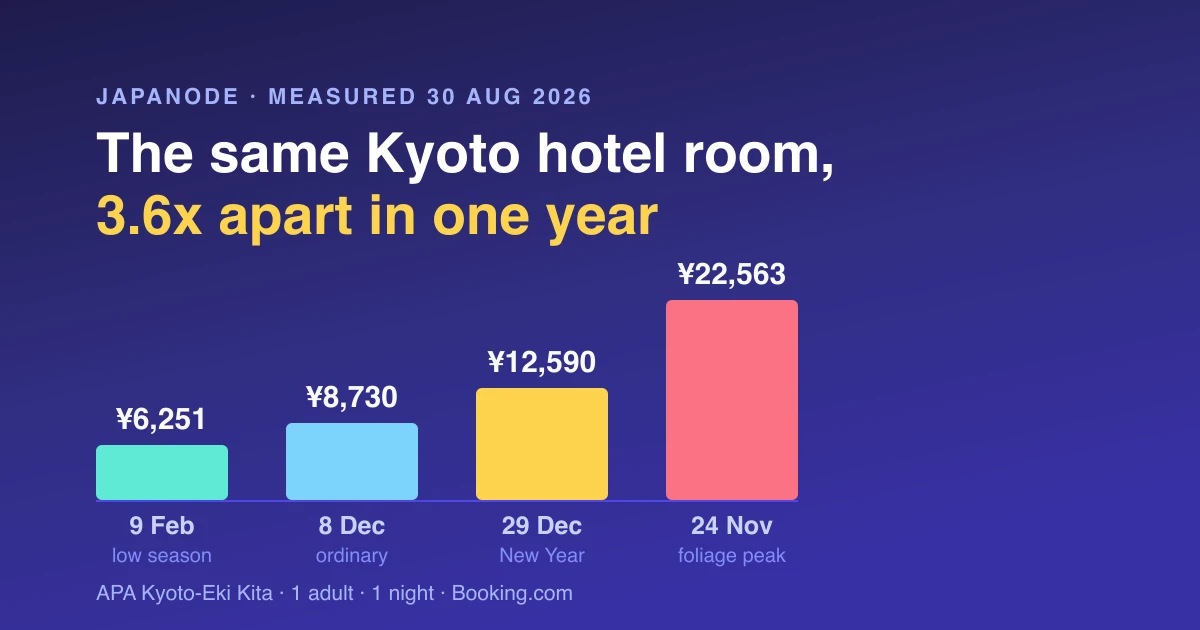
How Much Do Hotels Cost in Japan? We Measured 2026 Prices
12 min read
 Transportation
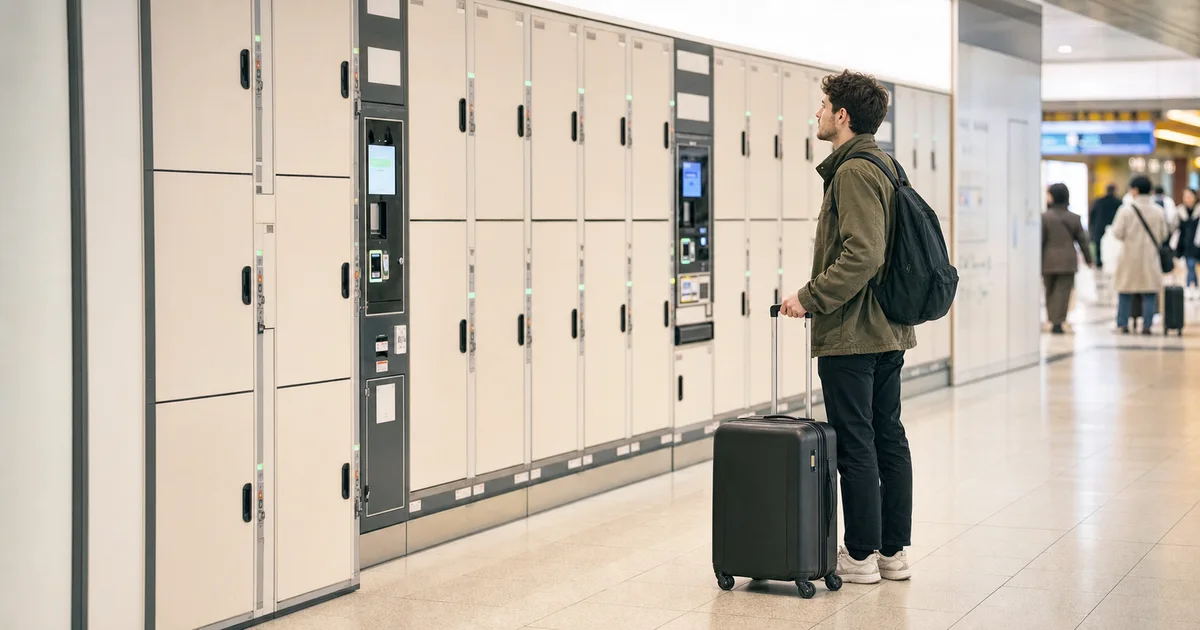
Luggage Storage in Japan: Lockers, Apps & Delivery
11 min read
 Planning
Japan Accommodation Types Explained: Hotels, Ryokan, Capsule Hotels & More
16 min read
 Planning
Japan Tourist Taxes 2026: What You'll Actually Pay
15 min read