On this page
For a first Nara day trip from Kyoto or Osaka, make Nara Park and Todai-ji's Great Buddha Hall the morning's main plan. After lunch, choose Kasuga Taisha for more shrine and park scenery, or Naramachi and Sarusawa Pond for streets, shops and a slower finish. Nigatsu-do is a useful extension if you want to spend more time around Todai-ji itself.
Allow roughly five to seven hours in Nara, plus the journey from your hotel. That is our planning allowance for a day with meal breaks and one afternoon branch. It is not necessary to visit every place below to have a worthwhile trip.
This guide covers central Nara. The route is an editorial suggestion based on official visitor information, rather than a first-hand account. Transport estimates, opening hours and admission information were checked on October 27, 2026; activity listings were checked on October 28, 2026.
Still choosing a destination? Our Japan day-trips hub compares outings by departure city, while the Kyoto and Osaka day-trip comparison helps you choose between Nara, Uji, Himeji and other Kansai options.
Affiliate disclosure: This guide includes GetYourGuide affiliate booking links. If you book through them, JAPANODE may earn a commission at no extra cost to you. Activity descriptions use the providers' published listings; we have not personally taken these experiences.
Choose the Shape of Your Nara Day
| Time available in Nara | Suggested route | What to leave flexible |
|---|---|---|
| Around 3–4 hours | Arrival station → park walk → Todai-ji → meal or snack → return | Additional paid halls and a second district |
| Around 5–7 hours | Park and Todai-ji → lunch → Kasuga Taisha or Naramachi | One optional stop, depending on walking pace |
| Most of the day, with a strong temple interest | Todai-ji and its surrounding halls → lunch → one further temple or museum visit | Shopping and additional destinations |
These estimates include sightseeing in Nara, not your outward and return train journeys. A long restaurant queue, a museum exhibition or traveling with children can change the day substantially.
The most useful decision is the afternoon branch. Kasuga Taisha keeps the emphasis on religious sites and park walking. Naramachi changes the pace to a neighborhood walk with cafés and shops. Choosing that branch before you leave helps you avoid crossing the same area repeatedly.
If you would like a booked experience, choose its role in the day before adding more stops:
| Experience | Where it fits | Key point before booking |
|---|---|---|
| Early-morning guided walk | Takes the place of the independent morning route | Choose the Kyoto, Osaka or Nara meeting option; temple admission and return travel are extra |
| Guided e-bike tour | Takes the place of the independent sightseeing loop | Meets near Kintetsu-Nara; cycling confidence and the bike requirements matter |
| Tea ceremony and matcha-making in Naramachi | Fits the Naramachi afternoon branch below | Reserve a one-hour slot and allow time to reach the machiya entrance |
The two sightseeing tours cover places already included in this guide. Book one as your main route; keep the remaining time for lunch and an optional extra. The tea session is a separate activity that can fit an independent day.
Getting to Nara: Choose the Actual Station
JR Nara and Kintetsu-Nara are different stations. Search for the full name when saving directions or checking the train home. A route that ends at JR Nara is not the same arrival as a route to Kintetsu-Nara.
The following figures are approximate station-to-station examples from Nara Prefecture's official access guide. Waiting, transfers from your hotel and onward sightseeing travel are additional.
| Starting station | Arrival | Example service and time |
|---|---|---|
| Osaka-Namba | Kintetsu-Nara | Kintetsu express, about 34 minutes |
| Osaka Station | JR Nara | JR rapid service, about 52 minutes |
| Kyoto Station | JR Nara | JR rapid service, about 41 minutes |
| Kyoto Station | Kintetsu-Nara | Kintetsu limited express, about 34 minutes |


From Osaka
If you are staying around Namba, start by comparing the Kintetsu route. If you are staying around Osaka Station, the JR option may be simpler. A journey planner should begin at your hotel or nearest station, not at whichever departure produces the shortest headline time.
Pay attention to Osaka-Namba, JR Namba and Osaka Station in the results. They are not interchangeable names. Save the chosen arrival station in Nara as well, so the return search does not send you to a different railway by accident.
From Kyoto
JR and Kintetsu both offer routes from Kyoto Station. Check the service type, any change of train and the final destination before boarding. The fastest limited-express example in the table should not be read as the duration of every Kintetsu departure.
Kintetsu's official ticket guidance states that its limited express trains use reserved seats and require a limited express ticket in addition to the basic fare. An ordinary express and a limited express are different ticket choices.
For context on railway operators, IC cards and service names, see our Japan train-system guide. If you already hold a rail pass, check its coverage; convenience can still justify a separately paid route.
From the Station to the Sights
Todai-ji's access page gives an approximately 20-minute walk from Kintetsu-Nara and also describes buses from both stations. One listed stop is Todai-ji Daibutsuden / Kasuga Taisha-mae, followed by a walk to the temple area.
Treat that walking figure as an approach estimate. Reaching the temple precinct, buying admission and walking inside the Great Buddha Hall are separate parts of the visit. With children, frequent photo stops or limited walking stamina, allow more time and consider a bus for part of the day.

Morning: Nara Park and the Great Buddha Hall
A useful target is to reach Nara around 9:00 and keep the morning for the park and Todai-ji. That gives you time to settle into the route before deciding how much more walking you want after lunch. It is a suggested start, not a claim that the sights will be empty.
Kofukuji as an Optional First Stop
Kofukuji can be a short stop on the park-side approach from the station. If its museum or a particular hall is a priority, allocate a proper visit and reduce another part of the day. Entering multiple buildings turns a brief stop into a different itinerary.


The temple's current precinct information warns that the five-story pagoda is under restoration. Check current notices rather than expecting the unobstructed pagoda view shown in older photographs. A visit to the wider temple grounds and a plan to photograph the tower are different expectations.

Walk Through the Park Without Rushing the Temple Visit
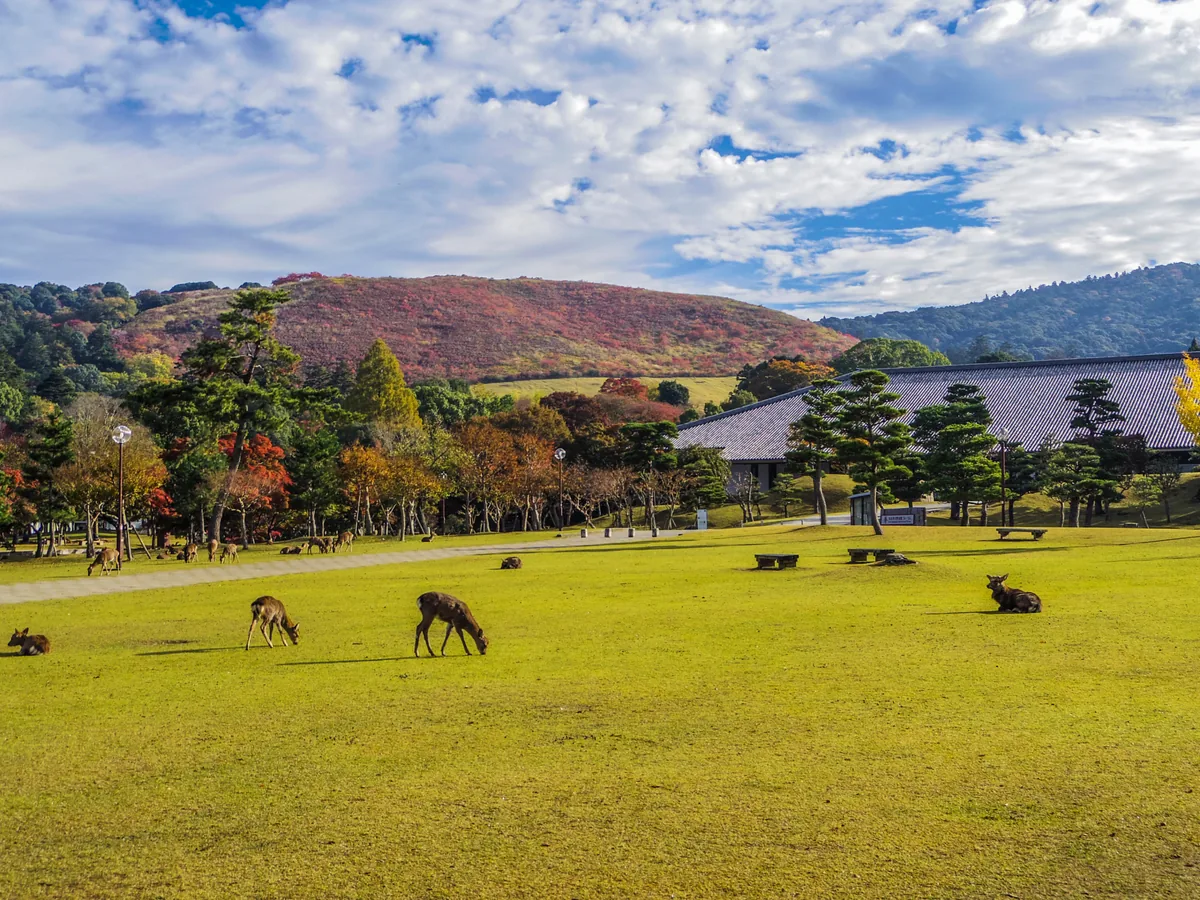
Leave room for stops along the way, but keep an eye on how much of the morning remains for Todai-ji. The deer are part of the setting, and you can enjoy watching them without buying crackers or approaching them closely.

Give Todai-ji One Clear Priority
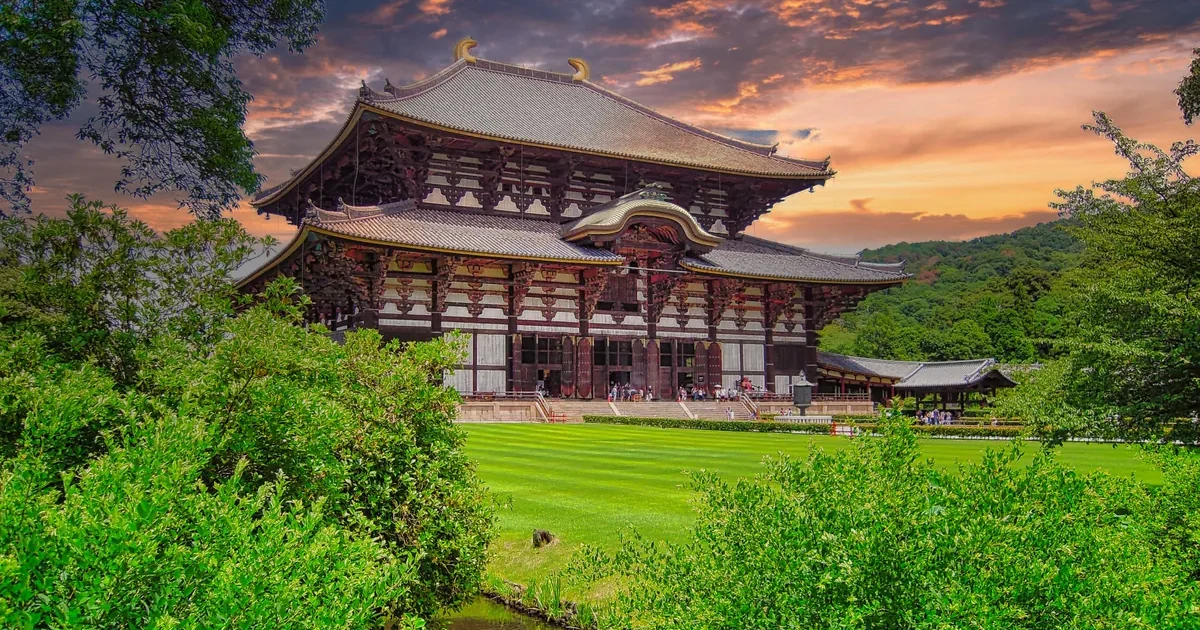
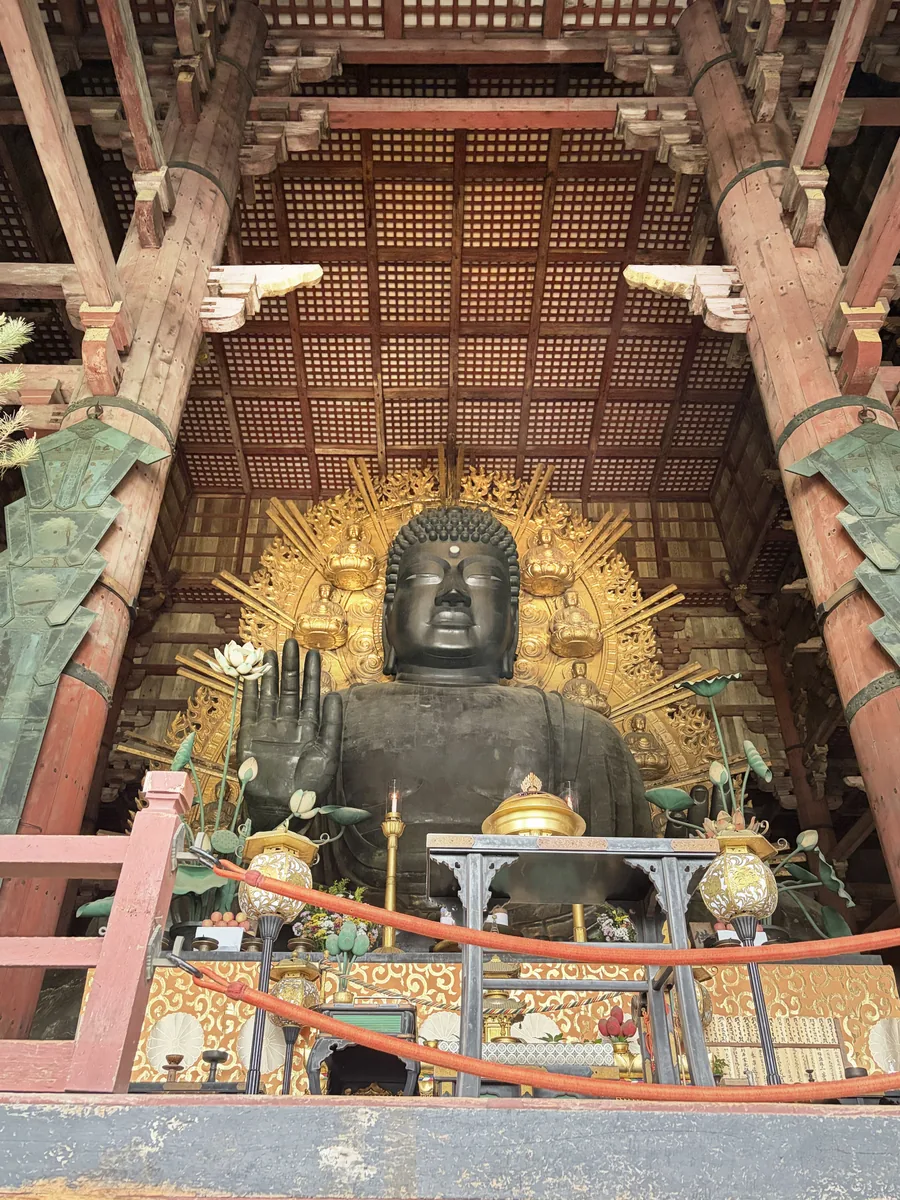
For most first-time visitors, that priority is Daibutsu-den, the Great Buddha Hall. A suggested allowance of 60–90 minutes for the approach, entry and hall visit gives you more breathing room than treating the Buddha as a quick photo stop. Allow extra time if you add the museum.
Todai-ji's official admission page lists individual admission to the Great Buddha Hall at ¥800 for adults and ages 13–18, and ¥400 for ages 6–12. The adult joint ticket for the hall and Todai-ji Museum is ¥1,200. Other paid halls are not automatically included in a Great Buddha Hall ticket.
The same page lists the Great Buddha Hall's hours as 7:30–17:30 from April through October, and 8:00–17:00 from November through March. Check special notices near your date. A late arrival should be planned around the building's hours, not simply the fact that the surrounding park is outdoors.
Before leaving the area, decide whether you want more of Todai-ji or are ready for lunch. That decision is a better guide to the afternoon than trying to complete every optional stop.
Choose One Afternoon Branch
Kasuga Taisha: Continue the Shrine and Park Day
Choose Kasuga Taisha if the shrine setting is one of your main reasons for visiting Nara. Build in the walk, a break and the journey back toward your station. Do not allocate only the time spent inside the paid area.

The shrine's official visitor guide lists special admission inside the cloister at ¥700, with reception from 9:00 to 16:00. This visit includes the lantern-lined cloister and access to Fujinami-no-ya Hall. Special ceremonies can suspend admission.
If that inner visit matters to you, reach it comfortably before reception closes. If you prefer the approach and general setting, keep the paid visit optional. Save the station route before you put your phone away, so you know whether to walk back or look for a bus.

The Naka-no-Negimichi photographs below show a wooded path in the Kasuga Taisha area. Use the shrine's official precinct map (PDF) to locate it. If you choose a woodland approach, check the route and its walking conditions; tree roots and uneven ground need more care than a station pavement.


Naramachi and Sarusawa Pond: Change to a Town Walk
Choose this branch if you would like cafés, shops and traditional streets after the morning's temple visit. Nara's official Naramachi area guide describes former merchant houses, small shops and cafés, with Sarusawa Pond as a useful landmark.


Allow an unhurried block of time, rather than a sequence of timed reservations. Pick somewhere for lunch or tea that fits the route and your dietary needs. Save the location of a shop you want to revisit: wandering side streets is enjoyable, but finding the same doorway later can take longer than expected.

This branch can also suit a group whose interests differ. Some people may want another historic building; others may prefer a drink and a sit-down break. Agree on a meeting place and time instead of requiring everyone to follow every stop.

For a reserved stop, Kurabi's tea ceremony and matcha-making session offers an hour in a Naramachi machiya, with English instruction, tea and a Japanese sweet. It fits an afternoon focused on the town rather than another long park walk. This is listed as a shared small-group session. Allow time to find the entrance down the passage beside the building.
Tea Ceremony & Matcha Making in a Naramachi Machiya
Learn tea etiquette and prepare your own matcha in a traditional town house.
Best for
Travelers who want a hands-on tea activity after the morning's temple visit.
Before booking
A fixed-time shared session; it does not include sightseeing or transport.
Live price & availability
Powered by GetYourGuide · we may earn a commission at no extra cost to you.
Nigatsu-do: Spend Longer Around Todai-ji
Nigatsu-do is an option for visitors who want to stay around the Todai-ji precinct rather than move to another neighborhood. Check the temple map and the approach before adding it; this extension introduces more walking and changes of level.


The official Nigatsu-do page explains its connection with the Shuni-e ceremony and notes restrictions on photography inside the hall. Follow local signs and the distinction between outdoor areas and worship spaces.
Treat Nigatsu-do as a replacement for some other sightseeing time. If the morning has already been long, lunch and a simpler afternoon may be the better choice.
A Sample Day With Room to Adjust
| Approximate time | Plan | Decision to make |
|---|---|---|
| 9:00 | Arrive in Nara; walk or take a bus toward the park | Add Kofukuji only if it is a priority |
| 9:30–11:30 | Park walk and Todai-ji | Hall only, or additional museum time? |
| 11:30–13:00 | Lunch and a break | Choose the afternoon branch |
| 13:00–15:00 | Kasuga Taisha or Naramachi, with a reserved tea session if chosen; alternatively stay around Todai-ji | Use the confirmed activity time and leave a walking buffer |
| From 15:00 | Tea, a short final walk or the return journey | Keep enough time for your evening plans |
This is a suggested sequence, not a timetable or a measured walking itinerary. Move lunch earlier if needed, and let a busy attraction replace an optional stop rather than squeeze every later activity.
For a half day, use the morning route and return after your meal. For a full day, spend the extra time on the selected afternoon branch. You can also return early without needing to find another attraction to fill the gap.
Deer Etiquette and Visiting With Children
Nara Prefecture's park guidance emphasizes that the deer are wild animals, even when they appear accustomed to people. They can bite, kick or charge; children should not approach them alone.
- If feeding, use only the designated shika senbei deer crackers. Keep human food and rubbish out of reach.
- Avoid touching, teasing or following an animal that moves away. Do not hold food out to stage a photograph.
- Supervise children closely. Watching from farther away is a good option for anyone who feels uneasy.
- Keep bags closed and paper items secure; check the area for anything dropped before moving on.
The prefecture also flags extra care around mothers with young and males during the autumn mating season. Follow signs and staff guidance on the day. A photograph of a calm deer is not a guarantee of how another animal will behave.
For families, plan the first break before everyone is tired. A shorter park-and-temple route with a proper meal can be easier to enjoy than a long loop with several paid buildings.

Admission Costs, Meals and Rail Passes
For one adult, Great Buddha Hall plus Kasuga Taisha's special cloister visit totals ¥1,500 at the checked prices. Choosing the Great Buddha Hall/Museum joint ticket instead raises that two-site combination to ¥1,900. These are admission subtotals, not whole-day budgets.
Add your actual return rail fare, any local buses, lunch, drinks and optional purchases. Naramachi is a neighborhood, so there is no single ticket that covers every building or experience there. Booked tours and the tea session have separate prices; check the current inclusions before adding admission costs again.
Bring a way to pay for small purchases and any admission that does not accept your preferred card. Carry only what you need for the outing. If Nara falls on a hotel-change day, our Japan luggage-storage guide helps you compare leaving bags at the hotel, station storage and booked storage before committing to a long walk.
A rail pass should be evaluated against your wider journey. An already-valid JR pass may make JR Nara a sensible arrival; buying a nationwide pass solely for this day is a different calculation. Use the JR Pass Calculator for the longer rail legs in your holiday, then check the local operator and ticket details for Nara.
Rain, Heat and Walking Comfort
This route has significant outdoor walking between its indoor stops. In wet weather, choose the main temple visit and a meal, then decide whether another building or a return journey is more appealing than an extended park loop.
In hot weather, reduce the number of stops and schedule breaks. In winter, pay attention to earlier building closures and the light remaining for the return walk. You do not need a different checklist of attractions for every season; you need a route with enough flexibility to shorten it.
If stairs, slopes or long distances are difficult, check each facility's access information and ask about the exact entrance you intend to use. A bus can reduce the station-to-sights walk, but it does not establish that every temple area is step-free. Confirm the entrances and facilities you need with each site before setting out.
For a seasonal version of the wider trip, the autumn day trips from Osaka guide compares Nara with other Kansai outings.
Independent Visit or Guided Tour?
An independent trip gives you control over the afternoon branch, meal stops and return time. Choose a guide when you want the explanations and a planned sequence. These two options use different ways of moving around Nara; either can be the main sightseeing activity for your day.
An Early-Morning Walk With a Guide
GuideMe Japan's early tour visits Kofukuji, Kasuga Taisha, Nara Park and Todai-ji. It offers meetings at Kyoto Station, Osaka Station or Kintetsu-Nara; city departures use a public train. Choose the exact option before planning your hotel departure. The advertised duration is 3.5–4.5 hours, with timing dependent on that choice.
The listing excludes Todai-ji admission and the return journey to Kyoto or Osaka. It is not suitable for wheelchair or pushchair users; the provider also lists people over 70 and those with recent surgery as unsuitable. Check the current eligibility rules before booking. This is a guided walking morning; leave the afternoon flexible rather than repeating the same sights independently.
Nara Early-Morning Guided Walk
Visit the main temples, shrine and park with an English-speaking guide and an early start.
Best for
First-time visitors who want local explanations and a planned morning of central Nara sights.
Before booking
Todai-ji admission and return transport are extra; substantial walking and an early meeting are required.
Live price & availability
Powered by GetYourGuide · we may earn a commission at no extra cost to you.
Explore Nara by E-Bike
Japan Tour Adventure's 3.5-hour e-bike tour links the park, Todai-ji, Kasuga Taisha and a Japanese-cutlery stop. The bike base is at 16-1 Takamaichicho, near Kintetsu-Nara, so arrange your own arrival there. The listed inclusions cover the bike, guide, Todai-ji entry and deer crackers.
The e-bikes require a minimum height of 145 cm; ask the operator about arrangements for shorter riders. Bicycle insurance is excluded, and helmet provision is on request and subject to availability. A departure needs at least two participants, even when a solo booking is accepted. Choose this if you are comfortable cycling; temple stops still involve walking.
Nara Highlights by E-Bike
Follow a guide between temple and park stops, with an introduction to Japanese cutlery.
Best for
Confident cyclists who want a guided sightseeing loop with a craft-related stop.
Before booking
Bicycle insurance is excluded; bike fit and cycling ability matter, and departures require two participants.
Live price & availability
Powered by GetYourGuide · we may earn a commission at no extra cost to you.
Prices, available starts and booking conditions are shown in the live cards and booking pages. Check the selected option's meeting point and inclusions before paying, especially when comparing the walking tour's extra temple fee with the e-bike tour's included entry. Our Kansai day-trip comparison also explains when an organized outing fits the rest of your itinerary.
Should You Add Uji to the Same Day?
A combined day is possible, but begin by choosing one main priority in each place. For example, you might keep Nara to the park and Great Buddha Hall, then make one Uji visit. That means dropping the full afternoon branch described above.
Check the journey from the attraction to the correct station, not just the rail segment between cities. A reserved tea activity is a fixed appointment, and a late temple entry cannot be recovered by taking a faster train afterward.
If both places are important, separate days offer more room for a museum, a meal and changes of pace. The four-day Kansai itinerary can help you decide how a Nara day fits around Kyoto and Osaka, while the day-trips hub offers shorter alternatives for another free afternoon.
Make it your trip
Still planning your Japan trip?
Pick the question on your mind. Compare your options, check the details and take one more thing off your list.
Would a JR Pass save you money?
Add your train journeys and compare individual tickets with the nationwide pass. See which costs less for your route.
Calculate my rail costs
Which eSIM fits your Japan trip?
Maps, messages, hotspot use: compare five providers by data allowance, network and plan limits before you choose.
Find my Japan eSIM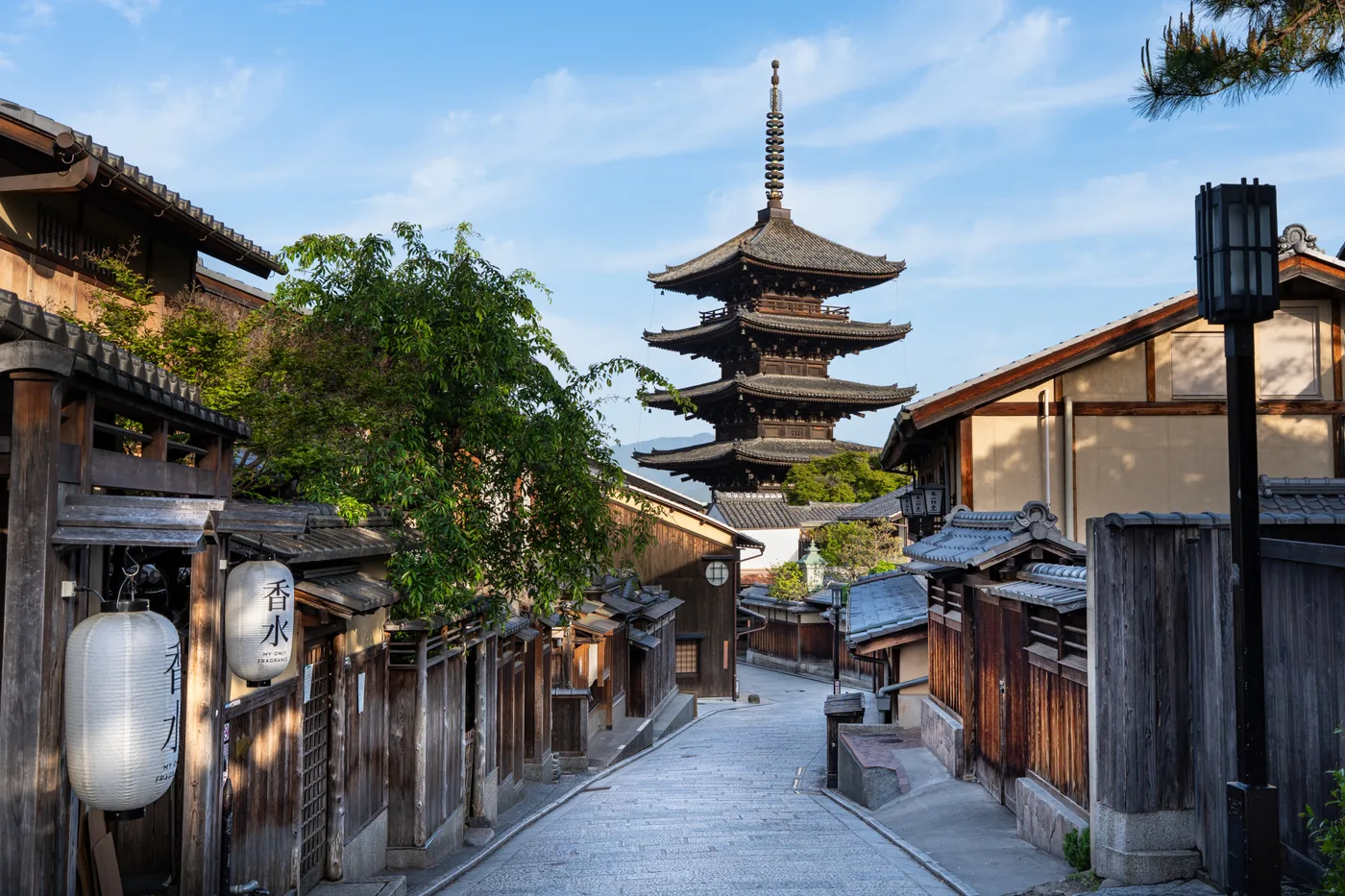
How much can you fit into one week?
Connect Tokyo, a Fuji or Hakone day trip, Kyoto and Osaka with a day-by-day route, travel costs and booking advice.
Explore the 7-day routeFrequently Asked Questions
One day works well for a first visit to central Nara. Allow around five to seven hours in the city for Nara Park, Todai-ji, lunch and one afternoon extension. A shorter visit can focus on the park and Great Buddha Hall. These are suggested sightseeing allowances; add the return journey from Kyoto or Osaka.
Kintetsu-Nara is closer to the park-side sightseeing area. JR Nara can still be convenient for your departure station or an existing JR pass. Compare the complete journey from your hotel and the onward walk or bus, rather than the train ride alone.
The nationwide Japan Rail Pass covers eligible JR services to JR Nara, including the JR routes from Kyoto and Osaka. It does not cover Kintetsu trains to Kintetsu-Nara. Kintetsu limited express travel also requires a limited express ticket in addition to the base fare.
As checked on October 27, 2026, individual adult admission to Todai-ji Great Buddha Hall is 800 yen. Kasuga Taisha's special inner-cloister visit is 700 yen, making those two paid visits 1,500 yen. This excludes transport, food and any additional museums or temple buildings.
Nara's deer are wild animals. The prefecture advises against letting children approach them alone. Adults should supervise closely, use only designated deer crackers if feeding, and avoid touching or teasing the animals. Watching from a distance is a valid choice, especially for children who are nervous around animals.
Yes, with a shorter visit to each place. Choose a main priority in Nara and one in Uji, then check the rail journey, walking time and any timed tea reservation. The full Nara itinerary in this guide is designed as its own day; remove the afternoon extension if you add another destination.

Written by
JAPANODE
Based in Japan, researching practical routes and official visitor information for international travelers.
You Might Also Like
 Day Trips
Best Day Trips from Kyoto and Osaka: DIY or Guided Tour?
12 min read
 Day Trips
10 Best Autumn Leaves Day Trips from Osaka in 2026: Kyoto, Nara, Koyasan & More
8 min read
 Itinerary
4-Day Kansai Itinerary: Kyoto, Osaka & Nara (2026 Local's Guide)
18 min read
 Transportation
The Complete Guide to Japan's Train System for First-Time Visitors
16 min read