On this page
Choose Kyoto Station if arrival, departure and rail trips drive your schedule. Choose Shijo-Karasuma for a downtown base with a straightforward subway connection. Choose Shijo-Kawaramachi if you expect to spend your evenings around the river and central restaurants. Choose Gion or southern Higashiyama when walking through eastern Kyoto early or late matters more than a simple journey with luggage.
There is no neighborhood that puts every Kyoto attraction outside your door. The useful comparison is the journey you will repeat: leaving each morning, returning after dinner and moving your bags on the first and last day. This guide compares those decisions; it does not rank hotels we have personally stayed in.
Start with the Kyoto three-day itinerary if your sightseeing plan is still blank. Then use the area descriptions below to narrow your hotel search to two neighborhoods.
Disclosure: The Booking.com and Radical Storage cards below contain affiliate links. JAPANODE may earn a commission at no extra cost to you.
Choose Your Kyoto Base From the Journeys You Will Repeat
| Area | Best reason to choose it | Journey to check before booking | Main compromise |
|---|---|---|---|
| Kyoto Station | Arrival, departure and several JR journeys | Platform to hotel entrance, including the correct side of the station | Evening plans in Gion or downtown still involve a journey |
| Shijo-Karasuma | Subway access plus a central location | The walk from an accessible station exit to the property | The river and eastern sightseeing streets are farther away |
| Shijo-Kawaramachi | Dinner, shopping and walking around the river | Arrival from Kyoto Station and the return with bags | Hankyu Kyoto-kawaramachi is not on the subway line from Kyoto Station |
| Gion / southern Higashiyama | Early and late walks in eastern Kyoto | Exact hotel approach, slopes and your departure route | Western Kyoto and intercity departures can need more connections |
Write down your arrival station, departure station, first sightseeing stop on each full day and likely dinner area. This small list is more useful than searching for the most central pin on a map. A hotel can be centrally located yet inconvenient for the particular train you intend to use.
For a short stay, give arrival and departure extra weight. For a longer stay, repeated evening journeys become more important. If you are booking three nights and expect to eat downtown every evening, an arrival transfer may be an acceptable trade. If you have one night between two long train journeys, keeping your bags near Kyoto Station may matter more.
Kyoto's official transport guidance encourages combining trains and buses according to the route. Road congestion is a reason to check a rail alternative, especially when a hotel description makes every attraction sound like a short bus ride away.
Kyoto Station: Match the Hotel Entrance to Your Arrival
The station area is a practical starting point for travelers arriving by train, continuing to another city or taking several rail-based outings. It also works when your Kyoto visit begins late and you want a simple check-in before dinner. The benefit is concentrated around getting in and out of the city; it does not make the eastern temple districts walkable from every hotel.
“Near Kyoto Station” needs closer inspection. Check the actual entrance, the station side and the route from the platform you will use. A map distance measured through the station can conceal a longer walk with luggage. If step-free access matters, identify the lift route rather than accepting the shortest walking line from an app.
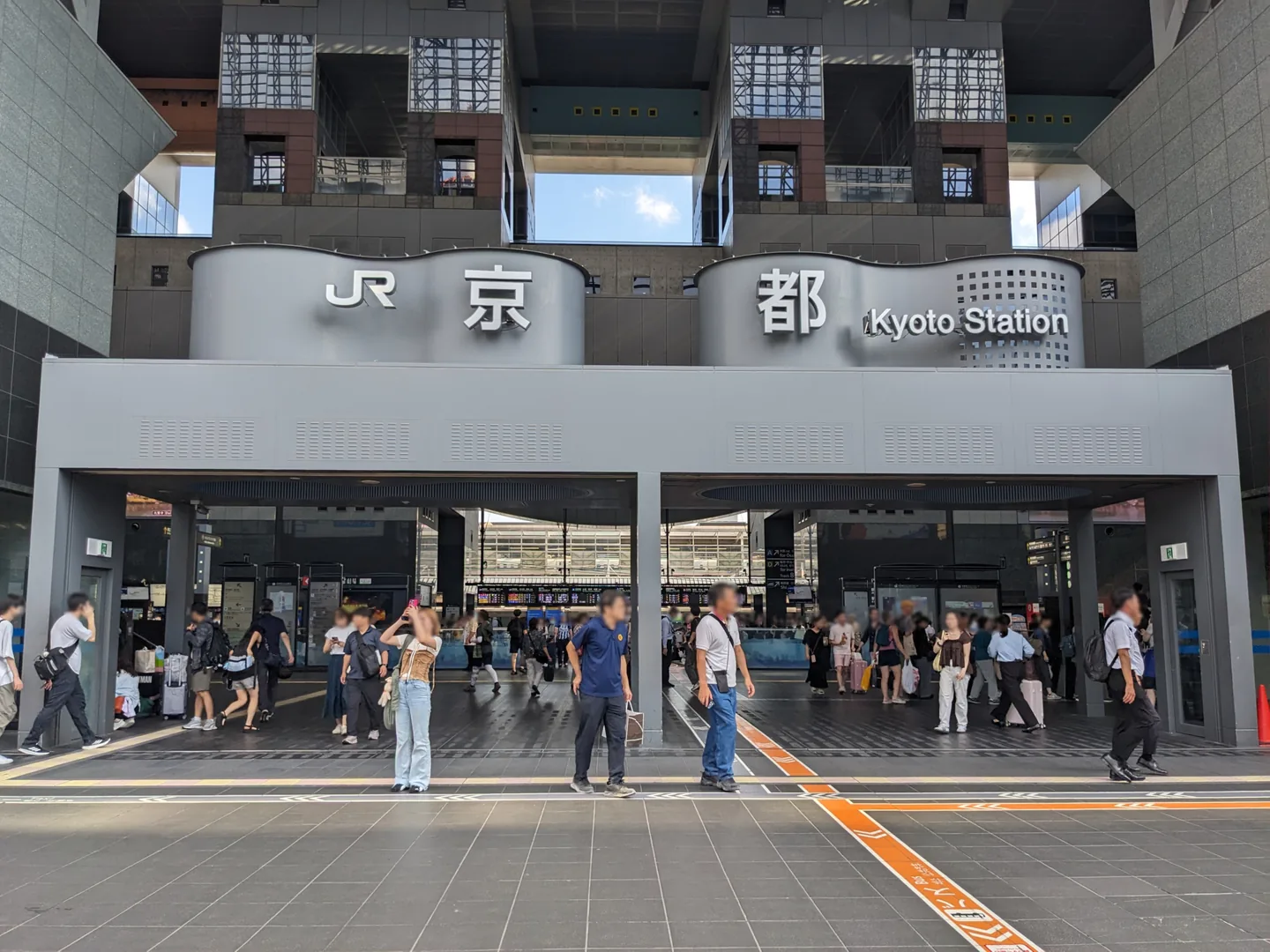
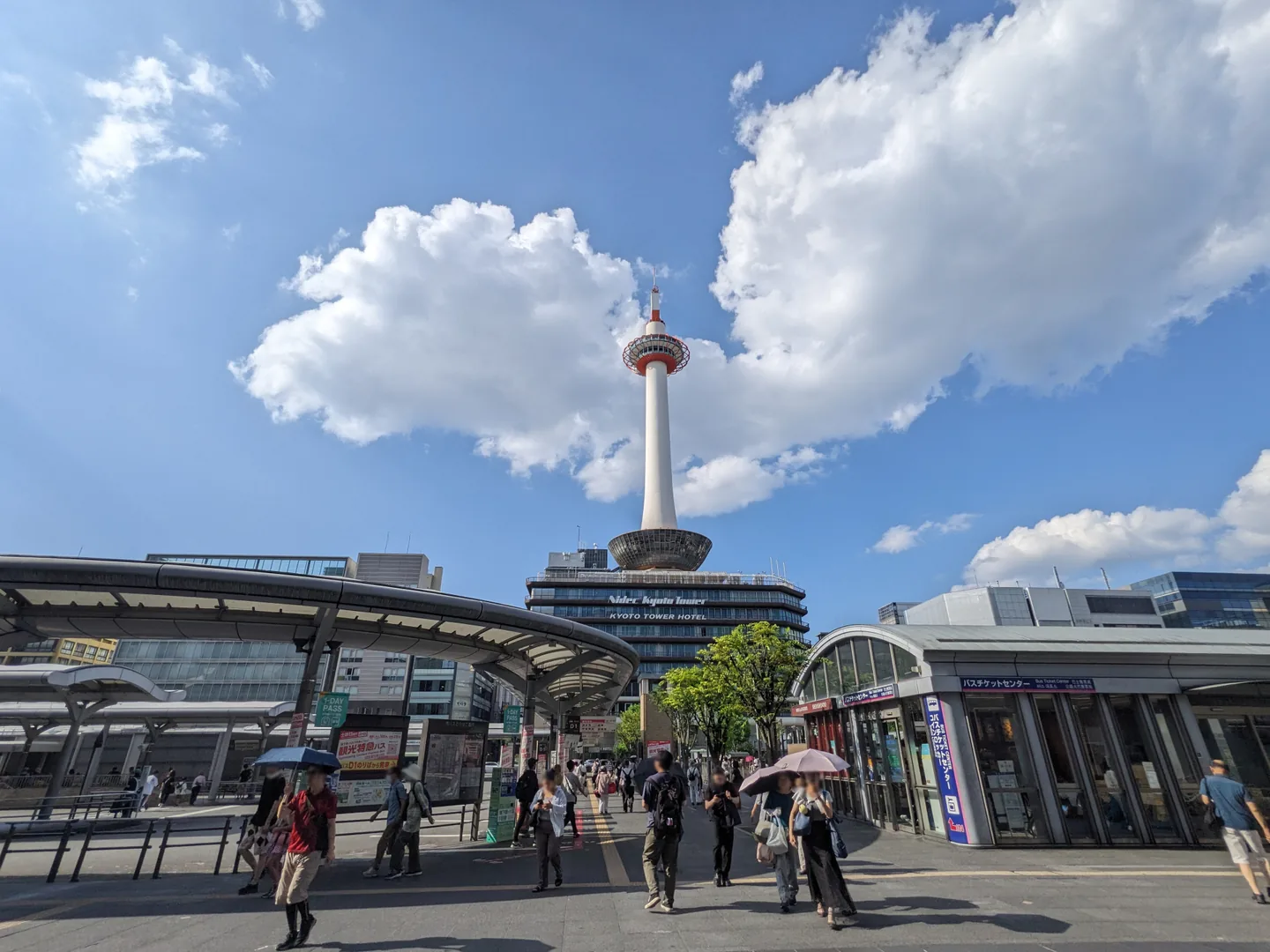
On station signs, look for the Central Exit on the north side and the Hachijo Exit on the south. Kyoto Tower identifies the north-side forecourt. Use Kyoto's official station guide to match those names with the hotel's access instructions, then compare the route from the platform you will use. Neither side is automatically the right choice: also check how you would return after an evening downtown.
For the three-day sightseeing plan, Kyoto Station gives you a clear rail starting point for Arashiyama and Fushimi. Higashiyama still needs its own access plan. Do not choose the hotel on the assumption that you will board the same sightseeing bus for every day.
If you arrive through Kansai International Airport, work through the Kansai Airport transport guide before comparing hotel addresses. Your arrival time and chosen service can change which final connection is sensible. Keep the first evening light enough that a delayed flight does not cost you a prepaid activity.
This area is particularly worth comparing for one-night stays, early onward departures and travelers who want to leave their bags near the station before sightseeing. It is less compelling when most of your plans involve leisurely mornings and late dinners on the eastern side of the city.
Shijo-Karasuma and Kawaramachi: Two Different Downtown Choices
Shijo-Karasuma for a Subway-Based Arrival
Shijo-Karasuma is the place to investigate when you want downtown access without making every arrival depend on a road journey. The important station names are Shijo on the subway and Karasuma on Hankyu. They are different services, even though they serve the same general area.
Kyoto's official Nishiki Market access guide gives an approximately four-minute subway ride from Kyoto Station to Shijo. That is time on the train, not the entire journey to your room. Add the walk through both stations, waiting time and the final approach to the hotel.
This base suits a mixed visit: one day east, another west and time in central Kyoto between outings. It can also be a useful compromise for travelers who want restaurants nearby but prefer not to book directly beside the busiest evening streets. Read the exact location carefully; a property described as “Shijo” may be a substantial walk from the interchange.
Before booking, test one journey to your eastern sightseeing day and one to Arashiyama. You are checking whether the hotel's location works across the trip, rather than whether it is near one famous stop. For the station names and transport choices, use the Kyoto transport guide.
Shijo-Kawaramachi for Evenings Near the River
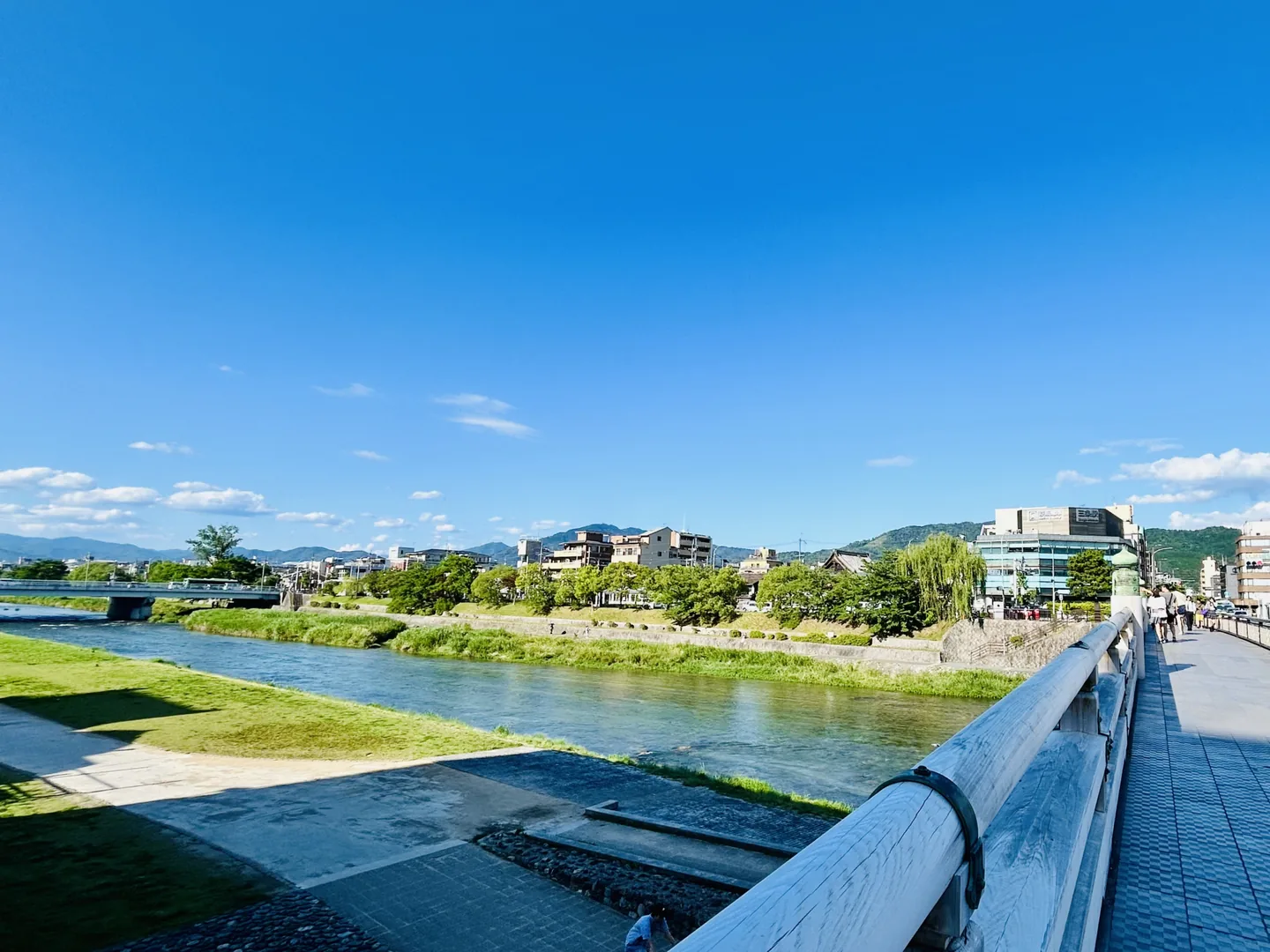
Shijo-Kawaramachi makes sense when dinner, shopping and evening walking around the Kamo River are central to your stay. Returning to your room after a meal can be more convenient than heading back to Kyoto Station each night. That advantage is strongest when the property itself is close to the places you expect to visit.
Keep three names separate: Kyoto-kawaramachi is Hankyu, Gion-shijo is Keihan, and Shijo is the subway station farther west. A hotel near one is not automatically near all three. Check its map pin before treating “five minutes from Shijo” as an arrival instruction.
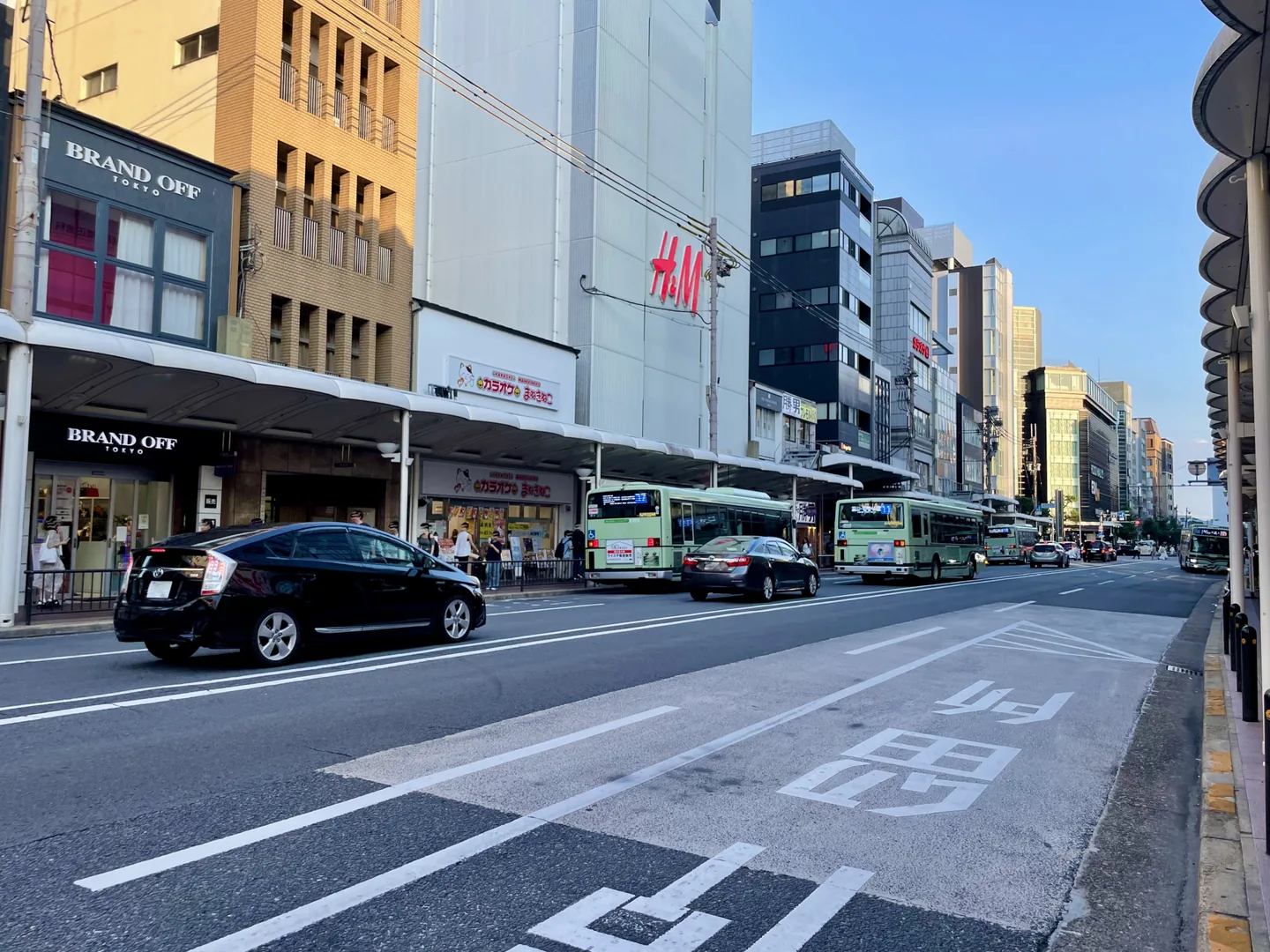
The city's Gion and Yasaka Shrine access advice describes the walk from the Shijo-Kawaramachi intersection to Yasaka Shrine as approximately 13 minutes. It is a useful indication of the relationship between downtown and Gion, not a guaranteed hotel-to-temple time. Crowds, crossings and stops will affect your own walk.
Choose this area for the evenings you actually intend to have. If you prefer early nights and will leave Kyoto before breakfast, the same location advantage may not matter. Check recent property reviews for room-specific noise concerns, especially when booking above or beside busy streets. A lively neighborhood and a quiet room can coexist, but the address alone cannot promise that.
Gion and Higashiyama: Book the Exact Street
Gion and Higashiyama appeal to visitors who want eastern Kyoto to form part of the stay itself. An early walk before the main sightseeing day, a return after dinner or a nearby temple visit can feel less like an excursion when your room is in the same district.
However, these names cover more ground than a single station neighborhood. A property close to Gion-shijo has a different transport pattern from one uphill toward the southern Higashiyama sightseeing streets. Check the final approach with a suitcase, including slopes, steps and the distance from a practical drop-off point.
For a first visit, choose this area deliberately because you value that setting. Do not pay a premium simply because the address sounds more traditionally Japanese. A modern room near a useful station may suit your trip better than a beautiful property that makes every departure difficult.
If your reservation includes dinner, confirm the required arrival time before planning an evening illumination or distant sightseeing stop. Likewise, ask about late check-in if your flight or train reaches Kyoto at night. Small accommodation properties can have different reception arrangements from larger hotels.
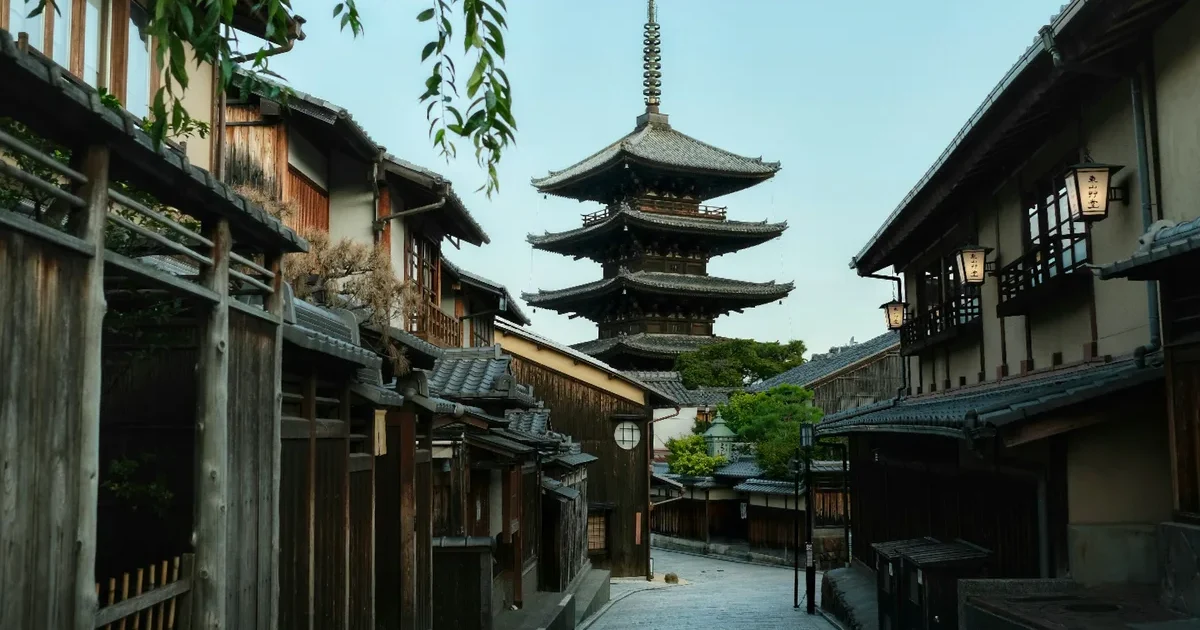
Historic streets are also places where people live and work. Follow posted photography and access rules, keep entrances clear and avoid treating a quiet lane as a guaranteed photo opportunity. A neighborhood photograph should help you understand the setting; it cannot show how busy your particular morning will be.
Test Your Shortlist Against Three Kyoto Days
The three-day route separates southern Higashiyama, Arashiyama and Fushimi. Use that structure as a test before comparing room decoration or breakfast photographs.
| Your plan | What to check from each shortlisted hotel |
|---|---|
| Day 1: southern Higashiyama | Route to the first stop, the walking direction and how you will return after dinner |
| Day 2: Arashiyama | Which railway station serves your chosen attraction and the complete journey from the hotel |
| Day 3: Fushimi, then central Kyoto | Access to Fushimi Inari and whether the afternoon brings you naturally back toward your base |
| Arrival day | Bag drop, check-in time and one nearby meal or short walk |
| Departure day | Bag collection and the route to the actual departure platform |
The station serving a sightseeing area matters as much as the railway name. At Fushimi Inari, for example, the shrine's official access page identifies both JR Inari and Keihan Fushimi-Inari. Which is useful depends on where you start. Avoid adding a connection merely to use a train brand you recognize.
Now compare two real properties, not just two neighborhoods. Record the walking distance, number of changes and whether the journey works with your bags. You do not need to calculate every minute. A difference such as “one train and a short walk” versus “two changes and an uphill approach” is already useful.
For autumn evening visits, add the return from the specific temple to this comparison. The Kyoto autumn guide helps identify areas, but the accommodation choice should follow your selected visits. A hotel convenient for one illumination may be less convenient for the rest of your stay.
Compare the Full Accommodation Cost
A cheaper room can become less attractive once you compare room size, additional journeys, breakfast and cancellation conditions. Search using the actual number of guests and the same dates, then compare equivalent booking terms. A prepaid non-refundable room is a different purchase from a flexible reservation.
Look beyond the category label. Check bed dimensions and layout, space for open suitcases, private or shared bathrooms, laundry arrangements and whether the booked room has the facilities shown in the property's general photographs. Families should enter children's ages rather than assume the displayed rate covers everyone.
Kyoto's accommodation tax changed on March 1, 2026. The official revised tax table applies bands per person per night, rather than one flat charge per room. For example, an applicable accommodation fee of ¥20,000 per person per night falls in the ¥1,000 tax band. For two people over three nights, that tax would total ¥6,000. The applicable fee basis matters; do not simply divide a package including meals and other charges without checking the city’s explanation of the taxable fee.
Check whether the booking total includes this tax or whether the property collects it separately. Our Japan tourist taxes and extra costs guide explains the wider budgeting context. Use a property's written total and payment terms to compare the final shortlist.
Compare Kyoto stays on Booking.com
Best for
Comparing location and room terms after choosing two suitable areas
Before booking
This opens a city search, not a personally reviewed hotel; availability and conditions vary by property.
Why it may fit
Enter your dates and guest details, then compare two shortlisted areas on the map. Check the complete price, room layout and cancellation deadline.
Make Arrival and Checkout Days Work Without Your Suitcase
Ask the property about bag storage before paying for another service. Confirm whether it accepts bags before check-in and after checkout, whether there is a charge and when collection must happen. An unattended apartment or small guesthouse may not provide the same service as a staffed hotel.
Then draw the collection journey into your day. Storing a suitcase near the room is convenient only if you can return there before departure. A slightly less convenient morning drop-off can sometimes save a large detour at the end of the day.
Kyoto's official luggage-services guide lists storage and delivery options. Check the provider's current hours, size limits and delivery conditions. Same-day delivery should be confirmed for the actual date and accommodation, rather than assumed from a general service description.
Kyoto luggage storage with Radical Storage
Best for
Arrival or departure days when your accommodation cannot store bags
Before booking
You must collect your bags from the chosen location within its opening hours.
Why it may fit
If your accommodation cannot hold your bags, compare storage near the station or neighborhood you will return to. Check opening hours, size conditions and the final total.
The Japan luggage storage guide compares hotel storage, lockers and bookable services. Choose the arrangement that simplifies the whole day, including collection, rather than the one with the shortest walk from your arrival platform.
When Arashiyama or an Osaka Base Makes More Sense
An Arashiyama stay can suit a visit built around that district or an accommodation experience you specifically want. It needs a separate comparison if most of your plans are elsewhere in Kyoto. Check dinner arrangements, the evening return and the next morning's journey before treating the scenic setting as a substitute for transport planning.
An Osaka base can work if Kyoto is one part of a wider Kansai trip and avoiding another check-in matters to you. Compare the complete hotel-to-sight journey on each Kyoto day. The fast intercity portion alone is not the commute: walking, waiting and local connections still count.
Use the four-day Kansai itinerary to decide whether your trip needs two bases. If Kyoto has most of your early starts and evenings, staying there deserves serious consideration. If you have only one Kyoto outing among several Osaka plans, moving your bags may add more work than it saves.
Before booking, you should be able to explain the choice in one sentence: “This hotel makes our repeated evening walk simple,” or “This location keeps both train days manageable.” Once the reason is clear, compare the actual rooms and terms within that area.
Make it your trip
Still planning your Japan trip?
Pick the question on your mind. Compare your options, check the details and take one more thing off your list.

Which eSIM fits your Japan trip?
Maps, messages, hotspot use: compare five providers by data allowance, network and plan limits before you choose.
Find my Japan eSIM
What should your travel insurance cover?
Compare medical cover, cancellation and activity limits across five options, with the exclusions worth checking.
Compare cover & limitsWould a JR Pass save you money?
Add your train journeys and compare individual tickets with the nationwide pass. See which costs less for your route.
Calculate my rail costsFrequently Asked Questions
Compare the journeys you will repeat. Kyoto Station is a candidate for frequent intercity trains and luggage-heavy arrivals. Downtown is a candidate when your evenings and shopping are concentrated there. Check the actual hotel entrance and useful station before booking.
No. They are different parts of central Kyoto. The city's Nishiki Market access guide recommends the Karasuma subway to Shijo Station, while Shijo-Kawaramachi is closer to the eastern side of downtown. Do not treat the two names as the same hotel location.
It can suit a trip centered on eastern Kyoto and evening walks. Check the particular property's approach, luggage access and connections to your other sightseeing areas. A Gion address does not make every Kyoto journey convenient.
Compare the full stay: room cost, train journeys and the early mornings or evenings you want in Kyoto. Staying in Osaka is a reasonable option for a mixed Kansai trip, but it adds a journey on each Kyoto day. Neither city is always the cheaper or better base.
Kyoto City's accommodation tax is calculated per person per night, using the applicable accommodation-fee band. Revised rates took effect on March 1, 2026. Check whether a quoted booking total includes this tax.
Ask the property before relying on it. Kyoto's official luggage guide also lists staffed storage and delivery options. These can make an arrival-day route easier, but opening hours and acceptance conditions depend on the service.

Written by
JAPANODE
Based in Japan, sharing practical travel planning guides for visitors.
You Might Also Like
 Itinerary
Kyoto 3-Day Itinerary: Higashiyama, Arashiyama and Fushimi
8 min read
 Transportation
Kyoto Transport: Trains, Buses, IC Cards and Day Passes
7 min read
 Transportation
Luggage Storage in Japan: Lockers, Apps & Delivery
11 min read
 Itinerary
4-Day Kansai Itinerary: Kyoto, Osaka & Nara (2026 Local's Guide)
18 min read