On this page
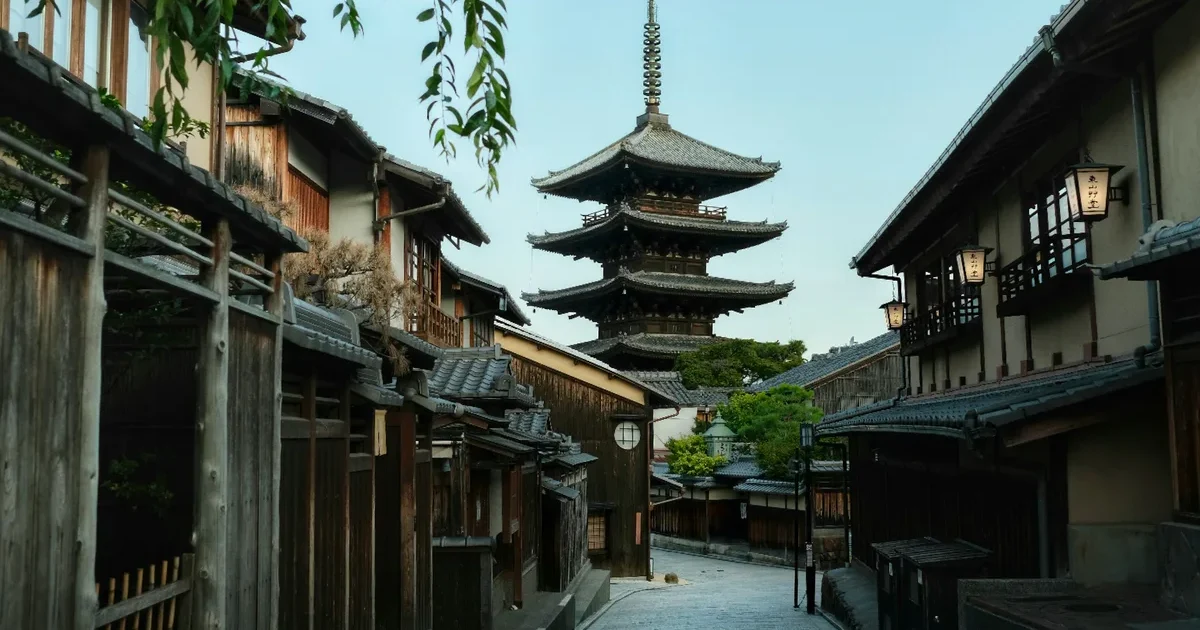
Give Kyoto three full days and divide them by area: Higashiyama in the east, Arashiyama in the west, and Fushimi with a flexible central-city afternoon. That structure leaves room for walking, meals and the places you enjoy, instead of sending you across the city after every temple.
This is a suggested route for a first visit, not a claim of a personally completed three-day trip. Arrival and departure time are separate. If you reach Kyoto at lunchtime, use the shorter half of a day rather than compressing a full itinerary into the afternoon.
For a wider trip including Osaka and Nara, use the four-day Kansai itinerary. The plan below gives Kyoto more time.
Disclosure: The GetYourGuide booking option below is an affiliate link. JAPANODE may earn a commission at no extra cost to you.
Your Three-Day Framework
| Day | Main area | Anchor | Flexible addition |
|---|---|---|---|
| 1 | Southern Higashiyama | Kiyomizu-dera and the surrounding streets | Gion or a booked cultural experience |
| 2 | Saga and Arashiyama | A selected garden or temple and riverside walking | One further stop within the same area |
| 3 | Fushimi and central Kyoto | Fushimi Inari | A market, museum, tea experience or rest |
Choose one main paid or timed experience per day before adding anything else. This is a planning limit, not a rule that everyone must follow, but it prevents the calendar from filling with reservations that leave no room for travel delays.
Kyoto's official sample itineraries are useful for exploring different interests. Opening dates, special events and your own walking pace should decide the final version.
Where to Base Yourself
A Kyoto Station-area hotel can make arrival, departure and several rail trips simpler. A central base can suit evening meals and walking. Neither location removes every transfer, so compare the exact property with the three days you intend to follow.
Staying in Osaka is also possible. Account for the whole hotel-to-sight journey, including walking and local connections. The intercity train's travel time alone is not the daily commute.
If you keep an Osaka base to avoid a hotel change, allow more time for early starts and the return after dinner. If you choose Kyoto, check luggage storage around check-in and checkout so that your arrival day does not become a suitcase tour.
Use the Japan accommodation guide to compare room formats before narrowing the neighborhood.
Day 1: Kiyomizu-dera and Southern Higashiyama
Start with Kiyomizu-dera as the main anchor. The temple's official FAQ states a 6 a.m. opening, with closing time dependent on season and events. An early temple visit does not mean every surrounding shop or cafe is open at the same time.
Allow time for the approach and the terrain. A route that appears short on a map can still involve slopes, steps and crowded walking streets. Choose footwear and a pace that fit the rest of the day, especially in heat or rain.
After the temple, explore the nearby streets without making each shop a compulsory stop. Keep lunch in the same broad area. The benefit of this day is that the surroundings are part of the outing rather than merely a corridor to the next distant attraction.
In the afternoon, choose between more Higashiyama walking, a Gion-area visit or a reserved cultural activity. Check the current access and photography signs wherever you go. Streets and working neighborhoods should not be treated as a stage set.
For a booked experience on this route, Sakaguchian's garden tea house is near Sannenzaka and Kiyomizu-dera. Allow the advertised 45-minute session plus time to find the entrance. Large bags are not allowed, and this is a tea ceremony rather than a kimono package. The listing gives inconsistent wording for seven-year-olds, so families should confirm the child's eligibility before paying.
Tea Ceremony near Kiyomizu-dera
A tea ceremony at Sakaguchian that fits the Higashiyama afternoon, with an English instructor and a chance to prepare matcha.
Best for
Travelers who want one reserved cultural activity close to the Day 1 temple walk.
Before booking
Leave large bags at the hotel. Confirm child age rules; kimono rental is not part of this booking.
Live price & availability
Powered by GetYourGuide · we may earn a commission at no extra cost to you.
Getting There
Kyoto's official access advice for Kiyomizu-dera discusses combining rail and bus, and lists the sightseeing express services on weekends and holidays. Compare the options from your actual hotel instead of assuming a bus from Kyoto Station is always the easiest route.
Leave the evening reasonably open. If you book a tea ceremony, choose the location and time as part of this day's route. Our Kyoto tea ceremony comparison explains differences between experiences and who each may suit.
Day 2: Arashiyama With Fewer Stops
Use the western day for Saga and Arashiyama. Decide which temple, garden or other paid attraction matters most, then build the walking around it. A visit can be satisfying without trying to include every attraction that shares the Arashiyama label.
The official Saga and Arashiyama guide helps with orientation. Check the station that suits your route: different rail services reach different parts of the area, so the best arrival station and return station need not be identical.
Keep the main morning and lunch in the west. Adding Kinkaku-ji, Fushimi Inari and a distant dinner to the same day can turn a pleasant outing into a sequence of transfers. If one of those places is essential, remove another substantial block rather than treating it as a quick extra.
Bamboo, River and a Chosen Garden
Treat the bamboo grove and riverside as parts of the walk, with time to stop where you enjoy the setting. Stay on the permitted paths and follow local signs. The official area guide specifically asks visitors to protect the bamboo and scenery.
For a quieter rhythm, spend longer in one selected garden instead of adding several temples with little time in each. Verify opening hours and admission with the venue, especially for seasonal visits or special access.
If you want a scenic railway or another reserved activity, make it the day's anchor. Check the actual boarding point and return journey before buying. A product described as being in the Arashiyama area may still require additional travel.
For autumn-specific decisions, use our Kyoto foliage guide. Seasonal evening events can change both the schedule and the amount of energy you need for the day.
Day 3: Fushimi Inari and a Flexible Afternoon
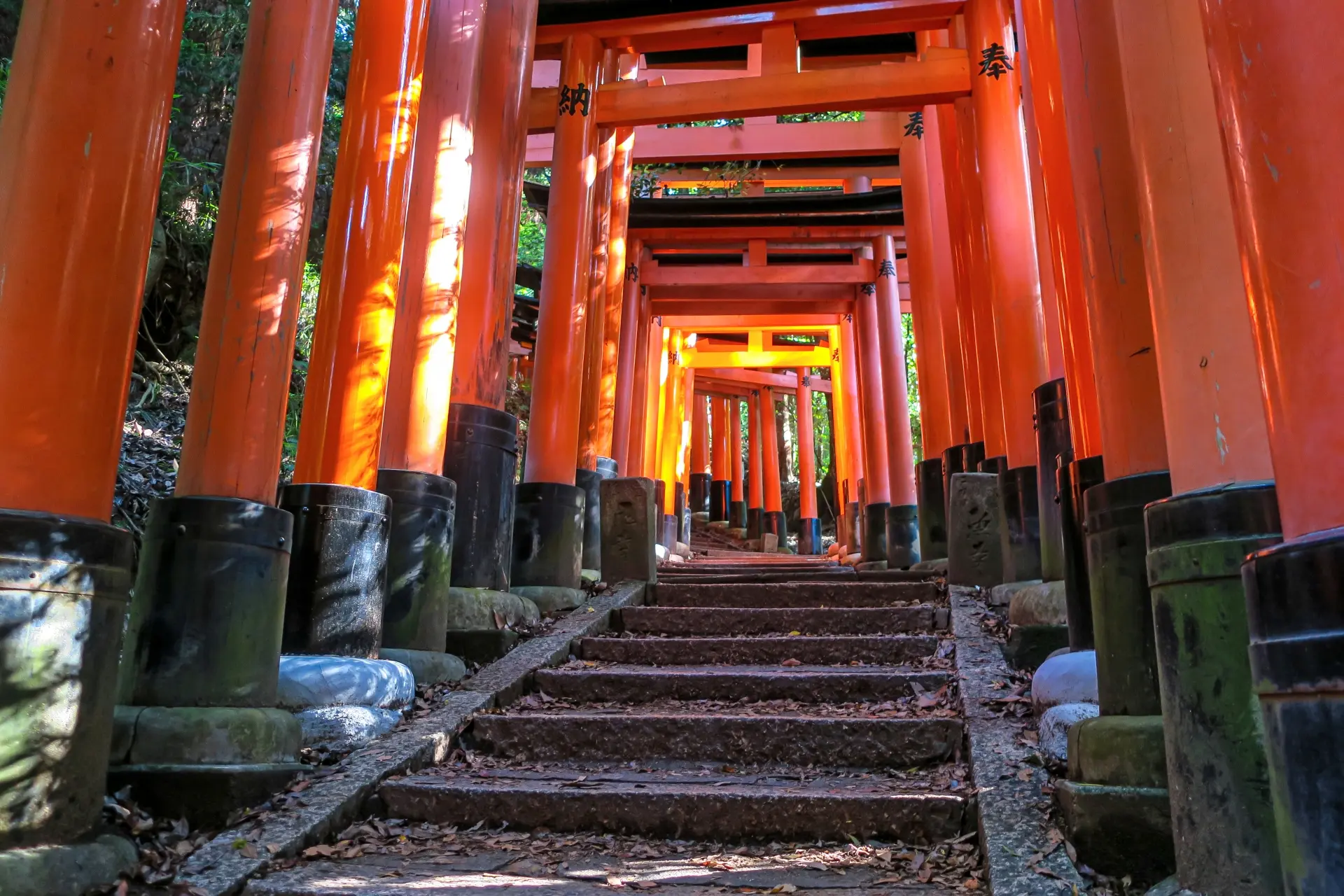
Begin with Fushimi Inari if it is a priority. Decide in advance whether you want a shorter visit or a more substantial walk on the shrine paths. Do not treat reaching the upper paths as mandatory for every visitor.
Allow for the fact that a longer climb affects the rest of the day. Comfortable footwear, weather and energy matter more than completing a route because it appears in an itinerary. If you prefer a shorter visit, use the saved time for a relaxed meal or another interest.
For regional orientation, Kyoto's Fushimi area information distinguishes the shrine area from other Fushimi districts. A sake-area outing is an additional choice with its own movement and timing, not something automatically attached to every shrine visit.
Choose one afternoon direction: central Kyoto, a museum, a tea experience or a rest. If food shopping is the priority, check the individual shops you hope to visit rather than assigning a single opening time to an entire market district.
If You Prefer Kinkaku-ji
You can substitute a northern Kyoto block for part of this day. Kyoto's official comfortable-access advice recommends considering the subway to Kitaoji followed by a local bus for Kinkaku-ji.
Make the substitution explicit. Keeping the full Fushimi plan and adding several northern sights leaves less time for both. A trip that matches your interests is more useful than one that ticks every familiar name.
Turn the Three Areas Into Walkable Routes
These sequences are suggested walking plans, not timed tours. Remove a stop whenever the terrain, weather or your energy makes the shorter route more appealing. None requires entering every paid attraction along the way.
East: Kiyomizu-dera to the Gion Side
After the temple, follow the established visitor streets through Sannenzaka and Ninenzaka toward the Kodai-ji / Nene-no-michi area. Choose whether to enter another temple or continue toward Yasaka Shrine and Gion. Check posted access restrictions: a small lane that looks attractive on a map can be private or subject to photography rules.
Keep the main downhill progression and avoid repeatedly returning to the same approach for shops. This is a better day for one long, interrupted walk than for a series of cross-city bus journeys. If you begin at the temple's early opening, bring a breakfast plan rather than assuming the shopping streets will already be serving food.
West: One Garden, Bamboo and the River
Use Tenryu-ji as a possible main garden visit, with the bamboo paths and Togetsukyo riverside as the surrounding walk. Choose the order around your arrival station and any booked activity. The official Arashiyama area guide gives the geographic context; individual venues set their own admission and hours.
Travelers wanting the more distant northern Saga temples should shorten the central Arashiyama block rather than add every stop. A longer walk can be rewarding, but it changes the day's physical demands and the return plan. Do not treat every place labeled Saga or Arashiyama as adjacent.
South: A Shrine Visit With a Defined Turnaround
For Fushimi Inari, decide whether the outing is a lower-shrine visit or a longer walk up the paths. Set the turnaround around your party and the weather, not around the assumption that a complete summit walk is required. Leave the afternoon flexible enough that a longer morning does not make lunch or the next booking stressful.
The city's official Fushimi Inari access advice identifies JR Inari for travel from Kyoto Station and Keihan Fushimi-inari from the Gion side. Check the stopping pattern of the particular train. These are different stations from destinations deeper in the Fushimi sake district.
For the exact operator choices, fares and day-pass arithmetic, use the Kyoto transport guide. The easiest improvement to this itinerary is often choosing the right station, not purchasing a larger pass.
What to Do When It Rains
Move an indoor activity into the wettest part of the day and keep outdoor walking near it. Avoid replacing one outdoor route with three indoor attractions on opposite sides of the city.
Our Kyoto rainy-day guide offers museums, covered areas and other alternatives. Check whether an option requires reservations or involves outdoor access between buildings.
Light rain and a severe-weather warning are different situations. Use current official transport and venue notices when conditions disrupt normal travel. Do not treat an advance itinerary as a reason to continue with a route that operators are advising against.
Transport and Day-Pass Decisions
Use rail for the sections where it provides a straightforward route, then add walking, buses or taxis for the gaps. A line on a map that goes directly to a sight can still be slow in road traffic.
Kyoto's official transportation-pass page lists the Subway and Bus 1-Day Pass at ¥1,100 for adults and the subway-only day pass at ¥800, checked October 17, 2026. Compare included journeys before buying; JR and private-rail trips are not automatically part of those products.
The Suica and Welcome Suica guide explains compatible IC payment. An IC card is useful for flexibility, while a day pass is a separate value calculation.
Meals, Reservations and a Realistic Budget
Reserve a meal if it is a major reason for the trip or if your party has requirements that need advance confirmation. Keep other meals flexible enough to fit where you actually finish sightseeing.
Build the budget from the accommodation quote, selected admissions, local travel and meals. Add any evening event or paid experience separately. The Japan trip budget guide provides a broader framework without implying that every Kyoto day costs the same amount.
For luggage, ask the hotel first and use the Japan luggage-storage guide if you need an alternative. Carrying large bags on local sightseeing routes can make the day harder for you and for other passengers.
What to Leave Out
Nara, Osaka and farther day trips deserve their own time. Add a day or replace one Kyoto day instead of attaching them to a full schedule. Three full days work because the city has room to breathe, not because every possible stop has been fitted in.
Before departure, choose the one experience you most want from each day. Keep those anchors, check their current calendars and let the surrounding time remain adaptable.
Make it your trip
Still planning your Japan trip?
Pick the question on your mind. Compare your options, check the details and take one more thing off your list.
Would a JR Pass save you money?
Add your train journeys and compare individual tickets with the nationwide pass. See which costs less for your route.
Calculate my rail costs
Which eSIM fits your Japan trip?
Maps, messages, hotspot use: compare five providers by data allowance, network and plan limits before you choose.
Find my Japan eSIM
What should your travel insurance cover?
Compare medical cover, cancellation and activity limits across five options, with the exclusions worth checking.
Compare cover & limitsFrequently Asked Questions
Three full days allow a focused first visit with one main area each day. They are not enough for every major temple, day trip and evening activity.
Yes, but account for the entire hotel-to-sight journey and late return. A Kyoto base can make early mornings simpler; an Osaka base avoids another hotel change.
No. Use rail and walking where they fit, then add buses or taxis for gaps. Road congestion can make a simple-looking bus route slow.
Treat Nara as a replacement for one Kyoto day or add an extra day. Adding it on top of all three Kyoto routes makes the itinerary much tighter.

Written by
JAPANODE
Based in Japan, sharing practical travel planning guides for visitors.
You Might Also Like
 Culture
12 Best Indoor Things to Do in Kyoto on a Rainy Day
15 min read
 Planning
Kyoto Autumn Leaves: 9 Places, Best Time & Area Routes
14 min read
 Culture
5 Best Tea Ceremony Experiences in Kyoto (2026 Comparison)
16 min read
 Itinerary
4-Day Kansai Itinerary: Kyoto, Osaka & Nara (2026 Local's Guide)
18 min read