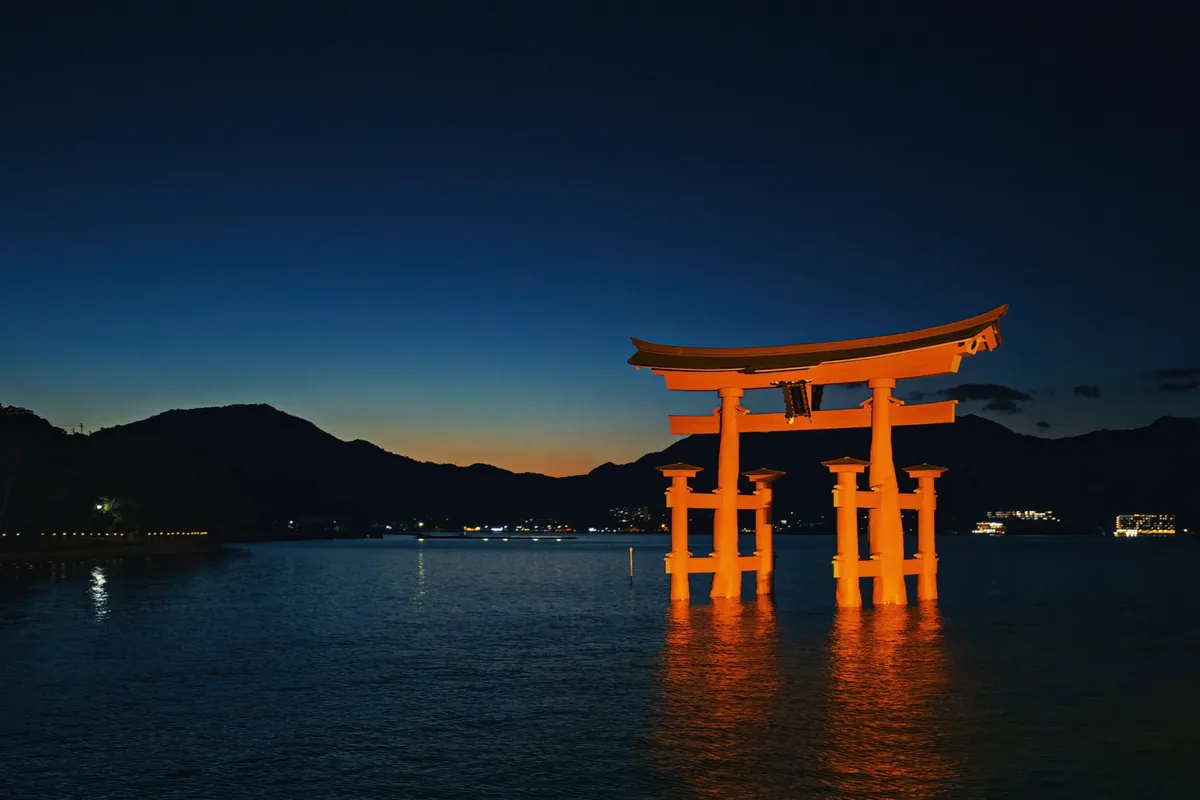
Itsukushima Shrine's illuminated vermilion torii reflected in the sea at night

UNESCO sites · A visual travel guide

Japan’s
world heritage.

Eight selected areas.
Find the ones that fit your journey.

Find your place

On the water, after darkItsukushima Shrine · Miyajima

A sense of place

Go for the view.
Stay for the story.

A shrine shaped by the tide. A village built for deep snow. A mountain that became a pilgrimage and a picture. Japan’s World Heritage sites are a way into the stories behind the scenery.

This guide brings together eight areas that connect with our Japan itineraries. Choose by your starting city, the time you have and the kind of day you want. Each leads to a practical guide for the next step.

Looking for every inscription? See UNESCO’s full Japan list

Make it part of your trip

Find your kind of wonder.

Start with where you’re staying. Then choose the time you have and what draws you in.

See the eight areas on a map
Eight starting areas in central and western Japan, with Shuri in an Okinawa insetNikko and Mount Fuji near Tokyo; Shirakawa-go in central Japan; Kyoto, Nara and Himeji in Kansai; Hiroshima and Miyajima farther west. Shuri is in Naha on Okinawa. Pins are representative landmarks, not World Heritage property boundaries.SEA OF JAPANPACIFIC OCEANOKINAWA · INSETKyotoNaraHimejiNikkoMt FujiShirakawa-goHiroshima & MiyajimaShuriTokyoOsaka
Selected areas, with one representative pin per area. Okinawa is shown separately, at a different scale. Scroll the map on a small screen. Map data: Natural Earth.

8 areas to explore

A curated starting point, not the complete UNESCO list

Time filters include the return trip from the suggested base. They are planning recommendations, not live timetables. An overnight option may be more comfortable even where a long day trip is possible.

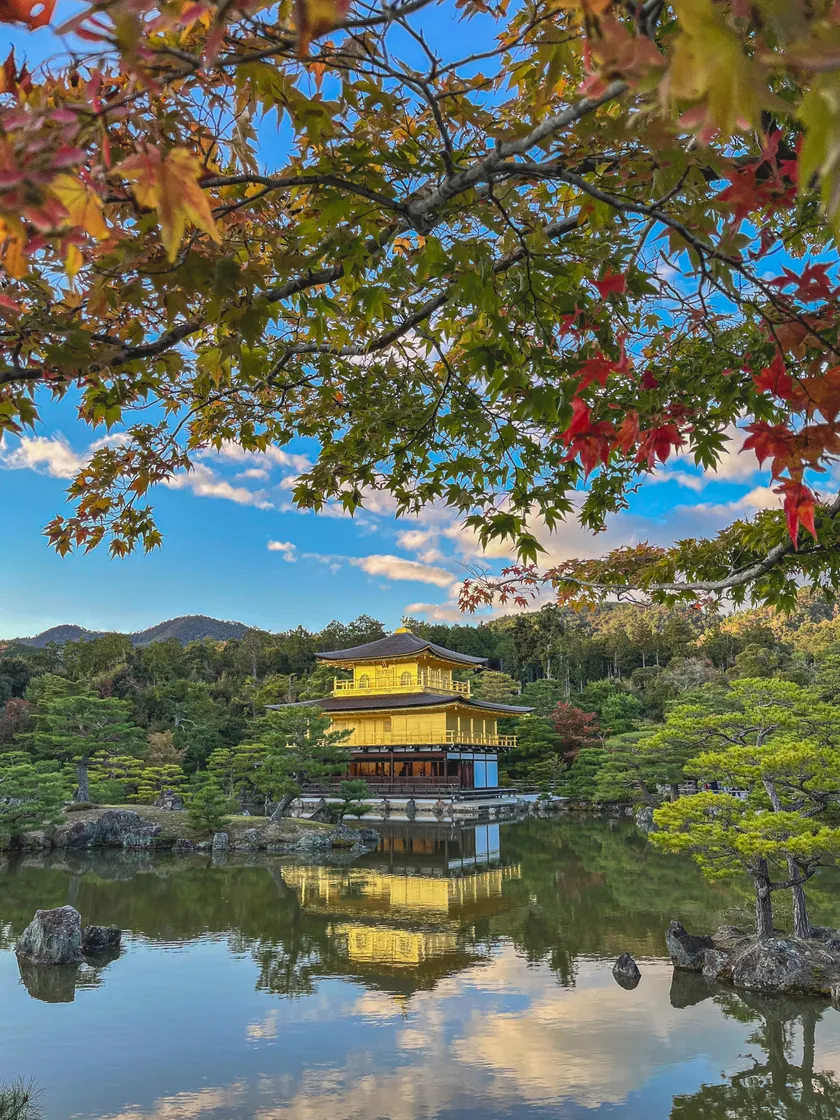
Kinkaku-ji's golden pavilion reflected in a pond beneath maple branches

Kyoto

Kinkaku-ji, one of the Kyoto property's 17 component sites.

Kyoto · Uji · Otsu

A garden. A temple. Time to look.

A gold pavilion reflected in water, a wooden terrace above the city, a garden that asks you to slow down. Choose a few places that interest you and leave space between them.

Start from
Kyoto · Osaka
Set aside
Half a day for one area; several days for a wider visit

Start with Kiyomizu-dera on an east-side day, or Kinkaku-ji and nearby Ryoan-ji on a northwest day. Byodo-in in Uji is another component of the same listing.

Access & what to know

From Kyoto: Local trains, buses and walking; choose one part of the city.

From Osaka: Train to Kyoto, then local transport. The station is not the temple district.

Fushimi Inari, Gion and the Arashiyama bamboo grove are not among the 17 listed components. Tenryu-ji in Arashiyama is.

Historic Monuments of Ancient Kyoto (Kyoto, Uji and Otsu Cities), inscribed 1994.
Plan your Kyoto days
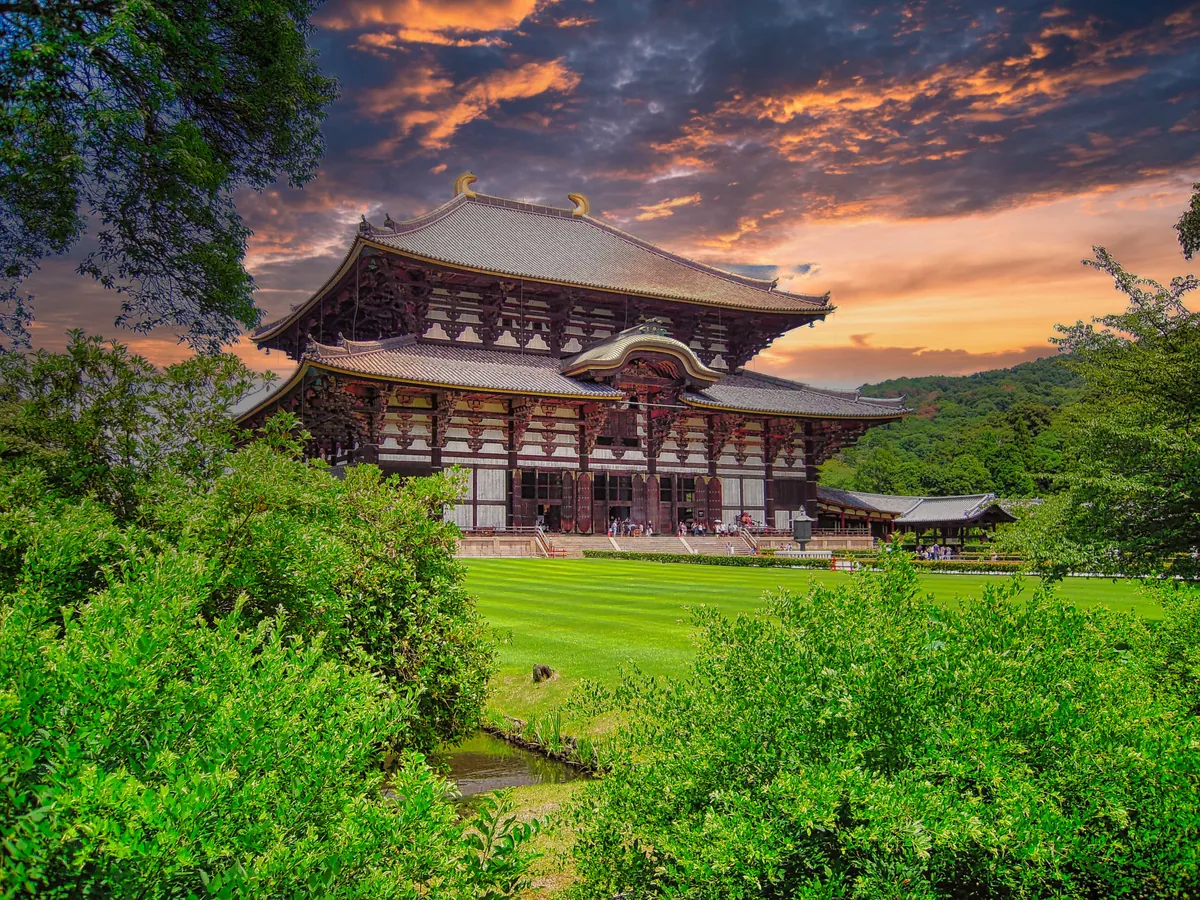
Todai-ji's great wooden hall beyond trees and a green lawn

Nara

Todai-ji, part of the Historic Monuments of Ancient Nara.

Kansai

An ancient capital, on foot.

Walk from temple gates toward wooded shrine paths. Todai-ji's Great Buddha and Kasuga Taisha give a Nara visit a focus beyond the city's familiar deer.

Start from
Kyoto · Osaka
Set aside
A full day from Kyoto or Osaka

Make Todai-ji the main visit, then choose Kasuga Taisha or another nearby temple. Keep lunch and the walk back in the plan.

Access & what to know

From Kyoto: JR or Kintetsu to Nara; allow extra time to reach the temples.

From Osaka: JR or Kintetsu to Nara. Kintetsu-Nara is closer to the park.

The Ancient Nara property has eight components across a wider area. A park walk does not cover them all; Horyu-ji belongs to a separate World Heritage listing.

Historic Monuments of Ancient Nara, inscribed 1998.

Plan a Nara day trip
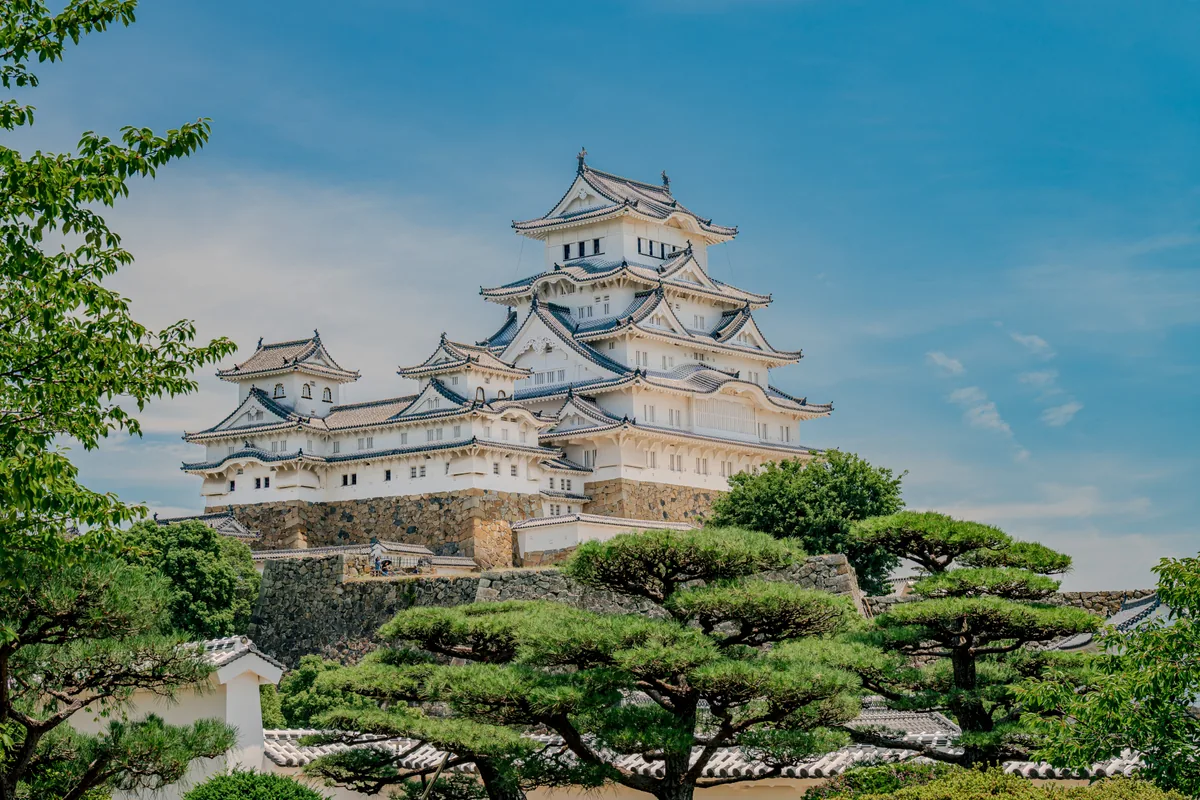
Himeji Castle's white walls and layered roofs above green trees

Himeji

Himeji-jo, the white castle at the heart of the visit.

Hyogo · Kansai

Follow the white castle.

The keep rises above a maze of gates, walls and approaches. Himeji suits travelers who want to spend time understanding one remarkable building.

Start from
Kyoto · Osaka
Set aside
A full day with travel from Kyoto or Osaka

Give the castle the main part of your day. Add nearby Koko-en Garden if time and energy allow, rather than committing to a second city.

Access & what to know

From Kyoto: Rail to Himeji, then walk or take a local bus toward the castle.

From Osaka: Shinkansen from Shin-Osaka or JR rapid services from Osaka, then the castle approach.

The interior includes steep stairs. Check the official visitor information for accessible routes and current admission arrangements.

Himeji-jo, inscribed 1993. Nearby Koko-en is a separate garden visit.

Plan a Himeji day trip
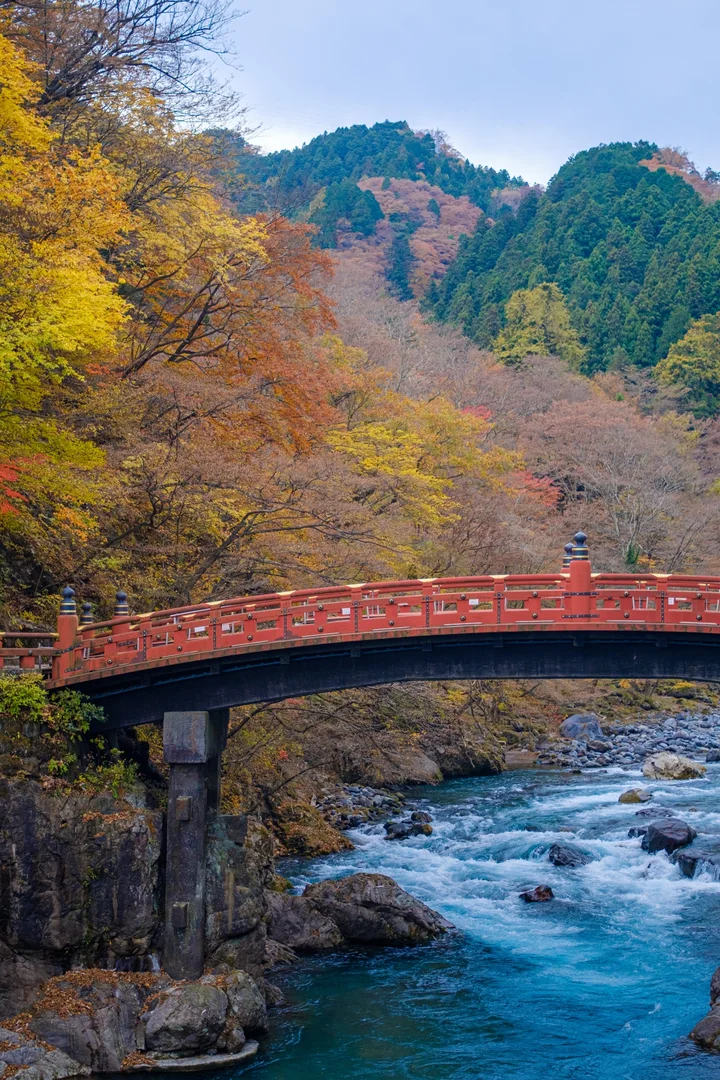
Nikko's red Shinkyo Bridge spanning a river beneath autumn woodland

Nikko

Shinkyo Bridge at the entrance to Nikko's sacred landscape.

Tochigi · From Tokyo

Into the forest of shrines.

Carved gates, cedar trees and richly decorated buildings make Nikko a contrasting day away from Tokyo. Keep the shrine district at the center of a first visit.

Start from
Tokyo
Set aside
A full day; stay overnight to explore farther

Build the day around Toshogu and the nearby shrine and temple area. An overnight stay gives you more room for the national park.

Access & what to know

From Tokyo: About two hours to Nikko by limited express, plus the local journey to the shrines.

Lake Chuzenji and Oku-Nikko require extra travel. Autumn road congestion can make combining the upper lake and the shrines in one day difficult.

Shrines and Temples of Nikko, inscribed 1999: Toshogu, Futarasan-jinja and Rinno-ji, with their setting.

See Nikko's shrine-area plan
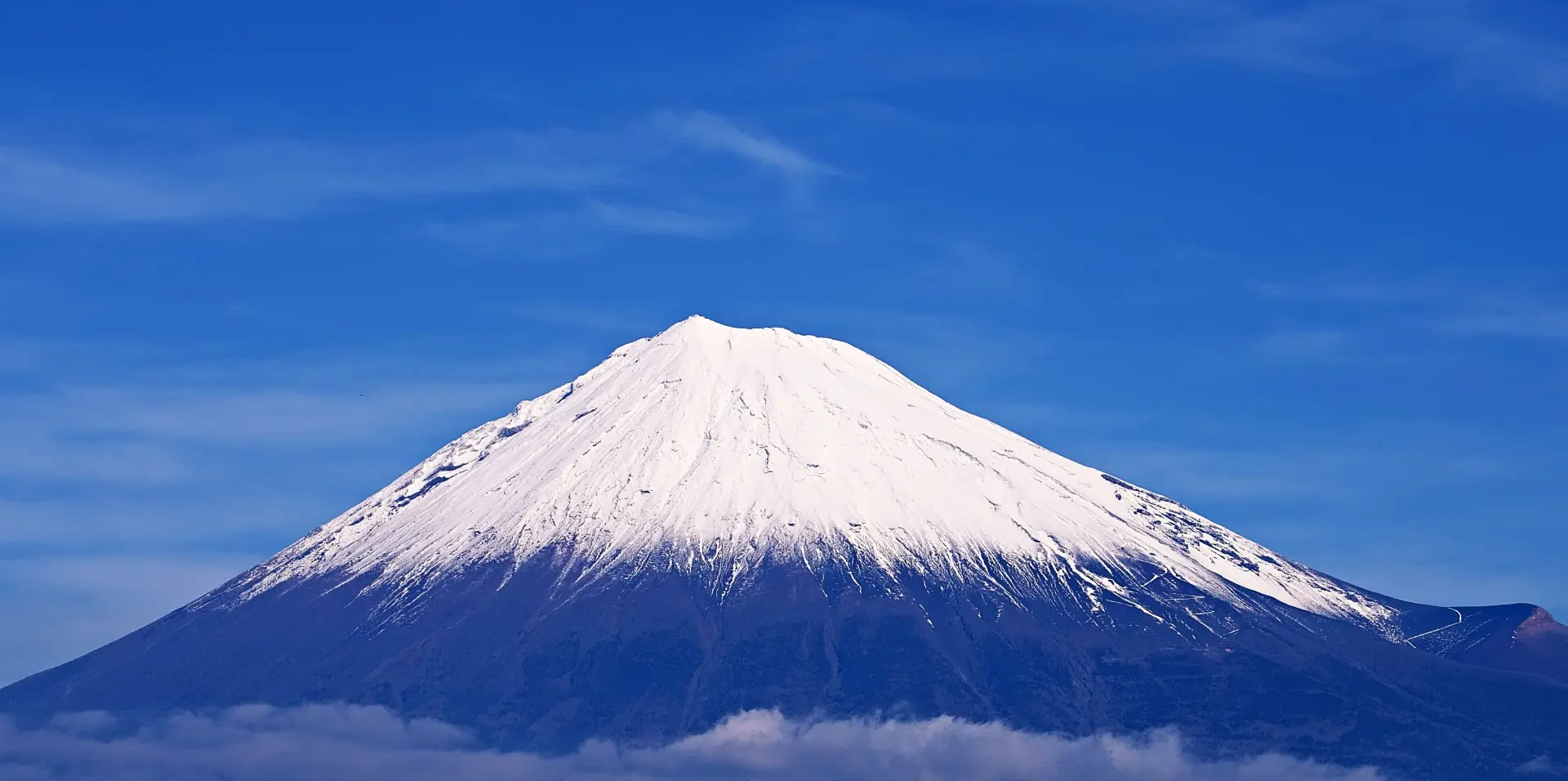
The snow-covered summit of Mount Fuji above a low band of cloud

Mt Fuji

Fujisan is inscribed for its cultural and spiritual significance.

Yamanashi · Shizuoka

A mountain with many meanings.

Fuji is a sacred mountain and a source of artistic inspiration. A day around its lakes and foothills offers a way into that story without attempting the summit.

Start from
Tokyo
Set aside
A full day from Tokyo; overnight for more flexibility

Choose a lake area and a small number of stops. Compare independent transport with a tour once you know what you want to see.

Access & what to know

From Tokyo: Roughly two hours from Shinjuku to Kawaguchiko by direct train or highway bus, then local travel.

Cloud can hide the mountain. This is a sightseeing plan, not a summit-climbing itinerary. A distant viewpoint is not automatically an inscribed component.

Fujisan, sacred place and source of artistic inspiration, inscribed 2013 as a cultural property.

Compare Fuji day-trip routes
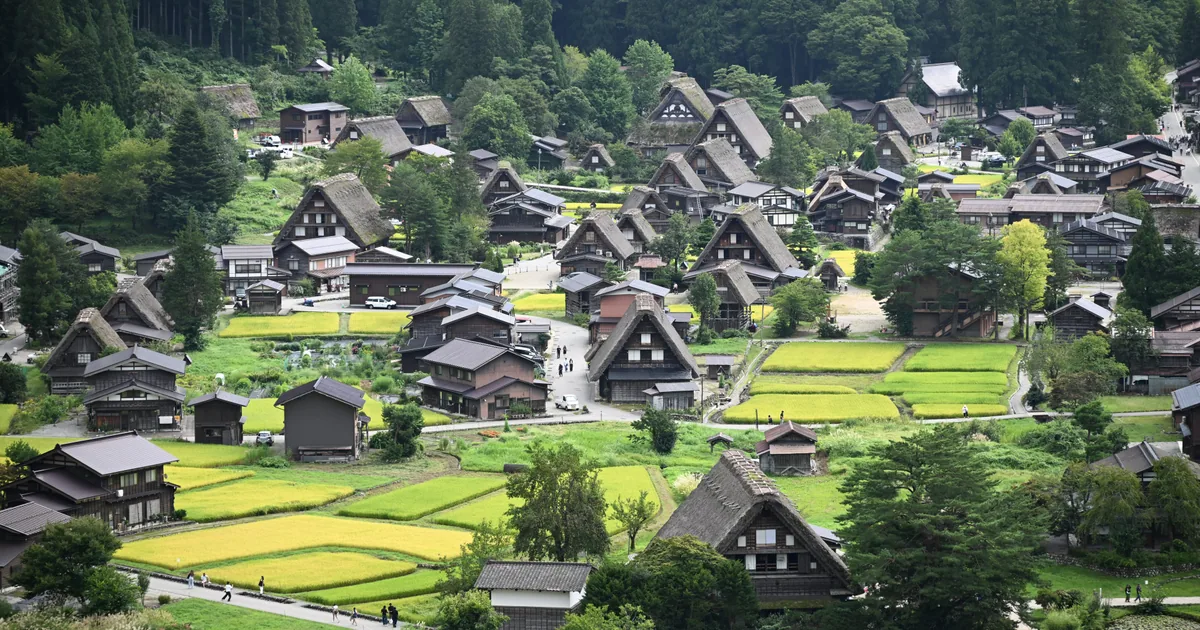
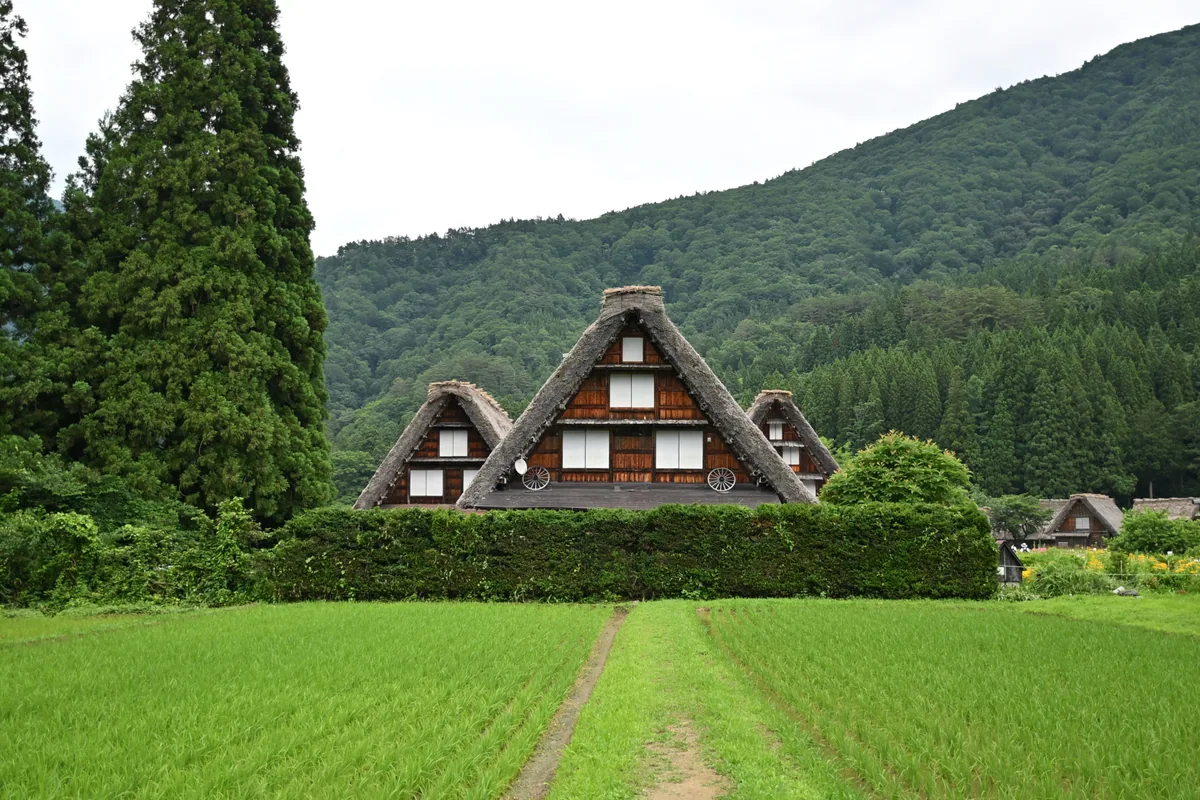
Steep thatched roofs and green fields in Shirakawa-go's Ogimachi village

Shirakawa-go

Ogimachi, one of three villages in the shared World Heritage property.

Gifu · Central Japan

A village shaped by the seasons.

Steep thatched roofs rise above fields and narrow lanes. The appeal is in the houses, the landscape and a village that remains a place where people live.

Start from
Takayama · Kanazawa
Set aside
Half to a full day from Takayama; a full day from Kanazawa

Allow time for a house interior and village paths. If continuing to another city, arrange both bus legs and luggage before leaving.

Access & what to know

From Takayama: About 50 minutes each way by bus, before village walking and waiting time.

From Kanazawa: About 80 minutes each way by bus; check both outward and return departures.

Reservation rules depend on the departure. Winter light-up events have separate arrangements, and snow or traffic can delay the return.

Historic Villages of Shirakawa-go and Gokayama, inscribed 1995: Ogimachi, Ainokura and Suganuma.

Plan buses and village time
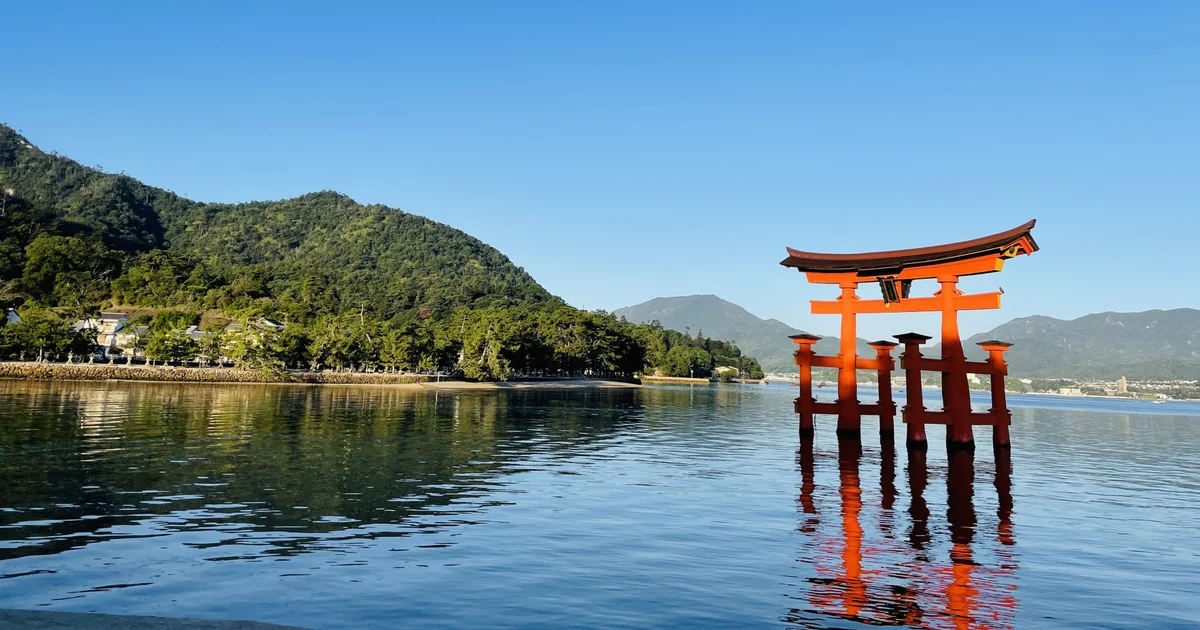
Itsukushima Shrine's vermilion torii standing in calm water beside Miyajima

Hiroshima & Miyajima

Itsukushima Shrine's torii; its appearance changes with the tide.

Seto Inland Sea

Two places. Two very different stories.

The Atomic Bomb Dome bears witness to destruction and the hope for peace. Across the water, Itsukushima Shrine brings architecture, worship and the island landscape together.

Start from
Hiroshima · Kyoto · Osaka
Set aside
A full day from Hiroshima; two days for a slower visit

Use one full day for a focused visit to both areas. Choose two days if you want a longer museum visit, Mount Misen or an evening on the island.

Access & what to know

From Hiroshima: Local transport for the Peace Memorial area; train and ferry or other connections for Miyajima.

From Kyoto: Travel to Hiroshima separately and stay a night to give the museum and island more time.

From Osaka: Travel to Hiroshima separately and stay a night to avoid squeezing both visits between long train journeys.

These are two separate World Heritage properties. The museum provides essential context but is not itself the inscribed Atomic Bomb Dome. Check tides for the torii view.

Hiroshima Peace Memorial (Genbaku Dome) and Itsukushima Shinto Shrine, both inscribed 1996.

Plan Hiroshima & Miyajima
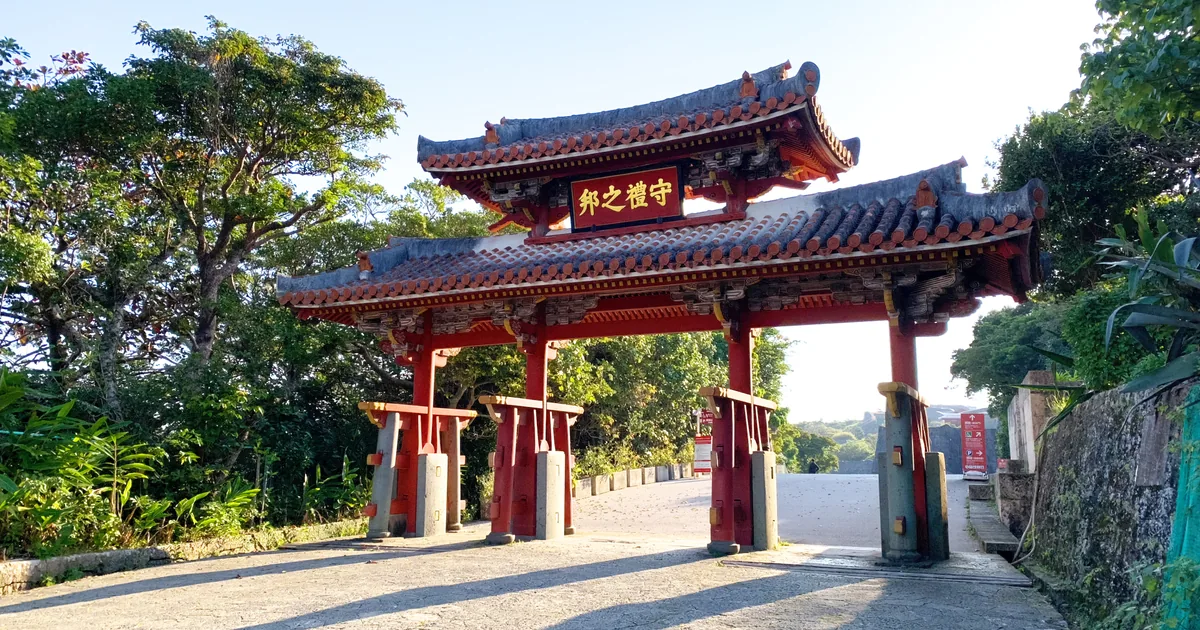
Shureimon's red pillars and tiled roof at Shuri Castle Park

Shuri, Okinawa

Shureimon gate, an introduction to the former Ryukyu capital.

Naha · Okinawa

Another kingdom, another chapter.

Shuri introduces the history of the Ryukyu Kingdom. Castle remains, gates and the surrounding landscape offer a different perspective on a trip to Japan.

Start from
Naha, Okinawa
Set aside
Half a day from central Naha

Start with Shuri Castle Park and leave room to explore the surrounding area. Check the park's current access and reservation information before fixing your visit.

Access & what to know

From Naha, Okinawa: Yui Rail to Shuri followed by a walk, or a local bus or taxi. Allow time for slopes and steps.

The World Heritage designation includes Shuri Castle's archaeological remains. Reconstructed buildings should not be mistaken for surviving medieval originals.

Gusuku Sites and Related Properties of the Kingdom of Ryukyu, inscribed 2000. Shuri is one part of this wider property.

Check the Shuri visitor guide
A thatched house behind green fields in Shirakawa-go

Leave room for the places between.

Build around your journey

A few places.
A richer trip.

Use the route you already have. These are starting ideas, not schedules to fit into a single day.

  1. World Heritage trips from Kyoto & Osaka

    Kyoto → Nara or Himeji

    Keep your Kyoto days, then choose one day trip. Add the other only if you have another full day.

    See the Kansai itinerary ↗
  2. World Heritage day trips from Tokyo

    Tokyo → Nikko or Fuji

    Choose sacred architecture or a mountain-view day. Each deserves its own full day away from Tokyo.

    Compare the Fuji options ↗
  3. For a longer journey west

    Kansai → Hiroshima → Miyajima

    Add an overnight stay for museum time and the island after the day visitors leave.

    Plan the western extension ↗

Once the route is set, compare rail costs with the JR Pass Calculator. A World Heritage itinerary does not automatically make a nationwide pass worthwhile.

Travel with context

Before you go.

A little understanding makes the visit more meaningful.

Know what is listed.

A UNESCO property can include several places across a wide area. Our cards identify the listing and distinguish it from nearby attractions.

Leave time around it.

Station-to-station travel is only part of the day. Add walks, queues, meals and the final journey back to your hotel.

Be a guest.

These are places of worship, remembrance and everyday life. Follow photography rules, keep to permitted paths and respect homes and quiet spaces.

Which World Heritage sites fit a first trip to Japan?

Start with the cities already on your route. Kyoto's listed temples and gardens, Nara and Himeji fit a Kansai stay. Nikko and the Fuji area suit a full day from Tokyo. Hiroshima and Miyajima work best with dedicated time in western Japan. This page is a selection of eight starting areas, not a complete inventory of Japan's World Heritage properties.

Are these eight areas eight UNESCO World Heritage properties?

No. They are eight travel-planning areas. Hiroshima and Miyajima cover two separate properties. Other areas show only some components of a wider listing, such as Shuri within the Ryukyu property. Map pins mark representative places, not the boundaries or every component of a UNESCO property.

Is Mount Fuji a natural World Heritage site?

No. Fujisan was inscribed in 2013 as a cultural property for its sacred significance and artistic influence. Japan also has natural World Heritage properties, including Yakushima and Shiretoko; those need separate destination planning and are not covered by this shortlist.

Does the JR Pass include World Heritage admission?

No. The Japan Rail Pass is a transport product, not a World Heritage entry ticket. Admission, local buses, private railways and other connections may require separate payment. Compare the trains on your actual route before buying a pass.

Do I need a guide to visit?

Many of these places can be visited independently. A guide can add historical context or simplify a day with several transfers. Compare the exact starting point, included admissions, free time and return arrangements in the linked destination guides.

About this guide — Researched and curated by JAPANODE. UNESCO listings and official visitor information checked on October 21, 2026. Time allowances are editorial planning estimates; check current transport, entry and reservation details before travel.

This is a selected cultural-heritage route planner, not a complete list of Japan’s cultural and natural World Heritage sites. Photographs illustrate the places, not current weather or guaranteed viewing conditions. Destination guides may contain affiliate links; booking through them can earn JAPANODE a commission at no extra cost to you.

Our editorial policy ↗