Choose Haneda when the flights are otherwise similar. Choose Narita when its airfare, flight schedule or hotel connection makes the whole journey better. A cheaper nonstop flight into Narita can easily outweigh Haneda's shorter city transfer. Equally, a small saving can disappear if it requires an extra hotel night or an expensive arrival after public transport ends.
The useful comparison is flight + airport transport + any extra accommodation, with travel time considered alongside the price. Search both airports, then compare the journey to your hotel's front door.
This guide helps you choose before buying flights. For tickets, boarding locations and detailed routes after you have chosen, use the Haneda Airport transport guide or Narita Airport transport guide.
Official transport information was checked on September 24, 2026. US dollar estimates use $1 = ¥157.5, rounded from the Bank of Japan's September 18, 2026 17:00 quote. This is a dated planning conversion, not a live exchange rate. Japanese fares are charged in yen; your payment provider may use a different rate or add fees. Bank of Japan source.
Journey examples below distinguish published transport times from hypothetical planning assumptions. They are not measurements of immigration queues or guarantees of arrival time.
Quick Answer: Which Airport Fits Your Trip?
| Your situation | Start by comparing | What could change the answer? |
|---|---|---|
| Similar airfare and flight schedule | Haneda (HND) | A Narita train that stops close to your hotel |
| Hotel near Shinagawa or Hamamatsucho | Haneda | A substantial airfare saving or better flight into Narita |
| Hotel near Nippori or Keisei-Ueno | Both | Narita's direct Skyliner can make arrival straightforward |
| Hotel in Shinjuku or Shibuya | Both actual hotel routes | Haneda has a shorter geographical journey; Narita Express offers direct reserved-seat travel to these stations |
| Short trip with limited usable days | The flight that gets you to your hotel sooner | A later Haneda landing can cancel out its faster ground transfer |
| Children, several suitcases or limited mobility | The route with fewer difficult transfers | A hotel bus or suitable vehicle can matter more than airport distance |
| Late arrival or very early departure | The flight with a workable transport and sleep plan | Airport-hotel availability, shuttle hours and the cost of a vehicle |
| Going straight to Kyoto | Haneda via Shinagawa, alongside flights into Kansai | Better international or domestic flight connections may change the calculation |
These are planning preferences, not claims about average airfares. Neither airport is always cheaper to fly into. Use prices for the same dates, baggage allowance and fare conditions. An airline's lowest displayed fare can become a different comparison after adding the bags and seats you need.
What the Airport Journey Actually Costs
These representative adult, one-way fares show the scale of the ground-transport difference. They are regular fares unless stated otherwise; they do not include a taxi or subway from the listed station to your hotel.
| Airport and destination | Example route | Approximate cost | Published transport time |
|---|---|---|---|
| Haneda Terminal 3 → Shinagawa | Keikyu | $2.10 (¥330), paper ticket | As little as 11 min, depending on service |
| Haneda → Tokyo Station | Tokyo Monorail to Hamamatsucho + JR | $4.60 (¥720), regular paper-ticket total | Airport's rail-access estimate: about 30 min |
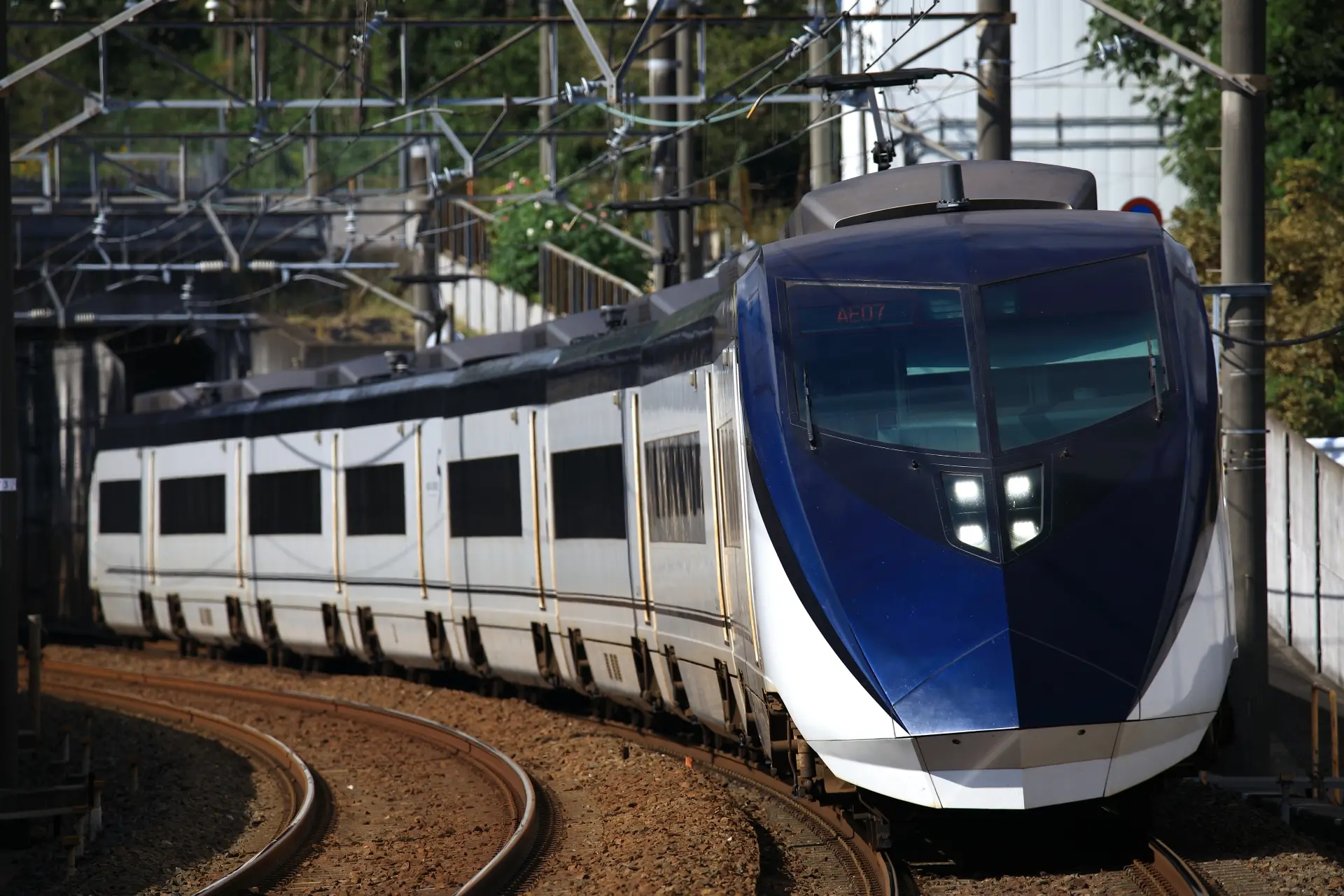
| Narita Terminal 2·3 Station → Nippori / Keisei-Ueno | Skyliner | $16.40 (¥2,580), standard ticket | Fastest 36 min to Nippori / 41 min to Keisei-Ueno |
| Narita Airport Station → Tokyo Station | Narita Express, ordinary car | $19.95 (¥3,140) | Fastest 53 min |
| Narita → Tokyo Station | Airport Bus TYO-NRT | $9.50 (¥1,500), regular daytime fare | Fastest 65 min; traffic can add time |
Sources: Keikyu fares and travel times, Keikyu's ¥330 Shinagawa–Terminal 3 fare example, Tokyo Monorail's regular through fares, Haneda Airport's journey estimates, Keisei Skyliner prices and fastest journeys, JR East fares and journey time, and TYO-NRT.
The destinations differ, so this is not a fastest-airport ranking. A 36-minute train to Nippori is useful if your hotel is nearby; it does not get you to Shinjuku in 36 minutes. Likewise, an 11-minute train to Shinagawa still leaves a transfer if you sleep elsewhere.
Discounts can narrow the gap. Keisei currently lists an eligible Skyliner discount ticket at about $14.70 (¥2,310) one way. For qualifying travelers returning through Narita within 14 days, the N'EX TOKYO Round Trip Ticket is about $33 (¥5,200). Check eligibility and validity before using a discounted price in your comparison.
If you already plan to use a nationwide Japan Rail Pass, its official coverage includes JR limited express trains such as N'EX and the Tokyo Monorail, but not Keisei or Keikyu. Count that benefit only when the pass is valid on your airport travel day. Starting it earlier to cover a modest airport fare can leave an expensive later journey outside its validity.
Train time is only one part of arrival
Write your arrival as separate steps:
- Landing, taxiing and getting off the aircraft.
- Immigration, baggage collection and customs.
- Reaching the station or bus stop and waiting for the service.
- Riding into Tokyo, including any transfers.
- Finding the correct station exit and reaching the hotel.
Airport processing is variable, so this guide does not promise that you will be outside in a particular number of minutes. For planning, build one scenario where your flight and connection go smoothly and another where you leave the terminal later. Avoid a first-night commitment that depends on everything going exactly to plan.
Also check the return journey. The airport that is easiest from your first hotel may be less convenient from your last one.
Is Haneda Worth a Higher Airfare?
There is no universal “pay up to this amount” rule. The value of saving time differs between a solo visitor on a long stay and parents arriving with tired children for three nights in Tokyo.
Start with the costs you can actually calculate:
Total for your party = flights with required extras + arrival transport + departure transport + accommodation needed only because of the flight schedule.
Then compare arrival time at the hotel, transfers with luggage and the risk of missing the last practical connection. Keep the time judgment separate from the cash total so you can see what you are paying for.
Example 1: Two adults, daytime flights, Tokyo Station hotel
Suppose both flights have similar schedules and baggage conditions, but the Haneda return airfare costs $80 more per person, or $160 more for two. These flight prices are hypothetical.
For a simple illustration, use the regular fares above in both directions:
| Ground transport for two adults, both ways | Cost |
|---|---|
| Haneda, Monorail + JR at ¥720 per person each way | $18.30 (¥2,880) |
| Narita, daytime TYO-NRT bus at ¥1,500 each way | $38.10 (¥6,000) |
| Narita, N'EX round-trip tickets at ¥5,200 each, if eligible | $66 (¥10,400) |
Haneda saves roughly $20 against the Narita bus or $48 against the N'EX option for the pair. After that saving, the hypothetical Haneda flights still cost around $140 or $112 more overall. You are deciding whether the schedule and easier journey are worth that remaining amount.
This example assumes the hotel is reachable on foot from Tokyo Station and adds no extra hotel nights. It uses regular Haneda fares for a transparent comparison; an applicable discount could change the totals. Choose the Narita service you would realistically take, rather than the most expensive option just to make Haneda look better.
Example 2: A cheaper flight adds a hotel night
Imagine a Narita itinerary saves $120 (about ¥18,900) for your whole party, but its departure time makes an airport hotel your preferred plan. If that hotel adds $110 (about ¥17,300) and extra transport adds $15 (about ¥2,400), the new expense totals $125, slightly more than the airfare saving.
Those are illustrative amounts, not hotel or transfer quotes. If you can replace your last Tokyo hotel night instead of adding a night, subtract the canceled room cost before deciding. The same calculation applies to an inconvenient Haneda flight.
Our Japan trip budget guide helps place this choice within your total accommodation and transport budget.
Match the Airport to Your Hotel
Shinagawa and Hamamatsucho: a strong case for Haneda
Keikyu reaches Shinagawa directly, while the Tokyo Monorail reaches Hamamatsucho. Staying close to either station keeps the airport journey simple. Shinagawa is also useful if your next major journey is a Tokaido Shinkansen trip.
Look at the specific hotel entrance. “Near Shinagawa” on a booking site can still involve a long walk, a hill or the wrong side of the station for your luggage.
Ueno and Nippori: give Narita a fair comparison
The Skyliner's direct reserved-seat service makes these areas a good match for Narita. At Ueno, Keisei-Ueno and JR Ueno are different stations; check which one your hotel description means. A hotel near the wrong exit can erase part of a convenient rail connection.
The Skyliner operator's overview confirms reserved seating and dedicated luggage areas. That can be a practical advantage after a long flight even when another route is cheaper.
Shinjuku and Shibuya: compare convenience as well as minutes
Haneda can work well via a rail transfer or a bus serving your hotel area. Narita Express offers direct trains to Shibuya and Shinjuku, so a traveler who values staying in one seat may reasonably prefer it. Confirm that the specific departure you plan to board serves your station.
Do not select an airport because a guide says “west Tokyo = Haneda.” Compare the next usable train or bus after your likely airport exit, plus the walk from its destination.
Asakusa and eastern Tokyo: check through-trains
Both airports connect into the wider Keisei–Toei–Keikyu network. Some services offer useful through journeys, but their destinations vary. A route to the exact station at your actual time is more useful than an airport-wide verdict. Use the detailed airport guides to compare the reserved express, through-train and bus options.
Late Arrivals and Early Departures Need a Separate Plan
A midnight arrival is not equivalent to a daytime arrival at the same airport. Before buying the flight, identify a primary route and a fallback that still works after a delay.
At Haneda, Keikyu publishes first and last train information, and the airport lists some overnight buses toward destinations including Shinjuku, Ikebukuro and Yokohama. These are specific departures to specific places. They do not provide an all-night rail network or guarantee a connection to your hotel.
At Narita, check the final train and bus for your route, then price a hotel or vehicle backup if needed. Narita's overnight terminal guide describes which areas remain open and the available facilities. An open terminal does not mean that your preferred onward service is running.
For either airport, ask these questions before choosing the airfare:
- Can I use my preferred route if I reach the public arrivals area later than expected?
- If the bus reaches a major station after local trains stop, how will I finish the journey?
- Does the hotel accept check-in at my likely arrival time?
- If I stay near the airport, does its shuttle run when I need it, from my terminal?
- For an early departure, does the first service get me there by the airline's required check-in time?
Price a taxi or transfer for your actual hotel and vehicle size, including any applicable tolls and late-night charges. A generic “Tokyo taxi price” is a poor basis for buying an international flight.
Watch the calendar date too. An arrival at 00:30 on Tuesday is early Tuesday morning. If you need a room immediately, confirm a Monday-night reservation and late arrival with the hotel.
Families, Groups and Large Suitcases
Compare the party total, not a single ticket. Four adult train fares and one vehicle quote are different units; a child may have a different rail fare, while a vehicle must have space for both people and luggage.
A useful transfer comparison records:
- The number and size of bags the service accepts.
- Whether everyone has a seat and whether a child seat is required or available.
- The walking, stairs and lift access at any transfer station.
- The distance between the final stop and your accommodation.
A direct hotel bus or reserved-seat airport train can be worth a longer ride if it removes a difficult transfer. Conversely, a closer airport offers little comfort if you choose a route with several changes and a long final walk.
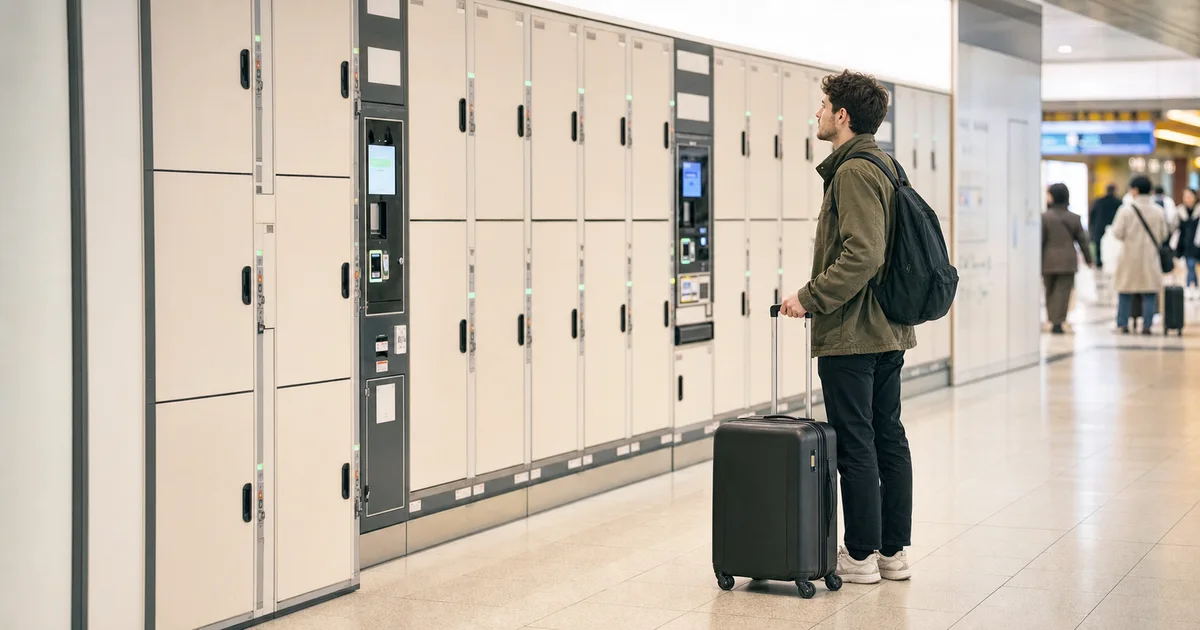
If you arrive before check-in, check whether your hotel will hold your bags. Our Japan luggage storage guide covers alternatives when you want to explore before reaching the hotel. Arrange any luggage delivery around confirmed acceptance hours and delivery timing.
Going Straight to Kyoto or Connecting to Another Flight
Kyoto by Shinkansen
Haneda's Keikyu connection to Shinagawa makes it a sensible first comparison for boarding the Tokaido Shinkansen toward Kyoto. Narita Express can connect you with the Shinkansen at Tokyo or Shinagawa, but the airport leg is longer. Neither airport has a Shinkansen station inside its terminal.
Check the complete same-day journey before booking. Include arrival procedures, the next usable airport train, the station transfer and your onward train's ticket conditions. After a late landing, a Tokyo overnight stop may make more sense than a tight connection.
Our SmartEX booking guide explains how to choose the onward ticket, reserve luggage space and handle a change of plans.
If Kyoto or Osaka is the main destination, also compare flying into Kansai International Airport (KIX) using our Kansai Airport transport guide. For a route starting in Tokyo and ending in Kansai, compare a multi-city flight itinerary with the cost and time of returning to Tokyo.
A flight connection that changes airports
NRT and HND are separate airports. An itinerary that arrives at one and departs from the other requires ground travel across the Tokyo area. Keikyu confirms that some trains run through between them, with limited direct services.
Before purchasing, confirm your airline's connection rules, baggage collection and re-check requirements, check-in deadline, and responsibility if a delay causes a missed flight. ANA's connection guidance distinguishes airport changes and connection types; its minimums should not be treated as a universal buffer for separately booked tickets.
Arriving at Narita and departing from Haneda several days later is much simpler: plan two separate hotel-to-airport journeys. Just avoid buying a Narita return ticket that you will only use once.
Before You Book: A Short Checklist
- Search both NRT and HND for your dates, with comparable bags, seats and change conditions.
- Check your first and last hotel stations, including the final walk.
- Compare usable flight schedules, not just the fastest advertised airport train.
- Add ground transport for everyone in both directions. Apply discounts only when you qualify.
- Include any extra hotel costs caused by the schedule, after subtracting accommodation replaced elsewhere.
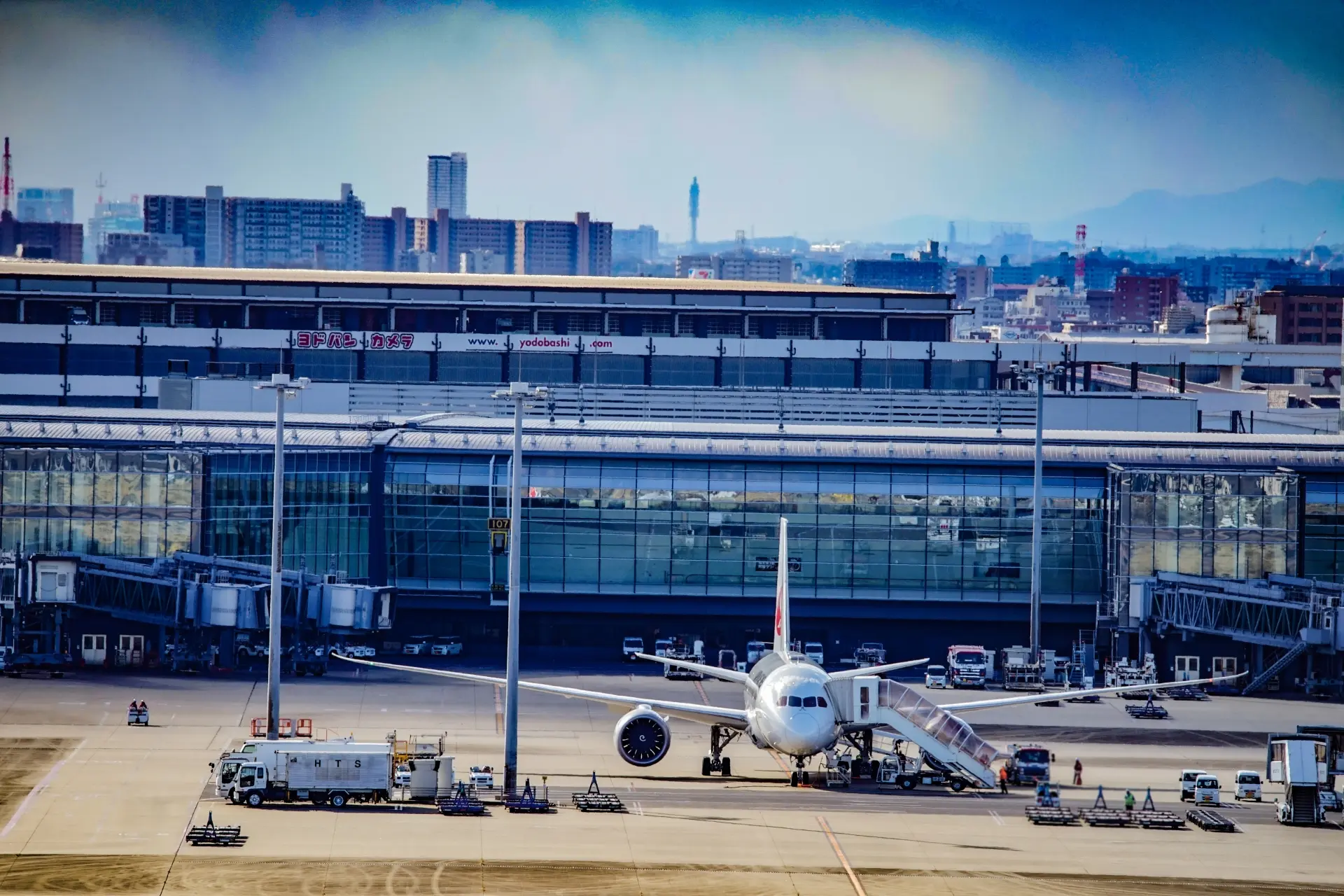
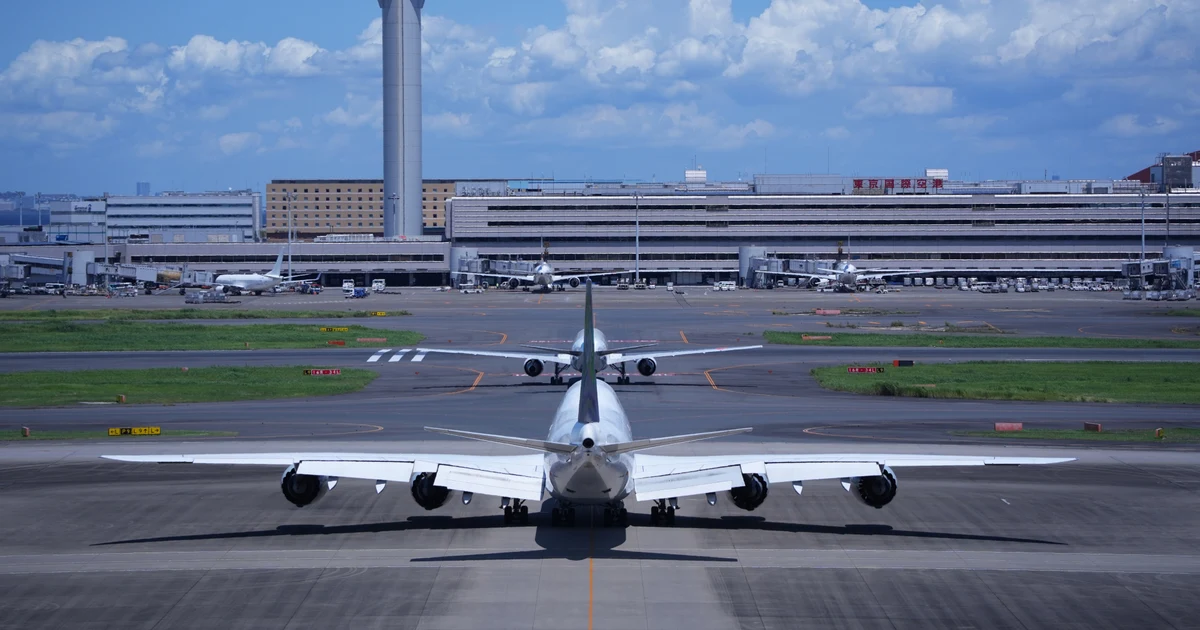
- Confirm the airport and terminal. Haneda international flights use Terminals 2 and 3. At Narita, Terminal 3 passengers use Terminal 2·3 Station and need to account for access between terminal and station.
- Save a late-arrival fallback and check hotel reception hours.
Choose the option whose total price, usable time and arrival effort suit your trip. Then finish the practical details with the Haneda transport guide, Narita transport guide and first-time Japan planning guide.