On this page
Choose a Tokyo hotel by the journeys you will repeat: the route back after dinner, the station you will use most mornings and the walk with your luggage. A famous district name is a useful starting point, but the actual property entrance and nearest useful station matter more.
For many first visits, Shinjuku, Shibuya, Ueno, Asakusa, Tokyo Station and Ginza are sensible areas to compare. None is the best choice for every traveler. A quieter side street near a useful line can suit you better than a room directly beside a station you rarely need.
This is a neighborhood decision guide, not a list of inspected hotels. The area comparisons are editorial judgments based on geography and travel needs; no firsthand hotel stay is implied. For room formats, see the Japan accommodation guide.
Compare the Areas in One Table
| Area | Put it on your shortlist when… | Station and airport route to check |
|---|---|---|
| Shinjuku | You expect western Tokyo evenings and varied rail journeys | JR Shinjuku for a Narita Express service bound for Shinjuku; check the hotel exit |
| Shibuya | Shopping, fashion and west-side evenings drive the trip | JR Shibuya for a suitable Narita Express service; inspect hills and the hotel walk |
| Ueno | Eastern Tokyo and a direct Narita rail connection fit your plans | Skyliner to Keisei Ueno; distinguish it from JR Ueno when mapping the hotel |
| Asakusa | You prefer temple streets and an eastern base | Toei Asakusa station for suitable Keisei/Keikyu airport through services; check the specific train |
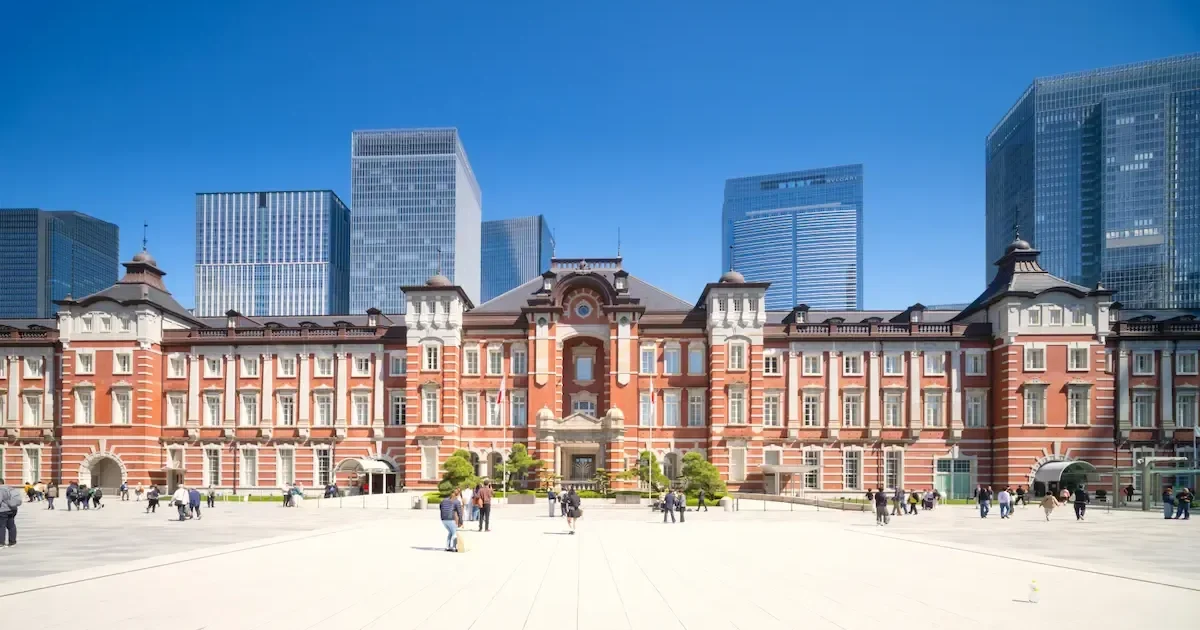
| Tokyo Station / Marunouchi | Intercity rail and central-city plans matter | JR Tokyo for Narita Express and Shinkansen; compare the platform-to-hotel walk |
| Ginza / nearby central districts | Dining, shopping and subway access fit the trip | For airport through trains, compare Higashi-ginza on the Toei Asakusa Line with the property's nearest Ginza-area station |
The airport examples follow JR East's Narita Express routes, Keisei's Skyliner information and Toei's airport access guide. Not every departure serves every listed station: check the actual train, direction, airport terminal and time. For Haneda travel from Shinjuku, Shibuya or Ueno, compare the connections in our Haneda transport guide.
The table does not rank safety, hotel quality or current prices. Those depend on the individual property, street, dates and room. Use the area to narrow the search, then compare real options.
Shinjuku: Useful, but the Station Name Is Not Enough
Shinjuku is a strong candidate if you expect to spend evenings in western Tokyo and want several rail choices. It also demands careful attention to the property's exact position.
The official GO TOKYO Shinjuku guide distinguishes the west-side office district, east-side entertainment and southern station area. Treat these as different arrival and walking experiences rather than interchangeable hotel locations.
Before booking, map the route from the platform or airport-bus stop you expect to use to the hotel entrance. Confirm whether the closest named station is JR Shinjuku, another nearby station or a subway entrance that still leaves a substantial walk.
If quiet sleep is important, inspect the immediate street and recent room-specific comments. A neighborhood's nightlife reputation does not tell you how soundproof a particular room is. Conversely, being near nightlife does not mean every hotel is unsuitable for families.
Shibuya: Choose It for the Time You Will Spend Nearby
Shibuya can work well when shopping, fashion, contemporary culture and evenings on the west side are a large part of your trip. It is less compelling if most of your itinerary is in eastern Tokyo and you are choosing it mainly because the name is familiar.
Use the official Shibuya guide to understand the surrounding area. Then examine the actual hotel walk: slopes, crossings, luggage and the station entrance you will use can change how convenient a location feels.
For a short visit, staying near the place you want to spend the evening can be more valuable than minimizing a single daytime transfer. For an early airport departure, however, check that morning's route before making nightlife the only deciding factor.
Ueno: Consider It for an Eastern Tokyo Base
Ueno can fit travelers who expect to spend time around eastern Tokyo, parks and museums, and who have a compatible airport route. The GO TOKYO Ueno guide provides area orientation.
Do not collapse every station containing Ueno into one point on a map. Check the arrival station for your chosen airport service and the onward walk to the hotel. A convenient train can still end on the less convenient side of the area for your property.
If museums are important, staying nearby can make it easier to build a focused day. It does not remove the need to check opening calendars or reserve special exhibitions where required.
Asakusa: Good for Travelers Who Want to Stay in the East
Asakusa suits a trip that values temple streets, neighborhood walks and an eastern base. The official Asakusa guide is a useful starting map of the area.
The trade-off is the pattern of your other days. If you will repeatedly travel to western Tokyo and return late, compare those journeys with the room-price difference. A cheaper property can remain good value, but it should be a conscious choice.
Check which Asakusa station the listing means and the route with luggage. A hotel's district label may cover a wider area than the short walk you imagine. If a direct airport service is part of the attraction, confirm the actual train and stop rather than assuming every departure follows that route.
Tokyo Station and Marunouchi: Useful for Rail, Still a Whole-Stay Decision
Being near Tokyo Station can simplify an early intercity departure and suit a centrally focused itinerary. It is especially worth considering when arrival or onward travel is awkward enough to make one simpler transfer valuable.
The station has distinct sides and a large interior. Check where the hotel is relative to the train you will use, not simply the distance to a generic station marker. If luggage storage is needed, confirm whether the hotel can handle it before and after the stay.
Do not let one Shinkansen trip determine every hotel night automatically. Compare the benefit on departure day with the journeys you will repeat for the rest of the visit. Sometimes staying elsewhere and leaving more time for that one transfer is the better overall plan.
Ginza and Nearby Central Districts
Ginza and surrounding central areas can suit travelers who value dining, shopping and a choice of subway connections. Treat “near Ginza” as a prompt to inspect the address, not a guarantee of one particular experience.
Map the route to the station that serves your itinerary. The closest entrance may not be the most useful line, and a short walk to a different station can sometimes provide a simpler journey. Make that choice before comparing airport transfers.
Dining preferences matter here as much as transport. If you expect to spend evenings in this part of the city, being able to walk back can be valuable. If most dinners are elsewhere, compare the room premium with another base.
Match the Station to the Trip: Four Shortlists
Use these as starting shortlists, then compare actual room availability. They are editorial suggestions based on the journey pattern, not rankings from hotel inspections or a promise of the lowest prices.
| Trip pattern | Start your search around | Why it belongs on the shortlist |
|---|---|---|
| Museums, Asakusa and an eastern Tokyo focus | Ueno or Asakusa | More of your sightseeing and evening walking stays on the east side |
| Fashion, shopping and west-side dinners | Shibuya or Shinjuku | Your repeated journeys are concentrated around those districts |
| Early intercity departure and central sightseeing | Tokyo Station / Marunouchi | The departure-day transfer is a meaningful part of the decision |
| Central dining with several subway outings | Ginza and neighboring station areas | Compare the relevant lines and the evening walk home |
An airport preference can narrow the shortlist further, but inspect the precise service. For Narita and Ueno, distinguish Keisei Ueno from JR Ueno. For Asakusa, distinguish the Toei/Metro/Tobu station area from Tsukuba Express Asakusa. At Tokyo Station, distinguish Marunouchi and Yaesu sides. The name on the hotel listing does not resolve these differences for you.
A Family With a Stroller
Start with room occupancy and sleeping arrangements, then examine the entrance-to-platform journey. Ask about the elevator route, stroller storage and whether the room layout leaves usable floor space. A nearby subway entrance with stairs may be less useful than a slightly longer walk to an elevator.
For evening meals, choose a few options within an easy return to the room. The best location for your family may be the one that makes an early finish simple, even if an adult-only itinerary would favor a different district.
A Solo Traveler Planning Several Late Dinners
Map the actual evening venues before prioritizing the fastest airport transfer. Saving a little time once on arrival may be less valuable than a straightforward return on four separate nights. Check the last useful train and a realistic alternative before booking a hotel far from those evenings.
A Couple Continuing to Kyoto
Do not change Tokyo hotels merely to get closer to the Shinkansen for one departure. Compare leaving your existing base earlier with the time needed to pack, check out, store luggage and check into another property. A final airport hotel can have a clear job; an extra city hotel move should have one too.
The five-day Tokyo plan helps identify your repeated journeys. Use the Tokyo budget worksheet to translate a room-price difference into a per-person, whole-stay amount before deciding.
How to Compare Two Actual Hotels
Use the same dates, guest count and cancellation conditions. Write down the total for the full stay, including mandatory charges not included in the initial result.
| Question | Hotel A | Hotel B |
|---|---|---|
| Total room cost for the stay | Quote | Quote |
| Exact beds and permitted occupancy | Confirm | Confirm |
| Airport route to the entrance | Route | Route |
| Three most frequent sightseeing journeys | Routes | Routes |
| Route home after your planned evening | Route | Route |
| Luggage storage and check-in terms | Confirm | Confirm |
| Cancellation deadline | Date and local time | Date and local time |
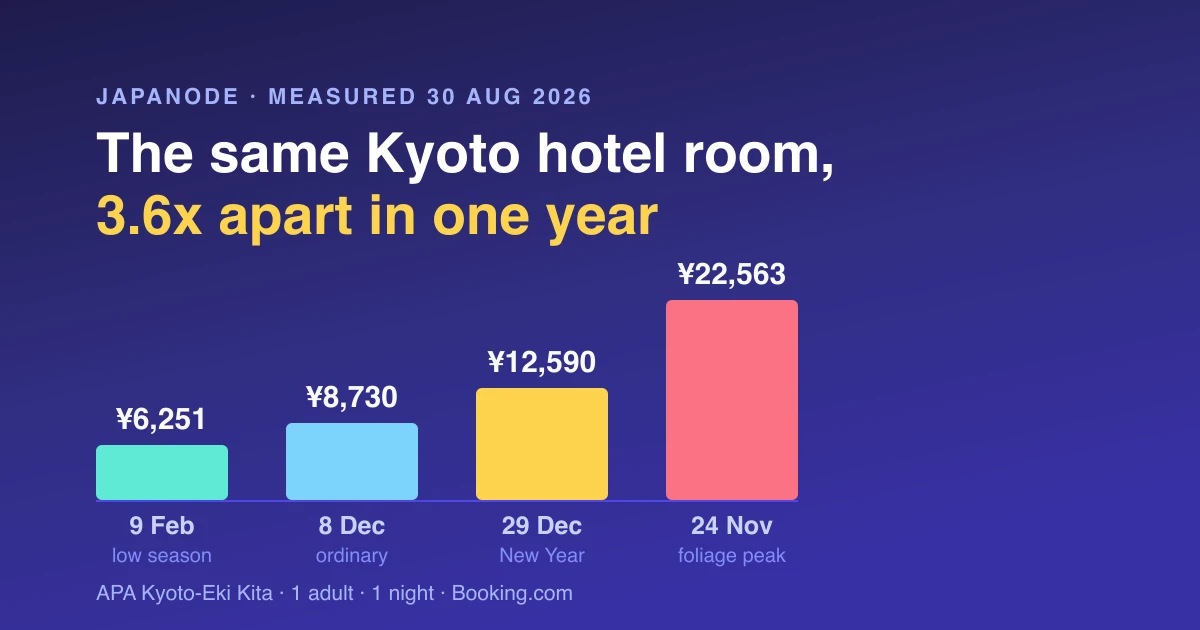
Our hotel price comparison explains why dates and room definitions matter. A historical average can help set expectations, but only an actual quote can decide between two rooms for your trip.
A Hypothetical Location Calculation
Suppose one hotel costs ¥3,000 less per room per night. If two people each spend an extra ¥600 per day reaching the places they want to visit, the cash saving falls to ¥1,800 per day. The additional travel time remains a separate consideration.
Those are invented comparison inputs, not market prices for two neighborhoods. Use your real room quotes and route fares. This method makes the trade-off visible without pretending that one district is always cheapest.
Families, Solo Travelers and Accessibility
Families should confirm beds, permitted occupancy, child ages and bathroom arrangements. A room described as suitable for a family can still have a sleeping arrangement that does not suit yours. Do not infer capacity from photographs alone.
Solo travelers may place more value on a straightforward return route, a manageable room price and useful services nearby. Couples sharing a room should compare the total room cost rather than a per-person headline designed for a different occupancy.
For accessibility needs, contact the property with specific questions about entrances, steps, elevators, bathroom layout and the route from the station. A short map distance is not evidence that the entire journey is step-free.
Airport Choice, Luggage and the Final Booking
Use the Narita versus Haneda comparison alongside the hotel shortlist. The best airport connection depends on the property, arrival time, luggage and travelers, not just which airport is closer on a map.
If you arrive before check-in or leave after checkout, confirm the luggage plan. The Japan luggage-storage guide covers alternatives when the hotel cannot help.
Before paying, verify the room, address, cancellation terms and arrival instructions one last time. Keep a copy of the property's Japanese name and address for navigation. Once those practical details fit, choose the place that supports the evenings and mornings you actually want to have in Tokyo.
Make it your trip
Still planning your Japan trip?
Pick the question on your mind. Compare your options, check the details and take one more thing off your list.

Which eSIM fits your Japan trip?
Maps, messages, hotspot use: compare five providers by data allowance, network and plan limits before you choose.
Find my Japan eSIM
What should your travel insurance cover?
Compare medical cover, cancellation and activity limits across five options, with the exclusions worth checking.
Compare cover & limitsWould a JR Pass save you money?
Add your train journeys and compare individual tickets with the nationwide pass. See which costs less for your route.
Calculate my rail costsFrequently Asked Questions
There is no universal winner. Compare the actual hotel's nearest useful station with your airport route, evening plans and sightseeing priorities.
Shinjuku suits varied rail journeys and a wide choice of evening dining; Shibuya suits fashion, shopping and plans centered on western Tokyo. Both have busy stations. Compare the exact hotel walk and airport service before choosing.
Asakusa works well for eastern Tokyo and can connect to other districts by subway. It is less convenient if most of your daily plans are concentrated in western Tokyo.
It can simplify an early departure, but one train journey does not automatically outweigh several days of sightseeing and evening travel. Compare the whole stay.

Written by
JAPANODE
Based in Japan, sharing practical travel planning guides for visitors.
You Might Also Like
 Planning
How Much Do Hotels Cost in Japan? We Measured 2026 Prices
12 min read
 Transportation
Haneda Airport to Tokyo in 2026: Monorail, Keikyu, Limousine Bus & Taxi
12 min read
 Transportation
Narita Airport to Tokyo in 2026: Skyliner, N'EX, Bus & Taxi
22 min read
 Planning
Japan Accommodation Types Explained: Hotels, Ryokan, Capsule Hotels & More
16 min read